8 photos
Custom Diorama Models & Exhibit Displays
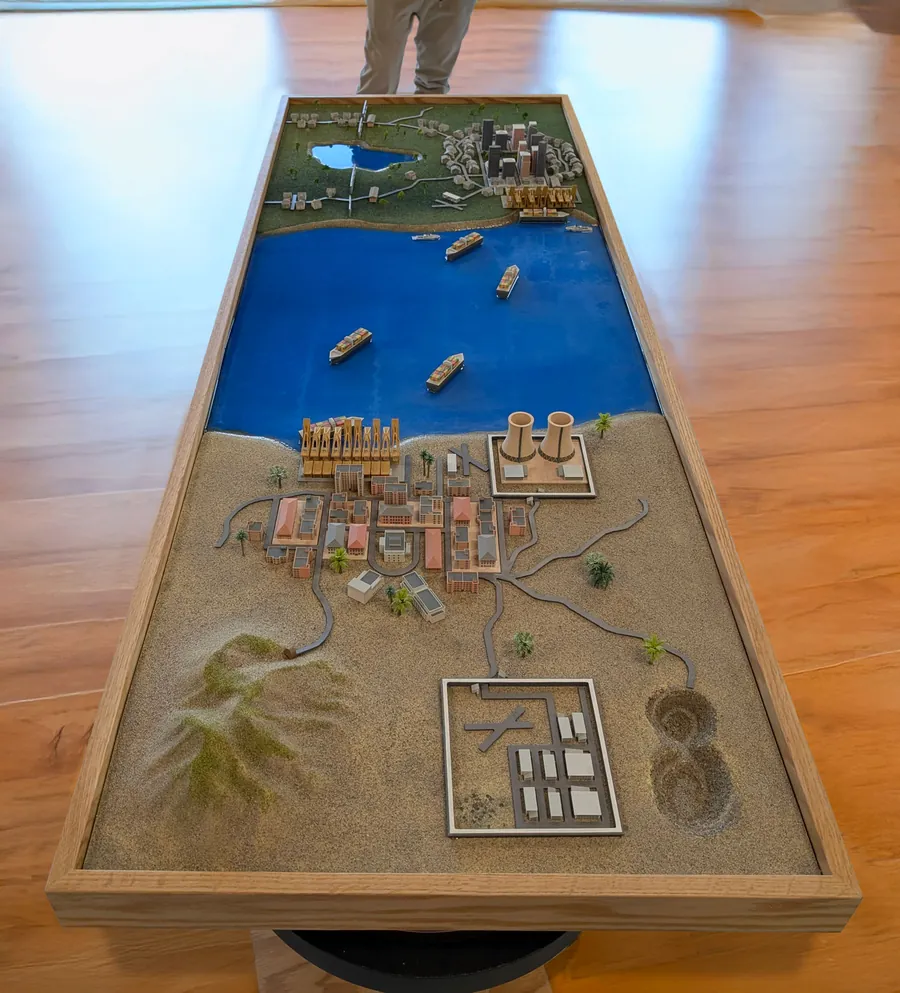
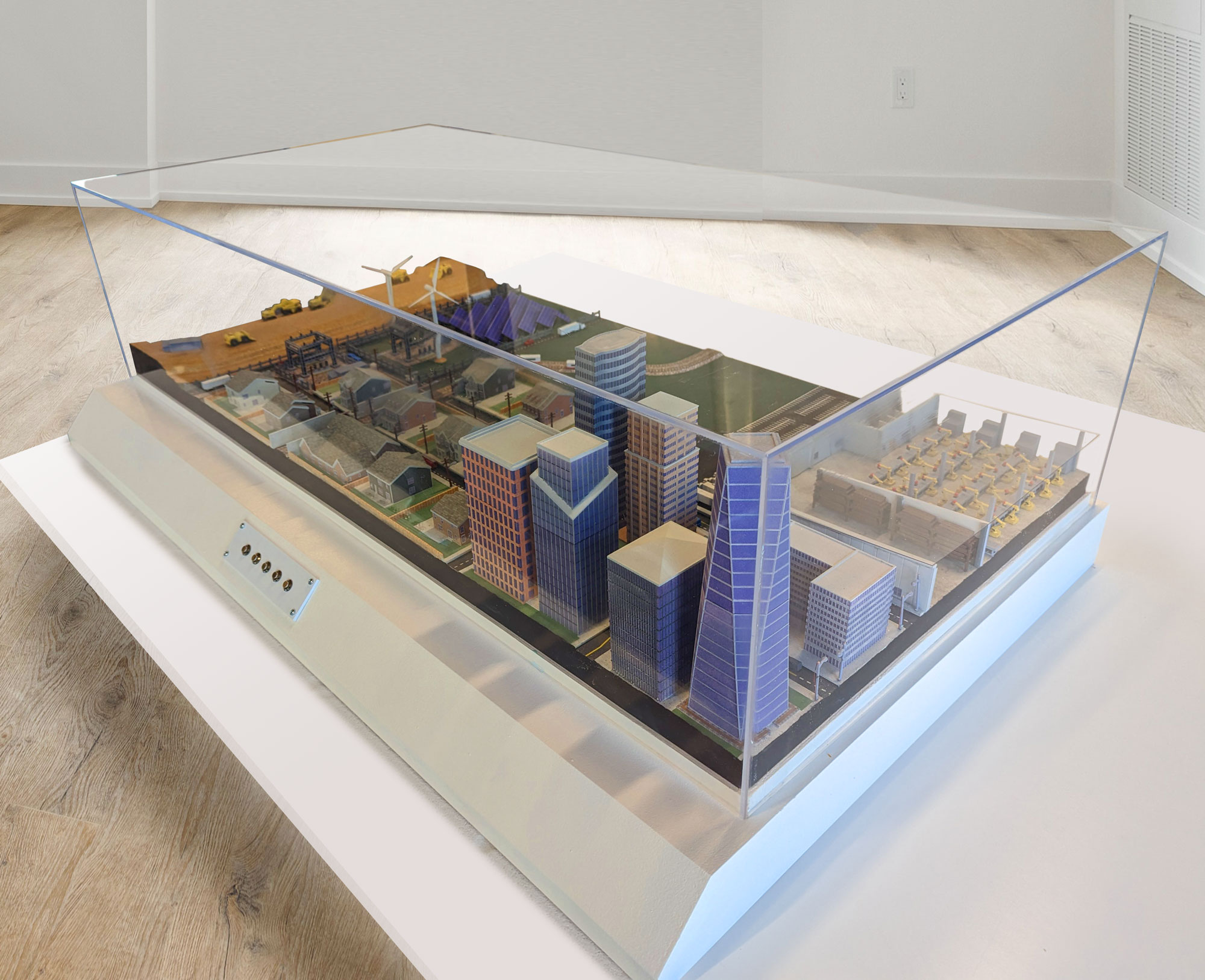
WhiteClouds designs and fabricates custom diorama models, museum exhibits, educational displays, architectural site models, real estate presentation models, industrial infrastructure models, interactive scenes, and physical storytelling displays built around your subject, audience, scale, environment, timeline, and presentation goals.
From museums and visitor centers to campuses, real estate developments, industrial presentations, educational exhibits, interpretive displays, trade shows, and corporate environments, we create detailed physical dioramas that help people understand places, processes, stories, systems, environments, and future developments in a more memorable way.
Custom diorama models built to explain complex places, systems, stories, environments, developments, and infrastructure through detailed physical displays.
Explore examples ↓Diorama models that help people understand, explore, interact, and remember.
WhiteClouds creates custom diorama models for museums, campuses, real estate developments, educational programs, visitor centers, interpretive exhibits, industrial presentations, infrastructure storytelling, marketing displays, and interactive learning environments.
Museums, visitor centers & educational exhibits
Detailed physical dioramas can help explain historical places, natural environments, climate concepts, safety scenarios, cultural sites, and educational topics in a way that feels tangible and memorable.
Campuses, real estate & site models
Campus models, development models, architectural site models, and real estate dioramas help viewers understand scale, terrain, buildings, circulation, landscape, access, and surrounding context.
Industrial, infrastructure & technical displays
Industrial dioramas can show facilities, logistics, utilities, energy systems, transportation routes, equipment layouts, safety scenarios, and infrastructure relationships in a clear physical format.
Interactive and lighted diorama displays
LED lighting, programmable features, moving parts, sound, labels, cases, controls, and interactive elements can help audiences explore specific locations, systems, stories, or presentation points.
Selected Clients, Organizations & Featured Projects
WhiteClouds has created custom diorama models and physical displays for universities, museums, technology companies, senior living communities, property developments, industrial organizations, and entertainment brands.
Explore custom diorama model projects by display type
A custom diorama model can be educational, architectural, interactive, lighted, industrial, interpretive, site-based, or built as a detailed multi-image exhibit display. Browse examples by audience, subject matter, presentation style, and display environment.
8 photos
7 photos
4 photos
4 photos
Custom diorama models built for real exhibits, real audiences, and real presentation goals
WhiteClouds helps museums, schools, universities, developers, planners, industrial companies, utilities, exhibit designers, and organizations turn complex ideas, places, systems, and stories into physical diorama models that are easier to understand and more memorable to experience.
Creative + Practical
Dioramas are planned around the subject matter, audience, display environment, scale, detail level, budget, timeline, viewing distance, lighting, interaction, base, case, and how the finished model will actually be used.
Built Around the Story
Each model can be customized around the location, terrain, buildings, people, vehicles, labels, lighting, interpretive goals, educational message, technical process, or presentation narrative.
Large-Scale Model Experience
WhiteClouds can fabricate large campus models, museum dioramas, real estate displays, site models, industrial scenes, infrastructure models, lighted displays, and interactive exhibit pieces.
Display-Ready Finish
Projects can include terrain, trees, water, buildings, roads, vehicles, figures, graphics, labels, lighting, cases, bases, scenic finishes, and detailed surface treatments.
Public-Facing Durability
Dioramas can be planned for museum use, classroom use, public interaction, acrylic cases, long-term display, touring exhibits, trade shows, visitor centers, or repeated presentation use.
Support Beyond Fabrication
Support is available for sizing, scale selection, material choices, 3D files, site references, model bases, acrylic covers, labels, lighting, crating, freight, delivery, and setup planning.
What clients say after custom display and model projects are installed
A few relevant examples of the feedback WhiteClouds receives when finished displays, physical builds, and public-facing pieces are delivered and in use.
““Awesome, thank you. We love those interactions, too! People love it. Our model shows many new homes that people have selected and that are not quite finished being built yet. It has been so cool seeing people say, ‘Oh! This one is going to be mine, and I’ll be right down the sidewalk from you over here!”
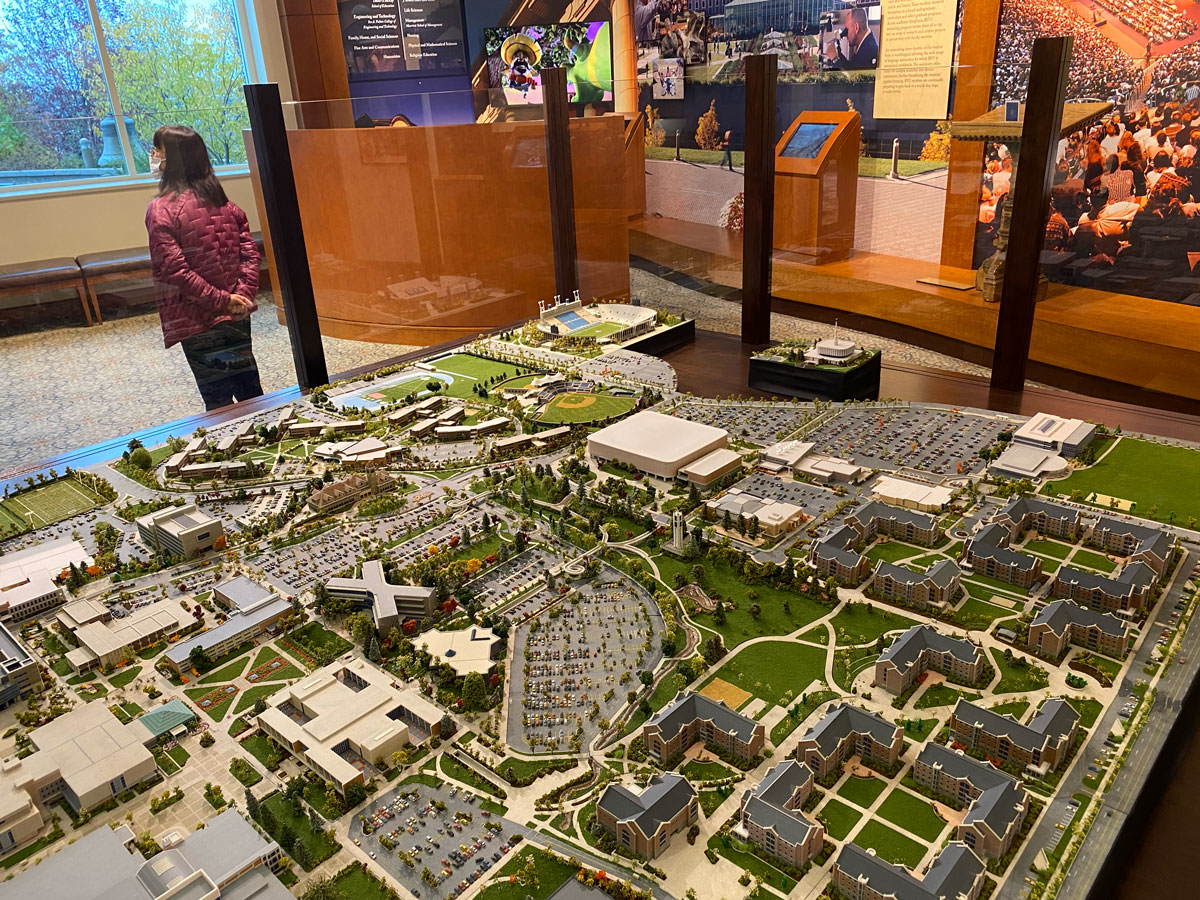
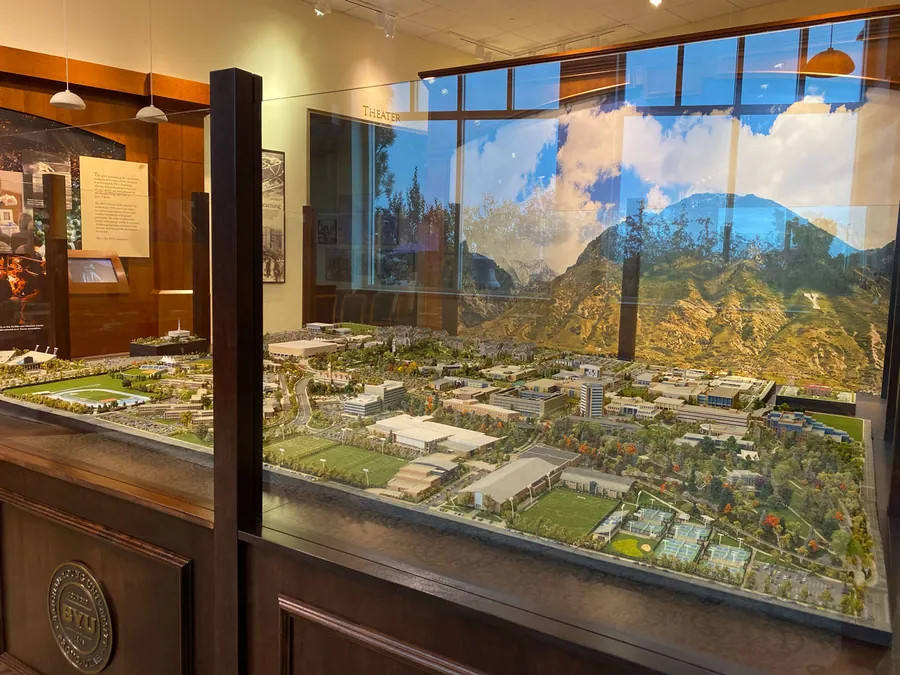
“WhiteClouds has produced a 3D printed model of the BYU Campus which is on display in the Shelley Visitors Center within the Hinckley Alumni and Visitors Center. We love the model! We love that we can keep it current with our ever-changing campus! It gives guests an opportunity to see the breadth of our campus and our alumni to see an aggregate and nostalgic view of this unique university that has affected them so deeply.”
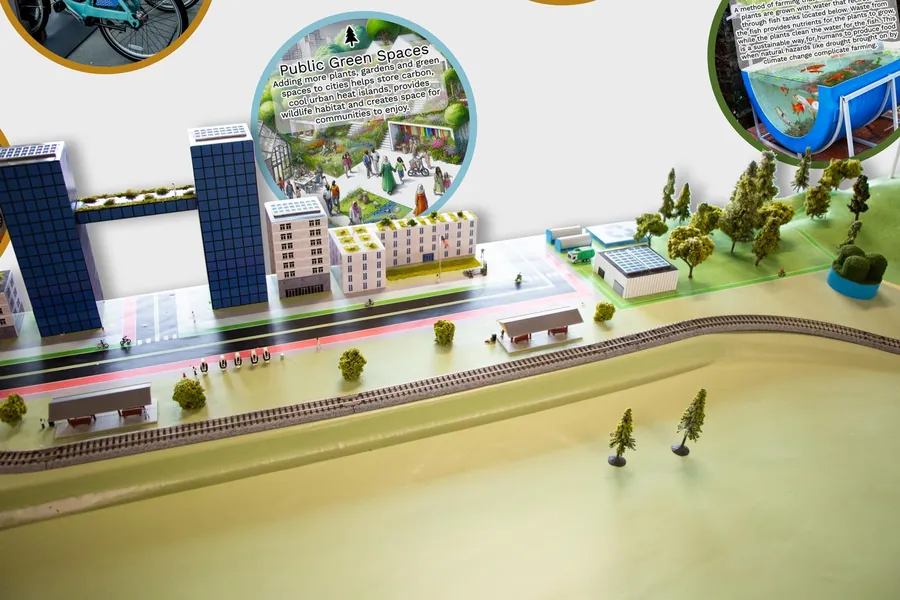
“Thank you for all your help with the educational diorama for our Climate Solutions Lab for our environmental science programming at NatureBridge. The demand for our programming continues as we strive to create life-changing opportunities for young people to discover the wonder of nature and understand their role in protecting it. THANK YOU for being a huge part of our success!”
BYU’s Campus Diorama
WhiteClouds interviewed Clark Pew, Public Affairs Manager for BYU’s Department of University Relations, to discuss the history behind the project, why the university commissioned the model, and his experience working with WhiteClouds.
See More Campus & Site ModelsDioramas can be customized by scale, subject matter, terrain, buildings, lighting, interaction, casework, and display environment.
The right fabrication approach depends on what the model needs to explain, how much detail is required, where it will be displayed, how people will view or interact with it, and whether it needs lighting, labels, controls, a base, a case, or long-term public-facing durability.
Museum and exhibit dioramas
Build detailed physical scenes for museums, visitor centers, interpretive displays, cultural sites, historical exhibits, science exhibits, and public learning environments.
Educational diorama displays
Create models that help students, visitors, or stakeholders understand processes, places, environments, safety scenarios, climate concepts, infrastructure, or historical context.
Campus and site models
Show campuses, parks, developments, neighborhoods, real estate communities, buildings, roads, terrain, trails, landscaping, and surrounding site context.
Real estate presentation models
Create physical marketing displays for communities, developments, resorts, mixed-use projects, planned neighborhoods, and sales environments.
Industrial and infrastructure models
Build dioramas showing plants, facilities, utilities, transportation routes, energy systems, logistics, fueling stations, EV charging, and technical processes.
Terrain, landscape, and water features
Add topography, landforms, roads, trails, trees, grass, water, resin waterways, gravel, dirt, rocks, and scenic textures to support the story and location.
Buildings, vehicles, and scale details
Include 3D-printed buildings, vehicles, people, equipment, signs, monuments, tracks, fences, light poles, roads, and other small details that make the scene easier to understand.
LED lighting and programmable features
Add building lights, streetlights, under-road lighting, programmable LEDs, highlight zones, controls, and lighting effects to guide attention and support presentations.
Interactive and moving elements
Add moving parts, sound, buttons, controls, screens, sensors, labels, or presentation features when the model needs to teach, demonstrate, or engage.
Bases, cases, and protective covers
Build custom bases, cabinetry, pedestals, shadowbox frames, acrylic covers, glass enclosures, and ADA-conscious presentation elements when needed.
Multi-material fabrication
Use 3D printing, CNC cutting, hand modeling, foam, acrylic, wood, resin, paint, graphics, metal supports, lighting, and scenic finishing based on the model's requirements.
Crating, delivery, and setup planning
Plan for safe shipping, modular sections, display cases, installation access, handling, setup instructions, and delivery requirements for larger or fragile diorama models.
Built with the right process for the scale, detail, durability, lighting, and exhibit environment
WhiteClouds matches the fabrication method to the project. A museum diorama, a campus site model, a real estate presentation display, an interactive safety model, an industrial infrastructure model, and a lighted exhibit display may all require different scales, materials, structures, finishes, bases, cases, graphics, and electronics.
- 3D printing for buildings, vehicles, figures, and details
- CNC cutting and carving
- Foam fabrication
- Hand modeling and scenic finishing
- Terrain and landscape fabrication
- Resin water and specialty surface effects
- Woodworking and custom bases
- Acrylic covers and display cases
- Metal supports and internal structure
- Laser cutting and precision components
- Vinyl graphics, labels, legends, and printed details
- LED lighting and programmable controls
- Electronics, sound, motion, and interactive features
- Painting, airbrushing, and color matching
- Custom crating and modular fabrication
A physical storytelling tool built around how people see, understand, explore, and remember complex information.
A custom diorama model can make a place, process, story, site, system, or environment easier to understand. It gives viewers a physical point of reference, helps explain relationships between details, and creates a memorable display experience that flat graphics or digital renderings often cannot provide on their own.
Dioramas help viewers understand scale, layout, terrain, buildings, systems, movement, history, or environmental relationships in a physical way.
Lighting, labels, moving parts, interactive controls, and detailed scenes give people a reason to look closer and spend more time with the display.
Museum, education, infrastructure, site, and interpretive dioramas can organize complex information into a clear visual narrative.
A detailed physical model can become the centerpiece people photograph, discuss, revisit, and remember after the presentation or exhibit.
What affects the cost of a custom diorama model?
Every custom diorama model is priced around the scope of the build. Cost depends on the model's size, scale, subject matter, level of detail, terrain, buildings, figures, lighting, interactivity, base, case, graphics, shipping requirements, timeline, and how the finished display will be used.
From subject matter and reference materials to a finished custom diorama model
A custom diorama model project moves more smoothly when the subject matter, display purpose, scale, audience, level of detail, lighting, interaction, casework, timeline, and available reference materials are discussed early.
Project review
We start with the subject matter, intended use, approximate size, display environment, audience, deadline, shipping destination, and any site plans, CAD files, photos, sketches, maps, reference images, brand assets, labels, or exhibit goals you already have.
Scale, story, and build requirements
The team reviews the model's scale, level of detail, terrain, buildings, features, lighting, interactive elements, base, case, viewing angles, public interaction, and long-term display requirements.
Concept proof and approval
A design proof, rendering, drawing, layout, or production direction is prepared when needed so the scale, footprint, scene composition, materials, lighting, labels, base, case, and presentation approach can be reviewed before fabrication begins.
Fabrication and scenic detailing
The model is produced using the best-fit fabrication methods, which may include 3D printing, CNC cutting, foam fabrication, hand modeling, woodworking, acrylic work, terrain building, resin water, painting, labeling, and scenic finishing.
Lighting, interaction, and final assembly
If the project includes LEDs, programmable lighting, moving elements, sound, buttons, controls, labels, acrylic covers, cabinetry, internal structure, or modular sections, those components are integrated and tested before shipment.
Crating, delivery, and setup support
The finished diorama is packed for safe transit. WhiteClouds can provide handling, assembly, display, case, and placement guidance so your team, museum, installer, exhibit partner, or local contractor understands the intended setup.
Answers to common questions about custom diorama models
What types of custom diorama models does WhiteClouds make?
WhiteClouds builds custom diorama models for museums, education, campuses, real estate developments, visitor centers, industrial presentations, infrastructure displays, historical exhibits, safety demonstrations, interpretive exhibits, trade shows, and corporate presentations.
What do you need to start a quote?
The most helpful starting details are the subject matter, approximate size, desired scale, display location, audience, deadline, and available reference materials. Site plans, CAD files, maps, photos, sketches, labels, brand assets, exhibit goals, and examples of the desired style can all help define the scope.
Do I need CAD files or 3D files?
No. CAD files and 3D files can be helpful, but they are not always required. WhiteClouds can often start from photos, sketches, site plans, maps, written descriptions, architectural drawings, reference images, or other available materials. Additional design development may be needed depending on the project.
Can a custom diorama model be updated later?
In many cases, yes. Buildings, labels, development phases, lighting programs, removable components, and other model elements can sometimes be designed for future updates. Let us know early if the site, facilities, or presentation information is expected to change so updateability can be considered during design.
Can diorama models include lighting or interactive features?
Yes. Custom diorama models can include LED lighting, programmable lighting, moving parts, sound, buttons, controls, sensors, screens, labels, and other interactive elements. These features affect design, wiring, testing, timeline, and budget.
What materials are used to build diorama models?
Diorama models may use 3D printing, foam, acrylic, wood, resin, metal supports, laser-cut parts, CNC-cut components, printed graphics, scenic materials, paint, lighting, electronics, acrylic cases, custom bases, and other materials depending on the model's size, detail, durability, and display environment.
Can you build a diorama with terrain, buildings, vehicles, and small details?
Yes. WhiteClouds can include terrain, roads, buildings, trees, vehicles, figures, monuments, signs, water, fences, utilities, equipment, labels, lighting, and other scaled details depending on the story and level of detail needed.
Can the model be protected with a case or cover?
Yes. Diorama models can include acrylic covers, glass enclosures, shadowbox frames, custom bases, cabinetry, pedestals, or protective display cases. Casework should be discussed early because it affects size, materials, access, shipping, and display planning.
Can diorama models be shipped?
Yes. Dioramas can be crated and shipped, and larger models can be designed in sections when needed. Shipping, handling, access points, assembly, and installation requirements should be discussed early, especially for large or highly detailed models.
Do you ship custom diorama models internationally?
Yes. WhiteClouds can crate and ship custom diorama models throughout the United States and internationally. Large or fragile models may be designed in modular sections, and access, handling, customs, assembly, and setup requirements should be discussed early.
Can you make museum-quality or public-facing diorama displays?
Yes. WhiteClouds can build diorama models for public-facing environments such as museums, visitor centers, educational exhibits, lobbies, trade shows, and permanent displays. Public interaction, durability, protection, lighting, and maintenance should be considered during planning.
How long does a custom diorama model take?
Timeline depends on the size, scale, complexity, reference materials, design development, level of detail, lighting, interactivity, approvals, casework, shipping, and installation requirements. Event openings, exhibit deadlines, and presentation dates should be shared as early as possible.

Get a custom quote for a diorama model built around your subject, audience, display environment, and deadline.
Share the subject matter, approximate size, desired scale, display location, audience, deadline, shipping destination, available site plans, photos, maps, CAD files, labels, lighting needs, interactive features, and whether the model needs a base, case, crating, or setup support. WhiteClouds can help refine the scale, materials, detail level, fabrication approach, display plan, and next steps.