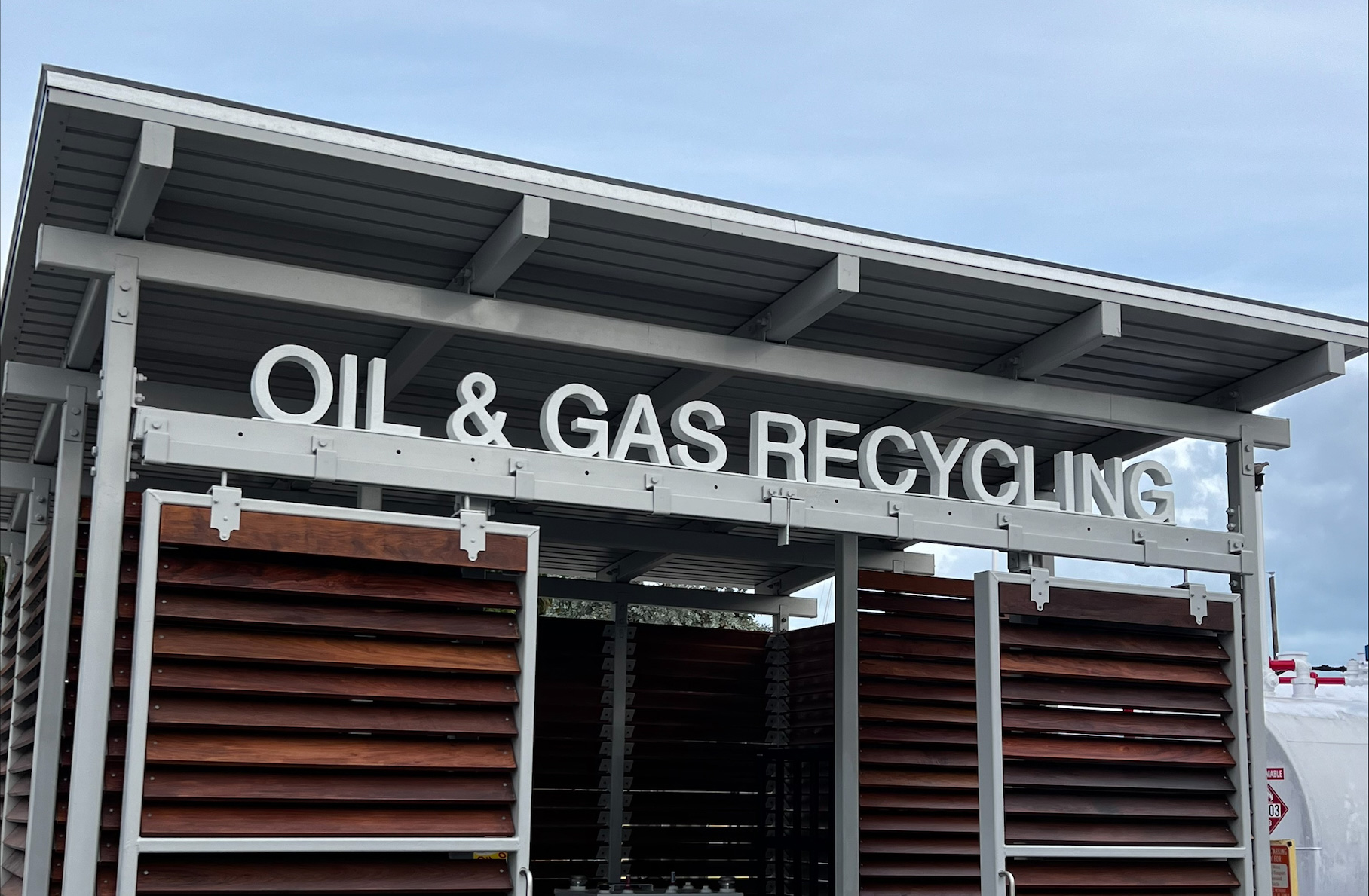
Oil & Gas Recycling signageWhiteClouds supplied three sets of metal letters for City of Key West Government transfer station buildings.
WhiteClouds projects
Metal Identity, Up Close
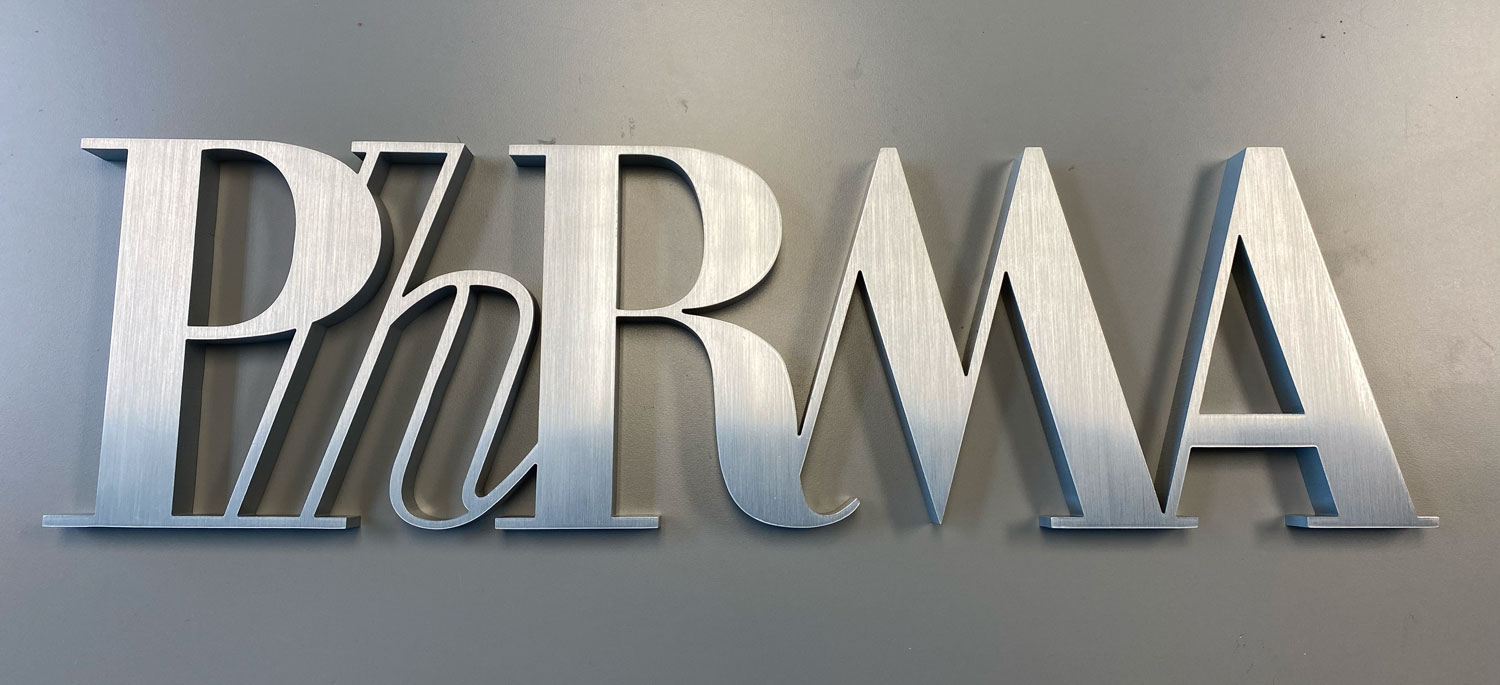
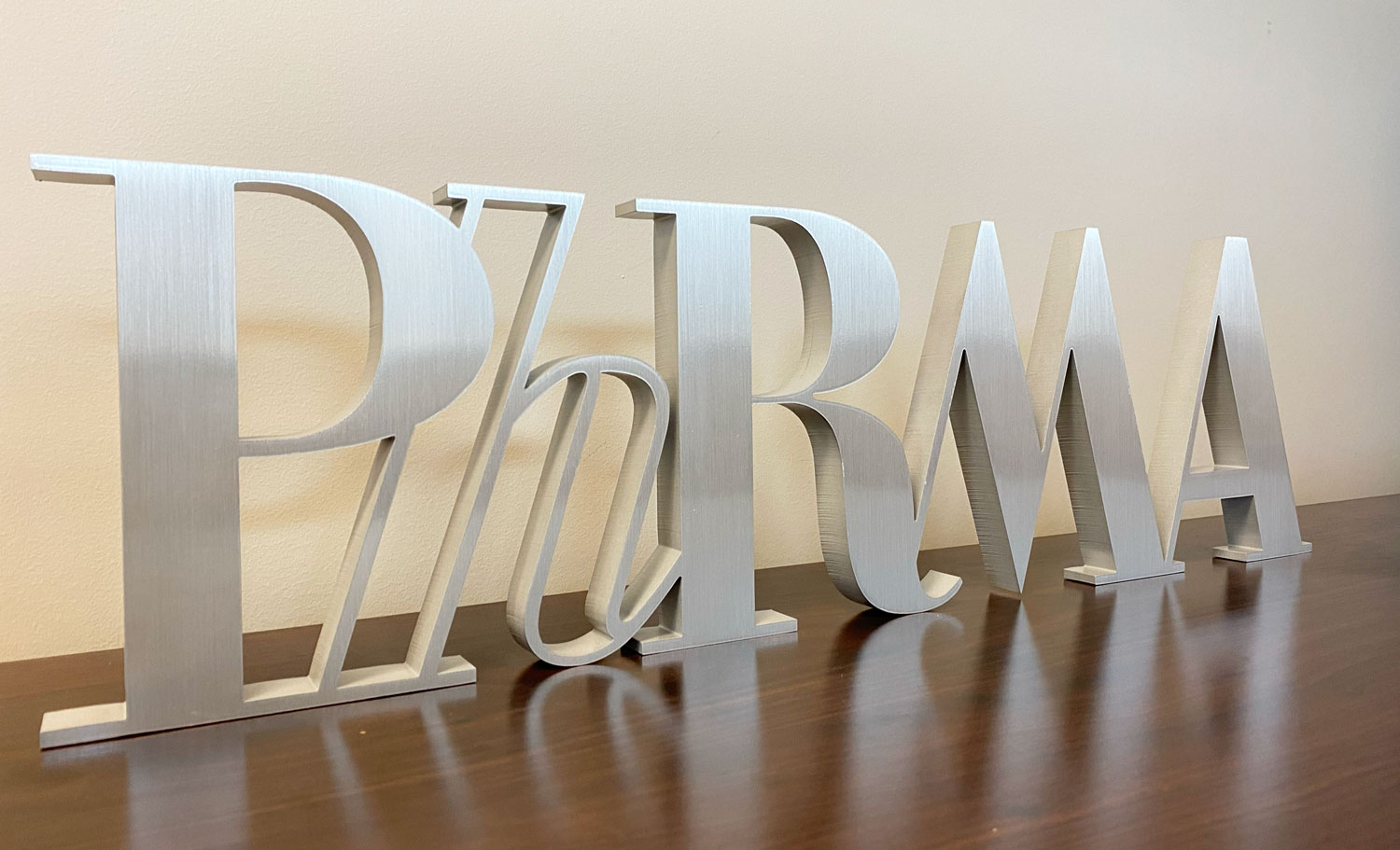
PhRMA metal logoA dimensional aluminum logo fabricated by WhiteClouds.PhRMA logo detailAnother angle highlights the logo’s depth and metal edges.
Metal sign letters bring a real metal surface and a defined edge to a name or logo. Letter depth, spacing and the finish on visible sides all affect the result.
Choose the construction
Flat-Cut, Cast or Fabricated?
Flat-cut metal
Letters and logo shapes are cut from solid sheet or plate. This produces a comparatively shallow profile with crisp edges and good scope for detailed artwork. The thickness of the stock sets the projection; it is not a hollow letter with a separate return.
Cast metal
Aluminum or bronze is poured into a mold and finished after casting. Standard and custom face shapes can create rounded, prismatic or sculpted detail. Custom tooling, face profile and depth influence cost.
Fabricated metal
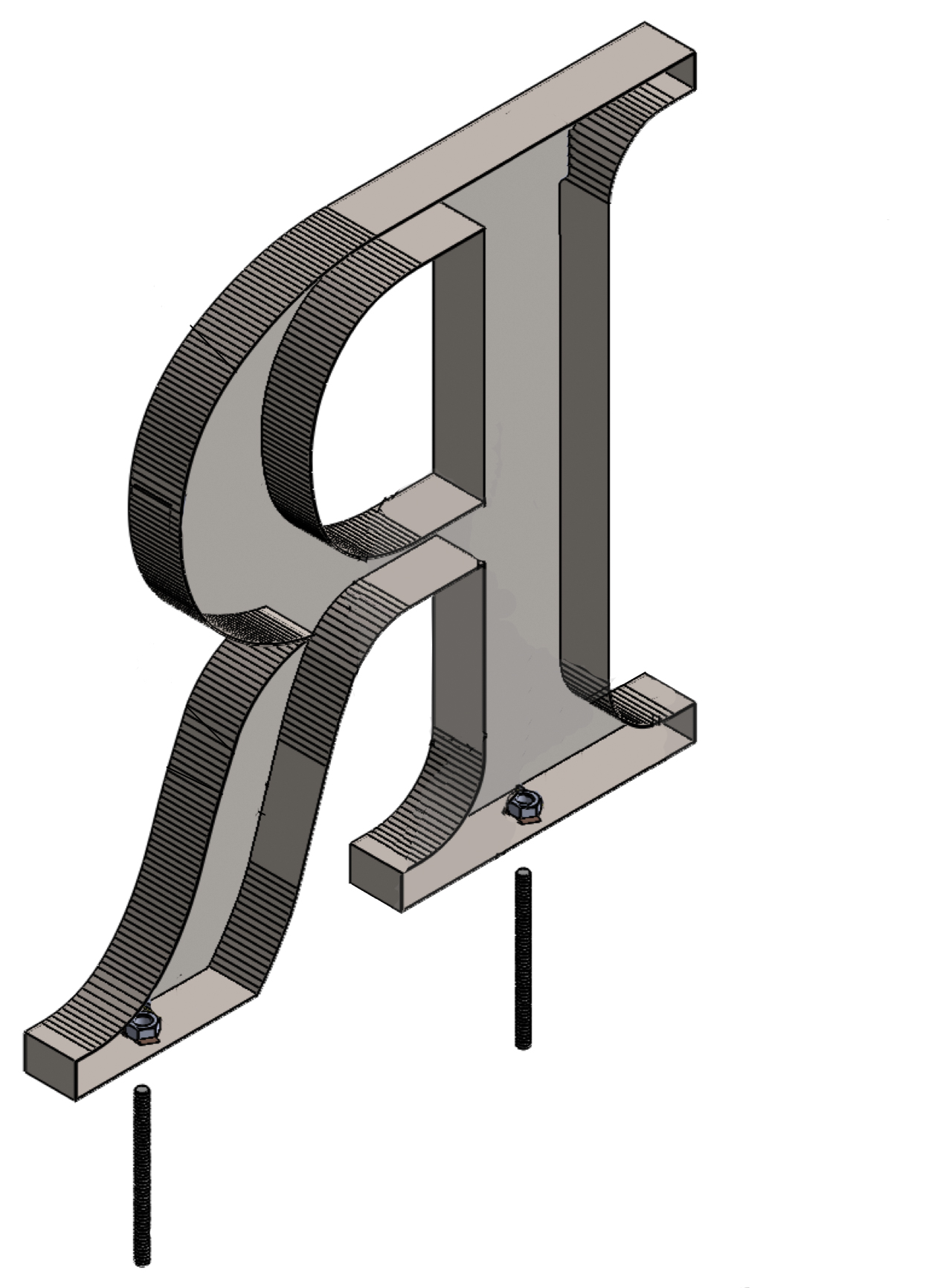
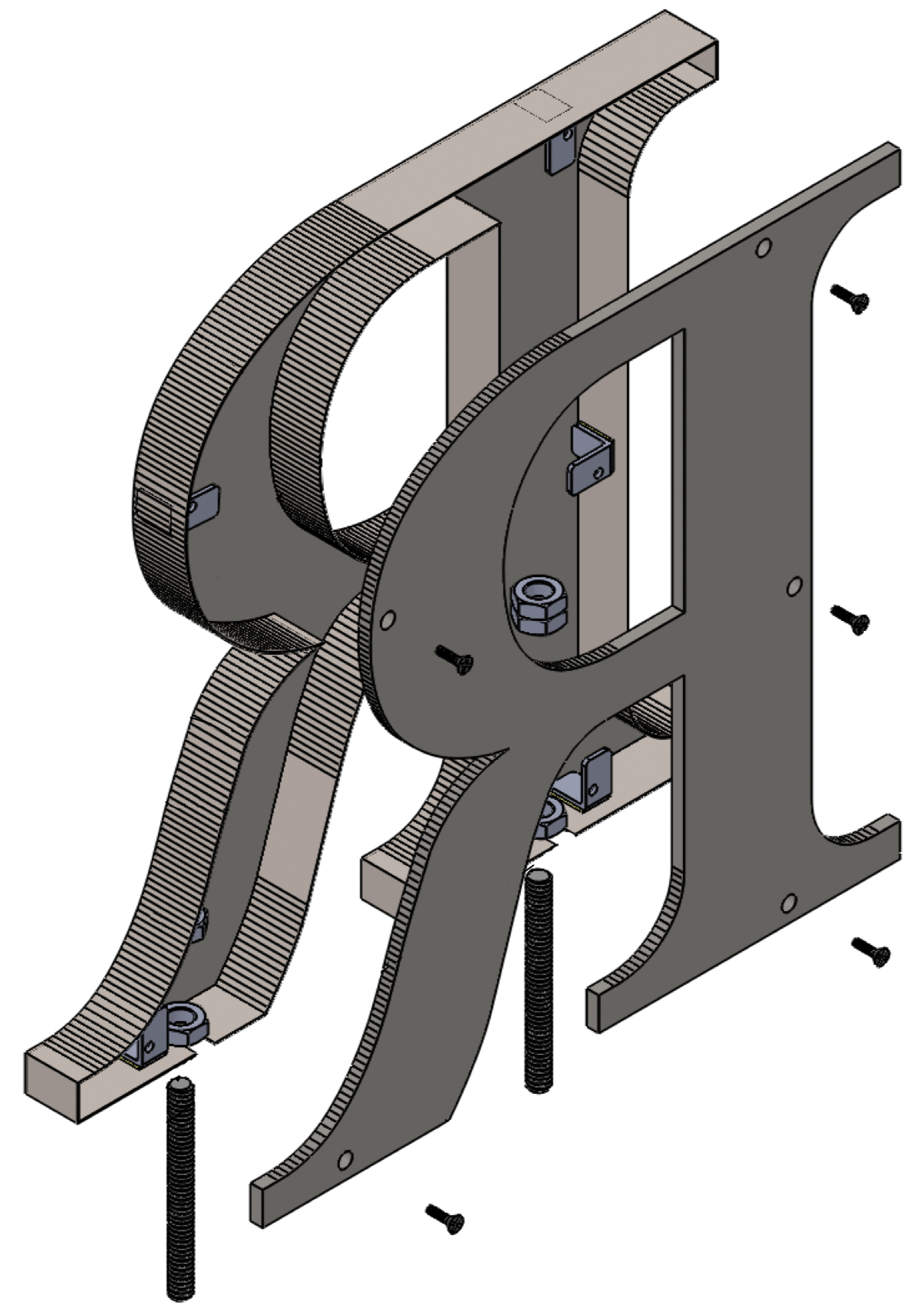
A metal face is joined to formed sidewalls, called returns, to create a hollow body. Aluminum and stainless steel constructions provide depth without filling the entire letter with solid metal. Logos are possible when the artwork, stroke widths and joining details are suitable.
Compare metal letter constructions
Construction
Choose it for
Decisions that affect the result
Flat-cut
Crisp dimensional lettering, detailed logos and a shallow wall profile.
Architectural lettering with a shaped face or substantial relief.
Standard versus custom typeface; mold requirements; face shape; hollow back and mounting.
Fabricated
Deeper letters and logos, with an optional lighting package.
Face and return materials; visible seams; body depth; back construction; access for lighting.
Compare projection, visible sides, edge treatment, support, mounting and viewing distance. A deeper letter can create more shadow; a shallow letter can suit a close-view reception wall. Weight depends on both the metal and its construction, so a hollow fabricated letter should not be compared with a solid plate letter on height alone.
Construction in context
Metal Signage Examples
Flat-cut and dimensional metal examples
Compare edges, spacing and the relationship between the lettering and its background.
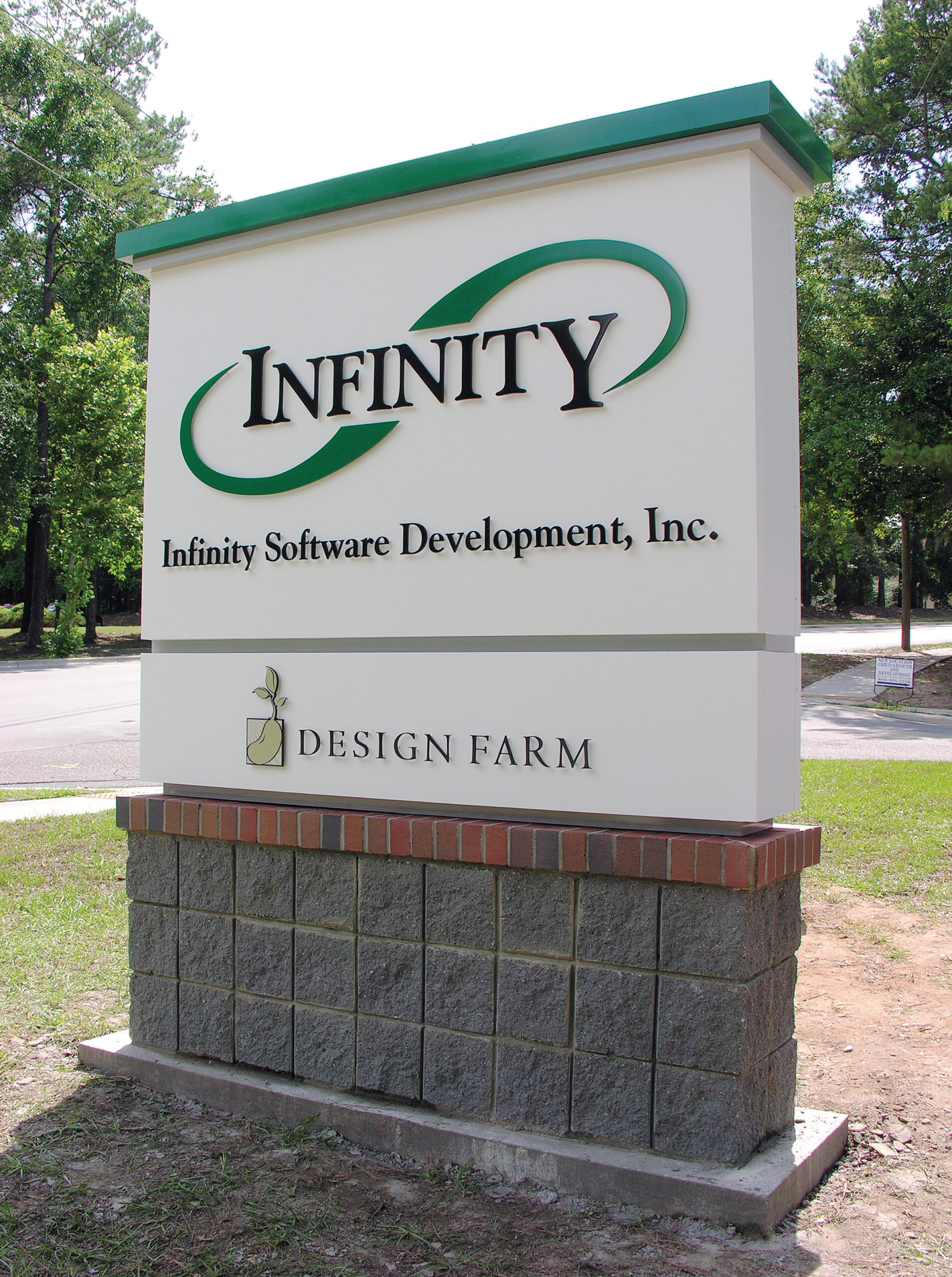
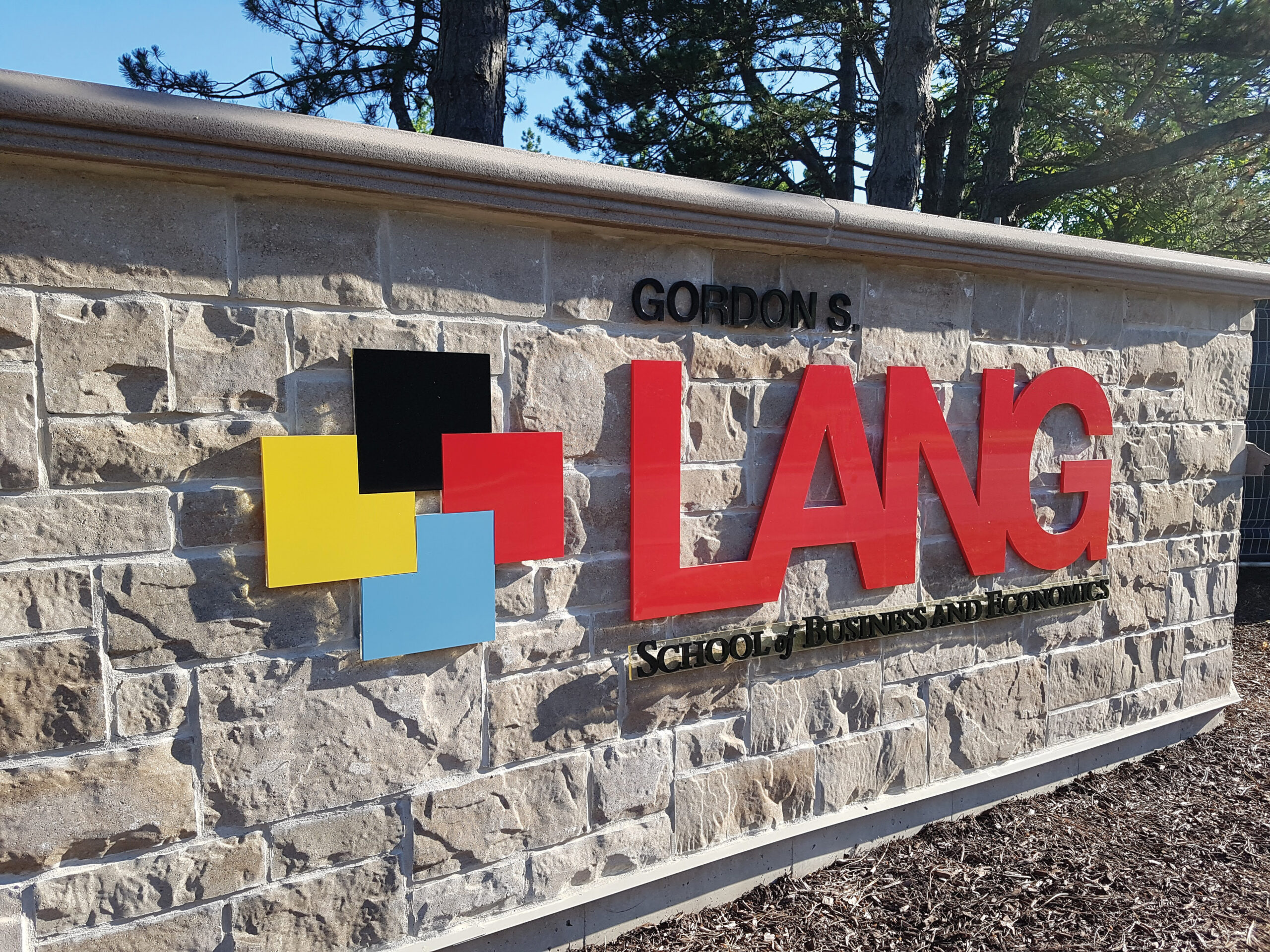
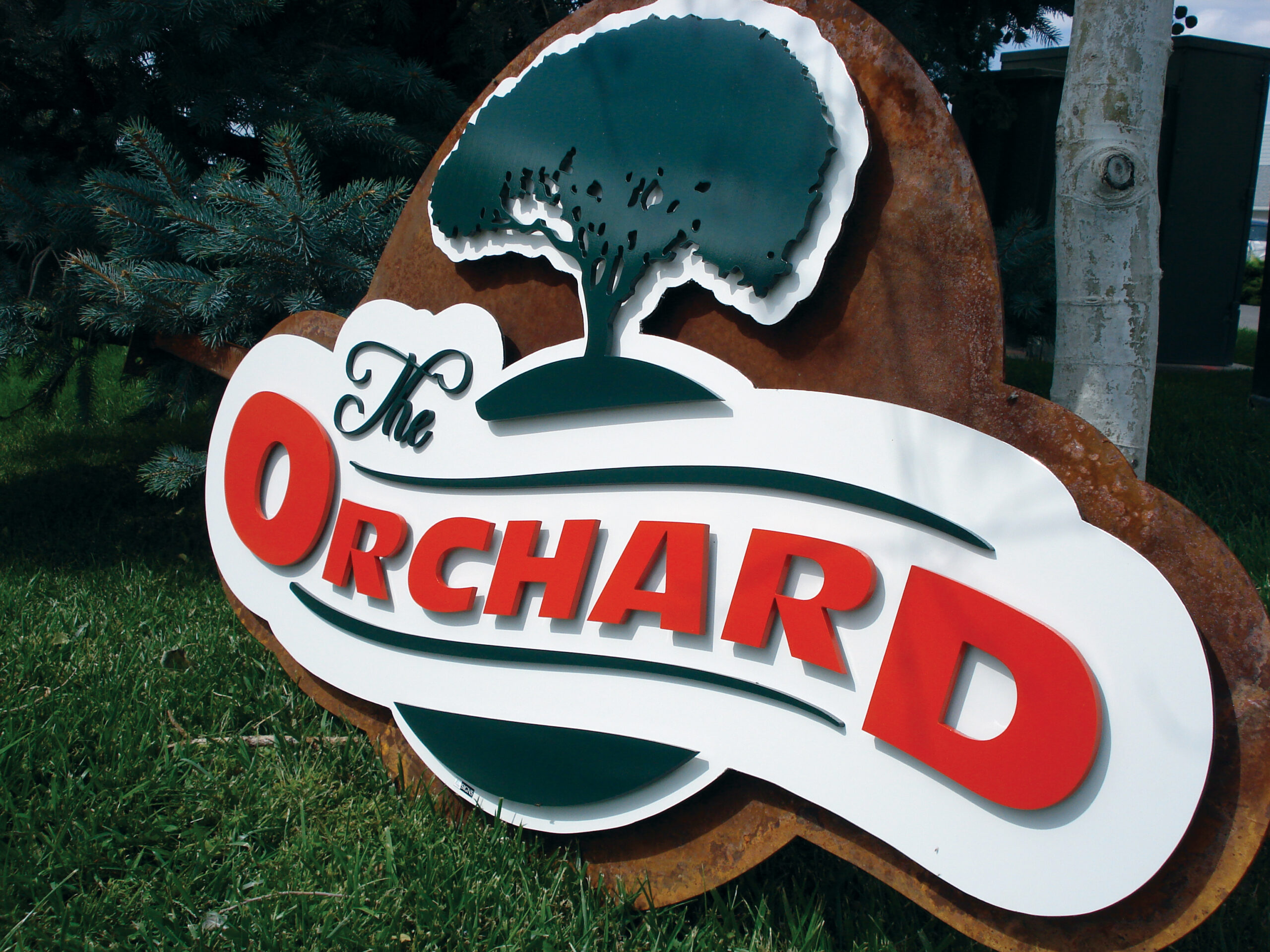
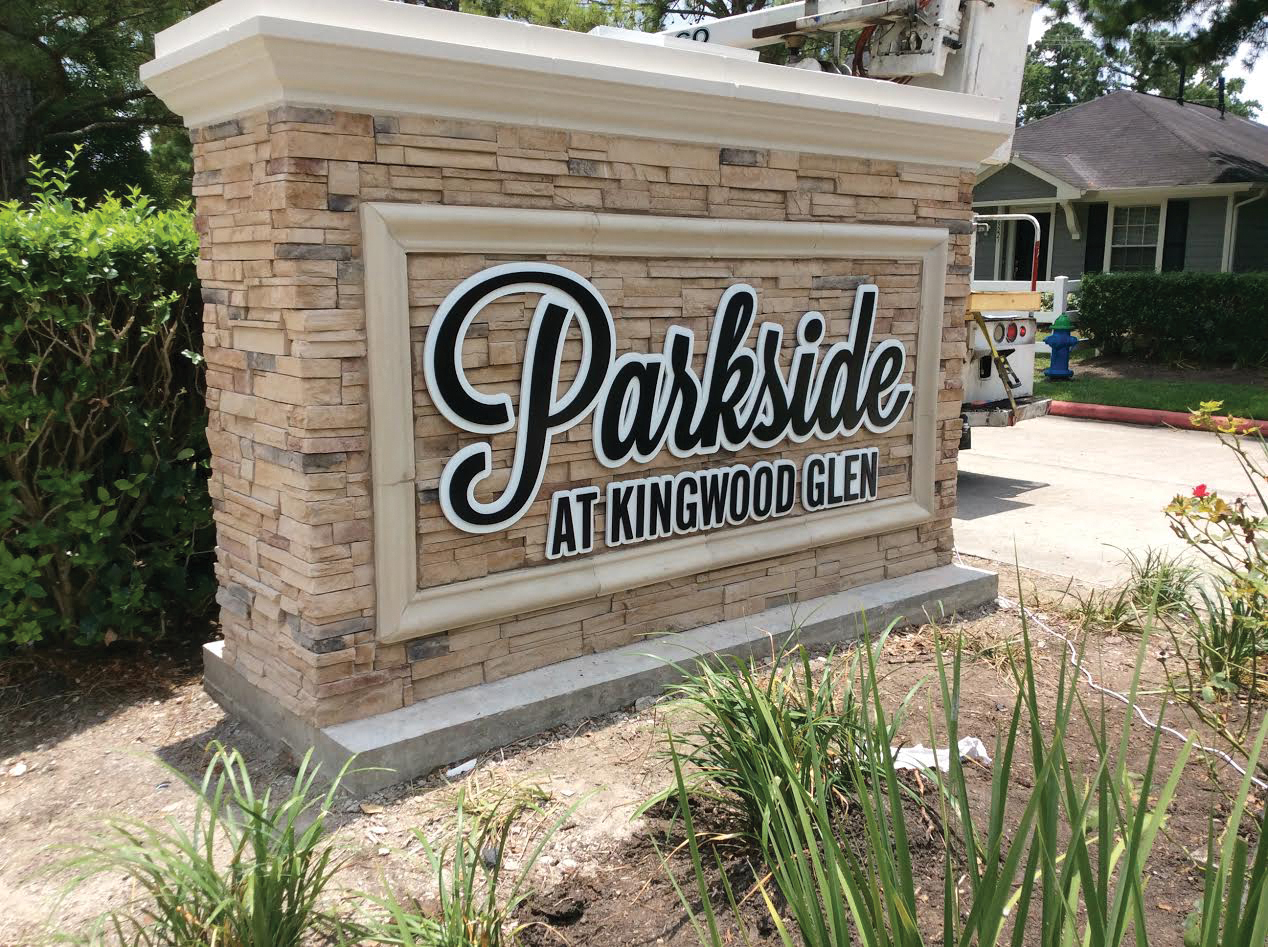
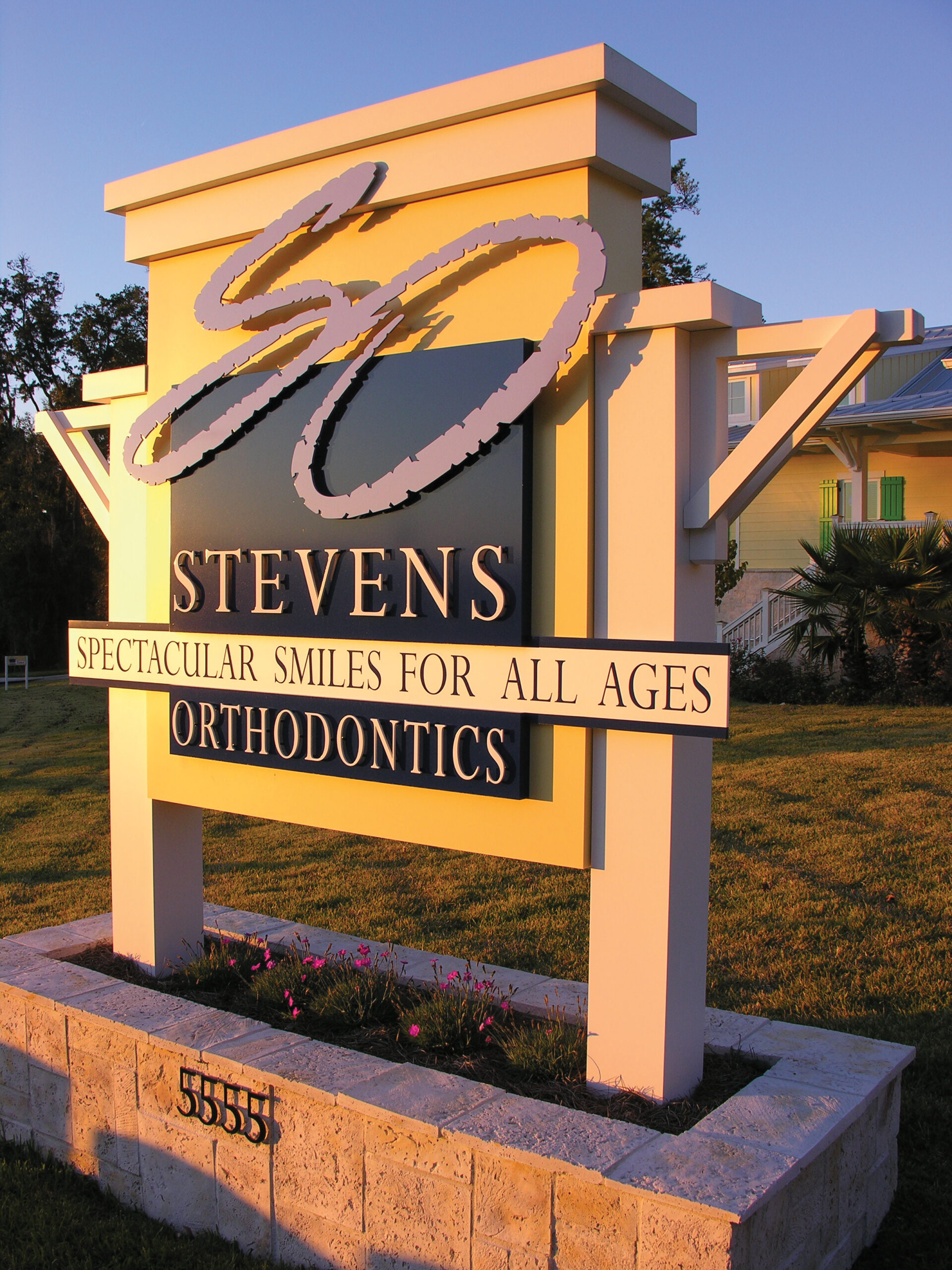
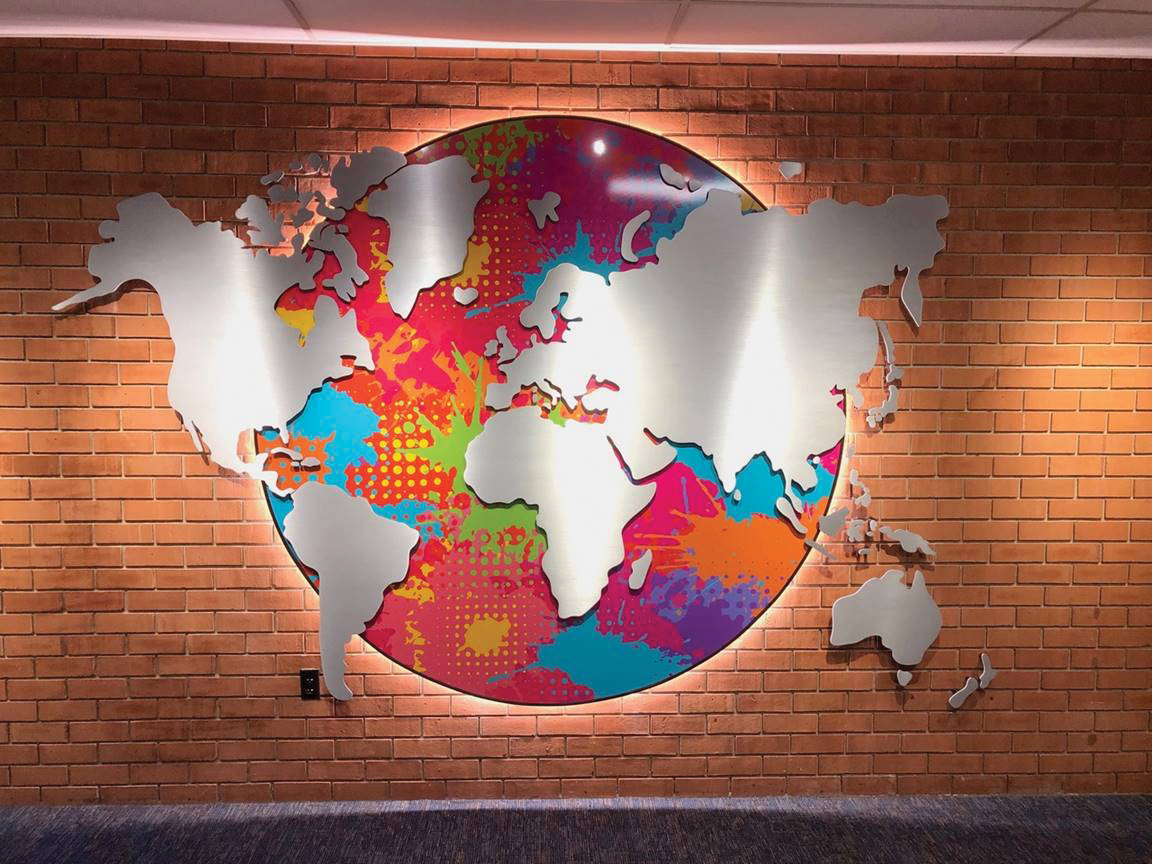
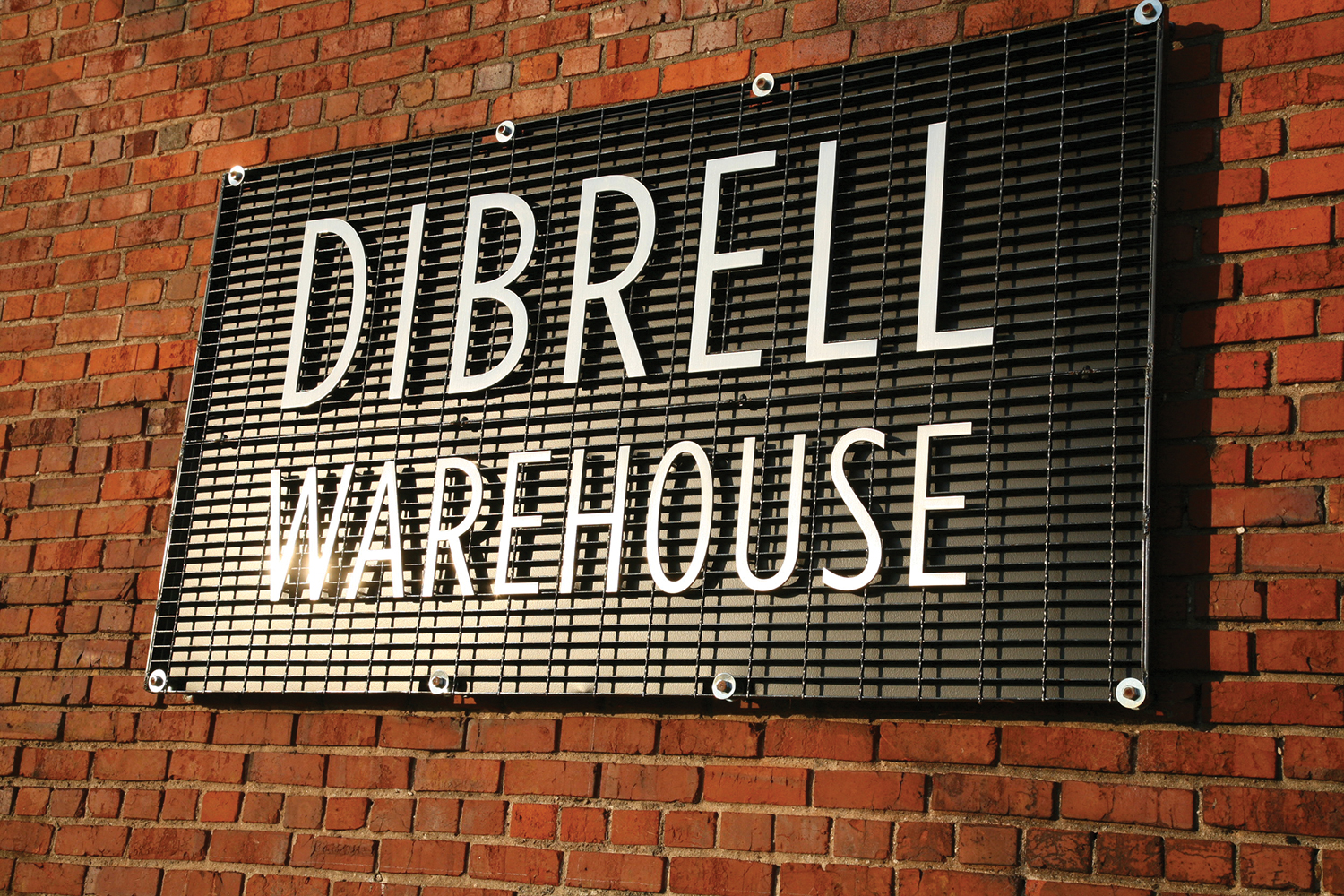
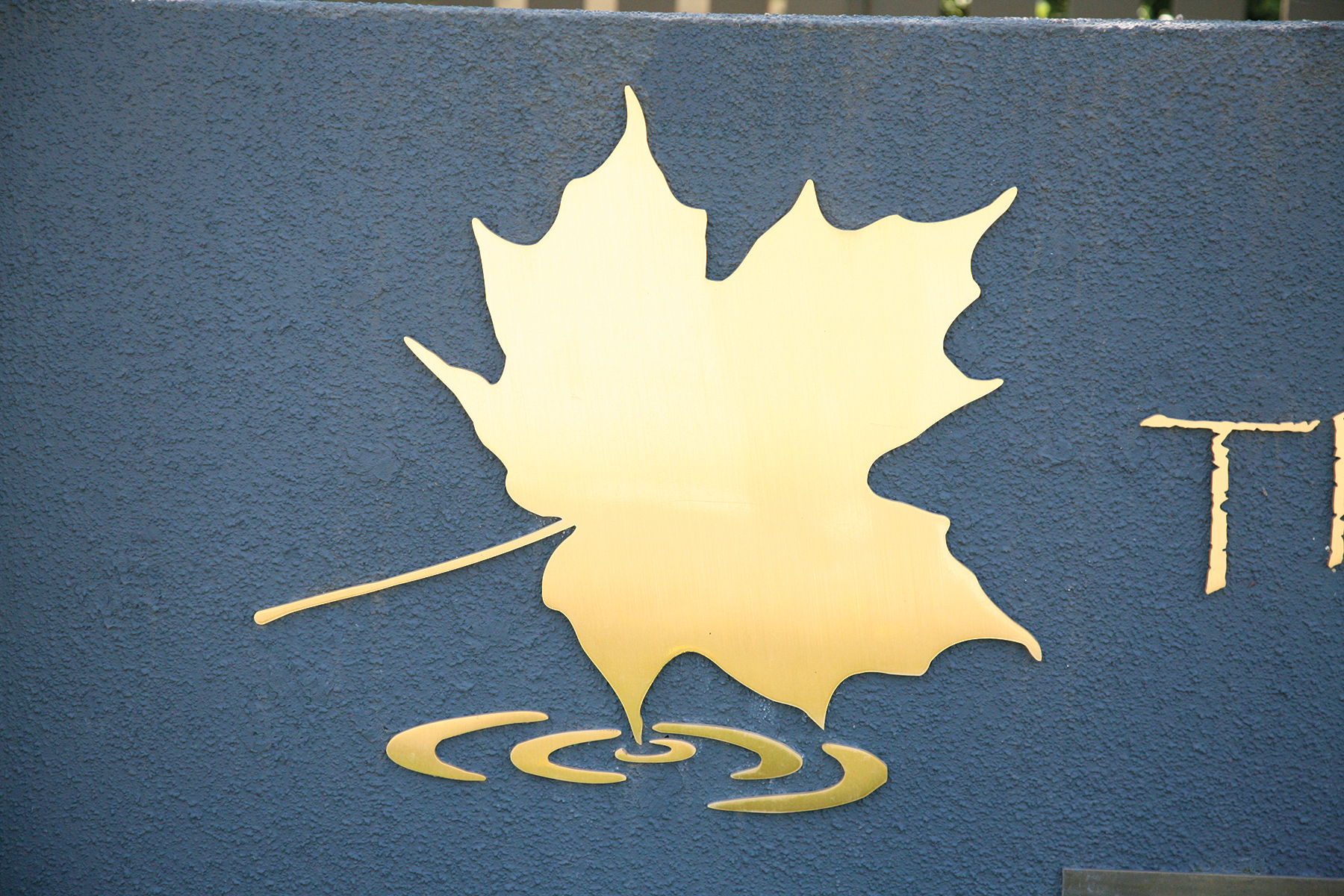
Dimensional lettering on a wallManufacturer reference — available through WhiteClouds.Metal lettering and emblemManufacturer reference — available through WhiteClouds.Euless wall letteringManufacturer reference — available through WhiteClouds.Infinity sign letteringManufacturer reference — available through WhiteClouds.LANG lettering and logoManufacturer reference — available through WhiteClouds.Mad Dog monument signManufacturer reference — available through WhiteClouds.Miracle League entrance signageManufacturer reference — available through WhiteClouds.Miss Boss storefront letteringManufacturer reference — available through WhiteClouds.Orchard logoManufacturer reference — available through WhiteClouds.Parkside sign letteringManufacturer reference — available through WhiteClouds.Sports medicine signManufacturer reference — available through WhiteClouds.Stevens Orthodontics letteringManufacturer reference — available through WhiteClouds.Dimensional world map displayManufacturer reference — available through WhiteClouds.Dibrell Warehouse wall signManufacturer reference — available through WhiteClouds.Bronze leaf logoManufacturer reference — available through WhiteClouds.
Cast metal examples
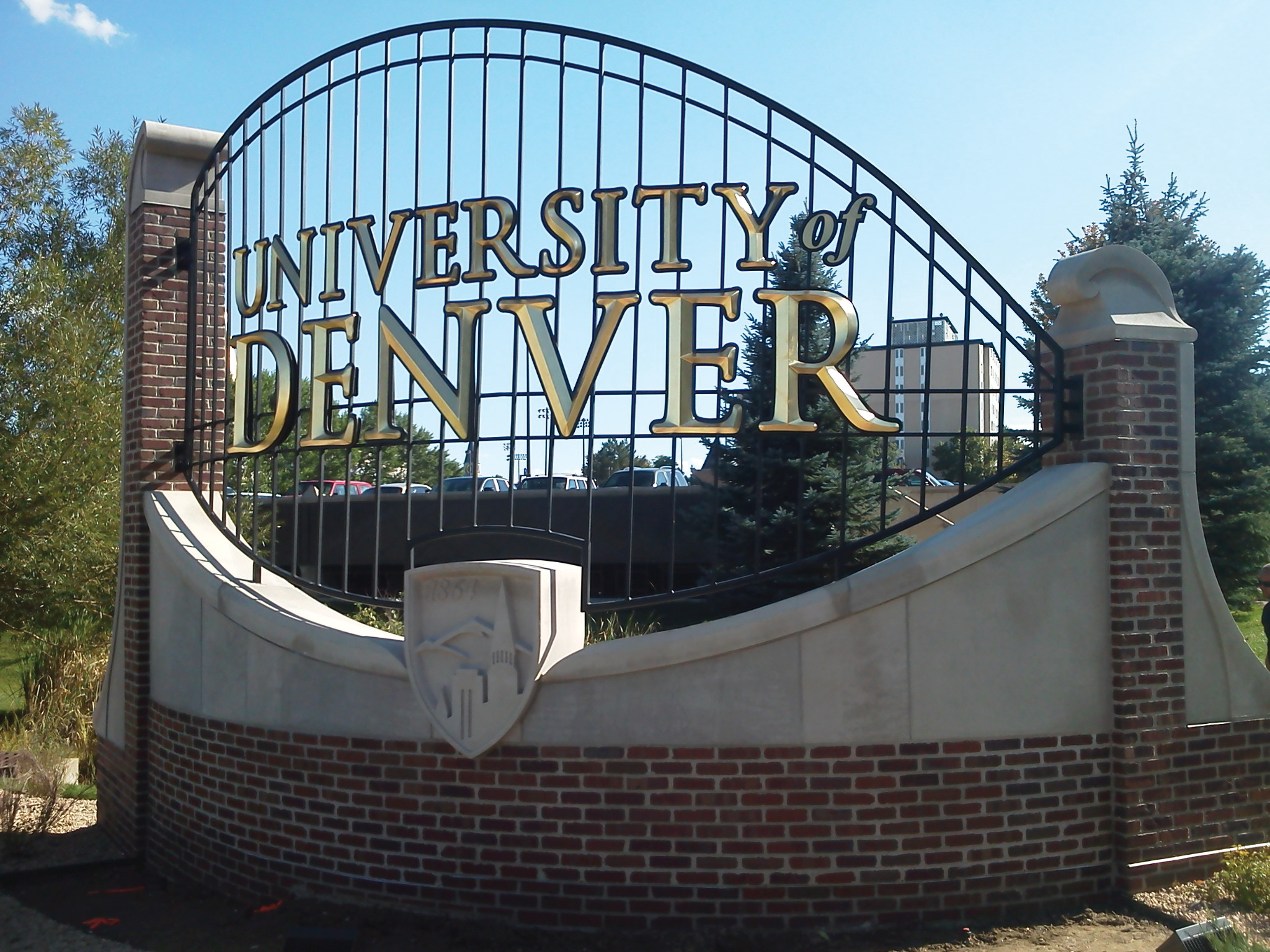
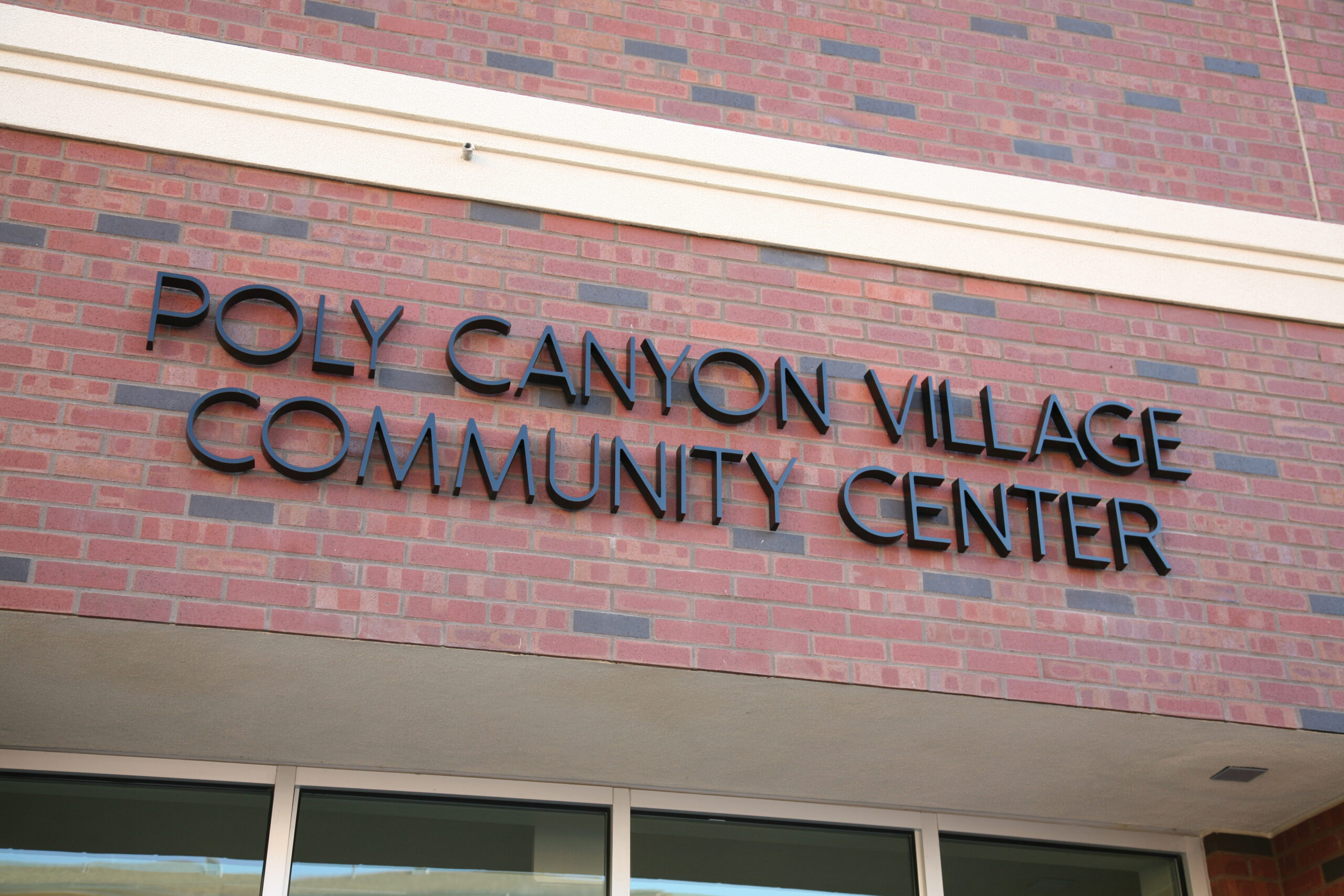
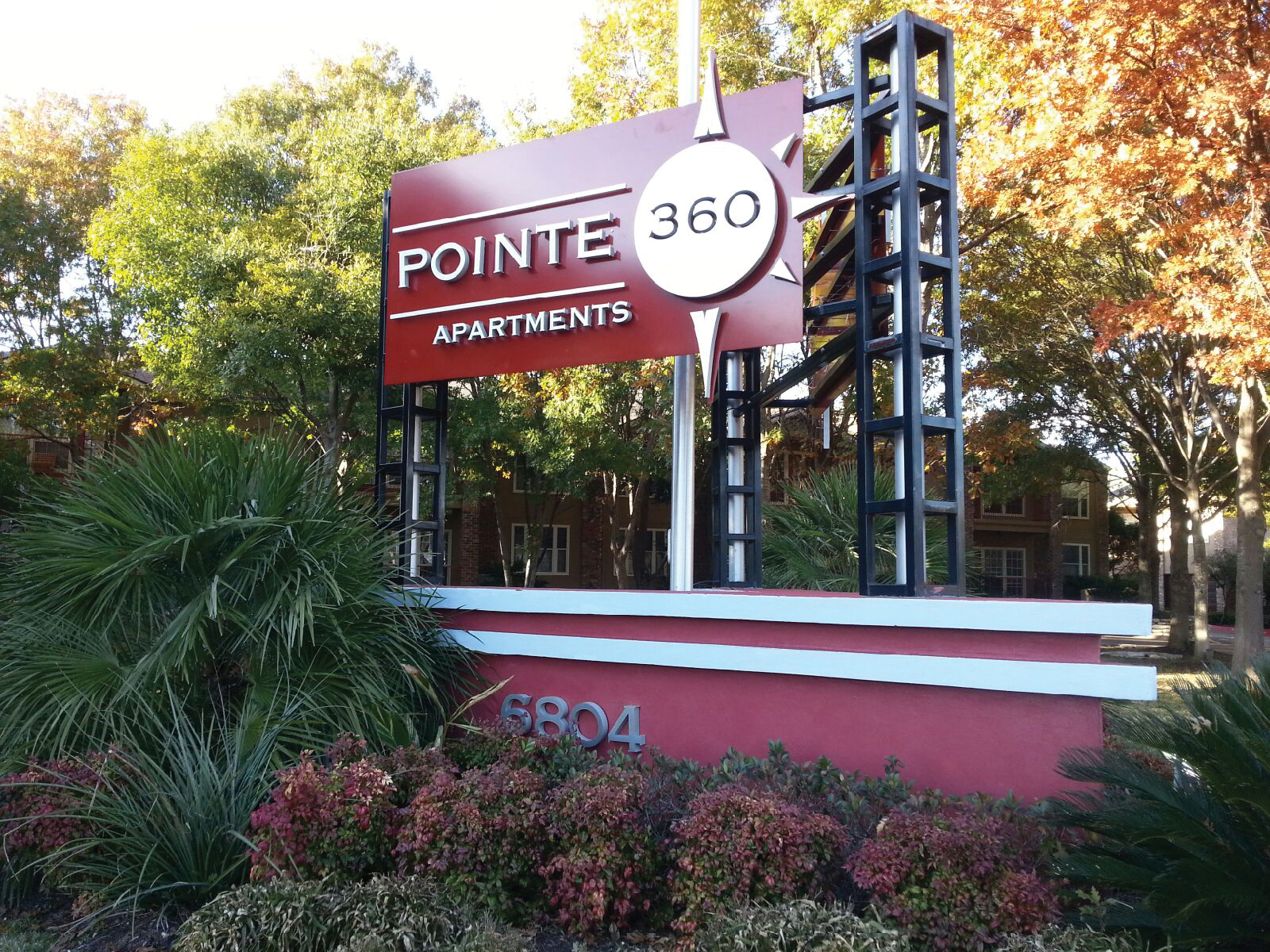
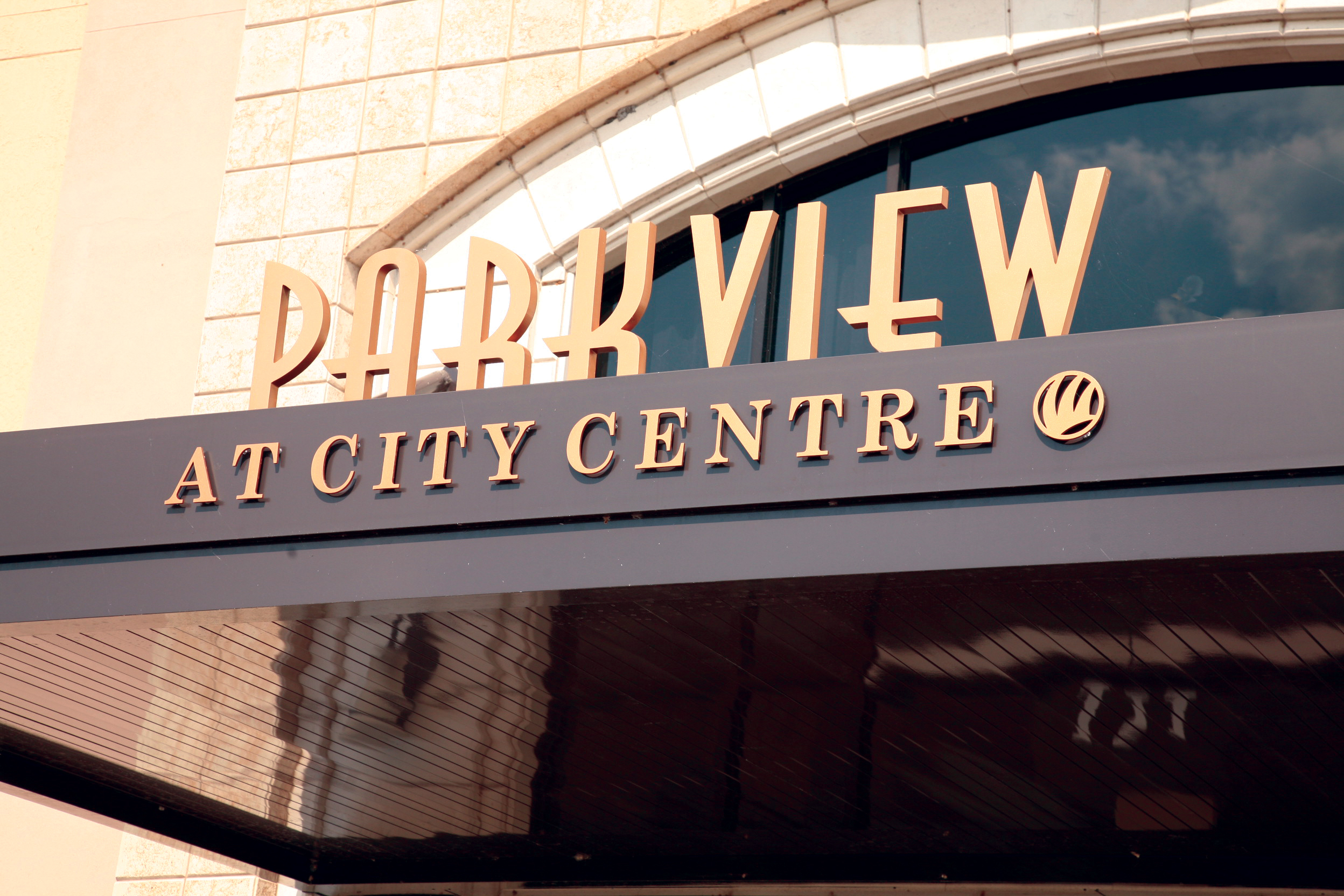
Cast lettering and relief can suit building names, entrances and architectural identity.
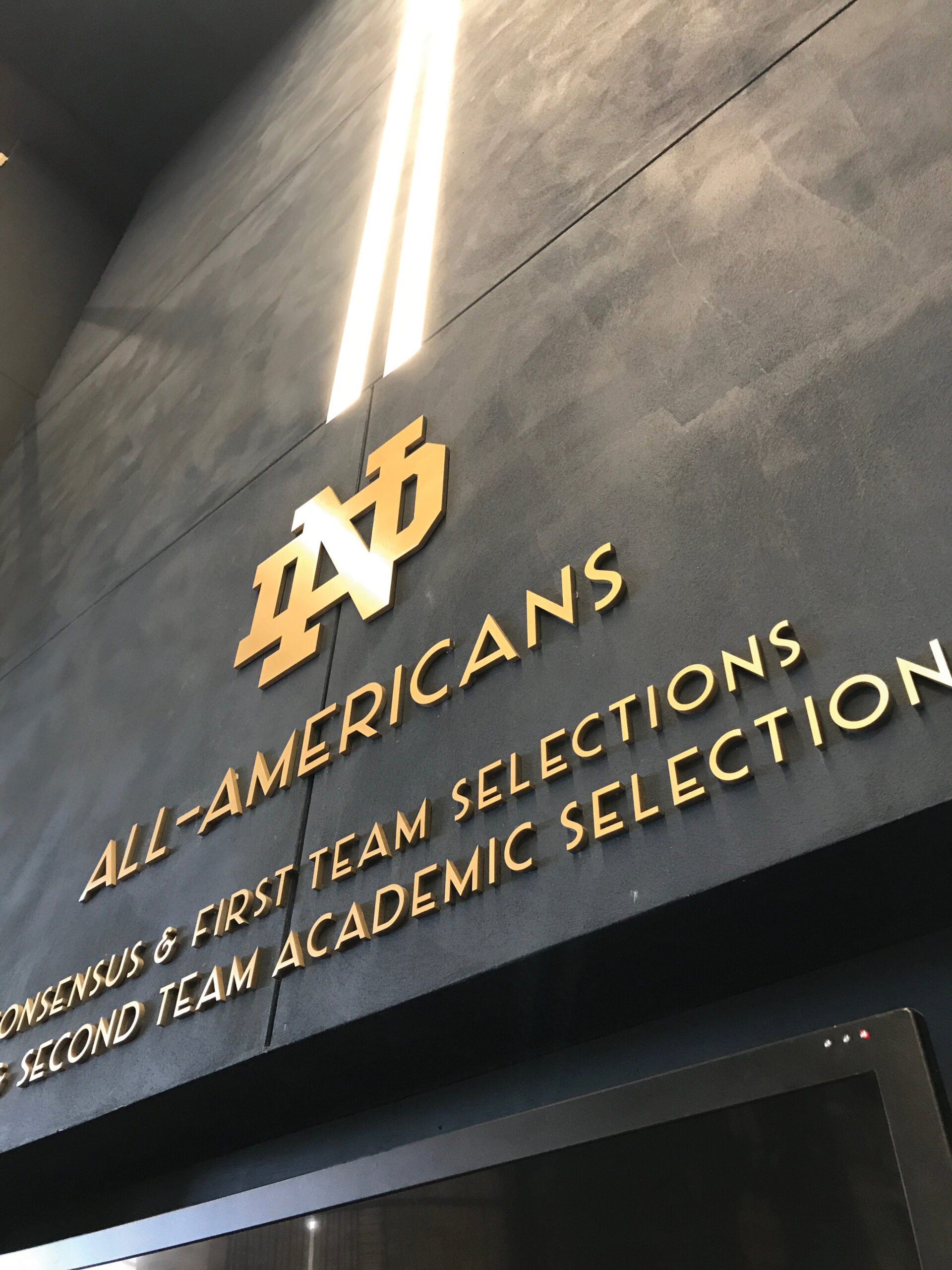
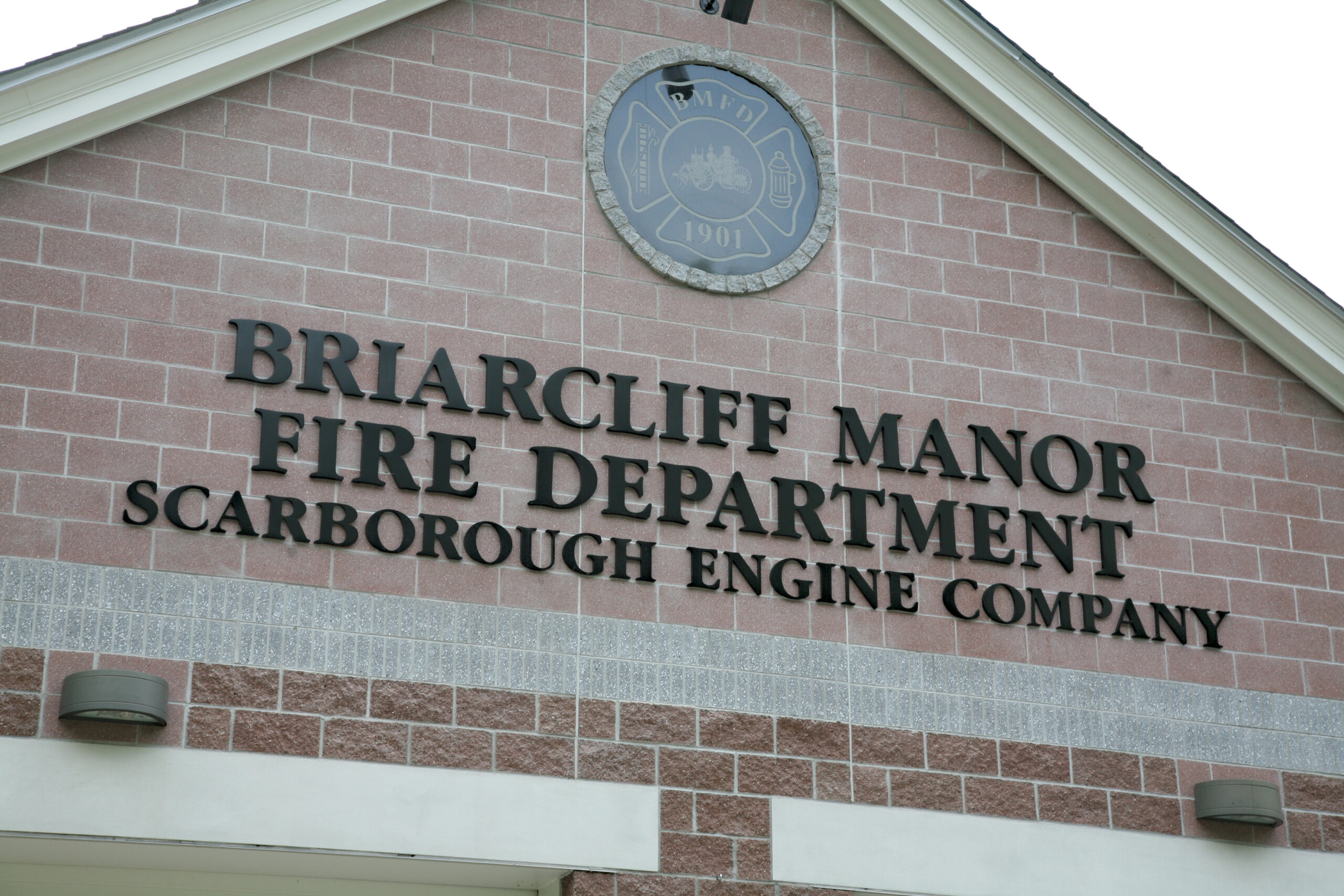
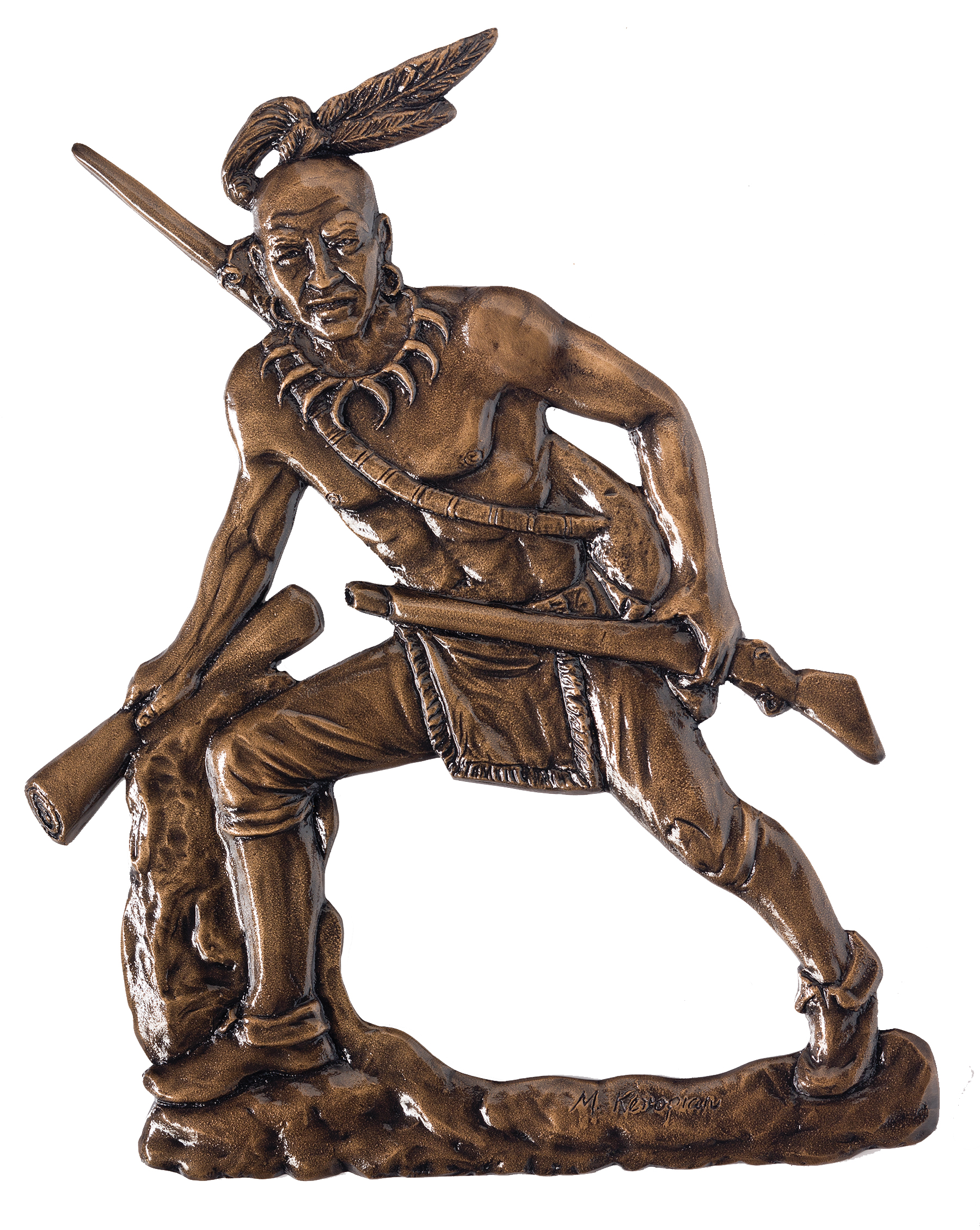
University of Denver entrance letteringManufacturer reference — available through WhiteClouds.Zucconi Varsity Center letteringManufacturer reference — available through WhiteClouds.Snow Creek Studios signageManufacturer reference — available through WhiteClouds.Poly Canyon Village wall letteringManufacturer reference — available through WhiteClouds.Pointe apartment signManufacturer reference — available through WhiteClouds.Parkview letteringManufacturer reference — available through WhiteClouds.New York Private Bank wall letteringManufacturer reference — available through WhiteClouds.Niner Wine Estates signManufacturer reference — available through WhiteClouds.Carriage Crossing letteringManufacturer reference — available through WhiteClouds.Briarcliff Manor fire department signageManufacturer reference — available through WhiteClouds.Notre Dame football wall letteringManufacturer reference — available through WhiteClouds.Cast metal relief detailManufacturer reference — available through WhiteClouds.
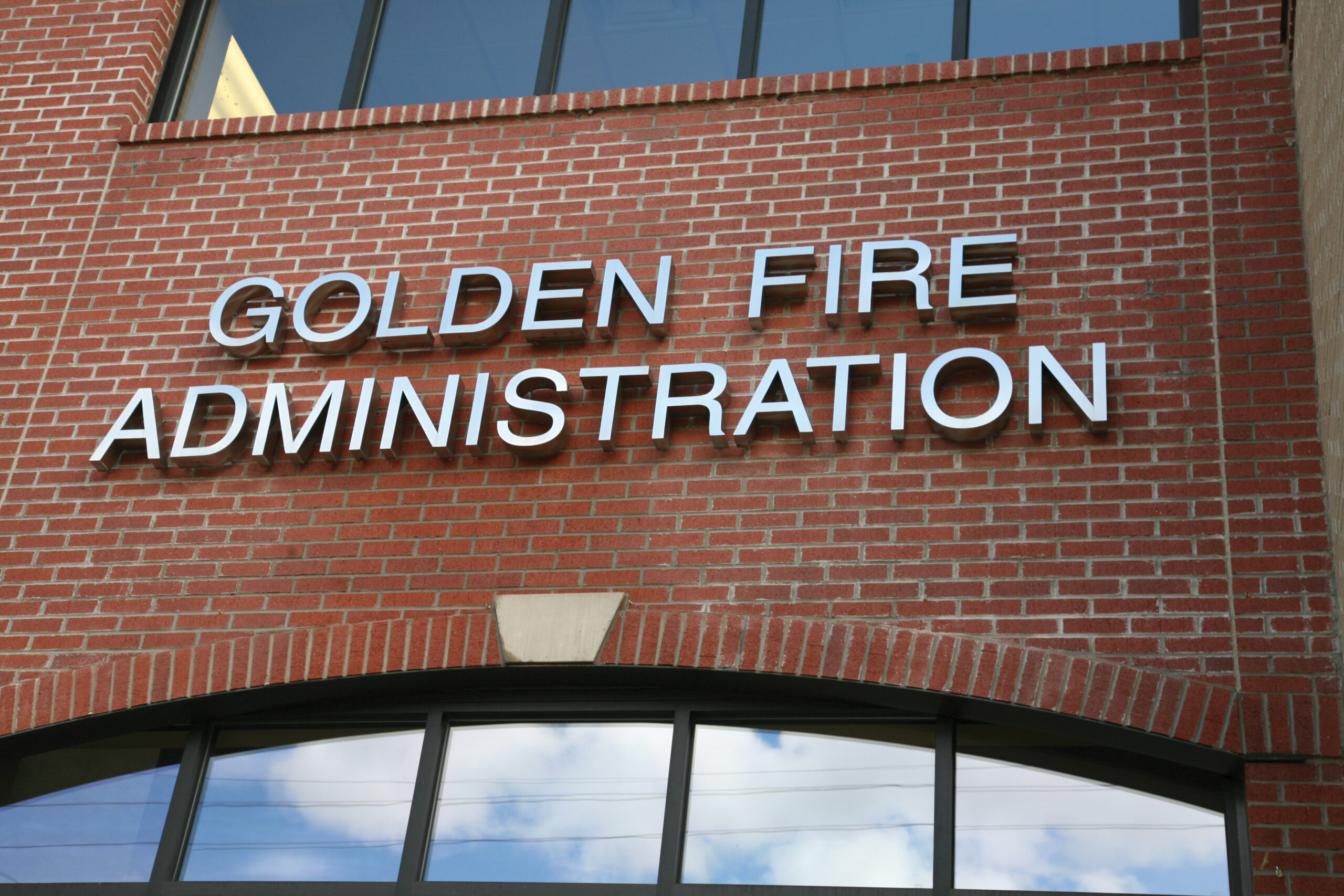
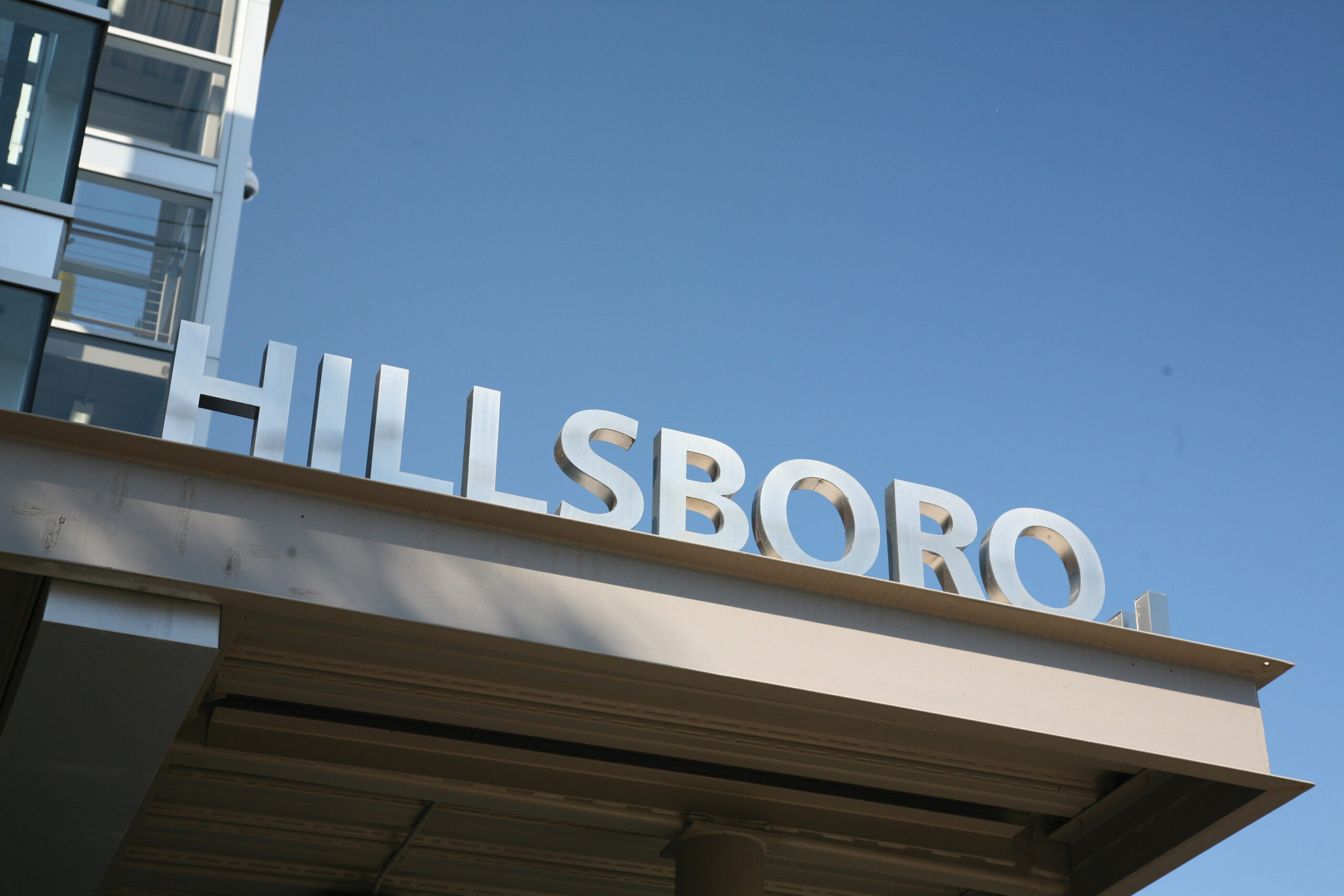
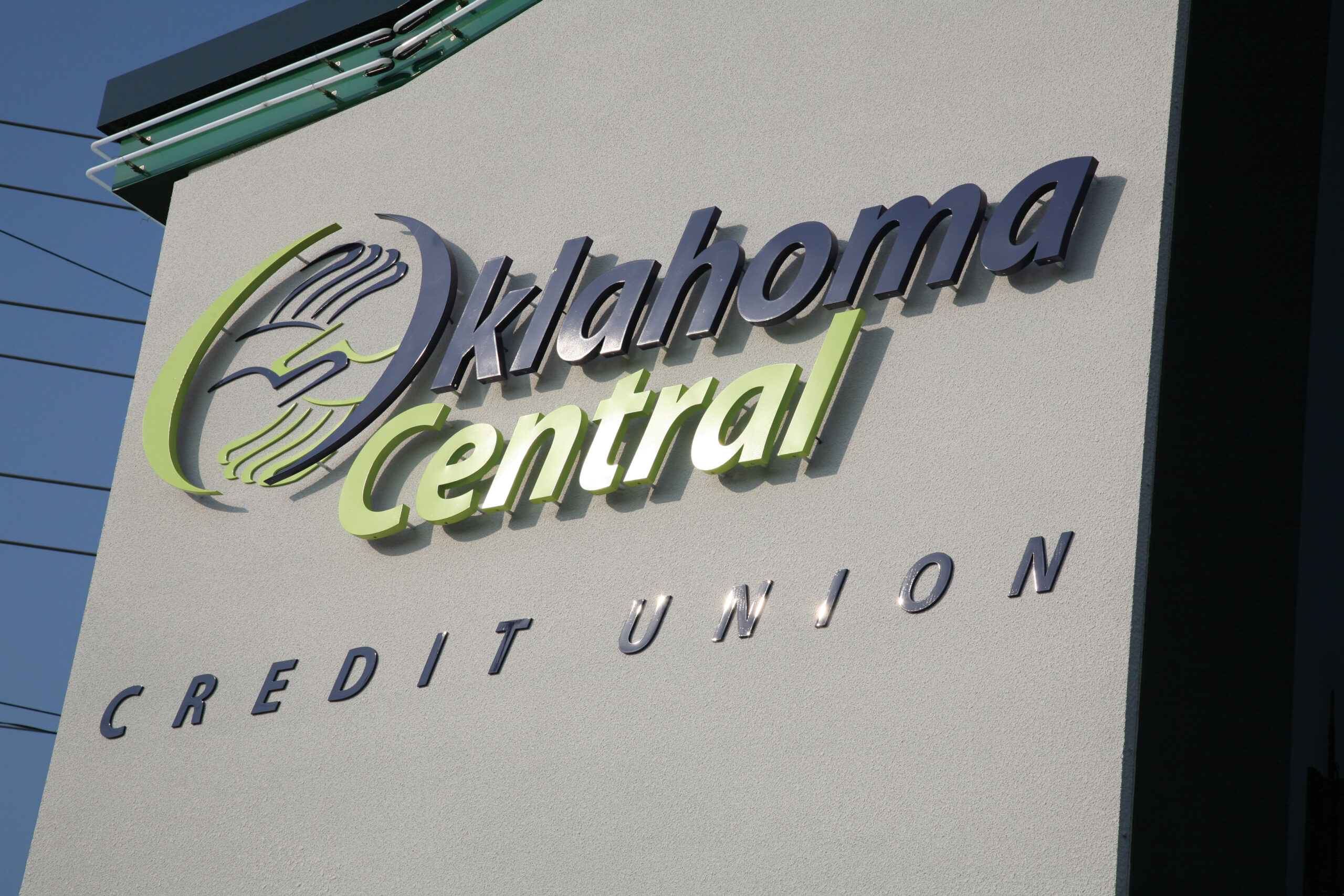
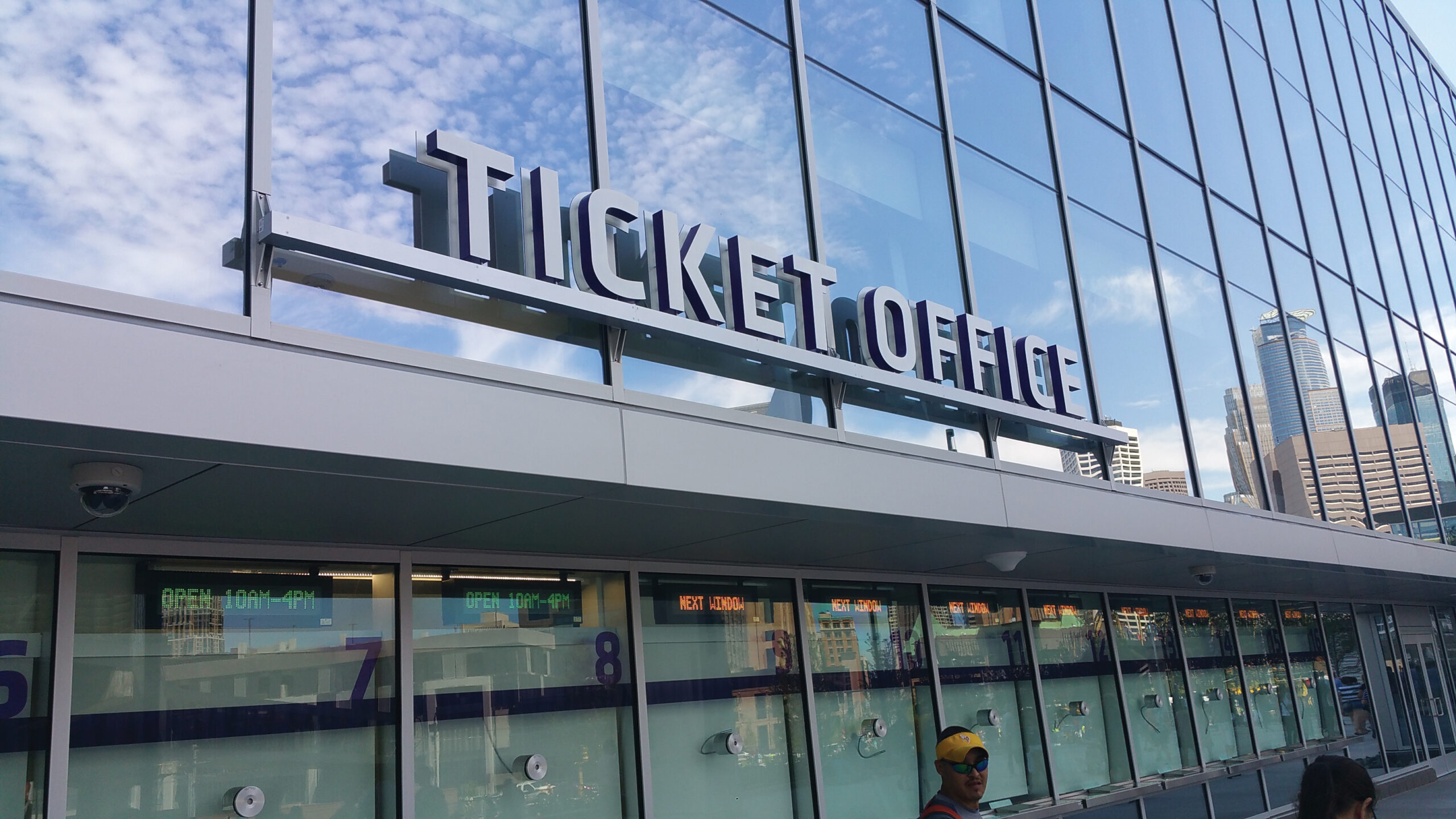
Fabricated metal examples
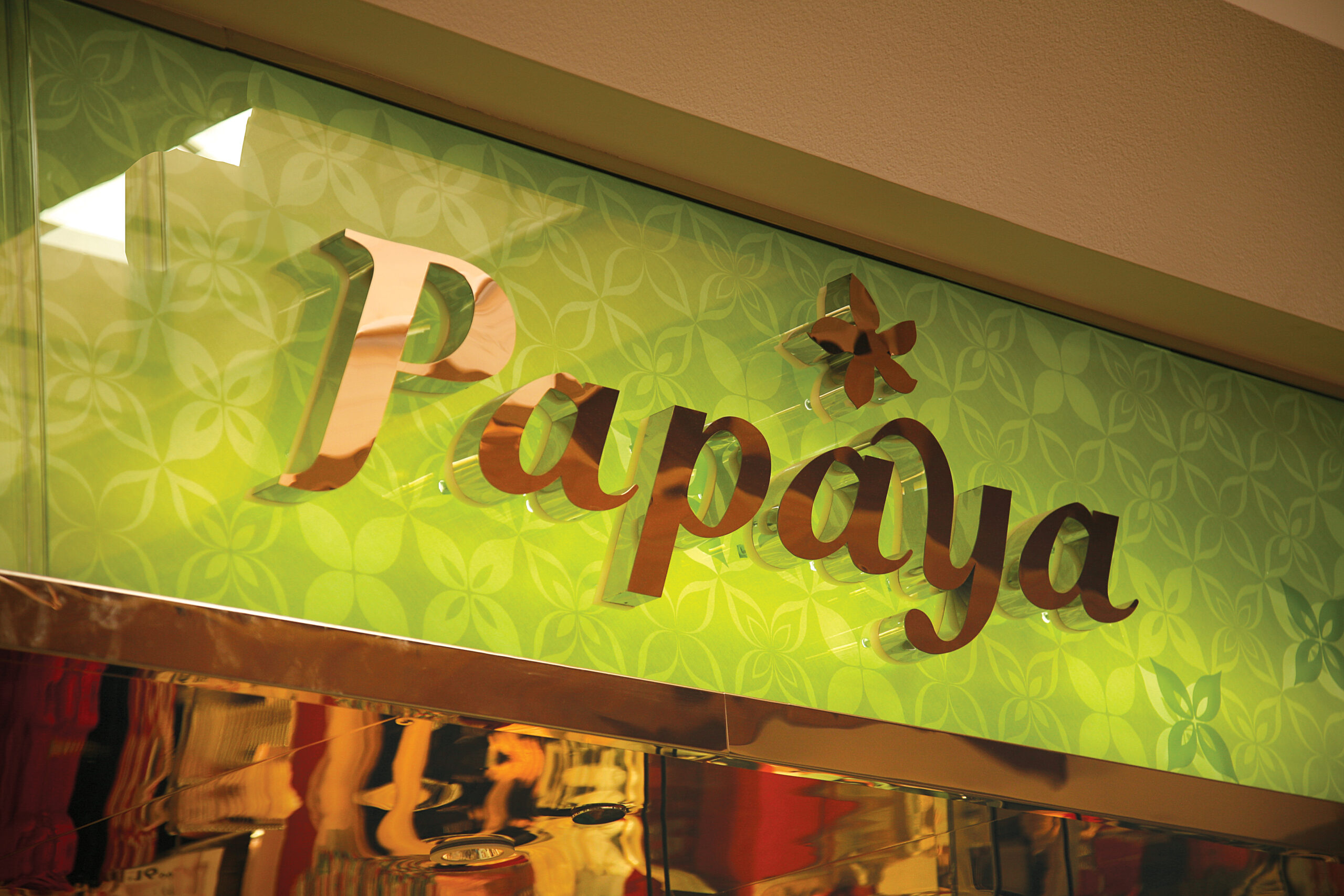
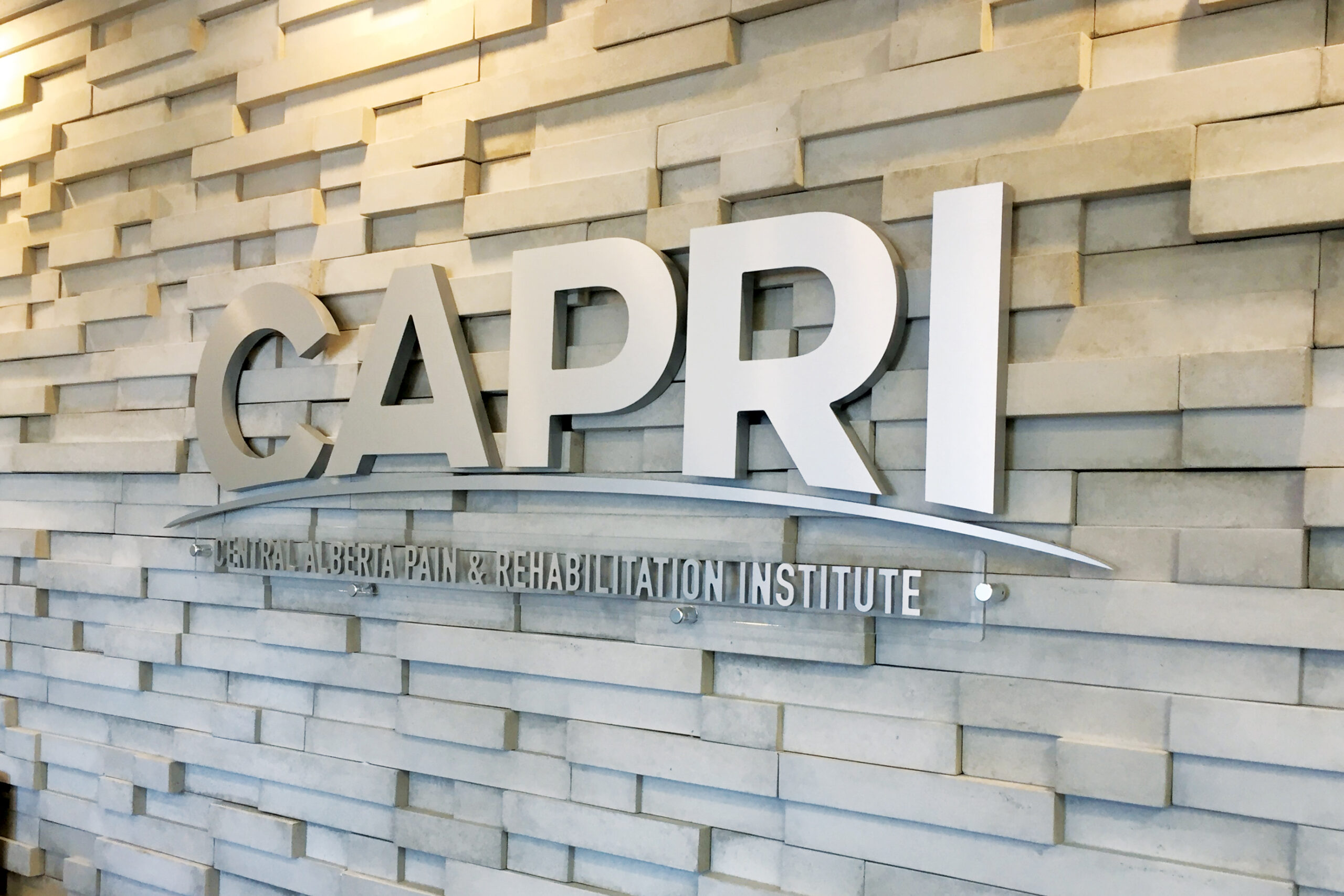
Fabricated faces and returns give letters a deeper body. Exact construction and mounting are specified for each order.
Papaya storefront letteringManufacturer reference — available through WhiteClouds.Balliamos building letteringManufacturer reference — available through WhiteClouds.CAPRI wall signManufacturer reference — available through WhiteClouds.Cigar Vault signManufacturer reference — available through WhiteClouds.Coldwell Banker exterior letteringManufacturer reference — available through WhiteClouds.Dentiq dentistry signManufacturer reference — available through WhiteClouds.Golden Fire Administration letteringManufacturer reference — available through WhiteClouds.Hillsboro building letteringManufacturer reference — available through WhiteClouds.Oklahoma Central signManufacturer reference — available through WhiteClouds.Patagonia storefront letteringManufacturer reference — available through WhiteClouds.South Pointe Dental signManufacturer reference — available through WhiteClouds.Ticket office letteringManufacturer reference — available through WhiteClouds.
Material & specification choices
Choose the Metal and the Profile
Metal choices for dimensional signage
Material
Typical constructions and appearance
Planning considerations
Aluminum
Flat-cut, cast or fabricated; brushed, painted or anodized finishes, depending on construction.
A practical starting point when weight matters. Finish, alloy and exposure must be selected together. Cast and flat-cut anodized pieces can differ in color.
Stainless steel
Flat-cut or fabricated; brushed or polished, with painted and selected titanium-coated options.
304 and 316 grades are available. Discuss salt, cleaning chemicals and moisture exposure before selecting a grade. No metal is immune to corrosion in every environment.
Bronze
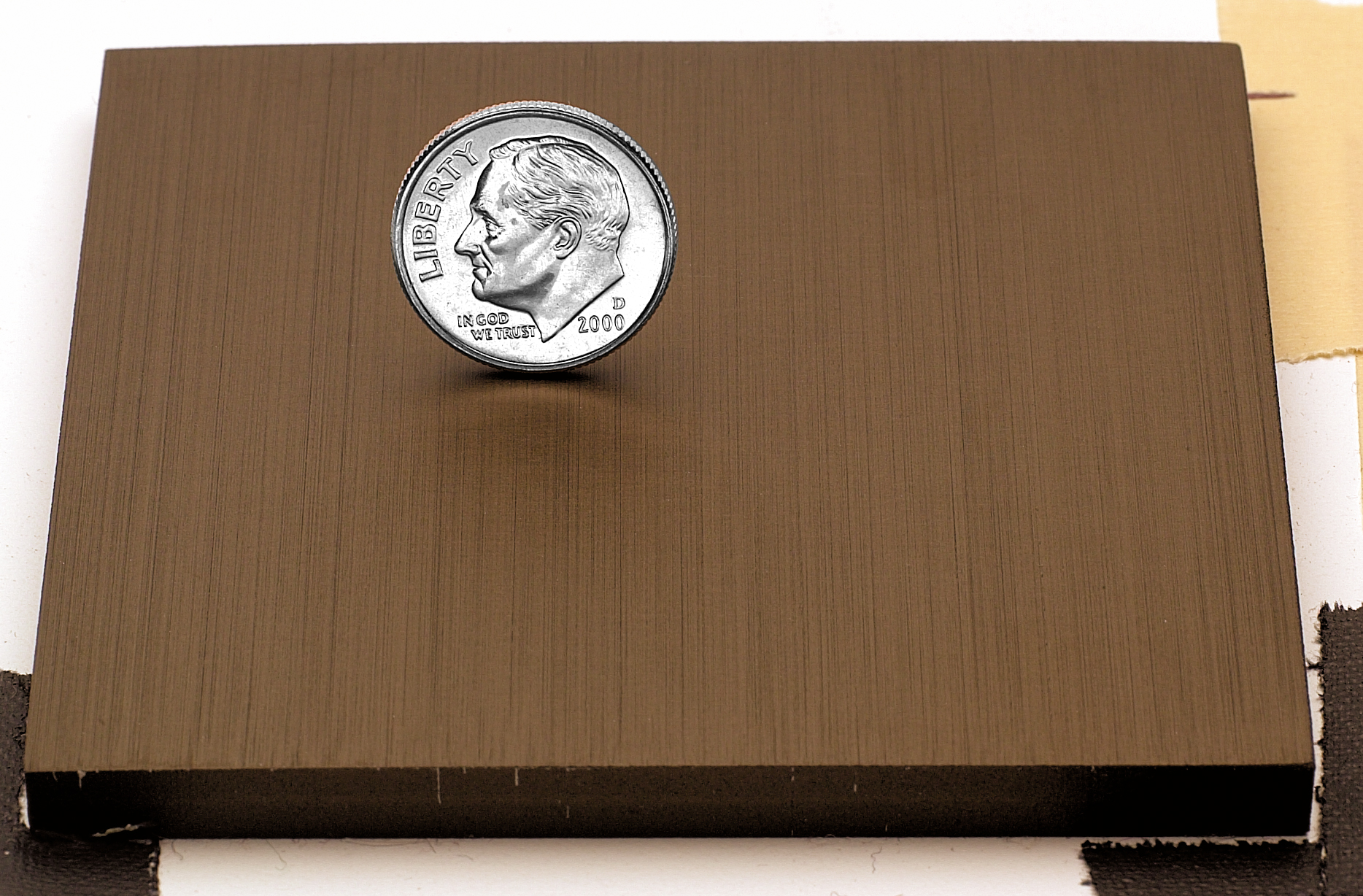
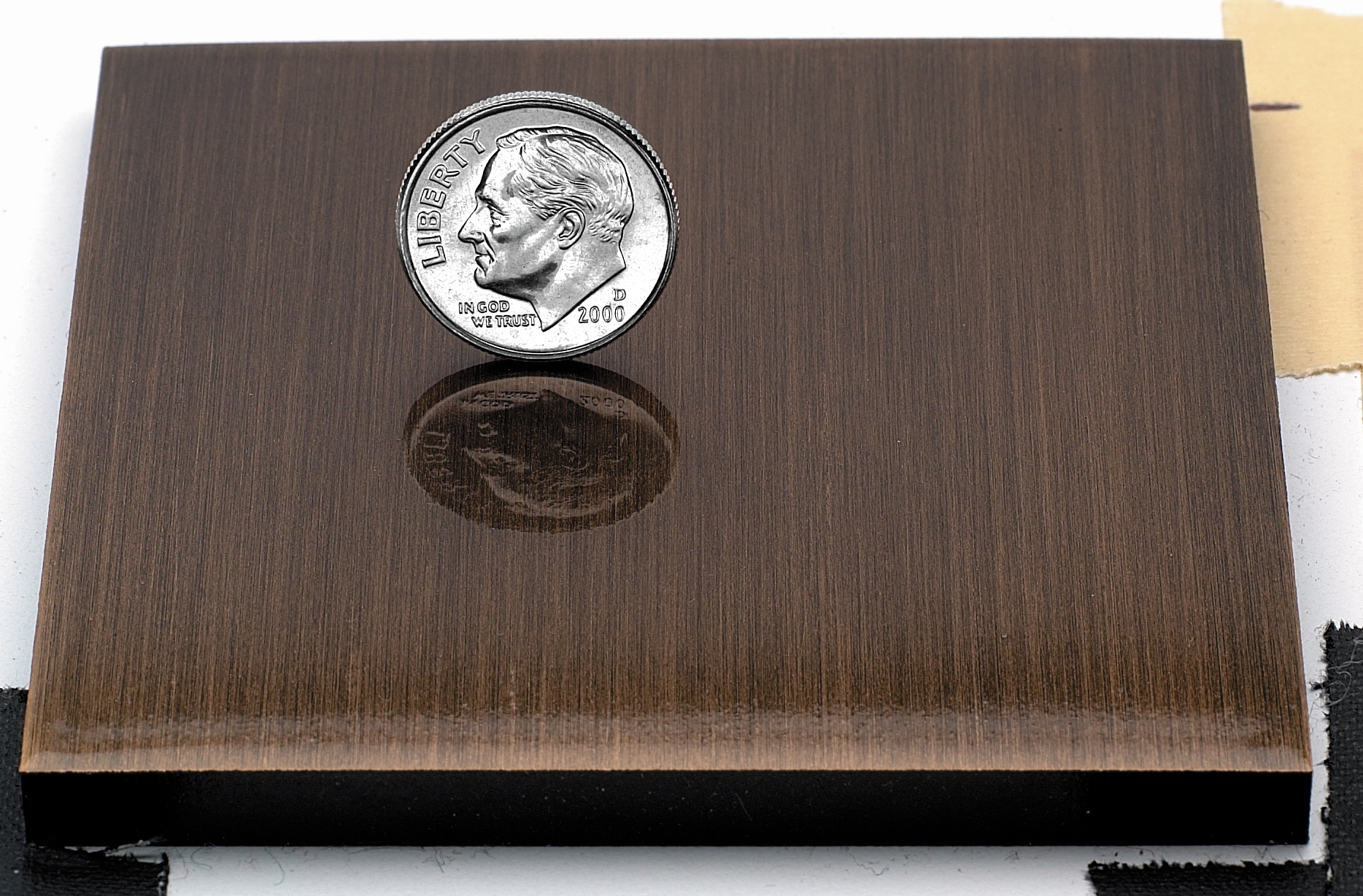
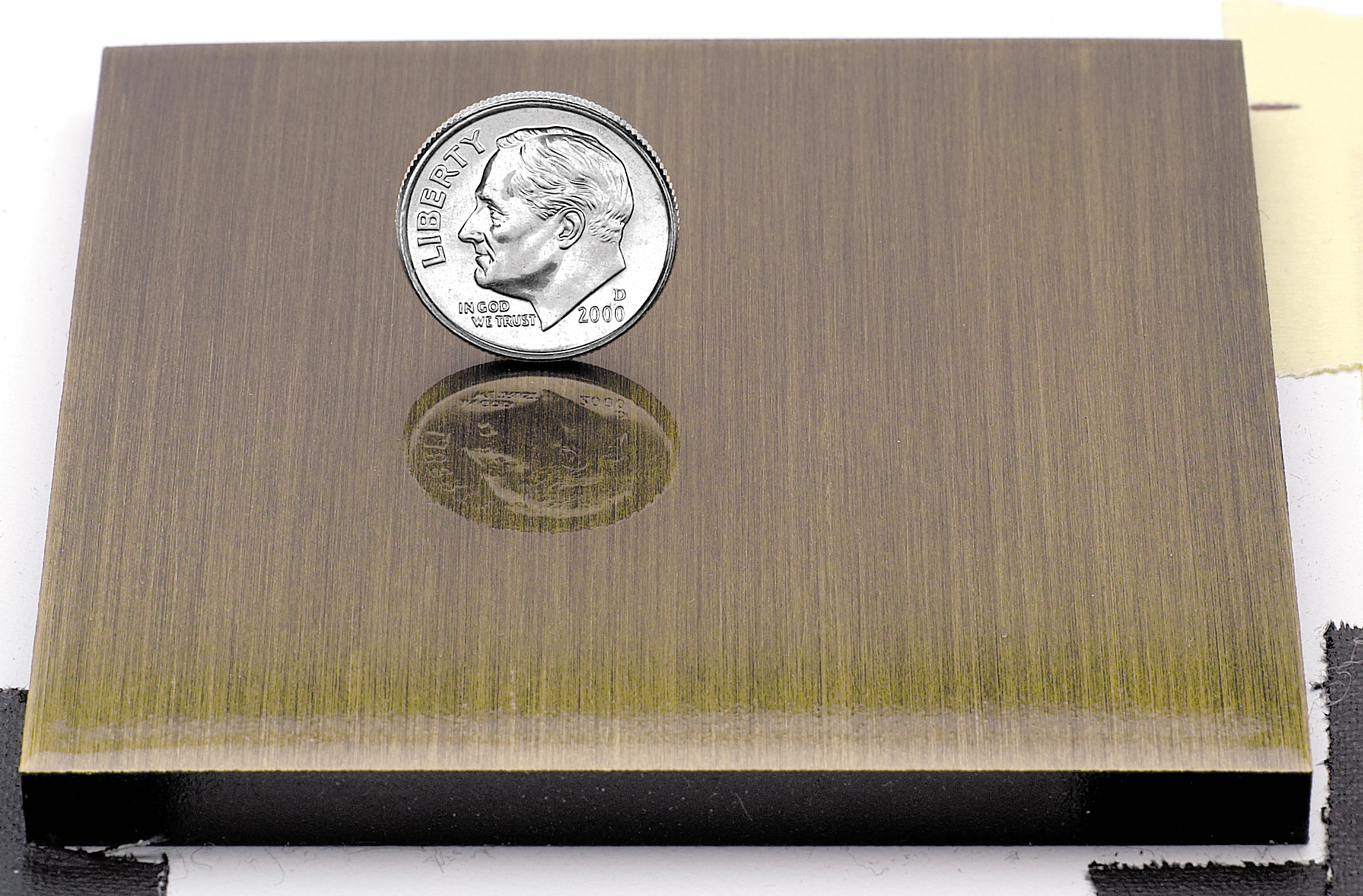
Flat-cut or cast; warm metal tones, brushed, polished, oxidized or patinated finishes.
Cast and sheet bronze use different alloys. Ask for a physical finish sample when coordinating with existing architectural metal.
Brass
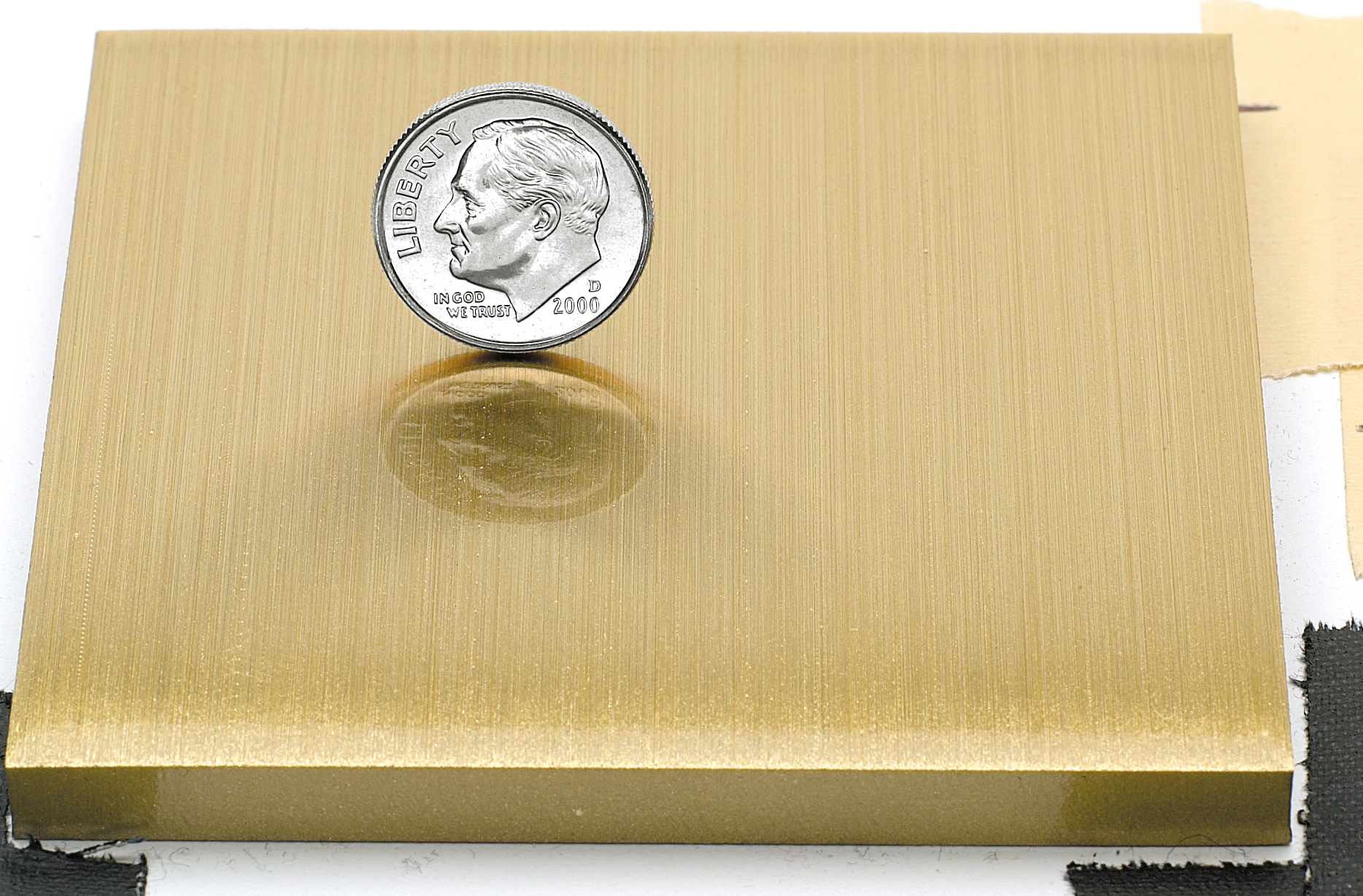
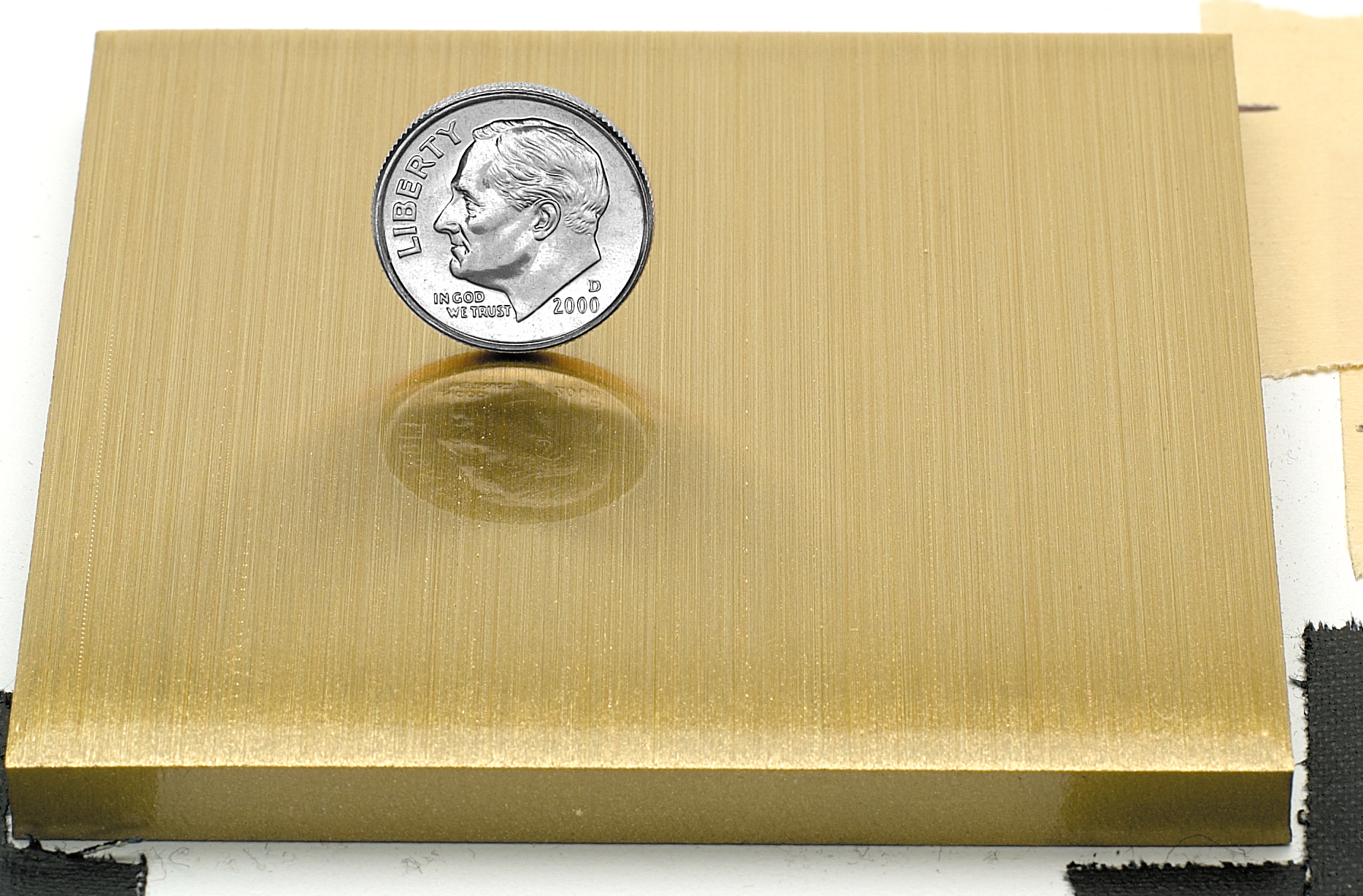
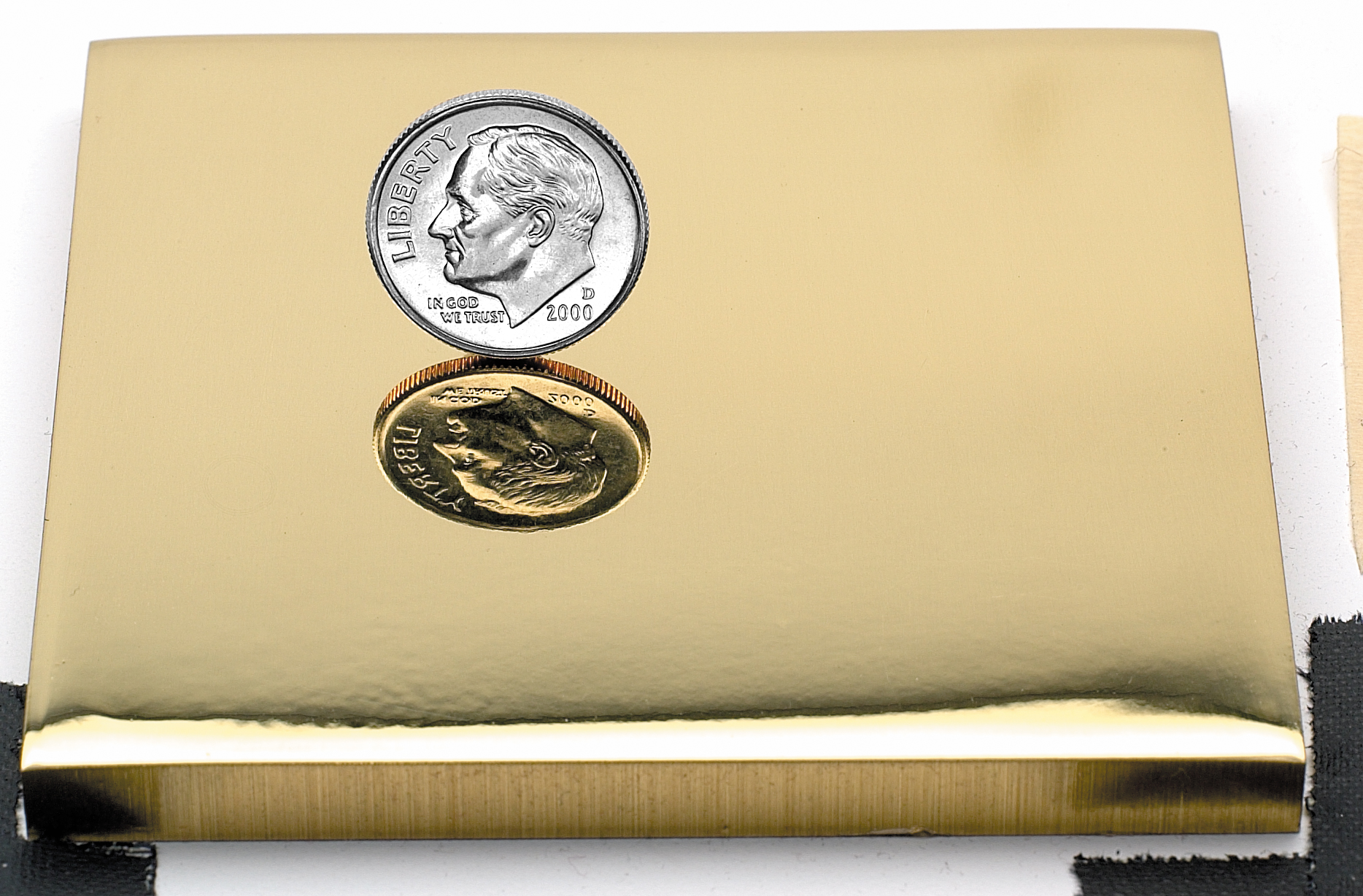
Flat-cut; a warm gold tone with brushed, polished and oxidized choices.
Review maintenance, exposure and finish consistency. Confirm the alloy for the quoted product rather than specifying from color alone.
Copper
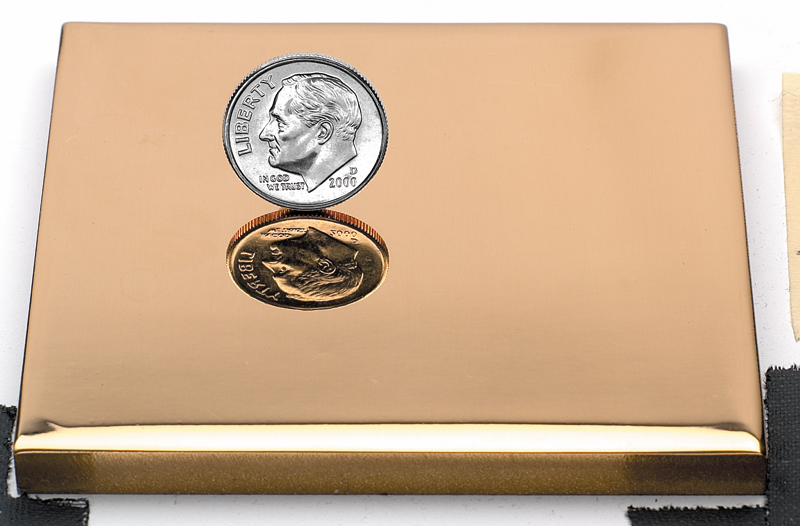
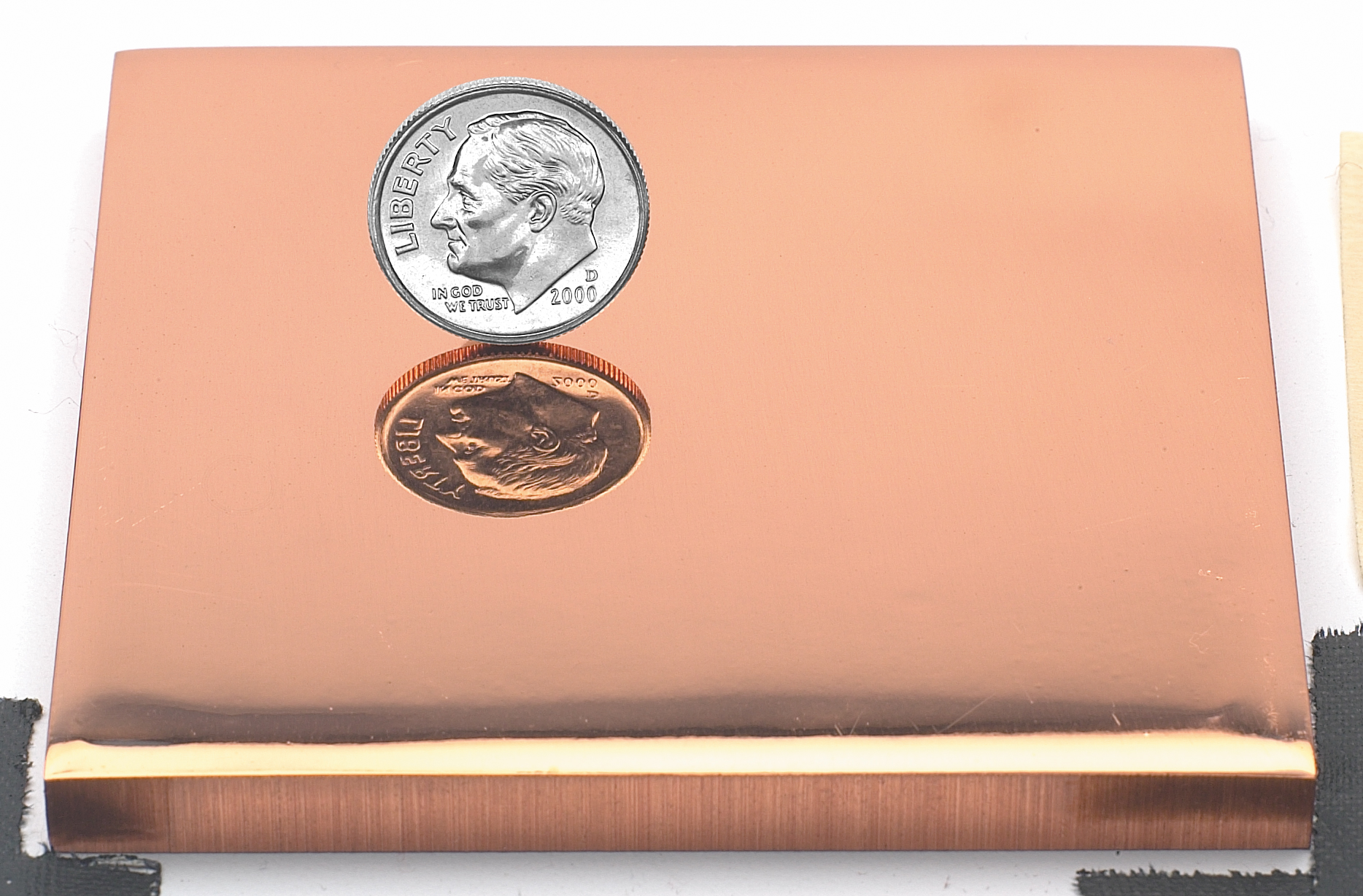
Flat-cut; brushed or polished copper and other currently available treatments.
Copper changes with exposure. Confirm the treatment and any protective coating with the quote.
Weathering steel
Flat-cut steel that develops a rust-colored surface with exposure.
The weathered appearance develops over time and varies. Runoff may stain adjacent walls or paving; choose the location and separation carefully.
Flat-cut thickness options to discuss
Metal
Nominal plate thicknesses
Important qualification
Aluminum
1/8, 1/4, 3/8, 1/2, 3/4 and 1 inch
Availability depends on letter size, finish and mounting.
Stainless steel
1/8, 1/4, 3/8, 1/2 and selected 3/4 inch
Confirm the grade and stock for the order.
Bronze
1/8, 1/4, 3/8 and 1/2 inch
These are flat-cut options, not cast depths.
Brass
1/8, 1/4, 3/8, 1/2 and 3/4 inch
Letter geometry may narrow the available choices.
Copper
1/8, 1/4 and 3/8 inch
Thin strokes and mounting clearances still need review.
Weathering steel
1/8 and 1/4 inch
Allow for weathering and possible surface staining.
Height is only one specification
Send the overall sign width, letter height, stroke widths and desired projection. Small serifs, narrow openings, disconnected logo pieces and mounting holes can limit what is producible. Large shapes may need multiple pieces. Finishing equipment can set a smaller limit than cutting equipment.
Cast letters use product-specific depths: standard fonts have standard profiles, while custom casting can provide deeper relief. Fabricated depth depends on the return, face, mounting and any lighting package. We confirm the available dimensions for your artwork before production.
Surface, color & sheen
Finishes That Fit the Setting
Brushed or polished
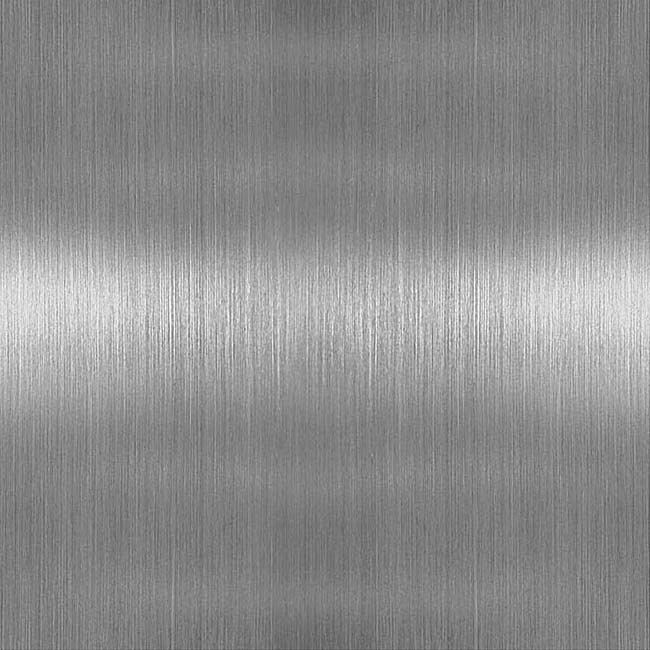
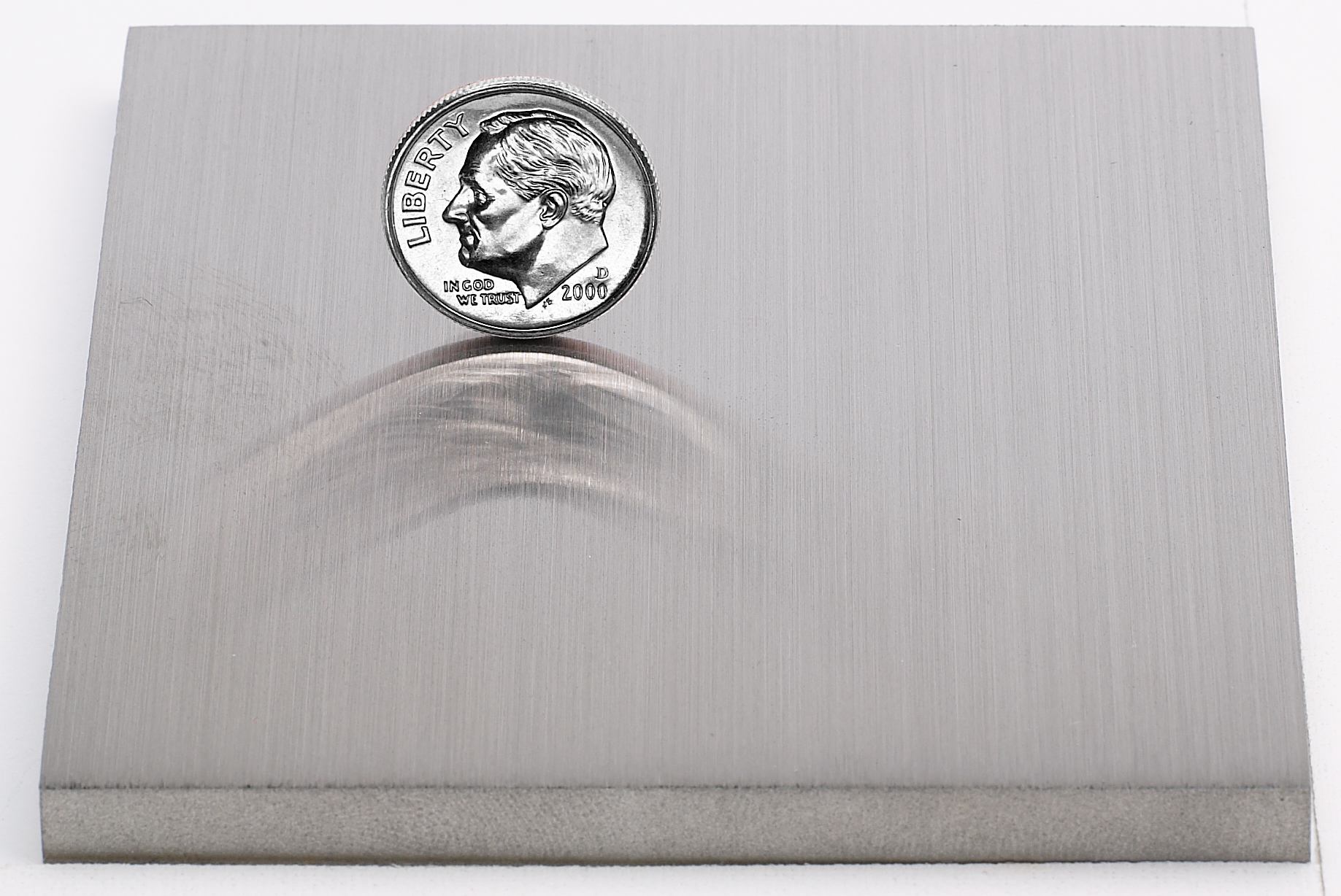
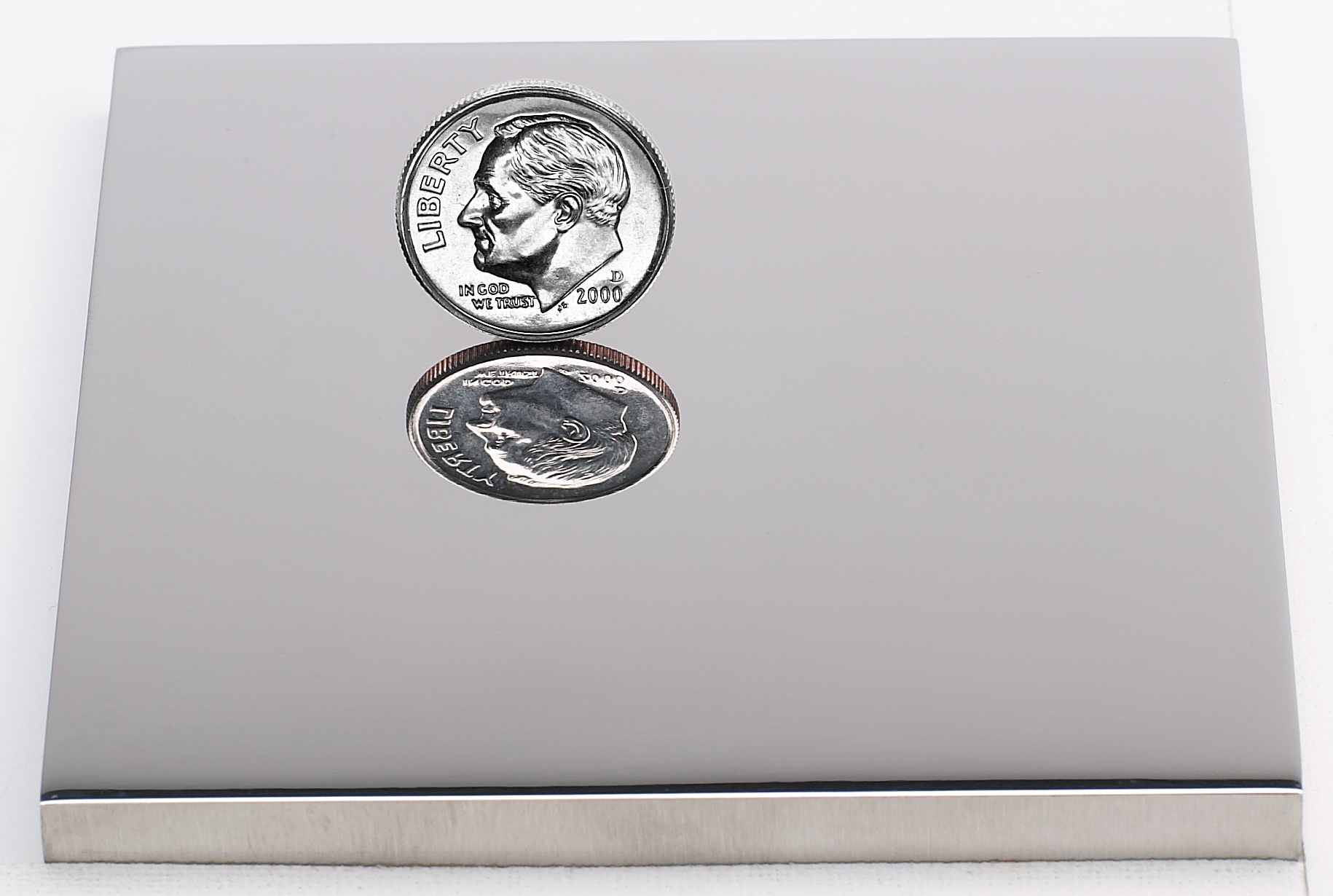
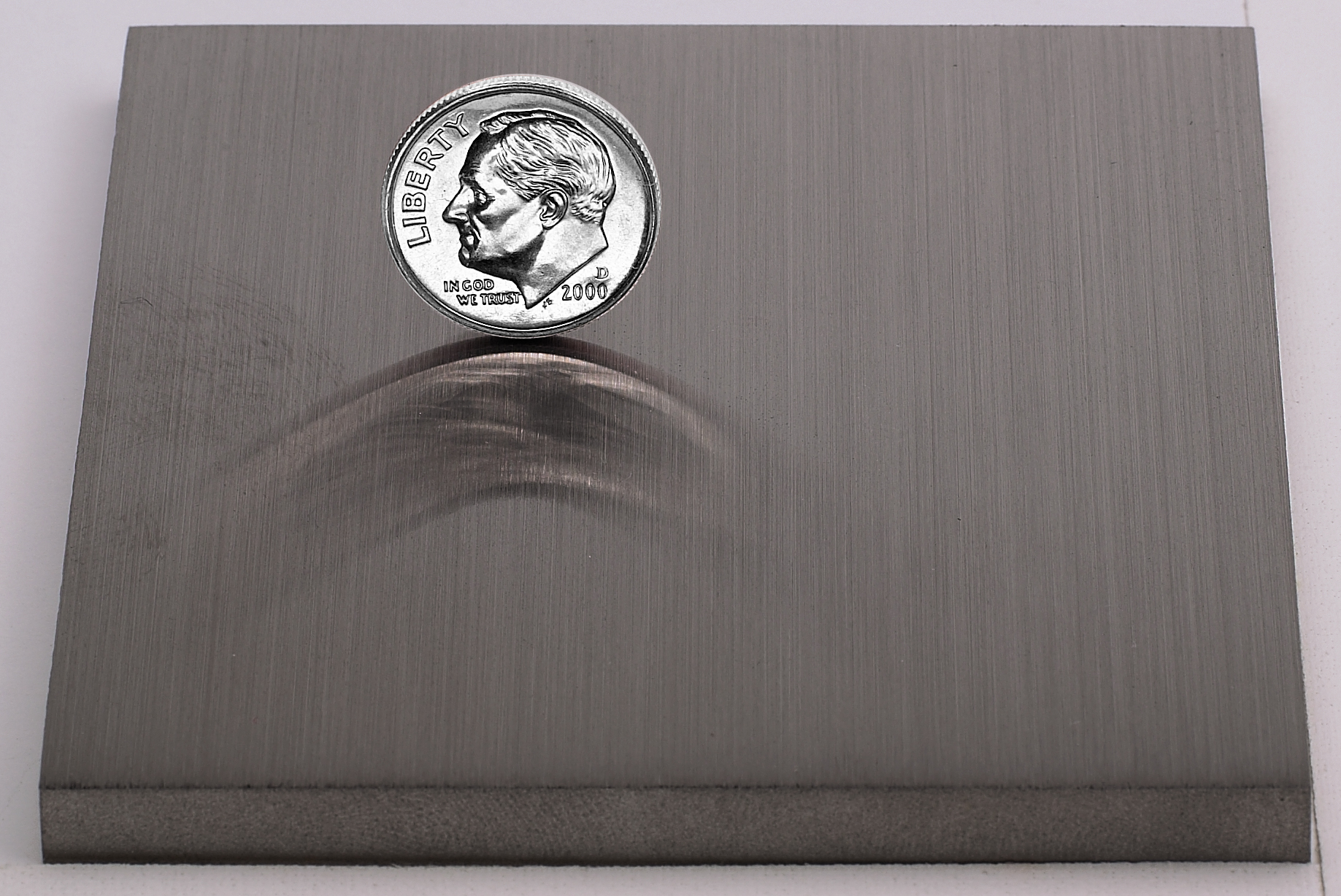
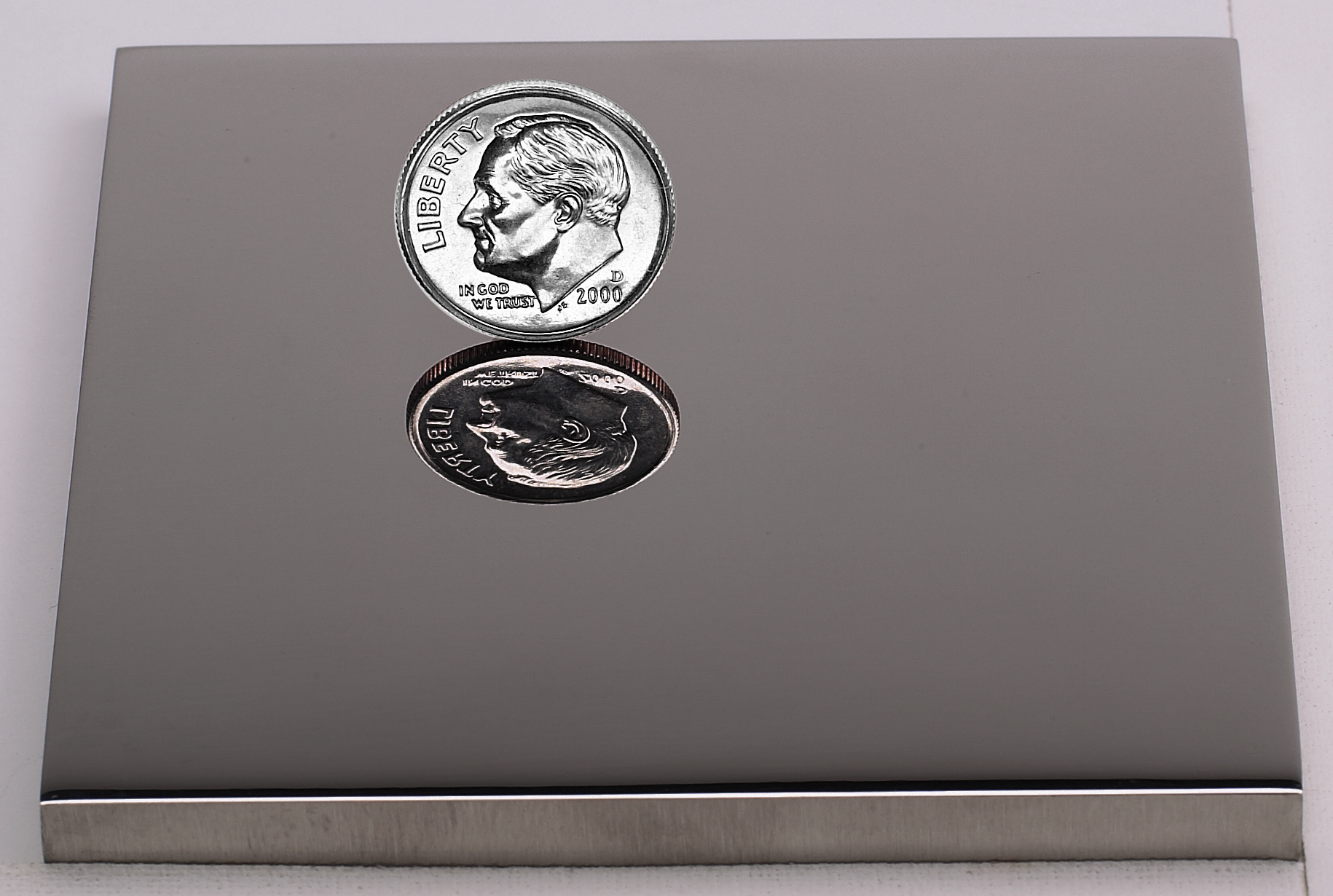
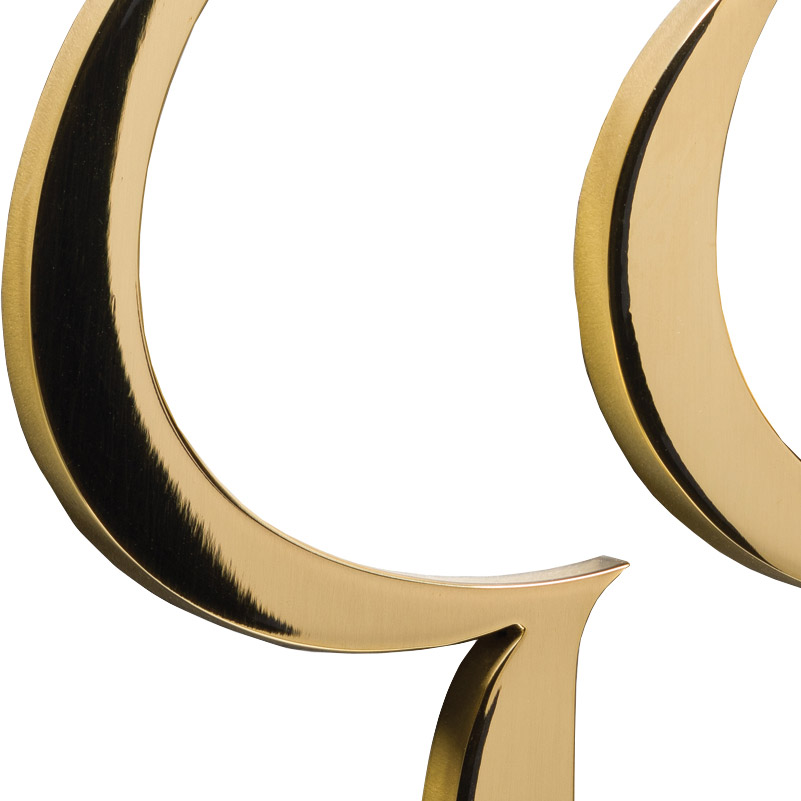
Brushed faces have a directional grain; specify its direction across the complete sign. Polished faces reflect more of their surroundings and can show fingerprints or glare. Face and return finishes may differ, so describe every side that will be visible.
Painted or anodized
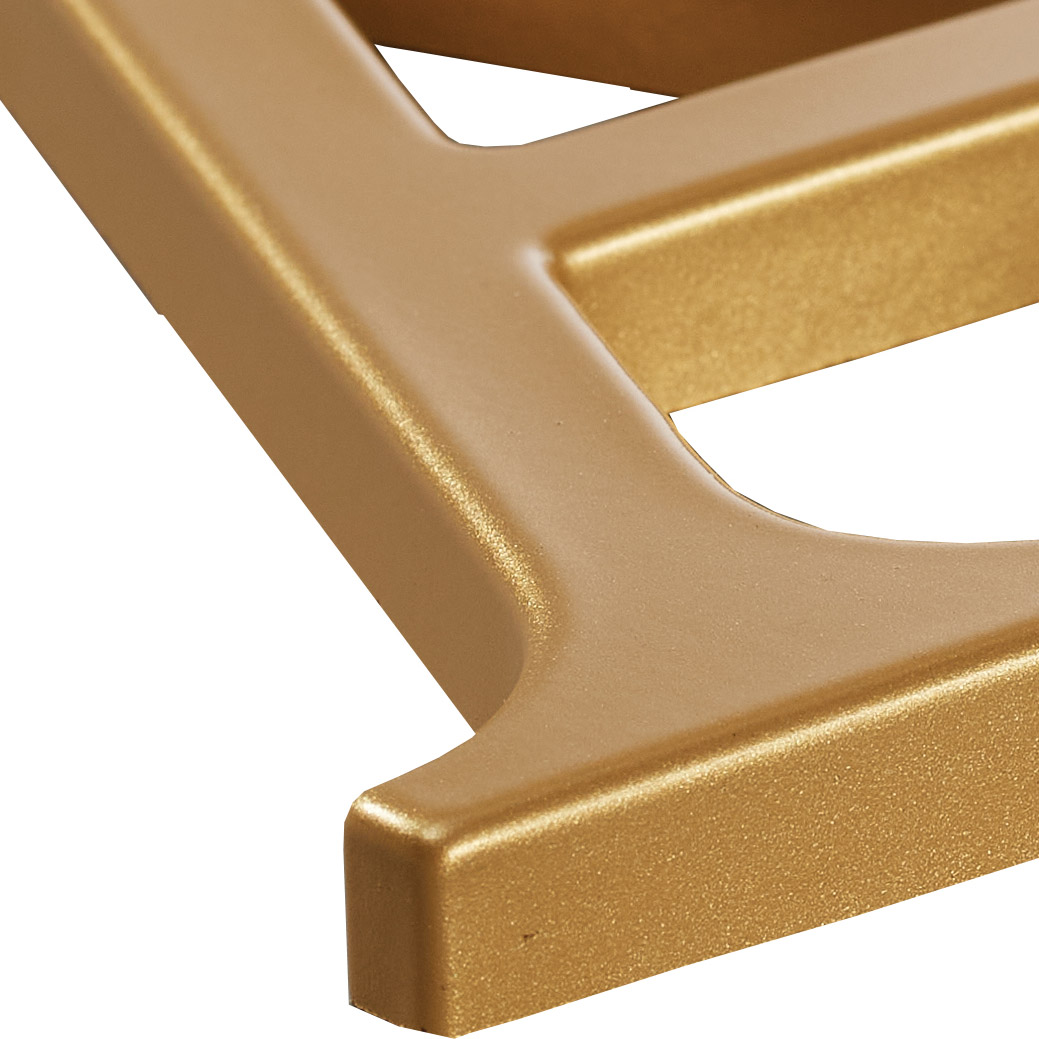
Paint offers standard and custom colors with an agreed sheen. Anodizing changes the aluminum surface through an electrochemical process; it is an aluminum treatment, not a coating for every metal. Coordinate samples when matching existing work.
Oxidized, patinated or textured
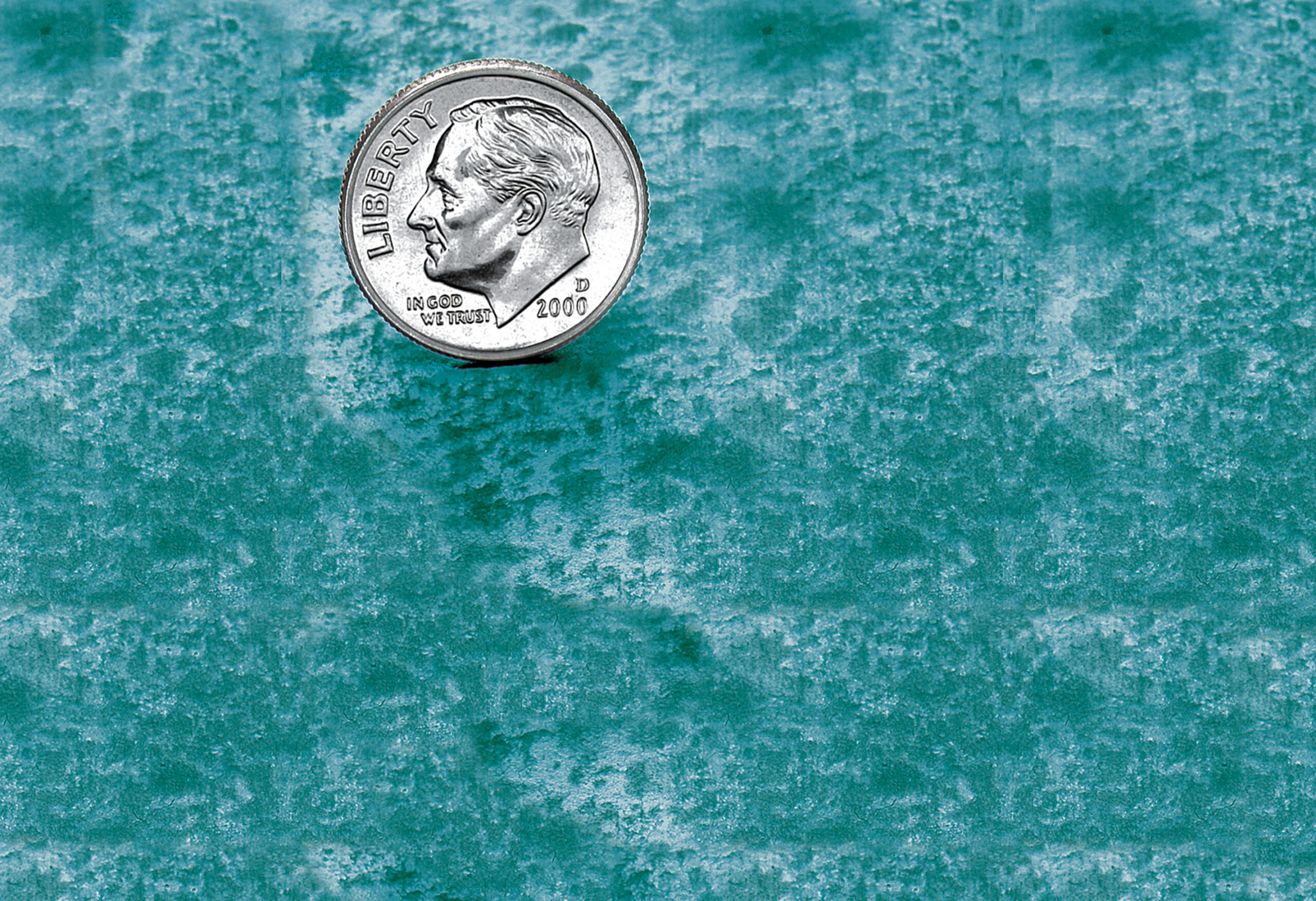
Oxidized bronze and brass create an aged tone. Patinas and weathered surfaces can vary between letters and continue to change in use. Orbital, random-arc and other specialty treatments depend on the product and finish combination.
Screen colors are approximate. Request a physical sample for a critical color or texture match, and specify whether the back will be visible. Some finishing processes need handling studs or restrict the available letter size.
Compare the surfaces
Metal Finish Samples
Aluminum finish samples
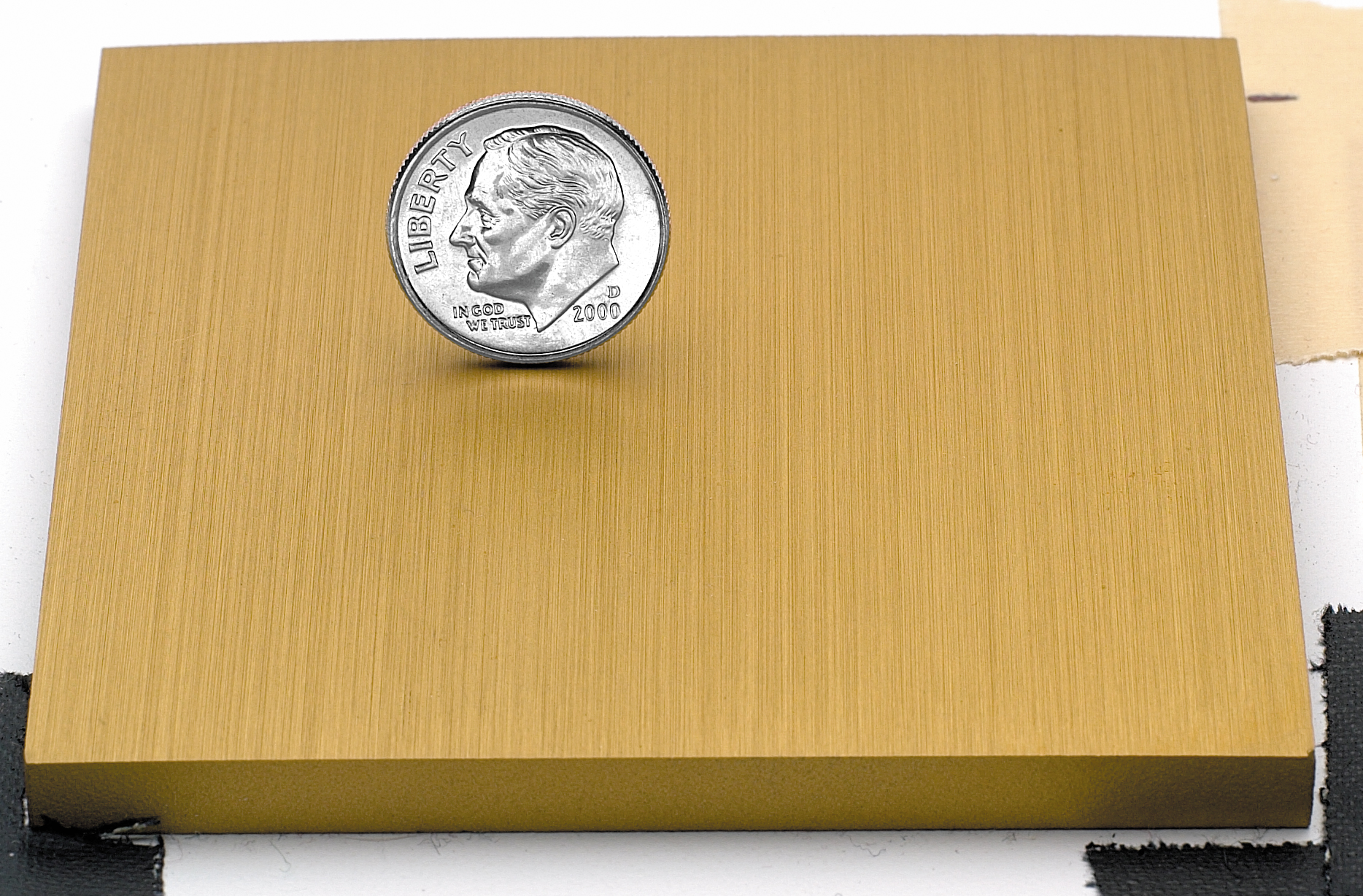
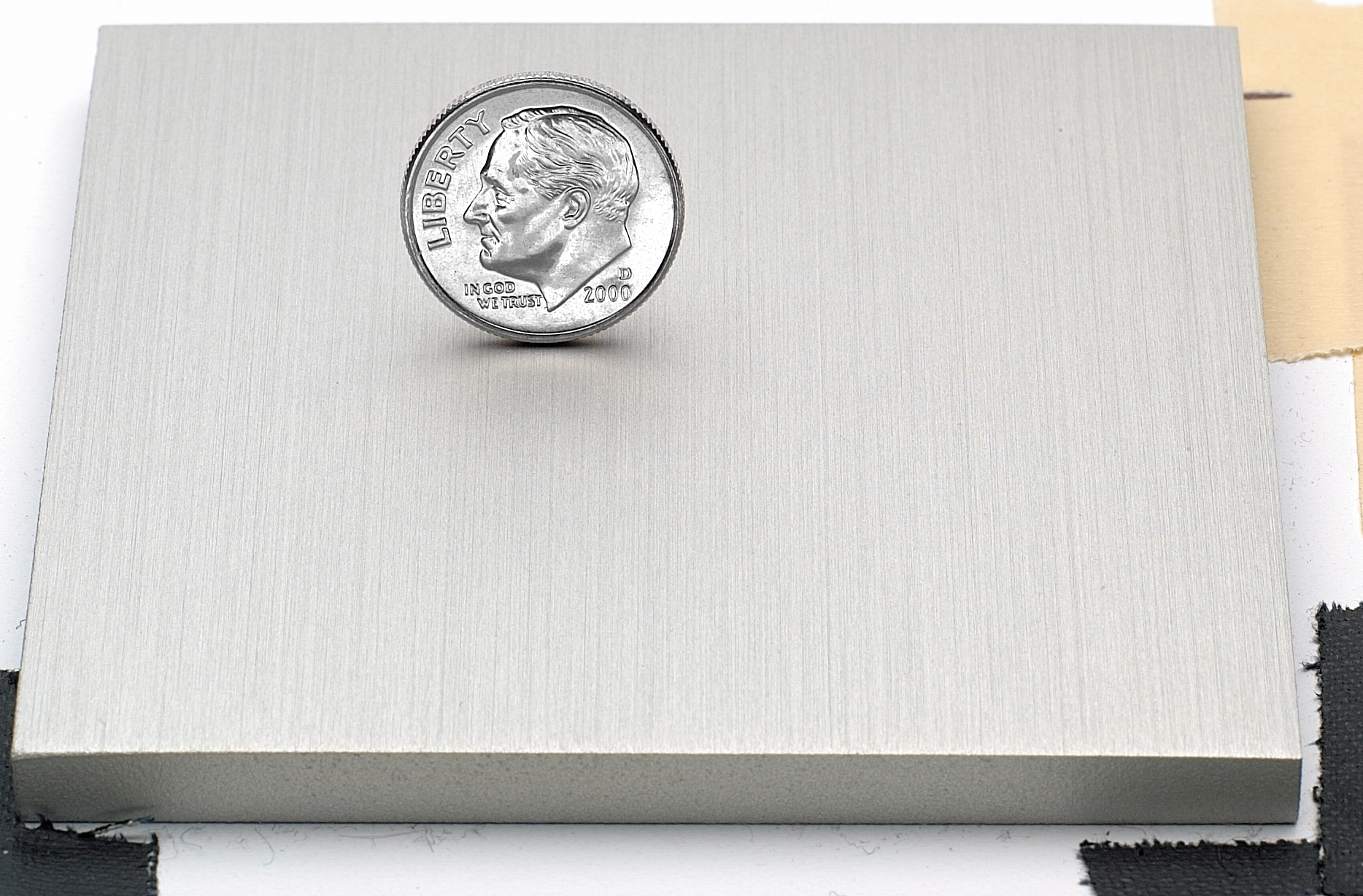
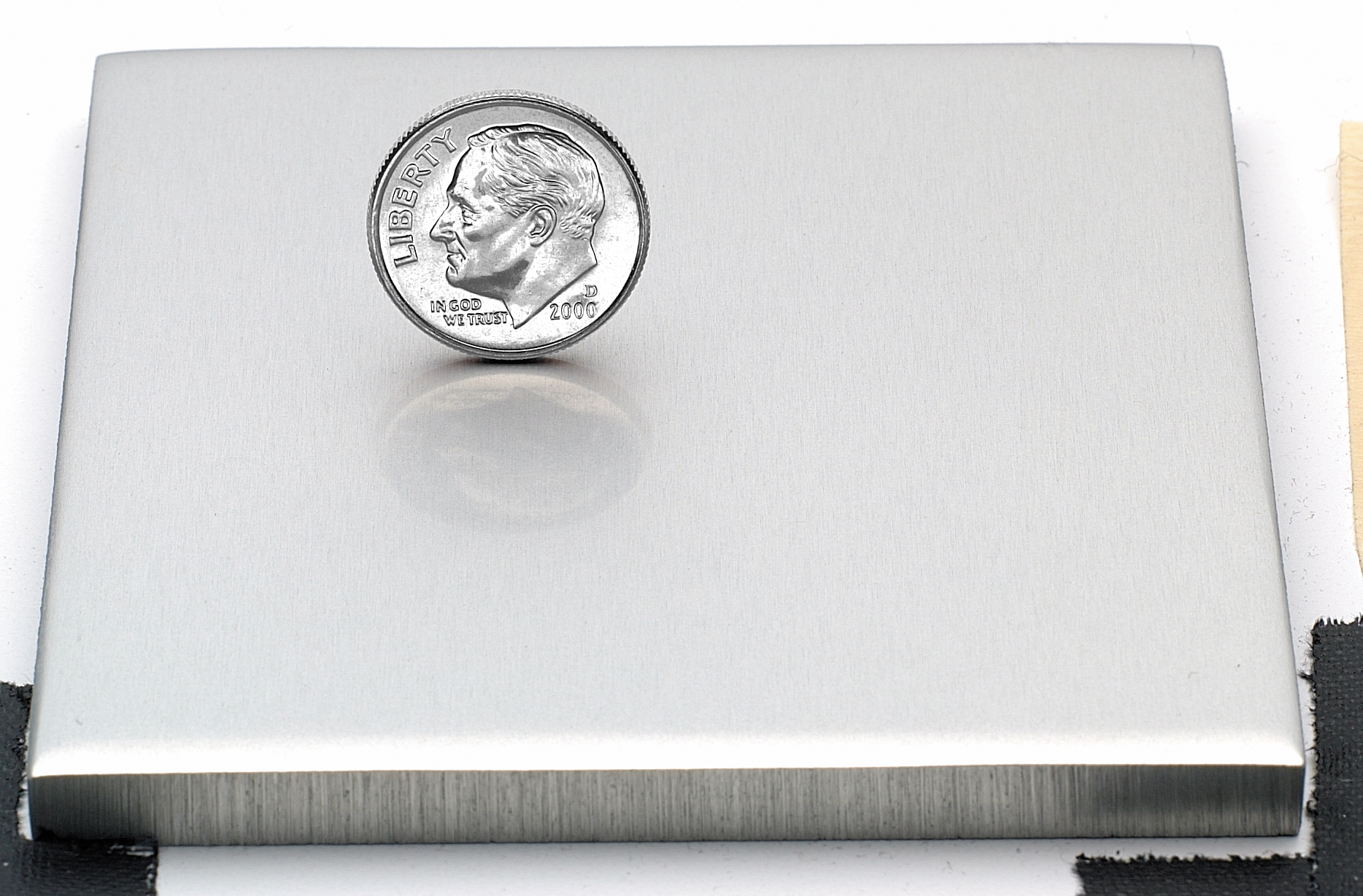
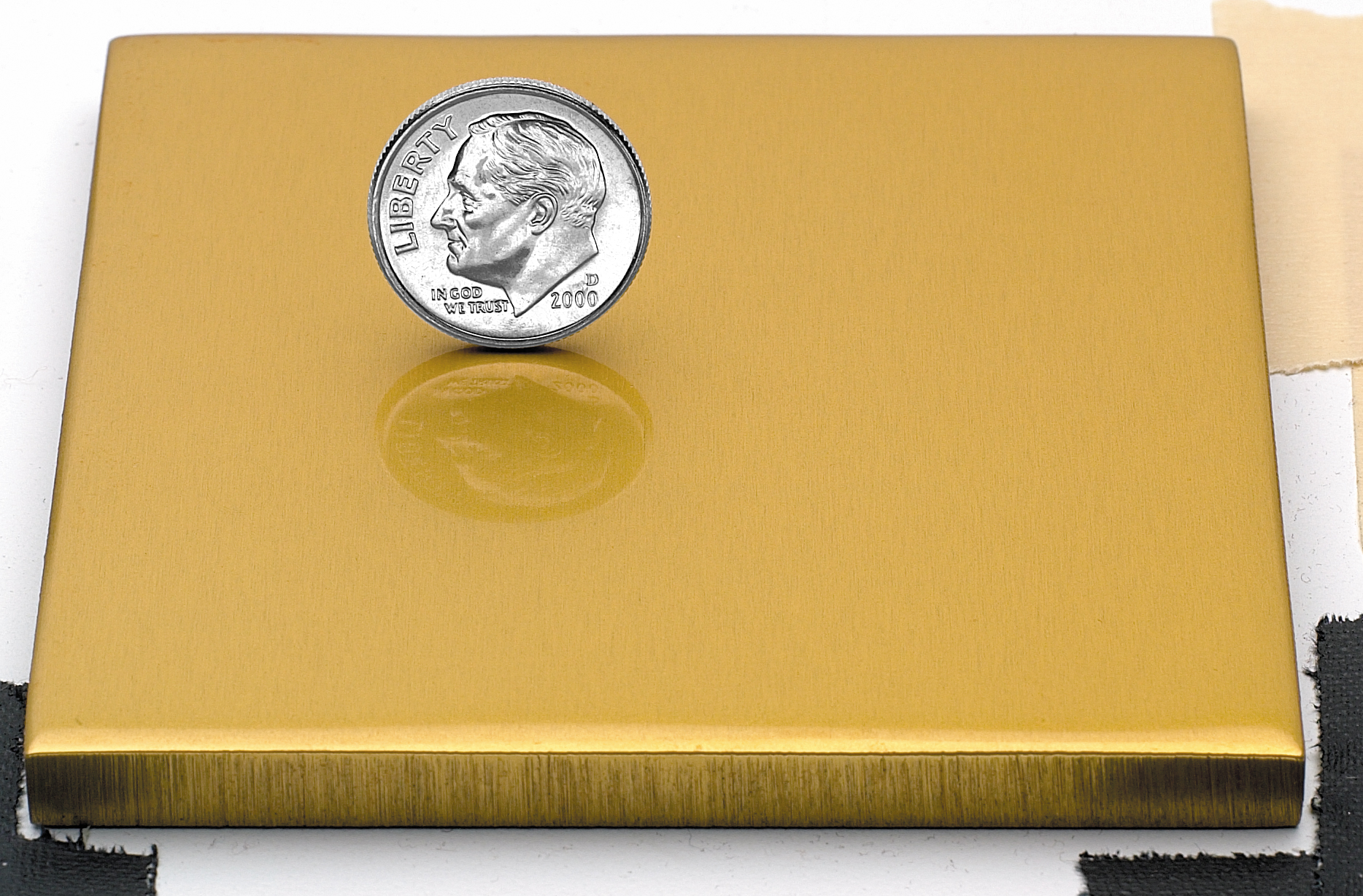
Finish availability varies between flat-cut, cast and fabricated aluminum.
Brushed aluminumManufacturer reference — available through WhiteClouds.Polished aluminumManufacturer reference — available through WhiteClouds.Orbital aluminum sampleManufacturer reference — available through WhiteClouds.Random-arc aluminum sampleManufacturer reference — available through WhiteClouds.Black anodized aluminumManufacturer reference — available through WhiteClouds.Light bronze anodized aluminumManufacturer reference — available through WhiteClouds.Gold anodized aluminumManufacturer reference — available through WhiteClouds.Dark bronze anodized aluminumManufacturer reference — available through WhiteClouds.Clear anodized aluminumManufacturer reference — available through WhiteClouds.Champagne anodized aluminumManufacturer reference — available through WhiteClouds.Bronze anodized aluminumManufacturer reference — available through WhiteClouds.Polished black anodized aluminumManufacturer reference — available through WhiteClouds.Polished bronze anodized aluminumManufacturer reference — available through WhiteClouds.Polished champagne anodized aluminumManufacturer reference — available through WhiteClouds.Polished clear anodized aluminumManufacturer reference — available through WhiteClouds.Polished dark bronze anodized aluminumManufacturer reference — available through WhiteClouds.Polished gold anodized aluminumManufacturer reference — available through WhiteClouds.Polished light bronze anodized aluminumManufacturer reference — available through WhiteClouds.
Stainless steel and coated finish samples
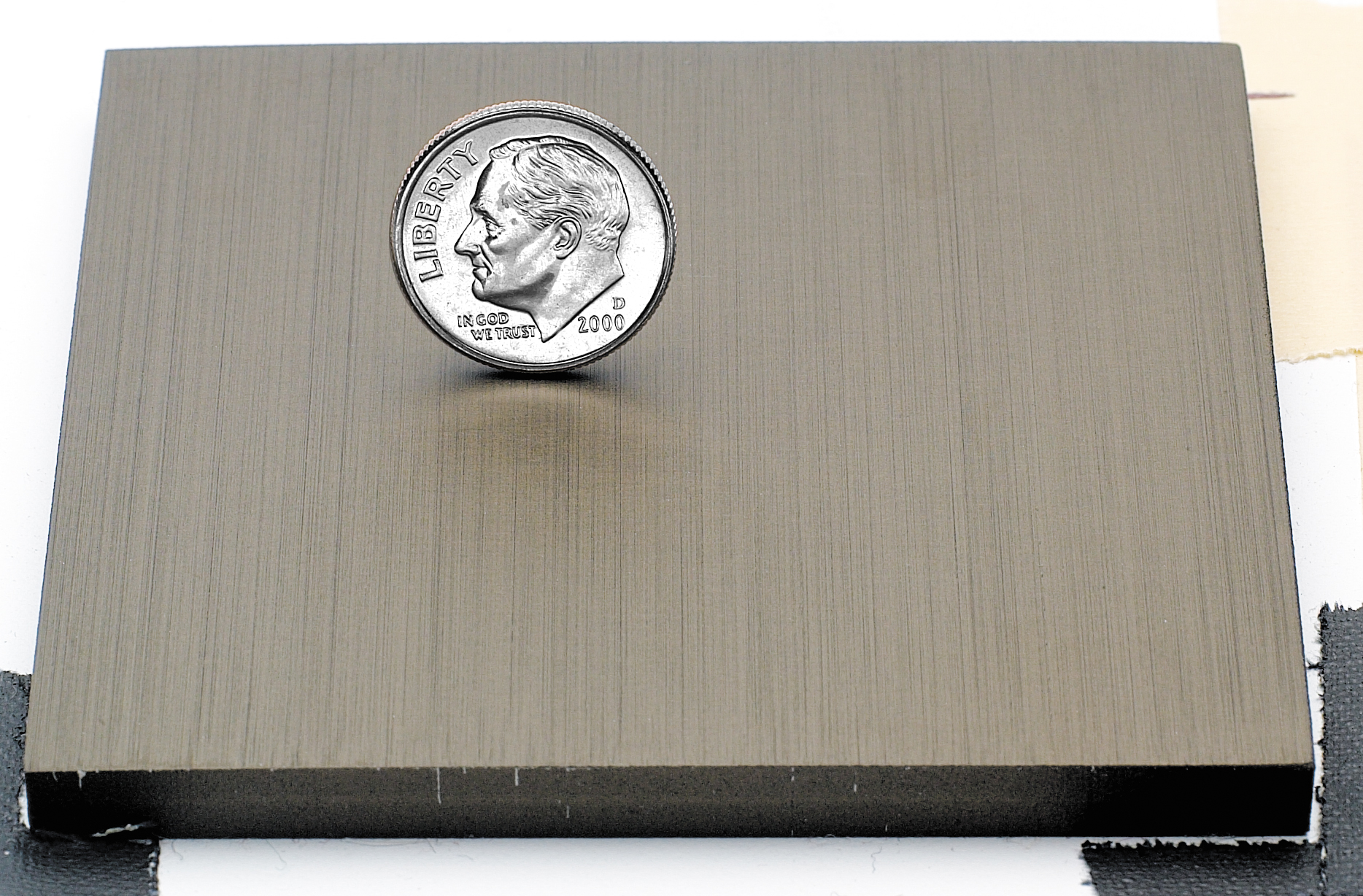
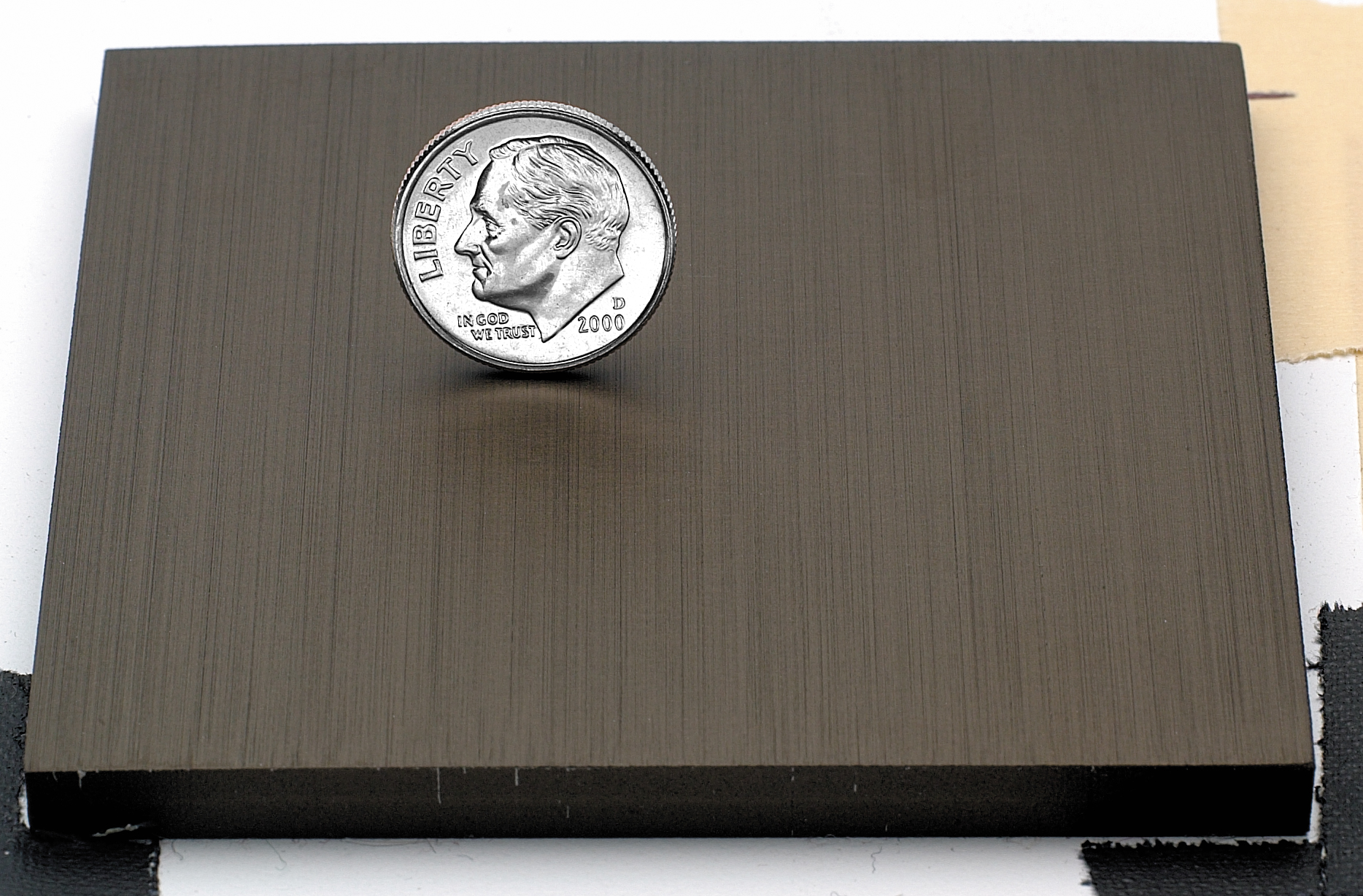
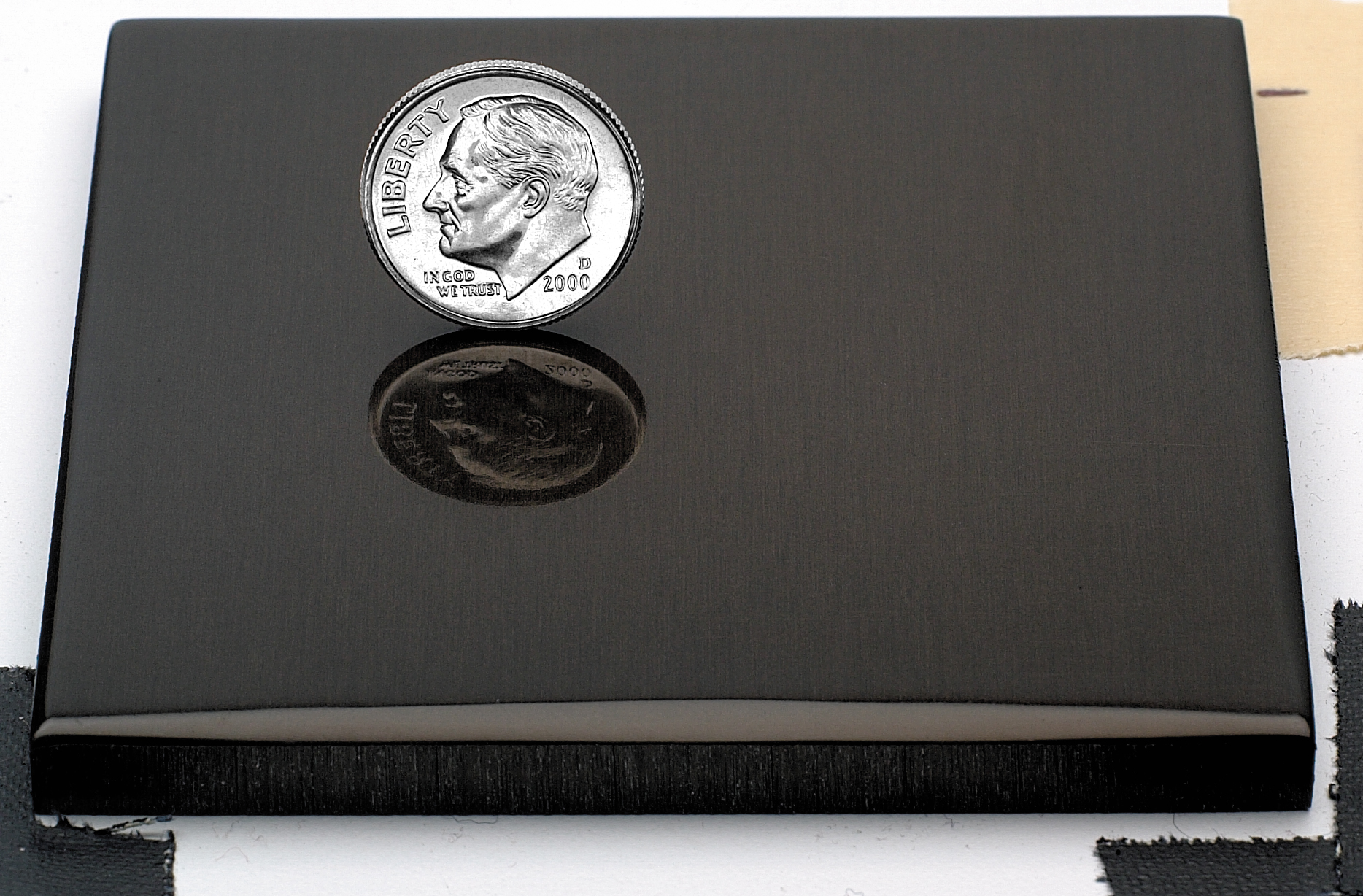
A copper, bronze or gold tone on coated stainless steel does not mean the letter is solid copper, bronze or brass.
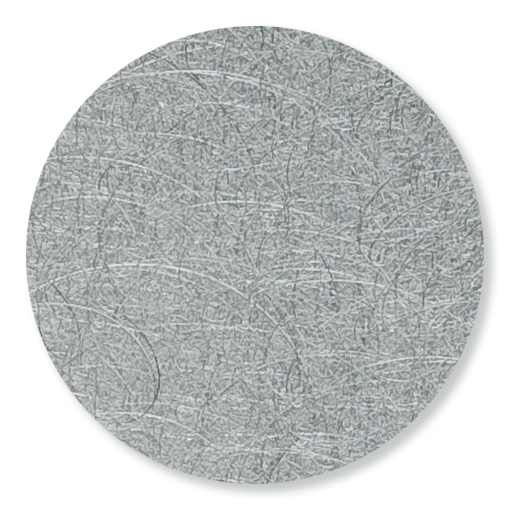
Brushed metal sampleManufacturer reference — available through WhiteClouds.Brushed stainless steelManufacturer reference — available through WhiteClouds.Polished stainless steelManufacturer reference — available through WhiteClouds.Brushed black titanium-coated stainless steelManufacturer reference — available through WhiteClouds.Brushed gold titanium-coated stainless steelManufacturer reference — available through WhiteClouds.Polished black titanium-coated stainless steelManufacturer reference — available through WhiteClouds.Brushed copper-tone titanium-coated stainless steelManufacturer reference — available through WhiteClouds.Polished bronze-tone titanium-coated stainless steelManufacturer reference — available through WhiteClouds.Brushed bronze-tone titanium-coated stainless steelManufacturer reference — available through WhiteClouds.Polished gold titanium-coated stainless steelManufacturer reference — available through WhiteClouds.
Bronze, brass, copper and weathering steel
Patinas, oxidation and weathering are variable finishes. Use a physical sample to discuss the intended appearance.
Brushed bronzeManufacturer reference — available through WhiteClouds.Polished bronzeManufacturer reference — available through WhiteClouds.Light oxidized bronzeManufacturer reference — available through WhiteClouds.Dark oxidized bronzeManufacturer reference — available through WhiteClouds.Verde patina sampleManufacturer reference — available through WhiteClouds.Turquoise bronze patinaManufacturer reference — available through WhiteClouds.Brushed brassManufacturer reference — available through WhiteClouds.Polished brassManufacturer reference — available through WhiteClouds.Light oxidized brassManufacturer reference — available through WhiteClouds.Oxidized brassManufacturer reference — available through WhiteClouds.Brushed copperManufacturer reference — available through WhiteClouds.Polished copperManufacturer reference — available through WhiteClouds.Weathering steel surfaceManufacturer reference — available through WhiteClouds.
The sign and its support
Plan the Mounting Before Production
Describe the wall construction, surface finish and access. A brick facade, glass partition and painted drywall wall need different attachment decisions. The sign’s weight and projection matter as much as its face dimensions.
Mounting decisions for metal signage
Method
Useful when
Resolve before ordering
Individual studs
Concealed attachment and accurate spacing on a suitable wall.
Wall anchors, stud length, hole positions, spacers and a drilling pattern.
Rails or backing panels
A group needs coordinated spacing or attachment to specific support locations.
Panel/rail visibility, finish, seams, structural connections and who provides wall hardware.
Top, bottom or angle supports
Letters sit on or hang from a ledge, canopy or rail.
Bearing surface, tie-backs, overturning forces and access to fasteners.
Tape or adhesive
Selected lighter pieces on a compatible surface.
Adhesive specification, surface preparation, load limits and removal effects.
View mounting methods and diagrams
Manufacturer mounting diagrams show the connection concept. The quoted hardware and installation drawing determine the finished assembly.
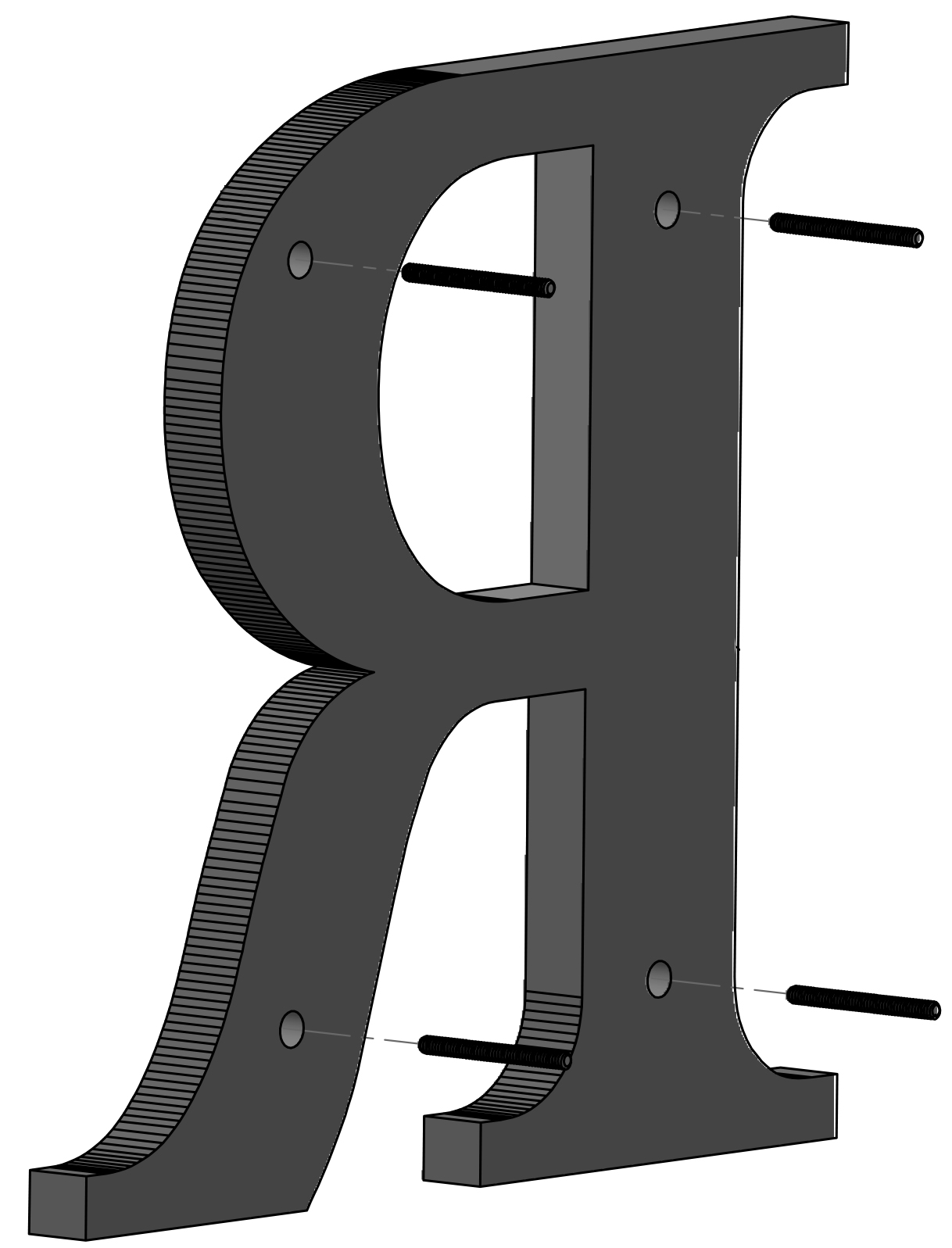
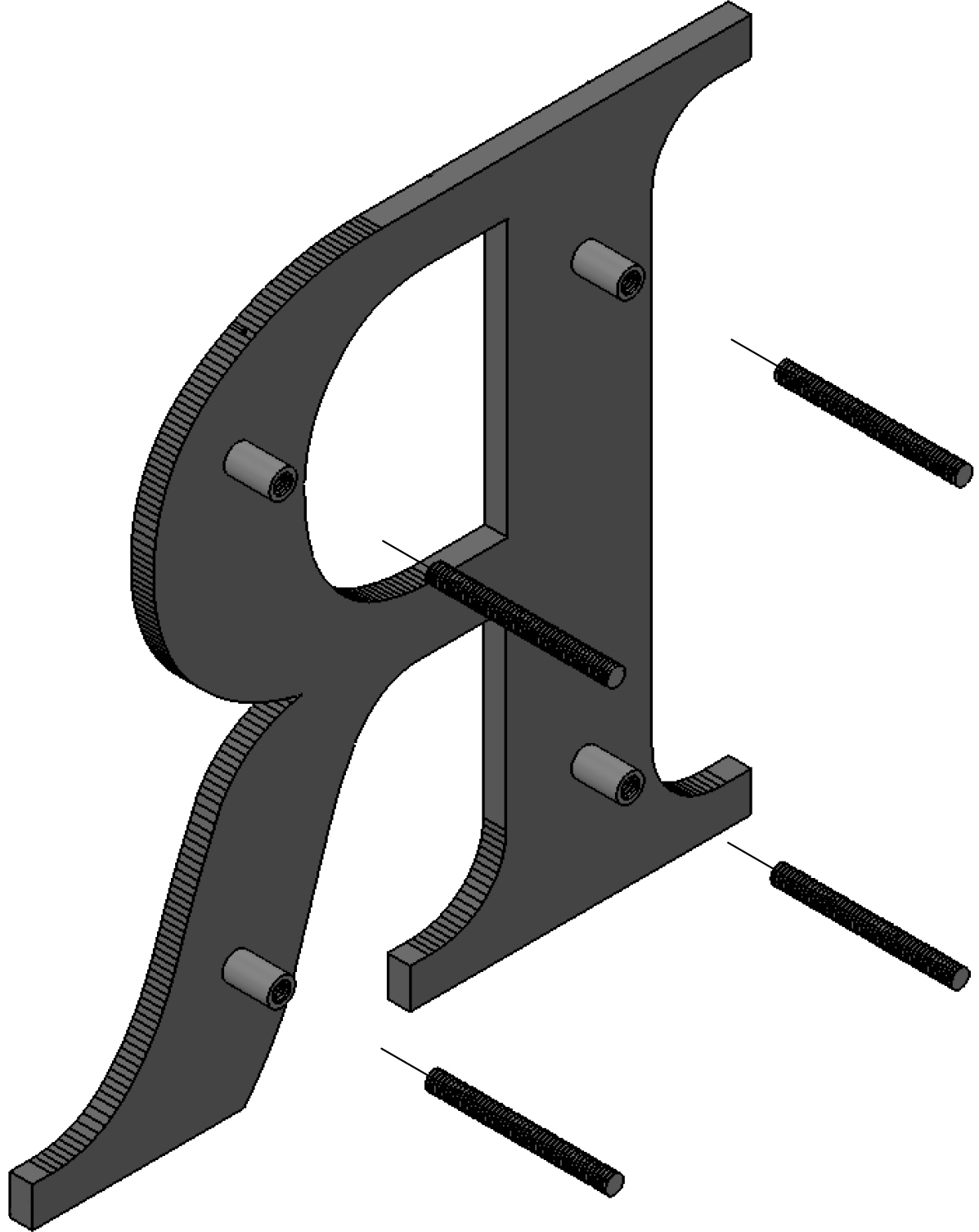
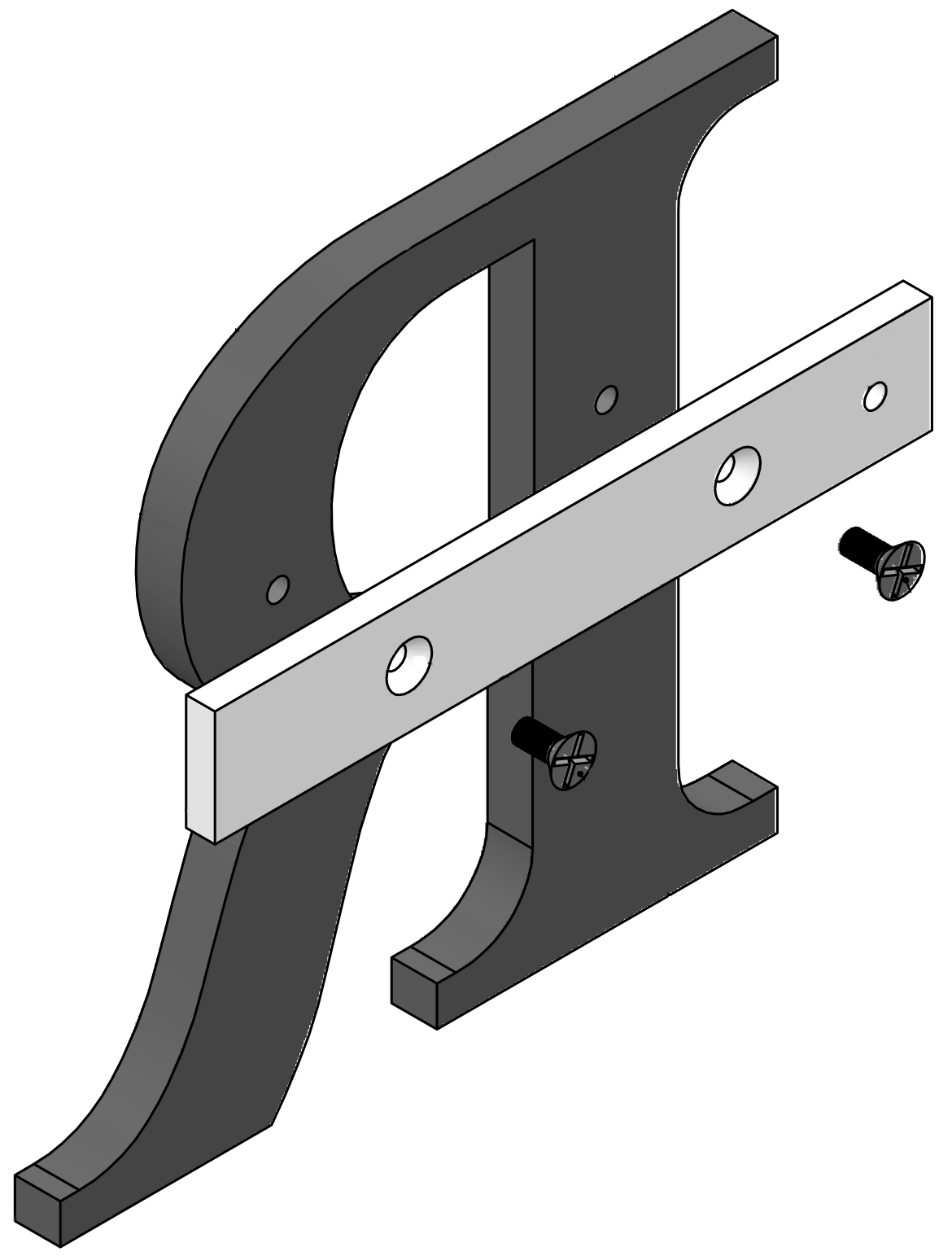
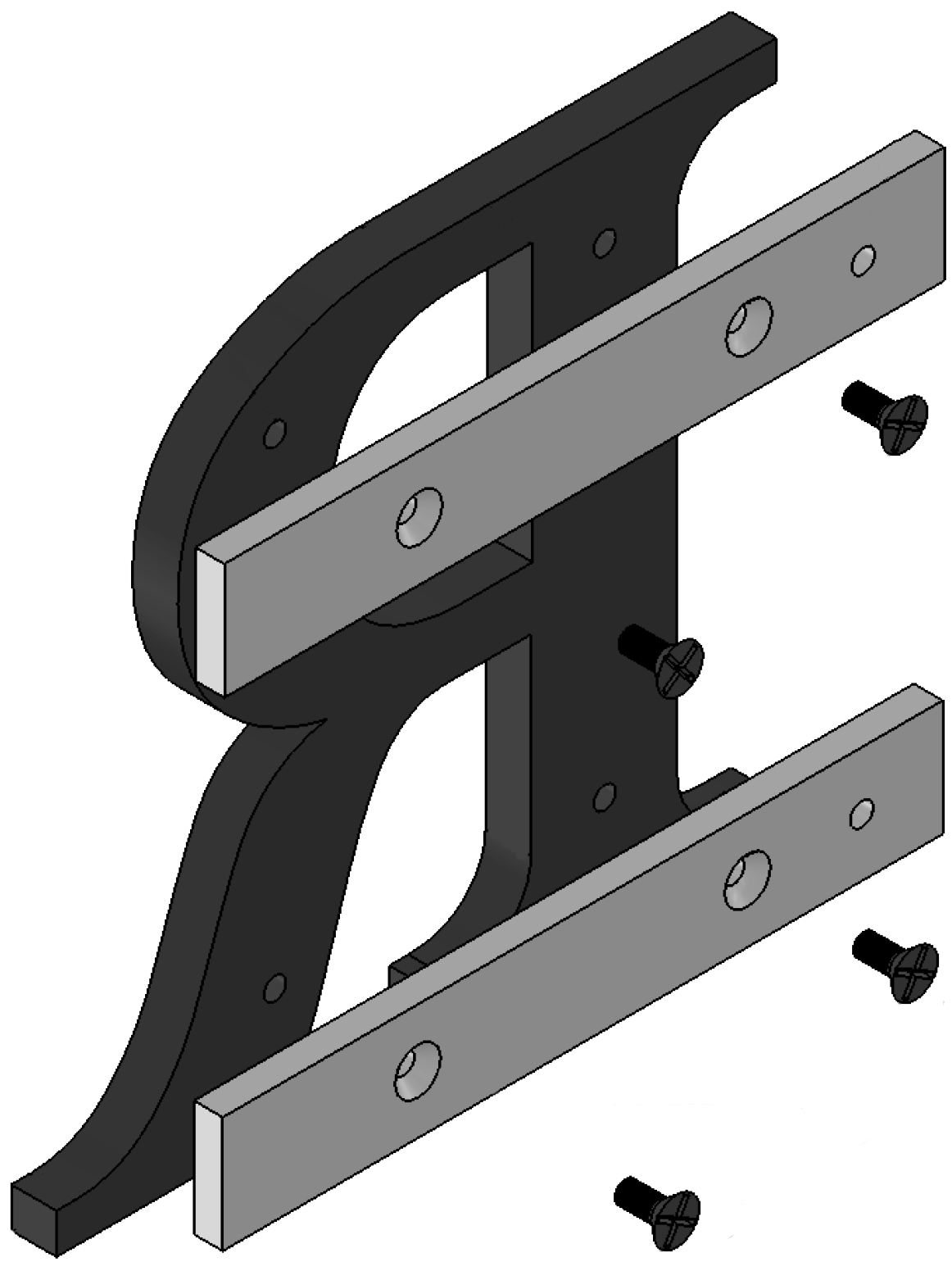
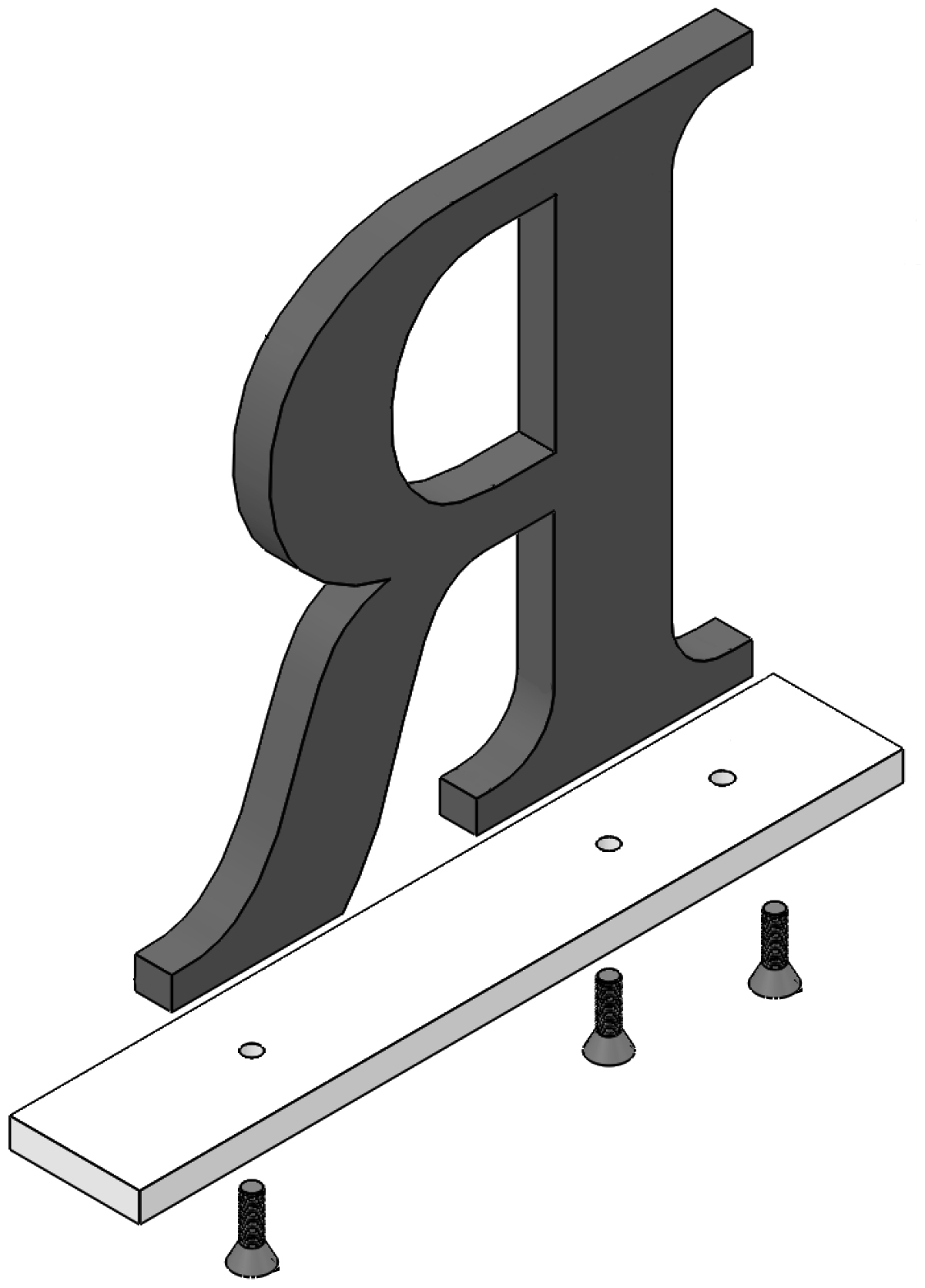
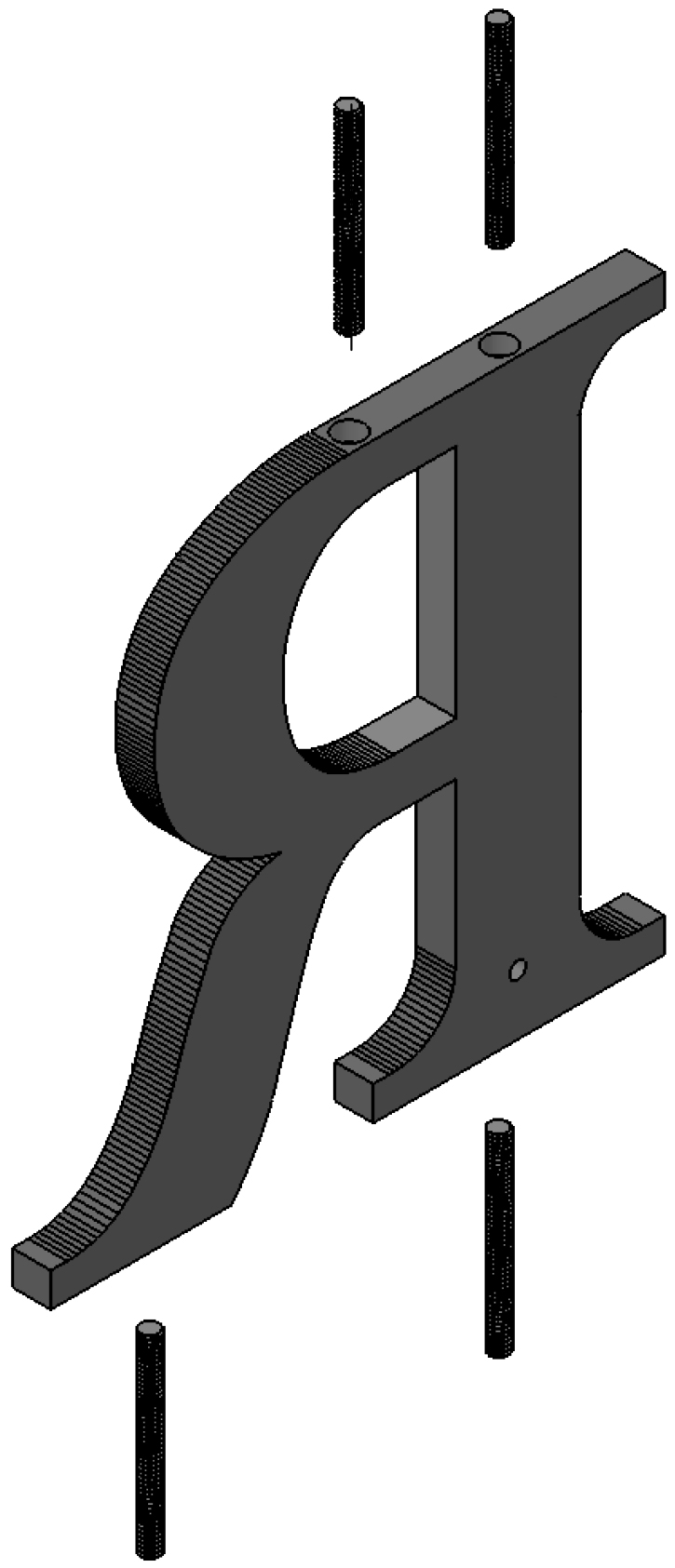
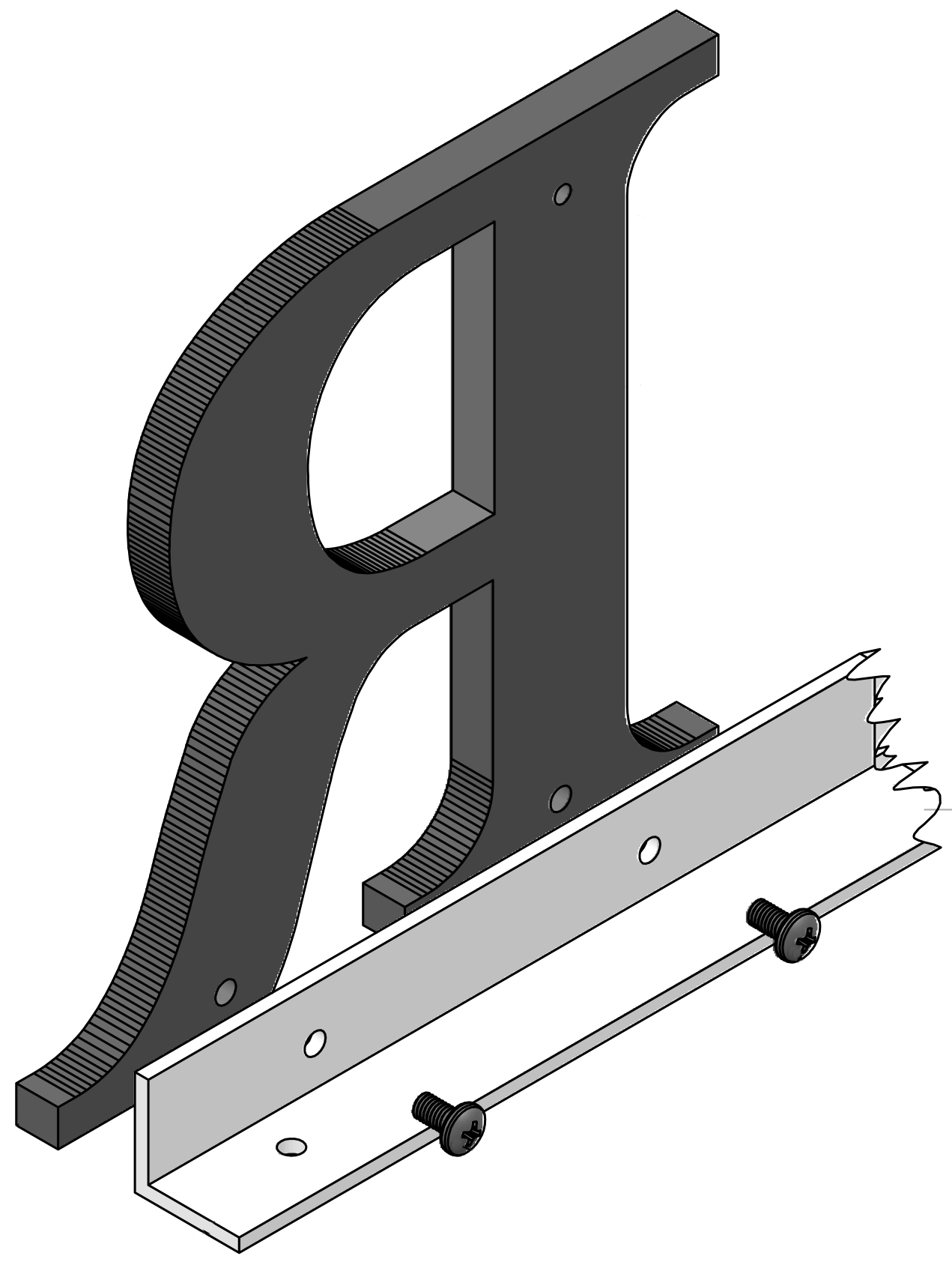
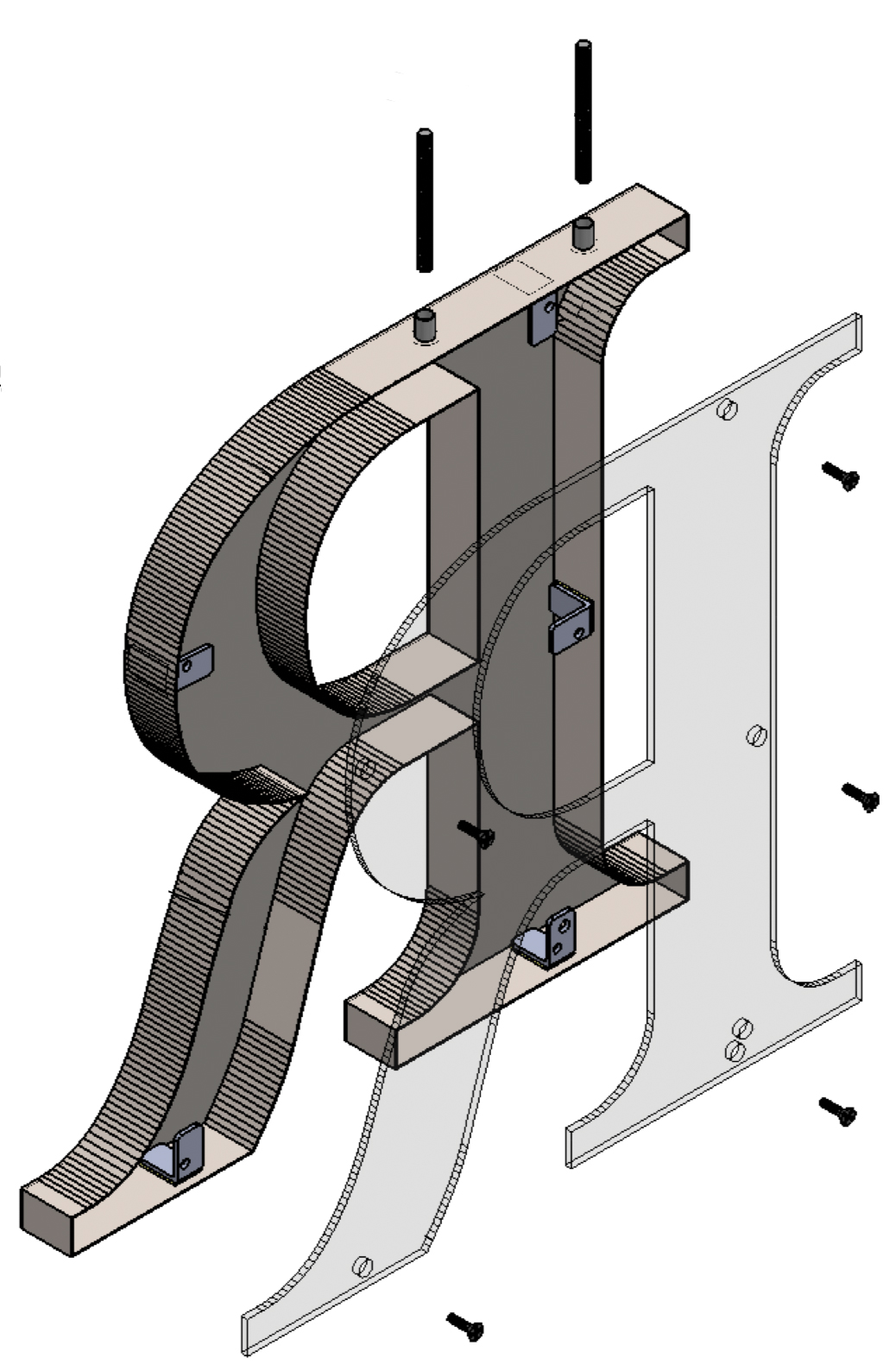
Plain backsManufacturer reference — available through WhiteClouds. Letters supplied without mounting hardware let the installer choose a compatible attachment method. Processing holes may still be present. Specify whether backs need a finished appearance.Drilled and tapped studsManufacturer reference — available through WhiteClouds. Threaded studs connect the back of the letter to the wall or support. In the flat-cut range, drilled and tapped mounting generally starts at 1/4-inch material. Stud locations can be coordinated with brick joints, block or rails; optional sleeves create separation from the wall.Welded studs or bossesManufacturer reference — available through WhiteClouds. Thin 1/8-inch plate needs a different stud connection from drilled and tapped stock. Directly welded studs are fixed; welded bosses can receive removable threaded studs. Specify spacers with the appropriate boss arrangement rather than assuming every welded stud accepts them.Single railManufacturer reference — available through WhiteClouds. A rail carries a word or group of letters while preserving spacing. Flat and channel-shaped rails are possible. Flat-cut single-rail configurations commonly use 4–8-inch letters with at least 1/4-inch plate; confirm the specific layout and support.Double railsManufacturer reference — available through WhiteClouds. Two rails provide attachment at two levels behind a letter group. Flat-cut configurations commonly use 8–24-inch letters and at least 1/4-inch plate. Rail-to-building anchors and attachment positions must suit the supporting structure.Bottom or top railManufacturer reference — available through WhiteClouds. A rail can support letters from their top or bottom edges. A typical flat-cut range is 4–30-inch letters with at least 3/8-inch plate. Tie-backs may be needed; they should be part of the site mounting plan.Bottom or top studsManufacturer reference — available through WhiteClouds. Studs can attach through the upper or lower edge when the letter has enough material to receive them. Rounded letter bottoms may need a flat bearing surface. Confirm stud engagement, letter depth and any tie-back requirements.Bottom angle bracketManufacturer reference — available through WhiteClouds. An L-shaped support can fasten lettering to a ledge or canopy. The support must resist both the weight and the overturning force of the letters. Bracket dimensions, tie-backs and the connection to the building are selected for the actual installation.Edge studs with a backManufacturer reference — available through WhiteClouds. A back can reinforce hollow letters and provide a defined mounting surface. It may be inset or cover the opening, depending on the product. Stud direction and back thickness are specified together.Edge studs without a backManufacturer reference — available through WhiteClouds. Some hollow letters can mount through reinforced top or bottom returns without a full back. Return thickness, threaded connection and additional bracing need review before this method is selected.Studs with a reinforced backManufacturer reference — available through WhiteClouds. A thicker back or reinforced insert can support a stud connection in a hollow letter. Metal and translucent back options serve different non-lit and illuminated constructions; they are not interchangeable.Removable back and angle supportManufacturer reference — available through WhiteClouds. A fabricated letter can use an inset or removable back with an angle support. This can help with assembly and access on a canopy or raceway. Letter size, back thickness, access and tie-backs remain product-specific.Double-sided tapeManufacturer reference — available through WhiteClouds. Tape can suit selected smaller letters on suitable smooth indoor surfaces. Its capacity depends on weight, contact area, surface preparation and adhesive compatibility. Do not assume the same tape layout works for every metal, size or exterior wall.
Patterns, hardware and installation
A layout pattern helps position letters; a drilling pattern locates stud holes. Confirm which pattern is supplied, the stud alignment, wall clearance and what hardware is included. Building anchors, adhesives, rail installation hardware and tie-backs may need to be supplied by the installer.
Use the installation instructions for the specified product and wall. Heavy letters, elevated work, uncertain substrates and electrical connections may require a qualified local installer. Installation and permitting responsibilities should be agreed in the project scope.
Match the site
Interior and Exterior Metal Signage
Buildings & storefronts
Evaluate the sign against the actual facade. Consider viewing angle, nearby signs, traffic direction, letter spacing and contrast in daylight. Exterior work also needs a plan for weather exposure, drainage and access for cleaning.
Reception & corporate interiors
Close viewing makes grain direction, edges and spacing especially noticeable. Coordinate the sign with wall color, lighting and surrounding architectural finishes. Interior letters and logos covers indoor applications across multiple materials.
Institutional & architectural signs
Building names, entrances and directional identity often need consistent lettering across several locations. Send elevations or site photographs, quantities by location, and any required finish sample or brand standard.
For coastal, poolside, chemical or persistently damp locations, describe the exposure before choosing the alloy and finish. Keep weathering metal runoff away from stainable surfaces. Cleaning instructions should match the finish; abrasive or aggressive cleaners can damage it.
When the sign needs light
Illuminated Metal Letters
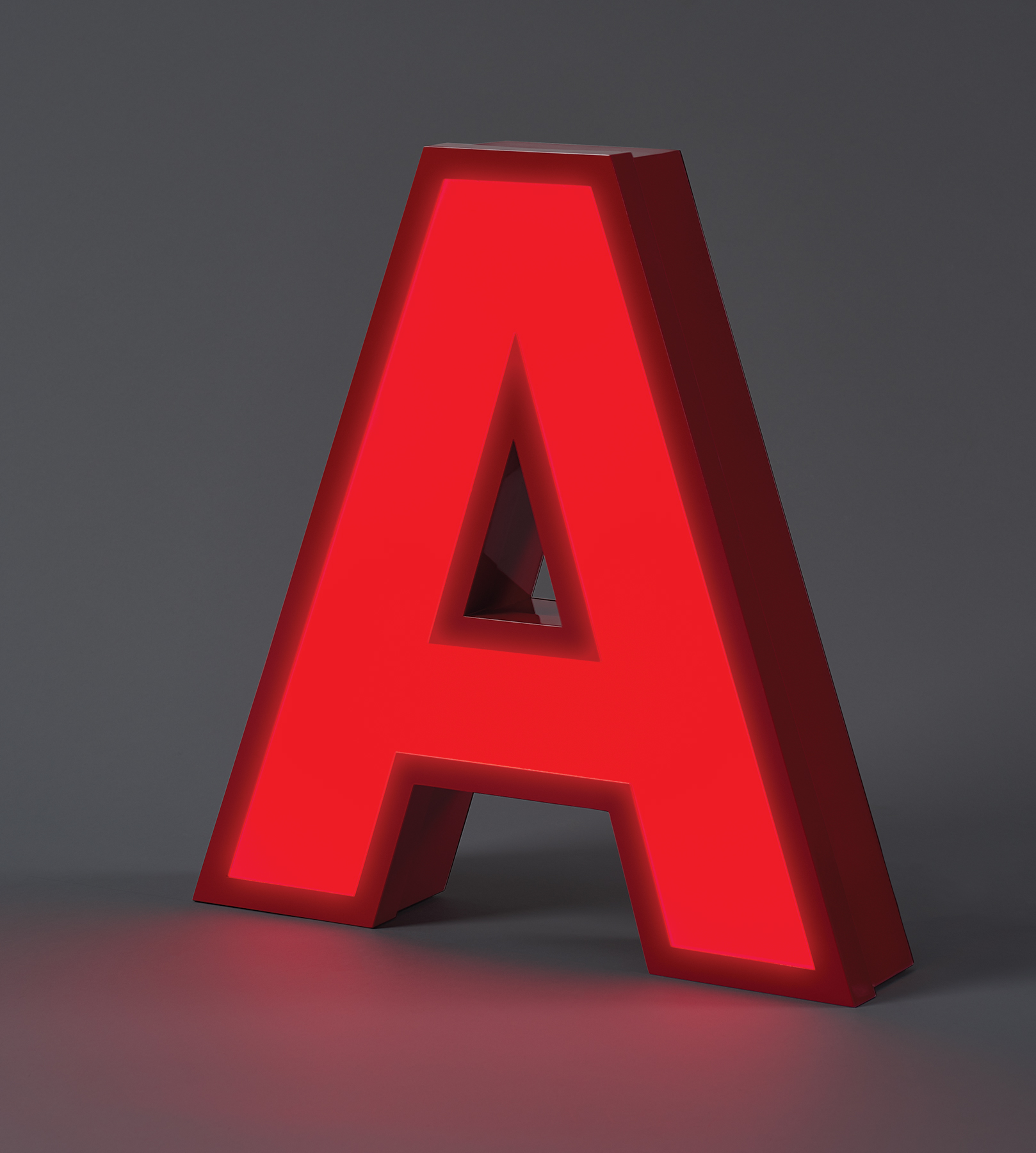
Halo-lit metal letterManufacturer reference — available through WhiteClouds. Light behind the letter creates a glow on the mounting surface.Face-lit fabricated letterManufacturer reference — available through WhiteClouds. A translucent face allows the light to project forward.
A solid metal face can be combined with a rear lighting system for a halo effect. A fabricated metal body can support a translucent face for forward illumination. Plan the return depth, wall stand-off, wiring path, power supply location and service access together.
Compare lighting effects on our Illuminated Letters page. For the face, return, back and mounting of a conventional storefront system, see Channel Letters. Electrical connection, permits and local installation requirements depend on the site and the agreed scope.
Choose by the whole specification
Metal or Plastic Sign Letters?
Metal letter edge detailManufacturer reference — available through WhiteClouds.Plastic letter edge detailManufacturer reference — available through WhiteClouds.
Compare the material, finish and mounting together
Decision
Metal signage
Plastic/acrylic signage
Appearance
Real metal grain, polish, patina or paint; exposed edges can be part of the design.
Solid colors, painted finishes, translucent options and metallic-looking surfaces.
Weight and projection
Solid plate and hollow fabricated bodies behave differently.
Weight and depth vary with sheet, formed and layered constructions.
Lighting
Metal faces can create halos; fabricated bodies can carry translucent faces.
Translucent acrylic and other suitable constructions allow different light effects.
Budget
Metal type, finishing work, joining and mounting affect cost.
May suit a lower-cost specification, but complex lighting or layering changes the comparison.
Compare quotes using the same lettering, finished size, quantity, finish and installation assumptions. A material substitution can change the edge, weight and attachment method even when the face artwork is identical. See Plastic Letters for mounted plastic and acrylic sign options.
From first files to finished display
From Artwork to Finished Sign
01
Share the design
Send vector artwork or the exact text and typeface, overall dimensions, site photographs and the required date.
02
Choose the specification
Review construction, alloy, thickness or depth, finishes, mounting and lighting with your quote.
03
Review the layout
Check letter spacing, logo proportions, mounting positions and any finish sample before approving production.
04
Fabricate & finish
The selected cutting, casting or fabrication process is followed by the specified finish and assembly.
05
Ship & install
Coordinate packing, delivery access, installation patterns and local installation. Confirm lead time after artwork and specifications are settled.
Build an accurate quote
What We Need for Metal Sign Pricing
Artwork & dimensions
The vector logo or exact wording and font; number of sets; letter heights; overall sign width; required thickness or projection. Include small symbols and punctuation.
Metal & finish
Preferred metal or a finish reference; brushed grain direction; color and sheen; visible returns and backs; any sample-matching requirement.
Site & delivery
Indoor or outdoor location; wall material; mounting preference; elevation or site photo; any lighting; delivery address, access and installation deadline.
For a useful comparison, ask for the same sign in flat-cut, cast and fabricated construction with equivalent finishes and mounting. The depth may differ between methods. Tooling, polishing, special edges, multiple colors, illumination, packing and freight can change the price. Payment terms and production timing are confirmed with the quote.
Questions before you build
Metal Sign Letters: Common Questions
Which metals can I choose?
Aluminum, stainless steel, bronze, brass, copper and weathering steel are available in appropriate constructions. Flat-cut, cast and fabricated products do not share every metal or finish option.
What is the difference between flat-cut and fabricated metal?
Flat-cut letters are cut from solid plate, so the plate sets their thickness. Fabricated letters join a face to returns to make a hollow body, allowing greater projection and space for some lighting systems.
When should I consider cast letters?
Cast aluminum or bronze can suit architectural lettering, shaped faces and relief details. Standard fonts can use established profiles; custom artwork or depth may require custom tooling.
Can you make a custom metal logo?
Yes. Send vector artwork, dimensions and the intended location. Thin strokes, small separate pieces and the mounting arrangement need review before a construction is selected.
Are metal letters suitable outdoors?
Suitable metal, finish and mounting combinations can be used outdoors. Salt, chemicals, persistent moisture, runoff and wall materials affect the choice. Describe the environment with your quote request.
Should I choose brushed or polished metal?
Brushed metal has a directional grain and a softer reflection. Polished metal is more reflective and changes appearance with its surroundings. Consider glare, fingerprints, nearby finishes and the viewing distance.
Can anodized lettering match an existing sign?
A physical sample is the best starting point. Alloy, construction and processing can affect the color, so an anodized cast piece and a flat-cut piece may not match exactly.
Will patina or weathering steel stain a wall?
It can. Patinated finishes and weathering steel may release color or rust with moisture. Choose spacing and a mounting surface that account for runoff, and discuss maintenance before ordering.
How are metal letters mounted?
Options include studs, rails, backing panels, edge supports and selected adhesive methods. The metal thickness, letter weight, projection and wall determine the appropriate connection.
Do I receive an installation pattern?
Confirm the layout or drilling pattern with the order, along with stud locations and the hardware included. The installer must select appropriate building anchors and follow the product instructions.
Can the metal lettering be illuminated?
Yes, suitable fabricated metal systems can provide halo or face lighting. The body depth, translucent components, wiring access and mounting must be specified as a lighting system.
How small or large can the lettering be?
Limits depend on the metal, construction, finish and artwork. Minimum stroke and mounting clearance can matter more than total height. Send the complete layout so the size and any required joints can be checked.
What warranty applies?
Warranty coverage depends on the supplied product, finish and any electrical components. Request the applicable written terms with your quote, including maintenance requirements and responsibility for removal or reinstallation.
How are the letters shipped, and how long will they take?
Packaging and parcel or freight delivery depend on size, weight and assembly. Production timing follows the approved artwork and final specification. Share the delivery location and required installation date early.
Do you make oversized or freestanding metal letters?
Yes. For landmark-scale installations and large freestanding metal displays, see our Large Metal Letters service. This page focuses on mounted architectural and business signage.
Choose the right format
Need Oversized or Freestanding Letters?
Giant event letters, stage displays, photo opportunities and campus installations need a different approach to support, transport and public use. See Large Letters for those projects and Large Metal Letters for large custom metal fabrication.
For a broader introduction to materials, size, lighting and installation planning, read the 3D Letters Ultimate Guide.
Start your project
Discuss Your Metal Signage Project
Share the lettering, site and finish you have in mind. We can help compare suitable metal constructions and prepare project pricing.
What to send for pricing
Artwork or exact wording and typeface
Letter heights, overall width and quantity
Metal, finish and desired projection
Wall material, location and mounting needs
Lighting, delivery address and required date
Photographs of the installation surface and an existing finish sample are useful when matching an architectural setting.