Mounted lettering for storefronts, buildings, offices and interiors.
WhiteClouds provides dimensional plastic and acrylic sign letters and logos for wall, building and sign-panel applications. Choose cut, formed or fabricated construction, with colors, finishes, mounting hardware and illuminated options matched to the sign. Interior and exterior suitability is reviewed for the selected material and location.
Custom letters & logosAcrylic & formed plasticWall / building mountingInterior & exterior optionsCustom colors & finishesIlluminated options
So Green acrylic letteringCut letterforms and a layered logo create a clean wall sign.
Choose the sign construction
What Are Plastic Sign Letters?
Acrylic is one type of plastic commonly used for dimensional signage. Customers may use “plastic letters” and “acrylic letters” interchangeably, but the specific material and fabrication method determine the appearance, depth, mounting and suitable applications.
Flat-cut letters
Individual letters and logos are cut from sheet. Sheet thickness establishes the basic depth, while the shape, color and edge finish establish the appearance. These letters can mount directly to a wall or to a sign panel.
Formed & fabricated letters
A formed shell creates a raised face and return. Fabricated letters assemble separate faces, sides and backs. Their construction determines depth, seams, attachment points and space for illumination.
Mounted signs & logos
Dimensional lettering identifies buildings, storefronts, offices and public-facing spaces. A wordmark, symbol or logo can be mounted as separate pieces or arranged on a shared backing panel.
Identification, branding & wayfinding
Where Plastic Letters Are Used
Storefront & building signs
Business names and logos mounted to a facade, fascia or sign structure, with the layout sized for the viewing distance.
Office & lobby lettering
Reception names, company wordmarks and dimensional logos planned for close viewing, wall finish and interior lighting.
Retail & restaurant signage
Brand lettering, destination signs and logos that coordinate with the storefront or interior environment.
Interior wall branding
Individual letters, symbols and layered graphics arranged on a wall or a separate backing panel.
Exterior dimensional letters
Acrylic or formed-plastic sign systems selected for the plastic grade, finish, weather exposure and attachment conditions.
Monument & sign-panel letters
Dimensional lettering attached to a monument face, framed sign panel or supported identification sign.
Dimensional logos
Custom shapes and approved brand artwork translated into cut, formed or assembled sign components.
Illuminated signage
Light-transmitting faces, halo effects or illuminated acrylic elements planned around power, depth and service access.
Institutional building identification
Names, departments and directional information for schools, campuses and other facilities, mounted where visitors need to read them.
Mounted lettering & logos
Dimensional Sign Examples
Dimensional lettering and logos bring a brand to walls, buildings and sign panels. The examples show mounted logo layouts and plastic sign-letter applications.
WhiteClouds wall-logo projects
Karrot wall-mounted logoA dimensional wordmark and carrot symbol form a wall-mounted brand display.Submarine Globe Coffee wall logoA globe-and-submarine logo identifies the coffee-shop interior.
Plastic sign installations
Letters on textured masonryIndividual letters follow the shape of a masonry sign face.Restaurant letteringLettering and a separate logo create a readable restaurant sign.Formed residential-entry letteringRounded letter profiles add depth to a monument sign.
Match the profile to the sign
Types of Plastic Sign Letters
Flat-cut acrylic letters
Letters and logos cut from sheet have a consistent thickness and a visible edge. Clear, pigmented or painted material can create different results. Stroke width, detailed shapes, drilled mounting features and environmental grade affect the specification.
Formed plastic letters
Heated sheet is shaped over tooling, often using vacuum forming. Flat, round, prismatic and shaped faces create depth with a hollow shell. Face profile, return depth, letter style and mounting are selected together for the sign.
Flat-cut PVC letters
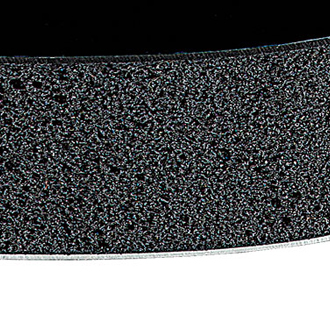
Opaque PVC is an option for painted interior dimensional lettering in the product range described here. Its face and porous returns may finish differently. Confirm the specific product, thickness and finish for the order.
Fabricated acrylic / plastic letters
Separate faces, returns and backs are cut and joined to achieve a particular sign depth or shape. Seams, bonding area, mounting access and any lighting cavity must work with the finished letter geometry.
Laminated & plastic-faced letters
A foil, metal or acrylic face can be combined with another substrate. The face supplies one surface quality while the body supplies depth. Specify both layers and their environment limits; a metallic-looking face does not make the whole letter metal.
Illuminated plastic letters
Translucent faces or suitable acrylic elements can work with LEDs and other planned lighting details. Face material, available depth, mounting distance and electrical access determine the lighting options.
Match the plastic to the job
Plastic Materials Used for Dimensional Letters
Material names alone do not establish strength, outdoor life or compatibility with lighting. The sheet grade, construction, finish and attachment method work together.
Acrylic
Clear acrylic reveals contents or supporting elements. Translucent acrylic diffuses light; opaque acrylic creates a solid face. Pigmented sheet, paint and graphics offer different color results. Gloss, edge appearance, thickness and the amount of transmitted light belong in the specification.
Formable plastic sheet
Formed sign letters may use acrylic or cellulose acetate butyrate (CAB), depending on the product and profile. Heat and vacuum shape the sheet over tooling. The material grade, color, thickness and forming method affect the finished geometry and environmental suitability.
PVC for opaque interior signage
PVC means polyvinyl chloride. Unlike clear acrylic, an opaque PVC sign is chosen for a painted dimensional surface rather than transparency. The flat-cut PVC sign line described here is intended for interiors. Its porous returns can take paint differently from the face; confirm the exact product and finish when requesting pricing.
Dimensions that define the build
Plastic Letter Sizes, Depths & Specifications
What to specify for your letters
Specification
What it controls
What to provide
Letter height & total width
Readability, layout, material yield and the shipping footprint.
Letter height, total word width, spacing and the size of punctuation or logos. Mixed-case text may need more than one height.
Overall depth
Visible projection, room for lighting, internal supports and mounting access.
Depth from the front face to the back; identify whether a mounting stand-off or backing is included.
Face thickness
Stiffness, edge appearance, weight and compatible fixing methods.
The desired face material and gauge, or the appearance and span the face needs to achieve.
Returns / side walls
The visible sides and the connection between face and back.
Side color, profile, seam locations and whether all sides will be visible.
Backing & support
Connection of the letters to a wall, panel or sign structure.
Separate letters or a backing panel, stand-off, supporting structure and installer requirements.
Mounting
Connection to the wall, building or sign structure.
Substrate, wall photos, stand-off, fastener access, patterns and installer requirements.
Lighting & service access
Space for LEDs, wiring, power and replacement components.
Face-lit, halo or accent effect; viewing conditions, power location and controls.
Quantity & layout
Ordering scope and consistent spacing across one or more signs.
Number of letters/logos, repeated signs, capitalization, letter spacing and overall layout.
Finish & environment
Surface appearance and suitability for the expected exposure.
Color references, sheen, graphics, indoor/outdoor placement, duration and reuse plan.
Examples of sign-letter product dimensions
Construction
Thickness / depth examples
Size and use qualifications
Flat-cut acrylic
1/8, 3/16, 1/4, 3/8, 1/2, 3/4, 1 and 1½ inches, depending on the selected product.
The listed maximum for 1/8-inch sheet is 24 × 24 inches; for 3/16-inch sheet, 30 × 30 inches. Thicker sheets have larger limits with area and artwork restrictions.
Formed plastic
Approximately 1/2–2¾ inches, depending on height, face profile and design review.
The formed-plastic range described here lists a 4-inch painted or 6-inch pigmented minimum, with one-piece designs up to 45 × 68 inches. Not every depth is available at every height.
Metallic foil on acrylic
1/8, 1/4, 3/8 and 1/2 inches.
Current listed letter heights are 1–22 inches. Interior use; larger logo-piece dimensions require separate review.
Metal laminate on acrylic
1/8, 3/16, 1/4, 3/8, 1/2, 3/4, 1 and 1½ inches.
Current listed letter heights are 3–46 inches, subject to artwork and piece-size limits. Interior use.
Metal laminate on foam
1/2, 3/4, 1, 1½, 2 and 3 inches.
Current listed letter heights are 4–25 inches. The face and foam body form an interior laminate system.
Custom fabricated assemblies
Depth and component thickness are designed separately.
Overall dimensions depend on artwork, joints, supports, lighting, available sheet sizes and transport. Send the intended size rather than assuming a catalog limit applies.
Manufactured sign-letter lines offer common thicknesses, styles and size combinations; custom artwork and fabricated assemblies are reviewed separately. A standard configuration can simplify specification, while a custom shape or depth may require additional tooling or assembly. Not every font, face profile or mounting option is offered in every size. These examples are product-specific, not a height boundary for mounted signage. Confirm final availability with the quote. On a phone, scroll the tables sideways to compare columns.
From sheet to dimensional form
How Plastic Letters Are Fabricated
The fabrication method follows the letter geometry and intended use. WhiteClouds can combine acrylic work, graphics, painting and other fabrication methods for dimensional signs. Formed and laminated sign products add specific construction options for mounted lettering.
Artwork & cutting paths
Vector artwork defines letter outlines, openings and spacing. Small serifs, thin strokes and tight internal corners must work at the finished size. Holes, seams and mounting locations should be part of the fabrication drawing.
Laser cutting & CNC routing
Compatible acrylic can be laser cut for detailed outlines and clean edges. CNC routing removes material with a cutting tool and suits different sheet products and machining requirements. Tool radius, material thickness and edge finish affect small features.
Thermoforming
A heated plastic sheet is drawn over a mold to make a raised shell. The tool shapes the face, corners and returns. Flat, rounded and prismatic profiles need different geometry, and a deep narrow stroke may need a different solution from a broad letter.
Bending, bonding & assembly
Fabricated forms join separate panels or shaped components. Bonding surfaces, fit and the chosen joining method affect the seam. Transparent constructions make those seams particularly visible, so their locations belong in the design.
Faces, returns & backs
The front face carries the message; the return creates the side depth. A back or supporting frame provides attachment and can enclose lighting. Removable faces or access panels may be needed for electrical service or access to concealed mounting.
Components & mixed materials
Acrylic work can be combined with backing panels, metal frames, foam bodies or 3D-printed components. A specialized component does not determine the construction of the whole letter. Each connection must accommodate the materials and expected handling.
Graphics & surface finishing
Paint, direct printing, applied vinyl and laminated faces create different surfaces. Edges and returns may receive separate finishes. Artwork registration, surface preparation and masking matter when colors or graphics cross multiple pieces.
Fit, lighting & packing
Assemble the components, check alignment and inspect visible seams before packing. Where lighting is specified, check the effect and access to the components. Packing protects both broad faces and delicate corners during transport.
Face, edge & return details
Give the Sides as Much Attention as the Face
A cut-sheet letter shows its material thickness at the edge. A formed letter has a shaped face and return. A fabricated letter can use a separate side wall with its own color, seams and depth. Viewing the letters from the side often reveals more of the construction than the front view.
Straight, rounded, prismatic and border profiles change the way light falls across the surface. Painted borders, contrasting returns and layered graphics can reinforce a wordmark. An eased or polished edge is a specific finish choice; define it instead of assuming that every cut edge will look the same.
Acrylic face & edgeThe cut edge remains visible around the colored face.Acrylic thicknessA side view shows the relationship between face and cut edge.Layered color & graphicsDifferent colors and raised shapes build up a dimensional graphic.Metallic-look formed surfaceA shaped plastic profile carries a gold-colored finish.Contrasting face & borderA dark border outlines the lighter letter face.Formed face & returnThe side wall creates depth around a thinner face.Painted returnsA contrasting side color changes the appearance from an angle.
Color, sheen & layered faces
Colors, Graphics & Surface Finishes
Pigmented material & paint
Pigment is part of the sheet; paint is a surface coating. Standard sheet colors and custom paint offer different options. The same color reference can look different on a clear face, opaque return or textured substrate.
Clear, translucent & opaque
Clear material reveals what is behind it. Translucent material scatters light while still transmitting it. Opaque material blocks the view. Specify the required visual effect, especially when the letter contains lighting or objects.
Printed graphics & vinyl
Graphics can introduce images, patterns, gradients and detailed branding. Direct printing and applied vinyl have different edge and surface characteristics. Check artwork resolution, placement and whether the graphic needs to transmit light.
Matte, gloss & specialty effects
Sheen changes reflections and perceived color. Metallic-look paint, textured coatings and other specialty surfaces can be considered with the plastic and exposure. Use a physical sample when appearance is critical.
Metallic foil & metal laminate
Metallic foil uses a thin metallic foil face over acrylic; metal laminate uses a thicker metal facing over a substrate. Brushed grain, polished finish and painted returns create different results. These illustrated laminate systems are for interiors.
Acrylic or metal faces on foam
A thin face can supply a crisp surface while a foam core provides depth. This is a mixed-material interior letter, with different handling and mounting requirements from a solid acrylic letter. Protect exposed edges during transport.
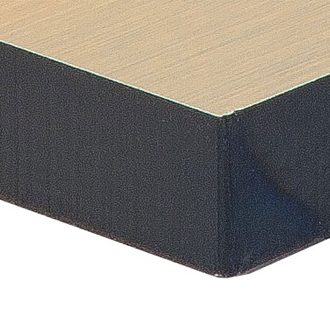
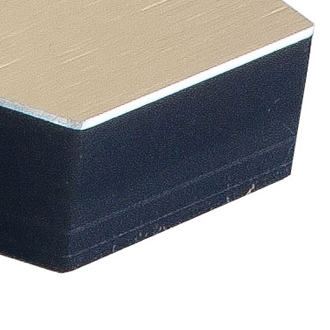
Metallic foil on acrylicA thin metallic foil face sits over an acrylic body.Metal laminate on acrylicA distinct metal face is bonded over an acrylic substrate.Laminate on foamA thin face covers a lightweight foam core.
Color matching is reviewed against the finish method and a supplied reference. Paint, pigment, vinyl, printing and illumination can change the perceived color; a screen preview is not a reliable physical color standard.
Letterforms, symbols & brand artwork
Fonts, Logos & Custom Shapes
Standard styles & custom lettering
Some manufactured sign-letter lines offer standard typestyles and size combinations. Custom lettering can follow an approved brand font or outlined artwork. Availability depends on the chosen material and profile; it is not limited to one small font list.
Logos, wordmarks & symbols
A sign can include a name, icon, emblem, numbers or a combination. Fine strokes, enclosed spaces and small detached pieces must remain practical at the finished size and with the selected mounting method.
Artwork & sign layout
Vector AI, EPS or suitable PDF files can define clean outlines. Provide the approved logo version, wording, capitalization, spacing and colors. A photograph or sketch can establish the brief when production artwork is not yet available.
A wall logo can combine lettering and symbols in one coordinated layout. Define the mounting surface, visible sides, spacing and finish alongside the artwork.
Plan the light with the letter
Illuminated Plastic Signage
Face lighting
Internal LEDs can send light through a translucent face. Face material, diffusion, letter depth and LED spacing affect brightness and visible hot spots. A very shallow letter may require a different lighting design.
Halo & backlighting
Light behind the letter creates a halo on the mounting surface. Stand-off distance, wall color and texture change the effect. The face can remain opaque while the rear lighting defines the silhouette.
Edge lighting & illuminated accents
Lighting along suitable acrylic elements or behind fabricated components can emphasize sign outlines and details. Clear and translucent materials behave differently; test the intended effect with the actual construction.
Specify the viewing conditions, desired color, controls and location of power early. A display in a bright lobby needs a different visual balance from an exterior sign viewed after dark. Allow routes for wiring and accessible space for power supplies or serviceable parts.
Face-lit signs, halo lettering and edge-lit acrylic have different assemblies. Confirm the electrical package and installation responsibilities with the quote; do not assume a non-illuminated letter can accept LEDs without changes.
Illuminated formed lettersLight around the letters separates the forms from the dark surface.Illuminated restaurant signLighted lettering creates a focal point above the counter.
Start with the wall or supporting structure, not just the front artwork. Brick, concrete, block, drywall, glass and sign panels require different attachment plans. Letter weight, depth, exposure, access and the condition of the substrate all matter.
A mounting package may include studs, blocks, pads, spacers, fasteners, rails or a placement template, depending on the chosen system. Confirm the included hardware and installation guidance with the order. Complex, elevated, electrical or exterior installations may need a qualified installer.
Plain constructionThe letter has no supplied mounting hardware. The attachment plan must be specified separately.Flange mountingA perimeter flange provides a fastening surface around the return.Pad mountingPads provide contact areas and space the letter from the wall.Stud mountingThreaded posts connect to blocks inside the letter.Adhesive selectionCompatibility depends on the plastic, mounting surface and weight; the adhesive is one part of the attachment system.Combination mountingStuds and pads can be combined to suit the letter and installation surface.
How the mounting options differ
Method
Construction and use
Details to confirm
Plain / no mount
A letter supplied without attachment hardware.
Who designs and supplies the attachment; the completed sign still needs a suitable mounting plan.
Flange / rim
A visible perimeter flange can receive fasteners.
Flange width, screw access and the effect on the visible outline. The formed-plastic range described here specifies a minimum 1/4-inch flange for this option.
Pads & stand-offs
Fixed or adjustable pads create contact areas and spacing.
Letter size, pad locations, surface compatibility and the intended gap. Available pad systems vary by product.
Threaded studs
Studs connect to bonded blocks or to prepared holes in compatible solid letters.
Thread size, projection, drilling pattern, substrate and spacers. Some formed systems use 10-24 studs; length is selected for the installation.
Tape & adhesives
An adhesive bond can suit some smaller, lighter letters on appropriate surfaces.
Plastic compatibility, cleanliness, surface finish, weight, temperature and exposure. Larger or heavier pieces may require mechanical support.
Combination mounts
Studs and pads work together; a typical arrangement uses stud-through-pad mounts above and pads below.
Final layout, stand-off, drilling and any alignment with rails or masonry joints.
Brackets, rails & backing panels
Letters attach to a separate panel, rail or bracketed support.
Combined weight, concealed connections, load path, fastener access and the wall or sign structure supporting the assembly.
A stud length is not the same as an approved anchoring depth. Likewise, an adhesive brand is not a mounting design. Select the hardware and bond for the actual plastic, surface and loads, and use the product-specific instructions.
Plan spacing before installation
Installation Patterns & Letter Placement
Patterns are useful for keeping a sign consistent with its approved layout. They guide placement; the attachment method still needs to suit the wall, letter weight and environmental conditions.
Position letters and logos
A full-size placement pattern can establish the arrangement of individual characters and separate logo pieces. It helps carry the approved baseline, spacing and alignment from the drawing to the mounting surface.
Coordinate holes and hardware
For compatible stud-mounted systems, a drilling or mounting pattern can locate the attachment points. A spacing guide and a drilling pattern serve different purposes; confirm the pattern type with the selected mounting package.
Check the wall before drilling
Confirm the final overall dimensions, orientation, level and clearance against the actual wall or panel. Masonry joints, uneven surfaces, concealed services and access conditions may affect the installation plan.
Confirm what comes with the order
Ask whether the order includes a paper pattern, spacing guide, hardware and product-specific instructions. Keep the pattern and installation information with the sign records. Installer responsibility and site preparation should be agreed before delivery.
Compare dimensional sign constructions
Plastic vs Metal Sign Letters
Material choices for mounted dimensional signs
Consideration
Plastic / acrylic
Metal
Appearance
Clear, translucent or opaque; cut, formed, painted, printed or laminated surfaces.
Natural, brushed, polished, painted or other metal-specific surface treatments.
Weight
Depends on polymer, sheet thickness, hollow or solid construction and backing.
Depends on alloy, solid or fabricated construction, thickness and internal support.
Transparency / translucency
Suitable acrylic can reveal a background or transmit and diffuse light.
An opaque metal body may use acrylic faces, openings or separate light-transmitting elements.
Metallic finishes
Metallic paint, foil or a laminated face can change the appearance; the edges and substrate still matter.
The visible surface can be the metal itself, with its own grain, polish, patina or coating.
Illumination
Translucent faces, suitable acrylic elements and rear lighting can be designed into the sign.
Fabricated channel letters may use illuminated faces or halo lighting, depending on the assembly.
Typical signage use
Building names, storefronts, lobby lettering, wall logos and sign-panel identification.
Architectural lettering, building identification, lobby branding and metal logo signs.
Mounting
Studs, pads, flanges, compatible adhesives/tape or backing systems depend on the product and surface.
Studs, concealed hardware, brackets or backing systems depend on weight, construction and substrate.
Exterior application
Select the plastic grade, finish, thickness and attachment for UV, temperature, wind and moisture.
Select the alloy, coating, connections and attachment for corrosion exposure, weather and the substrate.
Shaped plastic profileThe face and side return form a dimensional plastic letter.Metal surface comparisonA metal letter provides a different surface and edge treatment.
Compare the complete sign rather than a blanket material ranking. Thickness, forming tools, finish, illumination, hardware, quantity and installation scope can outweigh a raw-material cost difference. A metallic-looking plastic face and a metal letter may look similar from a distance but have different edges and construction.
Plastic sign letters serve mounted identification and finished-sign applications. Foam can also be used in interior laminate systems, but Foam Letters are often useful when a lightweight oversized event or display form is the main requirement.
Choose the right letter format
Need Oversized or Freestanding Letters?
For giant event letters, photo opportunities, stage displays, campus landmark installations and other large custom-fabricated lettering, explore our Custom 3D Large Letters service. A building sign can also be physically large; the distinction is its mounted signage function and construction, not an arbitrary height cutoff.
Lobby signs, retail graphics and interior identification may prioritize close viewing, reflection control and finish. Indoor-only laminate or PVC products should stay within their intended environment, including limits around moisture and cleaning.
Exterior installations
UV exposure, temperature movement, wind, rain, drainage and the mounting surface affect the design. A plastic suitable for an exterior sign does not make every paint, laminate, adhesive or support equally suitable. State the location and intended service duration.
Cleaning, handling & storage
Plan how letters will be cleaned, moved, packed and stored. Protect clear faces against abrasion and prevent concentrated loads on corners or thin strokes. Use cleaning products compatible with the material and finish; retain the pattern, hardware and electrical information if the sign will be relocated.
Plastic letters are not universally weatherproof or maintenance-free. Ask about the selected product’s warranty and any exclusions for finish, installation, electrical components or exposure. Warranty terms and responsibilities belong in the quote and order documents.
Recycling options depend on the particular polymer, coatings, attached materials and local collection programs. A mixed-material letter or bonded laminate should not be assumed to recycle as one material.
For interior-only material systems and lobby applications, see Interior Letters.
product & installation examples
More Plastic Sign Installations
These sign installations show dimensional lettering and logos on storefronts, buildings and supported signs. Compare the profiles, color combinations and mounting contexts.
View acrylic sign and logo examples
Panel-mounted letteringA colored backing panel and stand-offs frame the dimensional word.Custom lettering & logoA shaped logo and individual letters share the building facade.Lettering on a framed panelA dark panel provides contrast for the letter faces.Branded storefront signA custom letter style and logo share one sign assembly.Layered sports signageRaised letters and a separate emblem sit on a backing panel.Custom letter shapesOutlined lettering carries the Sweeties wordmark.Layered acrylic logoSeparate colors and raised components give the logo depth.
View formed-plastic sign examples
Formed building lettersDeep letter profiles project from a building fascia.Tall sign assemblyFormed sign elements are integrated into a larger supported display.Dimensional scriptCurved script and a glossy face emphasize the brand lettering.Formed logo & letteringA raised border and script combine within one emblem.Custom painted signMultiple colors distinguish the letters and logo components.Multicolor destination signShaped lettering and illustrative elements create a destination display.Formed dimensional logoA shaped face adds depth to a familiar graphic mark.
Compare the full scope
What Affects Plastic Letter Pricing?
Material, size & quantity
Letter height, total word width, material thickness and overall depth affect material use and fabrication. A single custom logo and a repeated set of standard letters can require different preparation.
Shape, tooling & finish
Fine details, unusual profiles, forming tools, bonded assemblies, multiple colors, graphics and specialty finishes affect labor and setup. Custom letter styles may require tooling or additional artwork preparation.
Lighting, mounting & logistics
LEDs, wiring access, mounting hardware, installation patterns, protective packing and freight add to the complete project. Delivery access, wall access and installation responsibilities should be included in the comparison.
A useful way to compare quotes
Keep these requirements consistent
Then compare construction options
Ten uppercase letters, each approximately 12 inches tall
Request the same word, spacing and overall width for each option.
Painted face and a defined mounting surface
Compare a specified acrylic sheet thickness with the proposed formed profile or fabricated assembly; confirm the achievable depth.
Stud mounting, finish reference and delivery destination
Include hardware, patterns, finish, shipping and installation scope. Identify any differences in letters, punctuation or quantities.
A shared required-in-hand date
Separate design approval, production, packing, transit and installation. Confirm the schedule for the actual project.
Pricing is confirmed for your artwork and requirements. Increasing solid acrylic thickness can change cost substantially; added depth in a hollow construction affects the build differently. Quotes should make those construction differences clear.
Payment and deposit requirements, warranty coverage, freight charges and installation responsibilities are confirmed with the order. A production estimate starts from the agreed artwork and scope, and the delivery plan should allow time for inspection and installation.
From first files to finished display
From Sign Artwork to Installation Preparation
01
Send artwork / wording
Provide the approved wording, font or logo, intended sign location and required date. Include photographs or drawings of the mounting area.
02
Select material, size & depth
Compare the relevant cut, formed, laminated or fabricated options. Confirm letter heights, overall width, depth, material and quantity.
03
Confirm color, finish & mounting
Agree on face and return colors, sheen, any graphics or lighting, hardware, stand-off and installation-pattern needs.
04
Fabrication
Prepare the components, form or assemble the chosen construction and apply the agreed finish. Check the sign layout and any lighting details.
05
Prepare installation & shipping
Confirm the pattern, hardware, packing, destination and installation responsibilities. Smaller signs may ship by parcel; larger sign assemblies may need crates and freight.
Questions before you build
Plastic Sign Letter Questions
What are plastic sign letters made from?
Options discussed here include acrylic, formed plastic sheet and opaque interior PVC, as well as laminate systems. The exact plastic, grade, thickness, finish and mounting determine how the sign can be used.
Is acrylic a type of plastic?
Yes. Acrylic is a plastic that can be clear, translucent or opaque. PVC is a different polymer; the flat-cut PVC products described here are opaque interior signs. Material choice affects finishing, light transmission and fabrication.
What is the difference between flat-cut acrylic and formed plastic letters?
Flat-cut acrylic letters are cut from solid sheet, so sheet thickness creates their basic depth. Formed letters shape heated sheet over tooling into a raised shell. Their face profile and return create depth without making the full letter a solid block.
What letter sizes are available?
Manufactured sign-letter systems have common styles and size combinations, with limits that depend on the material, thickness and artwork. Custom logos and fabricated signage are also possible. The specification table gives product-specific examples; mounted signage is not defined by one maximum height.
What depths and face thicknesses are available?
Flat-cut depth follows sheet thickness. Formed depth depends on letter height and profile, while fabricated construction can specify the face and return separately. Mounting stand-off is another dimension. Provide the intended face thickness, overall depth and wall projection for the quote.
Can plastic letters be custom colors?
Pigmented material offers standard colors for the chosen line; paint, graphics and laminates add other options. Matte, gloss, translucency and illumination affect perceived color. Provide a brand reference or physical sample and confirm the finish for the selected construction.
Can you make custom logos, fonts and symbols?
Suitable wording, outlined fonts, vector logos and approved brand artwork can be developed into dimensional sign components. Small strokes, separate pieces and intricate details must work with the material, fabrication method and mounting. Existing manufactured typestyles may also be an option.
How are plastic sign letters mounted?
Options include studs, pads, flanges, tape or adhesive on suitable surfaces, combination mounts, rails and backing panels. The selected system depends on the product, weight, wall material, stand-off and indoor or exterior use. Concealed or bracketed assemblies need a coordinated attachment plan.
Do you provide installation patterns?
Placement and mounting patterns can be supplied with appropriate sign-letter packages. Confirm whether the order includes a spacing guide, full-size layout or drilling pattern, plus the required hardware and instructions. Patterns help position characters and logos; they do not replace a suitable attachment design.
Can letters be mounted to brick, concrete or other wall surfaces?
Sign systems can be planned for different substrates, but hardware and attachment details must suit the actual wall and loads. Provide wall photographs, material, surface condition, mounting height and access details. Masonry joints, stand-offs and concealed services may affect the plan.
Can plastic sign letters be illuminated?
Suitable constructions can use light-transmitting faces, internal LEDs, halo lighting or illuminated acrylic details. Plan the face material, available depth, wiring, power and maintenance access before fabrication. Not every unlit letter can accept lighting without changes.
Can plastic letters be used outside?
Some acrylic and formed-plastic products are intended for exterior signage. Other products, including the illustrated interior laminate systems and PVC range, are intended for interiors. Review UV, temperature, moisture, wind, finish and attachment for the specific location; avoid treating all plastic signs as weatherproof.
How do plastic sign letters compare with metal?
Plastic can offer a clear or translucent face, a cut profile or a formed shell. Metal offers different surfaces and construction options. Compare appearance, weight, finish, illumination, mounting, environment and total sign scope rather than assuming one material is always better or cheaper.
When should I use the Large Letters service instead?
Choose Large Letters when the main requirement is oversized freestanding fabrication, a stage display, photo opportunity or landmark-style installation. Plastic Letters focuses on mounted dimensional signs and logos. Application and construction matter more than height alone.
What files and details are needed for pricing?
Send wording or approved vector artwork; letter height, total width, thickness/depth, material preference, quantity, color and finish; lighting, mounting surface and indoor/outdoor use. Include the delivery or installation location, required date and wall photos or drawings. Production timing, deposit, warranty, hardware and installation responsibilities are confirmed with the quote.
More dimensional-letter work
View More Dimensional Letter Projects
Our broader letter gallery includes several materials and display formats. It is a useful source of additional approaches alongside the mounted-sign examples here.
Browse letter and number projects across materials and settings.
Tell us about the letters or logo and the surface where the sign will be mounted. Share the size, finish and location so we can help define the construction and quote the sign.
What to send for pricing
Wording, font or approved logo; vector artwork when available
Letter height and approximate total sign width
Material preference, face thickness and overall depth
Color, sheen, graphics and return/edge finish
Illuminated or non-illuminated; desired effect and power location
Mounting surface, stand-off, hardware and installation-pattern needs
Indoor or exterior use, quantity and required date
Delivery/install address and photographs or drawings of the mounting area
If the specifications are not settled, send the wording or artwork and a photo of the location. We can review the available sign-letter configurations with you.