
Oversized product replicas
A package or product form may provide the main brand reference. Define the required graphics, viewing sides, scale relationship to people, and whether the object is freestanding or integrated with other elements.
Plan the object, opening, seating position, background, footprint, and viewing direction for a branded setting intended for photographs at an event or venue.
Discuss a branded photo setting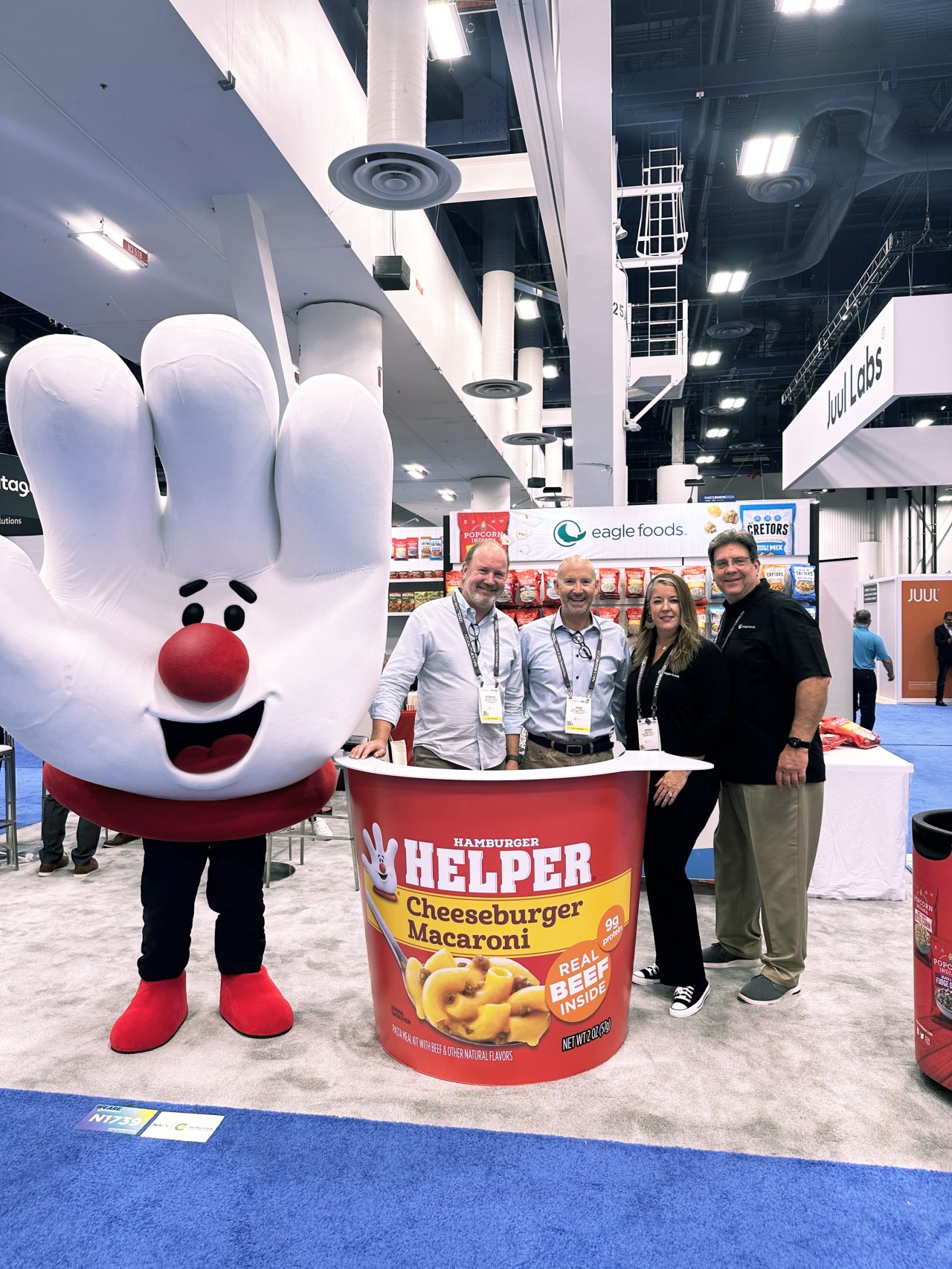
A branded photo setting is a physical arrangement intended to give a camera a clear view of people, the fabricated elements, and the brand or place reference. Begin with the space: identify the expected number of people, where they are intended to stand or sit, where the camera is likely to be positioned, and what should appear behind them.
A scope may include one fabricated object or several pieces arranged together for a trade show, venue, campus, park, retail location, or planned event. The right form depends on footprint, sightline, access, installation, intended audience contact, and whether the piece is temporary, traveling, or installed for longer use.
A package or product form may provide the main brand reference. Define the required graphics, viewing sides, scale relationship to people, and whether the object is freestanding or integrated with other elements.
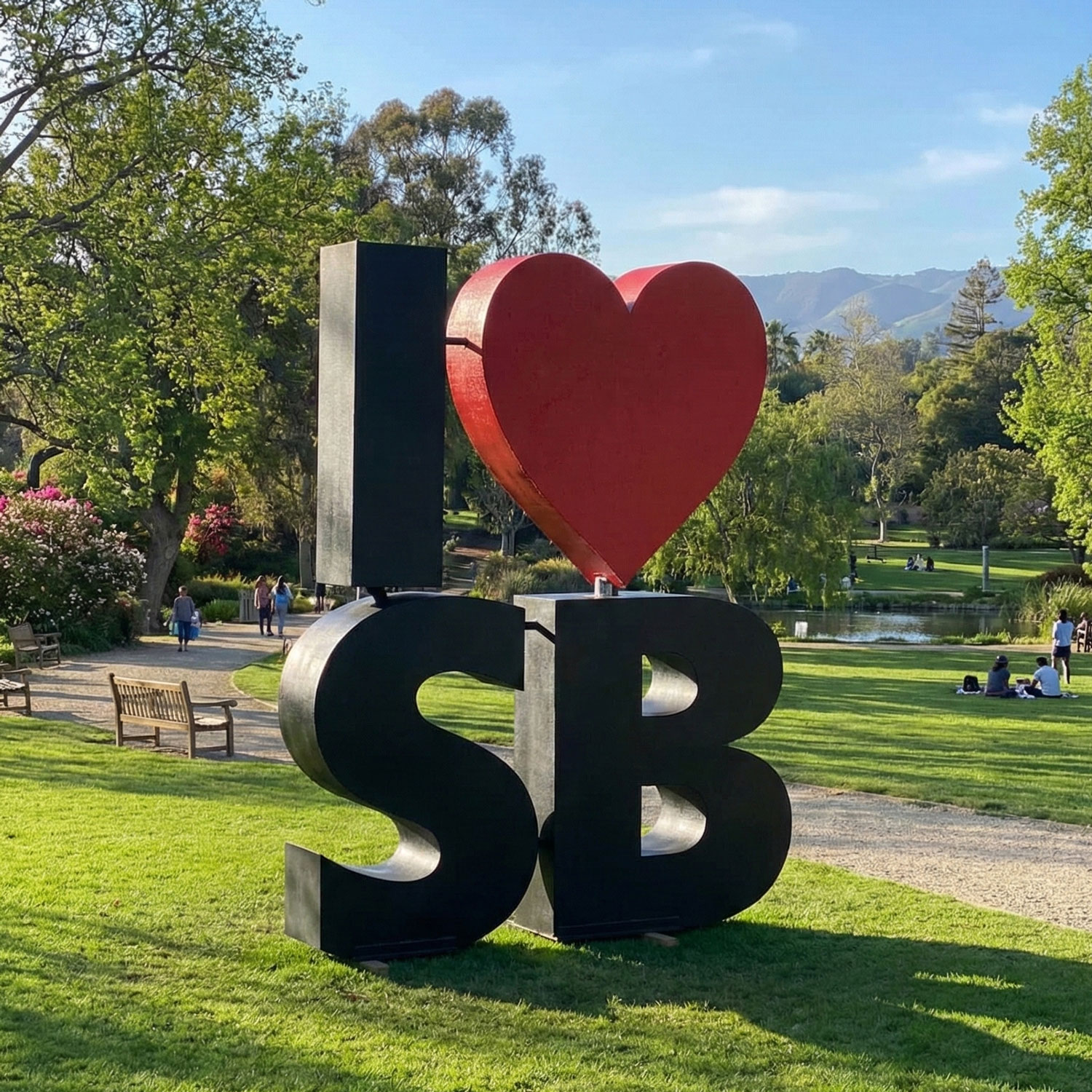
A place name, organization, campaign phrase, or logo may be planned as a freestanding display or part of a larger setting. Specify orientation, mounting, outdoor exposure, and clearance when relevant.
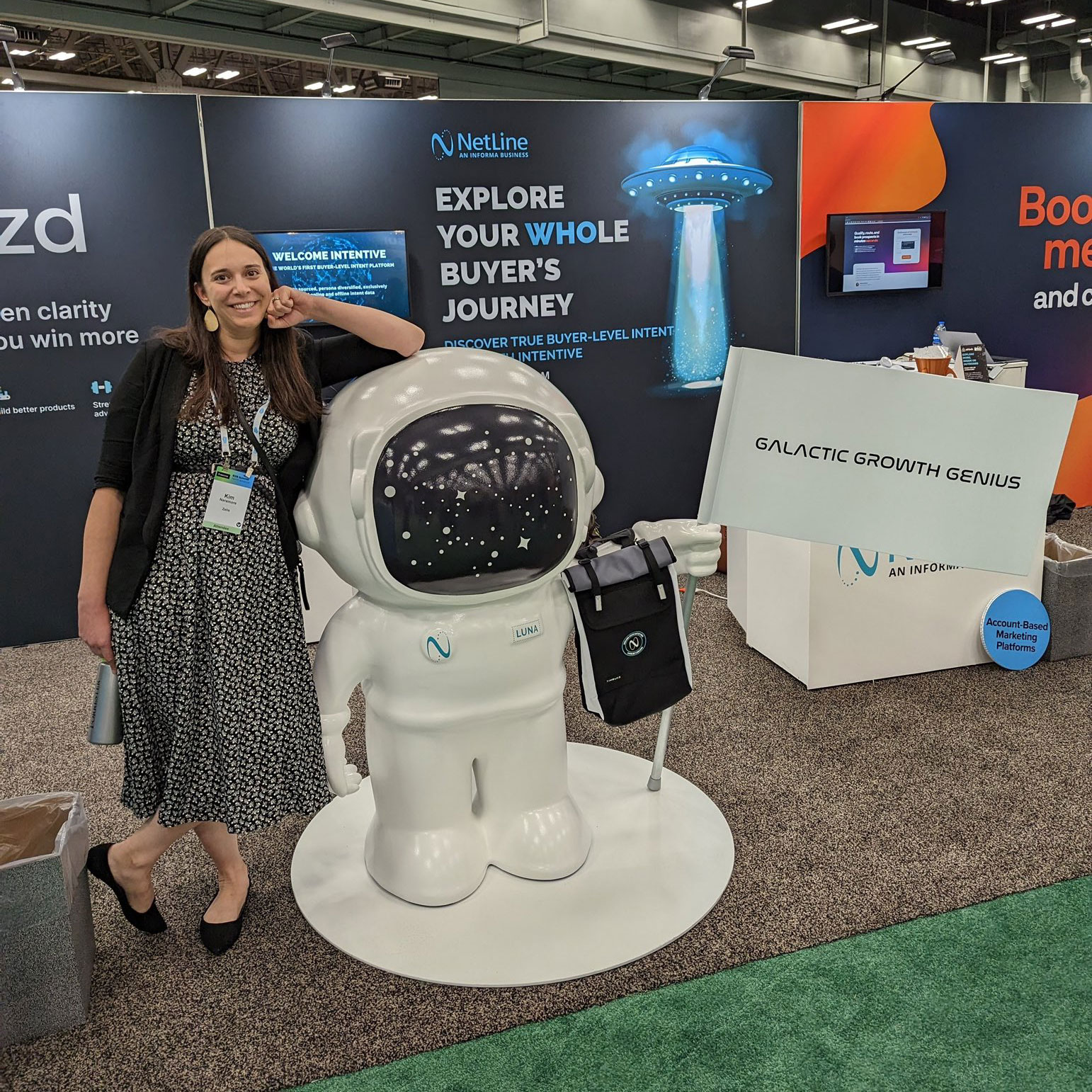
A mascot, character, or sculptural figure may stand beside, behind, or within the planned camera view. The brief should say whether guests can touch it, whether anything moves, and how often direct contact is expected.
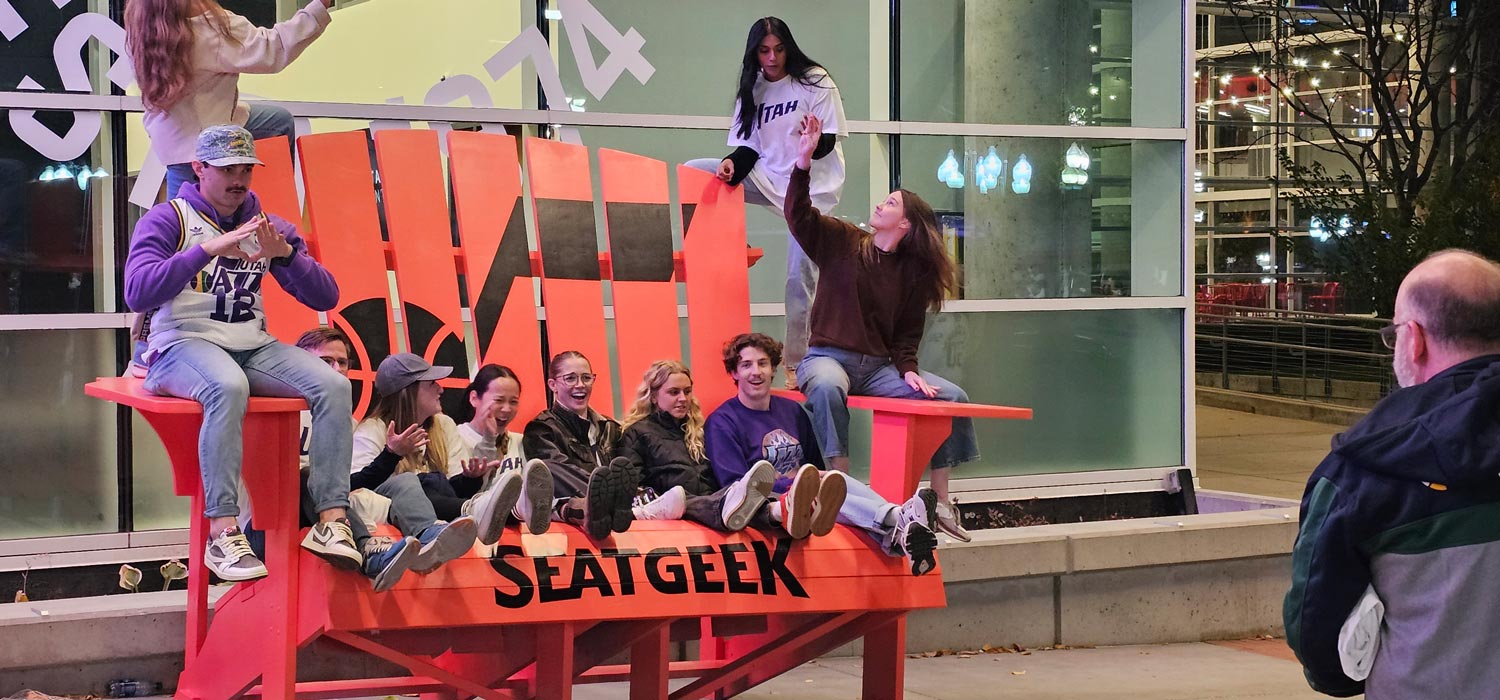
A chair, bench, or themed seat may be designed for a specified number of occupants only when seated use is part of the commission. Access, load requirements, and supervision conditions should be defined.
An open frame, arch, backdrop, or dimensional environment may define the camera view while leaving space for people. Confirm opening dimensions, depth, background, entry path, and nearby structures.
Freestanding props, letters, and characters can be arranged so people remain outside the structure. The brief should still identify spacing, likely group width, and the camera direction.
Frames, arches, and open scenic forms require clear dimensions, access routes, overhead clearance, and an explicit description of where people may enter or stand.
A piece should be treated as non-occupiable unless seating, leaning, standing, or climbing is specifically commissioned and designed for that use.
Confirm the preferred camera side, approximate distance, portrait or landscape composition, background conditions, and whether nearby signs, displays, or venue features should remain visible.
The retained images document WhiteClouds projects with different physical relationships to people and place. They do not establish the use conditions, engineering, or materials of a new commission.
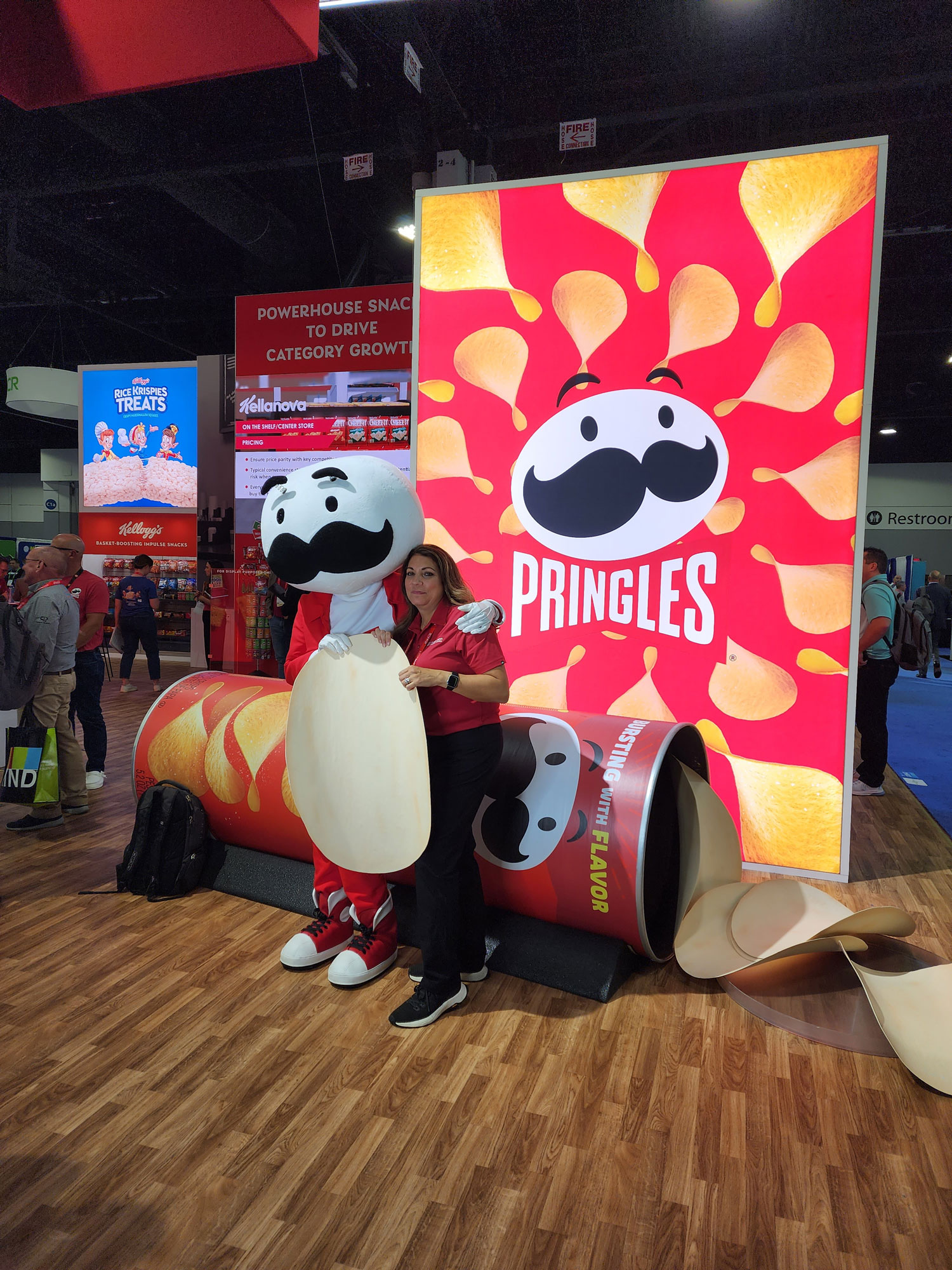
The brief should identify floor conditions, anchoring or mounting needs, delivery access, assembly limits, circulation clearance, and any expected contact with the structure. A reference photograph does not confirm that a new piece may be touched, sat on, climbed on, moved, or installed outdoors.
Lighting, movement, interchangeable graphics, functional openings, or other features may be considered when they are part of the requested scope. Power, controls, supervision, transport, maintenance, and installation requirements should be provided for review.
Custom Prop Making Services covers WhiteClouds' broader fabrication capability, and the 3D Props Gallery offers examples across many prop categories. Giant Photo Frame Props addresses the planning of a single fabricated frame. The Mount St. Joseph Project Story documents one completed oversized seating commission.
Choose this resource to plan a branded photo setting when several fabricated forms could satisfy the physical brief.
Tell WhiteClouds about the event or venue, available footprint, intended camera view, approximate group size, physical concept, deadline, destination, and any requirements for touch, seating, lighting, movement, or installation.
Good starting materials include site photographs, brand files, camera-view references, a dimensioned plan, campaign direction, or a rough concept drawing.