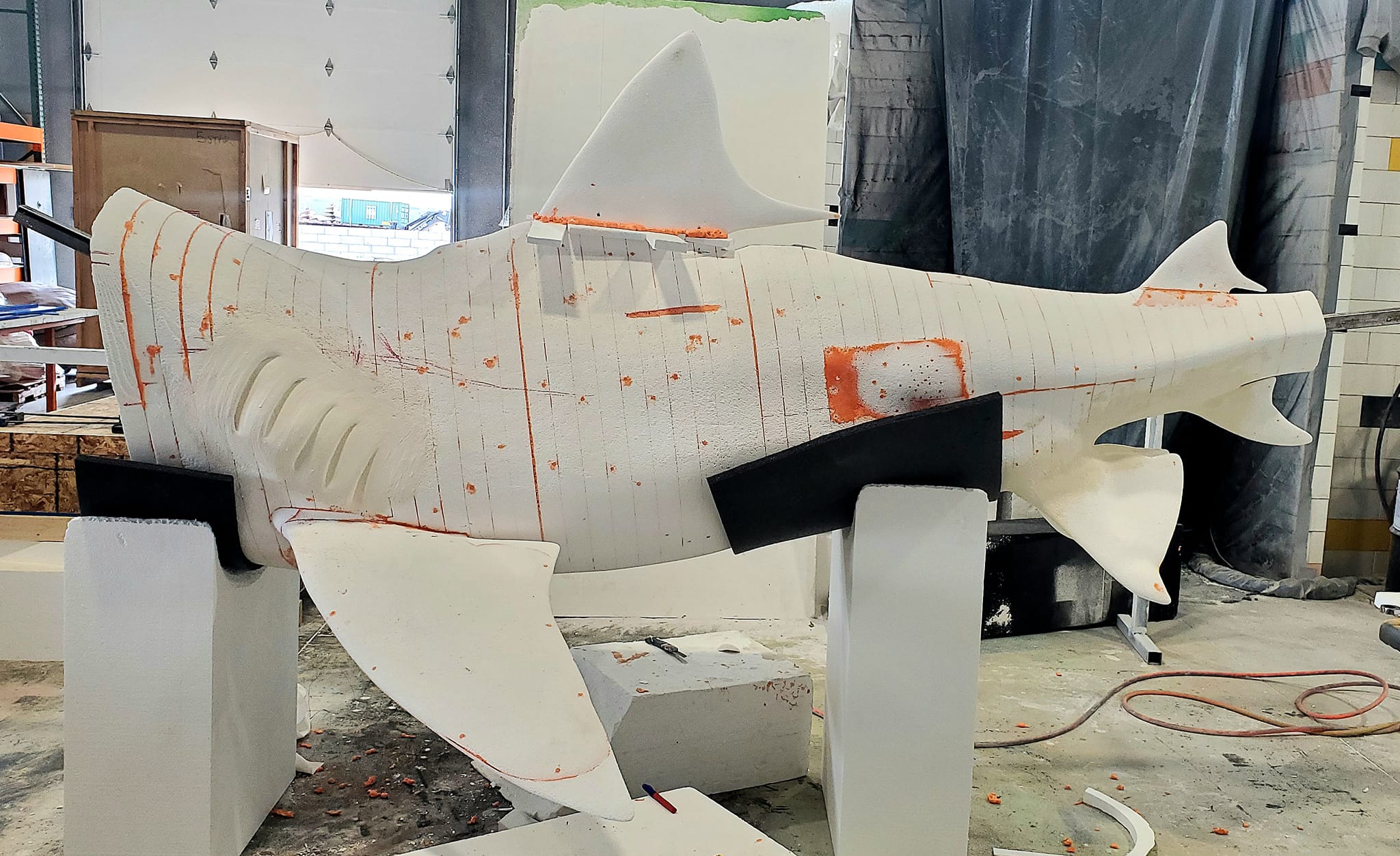
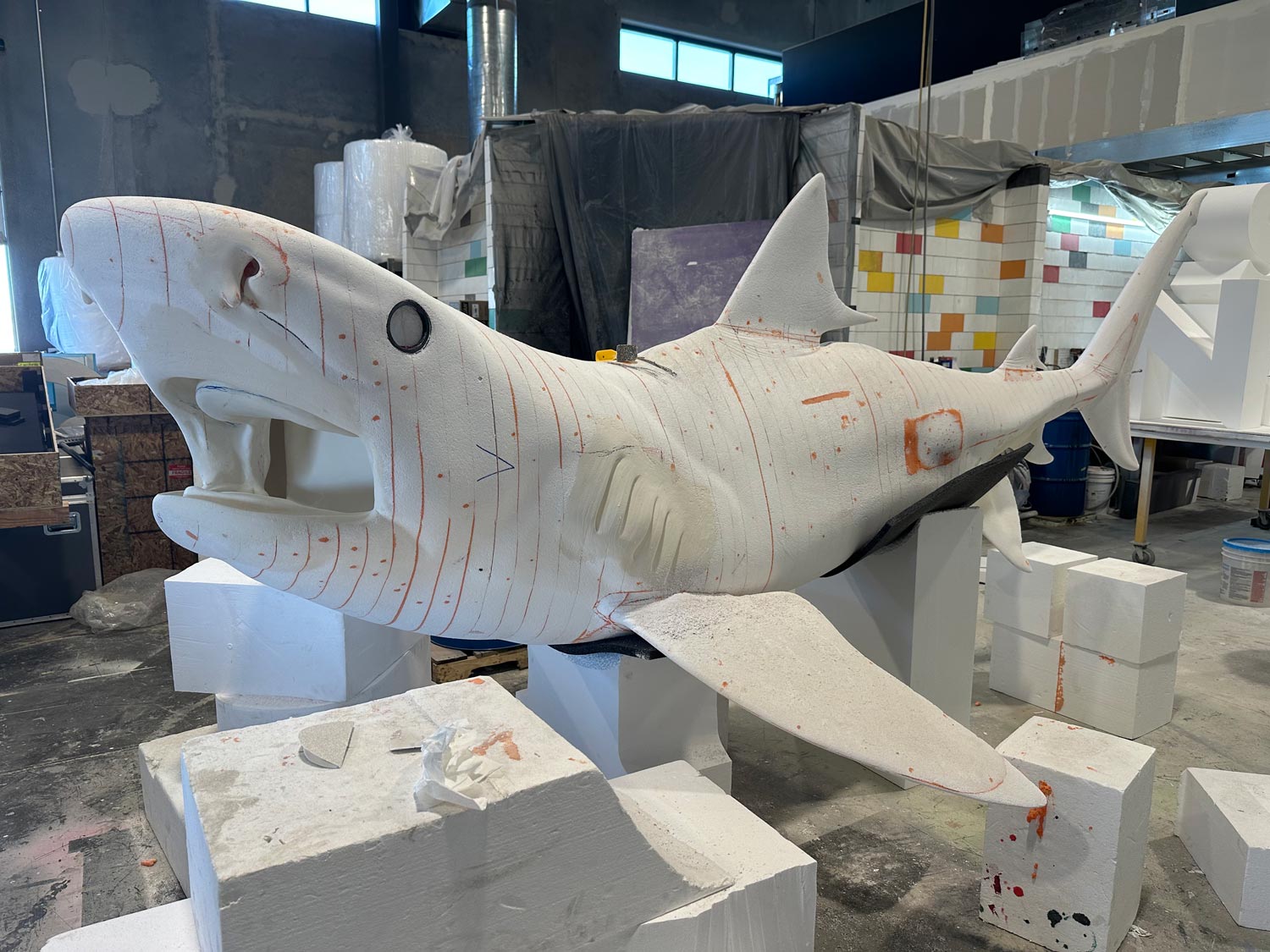
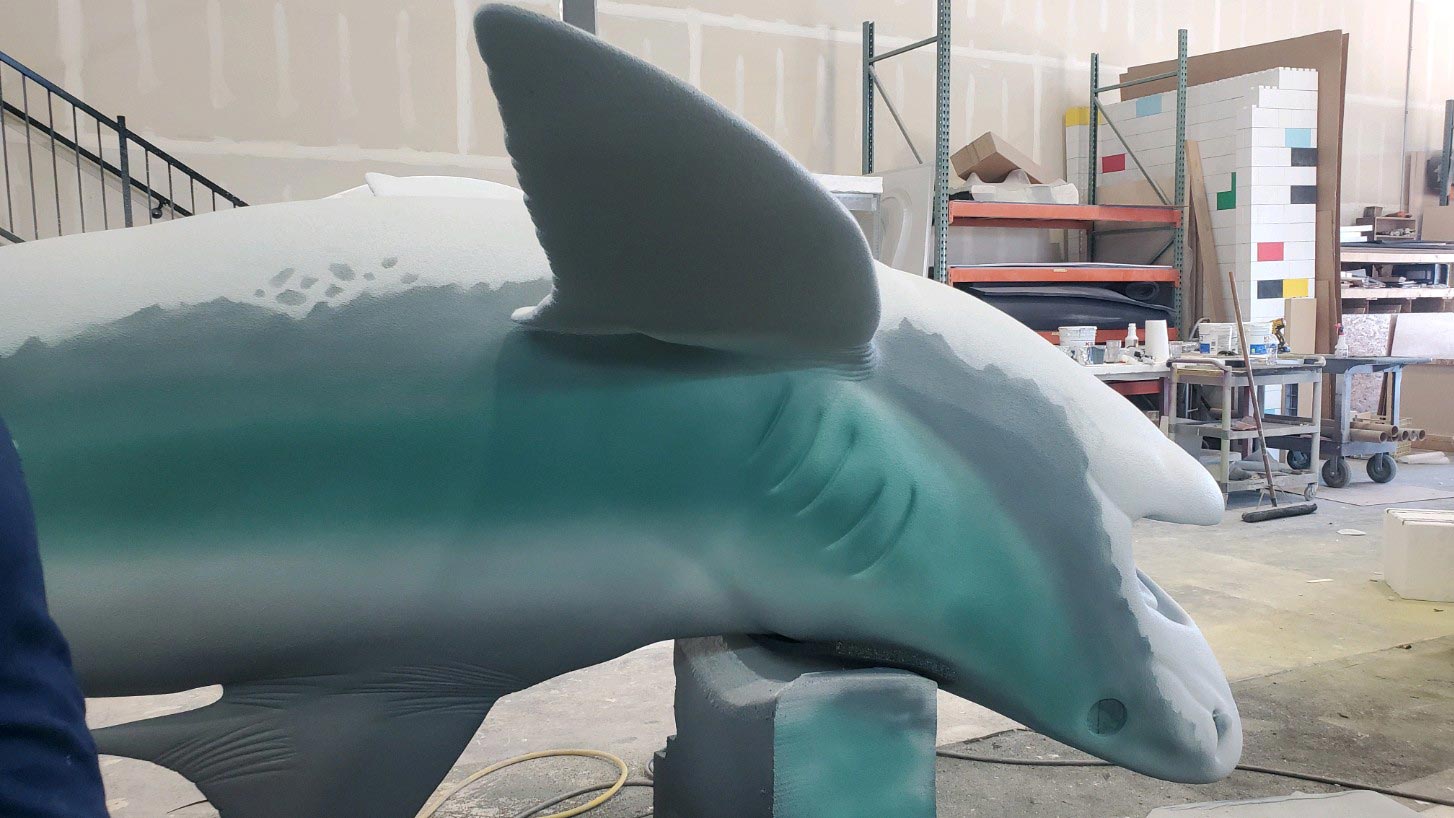
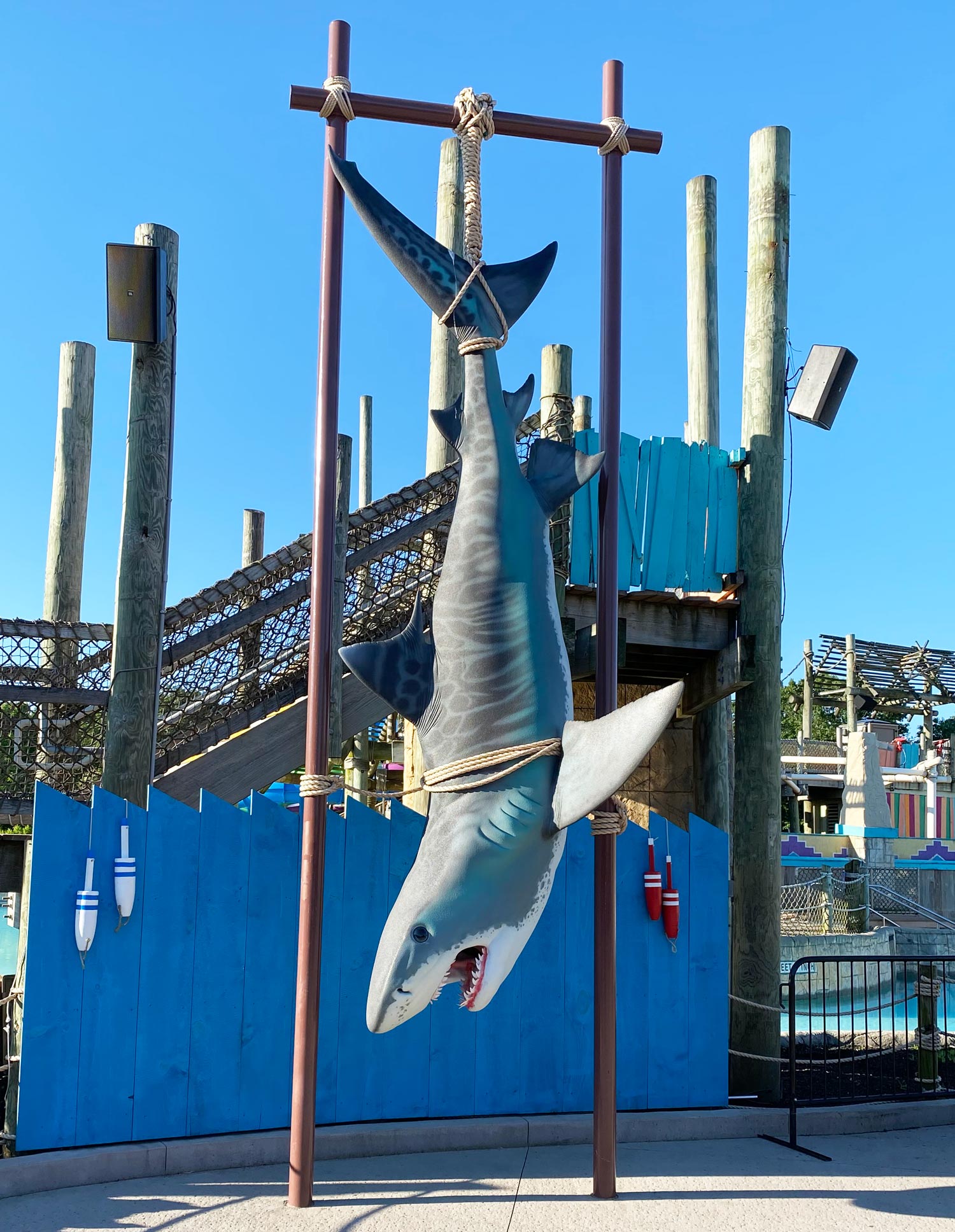
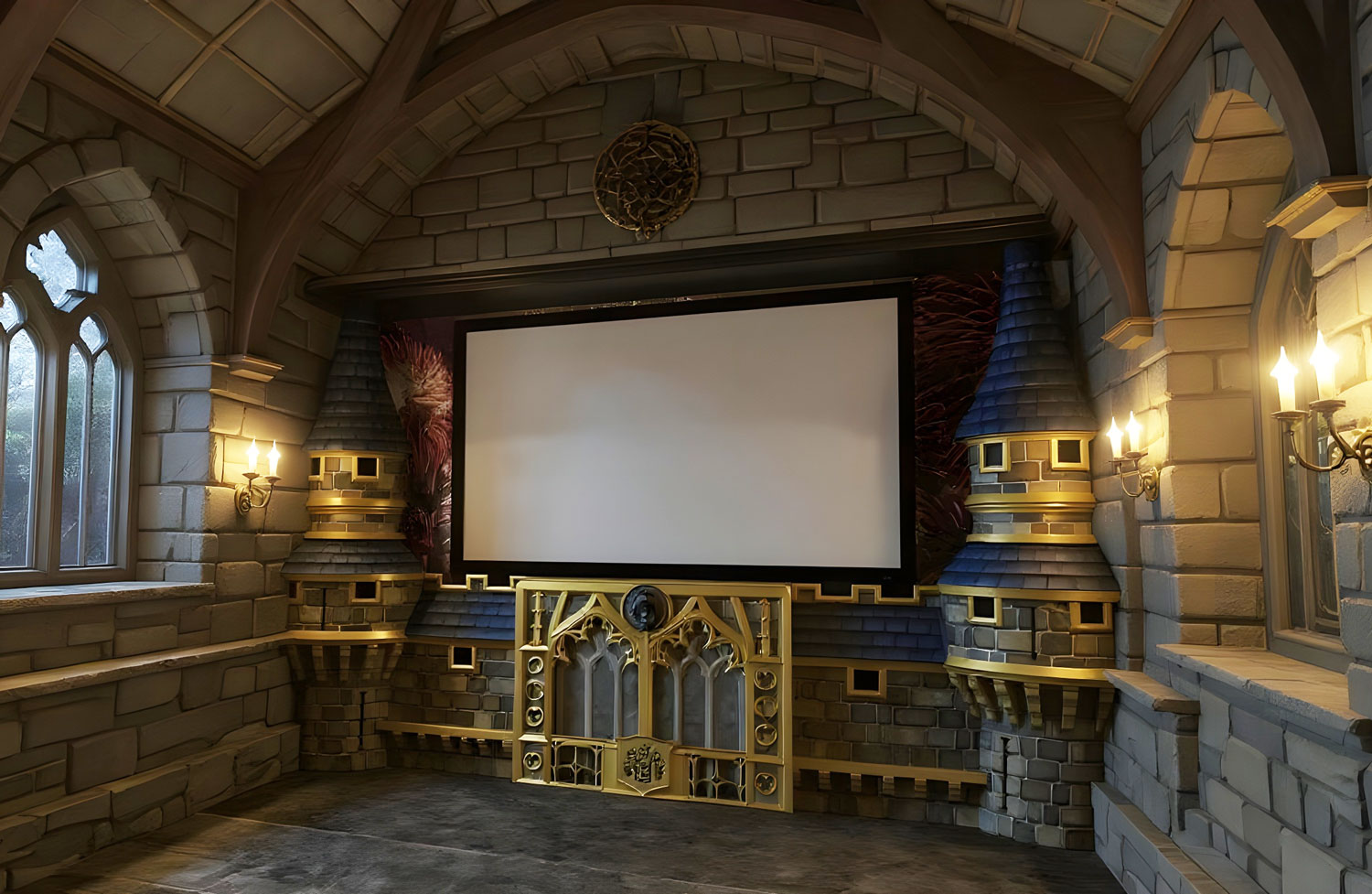
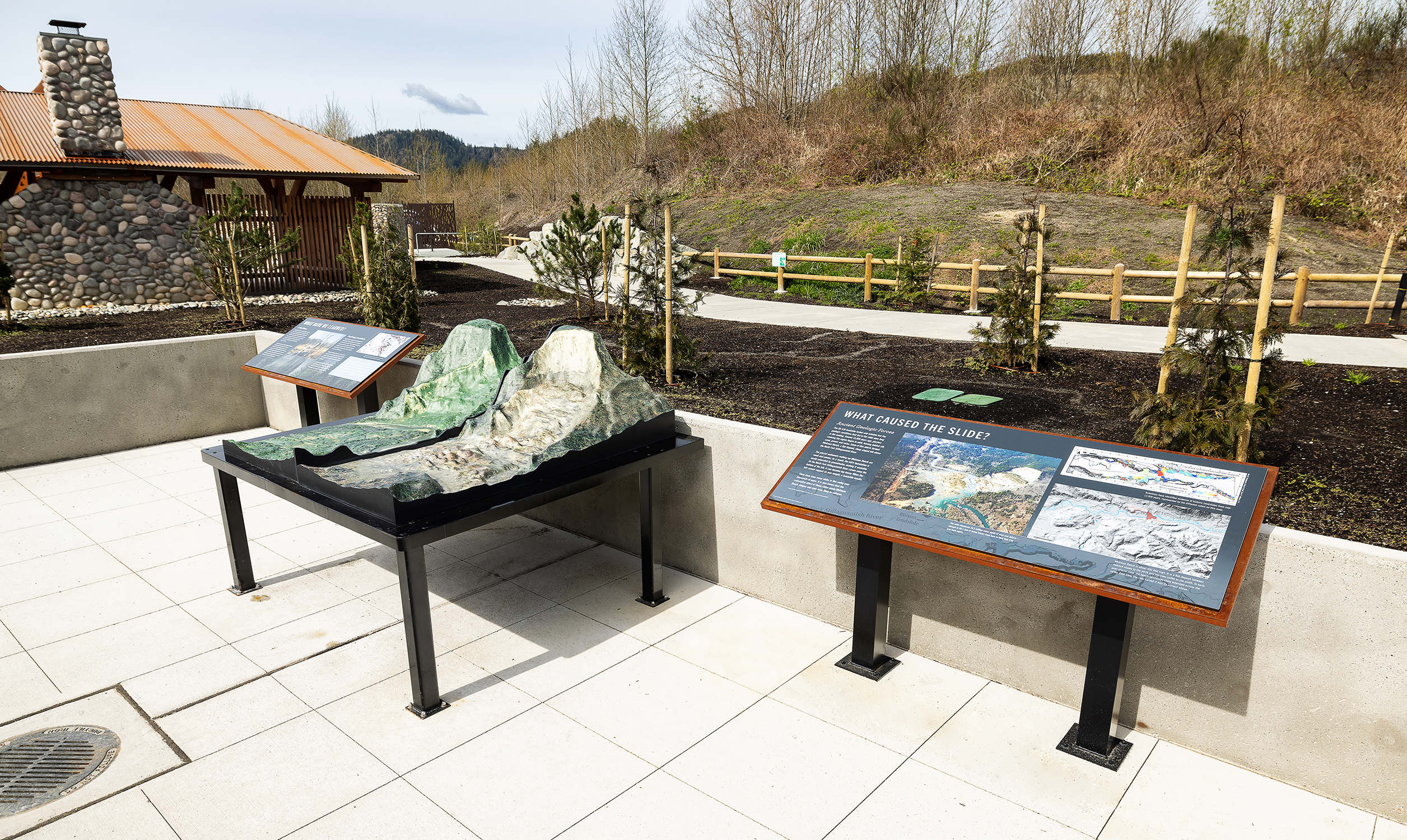
What kinds of projects can be made with carved foam?
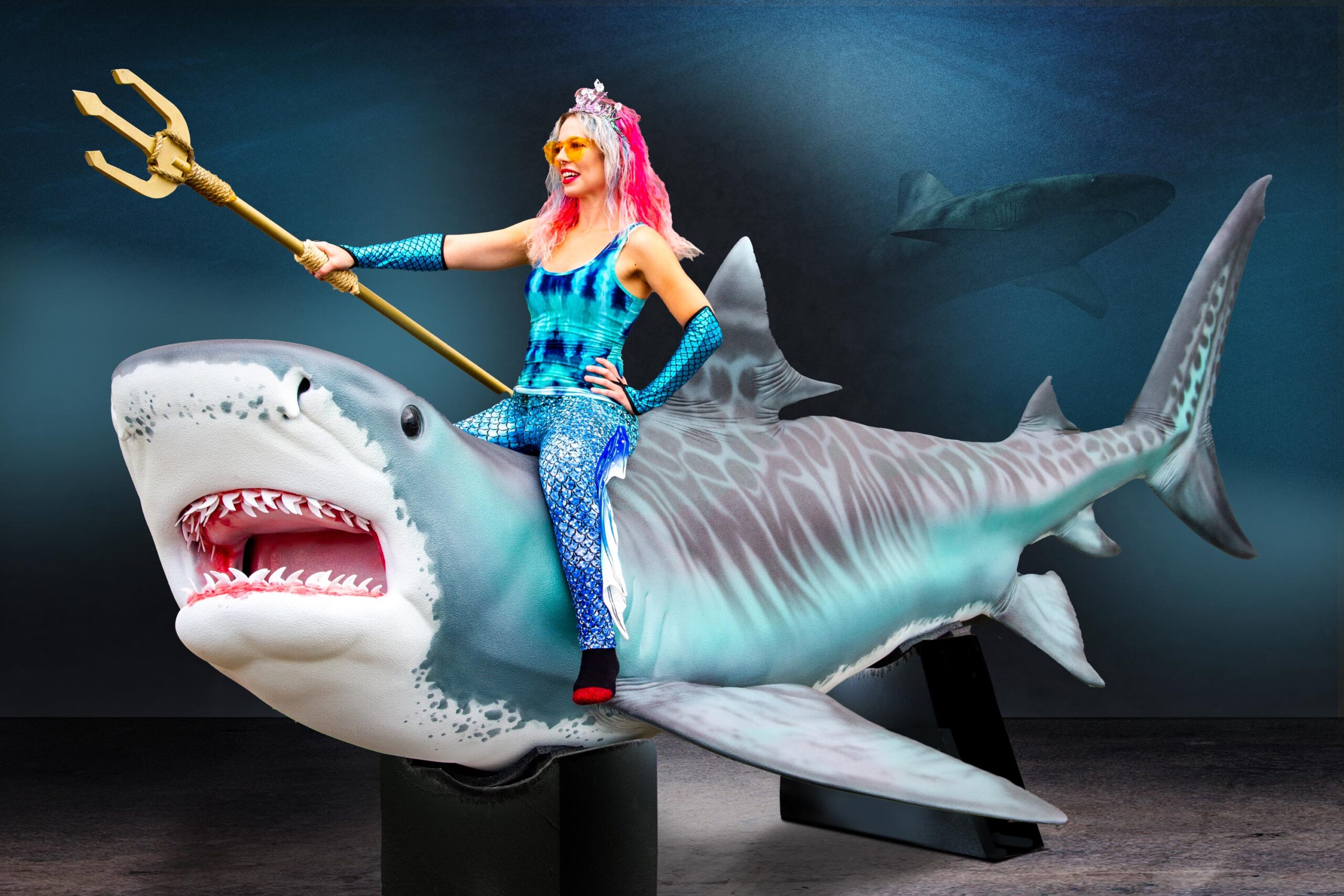
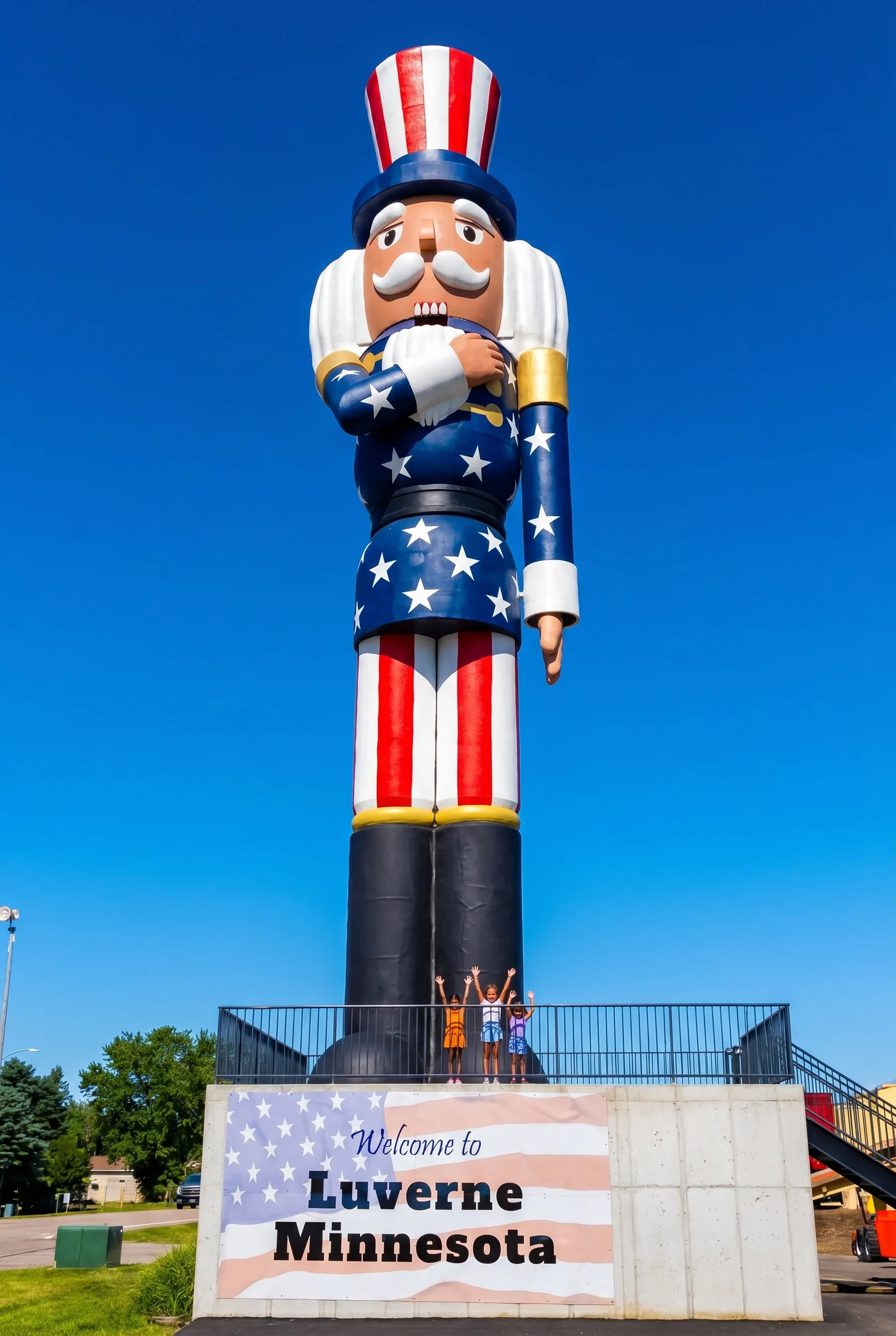
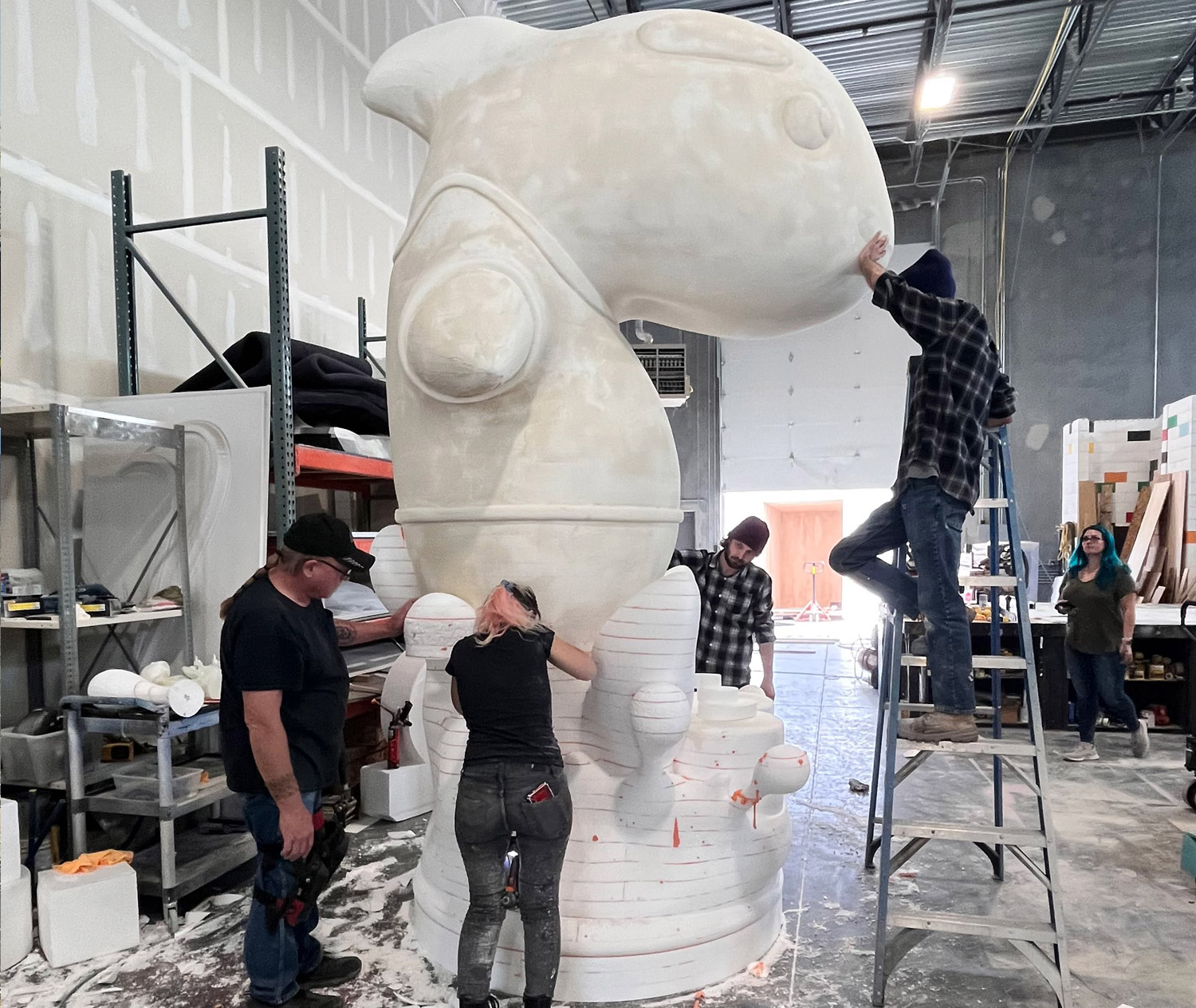
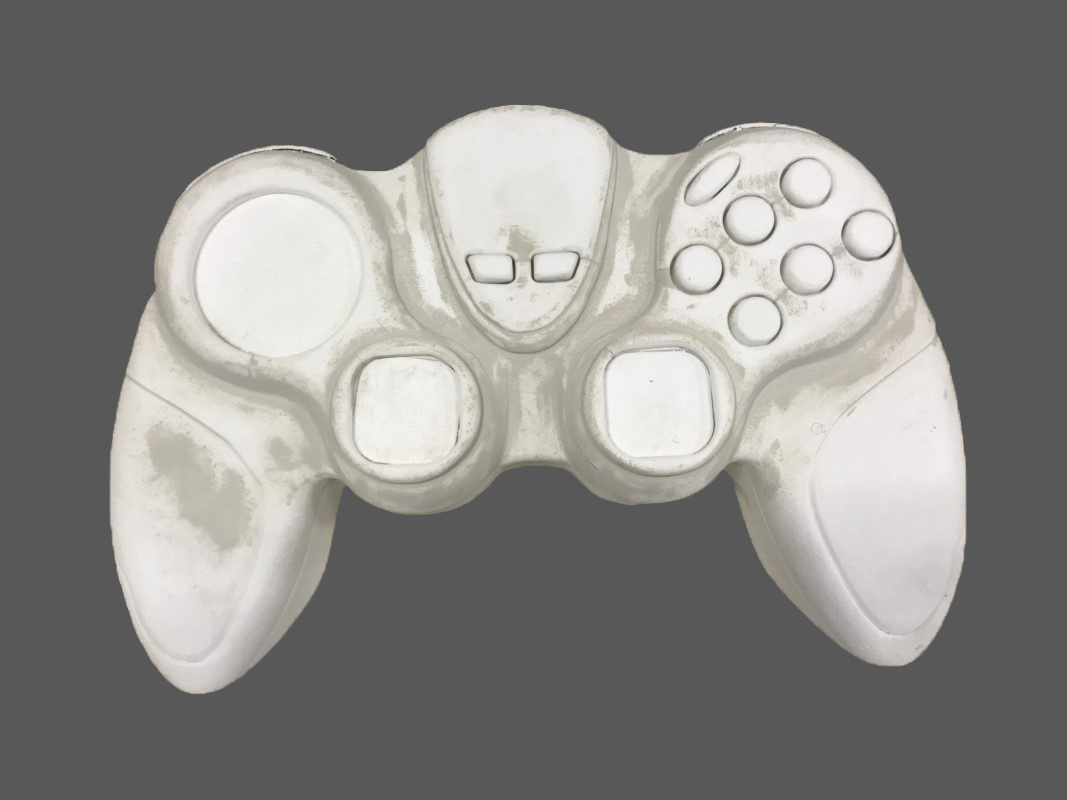
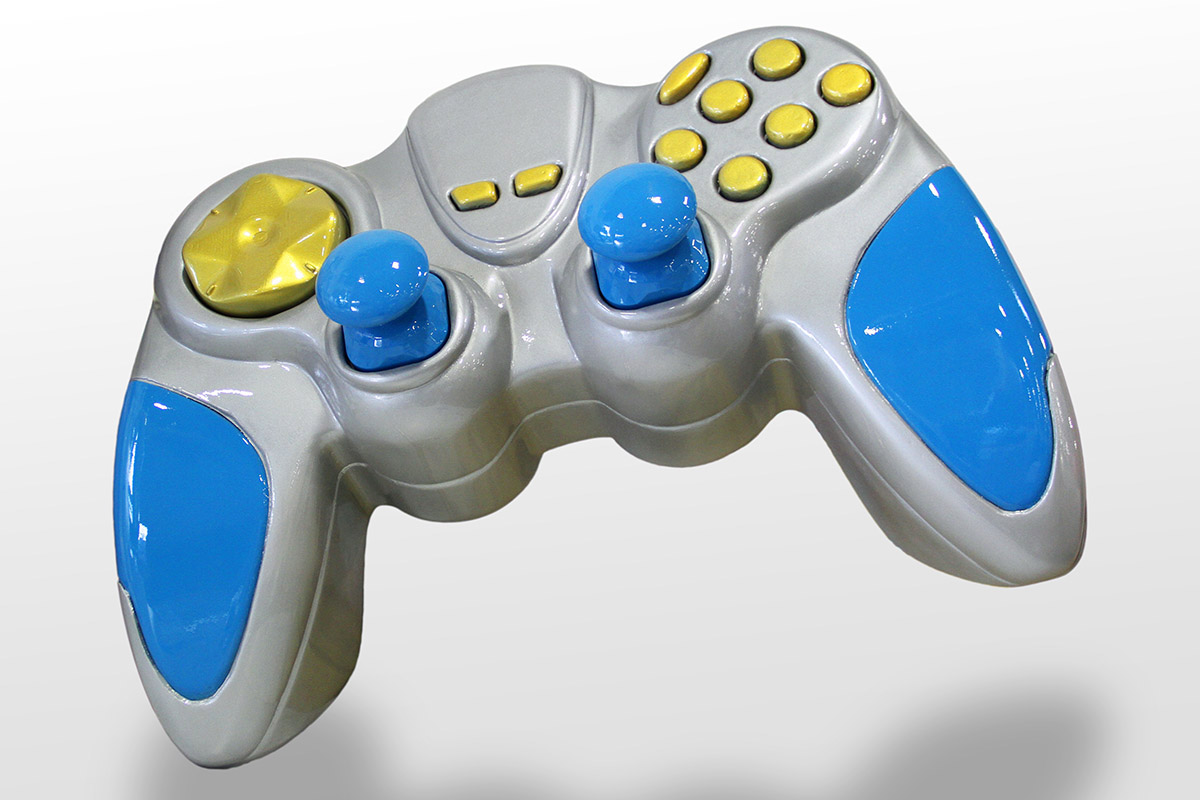
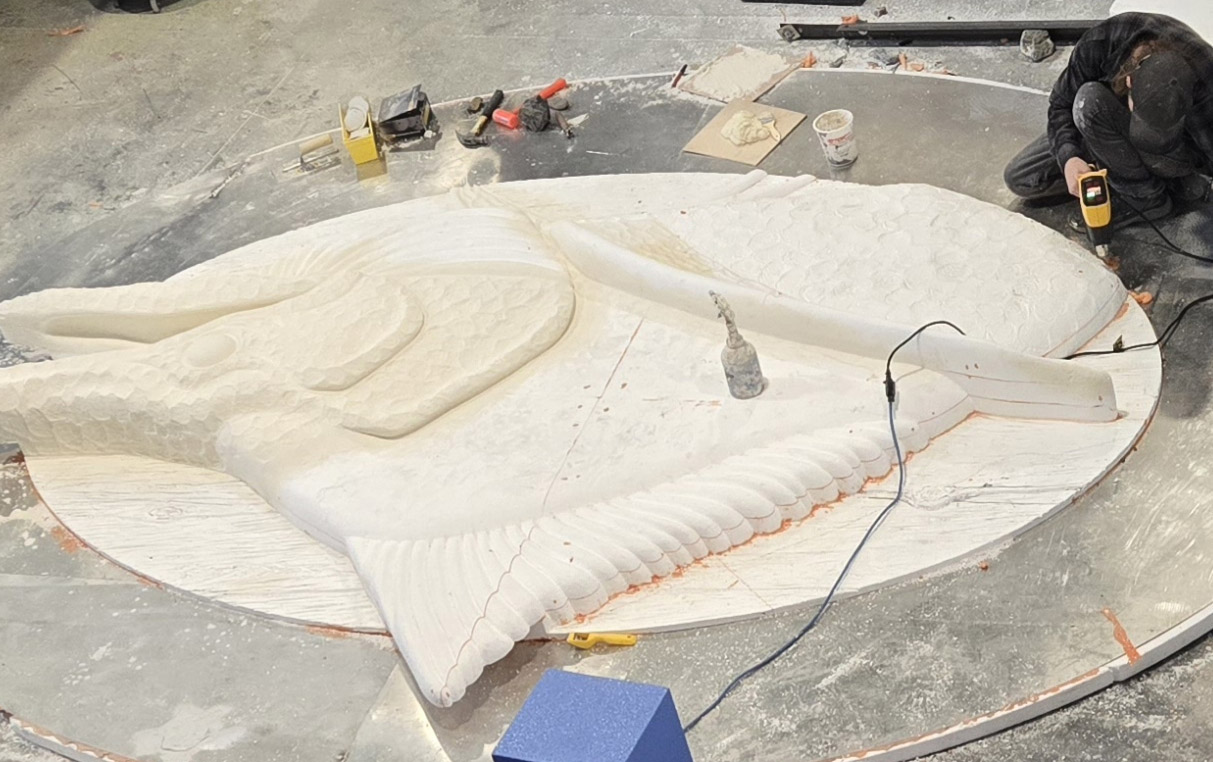
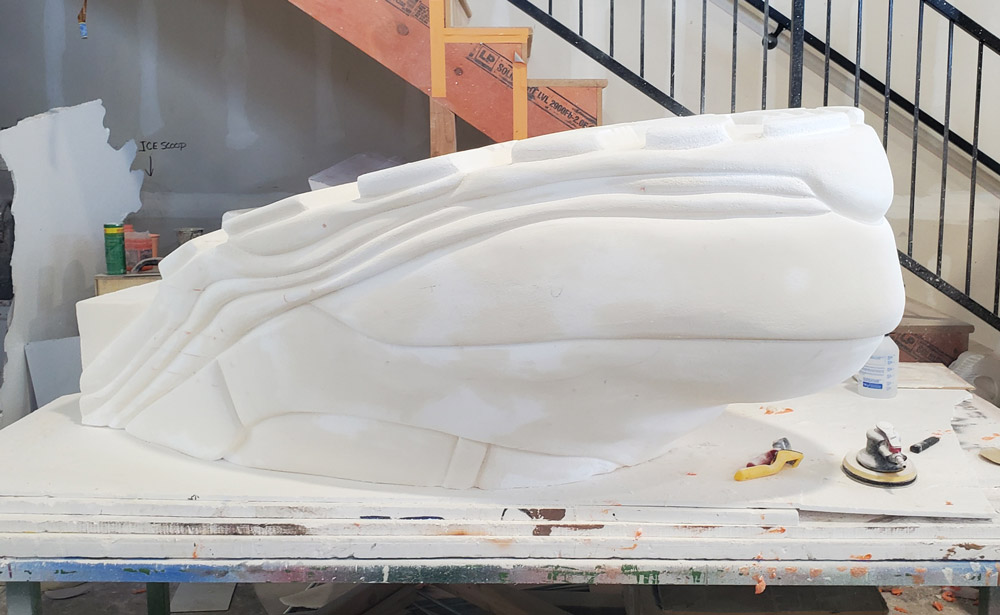
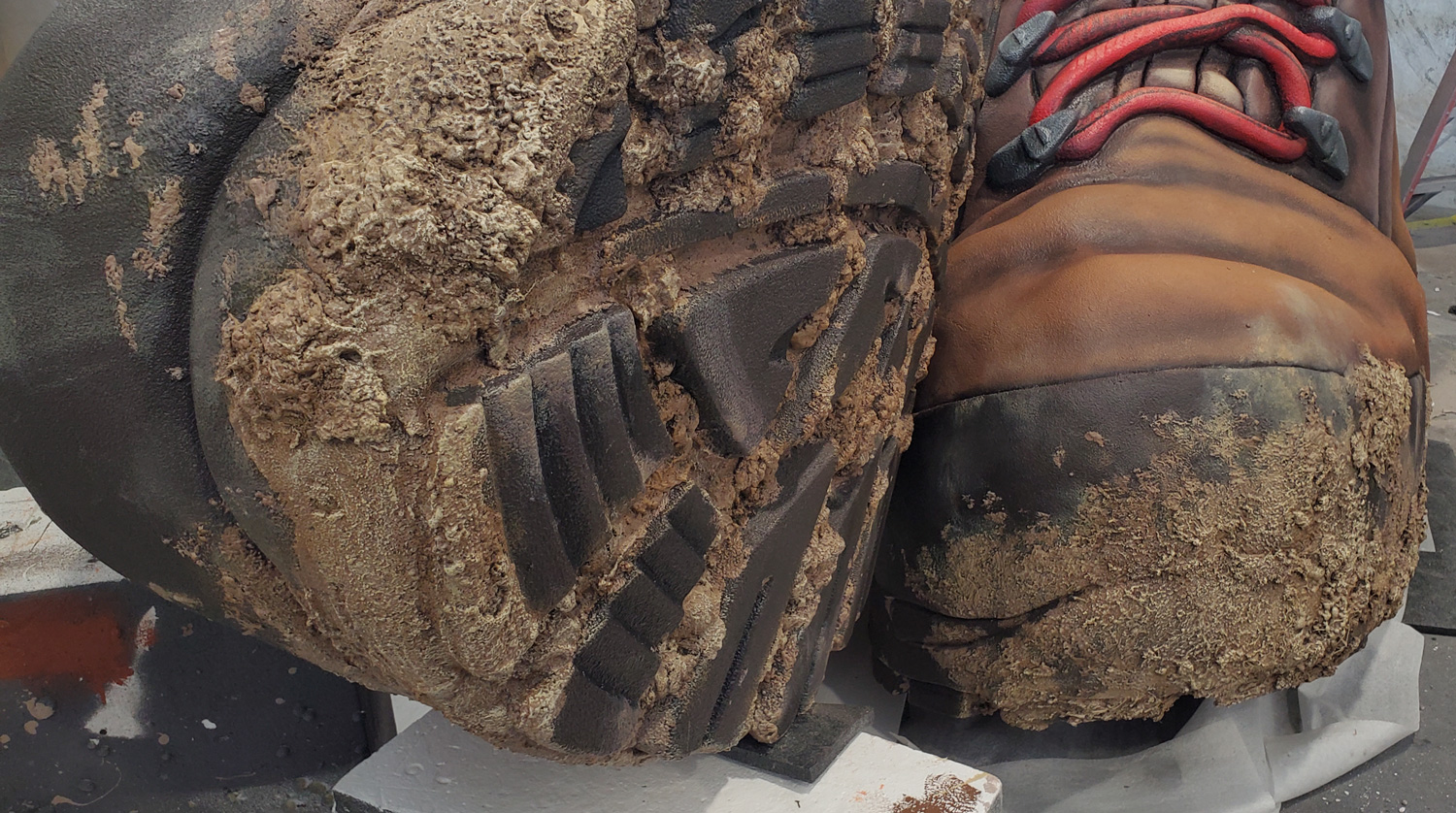
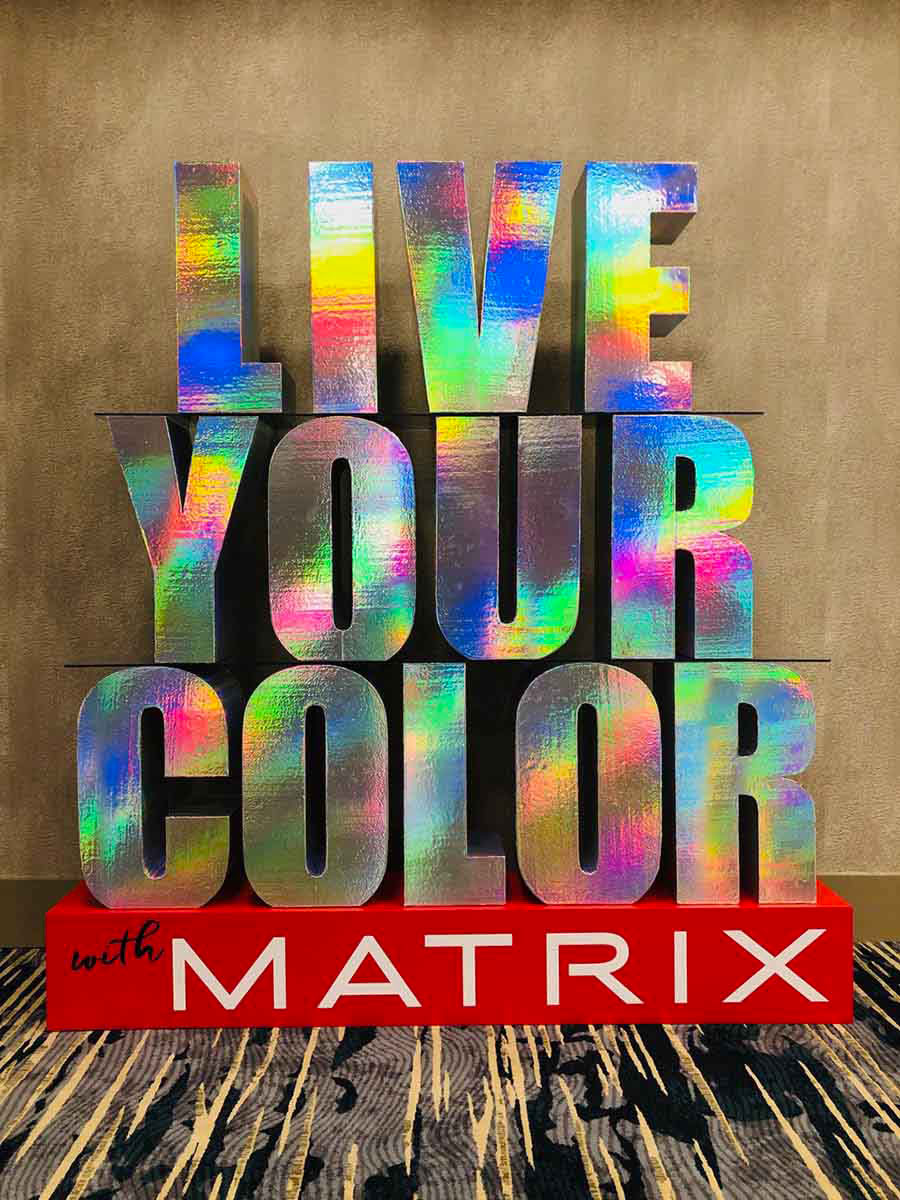
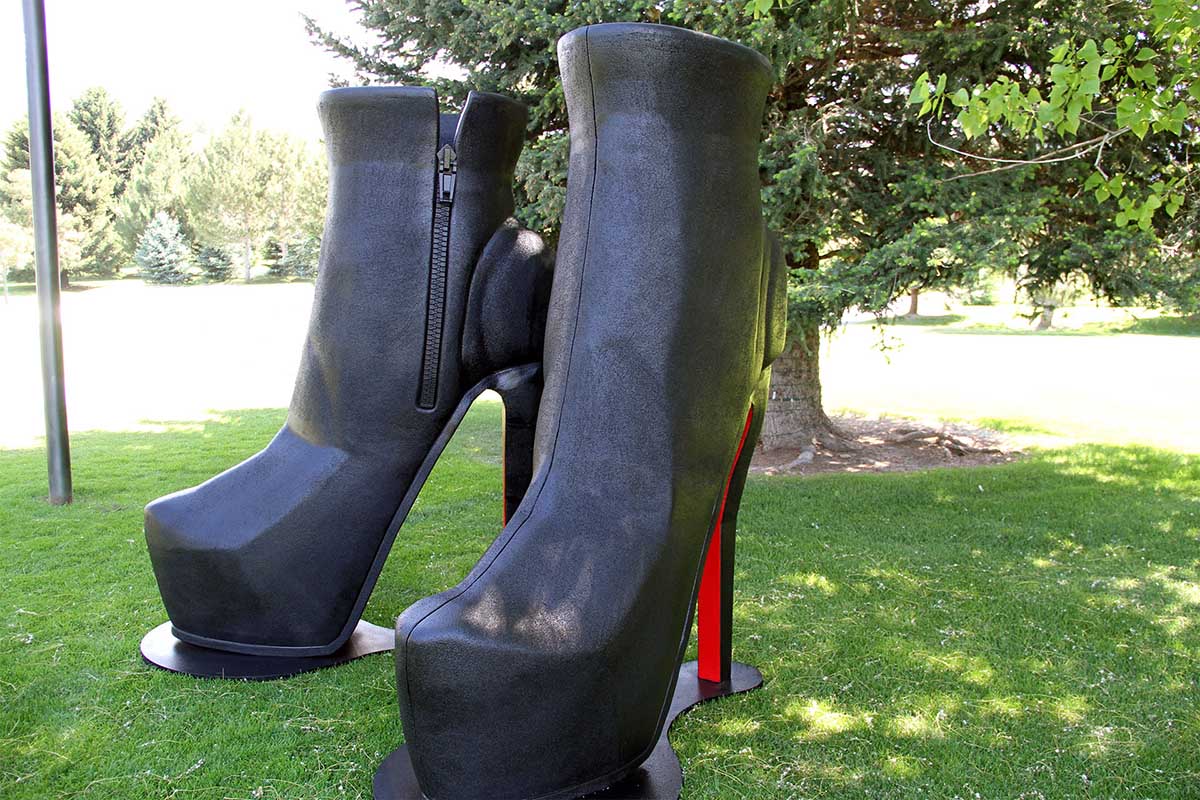
Foam can be used for oversized props, product replicas, characters, statues, dimensional letters, logos, signs, scenery, exhibit components, terrain, architectural details and decorative structures. It may form the entire visible shape or be combined with metal, wood, acrylic, graphics, electronics and other materials.
What types of foam are used for carving and fabrication?
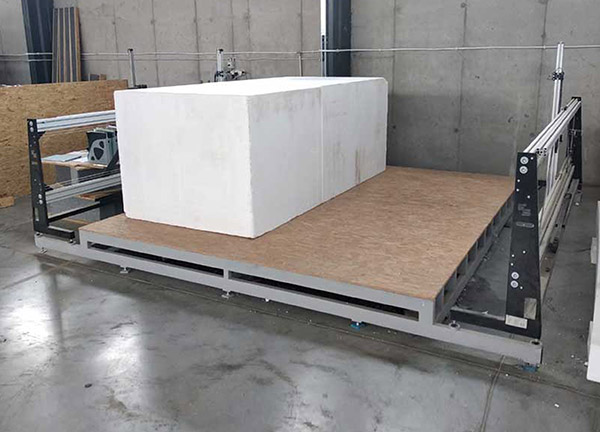
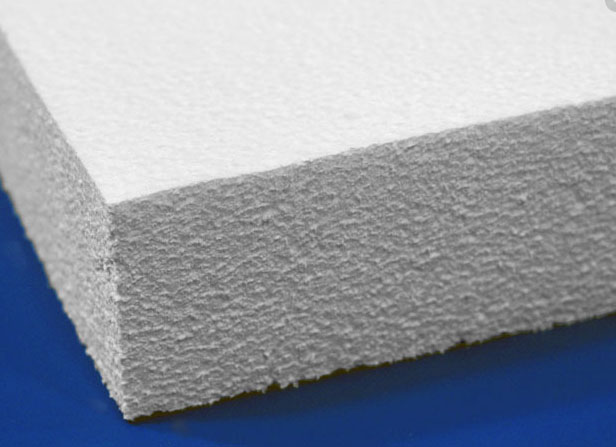
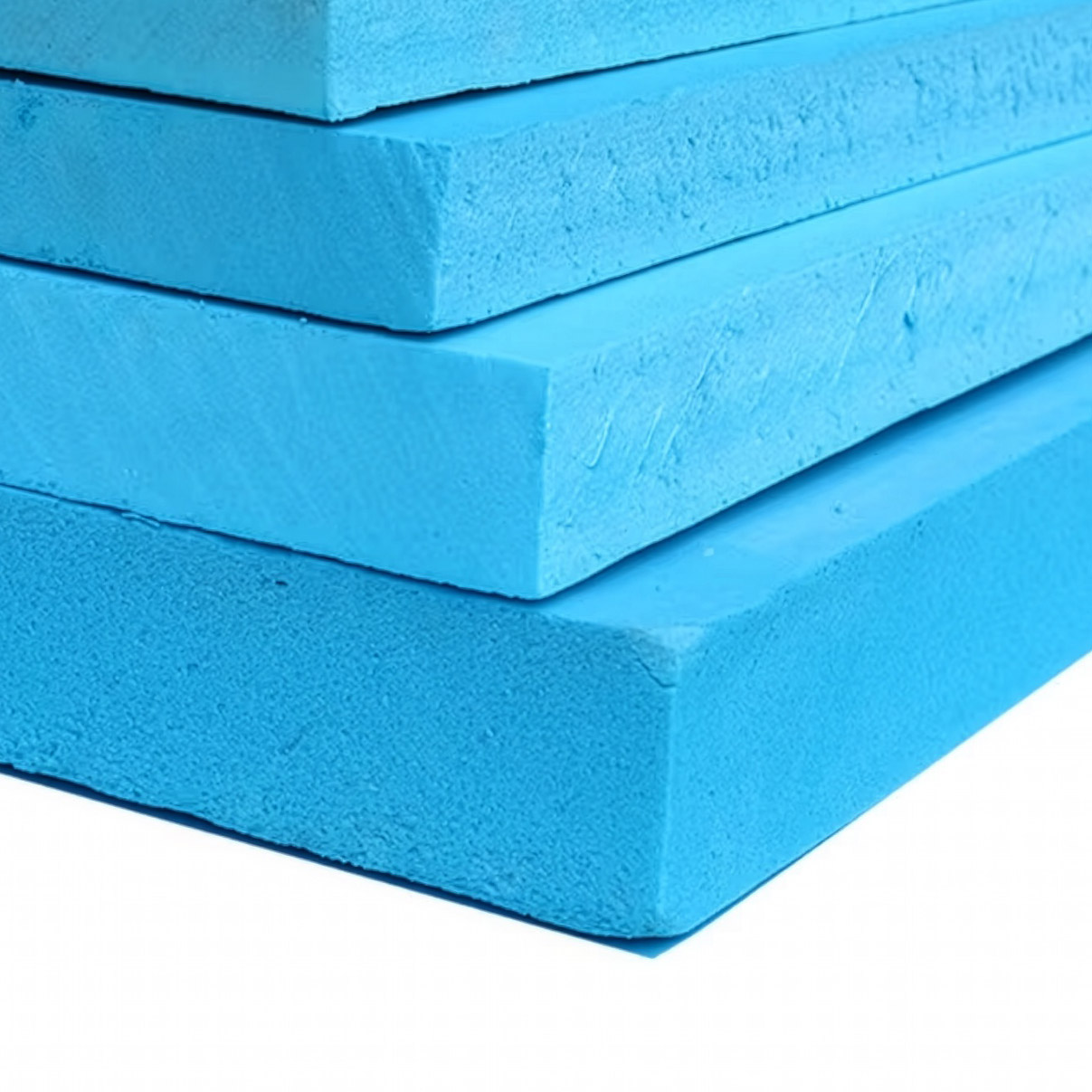
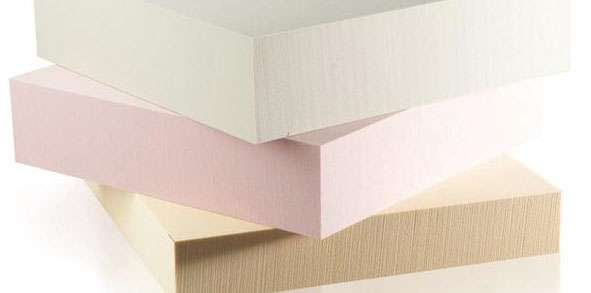
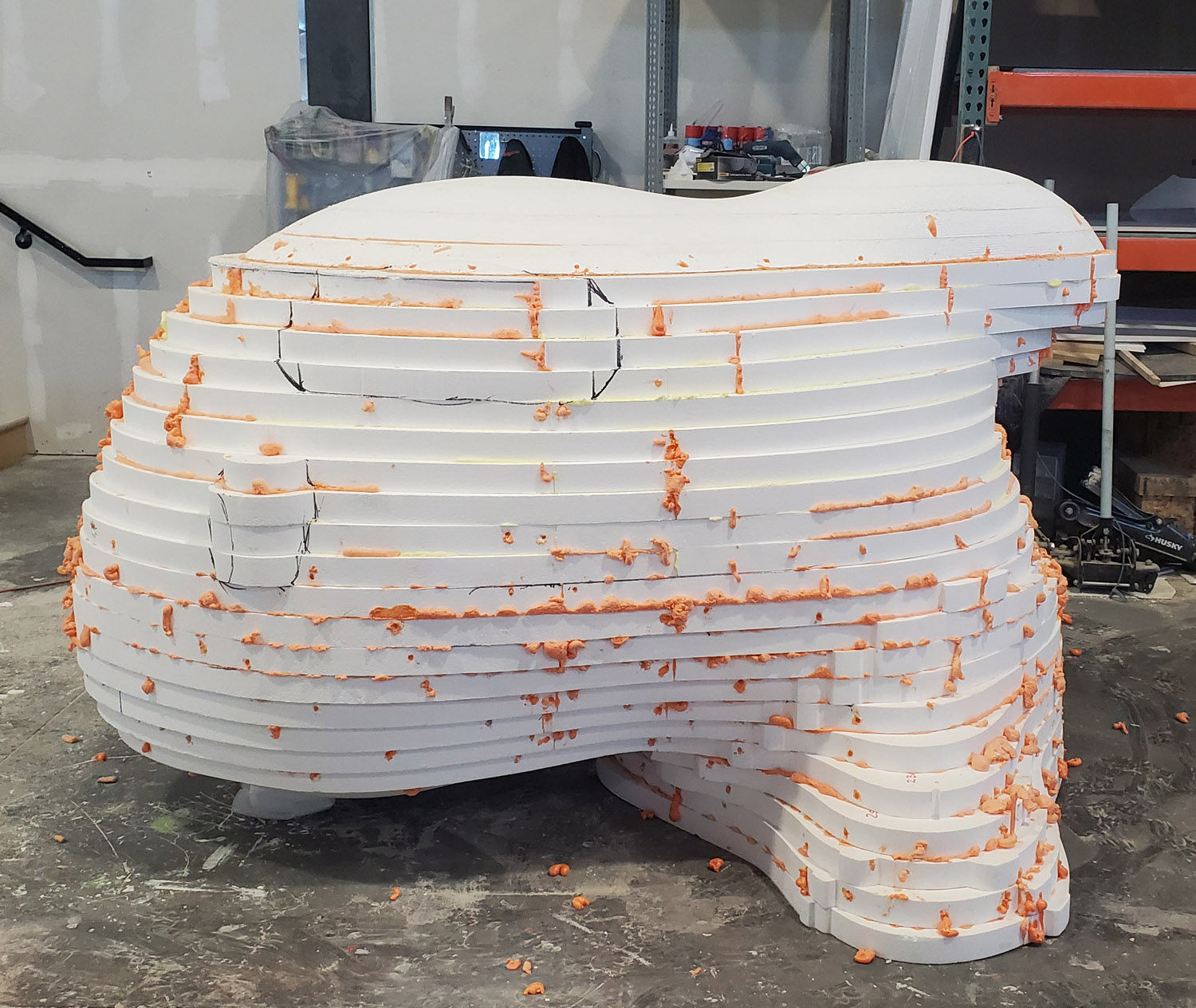
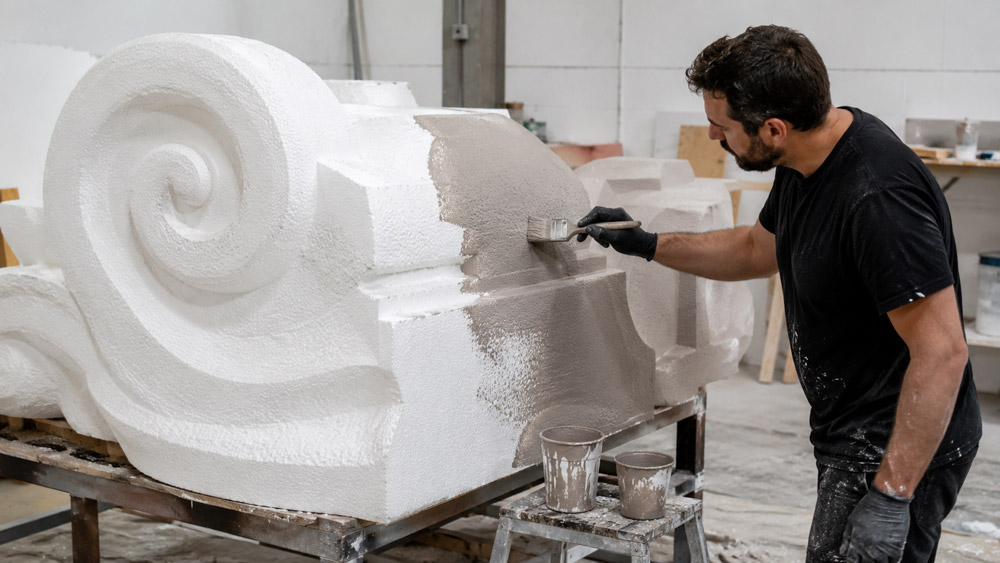
Common materials include expanded polystyrene, extruded polystyrene and high-density urethane. EPS is frequently used for large lightweight sculptural volume. XPS is useful for layered forms and smoother sheet-based carving. HDU is denser and well suited to detailed routing, signs and architectural components. Many projects use more than one material.
What is the difference between EPS, XPS and HDU?
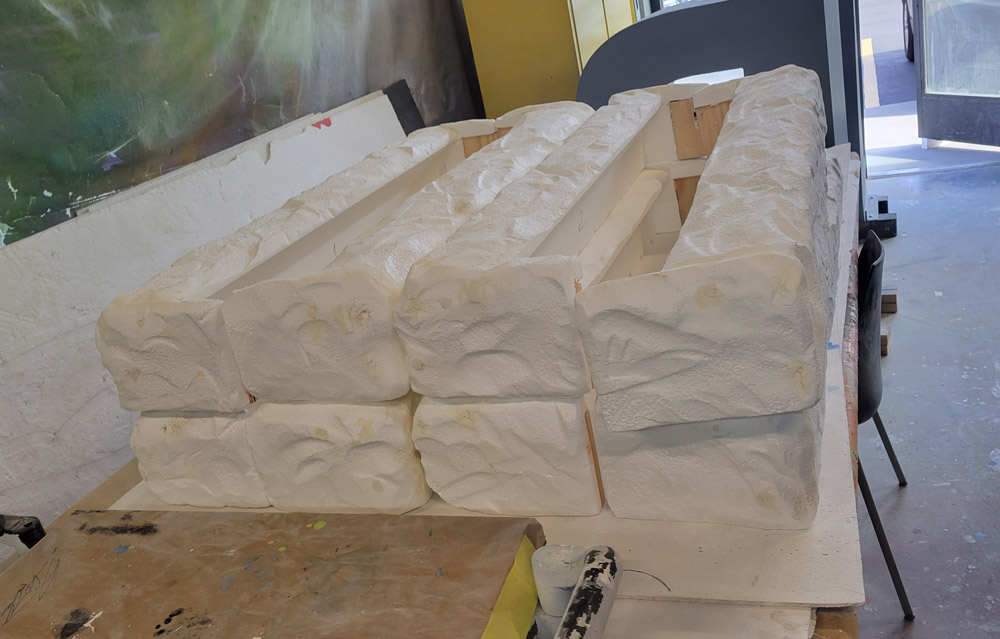
EPS is made from visible expanded beads and is available in large lightweight blocks. XPS has a more uniform closed-cell structure and is generally supplied in rigid sheets. HDU is a denser rigid polyurethane material used when crisp machining, fine detail or a more substantial substrate is needed.
Does every foam project use CNC cutting?
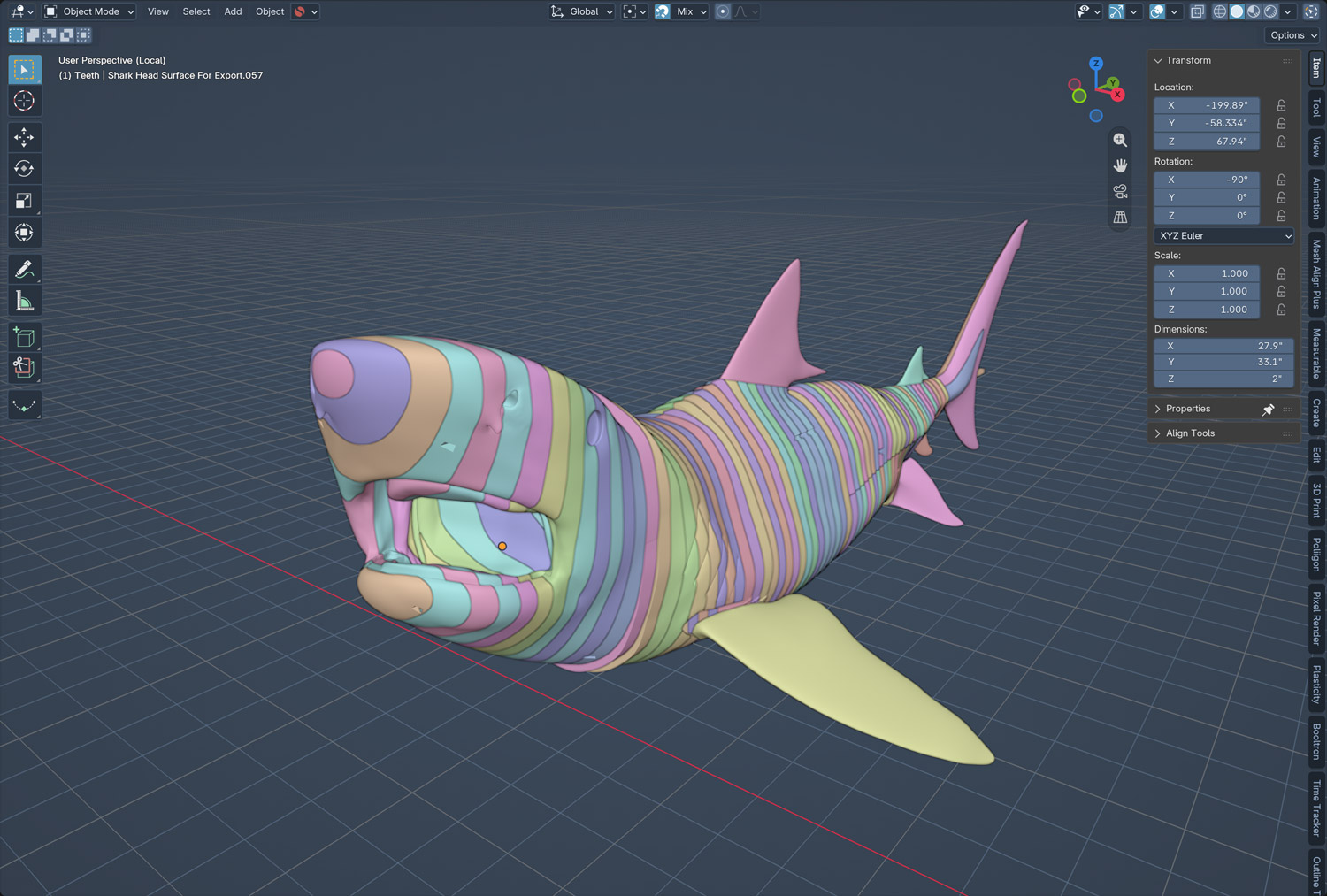
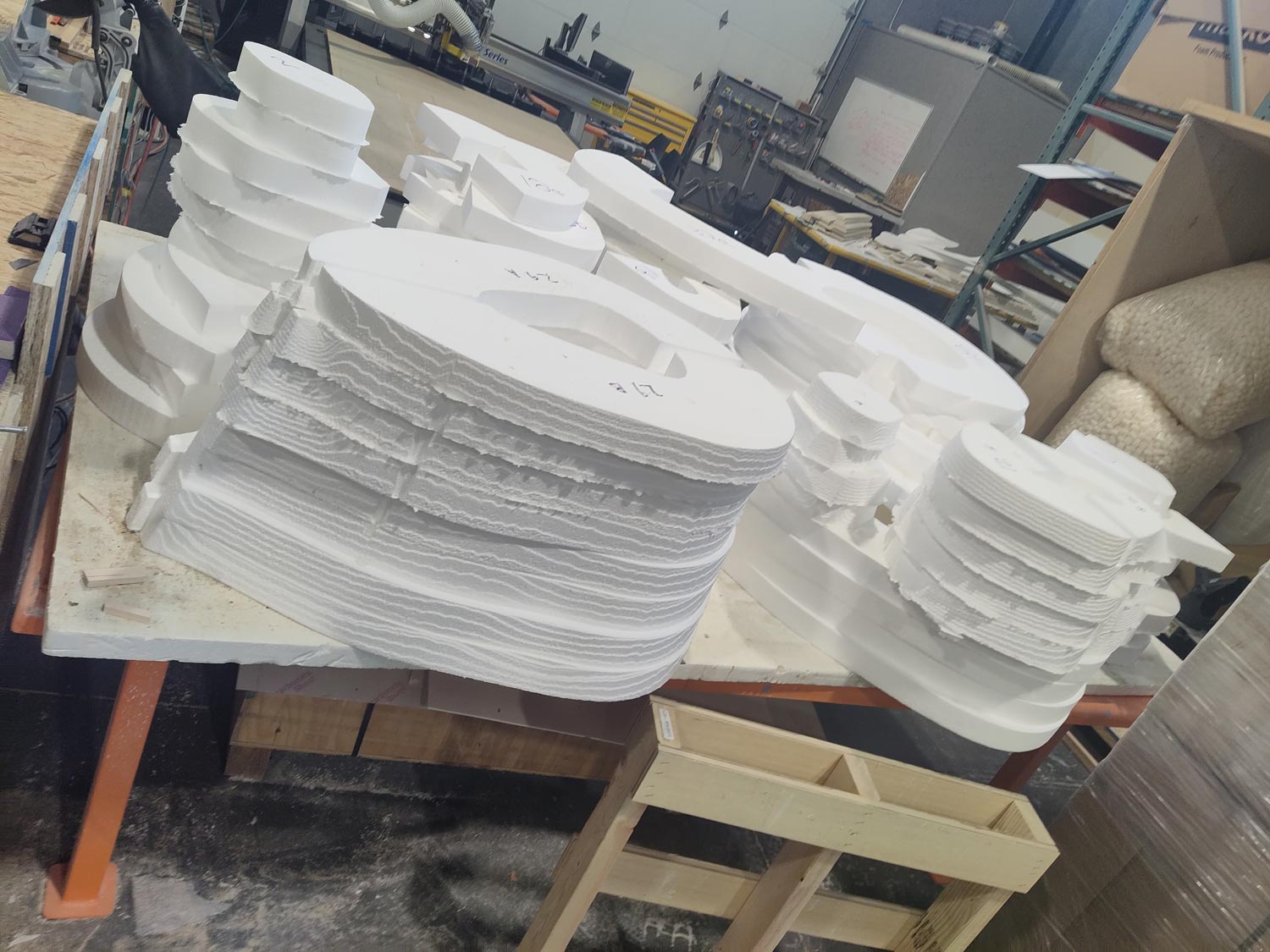
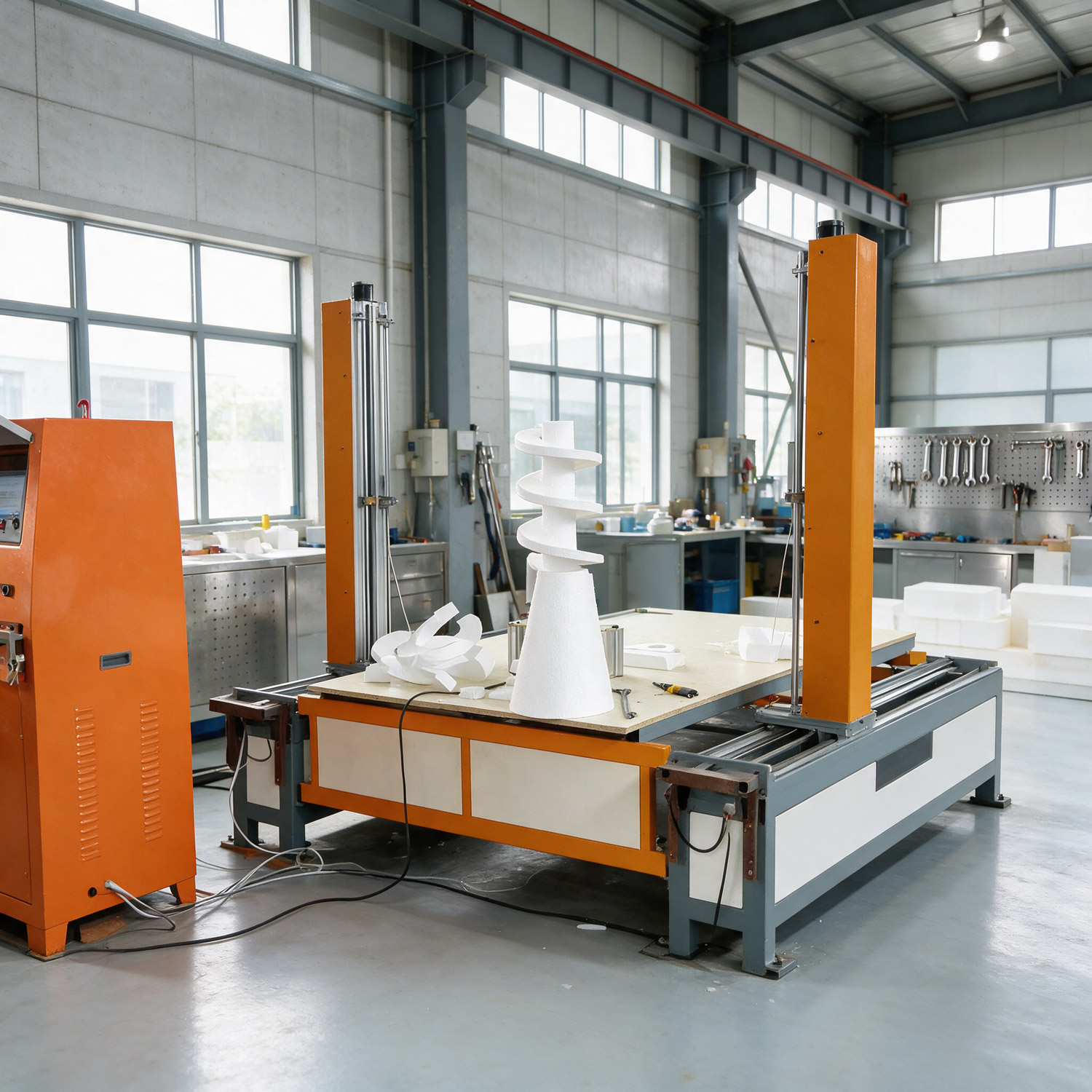
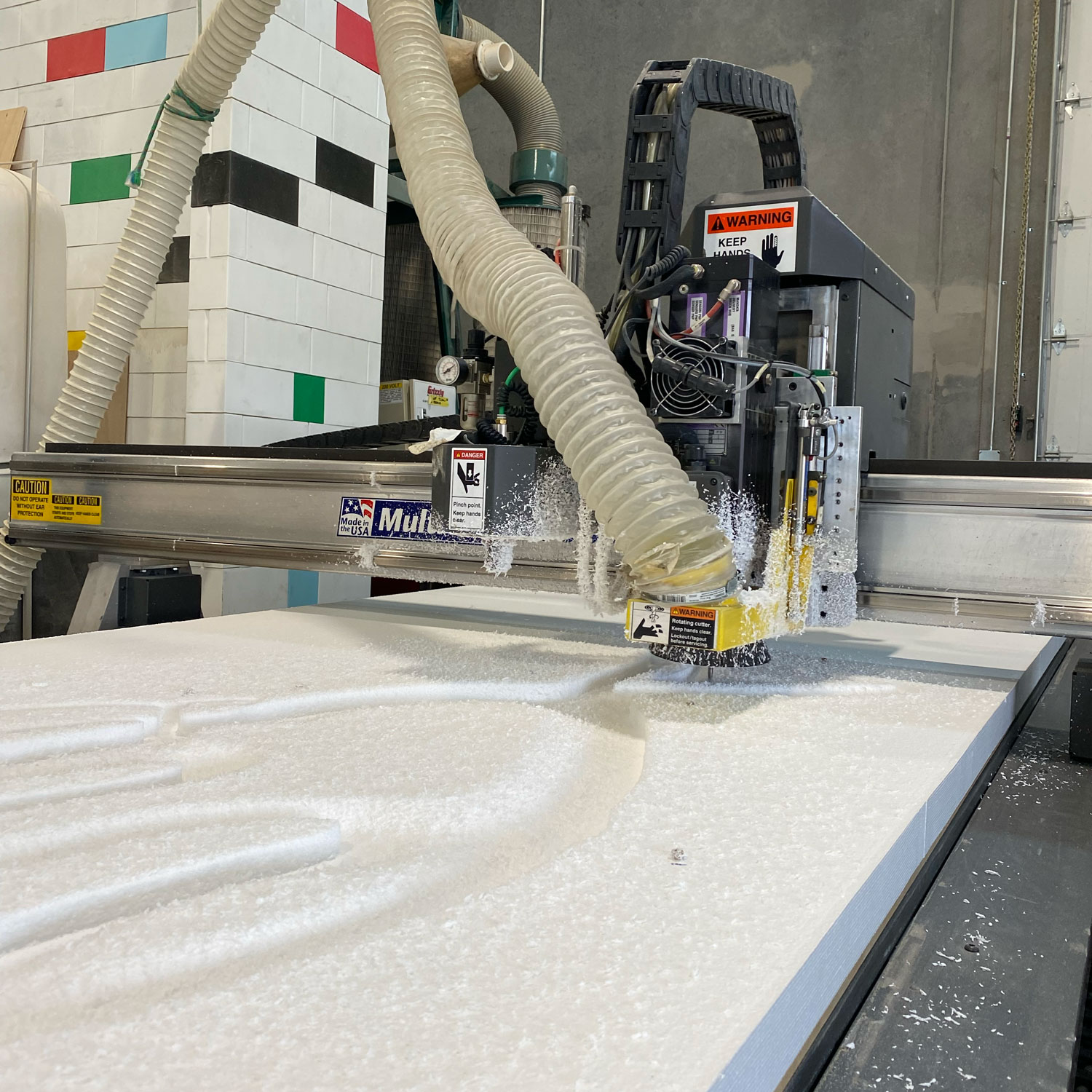
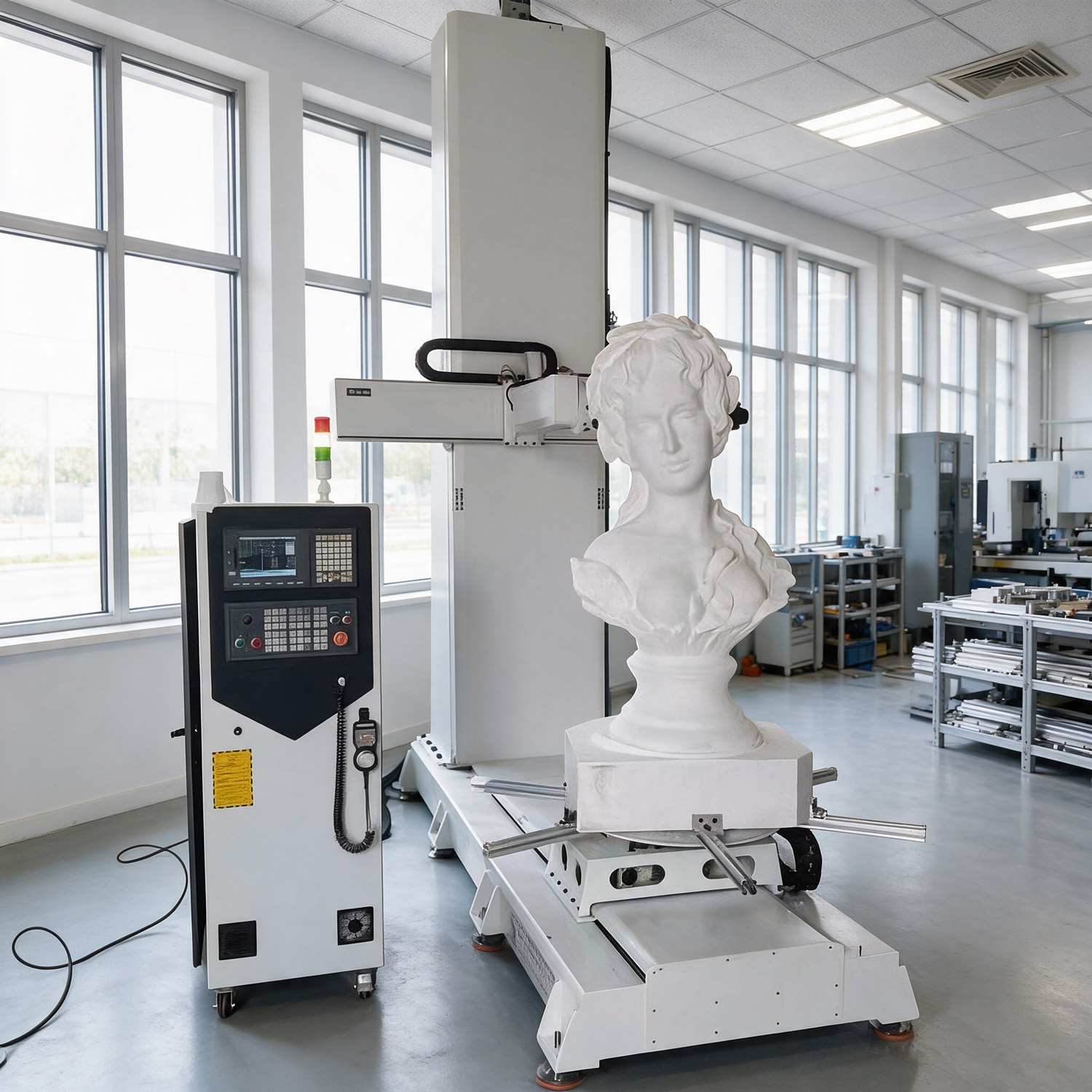
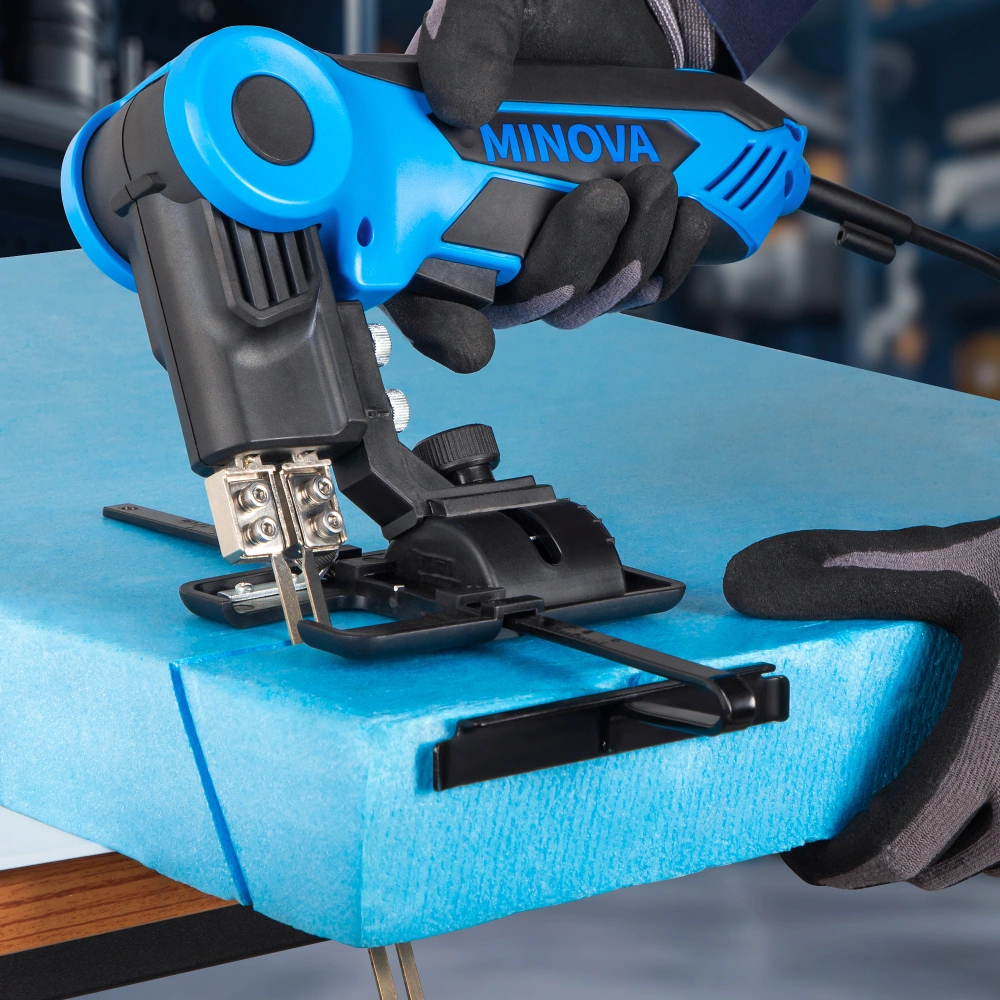
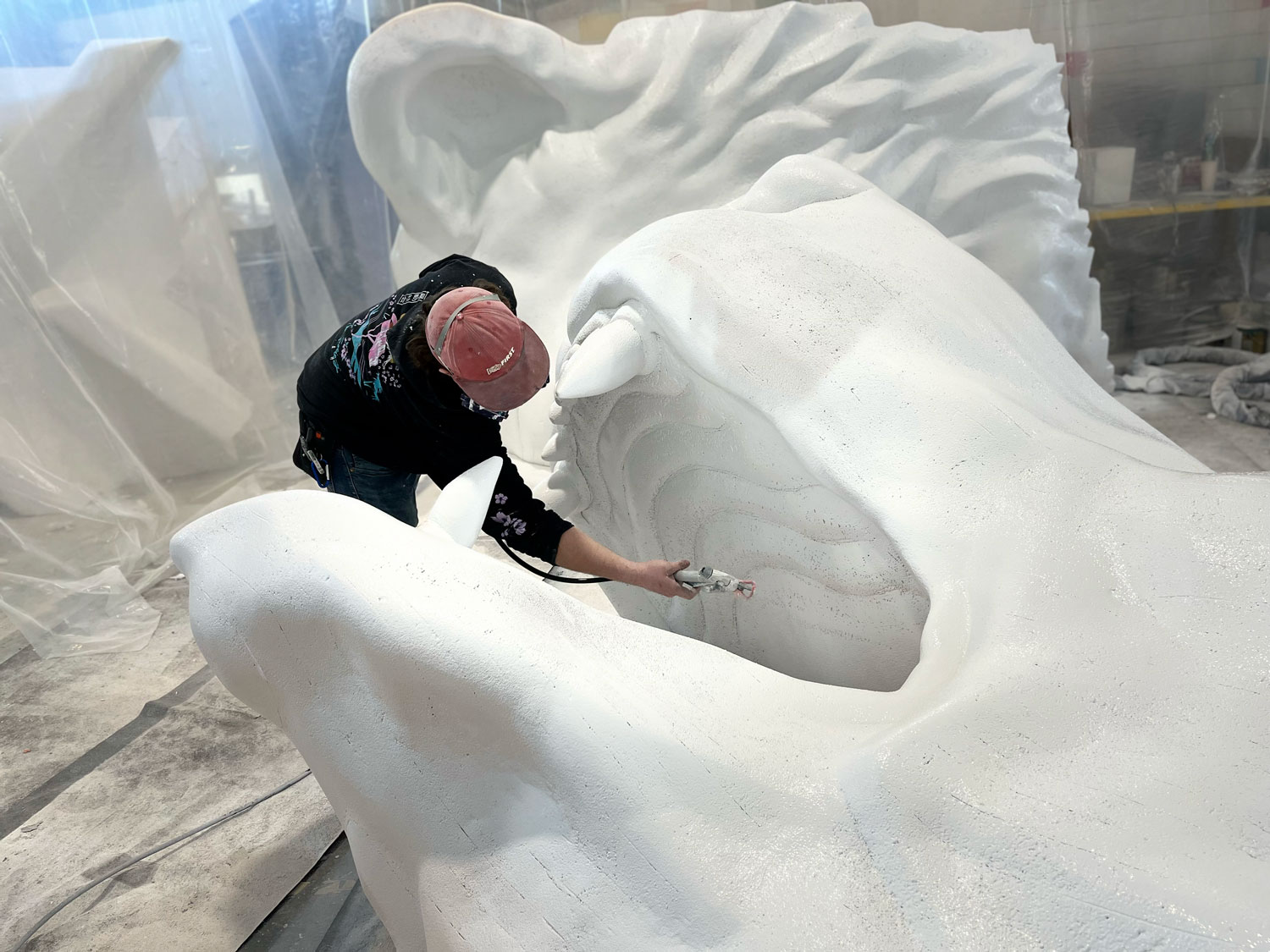
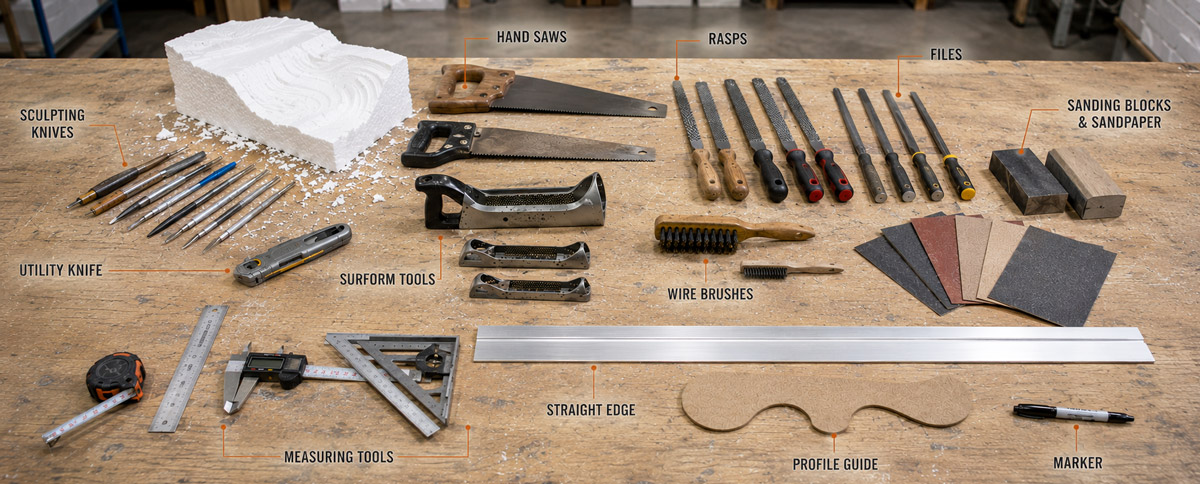
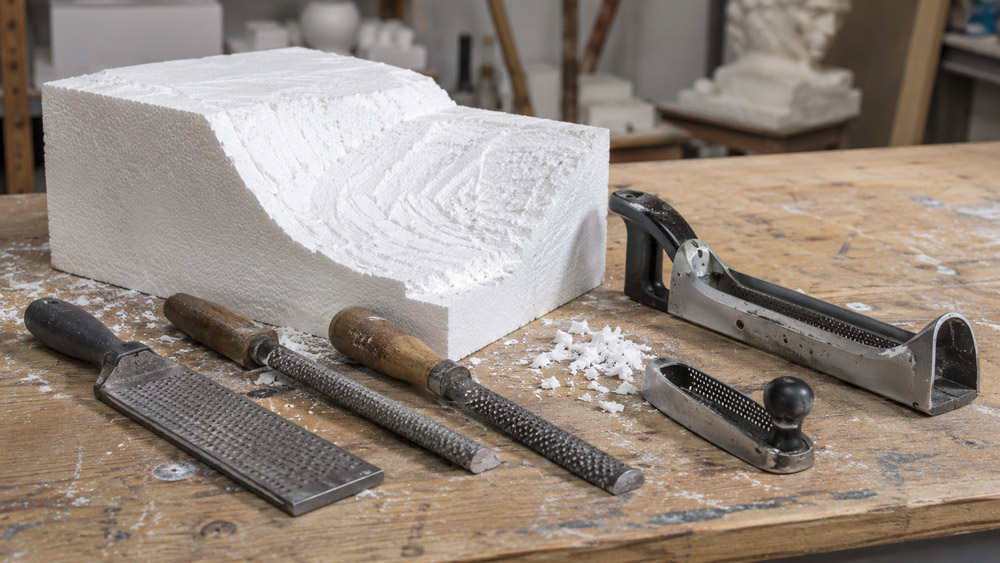
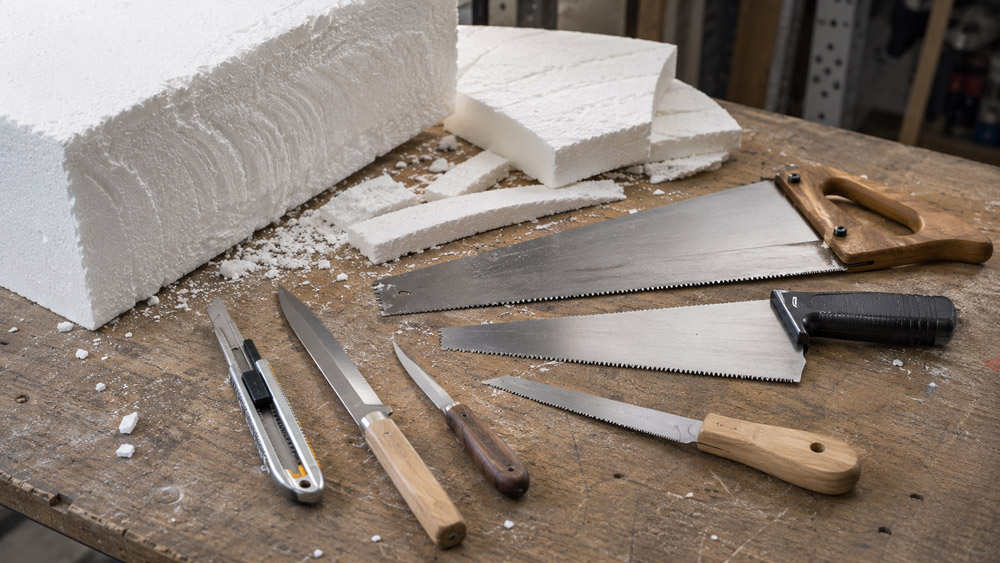
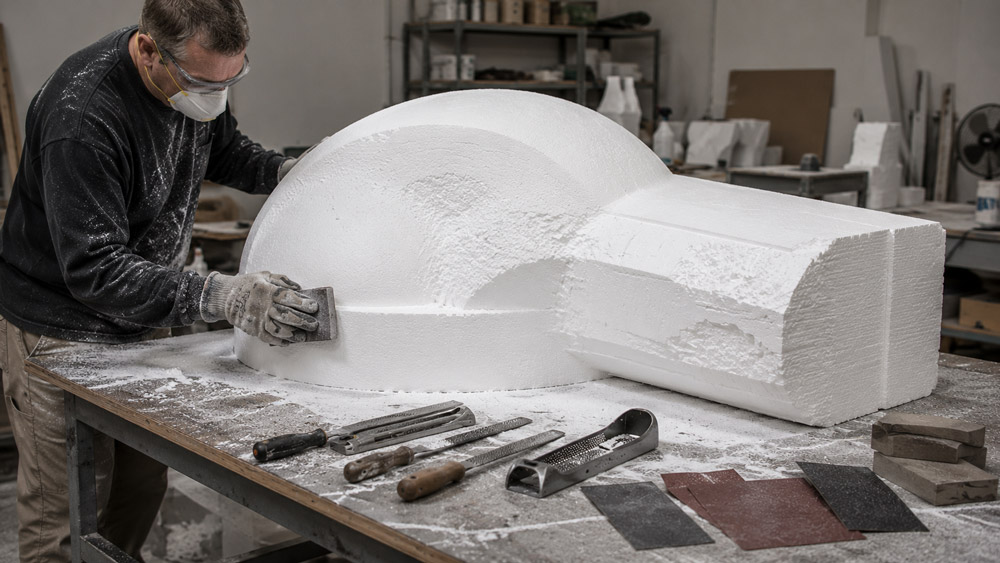
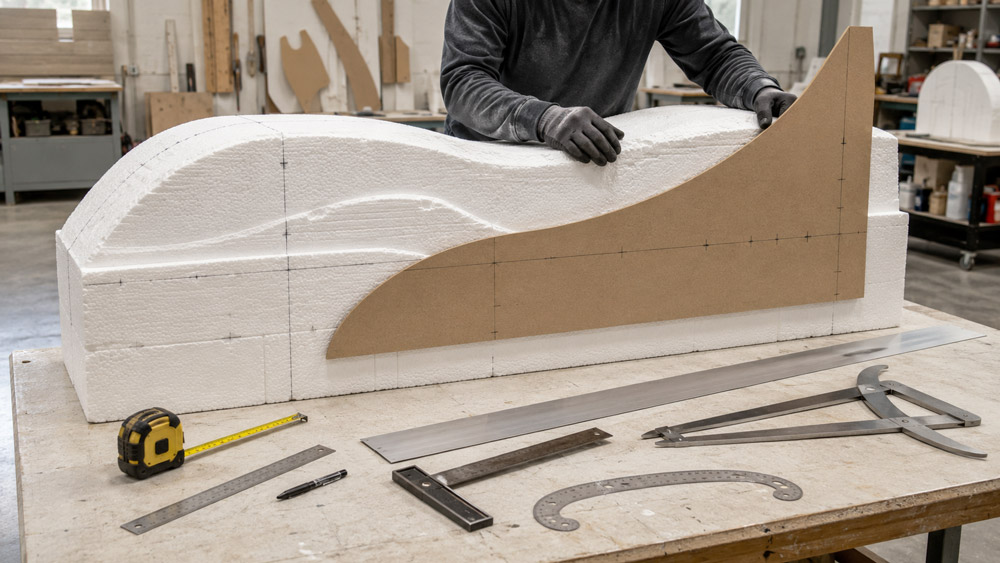
No. A project may use CNC hotwire cutting, three-axis routing, five-axis milling, robotic milling, manual cutting, power carving, hand sculpting or several methods together. The approach depends on the shape, scale, detail, repetition and finish.
Can carved foam include a metal or wood structure?
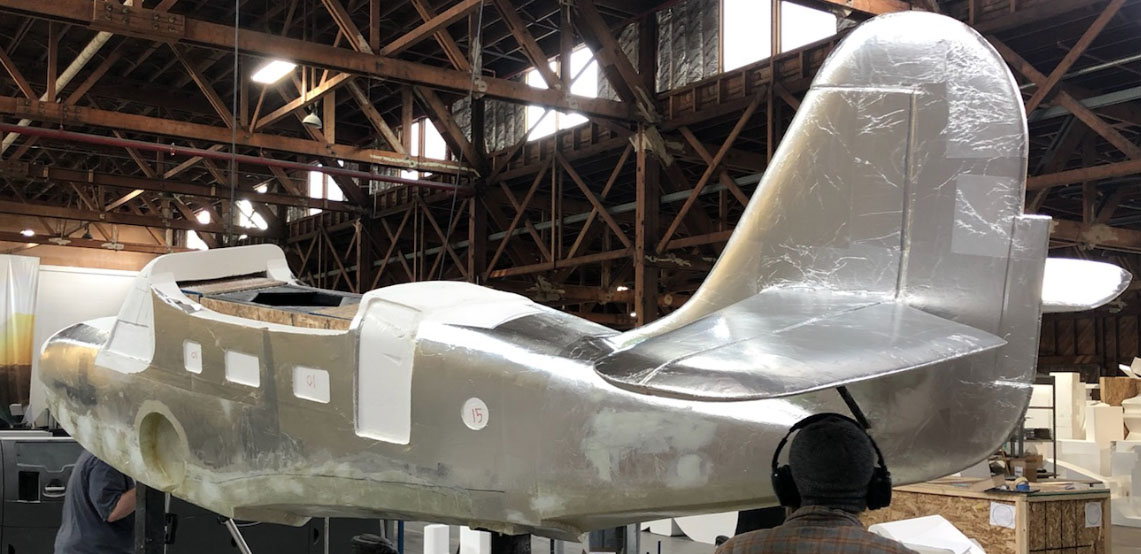
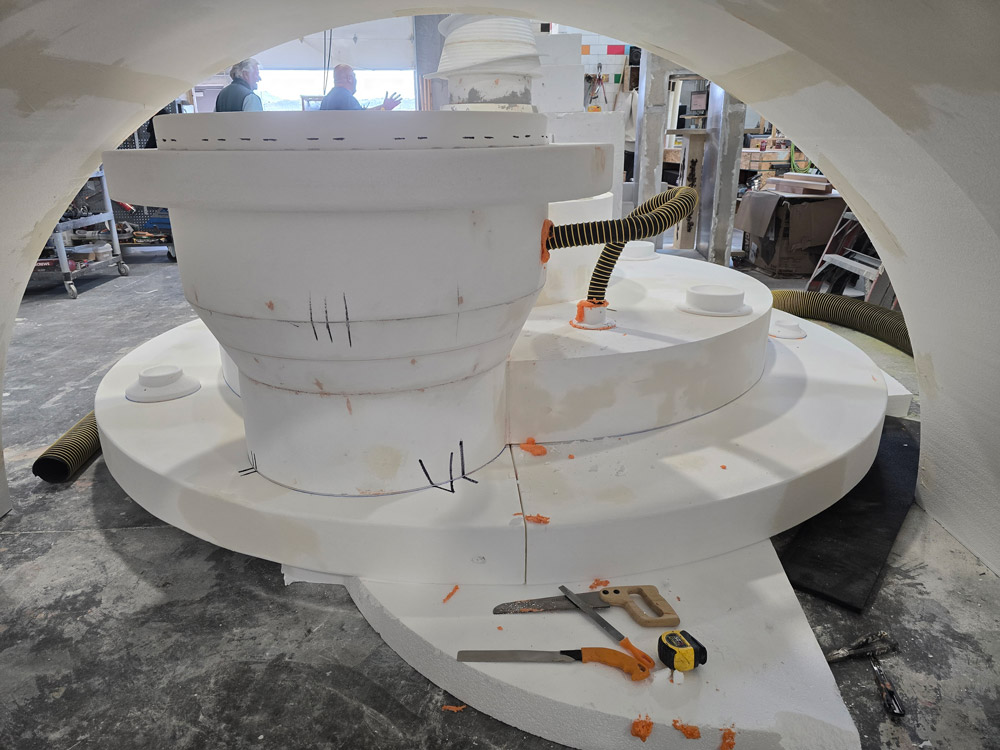
Yes. Large, suspended, interactive, moveable and outdoor projects may include steel, aluminum, wood, base plates, mounting hardware, hanging points, connectors and other structural components beneath the foam surface.
What is a hard coat for foam?
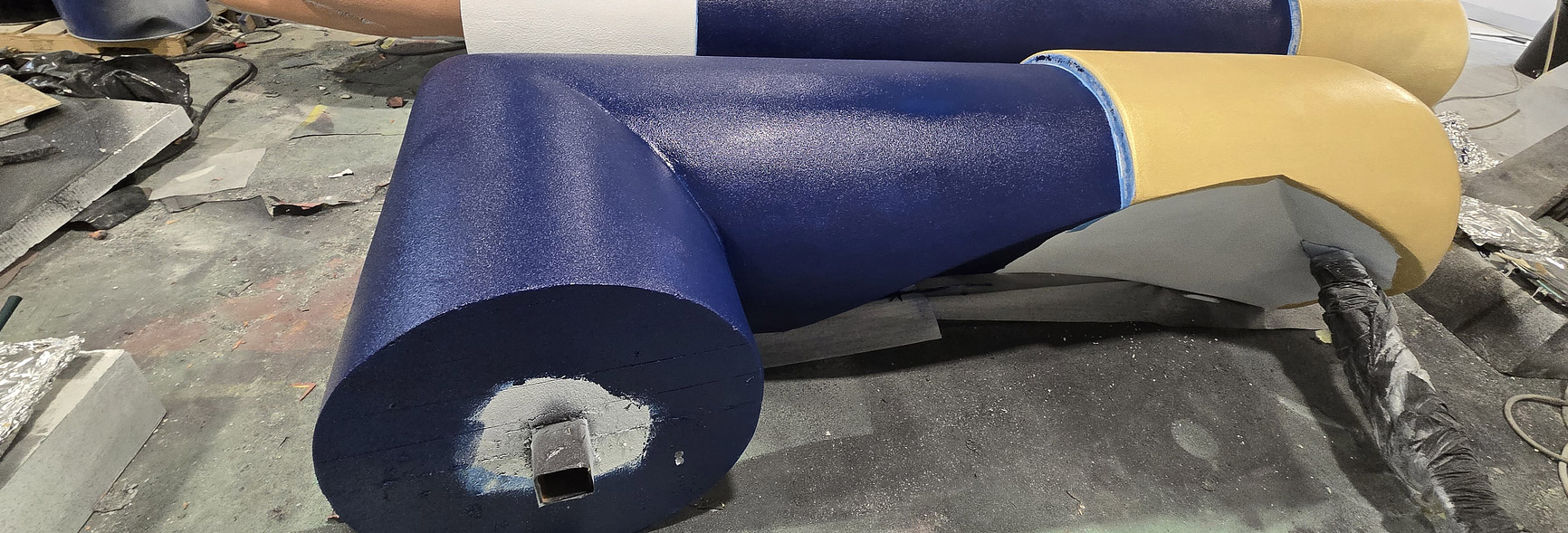
A hard coat is a protective surface applied over prepared foam. Options may include epoxy systems, flexible coatings, Polyurea ULXT66, fiberglass and cementitious coatings. The selected system affects surface texture, impact resistance, weight, weather performance and finish.
What is Polyurea ULXT66 used for?
Polyurea ULXT66 is a sprayed hard coat that creates a durable continuous shell over properly prepared foam. It is commonly considered for public-facing props, characters and displays that need added resistance to handling and abrasion. Its sprayed surface may have a subtle texture.
Can carved foam be used outdoors?
Yes, but outdoor performance depends on the entire construction system. Foam type, internal structure, hard coat, paint, hardware, anchoring, drainage, UV exposure, temperature changes and maintenance should all be addressed during design.
Can people touch or interact with a foam display?
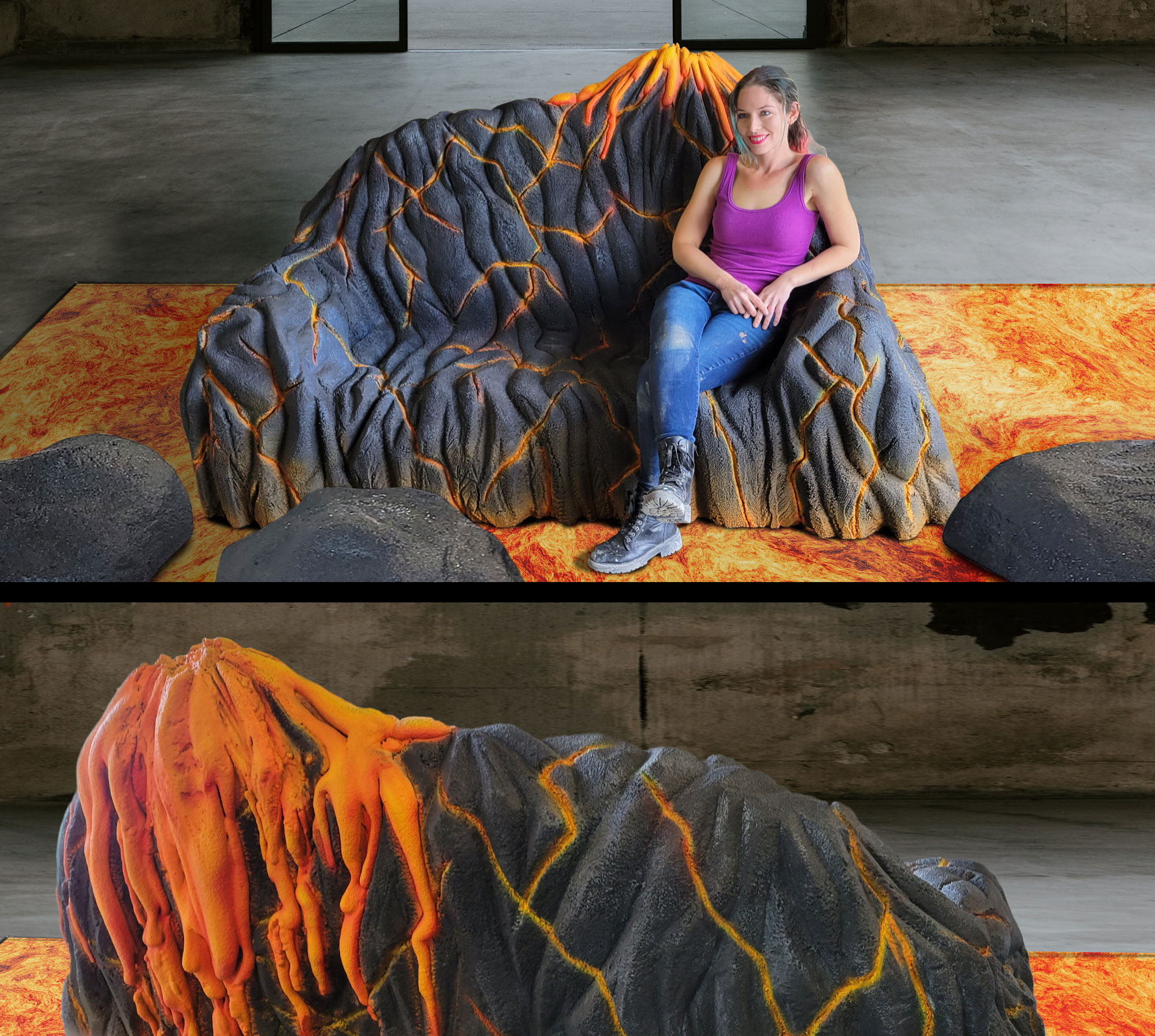
Some foam projects can be designed for touching, handling, sitting or other interaction. These requirements must be identified early because interactive areas may need stronger frames, reinforced coatings, smoother edges, stable bases and additional safety planning.
Can foam be painted to resemble other materials?
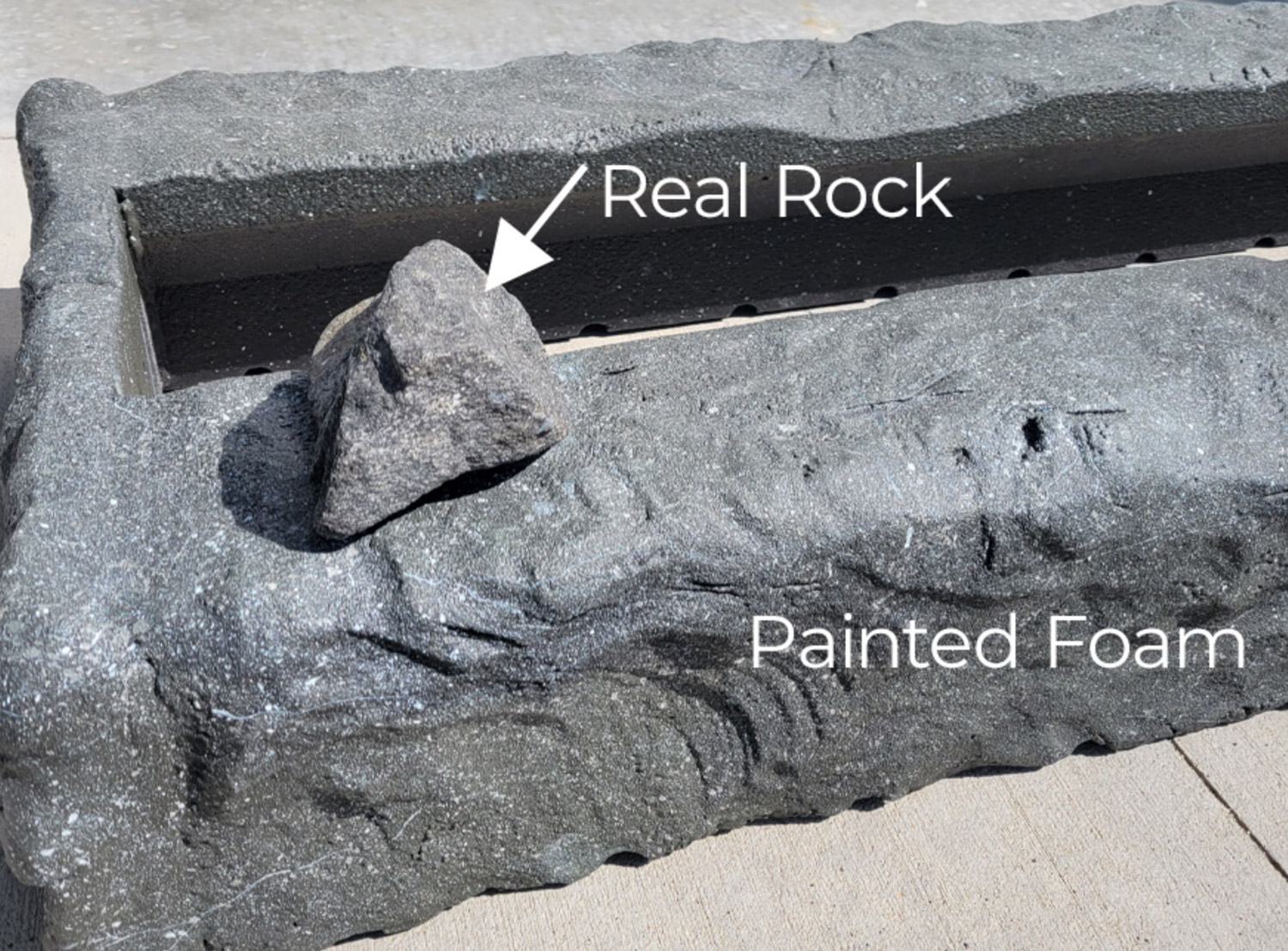
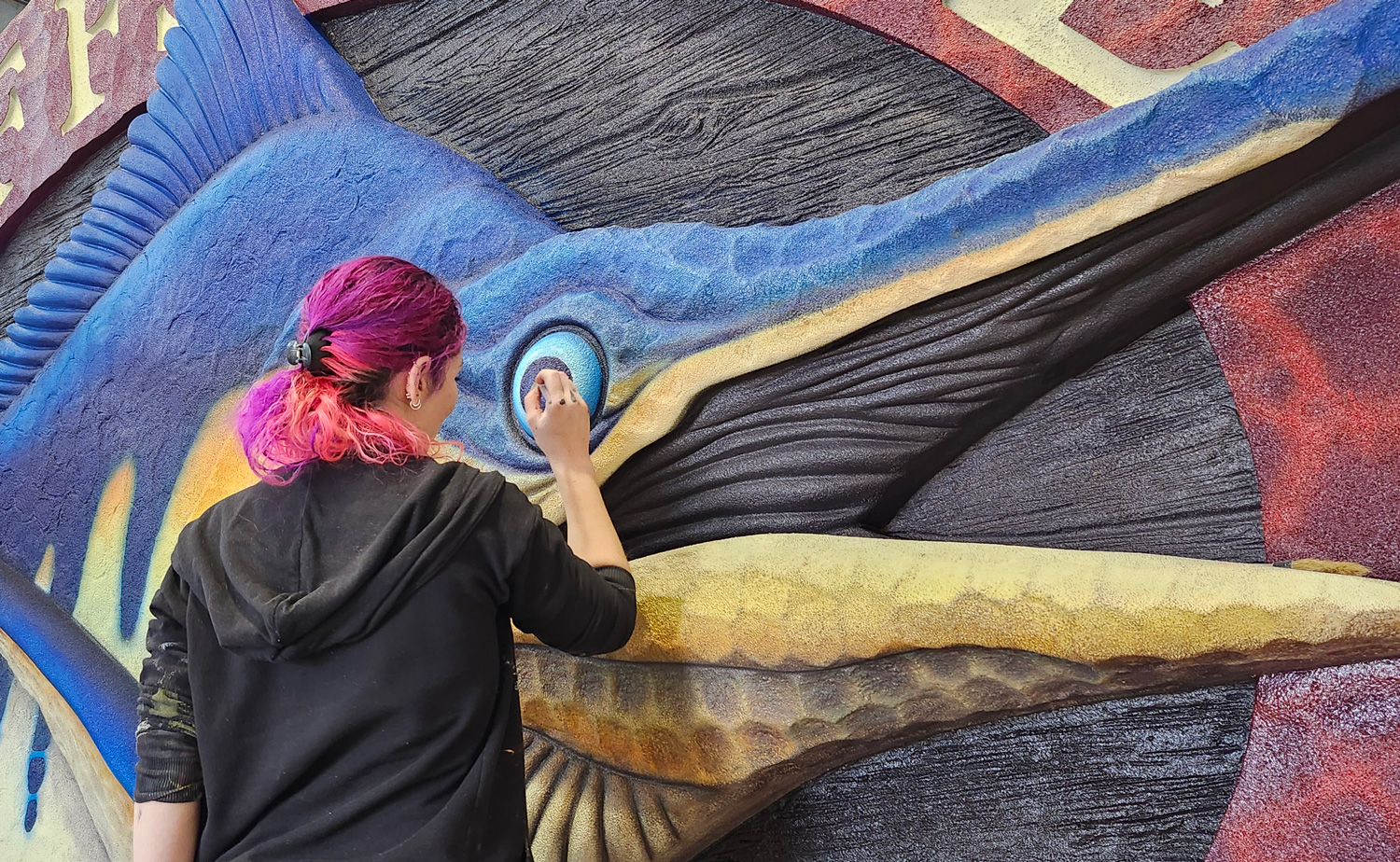
Yes. With the appropriate surface preparation and finishing, foam can suggest metal, stone, concrete, masonry, wood, bark, food, skin, scales and many other materials. It can also receive smooth branded colors, graphics, vinyl and mixed-media details.
Can large foam sculptures ship in sections?
Yes. Large projects are often divided into modular sections to fit freight dimensions, doorways, elevators and installation access. Connections, alignment features and seams can be planned into the digital model and fabrication process.
What information should I provide for a quote?
Provide the approximate size, intended use, indoor or outdoor location, interaction requirements, delivery location, deadline and any available reference images, sketches, CAD files, product samples or brand guidelines.