Turning Ideas Into Reality: The Art and Impact of Custom Props
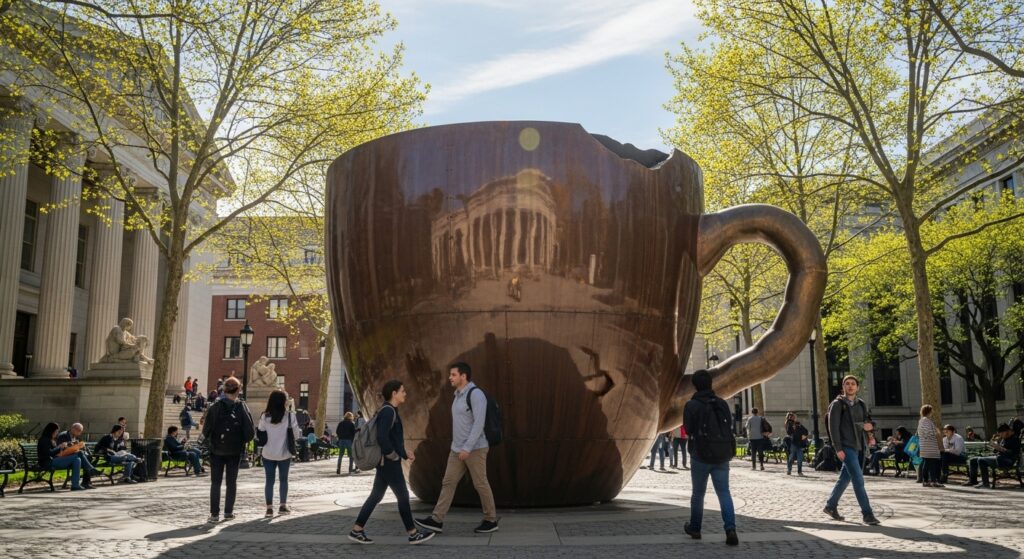
In a world driven by visuals, storytelling, and unforgettable experiences, custom props have quietly become some of the most powerful creative tools across industries. Whether it’s a massive statue at a live event, a hyper-detailed object in a film scene, or a branded installation on a university campus, custom props bridge the gap between imagination and reality. But what exactly is a custom prop? At its core, a custom prop is a purpose-built object designed specifically for a particular use. Unlike off-the-shelf items, custom props are created from scratch—or heavily modified—to fit a unique vision, theme, or environment. They are tailored to tell a story, enhance an experience, or create a visual impact that standard objects simply can’t achieve. Let’s dive into the world of custom props and explore what makes them so essential, how they’re created, and why they continue to shape everything from entertainment to branding.
Defining the Custom Prop
A custom prop is any physical object that is designed and fabricated specifically for a project, event, production, or environment. It can be functional or purely decorative, small enough to hold in your hand or large enough to dominate a landscape. The key word is “custom.” That means every detail—from size and shape to color and material—is intentional. Custom props are not generic. They are built with a purpose, often to align with a specific narrative or visual identity. In film and theater, props help bring scenes to life. In marketing and events, they create immersive environments. On campuses, they can become landmarks. No matter the context, a custom prop exists to serve a vision.
The Difference Between Custom Props and Standard Props
At first glance, a prop is just an object used in a scene or setting. But the difference between standard and custom props is significant.
Standard props are pre-made items that can be purchased or rented. They are convenient and cost-effective, but they come with limitations. They may not perfectly match the desired look, scale, or theme.
Custom props, on the other hand, are designed with complete creative freedom. They can be exaggerated, stylized, oversized, or engineered to perform specific functions. If a director, designer, or brand imagines something that doesn’t exist, a custom prop makes it possible.
This flexibility is what sets custom props apart. They don’t adapt to the project—the project shapes them.
Where Custom Props Are Used
Custom props appear in more places than most people realize. They are part of everyday experiences, often without us even noticing.
In film and television, custom props help build believable worlds. From futuristic gadgets to historical artifacts, they create authenticity and visual depth. In theater, they support storytelling by enhancing stage presence and guiding audience attention.
In live events, custom props take center stage. Concerts, festivals, trade shows, and university events all rely on large-scale props to create memorable environments. A giant sculpture, an interactive installation, or a themed backdrop can transform an ordinary space into something extraordinary.
Retail and marketing also rely heavily on custom props. Window displays, pop-up shops, and branded experiences use props to capture attention and communicate identity. These props are often designed to be photographed and shared, extending their reach beyond the physical space.
Even educational institutions use custom props to enhance campus life. From mascot statues to themed installations, these props create a sense of identity and pride.
The Role of Custom Props in Storytelling
At their best, custom props are storytellers.
They communicate ideas without words. A single object can set the tone of a scene, reveal character traits, or evoke emotion. In many cases, props become symbols—instantly recognizable elements that carry meaning.
Think of a massive, weathered sculpture representing a university’s history, or a sleek, futuristic installation symbolizing innovation. These props don’t just exist in a space—they define it.
Custom props also help audiences suspend disbelief. When something looks real, detailed, and thoughtfully designed, it becomes easier to accept the world being presented. This is especially important in immersive experiences, where every detail contributes to the illusion.
Scale and Creativity: Why Custom Props Go Big
One of the most exciting aspects of custom props is their potential for scale. Because they are built from scratch, they can be as large—or as unconventional—as needed.
Oversized props are particularly popular in events and marketing. A giant object immediately captures attention and creates a sense of wonder. It invites interaction and encourages people to engage with the space.
But size isn’t just about spectacle. It’s about impact. A well-designed large prop can anchor an entire environment, guiding movement and shaping the overall experience.
At the same time, smaller custom props can be just as powerful. Intricate details, unique textures, and thoughtful design can make even a small object stand out.
Custom props are about creativity, not just size.
Materials Used in Custom Props
The materials used to create custom props depend on their purpose, size, and environment. Lightweight materials like foam are commonly used for sculptural elements, allowing for intricate shapes without excessive weight.
Fiberglass is often used for durability, especially in outdoor props. It provides strength while maintaining a relatively light structure. Wood and metal are also common, particularly for structural components.
For large-scale or temporary installations, fabric and inflatable materials are popular choices. They allow for impressive size without the logistical challenges of heavy construction.
Paint and finishing techniques play a crucial role as well. Textures, colors, and surface details bring props to life, making them look realistic or stylized depending on the design.
The Custom Prop Creation Process
Creating a custom prop is a multi-step process that blends art and engineering.
It begins with an idea. Designers work closely with clients or creative teams to understand the vision, purpose, and constraints of the project. Sketches and digital models are often created to explore different concepts.
Once the design is finalized, the fabrication phase begins. This can involve sculpting, molding, cutting, welding, and assembling various components. Each step requires precision to ensure the final prop matches the original vision.
After construction, the prop is finished with paint and detailing. This stage is where the object truly comes to life, gaining texture, depth, and realism.
Finally, the prop is transported and installed. For large props, this can be a complex operation involving specialized equipment and careful planning.
Custom Props in Branding and Marketing
In branding, custom props are more than decorative elements—they are strategic tools. A well-designed prop can communicate a brand’s identity instantly. It can create a memorable experience that resonates with audiences and encourages engagement.
Interactive props are particularly effective. When people can touch, explore, or take photos with a prop, they become part of the experience. This creates a stronger emotional connection and increases the likelihood of sharing that experience with others. In a competitive market, custom props help brands stand out. They turn ordinary spaces into immersive environments that leave lasting impressions.
Safety and Practical Considerations
As custom props increase in size and complexity, safety becomes a critical factor.
Props must be designed to withstand environmental conditions, including wind, temperature changes, and physical interaction. Structural integrity is essential, especially for large installations.
Fire safety, weight distribution, and secure anchoring are all important considerations. Designers and fabricators must ensure that props are not only visually impressive but also safe for public interaction.
Accessibility is another key factor. Props should be designed in a way that allows people to engage with them comfortably and safely.
The Rise of Social Media-Friendly Props
In today’s digital landscape, custom props are often designed with social media in mind.
Photogenic props encourage people to take pictures and share them online. This extends the reach of the prop far beyond its physical location.
Bright colors, bold shapes, and unique designs make props stand out in photos. Large-scale installations, in particular, create dramatic backdrops that are perfect for social sharing.
This trend has led to a surge in creative, eye-catching props designed specifically to generate online engagement.
Custom Props vs. Set Design
While custom props and set design are closely related, they serve different roles.
Set design focuses on the overall environment, including backgrounds, structures, and spatial layout. Props, on the other hand, are individual elements within that environment.
Custom props often complement set design, adding detail and depth. They can also function independently, serving as focal points or standalone installations.
Understanding this distinction helps clarify the unique role that custom props play in visual storytelling.
Why Custom Props Matter
Custom props matter because they make ideas tangible. They allow creators to bring visions to life in a way that is physical, immersive, and memorable. They transform spaces, enhance experiences, and create connections between people and environments.
In many cases, a custom prop becomes the most recognizable element of an event, production, or space. It becomes a symbol, a landmark, or a memory. This ability to create lasting impact is what makes custom props so valuable.
The Future of Custom Props
As technology continues to evolve, the possibilities for custom props are expanding.
Advanced materials, digital fabrication techniques, and interactive technologies are opening new doors for creativity. Props can now incorporate lighting, motion, and even responsive elements that react to user interaction.
Sustainability is also becoming a focus. Designers are exploring eco-friendly materials and reusable structures to reduce environmental impact.
The future of custom props is not just bigger—it’s smarter, more interactive, and more meaningful.
Final Thoughts
So, what is a custom prop? It’s more than an object. It’s a creative solution, a storytelling device, and a powerful tool for engagement. It’s something designed with intention, built with skill, and experienced in a way that goes beyond the ordinary. From small, detailed pieces to massive installations, custom props shape the way we see, feel, and interact with the world around us. They turn ideas into reality—and in doing so, they make the impossible possible.