
How Big Should Large Letters Be? A Practical Planning Guide
Large letters work best when their height, depth, spacing, and total footprint are planned together. The right size depends on how far away people will be, how much of the word or logo must fit in the view, whether the letters are freestanding or mounted, and how the pieces will reach the site. Set the viewing goal first, then design the letter system around it.
Start with the viewing distance
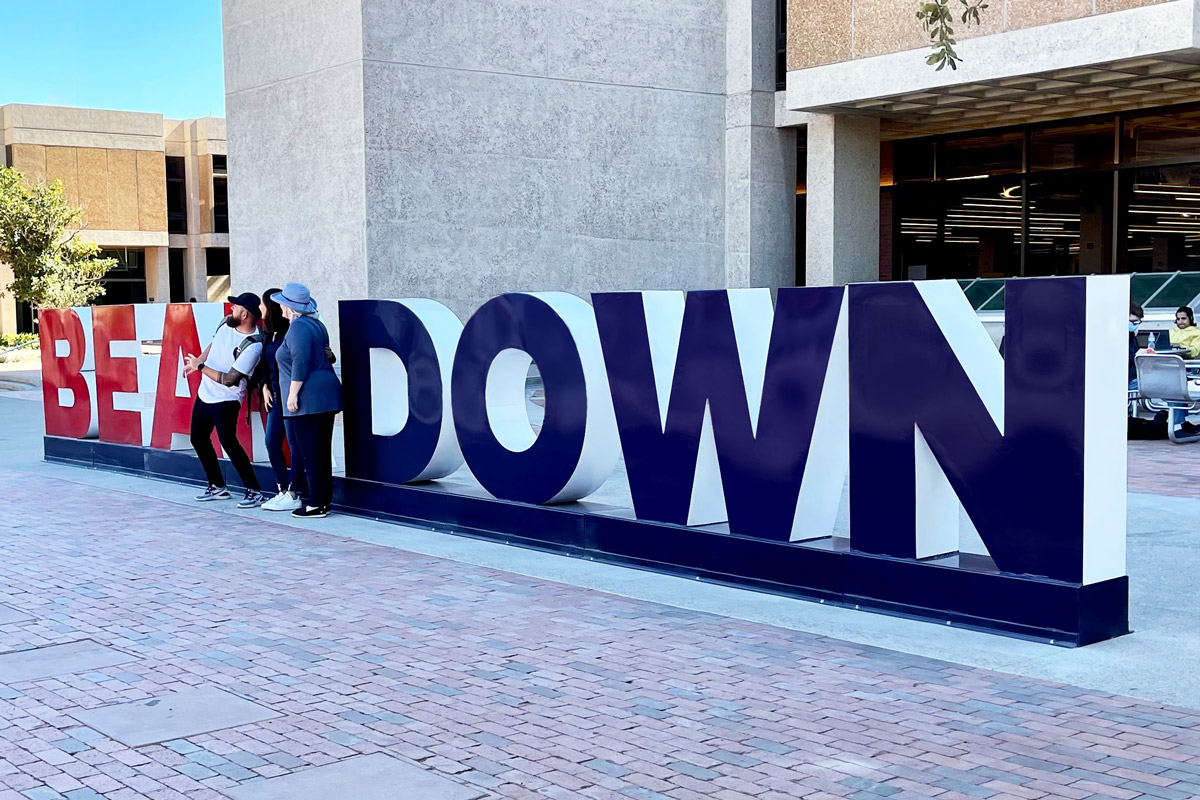
Mark the places where people will first read the letters, photograph them, gather around them, or pass them at speed. A close indoor display can rely on smaller details, while a word intended to read across a plaza, stage, lobby, or campus approach needs a stronger overall silhouette. Measure the important sightlines instead of choosing a height from the word alone.
Size the whole word or logo
Letter height is only one dimension. Record the total width, overall height, spacing, depth, and footprint of the complete word, logo, or phrase. A long word may need a different height or arrangement than a short mark, and a logo with a wide symbol can control the footprint more than the letterforms do.
Use height and depth together
Dimensional letters need enough depth and side treatment to read as objects from the expected angles. The appropriate depth depends on the display setting, the viewing sides, the desired shadow line, and how the letters will be supported. Treat face, edge, and back details as part of the same design review.
Choose freestanding, mounted, or supported letters
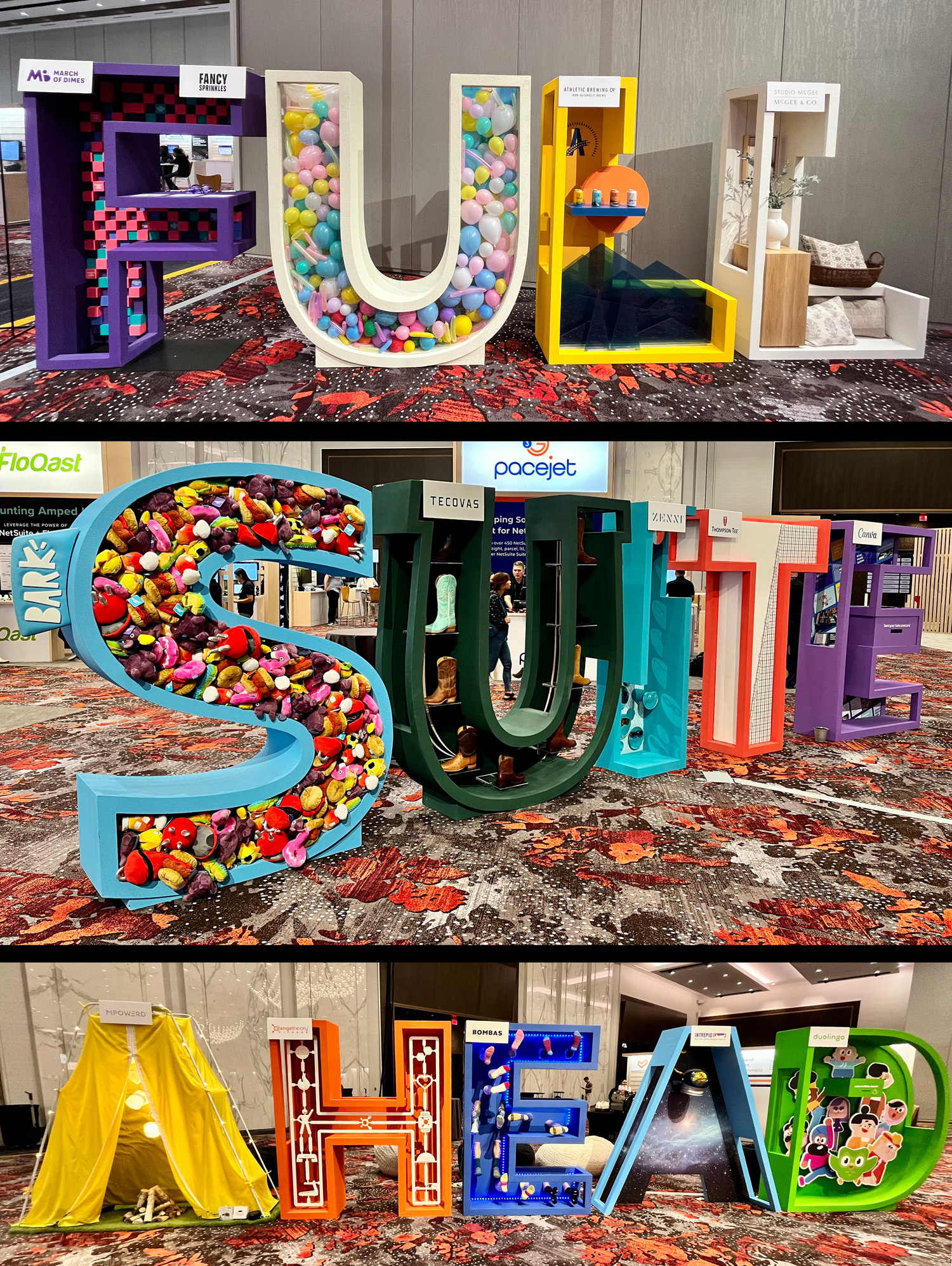
Decide whether the letters will sit on a floor, attach to a wall, mount to a sign structure, hang, or use another supported arrangement. That choice changes the base or attachment zone, the visible footprint, the access plan, and the relationship between letter height and the surrounding architecture. WhiteClouds can review the intended display context with the reference files and site information.
Plan the display around the audience
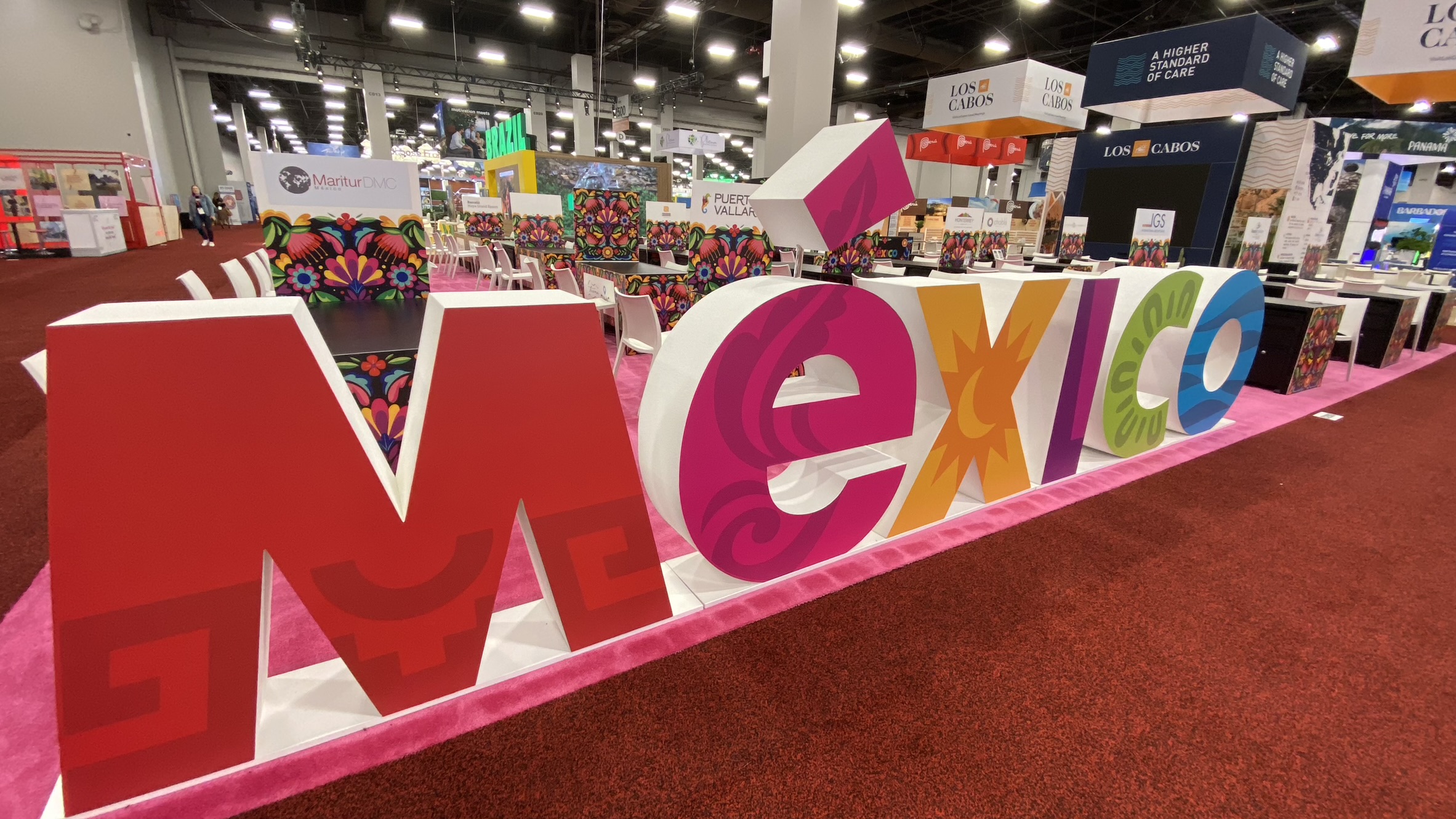
Note whether visitors will walk behind the letters, photograph them from several directions, stand inside the word, or see them only from one approach. Leave the needed circulation and camera space in the plan. For a logo or branded phrase, confirm which faces, sides, colors, and graphic details must remain accurate from the primary audience positions.
Account for access, transport, and reuse
Measure loading areas, doors, elevators, stairs, gates, turning space, storage, and the route to the final position. If the letters will be used at more than one event or location, include the intended handling and storage plan early. The largest individual letter may be easy to move while the combined footprint is difficult to stage, or the reverse may be true.
What to include in a quote request
- Word, phrase, logo, artwork, and the faces or sides that need finished detail
- Target letter height, total word width, depth, spacing, base or attachment method, and footprint
- Primary viewing distance, approach, photo positions, circulation, and nearby architecture
- Indoor, covered, or exposed placement and the conditions the site team wants reviewed
- Loading route, storage, setup window, reuse plans, and schedule
- Color, finish, lighting, graphics, dimensional faces, or other approved brand details
- The people responsible for design review, site coordination, and final approval
Common planning questions
Is there one standard size for large letters?
No. A useful size is determined by the viewing distance, the total word or logo footprint, the setting, the mounting approach, and the way people will use the display. Start with the audience and site rather than a generic height range.
How much space should go around the letters?
Leave room for the complete footprint, the support or attachment system, the intended approach, camera positions, and any circulation people need around the display. The clear space should be considered with the letter depth and the most projecting parts of the design.
What should be measured before ordering?
Measure the target display area, total word or logo envelope, delivery route, doors, turns, ceiling or sky clearance, storage, viewing distance, and the places where people will photograph or approach the letters.
Plan a large letter display with WhiteClouds
Share the word or logo, target dimensions, display setting, access route, reference artwork, and schedule through the large letters service. The large letters gallery provides additional examples of dimensional letter scale and display context, while the 3D letters guide covers deeper technical and fabrication questions.
Related large-letter resources
Plan dimensional letter displays around scale, viewing distance, support, access, and the setting where people will see them.
Custom Large Letter Quote
Share the size, placement, finish, timing, and reference files available for your project.