
3D Letters: The Ultimate Guide
Buyer planning for custom dimensional letters, oversized words, numbers, and branded displays
The useful question is not how many kinds of 3D letters exist. It is which construction, finish, lighting, and support plan will work for the intended setting, scale, handling, and installation.
Technical Overview
What Are 3D Letters?
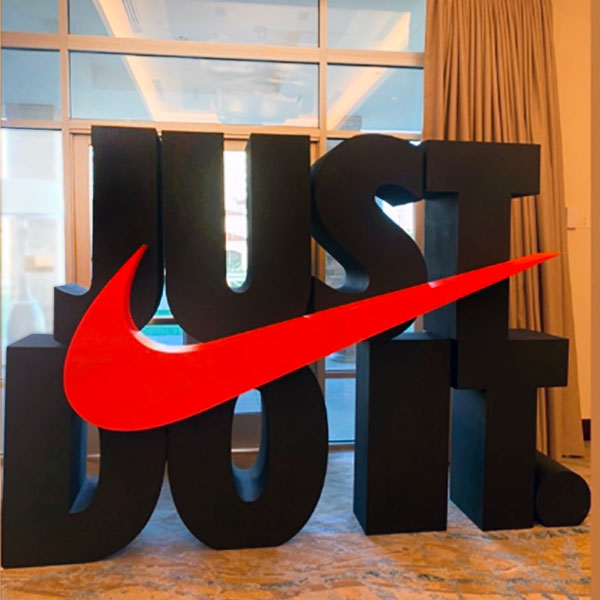
3D letters are physical letterforms, numbers, symbols, or words with visible depth. That depth may come from a solid cut material, layered faces, carved foam, a fabricated shell, a framed structure, or a combination of materials. The result can be a small wall-mounted name, an illuminated sign, a freestanding word, or a large branded display.
The category is broad because the appearance alone does not define the build. Two displays with the same wording may need very different construction if one will hang in a lobby and the other will stand outdoors where people gather for photographs. The location, duration, viewing conditions, handling, and installation method should be established before a material is selected.
Dimensional lettering also overlaps with 3D logo displays. A wordmark may be fabricated as letters, while an icon or symbol may require sculpting, layered construction, or mixed materials. Treat the complete artwork as one display system so the letters and logo share the same scale, depth, finish, and support strategy.
Common Types of 3D Letters
Freestanding Letters and Large Displays
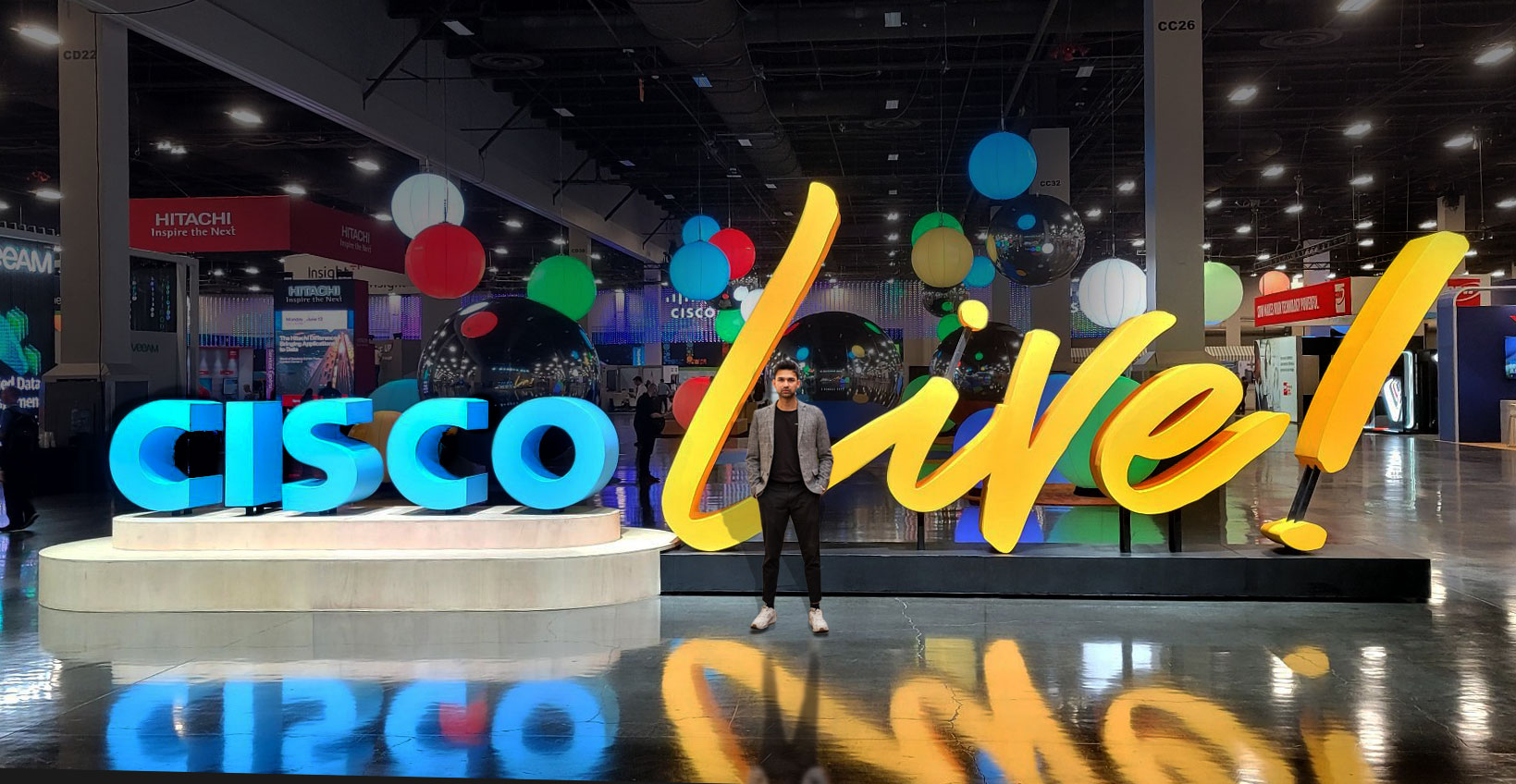
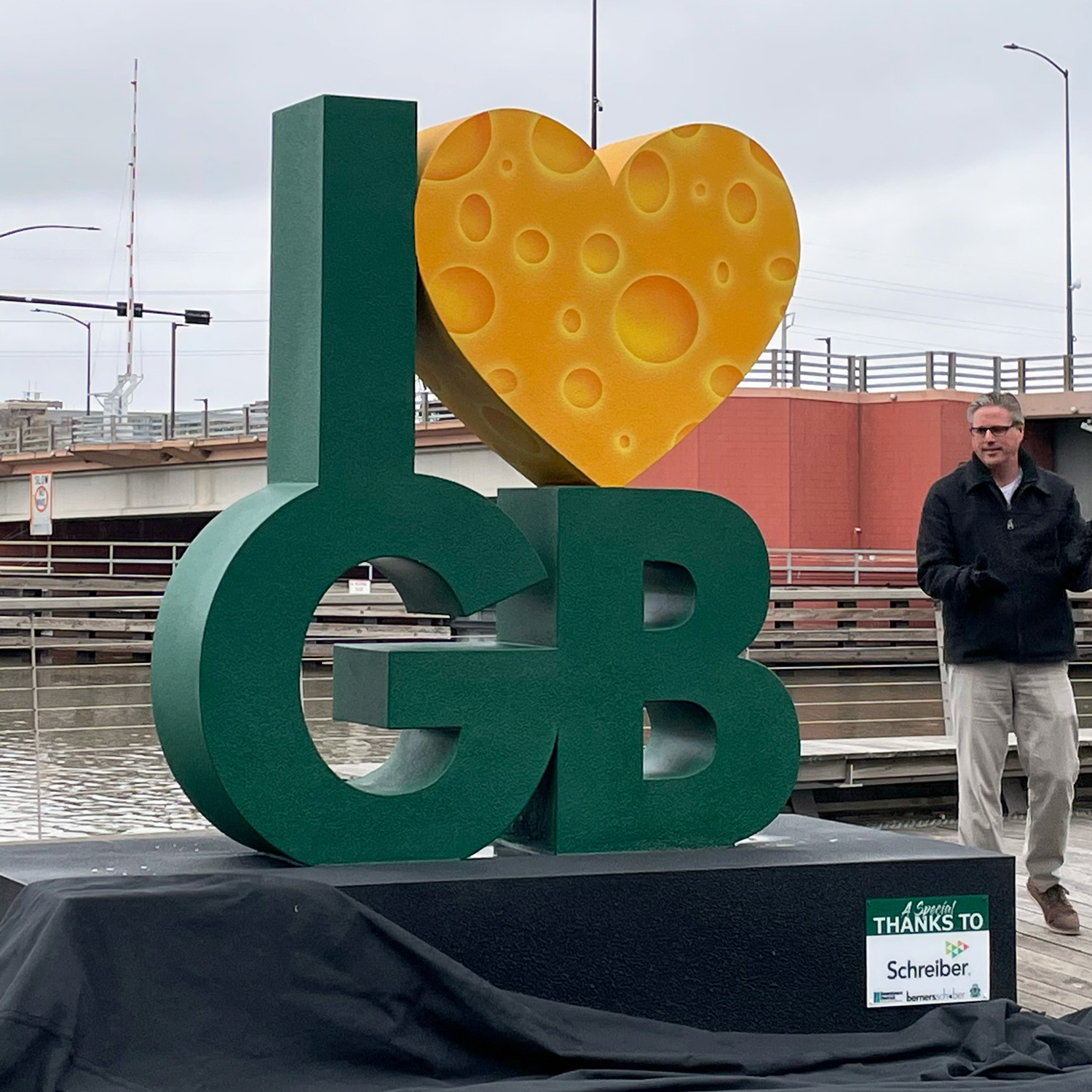
Freestanding letters are built to read without a wall behind them. They may stand individually, connect to a shared base, form a stacked phrase, or become part of a larger scenic structure. Event words, campus initials, city landmarks, oversized numbers, and branded slogans all fit this category, but their structures differ according to weight, exposure, interaction, and expected service life.
Large displays require planning beyond letter height. Total span, depth, center of gravity, base dimensions, sightlines, access routes, and the space available for assembly can affect the design. A display that photographs well from across a plaza may be too large to move through the venue as one piece, so transport and setup need to be considered while the letterforms are being developed.
Wall-Mounted and Dimensional Sign Letters
Wall-mounted letters can be flat-cut with visible material thickness, built up into hollow dimensional forms, layered over a contrasting face, or mounted on spacers. Some installations use individual letters; others place the entire message on a panel or raceway. The wall material, desired projection, lighting, access behind the sign, and installer requirements all influence the mounting plan.
Channel letters are a distinct mounted-sign construction. They use a face, side returns, and a back or mounting surface to form a channel that may hold lighting. They should not be treated as interchangeable with every large scenic or freestanding letter display, even though both create dimensional lettering.
Specialty Display Letters
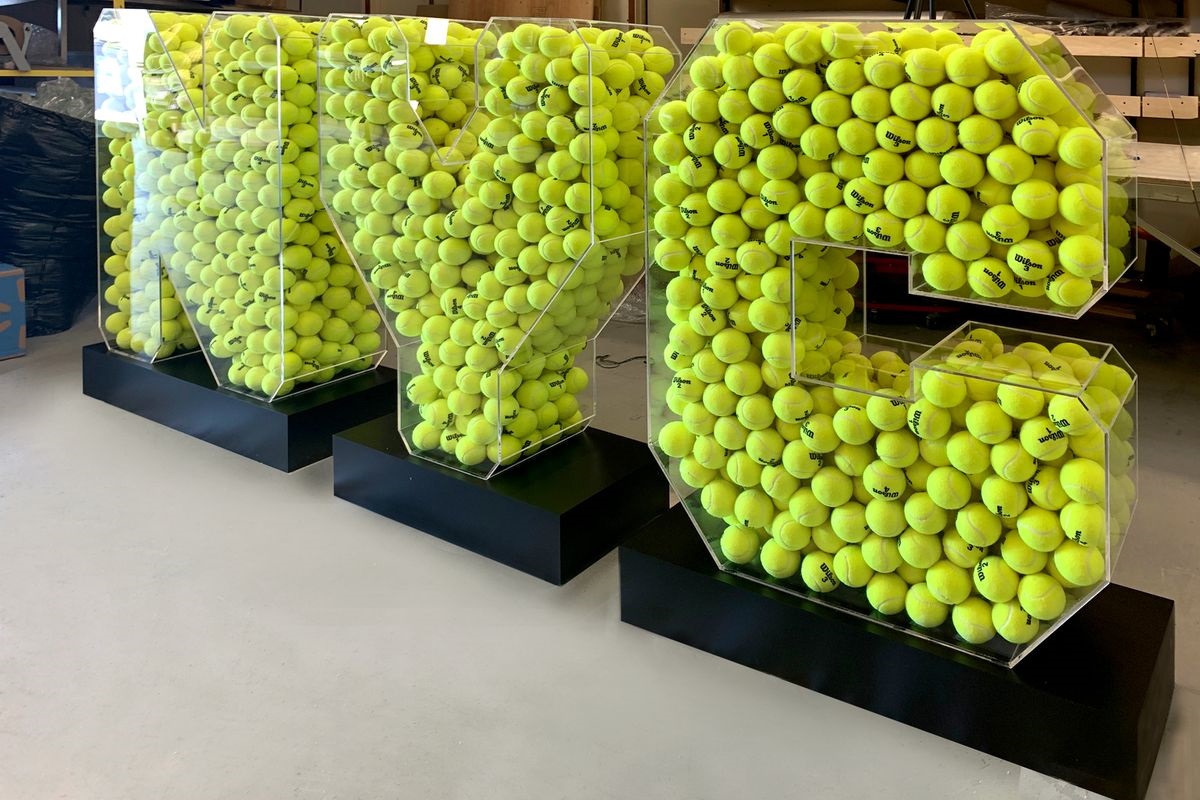
Some projects use letters as containers, frames, or interactive display elements. Fillable acrylic letters, suspended or floating words, letters with casters, and mixed letter-and-logo assemblies require more than a surface finish. The contents, access points, clear panels, hidden supports, movement, and base must be coordinated as parts of the same build.
Choosing a Material
Material selection is a practical decision, not a ranking. Weight, rigidity, surface quality, weather exposure, handling, finish, lighting, budget, and fabrication schedule all matter. A material that works well for a temporary indoor event may be a poor fit for a permanent exterior landmark, and a durable exterior material may add weight and cost that a short-term display does not need.
Foam
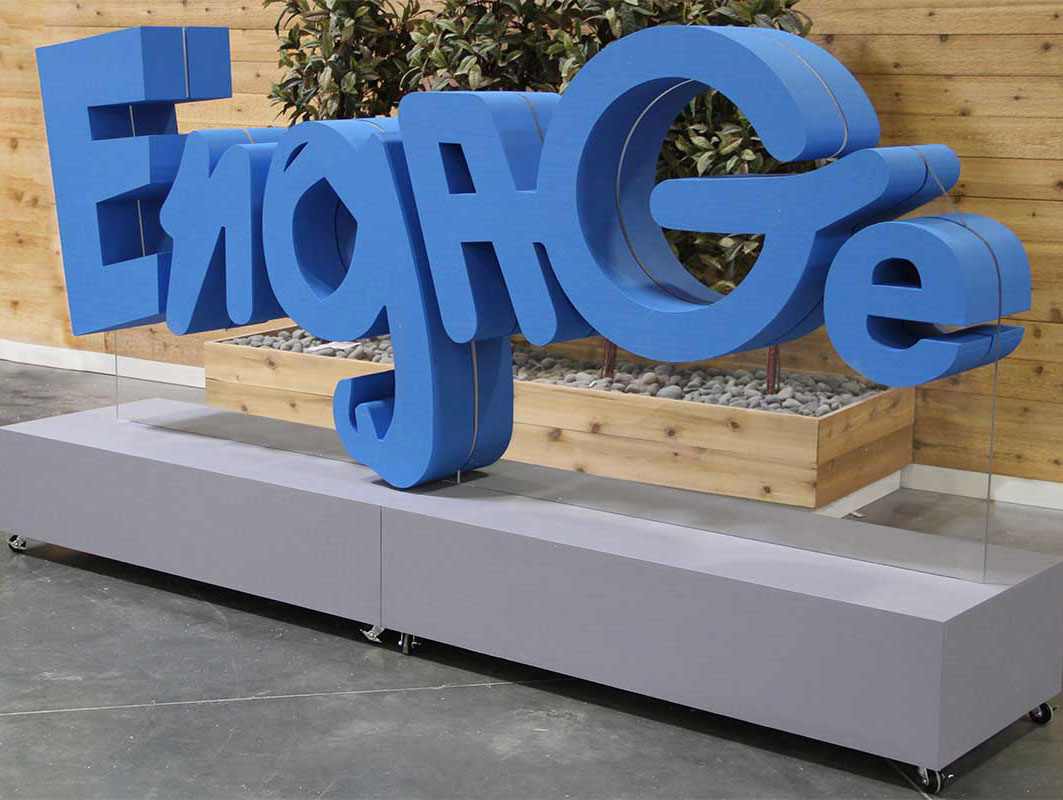
WhiteClouds uses foam letters for large temporary displays, event words, stages, trade shows, and photo settings where size and lower weight are useful. Expanded polystyrene foam can be cut into large rigid forms. Higher-density foam can support sharper details, a smoother finish, or more handling, depending on the project.
Foam can be painted, faced with graphics, combined with acrylic or a separate base, and fitted with lighting or supports. A hard coating may be added when the handling plan or limited outdoor use calls for more surface protection. Coating does not make every foam display appropriate for every exterior condition; duration, wind, anchoring, water exposure, and installation still need to be reviewed.
Metal
Metal letters are commonly selected for permanent-scale displays, exterior landmarks, campuses, venues, corporate entrances, and other installations that need a rigid fabricated structure. A metal letter can be flat-cut from sheet, built up as a dimensional shell, joined to an internal frame, mounted to a wall, or supported by a freestanding base.
The metal family includes options such as aluminum, steel, and stainless steel. The appropriate metal and thickness depend on the letter size, structure, finish, exposure, and installation plan. Paint, brushed or polished surfaces, specialty metal appearances, and integrated lighting may all be possible, but the finish must be specified with the substrate and environment in mind.
Acrylic and Plastic
Acrylic and other plastics are useful when a project needs a clean cut face, a translucent lighting surface, clear panels, layered dimensional construction, or a lighter wall-mounted letter. They may be cut, formed, laminated, or combined with metal and foam. The exact plastic, thickness, edge treatment, and support method should follow the size and intended use rather than a generic material label.
Clear acrylic can also create fillable or floating effects. Those designs need room for seams, fasteners, access, contents, and a stable supporting structure. A transparent face may appear visually light while the completed letter and its contents are not, so base and transport planning still matter.
Wood and Mixed-Material Construction
Wood can provide visible grain, a painted surface, a routed form, or a structural panel into which letters are cut. Its suitability depends on the species or sheet product, finish, thickness, environment, and support. For many custom displays, the most useful solution is a hybrid: foam for volume, metal for structure, acrylic for a face, wood for a panel or base, and graphics or lighting for the final presentation.
Mixed construction should be planned as a system. Materials expand, flex, weigh, finish, and fasten differently. Connections, seams, access, and transport cannot be left until the last stage simply because the front view looks straightforward.
How 3D Letters Are Fabricated
Fabrication begins with the approved word, font, logo artwork, dimensions, and display requirements. The team then determines letter depth, material, structure, face and return construction, finish, lighting, mounting, and break points for shipping or assembly. A drawing, rendering, or production proof may be used to confirm the arrangement before fabrication.
WhiteClouds' current large-letter capabilities include CNC foam cutting and hot-wire cutting, CNC routing, metal fabrication, acrylic work, woodworking, 3D-printed components, hard coating, graphics, painting, lighting, and hand finishing. These are a menu of processes, not a fixed recipe. A foam event word may be cut and coated, while a permanent metal display may require formed shells, welded structure, a base, and a different finishing sequence.
Assembly details matter as much as the visible faces. Internal supports, clearances for lighting, removable panels, brackets, casters, anchors, modular joints, and crate dimensions all affect how the finished letters can be handled and installed. The build method should answer the use case rather than add complexity that the project does not need.
Illuminated 3D Letters
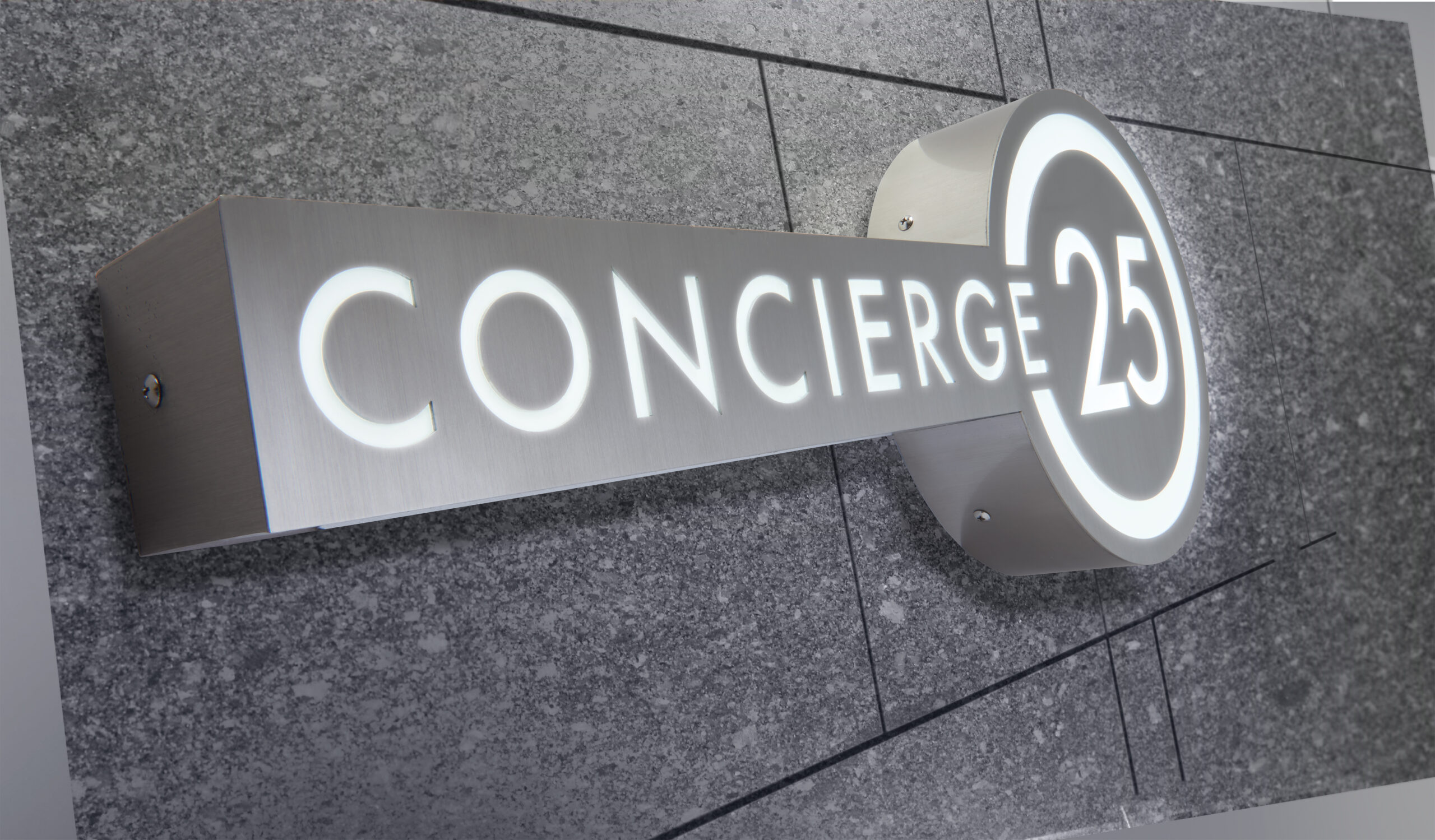
Illuminated letters can use several lighting approaches. Face-lit letters transmit light through a translucent face. Halo or backlit letters direct light behind the form toward the mounting surface. Marquee-style bulbs remain visible on the face, while groove lighting, edge lighting, uplighting, or illuminated accents can be integrated into larger display letters.
Lighting changes the letter construction. The design needs space for the light source, wiring, power access, diffusion or translucent surfaces, service access, and testing. Letter depth, face material, wall spacing, base design, and the conditions in which the lighting will be viewed all affect the result. Lighting should therefore be defined early, not added after the physical letters have been designed.
Finishes and Protective Surfaces
Finishes establish color and surface character, but they also need to match the substrate and use. WhiteClouds letter projects may use painted brand colors, printed or vinyl graphics, laminated faces, metallic appearances, gloss or matte treatments, greenery, textures, and scenic finishes. Samples or specific color references are useful when a finish needs to coordinate with an existing brand environment.
Protective coatings are project-specific. Hard-coated foam can better tolerate transport, repeated setup, or public handling than uncoated foam, while fabricated metal and exterior assemblies require finishes selected for their substrate and exposure. No coating removes the need for proper support, drainage, anchoring, storage, or maintenance planning.
Indoor and Outdoor Planning
Indoor letters are protected from direct weather, but the room still sets constraints. Ceiling height, wall construction, door and elevator dimensions, floor placement, available power, audience circulation, and setup time can influence size and assembly. Temporary venues may also require a display to arrive in modules and be installed by a designated crew within a limited window.
Outdoor letters should be identified as outdoor at the start. Wind, precipitation, drainage, sunlight, temperature changes, ground or wall conditions, public contact, power, anchoring, and the intended duration can change the recommended material and structure. A short event activation and a permanent public landmark should not share the same assumptions simply because both stand outside.
Local site requirements and installation responsibilities must be resolved for the actual location. The fabricator can plan the display and provide relevant setup information, but the owner and installation team still need to coordinate site conditions, access, anchoring, utilities, and any required local review.
Size, Scale, and Readability
There is no single viewing-distance formula that works for every dimensional letter project. Readability changes with font, stroke width, letter spacing, contrast, lighting, viewing angle, message length, surrounding visual noise, and the time an audience has to read the display. A short block-letter word can remain legible under conditions that make a long script phrase difficult to read.
Start with the available space and the primary viewing positions. Provide site photographs, wall or floor dimensions, expected camera angles, and any nearby objects that establish scale. If the letters will be photographed with people, consider the intended group size and where viewers will stand. If they will be read from a road or across a venue, test the complete word at scale rather than evaluating one letter in isolation.
Scale also affects production and delivery. Taller or deeper letters use more material and may need stronger internal support. Long words may require shared bases or modular sections. The route from the truck to the display location can set a practical maximum module size even when the final installation has ample room.
Mounting, Support, and Display
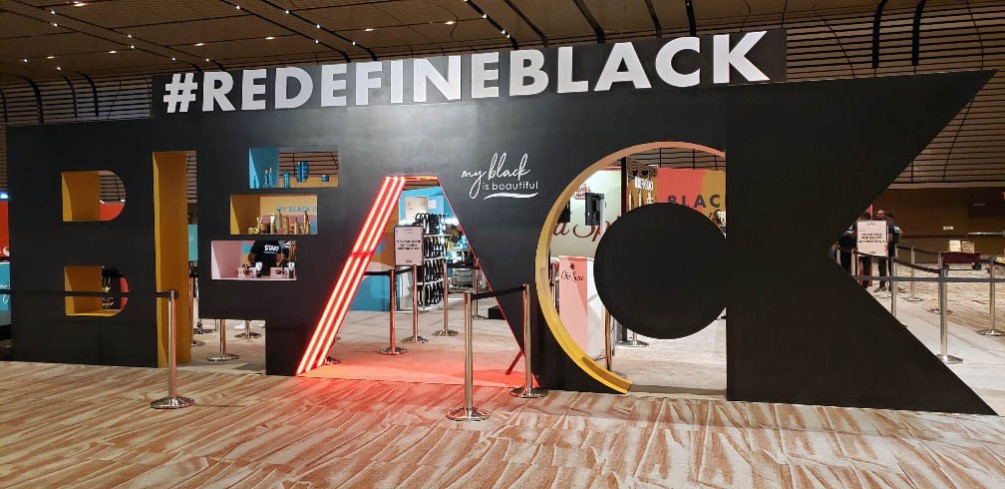
Common display approaches include freestanding letters on individual or shared bases, letters mounted directly to a wall, letters held off a wall on spacers, suspended or floating displays, and letters integrated into a stage, booth, panel, or scenic structure. Each approach changes the loads, connections, visible hardware, assembly sequence, and access required.
A freestanding letter may rely on depth, a concealed frame, a weighted or anchored base, brackets, or a shared platform. Casters can help move some indoor displays, but mobility must be designed with stability and floor conditions in mind. Wall-mounted letters need a fastening plan suited to the wall and letter weight. Suspended pieces need defined hanging points and coordination with the supporting structure.
Decide who is responsible for installation before production is complete. The fabricator, venue, exhibit partner, sign installer, local contractor, or owner team may each handle different parts of the work. Clear responsibility for unloading, assembly, power, lifting, anchoring, and final placement prevents the mounting plan from becoming an on-site guess.
Portable and Event Letters
Portable letters are not simply smaller permanent letters. Their design should account for repeated handling, setup order, labeling, storage, protective packaging, and the people and equipment available at each venue. Lower-weight foam or mixed construction can reduce handling demands, while modular joints, separate bases, casters, or removable supports may make a large display practical to move.
The event schedule is part of the brief. Share the delivery date, venue access window, installation time, show duration, expected interaction, teardown plan, next destination, and storage conditions. A display intended for one supervised indoor event can be built differently from a touring piece that will be assembled many times.
What Affects Project Cost?
Custom 3D letters are quoted from the actual scope. The wording, quantity, overall width, letter height and depth, material, internal structure, finish, graphics, lighting, base, mounting hardware, modular construction, crating, freight, installation support, and schedule can all affect cost. A long phrase may require more structure and shipping volume than a single large initial, even if their letter heights match.
The useful way to control cost is to identify the non-negotiable result and the flexible details. If the display must fit a fixed wall, survive long-term exterior use, match a brand color, or move through a specific doorway, say so. The fabricator can then compare materials and construction methods within those constraints instead of pricing an undefined range of possibilities.
Planning a Custom 3D Letter Project
Artwork and Message
Provide the exact wording, capitalization, punctuation, font or vector artwork, logo files, brand colors, and any reference images. Identify which details must match precisely and which may be adjusted for fabrication, readability, or support. For a letter-and-logo display, show the intended relationship between every element.
Setting and Use
Describe the installation location, indoor or outdoor exposure, temporary or permanent duration, available space, primary viewing positions, lighting conditions, and expected public interaction. Include photographs and measurements of the wall, floor, stage, booth, or site. State if the letters need to be freestanding, wall-mounted, suspended, movable, illuminated, fillable, or integrated into another structure.
Delivery, Setup, and Deadline
Share the destination, required delivery date, venue access restrictions, doorway or elevator limits, setup crew, installation responsibility, available power, and plans for reuse or storage. Early logistics information helps determine module sizes, bases, hardware, crate design, and the amount of on-site assembly.
A complete brief does not need to prescribe the fabrication method. It needs to describe the result, environment, constraints, and deadline clearly enough for the fabricator to recommend a material and build plan that fit the project.
Compare options and completed letter displays
Review the full custom large-letter service, then browse completed work across materials, lighting methods, scales, and display formats.
Tell us how your 3D letters will be used
Share the exact wording or artwork, target dimensions, setting, finish, lighting, mounting needs, delivery location, and deadline.