Exploring the Size, Scale, and Splendor of Utah’s Iconic Canyon Wonderland
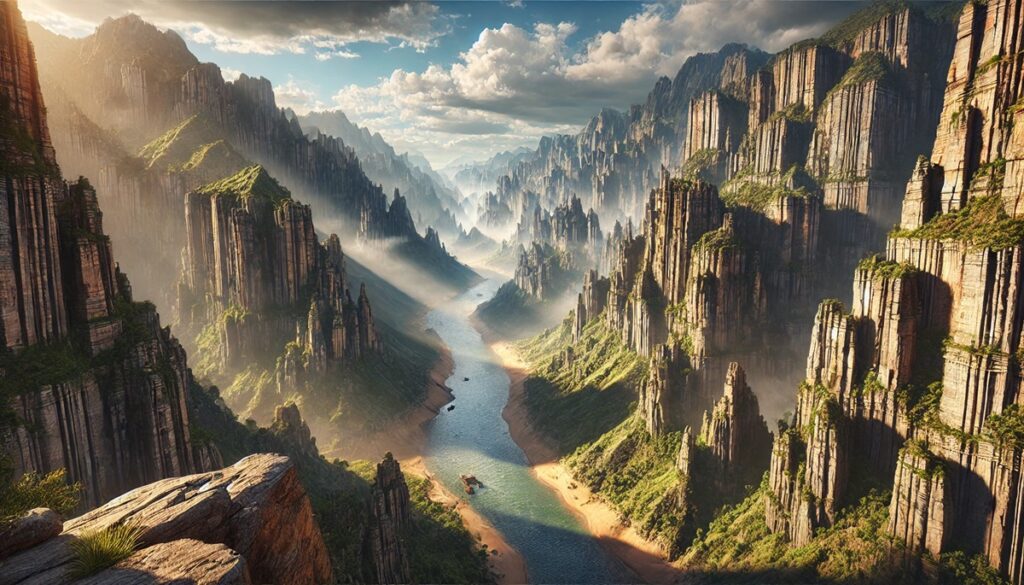
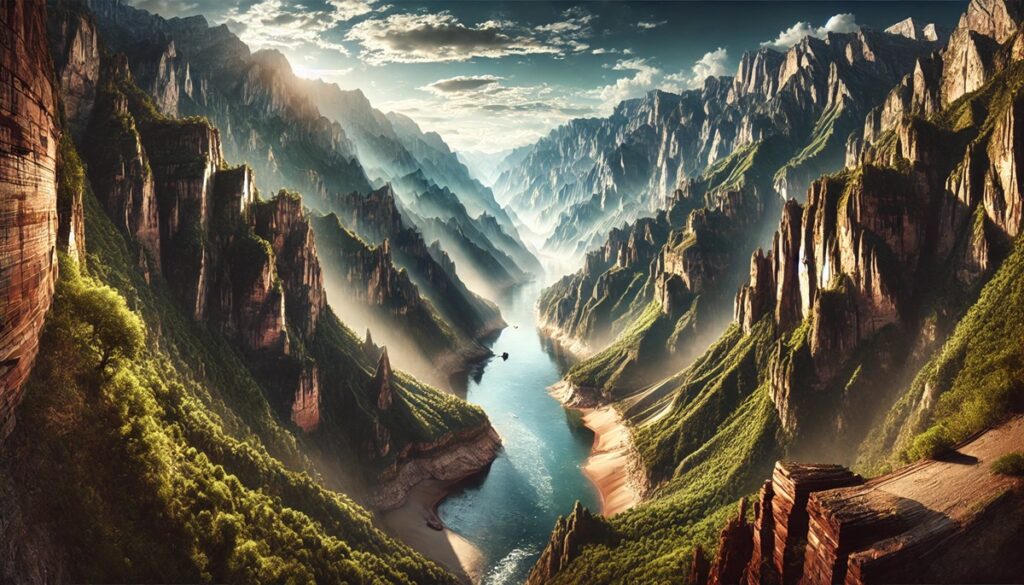
Zion National Park is the kind of place that makes you feel small—in the best possible way. Towering cliffs the color of rust and fire, canyons so deep they swallow sound, rivers carving through sandstone like ribbons of silver—Zion is a masterpiece millions of years in the making. But just how big is Zion National Park? At first glance, you might picture it as a single canyon with a few trails. In truth, Zion is far larger, more diverse, and more dramatic than most visitors ever realize. It’s a vast natural cathedral stretching across the high plateaus of southwestern Utah, filled with deserts, rivers, forests, cliffs, and hidden corners most people never see. Let’s dive into what makes Zion not only breathtaking—but astonishingly big in both geography and spirit.
The Basic Stats: Zion by the Numbers
Let’s start with the simple answer: Zion National Park covers 229 square miles, or about 146,600 acres of protected wilderness. That’s roughly the size of Chicago, or about 175,000 football fields laid end to end. But that number only hints at its true scale. Within those square miles, Zion packs an incredible range of elevations, ecosystems, and landscapes. The park stretches from low desert valleys at around 3,600 feet to high plateaus that soar past 8,700 feet above sea level. That’s more than a mile of vertical difference—enough to shift the climate from cactus country to pine forests. Zion’s grandeur isn’t just horizontal; it’s vertical. Its cliffs and canyons seem to rise and plunge endlessly, creating a sense of boundless space even within its defined borders.
The Shape of a Canyon Kingdom
Unlike parks such as Yellowstone or Yosemite, Zion isn’t built around one single feature. It’s a landscape of layers and corridors—a geological maze sculpted by water, wind, and time.
At its heart lies the Zion Canyon, a 15-mile stretch carved by the Virgin River. This is the most famous and most visited section of the park, home to iconic landmarks like Angels Landing, The Narrows, and the Court of the Patriarchs. But Zion’s true footprint extends far beyond the canyon itself. The park’s boundaries spread outward to include several major sections:
- The Kolob Canyons in the northwest, where crimson cliffs and hidden valleys create a quieter, more secluded version of Zion’s grandeur.
- The Kolob Terrace in the center-west, a high plateau landscape dotted with meadows, lava flows, and alpine ponds.
- The East Rim and Checkerboard Mesa, where sweeping slickrock domes look like painted waves frozen in stone.
Each region has its own microclimate, altitude, and personality—and together they form the massive, mosaic-like structure of Zion National Park.
From Erosion to Eternity: How Zion Got So Big
Zion’s size is not an accident of map lines—it’s the result of millions of years of erosion and uplift. Long before there were hikers, trails, or shuttle buses, the Virgin River began cutting through layers of sandstone left behind by ancient seas and deserts. Over 150 million years, the land rose, cracked, and eroded, creating a labyrinth of cliffs, slot canyons, mesas, and arches.
In geological terms, Zion sits within the Colorado Plateau, a vast uplifted region that also includes Bryce Canyon, the Grand Canyon, and Arches National Park. Think of it as one enormous table that’s been tilted, sliced, and sculpted by the forces of time. That geologic story is what gives Zion its massive vertical scale—and explains why even a short hike here can feel like a journey through epochs.
Comparing Zion: Just How Big Is It, Really?
Numbers can be hard to visualize, so let’s put Zion’s size in perspective.
- Zion is larger than all five boroughs of New York City combined.
- It’s about half the size of Los Angeles County’s land area.
- It’s roughly one-fifth the size of Yosemite National Park and about one-tenth the size of Yellowstone—yet it attracts nearly as many visitors as those giants.
That last point is key: Zion may not be the largest national park in the system, but it’s one of the most intensely visited per square mile. More than 5 million visitors arrive each year, most funneling into the narrow corridor of Zion Canyon. That density makes the park feel alive and energetic—but it also means there’s far more space to explore if you venture beyond the beaten path.
The Hidden Side of Zion: Remote Acres Few Ever See
Ask most visitors about Zion, and they’ll talk about the shuttle loop, the Virgin River, and the vertigo of Angels Landing. But those attractions occupy only a tiny fraction of the park’s total area. In truth, about 90% of Zion is officially designated wilderness. That means no roads, no buildings, and no permanent human presence—just trails, wildlife, and silence.
- The Kolob Canyons area in the northwest corner offers red-rock cathedrals that rival the main canyon but see only a fraction of the crowds. Hikes like Taylor Creek or Kolob Arch (one of the world’s largest natural arches) unfold in near solitude.
- Even fewer people visit the Kolob Terrace, accessible by a winding road from the town of Virgin. Up here, the landscape changes dramatically—ponderosa pines replace desert sage, and the air smells of rain and resin. It’s like a completely different park tucked within the same borders.
- For true adventurers, there’s The Subway, a legendary slot canyon shaped like a glowing tunnel. And deep in the park’s backcountry, hikers can trek for days without seeing another soul.
Zion’s size isn’t just physical—it’s experiential. Every turn, every elevation shift, opens a new world.
The Vertical Dimension: Where Height Becomes Scale
It’s easy to focus on acres and square miles when thinking about “how big” Zion is. But the park’s vertical scale might be its most defining feature. Zion Canyon’s sheer sandstone walls rise more than 2,000 feet from the canyon floor. The Great White Throne, perhaps Zion’s most recognizable monolith, towers to 6,744 feet, gleaming ivory in the sun. The cliffs of Angels Landing rise nearly 1,500 feet straight up from the Virgin River.
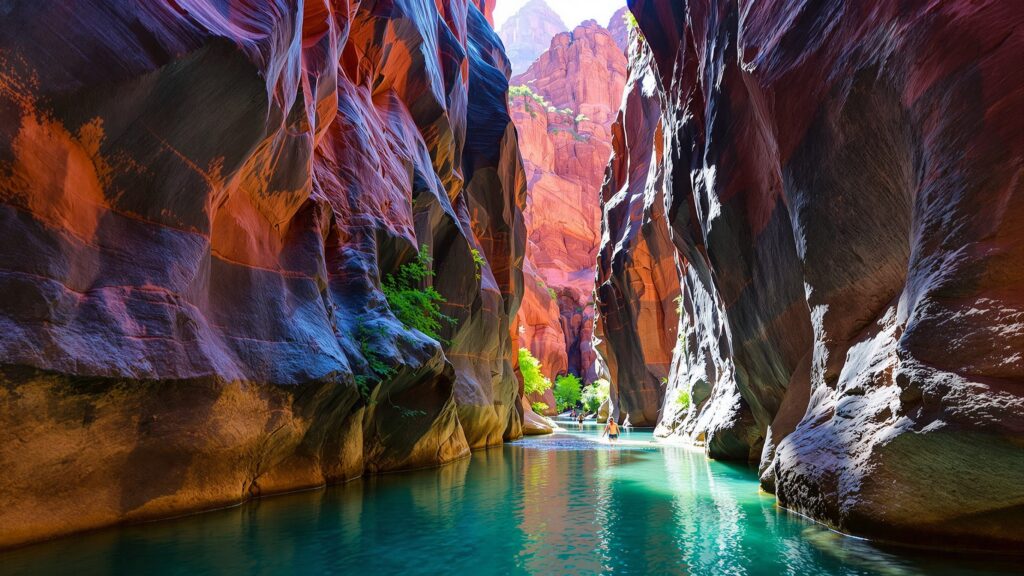
Then there’s The Narrows, one of the most extraordinary hikes in the world, where the canyon walls squeeze together so tightly that sunlight barely reaches the water below. In some stretches, the cliffs are over 1,000 feet tall and only 30 feet apart—a natural skyscraper corridor that humbles even seasoned travelers. Zion’s scale isn’t measured just in miles, but in moments of awe.
The Park That Keeps Growing—In Spirit and Popularity
While the physical boundaries of Zion haven’t changed dramatically since it was first established, its influence continues to expand.
Originally protected as Mukuntuweap National Monument in 1909, the area was renamed Zion National Park in 1919—a biblical word meaning “place of refuge.” At the time, only a small portion of the current park was included. In 1956, the Kolob Canyons section was added, officially creating the Zion National Park we know today.
Since then, Zion has grown not in acreage, but in reputation. It’s now one of the top five most visited national parks in the United States, drawing visitors from across the world. Its popularity has fueled shuttle systems, conservation efforts, and trail improvements designed to balance access with preservation.
The park’s “size” today isn’t just about land—it’s about impact. Zion influences art, photography, adventure tourism, and environmental stewardship far beyond its physical borders.
Ecological Diversity: A Living Park in Layers
Because of its vast elevation range, Zion National Park is home to an astonishing diversity of ecosystems—each one packed within its 229 square miles.
At the lower elevations, you’ll find desert scrub, cottonwood trees, and blooming cactus. Move upward a few thousand feet and the landscape shifts into pinyon-juniper woodlands, meadows, and ponderosa pine forests. That range supports over 900 species of plants, 75 species of mammals, and 291 bird species. Mule deer, mountain lions, golden eagles, and bighorn sheep all make their home here.
This vertical variety makes Zion feel even larger than it is—like walking from the desert to the alpine mountains in a single day. Every trail is a journey across different worlds compressed into one park.
Trails That Stretch Across the Park’s Heart
The best way to understand Zion’s size is to walk it. Zion boasts more than 90 miles of maintained trails, ranging from easy riverside strolls to challenging multi-day treks. The contrast between short canyon hikes and vast backcountry routes shows just how expansive this park really is.
The Angels Landing Trail, only 5.4 miles round-trip, is one of the park’s smallest in distance—but its dizzying 1,500-foot climb makes it feel enormous. Meanwhile, the Trans-Zion Trek, a 48-mile backcountry route, crosses the park from end to end, traversing canyons, mesas, and forested plateaus. Every footstep reminds hikers that Zion’s “bigness” can’t be captured in numbers alone—it’s something you feel in your legs, lungs, and soul.
The Human Perspective: Feeling Small, Feeling Infinite
There’s a paradox at the heart of Zion: the more massive the cliffs and canyons appear, the smaller you feel—and yet, somehow, the freer. Stand in the Virgin River beneath the thousand-foot walls of The Narrows, and you’ll understand. The canyon’s enormity doesn’t diminish you; it connects you to something timeless. The sound of rushing water echoes through stone corridors, and suddenly you’re aware of just how vast—and how delicate—the natural world really is. That’s part of what makes Zion’s size so powerful. It’s not just about geography—it’s about perspective. The park’s immensity invites humility, wonder, and gratitude.
Managing the Immense: Preserving a Giant
With great size comes great responsibility.
Zion’s popularity puts pressure on its delicate ecosystems. Parking lots overflow, trails erode, and wildlife must navigate the presence of millions of humans. To balance access and preservation, the park introduced its shuttle system in 2000, dramatically reducing car traffic within Zion Canyon.
Rangers and scientists also work tirelessly to protect the park’s resources—from monitoring rockfall hazards to restoring native vegetation and managing the spread of invasive species. In many ways, Zion’s scale makes it both majestic and fragile. Its future depends on how well humans learn to appreciate—and protect—its immensity.
Beyond the Park Boundaries: The Greater Zion Landscape
Even beyond the official borders, the landscapes surrounding the park add to its grandeur. The Greater Zion region encompasses vast tracts of wilderness, including parts of the Grand Staircase-Escalante National Monument, Snow Canyon State Park, and Red Cliffs Desert Reserve.
This connected ecosystem stretches for hundreds of miles, linking Zion to Bryce Canyon, Cedar Breaks, and eventually the Grand Canyon. Geologically and ecologically, it’s one continuous masterpiece—a living reminder that nature’s scale doesn’t stop at a park gate. So when you ask how big Zion is, remember: its true reach extends far beyond the signs and shuttle stops. It’s part of a monumental network of plateaus, rivers, and canyons that define the American Southwest.
Experiencing Zion’s Size for Yourself
Words and numbers only go so far. To truly grasp Zion’s size, you have to experience it. Start at dawn in the main canyon, watching the sunrise paint the cliffs of Angels Landing. Then drive up the winding Kolob Terrace Road, where the air cools and the horizon widens. By evening, stand beneath a sky so full of stars that it feels infinite. You’ll have traveled only a few dozen miles—but it will feel like a journey across continents. That’s the magic of Zion’s scale. It’s not a park you visit; it’s a world you step into.
Why Size Matters: Zion’s Place in the National Park Legacy
The National Park Service protects over 85 million acres across the United States, but Zion stands out for its ability to feel both intimate and immense.
Its relatively modest size makes it accessible—easy to explore in a few days—but its vertical grandeur and wild backcountry make it feel limitless. That balance is part of why Zion consistently ranks among the most beloved parks in America.
In essence, Zion captures everything the National Park system stands for: preservation, wonder, and the humbling experience of standing before something greater than ourselves.
The Vast Heart of Zion
So—how big is Zion National Park? Big enough to hold canyons deeper than cathedrals, cliffs taller than skyscrapers, and silence wider than imagination. Big enough to feel infinite, yet small enough to fit inside a single state of mind: awe. At 229 square miles, Zion is a physical giant. But its true size can’t be measured in acres or altitude. It lives in every gasp of wonder, every echo between canyon walls, every person who walks away changed. Zion’s bigness is spiritual as much as geographical—a reminder that the world still has places vast enough to make us feel wild, free, and beautifully small.