How Big Is an Acre? A Fun and Fascinating Look at Land Size
When people hear the word acre, their minds often jump to sprawling farms, rolling meadows, or large pieces of property. Yet ask someone to actually visualize how big an acre really is, and you’ll usually get puzzled looks. The acre is one of those curious measurements that everyone has heard of but few can picture clearly. Is it the size of a football field? A city block? A parking lot? The truth is that an acre carries both a precise mathematical definition and an imaginative story that connects history, sports, agriculture, and even modern real estate. Let’s take an exciting journey into the world of acres and uncover what this fascinating unit of land really means.
The Official Definition of an Acre and Where It Came From
At its core, an acre is a unit of land measurement primarily used in the United States and a few other countries still tied to imperial measurements. By definition, one acre equals 43,560 square feet. That’s a clean number on paper, but unless you can instantly imagine a space with that many square feet, the concept is still abstract.
Historically, the acre dates back to medieval England. The word “acre” comes from the Old English “æcer,” meaning field. In those times, an acre represented the amount of land a farmer could plow in a single day using a team of oxen. That rustic definition carried cultural weight because it was tied to the rhythm of human and animal labor. Over time, the acre was standardized into the crisp measurement we use today. It became a way to divide land fairly and consistently, especially in farming societies where property size meant survival, wealth, and inheritance.
Visualizing an Acre Through Sports Fields
One of the easiest and most fun ways to picture an acre is by comparing it to spaces we all recognize—especially sports fields. A U.S. football field, not including the end zones, is about 48,000 square feet, which means an acre is slightly smaller. Imagine standing at one end zone and walking to about the 91-yard line. That’s approximately one acre in size.
If football isn’t your game, think of a standard soccer pitch. While sizes vary, many fall around 70 by 110 yards, which is almost two acres. A basketball court? That’s about 4,700 square feet, so it would take just under ten basketball courts to cover a single acre. Even baseball stadiums can help us visualize: the infield of a professional diamond (the area inside the bases) is less than one acre, but the full outfield stretches much farther, covering several acres. Sports metaphors provide a powerful and playful way to translate an abstract measurement into a physical, relatable experience.
Acres and Everyday Life: Parking Lots, Houses, and Neighborhoods
Sports fields are great, but let’s bring the acre even closer to daily life. Think about parking lots. A single acre of land can typically hold about 150 to 200 parking spaces, depending on design. If you’ve ever pulled into a big box store parking lot, you’ve seen several acres at work.
When it comes to homes, things get even more interesting. The average lot size for a new single-family house in the United States is less than a quarter of an acre. That means one acre could fit four average suburban homes with yards. In rural areas, an acre might feel like plenty of land for a spacious house, garden, and maybe even a few animals. In urban settings, however, an acre can feel massive—a rare gem of open space surrounded by skyscrapers.
A neighborhood city block adds another dimension. In places like Manhattan, a typical block measures around 200 by 800 feet, or about four acres. That means if you own one acre of land in a dense city, you essentially control a quarter of a block—an asset that could be worth tens or even hundreds of millions of dollars.
The Acre in Farming and Agriculture
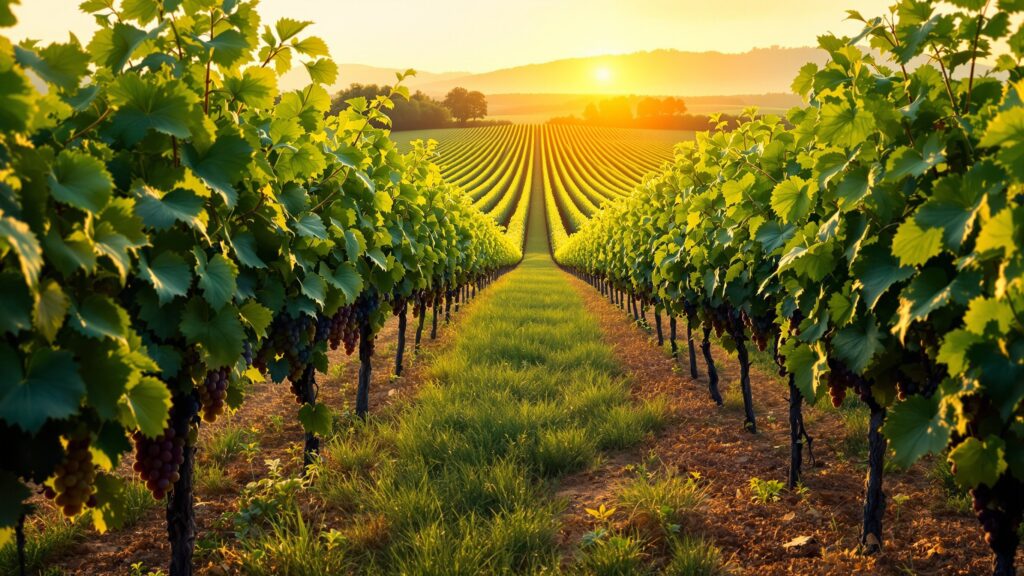
The roots of the acre lie in farming, and agriculture remains one of the best ways to understand its impact. A single acre of farmland can yield incredible productivity depending on what’s planted. For example, an acre of corn might produce around 150 bushels, while an acre of wheat could yield about 50 bushels. Farmers measure everything by the acre—fertilizer application, seed planting, irrigation, and harvest output. Livestock adds another perspective. One acre of pasture land might support one or two cows for grazing, though that depends heavily on grass quality and region. Vineyards, orchards, and specialty crops also measure productivity per acre. A vineyard in California’s Napa Valley might plant about 400 vines per acre, which could produce enough grapes for several hundred bottles of wine each year. That turns the abstract acre into something delicious and valuable—wine, bread, fruit, or milk.
Historical Significance and Why Acres Still Matter
It’s easy to wonder why the acre still persists when most of the world has shifted to metric hectares. The answer lies in tradition, practicality, and cultural inertia. For landowners in the United States and parts of the UK, acres remain the common language of real estate, farming, and property law. When Thomas Jefferson and early American surveyors laid out new townships, they relied on acres to divide land systematically, creating neat grids that shaped the nation.
The acre has also found its way into history books. Famous parcels of land are described in acres—Central Park in New York City spans 843 acres, while Disneyland in California covers 500 acres. The Louisiana Purchase, one of the most monumental land acquisitions in history, gave the United States about 828,000 square miles—translating into more than 530 million acres. These examples show that acres are not just measurements but symbols of scale, ambition, and legacy.
How to Picture an Acre With Your Own Eyes
If you want to imagine an acre without sports fields or history lessons, here’s a fun mental trick. Picture a square that’s 209 feet on each side. That’s the shape of a perfect acre. If you walk from one corner diagonally across, you’ll travel nearly 300 feet—about the length of a football field. Another approach is to compare it to walking space. An average person walking at a casual pace covers about 3 feet per stride. To walk the length of one side of an acre, you’d take roughly 70 steps. Walking around the entire perimeter would take around 280 steps. Suddenly, the acre feels more approachable—not just numbers but steps, distance, and effort.
The Acre in Modern Real Estate and Development
Today, the acre plays a starring role in real estate listings. Prospective homeowners, farmers, and developers all look at acres as the defining factor in value. A one-acre lot in rural Kansas might cost less than $5,000, while a one-acre parcel in Silicon Valley could exceed $10 million. Location dictates not only the price but also the perception of size. In wide-open landscapes, an acre may feel small, while in crowded cities, it feels vast.
Developers also use acres as a planning tool. Shopping malls, theme parks, airports, and stadiums are measured in acres. Walt Disney World in Florida spans over 25,000 acres—a mind-boggling scale. Airports like Denver International cover more than 33,000 acres, proving that in some industries, the acre is still a critical yardstick for ambition.

Fun Acre Comparisons That Spark the Imagination
To make acres even more fun, it helps to compare them to quirky or unexpected things. For instance, an acre can hold about 16 tennis courts, which gives tennis fans a playful perspective. For music lovers, an acre can fit nearly 350 grand pianos lined up side by side. For fitness buffs, running around the perimeter of an acre is about a quarter of a mile—perfect for measuring quick sprints. Pop culture adds its own flair. The White House grounds in Washington, D.C. are about 18 acres, which means the President essentially has a small estate by suburban standards. The Great Pyramid of Giza covers about 13 acres at its base, giving us an ancient monument measured in the same unit as a modern lawn. Acres bridge the gap between the everyday and the extraordinary.
Why the Acre Still Captures the Imagination
What makes the acre truly fascinating is not just its size but its versatility. It represents human history, from medieval plows to modern skyscrapers. It connects the tangible—how many cars can fit in a lot—to the monumental—how many acres shaped nations. The acre remains a measurement that sparks imagination, practicality, and even storytelling.
Every time you drive past farmland, walk through a city park, or read a real estate ad, the acre is quietly at work. It helps us measure space, value property, plan communities, and dream about scale. The next time someone asks, “How big is an acre?” you’ll have more than just a number. You’ll have a story that stretches from oxen in medieval fields to jetliners in massive airports.
Turning 43,560 Square Feet Into Something You Can See
An acre is 43,560 square feet. But it’s also so much more. It’s nearly the size of a football field, four suburban homes with yards, a city block quarter, or 200 parking spaces. It’s a farmer’s day’s work, a vineyard’s worth of wine, or a national park’s measure of grandeur. By understanding acres through sports, history, farming, real estate, and imagination, we turn a flat number into a vivid picture. The acre continues to matter because it helps us bridge math with meaning. It may not always be the easiest measurement to visualize, but with the right comparisons, it becomes one of the most engaging, relatable, and versatile ways to understand land. And the next time someone brings up an acre, you’ll not only know the number—you’ll be able to bring it to life.