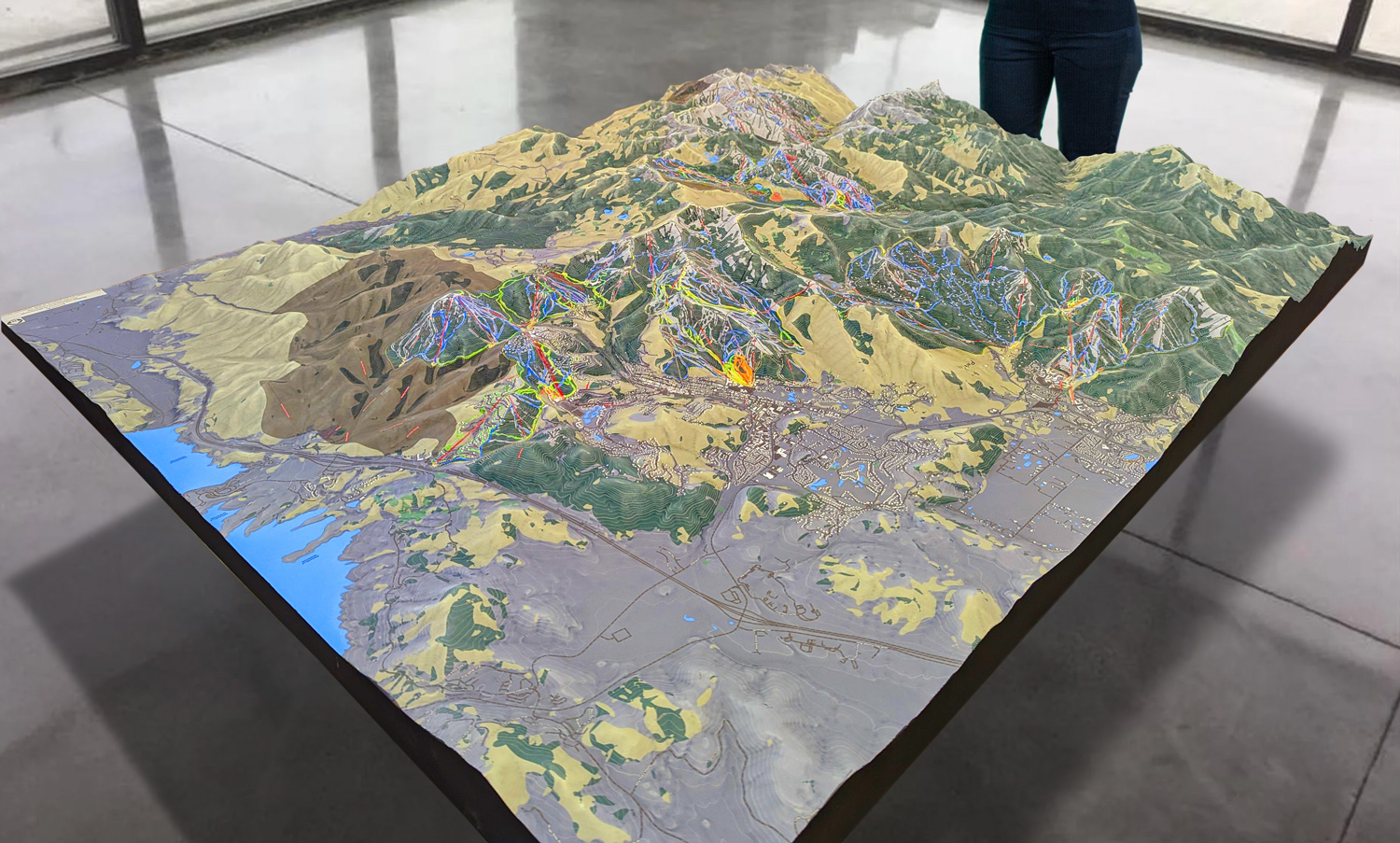
A Country Measured in Continents, Cultures, and Contrasts
Trying to understand the size of the United States is a bit like trying to grasp the scale of the night sky. Numbers help, but they don’t quite capture the feeling. The United States isn’t just large on a map; it’s expansive in geography, diversity, climate, and influence. From Arctic tundra to tropical beaches, from deserts that stretch beyond the horizon to forests so dense they seem endless, the country’s size reshapes how people live, travel, work, and imagine distance itself. To really understand how big the United States is, you have to look beyond square miles and borders. You have to experience how long it takes to cross it, how dramatically the land changes, and how many worlds exist within one nation.
The Raw Numbers Behind the Scale
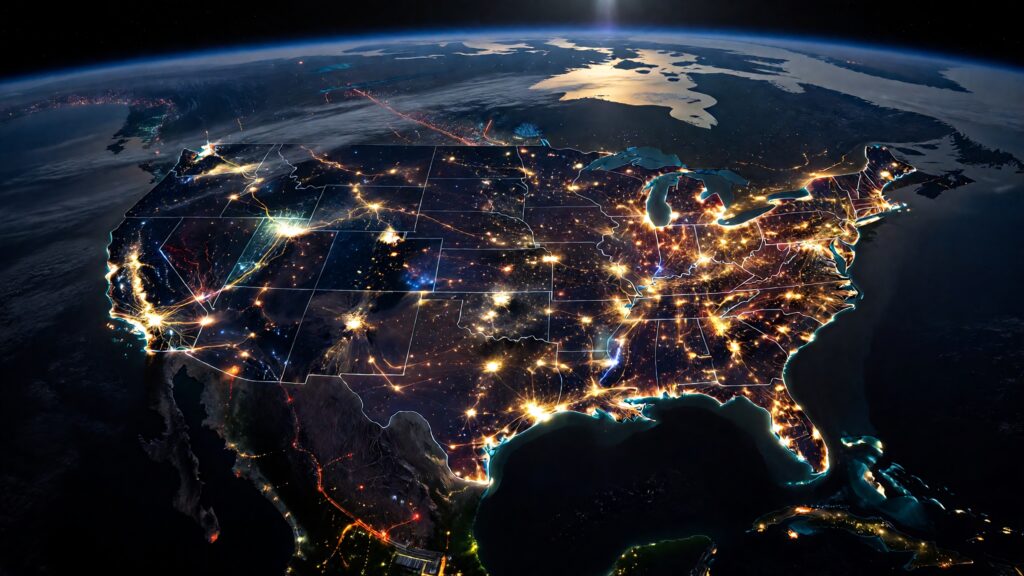
On paper, the United States covers about 3.8 million square miles, placing it among the largest countries on Earth. Depending on how land and water are measured, it typically ranks third or fourth globally, competing closely with China. This single figure already hints at enormity, but it’s only the beginning.
Those millions of square miles include fifty states, one federal district, and several territories spread across oceans. The contiguous United States alone spans roughly 2,800 miles from the Atlantic to the Pacific. Add Alaska, and the country suddenly leaps outward into the Arctic, increasing the total land area by nearly one-fifth. Hawaii stretches the nation even farther, planting its flag deep in the Pacific Ocean. Numbers like these are impressive, but they don’t fully explain what it feels like to move through a country this large.
Crossing the Country: Distance in Real Time
Driving across the United States is a rite of passage that reveals its true scale. A nonstop drive from New York City to Los Angeles takes around 40 hours under ideal conditions. Most people don’t attempt it without breaks, stretching the journey into several days. Along the way, landscapes shift so dramatically they feel like separate countries stitched together.
Flights tell a similar story. A coast-to-coast flight lasts roughly six hours, long enough to watch multiple movies, nap, and still land in a place with a completely different culture and climate. When Alaska enters the picture, flight times extend even further. Traveling from Miami to Anchorage can take nearly twice as long as flying from Miami to Seattle.
The distances are so great that the United States spans multiple time zones, meaning the sun sets and rises at different hours across the nation. Time itself bends to accommodate the country’s size.
A Land of Extreme Geographic Variety
One of the most striking aspects of the United States is not just how big it is, but how much variety fits inside its borders. Few countries contain such a wide range of landscapes.
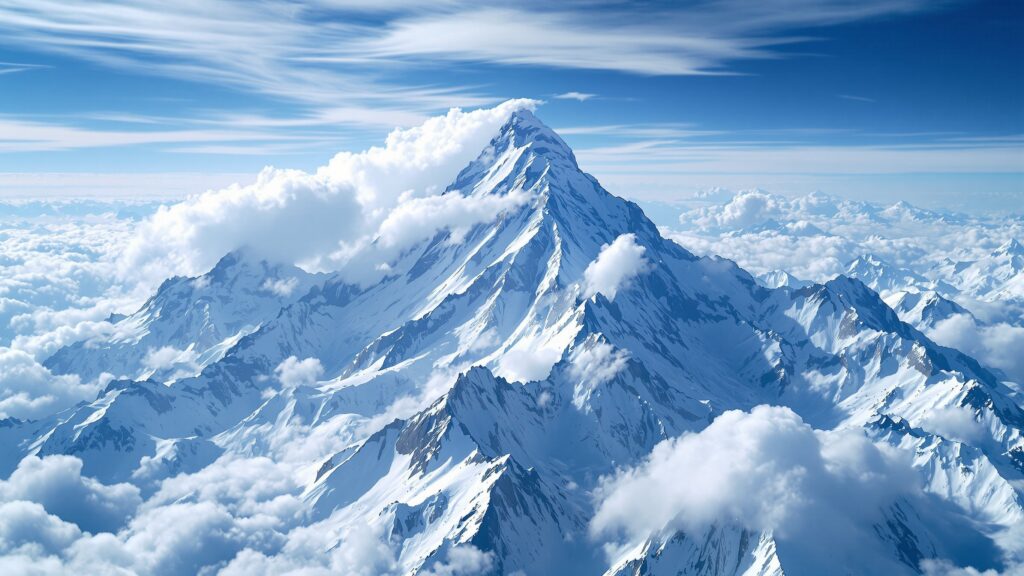
- In the west, towering mountain ranges like the Rockies and the Sierra Nevada dominate the skyline.
- In the southwest, deserts such as the Mojave and Sonoran stretch across multiple states, creating vast open spaces where towns feel hundreds of miles apart.
- The Great Plains roll across the center of the country, forming one of the largest continuous agricultural regions on Earth.
- The east tells a different story. Dense forests, winding rivers, and centuries-old cities cluster closer together.
- Coastal regions shift from rocky shorelines in New England to warm, sandy beaches in the Southeast.
- Then there’s Alaska, home to glaciers larger than some U.S. states, and Hawaii, where volcanic islands rise from the ocean in dramatic isolation.
This geographic diversity compresses what feels like an entire world into one nation.
Climate Zones That Feel Like Different Planets
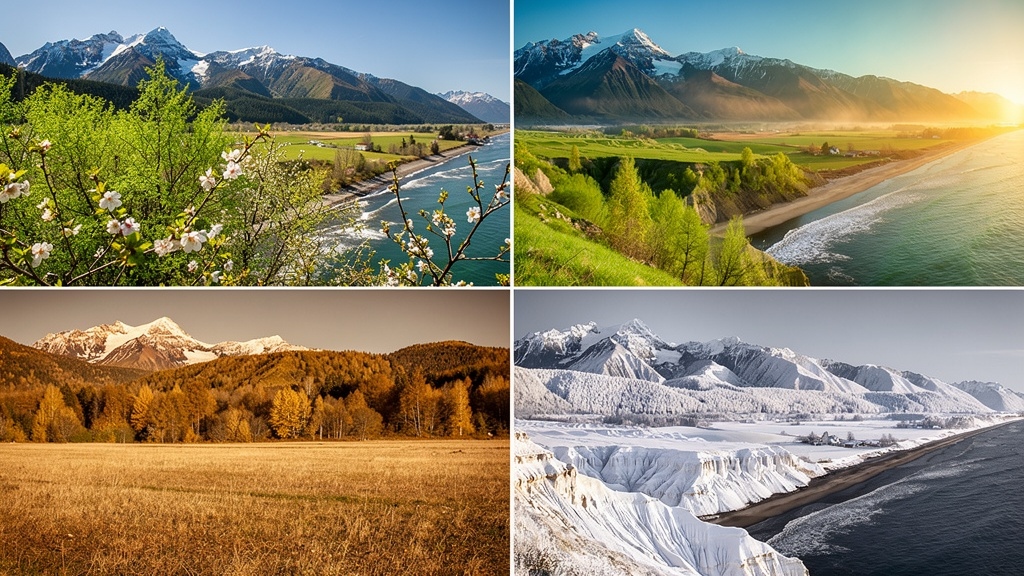
Because of its size, the United States experiences nearly every climate type imaginable. Winters in northern Alaska can plunge to temperatures colder than Antarctica, while summers in Death Valley can exceed 120 degrees Fahrenheit. Rainforests thrive in the Pacific Northwest, while arid drought-prone regions dominate parts of the Southwest.
Florida and Hawaii experience tropical conditions, complete with palm trees and year-round warmth. Meanwhile, the Midwest sees dramatic seasonal shifts, with blistering summers and snow-heavy winters. These climate differences shape architecture, clothing, food, and daily routines, making life in one region feel completely different from life in another. In many ways, traveling within the United States can feel like traveling across multiple climate zones of the planet.
Comparing the United States to Other Countries
To truly grasp the scale of the United States, comparisons help. The contiguous United States is roughly the same size as all of Europe combined, excluding Russia. You could fit countries like France, Germany, Spain, and Italy within its borders multiple times over. If placed on top of Europe, the U.S. would stretch from Portugal to deep into Russia. When compared to Australia, another famously large country, the United States is slightly smaller in total land area but far more geographically varied. Compared to China, the two nations are similar in size, yet the U.S. has longer coastlines and greater climatic diversity due to its latitude range. These comparisons highlight how unusual it is for one country to encompass so much land and variation under a single national identity.
States That Feel Like Countries
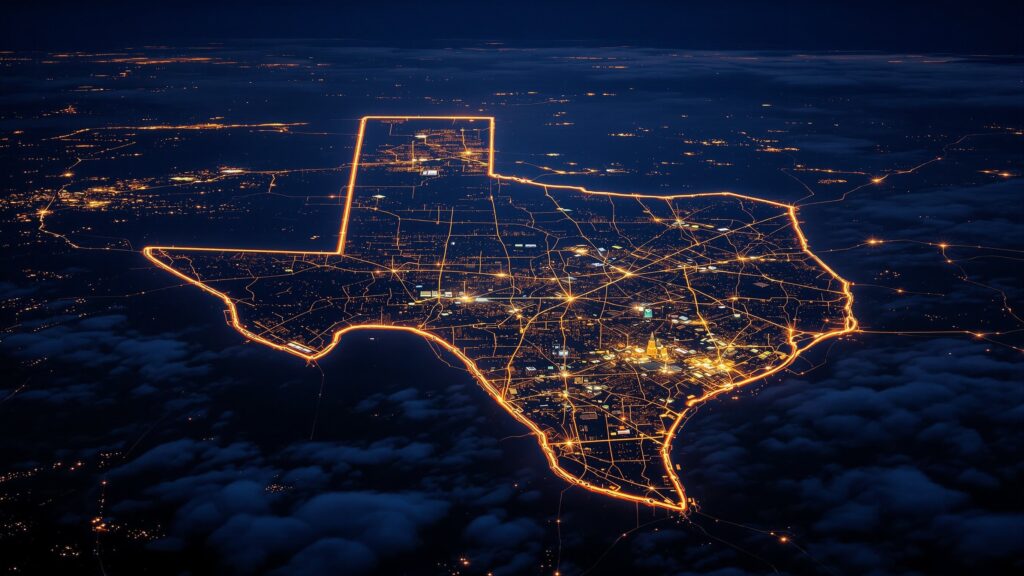
Some U.S. states are so large that they rival entire nations in size. Alaska alone is bigger than Texas, California, and Montana combined. Texas could fit several European countries within its borders, while California is larger than many nations in South America.
Even states that don’t dominate headlines can surprise. Montana, New Mexico, and Arizona each span enormous areas with relatively small populations, creating vast open spaces where highways stretch endlessly. These state-level scales reinforce how large the country feels even when you’re only moving within one part of it.
The result is a nation where internal travel can feel just as significant as international travel elsewhere.
Population Spread Across a Massive Landscape
Despite its immense size, the United States is not evenly populated. Over 330 million people live across its territory, but they cluster heavily in certain regions. Coastal cities, metropolitan corridors, and fertile river valleys attract dense populations, while deserts, mountains, and tundra remain sparsely inhabited.
This uneven distribution amplifies the feeling of size. Driving through rural Wyoming or Nevada can mean hours without seeing another town. In contrast, the Northeast Corridor connects major cities in a dense, fast-paced chain. The sheer contrast between crowded urban centers and vast uninhabited spaces reinforces the sense that the United States contains many different worlds.
The Role of Natural Resources and Open Space
The size of the United States has played a major role in its access to natural resources. Vast forests, fertile farmland, mineral-rich mountains, and extensive waterways have shaped its economy and history. Large rivers like the Mississippi system connect enormous portions of the country, acting as natural highways long before modern infrastructure.
National parks and protected lands cover millions of acres, preserving landscapes on a scale rarely seen elsewhere. Places like Yellowstone, Yosemite, and the Grand Canyon aren’t just scenic; they’re enormous, often taking days to explore fully. The availability of space has influenced everything from suburban development to road-trip culture.
The country’s size has allowed it to balance urban growth with immense stretches of preserved wilderness.
Cultural Scale: Many Americas in One Nation
Geographic size often translates into cultural diversity, and the United States is no exception. Regional identities are strong, shaped by history, immigration, climate, and local economies. The food, accents, traditions, and lifestyles of different regions can feel worlds apart. Southern hospitality contrasts with fast-paced northeastern cities. West Coast culture differs sharply from the Midwest’s quieter rhythms. Alaska and Hawaii feel almost like separate nations in their own right, shaped by isolation and unique histories. This cultural variety exists because the country is large enough to let regional identities flourish. In this sense, the United States isn’t just big physically; it’s big in personality.
Infrastructure Built for Immensity
To function at this scale, the United States has developed massive infrastructure systems. The Interstate Highway System stretches over 48,000 miles, connecting states and cities across the continent. Rail networks move goods across thousands of miles, while major airports serve as global hubs.
These systems exist because they must. A country this large requires logistical solutions that operate on continental scales. Moving goods from coast to coast is routine, yet it involves distances that would cross multiple countries elsewhere in the world. Infrastructure quietly reinforces the idea that the United States operates on a scale few nations can match.
Seeing the Size from Space
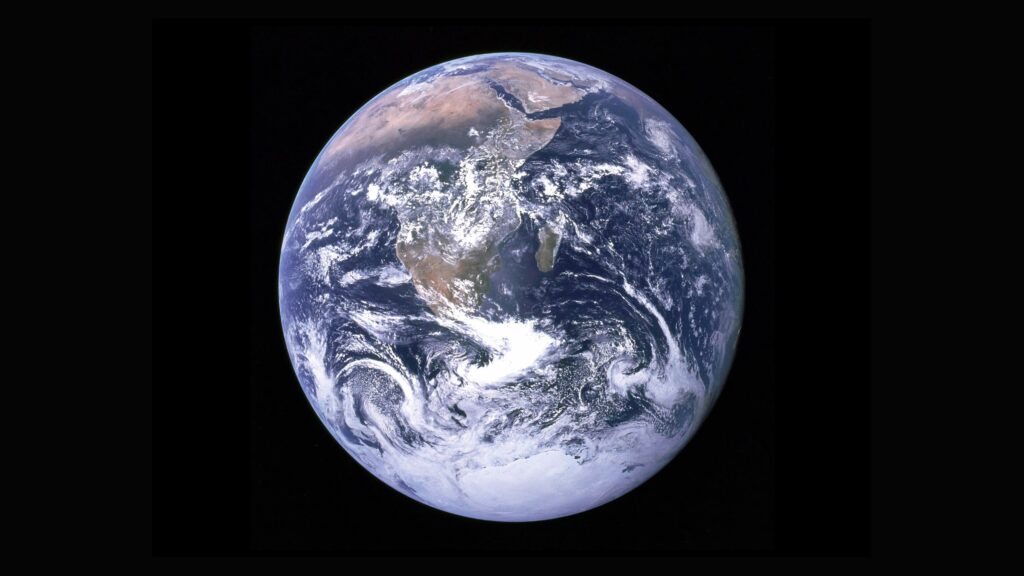
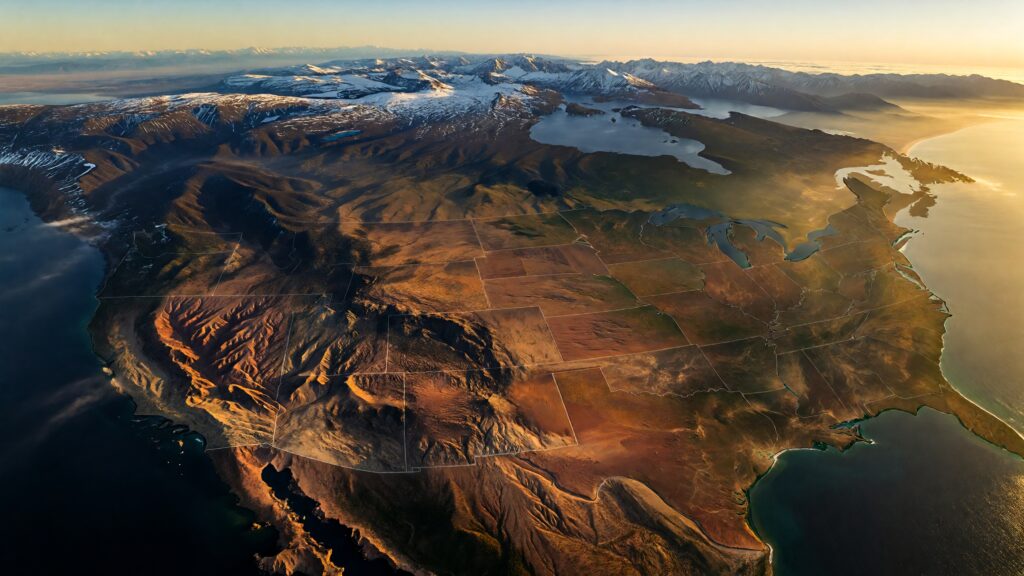
From orbit, the size of the United States becomes even clearer. Satellites capture images showing vast swaths of land, rivers cutting across entire regions, and coastlines stretching endlessly. The country’s width and variety stand out, with snow-covered mountains, green plains, deserts, and cities all visible at once.
These images remind us that the United States is not just politically large, but geographically monumental. It occupies a significant portion of a continent, shaping weather patterns, ecosystems, and global trade routes.
Why Size Matters
The size of the United States affects nearly every aspect of life within it. It shapes travel habits, economic systems, regional identities, and even how people perceive distance. What feels like a short drive in one part of the country might be considered a major journey elsewhere. Its size has influenced history, enabling westward expansion, regional development, and global influence. It has allowed for both immense cities and untouched wilderness to coexist within the same borders. Understanding how big the United States is helps explain why it feels so complex, diverse, and sometimes contradictory.
A Nation That Redefines Scale
So how big is the United States? It’s big enough to contain nearly every landscape on Earth. Big enough to hold hundreds of cultures, climates, and communities. Big enough that traveling within it can feel like crossing continents.
But more than anything, the United States is big in experience. Its size isn’t just measured in miles or square footage, but in the countless ways it challenges our understanding of distance, diversity, and possibility. To explore it fully would take a lifetime, and even then, there would always be more ground to cover.