How Big Is the Pacific Ocean? A World Within a World
Stand on the edge of any coastline that touches the Pacific Ocean, and you’re looking out at something almost impossible to comprehend. The horizon stretches endlessly, waves roll in from distances you can’t imagine, and beyond that lies a body of water so vast it reshapes how we think about scale itself. The Pacific Ocean isn’t just the largest ocean on Earth—it’s the largest single geographic feature on the planet. It covers more surface area than all of Earth’s land combined. To truly understand how big the Pacific Ocean is, you have to step beyond simple numbers and begin to visualize it as a world within a world.
The Raw Numbers: Size Beyond Comparison
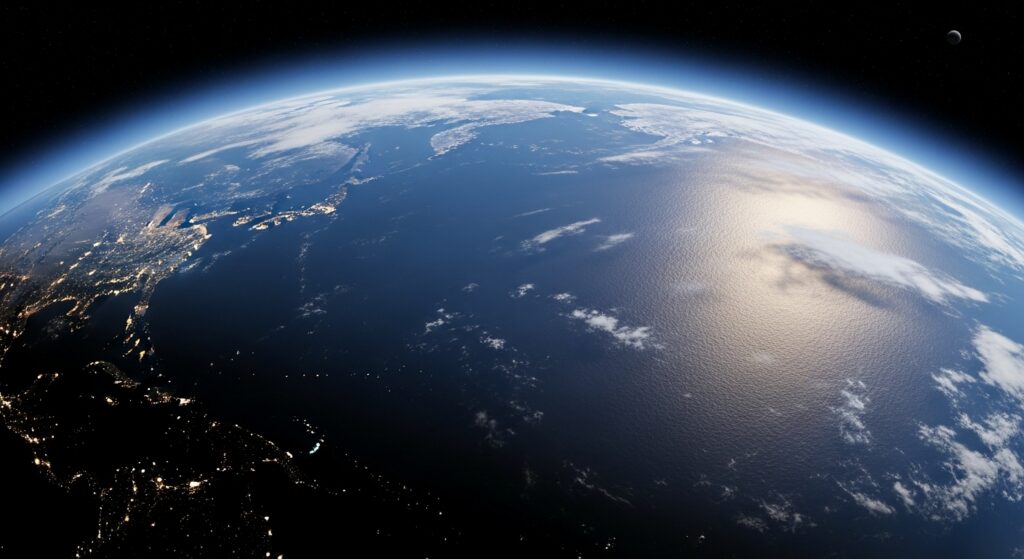
Let’s begin with the scale. The Pacific Ocean covers approximately 63 million square miles, or about 165 million square kilometers. That’s more than one-third of the entire surface of Earth. To put that into perspective, all of the continents combined—North America, South America, Europe, Africa, Asia, Australia, and Antarctica—cover less area than the Pacific Ocean alone. If you could somehow drain it and reveal the ocean floor, you would uncover a landscape larger than all land on Earth put together. From north to south, the Pacific stretches roughly 9,000 miles, reaching from the Arctic region down to the Southern Ocean near Antarctica. From east to west, at its widest point, it spans over 12,000 miles, connecting the coasts of the Americas with Asia and Australia. These numbers are staggering, but they’re only the beginning of the story.
A Journey Across the Pacific
Imagine standing on the coast of California and setting out across the Pacific toward Japan. You wouldn’t just be crossing water—you’d be traversing an immense, shifting environment that takes days, even weeks, to cross by ship.
Even by airplane, traveling across the Pacific can take anywhere from 10 to 15 hours depending on your route. And that’s flying at hundreds of miles per hour, high above the surface.
Sailors throughout history understood this scale in a deeply personal way. Early explorers ventured into the Pacific not knowing when—or if—they would reach land again. The ocean’s size made it both a pathway and a mystery, shaping trade, exploration, and human history.
The Depth Adds Another Dimension
When we talk about how big the Pacific Ocean is, we can’t ignore its depth. Surface area tells only part of the story. The Pacific is also the deepest ocean on Earth, adding a vertical dimension that makes it even more immense.
The average depth of the Pacific Ocean is around 14,000 feet. But in some places, it plunges far deeper. The deepest point on Earth, the Mariana Trench, reaches nearly 36,000 feet below sea level.
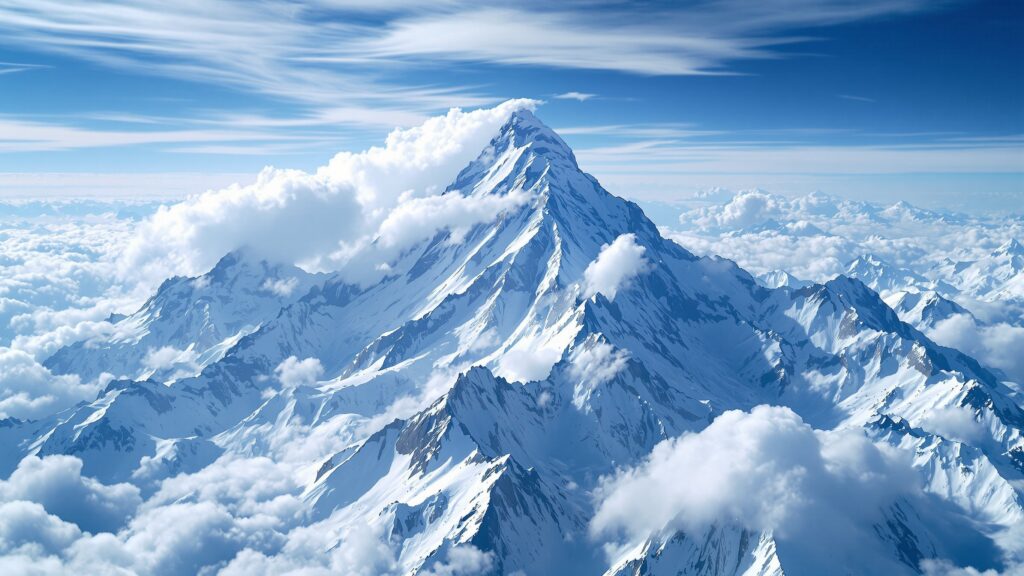
To visualize that, imagine stacking Mount Everest—the tallest mountain on land—into the trench. Its peak would still not reach the surface.
This depth creates a hidden world beneath the waves, filled with unique ecosystems, extreme conditions, and landscapes that remain largely unexplored.
Islands Scattered Across a Vast Expanse
Despite its immense size, the Pacific Ocean is dotted with thousands of islands. These islands serve as points of connection in an otherwise vast and open space.
From the tropical islands of Polynesia to volcanic chains like Hawaii, these landforms rise from the ocean floor, often formed by tectonic activity deep below the surface. But here’s the remarkable part: even with all these islands, the Pacific still feels overwhelmingly empty. The distances between them can be enormous, reinforcing just how vast the ocean truly is.
For ancient navigators, crossing the Pacific required incredible skill and knowledge. Using stars, currents, and wind patterns, they traveled between islands separated by hundreds or even thousands of miles.
The Pacific and Earth’s Climate
The size of the Pacific Ocean isn’t just a geographical curiosity—it plays a critical role in shaping Earth’s climate. Because it covers such a large portion of the planet, the Pacific acts as a massive heat reservoir. It absorbs, stores, and redistributes heat from the sun, influencing weather patterns across the globe.
Phenomena like El Niño and La Niña originate in the Pacific, affecting rainfall, temperature, and storm activity on multiple continents. A shift in Pacific conditions can impact agriculture, ecosystems, and economies worldwide. In this way, the Pacific Ocean’s size gives it a kind of global influence. It’s not just big—it’s powerful.
Life in the Largest Ocean
The Pacific Ocean is home to an extraordinary diversity of life. Its vastness allows for a wide range of ecosystems, from shallow coral reefs to deep-sea trenches.
In tropical regions, vibrant coral reefs support countless species of fish, invertebrates, and marine plants. In colder waters, massive kelp forests create underwater habitats that rival terrestrial forests in complexity.
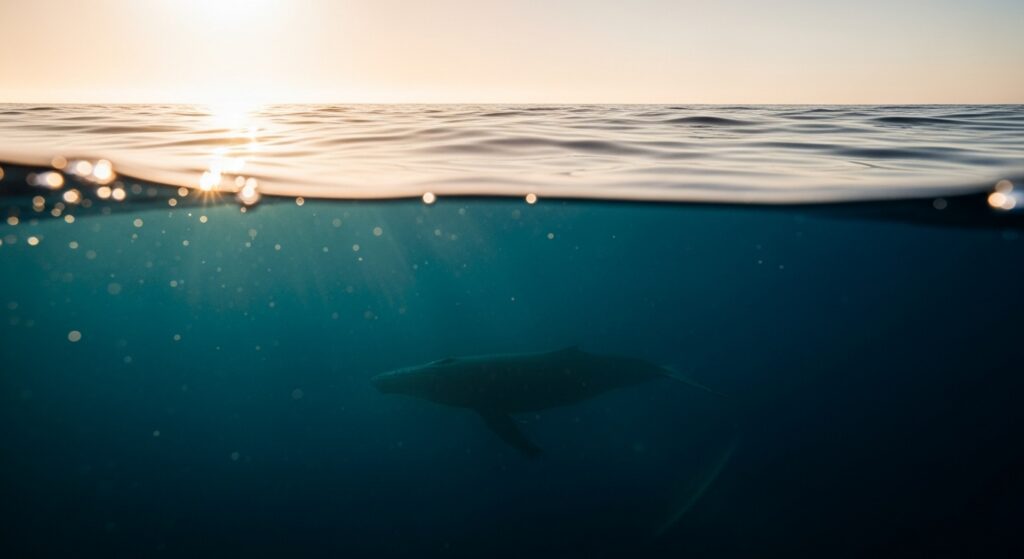
The open ocean, often called the pelagic zone, is home to migratory species that travel incredible distances. Whales, sharks, and sea turtles move through the Pacific, using its vast expanse as a highway.
Even in the deepest parts of the ocean, life thrives in ways that challenge our understanding of biology. Creatures adapted to extreme pressure and darkness reveal just how much there is still to learn.
The Pacific in Human History
The Pacific Ocean has shaped human history in profound ways. It served as a route for exploration, trade, and cultural exchange long before modern navigation.
Polynesian voyagers navigated its vast distances using traditional techniques, establishing connections between islands spread across thousands of miles.
Later, European explorers crossed the Pacific, opening new trade routes and expanding global interaction. The ocean became a bridge between continents, facilitating the movement of goods, ideas, and people.
Today, the Pacific remains a vital part of global commerce. Major shipping routes cross its waters, connecting economies and supporting international trade.
Visualizing the Scale
Understanding how big the Pacific Ocean is can be challenging because it exists on a scale that’s difficult to visualize.
- One way to think about it is to imagine placing all of Earth’s continents into the Pacific. Even then, there would still be room left over.
- Another way is to consider travel time. Crossing the United States by car might take several days. Crossing the Pacific by ship can take weeks.
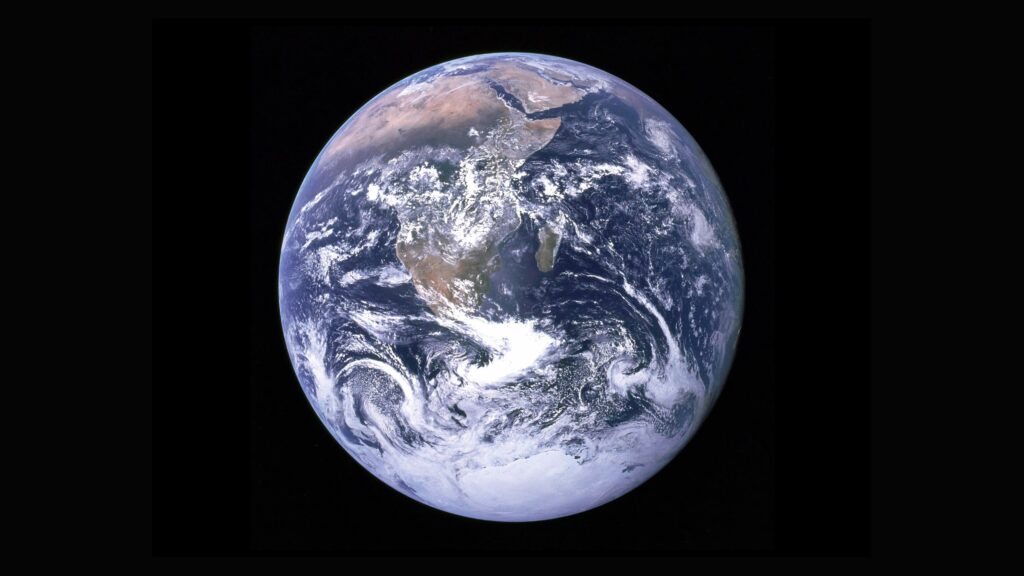
- Even space offers a comparison. Astronauts looking down at Earth often remark on how much of the planet is covered by ocean—and the Pacific dominates that view.
These comparisons help bring the scale into focus, but they still only scratch the surface.
The Hidden Landscape Beneath
Beneath the surface of the Pacific lies a landscape as complex and varied as any on land. There are mountain ranges, valleys, volcanoes, and plains—all hidden beneath miles of water.
The ocean floor includes mid-ocean ridges where new crust is formed, as well as deep trenches where tectonic plates collide. These features shape the structure of the ocean and influence geological activity.
Volcanic activity in the Pacific has created island chains and underwater features that continue to evolve over time. This dynamic environment reminds us that the ocean is not static—it’s constantly changing.
The Challenge of Exploration
Despite centuries of exploration, much of the Pacific Ocean remains uncharted. The sheer size and depth make it one of the most difficult environments to study.
Advanced technology has allowed scientists to map portions of the ocean floor and explore deep-sea ecosystems, but there is still much we don’t know.
This sense of mystery adds to the Pacific’s allure. It’s a place of discovery, where new species and geological features continue to be found.
The ocean’s vastness ensures that it will remain a frontier for exploration for generations to come.
Why the Pacific Ocean Feels So Vast
Beyond its measurable size, the Pacific Ocean feels vast because of how it interacts with human perception. On land, we’re used to boundaries—mountains, forests, cities. The ocean, by contrast, offers few visual markers. The horizon appears infinite, creating a sense of openness that can feel both awe-inspiring and humbling. This psychological effect is part of what makes the Pacific so powerful. It reminds us of the scale of the natural world and our place within it.
A Final Perspective
So, how big is the Pacific Ocean? It’s bigger than all the land on Earth combined. It stretches thousands of miles in every direction. It reaches depths that dwarf the tallest mountains. But perhaps the most meaningful answer is this: the Pacific Ocean is as big as our imagination allows it to be.
It’s a place of beauty, mystery, and endless possibility. Whether you’re standing on its shores, crossing its waters, or simply thinking about its scale, the Pacific invites you to see the world differently. And once you begin to understand its size, you realize that it’s not just an ocean—it’s a universe of its own.