From Alpine Peaks to Glacial Valleys: The True Size of Rocky Mountain National Park
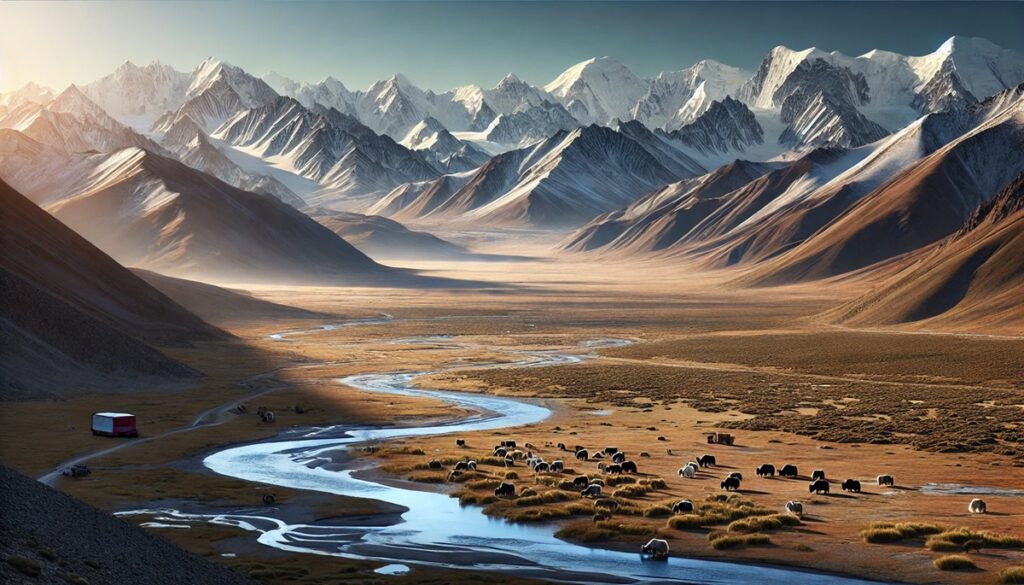
Rocky Mountain National Park feels vast the moment you arrive. Jagged peaks stretch into thin air, alpine tundra rolls out like a living carpet, and valleys plunge so deeply they seem to fold the Earth in on itself. Yet when people ask, “How big is Rocky Mountain National Park?” the answer is more than a number. Size here isn’t just acreage or square miles—it’s vertical scale, ecological range, and the way the landscape expands in your perception as you explore it. Nestled in north-central Colorado, Rocky Mountain National Park is one of the most dramatic protected landscapes in the United States. It’s a place where glaciers once carved stone, where rivers still write their stories into valleys, and where elevation creates entirely different worlds within a single park boundary. To understand how big it really is, you have to look at its physical dimensions, its elevation extremes, and how its scale compares to cities, states, and even entire ecosystems.
The Official Size: Numbers That Set the Stage
Rocky Mountain National Park covers approximately 415 square miles, or about 265,800 acres of protected land. On paper, that places it among the larger national parks in the contiguous United States, though not the largest. But those numbers only hint at the complexity packed inside its borders. Those 415 square miles include rugged mountain ranges, deep glacial valleys, alpine lakes, forests, rivers, and high-altitude tundra. Unlike flatter parks where land spreads outward horizontally, Rocky Mountain National Park stacks its size vertically. Elevation changes dramatically across relatively short distances, compressing a staggering amount of terrain into what might seem like a modest footprint compared to giant desert parks.
Elevation: Where Size Goes Vertical
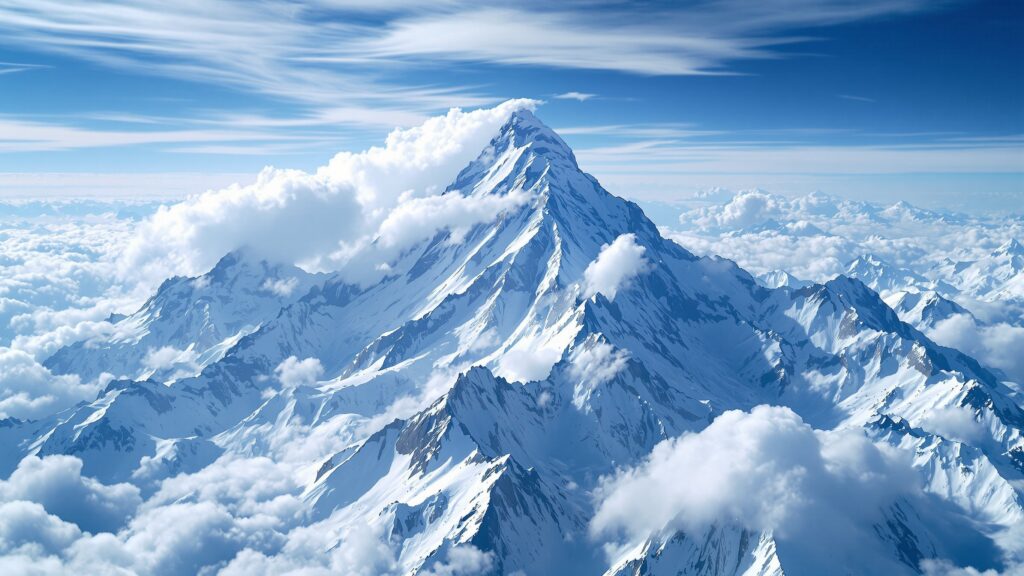
One of the most striking aspects of Rocky Mountain National Park’s size is its elevation range. The park spans from around 7,600 feet above sea level at its lowest points to over 14,259 feet at the summit of Longs Peak. That’s a vertical difference of more than 6,600 feet within a single park.
This vertical scale creates the sensation that the park is much larger than its acreage suggests. In just a few miles, visitors can travel from montane forests to subalpine meadows and finally into true alpine tundra. Each elevation band feels like a different region entirely, complete with its own climate, vegetation, and wildlife. In terms of experience, Rocky Mountain National Park isn’t just wide—it’s tall. The vertical dimension adds a layered depth that multiplies the sense of scale with every step uphill.
How Big Does It Feel When You’re Inside?
Size isn’t only measured by maps; it’s measured by time, distance, and effort. Hiking across Rocky Mountain National Park reveals how expansive it truly is. Many trails take hours just to reach a single destination, and some routes cross multiple ecological zones in one day.
Trail Ridge Road, one of the park’s most famous features, stretches for about 48 miles across the park, climbing above 12,000 feet and offering views that seem to go on forever. From the road alone, the landscape unfolds in layers—peaks behind peaks, valleys behind valleys—making the park feel boundless.
Even seasoned hikers often underestimate how long it takes to traverse the park. Steep climbs, thin air, and rugged terrain compress distance in a way that makes every mile feel earned. The park’s size reveals itself slowly, step by step.
Comparing Rocky Mountain National Park to Cities
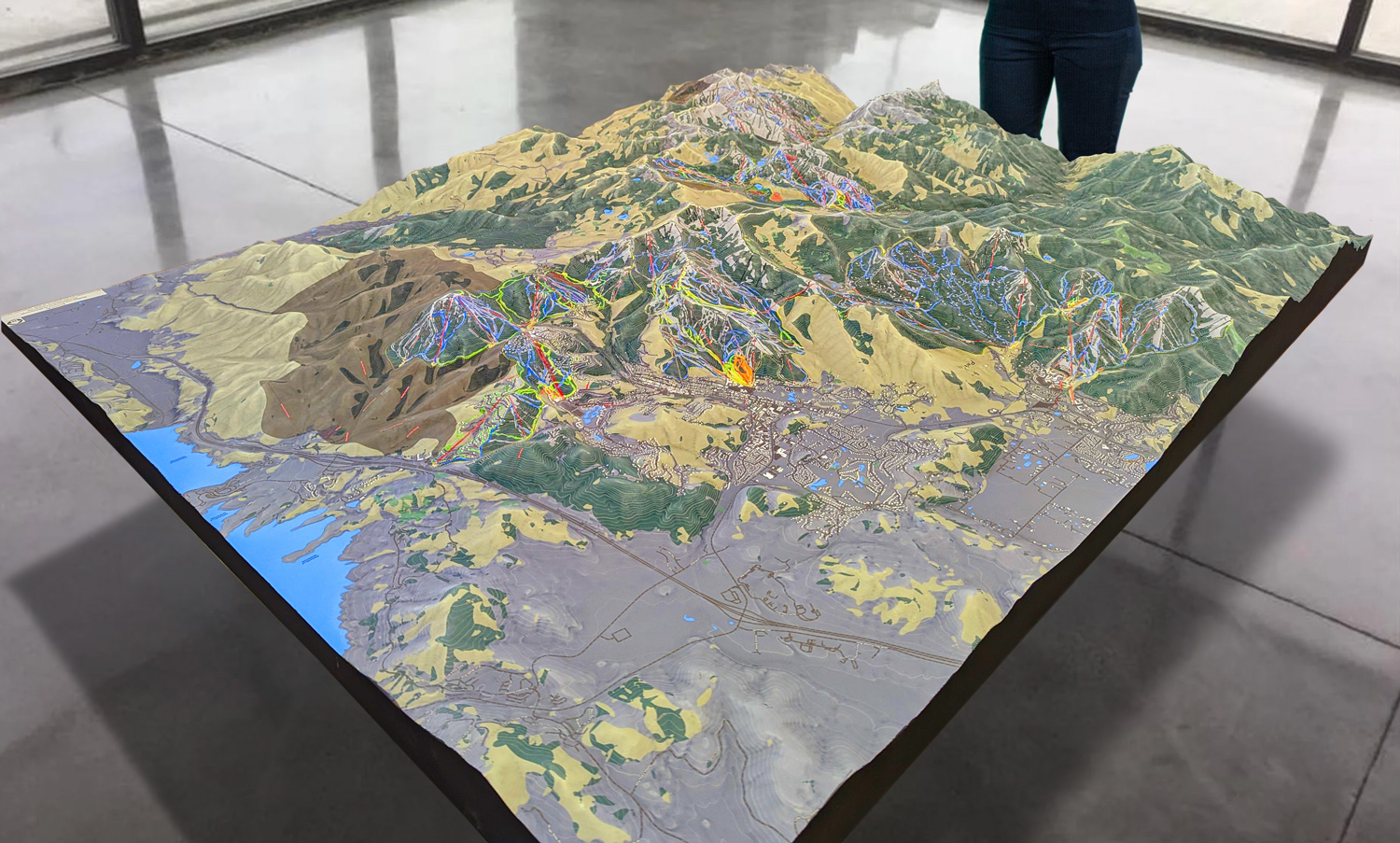
To visualize Rocky Mountain National Park’s size, it helps to compare it to familiar urban areas. At roughly 415 square miles, the park is:
- Larger than the entire city of Denver
- Roughly five times the size of Manhattan
- Comparable in area to cities like Los Angeles proper (excluding the metro sprawl)
Unlike a city, though, Rocky Mountain National Park has no straight roads, grids, or shortcuts. Its terrain forces you to move with the land rather than across it, which makes its size feel even more pronounced.
How It Compares to Other National Parks
Within the national park system, Rocky Mountain National Park sits in a fascinating middle ground. It’s smaller than giants like Yellowstone or Yosemite, but far more compact and vertically dramatic. Yellowstone sprawls across thousands of square miles, but Rocky Mountain National Park packs intense elevation, ruggedness, and ecological diversity into a tighter space.
This density of features is part of what makes the park feel so immense. In a single visit, you might encounter towering peaks, glacial lakes, roaring rivers, and quiet tundra—all within a few dozen miles of each other.
The Continental Divide: A Line That Doubles the Park
One of the most defining features of Rocky Mountain National Park is that it straddles the Continental Divide. This invisible line splits the park into eastern and western halves, each draining water to different oceans. On one side, rivers flow toward the Atlantic; on the other, toward the Pacific. This divide doesn’t just split water—it splits climate and character. The eastern side tends to be drier and windier, while the western slopes receive more moisture and support lush forests. In effect, the park behaves like two landscapes merged into one, doubling its experiential size.
Wildlife Territory and Living Space
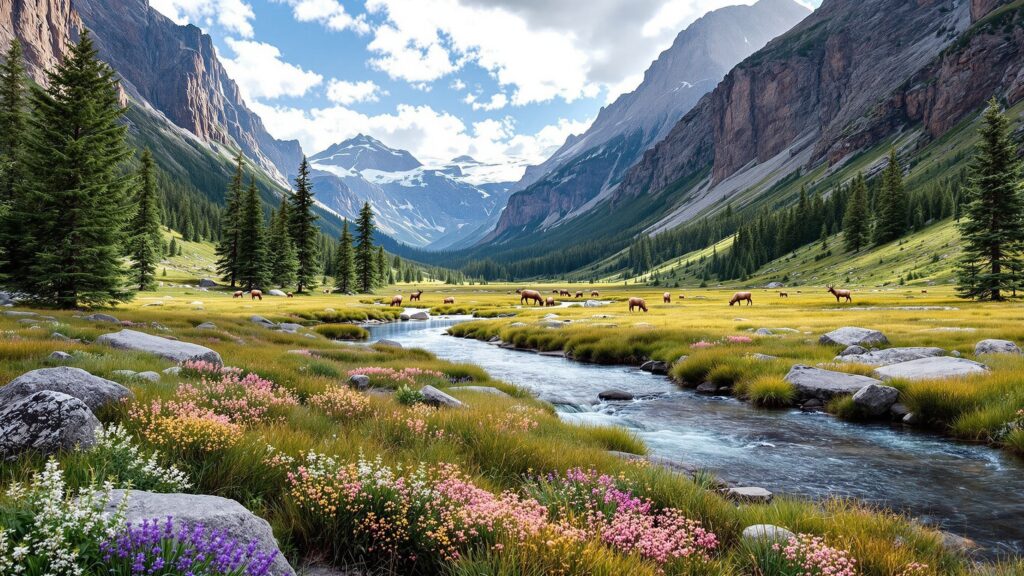
When thinking about size, it’s also important to consider how much space wildlife needs—and Rocky Mountain National Park provides it. Elk herds roam across vast valleys, bighorn sheep navigate steep cliffs, and moose move quietly through wetlands and forests.
These animals don’t experience the park as a bounded space on a map. To them, it’s a continuous, living environment where seasonal migrations and daily movement reveal just how expansive the park truly is. Protecting over 265,000 acres ensures that these ecosystems remain connected and functional.
Glaciers, Valleys, and Geological Time
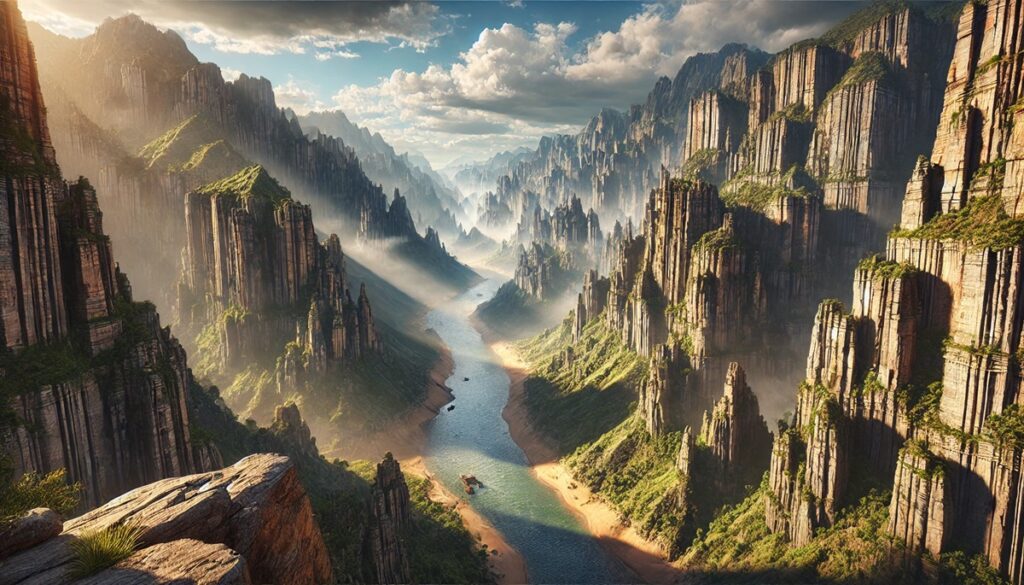
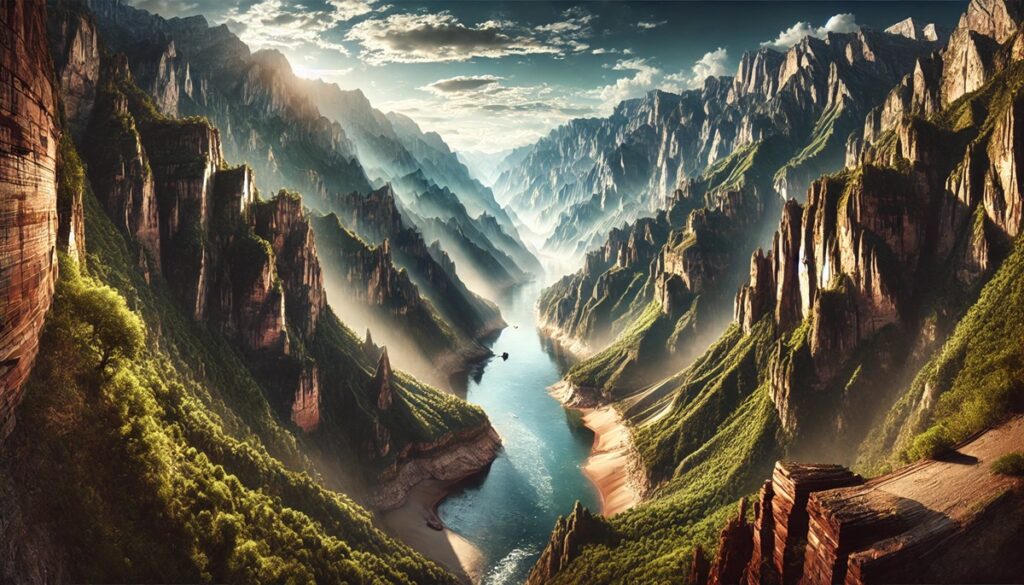
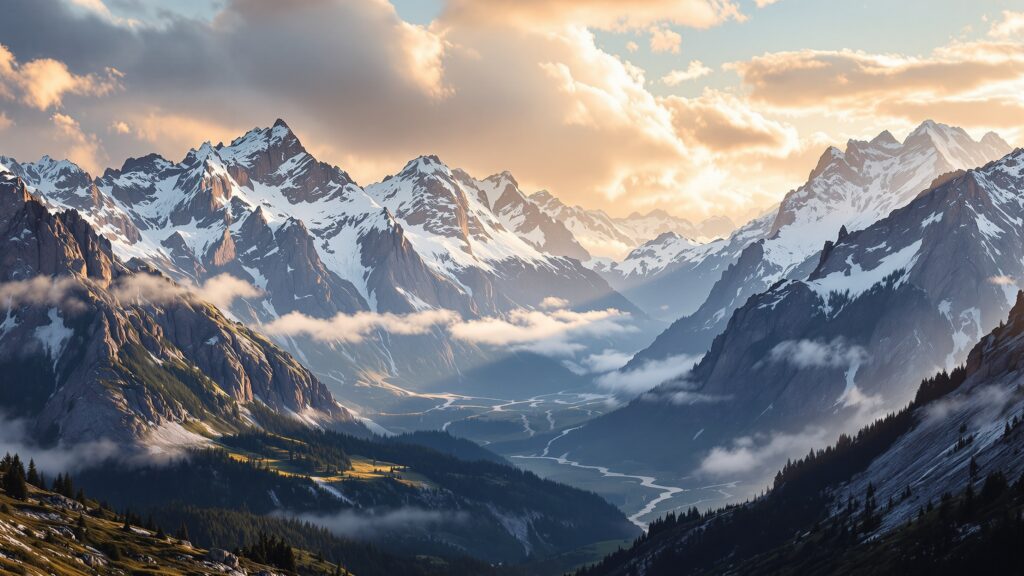
The park’s size becomes even more impressive when viewed through geological time. Ancient glaciers carved many of the valleys and basins that define Rocky Mountain National Park today. Moraine Park, Glacier Gorge, and Kawuneeche Valley are vast spaces shaped by ice that once covered thousands of feet of elevation.
These features stretch for miles and give the landscape a sculpted, monumental quality. Standing in one of these valleys, surrounded by sheer rock walls and distant peaks, the park feels enormous—not just in space, but in history.
Alpine Tundra: A Rare and Expansive Ecosystem
One of the most remarkable facts about Rocky Mountain National Park is that nearly one-third of its area lies above the tree line. This alpine tundra is one of the largest protected expanses of its kind in the contiguous United States. Above 11,500 feet, trees can no longer survive, and the land opens into rolling tundra dotted with hardy plants that grow low to the ground. This vast, windswept terrain adds another dimension to the park’s size, creating open spaces that feel more like Arctic landscapes than typical mountain scenery.
Waterways That Extend Beyond the Park
The rivers that begin in Rocky Mountain National Park extend its influence far beyond its borders. Snowmelt feeds major river systems, including the Colorado River’s headwaters. What happens within the park affects water supplies hundreds of miles away.
In this sense, the park’s size isn’t limited to its boundaries. Its ecological footprint stretches across states, making it a critical piece of a much larger environmental puzzle.
How Long Does It Take to Explore It All?
Many visitors spend just a day or two in Rocky Mountain National Park, but fully experiencing its size could take weeks. With hundreds of miles of trails, dozens of distinct valleys, and countless alpine basins, the park resists quick consumption. Even longtime visitors often discover new corners years later. The park’s size reveals itself gradually, rewarding curiosity and patience rather than checklists.
Seasonal Scale: A Park That Changes Size
Seasonality also affects how big Rocky Mountain National Park feels. In winter, snow closes many roads and trails, shrinking accessible areas but amplifying the sense of wilderness. In summer, high passes open, revealing expansive views and long routes that stretch the park open again. Each season reshapes the park’s scale, making it feel like multiple parks in one.
Why Rocky Mountain National Park Feels Bigger Than It Is
Ultimately, Rocky Mountain National Park feels larger than its 415 square miles because of its verticality, density of features, and emotional impact. The combination of towering peaks, deep valleys, and open tundra creates a sense of grandeur that transcends numbers.
It’s a place where distance is measured not just in miles, but in elevation gained, ecosystems crossed, and moments of awe experienced. That’s what makes the question “How big is Rocky Mountain National Park?” both simple and endlessly complex.
Final Perspective: Size Beyond the Map
Rocky Mountain National Park is big enough to hold entire worlds within its borders. From glacier-carved valleys to windswept tundra, from roaring rivers to silent summits, its size is defined by experience as much as measurement. At 415 square miles, it may not be the largest national park—but in terms of impact, diversity, and sheer presence, it stands among the greatest landscapes in North America.