How Big Is New York State? The Question That Opens the Map
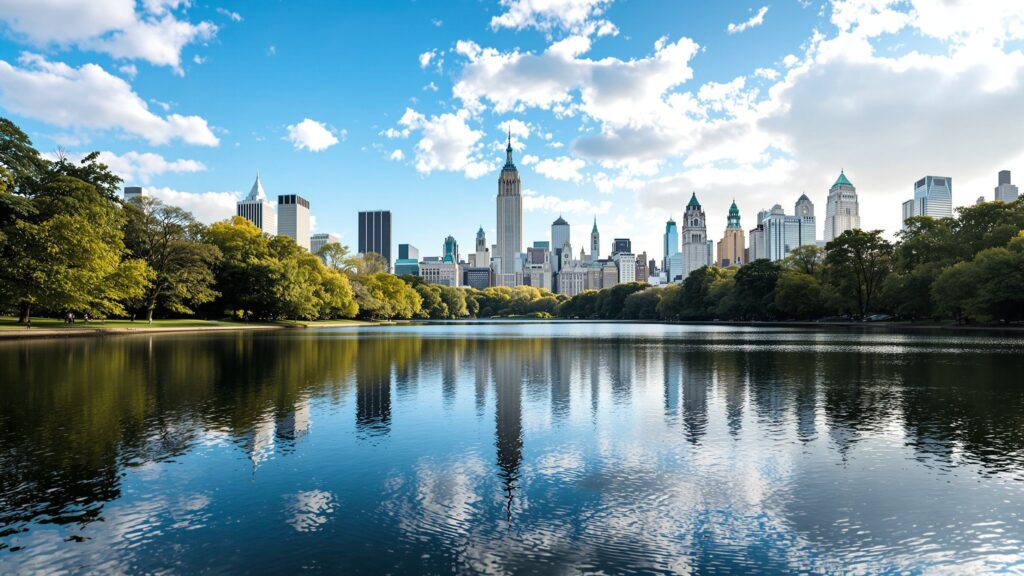
“How big is New York State?” It’s a deceptively simple question. For many people, the name “New York” instantly conjures images of towering skyscrapers, bustling streets, and the unmistakable energy of New York City. But the state itself is far more expansive, diverse, and geographically complex than that single urban icon suggests. Stretching from the Atlantic coastline to the shores of the Great Lakes, New York State is a vast landscape of forests, mountains, farmland, rivers, and cities. Its size isn’t just a number—it’s an experience. To truly understand how big New York is, you have to look beyond square miles and begin to explore how that space is shaped, used, and felt. This journey takes us across regions, comparisons, and perspectives that reveal the true scale of one of the most influential states in the United States.
The Raw Numbers: How Large Is New York?
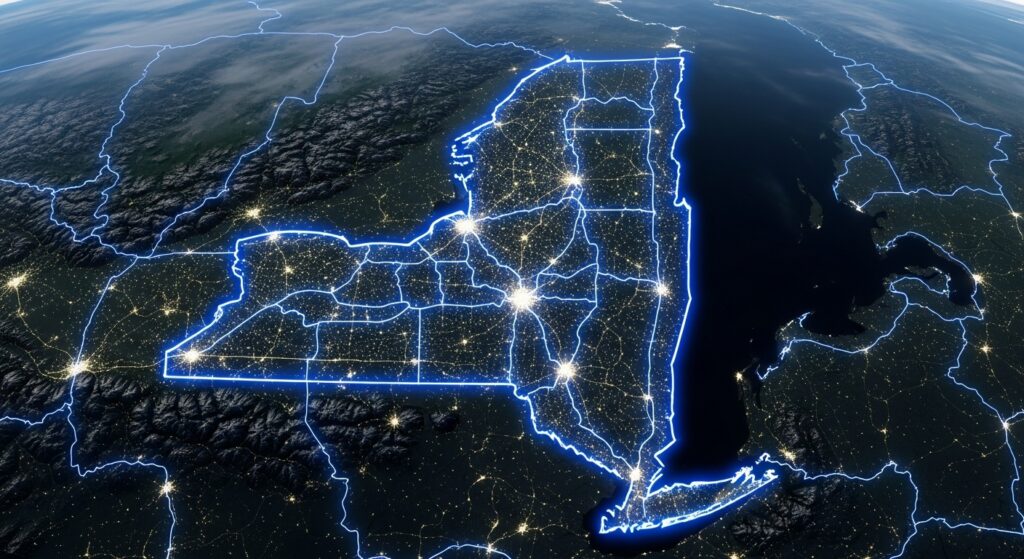
New York State covers approximately 54,555 square miles, making it the 27th largest state in the country. At first glance, that might place it somewhere in the middle of the pack, but numbers alone don’t tell the whole story.
To break it down further, the state spans about 330 miles from east to west and roughly 285 miles from north to south. That’s a significant footprint, especially when you consider the variety of landscapes packed into that space.
The state includes not only land but also substantial water areas, including parts of Lake Erie, Lake Ontario, the Hudson River, and the Atlantic Ocean coastline. These water features contribute to both its total size and its geographic identity.
A State of Regions: The True Scale Revealed
One of the most fascinating aspects of New York’s size is how it’s divided into distinct regions, each with its own character and geography. When you travel across the state, it often feels like moving between entirely different worlds.
Downstate, you’ll find the dense urban environment of New York City and its surrounding suburbs. This region is compact in terms of land but immense in population and cultural influence.
Move north and west, and the landscape opens up dramatically. The Hudson Valley offers rolling hills and scenic river views. The Catskills and Adirondacks introduce rugged mountains and vast wilderness areas. Central New York features farmland and small towns, while Western New York brings you to the shores of the Great Lakes.
Each region contributes to the overall size of the state, not just in physical terms but in diversity and scale of experience.
Comparing New York to Other States
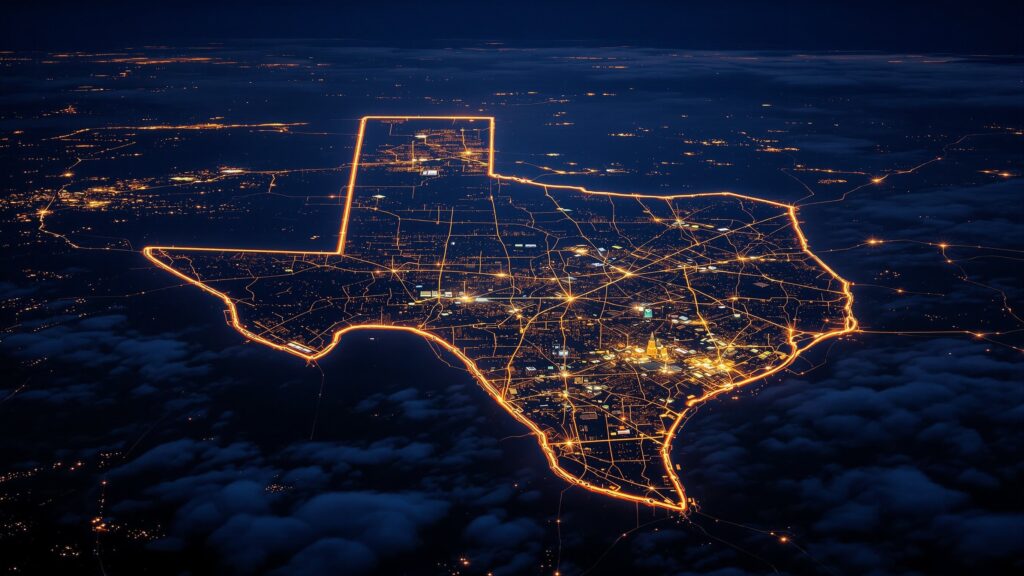
To better understand how big New York is, it helps to compare it to other states. While it’s not as massive as states like Texas or California, New York is still larger than many well-known states.
For example, New York is bigger than states like Pennsylvania and Virginia in terms of overall land and water area combined. It’s also significantly larger than all of the New England states individually.
In fact, New York’s size allows it to contain a wide range of environments that some smaller states simply can’t accommodate. From coastal beaches to alpine peaks, the state’s scale supports an impressive variety of ecosystems.
How New York Compares to Countries
Another way to visualize New York’s size is by comparing it to countries around the world. Surprisingly, New York is larger than several independent nations. It’s roughly comparable in size to countries like Greece or Nicaragua, depending on how you measure land versus total area. This comparison helps put into perspective just how expansive the state really is. Imagining New York as its own country highlights the diversity within its borders. Just like a nation, it contains multiple regions, climates, and cultural identities.
The Role of Water in New York’s Size
Water plays a major role in defining the size and shape of New York State. The state is bordered by two of the Great Lakes—Lake Erie and Lake Ontario—as well as the Atlantic Ocean to the southeast.
The Hudson River runs through the eastern part of the state, acting as both a natural boundary and a vital transportation route. Other rivers and lakes are scattered throughout the state, adding to its geographic complexity.
These water features not only increase the total area of the state but also influence how that space is used. Ports, shipping routes, and recreational areas all contribute to the way New York’s size is experienced.
Driving Across New York: A Real-World Perspective
One of the best ways to understand the size of New York is to drive across it. Traveling from New York City to Buffalo, for example, takes around six to seven hours by car, depending on traffic and route. That’s a full day’s journey, crossing multiple regions and landscapes along the way. You’ll pass through urban centers, rural farmland, mountainous terrain, and lakeside communities. This kind of travel experience highlights the practical scale of the state. It’s not just big on a map—it takes real time and effort to traverse.
The Adirondack Park: A Giant Within a Giant
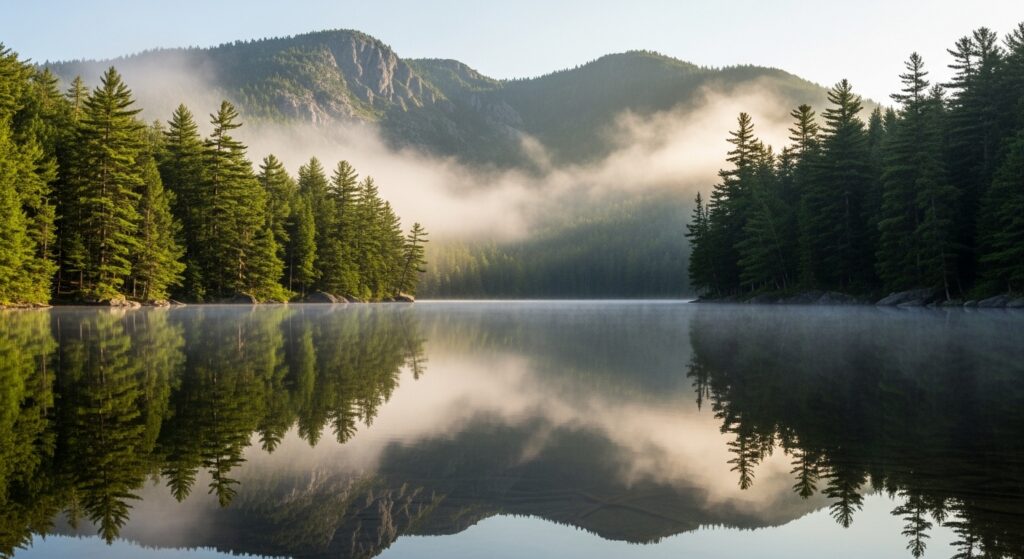
If you want to grasp the scale of New York in a more focused way, look no further than Adirondack Park. This massive protected area covers about six million acres, making it one of the largest publicly protected areas in the United States.
To put that into perspective, Adirondack Park is larger than several entire states. It’s a region of forests, lakes, and mountains that feels almost untouched by modern development.
The presence of such a vast natural area within New York underscores just how much space the state encompasses. It’s not just urban and suburban—it’s wild and expansive.
Population Density vs. Physical Size
New York State presents an interesting contrast between population density and physical size. While New York City is one of the most densely populated places in the world, much of the state is relatively sparsely populated. This creates a unique dynamic where vast areas of land are home to small communities, while a relatively small portion of the state contains millions of people. Understanding this balance helps explain why the state can feel both crowded and wide open at the same time.
Seasonal Scale: A State That Changes Throughout the Year
The size of New York is also experienced through its seasons. In the winter, snow blankets large portions of the state, especially in upstate regions. This can make distances feel longer and travel more challenging.
In the summer, the state opens up with greenery, festivals, and outdoor activities. Lakes, parks, and trails become more accessible, inviting exploration across its vast landscape. Each season reveals a different side of the state, adding another layer to how its size is perceived.
Economic and Cultural Reach
New York’s size isn’t just physical—it’s also economic and cultural. The state plays a major role in finance, media, agriculture, and tourism.
From Wall Street in Manhattan to vineyards in the Finger Lakes, the state’s economic activities are spread across its entire territory. This distribution reflects the importance of its geographic scale.
Culturally, New York is just as expansive. It’s a hub for art, music, food, and innovation, with influences that reach far beyond its borders.
Hidden Distances: The Surprises Within
Even longtime residents are often surprised by how big New York really is. There are towns and regions that feel worlds away from the city, despite being part of the same state. Traveling from Long Island to the Canadian border, for example, reveals a dramatic shift in scenery and atmosphere. These hidden distances make the state feel even larger than it appears on paper.
Seeing New York from Above
Aerial views offer another perspective on the state’s size. From above, you can see the patchwork of forests, fields, rivers, and cities that make up New York.
This perspective highlights the sheer масштабы of the state, showing how its various regions connect and interact. It’s a reminder that size isn’t just about distance—it’s about the relationships between places.
Why Size Matters
Understanding how big New York State is helps put everything else into context. It explains the diversity of its landscapes, the variety of its communities, and the complexity of its economy. Size influences infrastructure, transportation, and governance. It shapes how people live, work, and travel within the state. In many ways, the size of New York is the foundation upon which its identity is built.
More Than Just a Number
So, how big is New York State? It’s 54,555 square miles of possibility, contrast, and discovery. It’s a place where you can experience the energy of a global city and the serenity of untouched wilderness within the same borders.
But more importantly, it’s a state whose size is best understood not just in miles or acres, but in experiences. Every road traveled, every region explored, and every landscape encountered adds to the answer. New York is big—but it’s also layered, dynamic, and endlessly fascinating. And that’s what truly makes its size so remarkable.