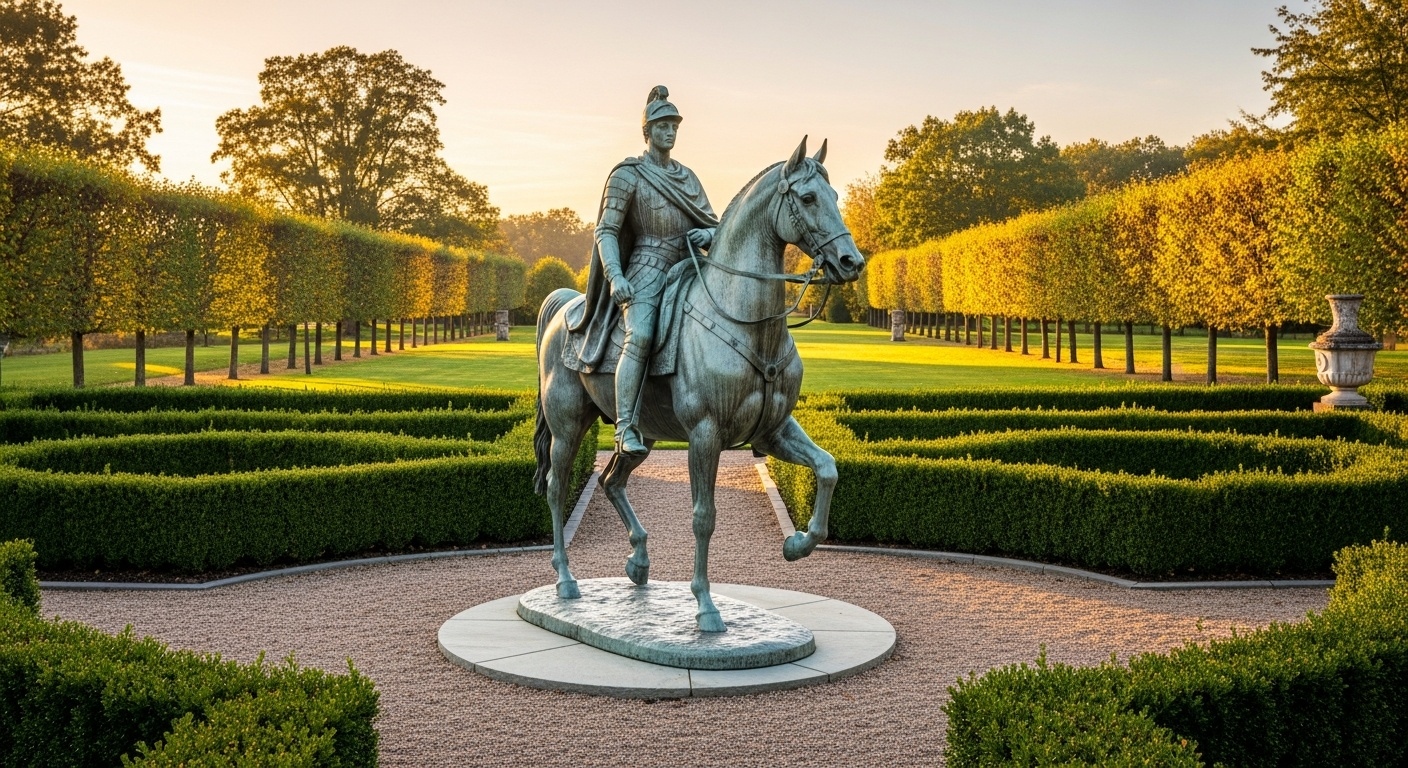
Why Mounted Monuments Feel Larger Than Life
Equestrian statues have a way of stopping people in their tracks. There is something instantly commanding about the image of a rider mounted on a horse, cast in bronze, carved in stone, or built from modern materials for a public plaza, memorial, estate, or event display. They feel grand even when they are not truly enormous, and that is part of their power. The horse adds motion, muscle, and drama. The rider adds story, symbolism, and status. Together, they create one of the most visually striking forms in sculpture. So how big is an equestrian statue? The answer depends on whether you are talking about life-size, monumental, or oversized display pieces. A life-size equestrian statue is already substantial because a real horse is large to begin with. Once a sculptor adds a rider, a base, and the visual elevation needed for public viewing, the final work can become impressively tall. Even a “standard” equestrian statue can dominate a room, a courtyard, or a civic square. Larger public monuments can rise far beyond that, becoming landmarks that define an entire site.
Understanding the size of an equestrian statue means looking at more than simple height. Width, length, pedestal size, viewing distance, material thickness, structural support, and the pose of the horse all affect the final scale. A horse standing calmly with four hooves on the ground creates one footprint. A horse rearing upward creates another, often taller and more dramatic, with very different engineering needs. A compact indoor piece and a monumental outdoor installation may depict the same basic subject, but they live in completely different worlds of design and construction. This is what makes the question so interesting. An equestrian statue is not just “big” in the way a single human figure might be big. It is big in layers. It includes the mass of the horse, the height of the rider, the spread of legs and tail, the angle of the neck, and the visual space needed around it. That is why these statues have been used for centuries to project authority, commemorate victories, celebrate leaders, and create unforgettable public art.
Why Equestrian Statues Feel So Large
An equestrian statue often feels bigger than its measurements suggest because the subject itself carries natural scale. Horses are powerful animals with long bodies, broad chests, raised heads, and strong legs. Add a rider, and the eye reads the sculpture vertically and horizontally at once. Even before a pedestal enters the equation, the figure occupies serious visual territory.
A typical horse may stand around 5 to 6 feet at the withers, which is the ridge between the shoulder blades, but that does not capture the full height of the animal when the head and ears are included. The body length can stretch around 8 feet or more, and the overall visual footprint becomes even larger when the tail, stance, and movement are considered. Place a rider on top, and the total sculptural height increases immediately. What started as a large animal sculpture becomes a vertical composition that can easily push well over 8 feet in life-size form before any base is added.
That is why equestrian statues are so often associated with plazas, memorial parks, government buildings, and estates with generous open space. They need room to breathe. Even a beautifully proportioned equestrian statue can feel cramped if it is squeezed into an area that does not allow enough distance for viewing. These works are meant to be seen from multiple angles, often from below, and sometimes from far across an open square. The scale is also emotional. People tend to compare themselves directly to human statues, but with equestrian works, they compare themselves to the rider and the horse at the same time. That double comparison makes the sculpture feel especially imposing. You are not just standing next to a figure. You are standing next to a full mounted scene.
What Counts as Life-Size?
When people ask how big an equestrian statue is, life-size is usually the best place to start. A life-size equestrian statue is designed to match the proportions of a real horse and rider as closely as possible. That sounds straightforward, but in practice, even life-size can vary based on the breed of horse being depicted, the posture of the animal, the costume or armor of the rider, and the sculptor’s artistic intent.
A life-size horse alone can measure roughly 7 to 9 feet from the ground to the top of the head or ears, depending on pose. Add a mounted rider, and the total height may climb to around 9 to 12 feet. The length of the piece could reach 8 to 10 feet or more. Width may vary from about 2.5 to 4 feet at the body, with greater overall spread depending on tail movement, leg placement, and tack details.
Even at life-size, the result is surprisingly commanding. A person standing beside it may realize very quickly that “real size” for a horse is already dramatic. That is one reason equestrian statues have such a strong presence in museums, private collections, and commemorative landscapes. They do not have to be giant to feel important.
In many cases, sculptors make subtle adjustments beyond strict realism. Heads may be lifted slightly higher. Poses may be made more energetic. Certain details may be emphasized so the statue reads better from a distance. This means that a so-called life-size equestrian statue may be a little idealized, not because it is inaccurate, but because public sculpture often needs to communicate clearly from multiple vantage points.
Monumental Equestrian Statues and Public Scale
Once an equestrian statue moves beyond life-size, it enters the realm of monumental sculpture. This is where things get truly impressive. Monumental equestrian statues are often one-and-a-half times life-size, twice life-size, or even larger. At this scale, the horse is no longer simply realistic. It becomes heroic.
A 1.5-times-life-size equestrian statue can rise to around 13 to 18 feet tall without a pedestal, depending on the pose. At double life-size, the sculpture can become a major engineering object, with the mounted figure reaching heights that can dominate an urban plaza or civic approach. Add a substantial pedestal, and the overall structure may soar much higher, creating a visual landmark rather than just a freestanding artwork. This kind of enlargement changes the experience completely. Details that might be subtle at life-size become bold and theatrical. The horse’s muscles read from farther away. The rider’s gesture becomes more visible. The monument can anchor a public space and pull attention from blocks away. It turns into architecture as much as sculpture.
Monumental scale is often chosen when the goal is commemoration. Historical leaders, military figures, cultural icons, and legendary characters are frequently depicted in equestrian form because the mounted pose already suggests motion, command, and status. Making that image larger than life adds another layer of symbolism. It says this subject is not just remembered. It is elevated.
The Pedestal Changes Everything
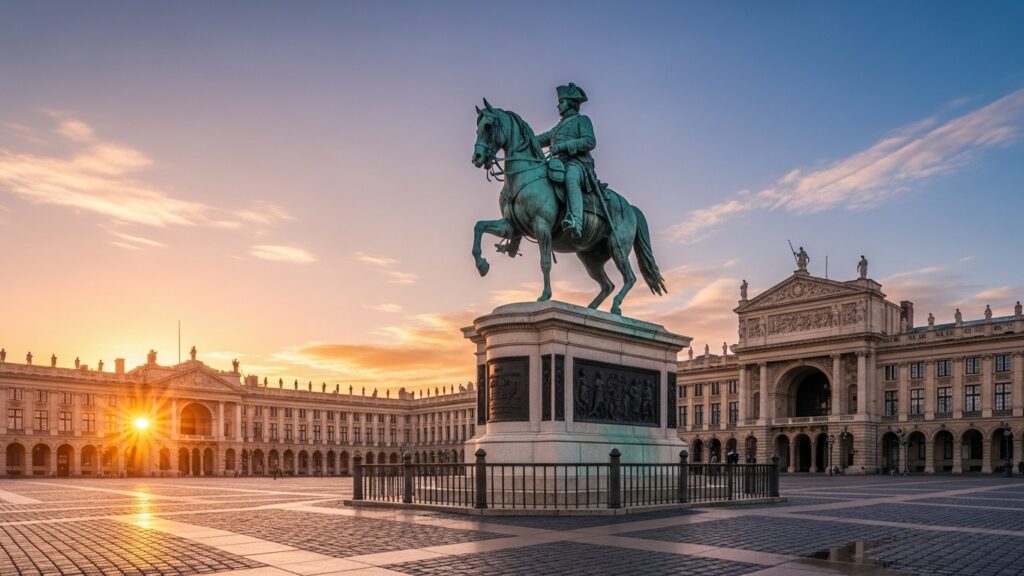
One of the biggest reasons equestrian statues seem so tall is that many people mentally measure only the horse and rider, while in reality the pedestal is a major part of the final size. In public art, the pedestal is not an afterthought. It is part of the visual storytelling.
A life-size equestrian statue on a low base may feel intimate and approachable. The viewer can study the horse’s anatomy, the folds of the rider’s clothing, and the detailed craftsmanship up close. But place that same sculpture on a tall stone pedestal, and it immediately shifts into ceremonial territory. The figure becomes more distant, more commanding, and more obviously symbolic.
Pedestals can range from modest plinths just a foot or two high to dramatic platforms many feet tall. In some cases, the base may be almost as visually important as the sculpture itself. It can include inscriptions, relief panels, steps, decorative stonework, or architectural framing elements that expand the total footprint and height of the monument.
This matters when someone asks, “How big is it?” There are really two answers. There is the size of the sculpted group itself, and there is the size of the completed installation. A life-size mounted statue might be around 10 feet tall as a sculpture, but with a pedestal and site design, the full presentation could feel much larger and read more like a 15- to 25-foot monument, depending on the setting.
Different Horse Poses Create Different Dimensions
Not all equestrian statues are built on the same proportions because not all horses are posed the same way. The posture of the animal changes the dimensions dramatically. This is one of the most fascinating parts of equestrian design because it affects not only appearance, but also structural engineering and viewer perception.
A horse standing square on all four legs tends to create the most stable and grounded composition. The height may be lower than more dramatic poses, but the length and mass remain substantial. This kind of statue often feels dignified, balanced, and stately.
A walking horse introduces forward movement. One leg may extend, the neck may angle slightly, and the whole sculpture begins to suggest momentum. The overall footprint grows subtly as the stride lengthens, and the piece can feel more dynamic without becoming visually chaotic.
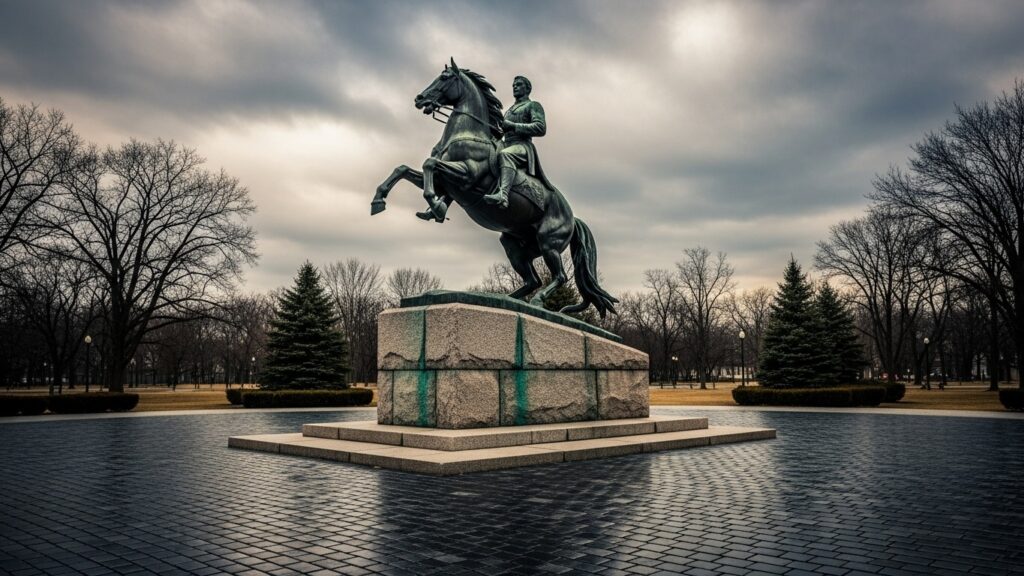
A horse rearing up is where the scale becomes especially theatrical. Suddenly the statue grows vertically, the rider is lifted higher, and the silhouette becomes far more dramatic. This pose can make an equestrian statue seem much taller than a standing version of the same horse and rider. It also introduces serious engineering challenges because more weight must be supported through fewer contact points.
A galloping or leaping pose takes dynamism even further, though it is more complex to execute structurally. In contemporary prop fabrication or lightweight display builds, this kind of dramatic action may be easier to achieve using hidden internal supports and modern materials. In traditional bronze or stone monuments, however, every pose must be carefully balanced to protect the sculpture over time.
Material Matters More Than Most People Think
Size is not just about visible dimensions. It is also about mass. An equestrian statue built in bronze has a very different physical presence from one made in fiberglass, resin, foam-coated composite, carved wood, or fabricated metal. Two statues can be the same size and look equally grand, yet differ enormously in weight, installation needs, and cost.
Bronze remains one of the most iconic materials for equestrian statues because it captures fine detail, handles outdoor conditions well, and carries the historical prestige associated with classic monuments. A large bronze equestrian statue can be incredibly heavy, requiring strong foundations, cranes for installation, and serious planning for transport. At monumental scale, the logistics become as important as the artistic vision.
Stone offers permanence and grandeur, but it also comes with major weight and carving challenges. Full equestrian sculptures in stone are rarer and more demanding because the material is unforgiving and the figure group is complex. The result can be breathtaking, but the path to completion is long and technically intense.
Modern materials open up new possibilities. Fiberglass and composite structures can create large equestrian forms with less weight, making them attractive for themed environments, event displays, brand installations, temporary exhibits, and decorative architectural features. These pieces can still look impressive and polished while being easier to move and install than a traditional cast-metal monument.
That means the phrase “How big is an equestrian statue?” can also be a hidden question about practicality. How big can it be for a museum hall? How big can it be for a trade show? How big can it be for a hotel entrance, ranch estate, or outdoor attraction? Material choices help answer those questions just as much as artistic ambition does.
Indoor Equestrian Statues vs Outdoor Installations
The setting has a huge effect on how large an equestrian statue should be. Indoor statues often need to work within ceiling heights, door clearances, floor loading limits, and tighter viewing distances. Outdoor statues have more freedom to grow, but they must respond to weather, wind, visibility, and landscape scale.
An indoor equestrian statue can still be dramatic at life-size, especially in a grand lobby, gallery, or atrium. Because interior spaces are controlled and people view the sculpture from closer range, there is less need to oversize every feature. The statue can rely on craftsmanship and presence rather than pure monumentality.
Outdoor installations are different. Open air tends to visually shrink objects. A statue that seems enormous in a workshop may feel merely moderate once placed in a wide plaza or expansive lawn. That is why many outdoor equestrian works are designed with stronger silhouettes, slightly amplified forms, and larger pedestals. They need to compete with sky, architecture, trees, and distance.
Wind load, rain exposure, and foundation design also become crucial outdoors. A tall equestrian statue with a dramatic pose may need hidden armatures, internal reinforcement, and carefully engineered anchoring systems. The larger the statue becomes, the more it behaves like a structural installation rather than just a sculptural object.
This is especially true for custom fabricated pieces intended for public attractions or commercial environments. A striking oversized equestrian statue can become a signature destination feature, but only if scale, durability, and site planning are all working together.
Historical Grandeur and Modern Interpretations
Equestrian statues carry centuries of tradition. Historically, they were associated with rulers, generals, emperors, and national heroes. The mounted figure communicated command, mobility, and prestige. In cities around the world, equestrian monuments still function as symbols of memory and power, often marking major squares, civic centers, and ceremonial routes.
Because of that legacy, people often expect equestrian statues to be large. Even when a new version is built for decorative or artistic purposes rather than formal commemoration, the form itself suggests grandeur. It almost asks for space, visibility, and a certain theatrical confidence.
Modern interpretations, however, are much more flexible. Today an equestrian statue might be realistic, abstract, stylized, minimalist, hyper-detailed, or even playful. It could honor history, celebrate local culture, serve as a landscape centerpiece, or act as a dramatic branded prop for events or hospitality spaces. Some are designed to feel timeless and classical. Others are intentionally contemporary and bold.
This flexibility affects size choices. A classical civic monument may lean toward life-size or larger-than-life proportions on a stone pedestal. A luxury estate might prefer a refined life-size piece placed at ground level for intimacy. A themed environment or experiential marketing display may choose an exaggerated size to create spectacle and encourage photos. The same subject can be scaled in completely different ways depending on the goal.
So, How Big Is an Equestrian Statue Really?
The most honest answer is that an equestrian statue is usually bigger than people expect. Even at life-size, it is a major sculpture. A realistic horse and rider can easily create a work around 9 to 12 feet tall, roughly 8 to 10 feet long, and visually substantial from every direction. Add a pedestal, and the finished presentation becomes even more commanding. Once the statue moves into monumental territory, the size can increase dramatically. Larger-than-life versions may tower over visitors, define public spaces, and function as landmarks. Their dimensions are shaped not only by the subject, but by pose, material, structural demands, and the setting around them.
That is really the beauty of the equestrian statue. It exists at the intersection of art, architecture, engineering, and storytelling. It is not just about making a horse and rider large. It is about choosing the right size to create the right feeling. Grandeur, dignity, motion, memory, spectacle, and presence all live inside that decision. In the end, asking how big an equestrian statue is opens the door to a bigger question: how big should it feel? For a museum, the answer may be impressive but intimate. For a public memorial, it may be heroic and elevated. For a custom display or modern fabricated installation, it may be bold, immersive, and unforgettable. No matter the setting, one thing is certain. An equestrian statue rarely disappears into the background. It is built to be seen, remembered, and felt.