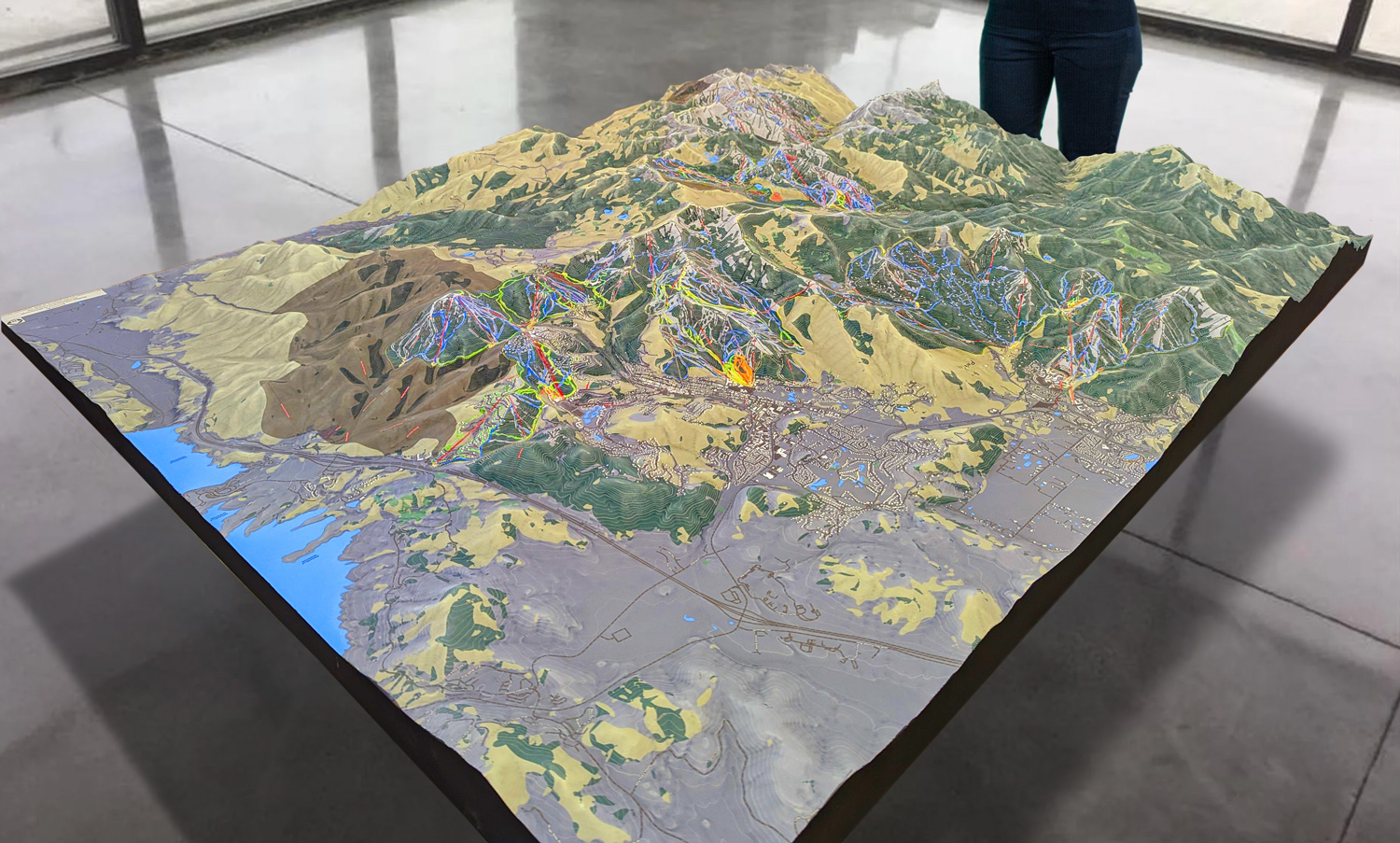
Exploring the Vast Underground Landscapes Hidden Beneath Our Feet
When people think about maps, they usually picture familiar things: road maps, city maps, or perhaps colorful topographic maps showing mountains and rivers. But some of the most fascinating maps on Earth don’t show what’s above the ground at all. Instead, they reveal what lies deep beneath it. These are seismic maps—powerful scientific tools that allow researchers to visualize the structure of the Earth far below the surface. But how big is a seismic map? The answer is surprisingly complex. A seismic map can represent a single city block, an entire continent, or even the entire planet. Unlike traditional maps that display landscapes we can see, seismic maps depict invisible underground structures using sound waves, vibrations, and advanced computer modeling. In other words, a seismic map can be as big as the Earth itself—and as deep as the planet’s core. Understanding the scale of seismic maps opens the door to one of the most fascinating areas of geoscience. From predicting earthquakes to locating oil reserves, mapping tectonic plates, and studying the Earth’s interior, seismic mapping gives scientists a window into a hidden world that stretches thousands of miles below our feet. Let’s explore just how big seismic maps can be and why they are one of the most powerful tools in modern geology.

What Exactly Is a Seismic Map?
A seismic map is a representation of underground structures created using seismic waves—vibrations that travel through the Earth. These waves are generated either naturally, such as during earthquakes, or artificially using controlled explosions or specialized vibration equipment.
When seismic waves travel through the ground, they interact with different layers of rock, soil, and minerals. Each layer changes the speed and direction of the waves. Sensitive instruments called seismometers detect these changes and record how the waves move through the Earth.
Scientists then analyze this data to construct a map showing the structure of the subsurface. The final result is a detailed image or model of what lies beneath the surface—often revealing layers of rock, underground faults, magma chambers, and other geological features.
In essence, seismic maps act like medical imaging scans for the Earth. Just as an MRI reveals structures inside the human body, seismic maps reveal the structure of the planet itself.
The Smallest Seismic Maps: Mapping a Single Construction Site
At the smallest scale, seismic maps can focus on very localized areas. Engineers often use seismic mapping when planning large construction projects such as bridges, dams, skyscrapers, and tunnels.
In these cases, the seismic map might only cover a few acres or a few city blocks. Even though the geographic area is small, the information gathered is extremely important.
Engineers use seismic surveys to determine the strength and composition of the ground beneath a construction site. They can identify underground cavities, loose sediment layers, buried rock formations, or fault lines that could affect building stability.
For example, before constructing a major bridge, engineers might create a seismic map of the riverbed and surrounding terrain. This helps them determine where solid bedrock exists and where the ground may be unstable.
These small-scale seismic maps typically cover depths ranging from a few meters to several hundred meters underground.
Even at this limited scale, seismic mapping provides crucial insights that help ensure the safety and durability of large infrastructure projects.
Regional Seismic Maps: Understanding Earthquake Zones
When scientists study earthquakes, they rely on seismic maps that cover much larger areas. These maps often span entire regions, mountain ranges, or tectonic fault systems.
Regional seismic maps help geologists understand how stress builds up in the Earth’s crust. By mapping underground faults and rock layers, scientists can identify areas where earthquakes are more likely to occur.
For example, seismic maps of California’s San Andreas Fault reveal a complex network of fractures stretching hundreds of miles across the state. These maps show how different sections of the fault move relative to one another and where the greatest seismic risks exist.
A regional seismic map may cover hundreds or even thousands of square miles. In some cases, researchers map entire tectonic boundaries between continents or ocean plates.
These maps also extend deep into the Earth’s crust, often reaching depths of 20 to 40 miles. This allows scientists to study the layers where earthquakes originate and understand the forces shaping the planet’s surface.
Continental Seismic Maps: Imaging the Structure of Entire Landmasses
As seismic mapping techniques advanced, scientists began creating maps that cover entire continents.
These massive seismic surveys combine data from thousands of sensors placed across large regions. The collected data is processed using sophisticated algorithms that reconstruct the structure of the Earth’s crust and upper mantle. One example is seismic mapping across North America. These projects analyze seismic waves from thousands of earthquakes and record how they travel through the continent’s interior.
The resulting seismic maps reveal huge geological structures hidden deep underground. These include ancient mountain roots buried beneath plains, massive tectonic plate boundaries, and remnants of long-vanished oceans. In some cases, scientists have discovered geological features that are billions of years old—hidden hundreds of miles below the surface.
Continental seismic maps often extend hundreds or even thousands of miles across. They may reach depths of several hundred miles beneath the surface, revealing structures deep within the mantle. These maps provide critical insights into the geological history of entire continents.
Global Seismic Maps: Mapping the Entire Planet
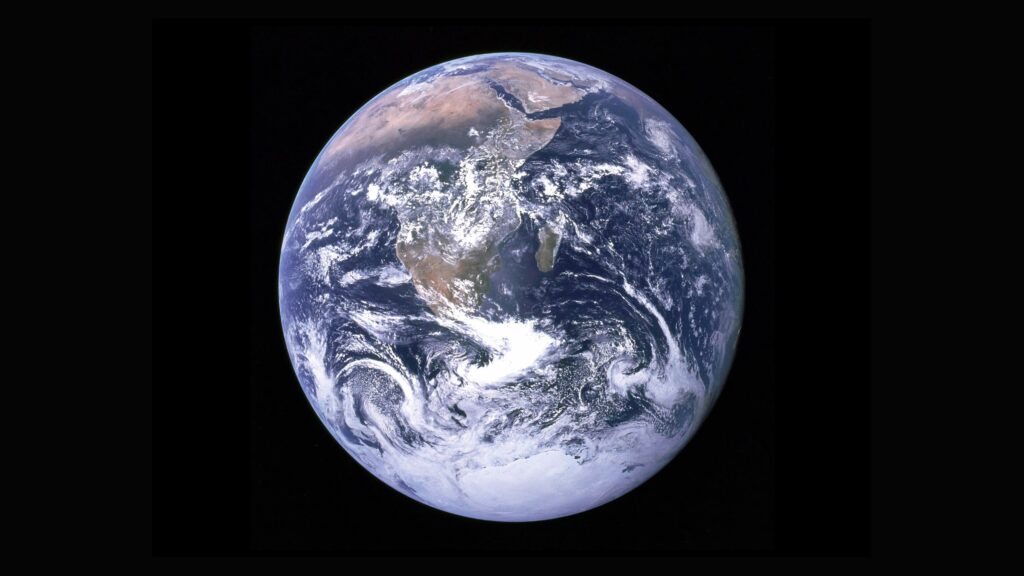
At the largest scale, seismic maps cover the entire Earth.
Global seismic mapping uses earthquake waves traveling through the planet to create detailed models of Earth’s internal structure. Every earthquake sends seismic waves racing through the globe in all directions. By measuring how these waves move through the Earth and where they are detected, scientists can reconstruct the planet’s internal layers.
These global seismic maps reveal a surprisingly complex interior. The Earth is not a uniform sphere but a layered structure consisting of the crust, mantle, outer core, and inner core.
Global seismic maps have revealed features such as massive mantle plumes—columns of hot rock rising from deep within the Earth. They have also helped scientists identify subduction zones where tectonic plates sink into the mantle.
Some of these seismic models extend all the way to the Earth’s core, nearly 4,000 miles below the surface. In other words, a global seismic map is essentially a cross-sectional view of the entire planet.
The Third Dimension: Seismic Maps Are Often 3D
Unlike traditional maps, seismic maps are rarely flat.
Most seismic maps are three-dimensional models showing both horizontal distance and depth. In fact, some of the most advanced seismic imaging systems create fully interactive 3D models of underground structures.
These models allow scientists to slice through the Earth virtually, examining layers at different depths.
For example, a seismic map might show the distribution of rock layers beneath an oil field. By rotating and examining the model, geologists can identify potential reservoirs and drilling locations.
In earthquake research, 3D seismic maps help scientists visualize how faults extend beneath the surface. This can reveal hidden fault branches that may not appear on the surface.
The ability to map underground structures in three dimensions dramatically improves our understanding of how the Earth works.
Seismic Maps Used in Oil and Gas Exploration
One of the most widespread uses of seismic mapping occurs in the energy industry.
Oil and gas companies rely heavily on seismic maps to locate underground deposits of hydrocarbons. These deposits are often trapped within specific geological structures such as folds, faults, and porous rock layers.
To create these maps, specialized trucks or ships generate controlled seismic waves using vibrating plates or air guns. The waves travel into the Earth and reflect back from different layers of rock.
Sensitive detectors record these reflections, allowing geologists to build detailed subsurface maps.
Some seismic surveys in oil exploration cover hundreds or thousands of square miles. Offshore surveys may map entire ocean basins.
These maps can reveal underground formations several miles below the seabed.
Without seismic mapping, modern energy exploration would be far less efficient and far more expensive.
Seismic Hazard Maps: Predicting Earthquake Risk
Another important type of seismic map focuses on earthquake risk.
Seismic hazard maps combine data about fault lines, historical earthquakes, and underground geology to estimate how strongly the ground may shake during future earthquakes.
These maps are widely used by governments, engineers, and urban planners. Building codes in earthquake-prone regions are often based on seismic hazard maps.
For example, cities like Tokyo, Los Angeles, and Istanbul rely heavily on these maps when designing earthquake-resistant infrastructure.
Seismic hazard maps can cover entire countries or continents. They display zones of varying risk, helping communities prepare for potential disasters.
Although earthquakes cannot yet be predicted precisely, seismic mapping allows scientists to identify areas where strong shaking is most likely.
The Technology Behind Seismic Mapping
Creating seismic maps requires some of the most advanced technology in geoscience.
Seismometers are capable of detecting incredibly small vibrations—sometimes movements smaller than the width of a human hair. Modern seismic networks consist of thousands of sensors placed around the world.
Supercomputers process enormous volumes of seismic data. Each earthquake generates complex wave patterns that must be analyzed to determine how waves traveled through the Earth.
Advanced algorithms transform these signals into detailed images of underground structures.
In recent years, machine learning and artificial intelligence have begun assisting seismic research. These tools help scientists detect patterns in seismic data that might otherwise be difficult to interpret.
As computing power continues to grow, seismic maps are becoming more detailed and accurate than ever before.
The Deepest Seismic Maps: Probing the Earth’s Core
Perhaps the most astonishing seismic maps are those that reveal the deepest parts of the Earth.
Seismic waves are the only way scientists can study the Earth’s core directly. No drilling technology has ever reached anywhere close to the depths where the core begins.
The deepest borehole ever drilled—the Kola Superdeep Borehole in Russia—reached about 7.5 miles deep. In contrast, the Earth’s radius is nearly 4,000 miles.
Seismic mapping allows scientists to study regions thousands of miles below the surface.
Through seismic analysis, scientists discovered that the outer core is liquid while the inner core is solid. They have also observed mysterious structures such as ultra-low velocity zones near the core-mantle boundary.
These discoveries provide crucial clues about how the Earth formed and how its magnetic field operates.
In this sense, seismic maps help scientists explore a realm that humans may never physically reach.
Why Seismic Maps Matter
Seismic maps are more than scientific curiosities—they play a vital role in modern society.
They help engineers design safer buildings in earthquake zones. They guide energy exploration and resource management. They reveal the structure of tectonic plates and help scientists understand how continents move over time.
Seismic maps also improve our ability to respond to natural disasters. By understanding where earthquakes are most likely to occur, governments can develop better preparedness strategies.
Perhaps most importantly, seismic maps deepen our understanding of the planet we live on. They allow scientists to study processes that shape mountains, oceans, volcanoes, and continents.
Without seismic mapping, much of the Earth’s inner workings would remain a mystery.
A Map as Big as the Planet
So how big is a seismic map?
The answer depends on what scientists are trying to study. Some seismic maps cover just a few acres beneath a construction site. Others span entire continents or ocean basins.
The largest seismic maps encompass the entire Earth and extend thousands of miles into its interior.
Unlike traditional maps that show what we can see, seismic maps reveal an invisible world beneath our feet—a world of shifting plates, rising magma, and ancient geological structures.
In many ways, seismic maps are among the most ambitious maps ever created. They attempt to chart the hidden architecture of a dynamic planet that is constantly moving and evolving.
The next time you hear about an earthquake or a geological discovery, remember that scientists are mapping a world far deeper than the surface we walk on.
And those maps may be some of the biggest maps ever made.