From Tiny Fairies to Towering Giants: Exploring the True Scale of Garden Statues
When you imagine a garden statue, what comes to mind? Perhaps a small cherub peeking through ivy, or a grand marble goddess presiding over a fountain. Garden statues have existed for centuries as artistic anchors, conversation pieces, and emblems of beauty in outdoor spaces. Yet one question still sparks endless curiosity — how big is a garden statue, really? The answer is more exciting (and varied) than you might expect. Garden statues range from the miniature to the monumental, and each size tells a different story. Let’s explore the world of scale — from subtle accent pieces to colossal outdoor icons — and how the size of your statue can transform your garden’s personality.
The Tiny Titans: Miniature Garden Statues
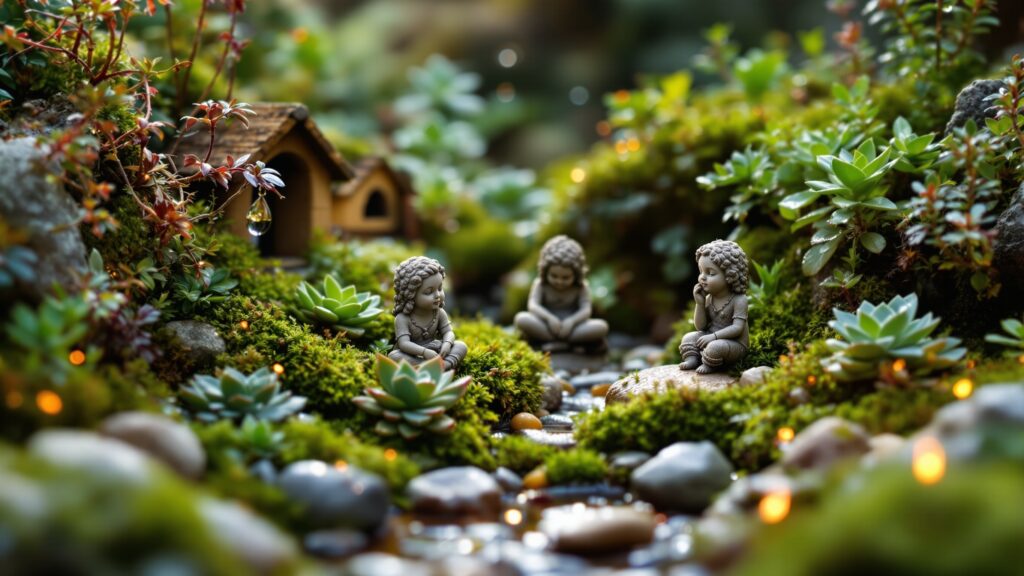
At the smallest end of the spectrum lie miniature statues, the hidden gems of garden design. These figures, often only a few inches tall, are the storytellers of small spaces. You’ll find them tucked into fairy gardens, nestled among succulents, or perched on the edge of a flower pot. Despite their size, these statues create an intimate world of detail — inviting you to lean in, to look closer.
A two-inch frog might feel insignificant on its own, but surrounded by pebbles, moss, and miniature trees, it becomes the hero of a secret landscape. Miniature garden statues typically range from 2 to 10 inches high — perfect for apartment balconies, window boxes, and whimsical tabletop gardens. What makes them magical is scale itself: these statues transform ordinary planters into enchanted microcosms. They remind us that even the smallest art can hold enormous charm.
The Decorative Middle Ground: Small to Medium Statues
Step up from miniatures, and you enter the heart of garden decor — statues between 1 and 3 feet tall. These are the storytellers of patios and pathways, the silent sentinels beside birdbaths and benches.
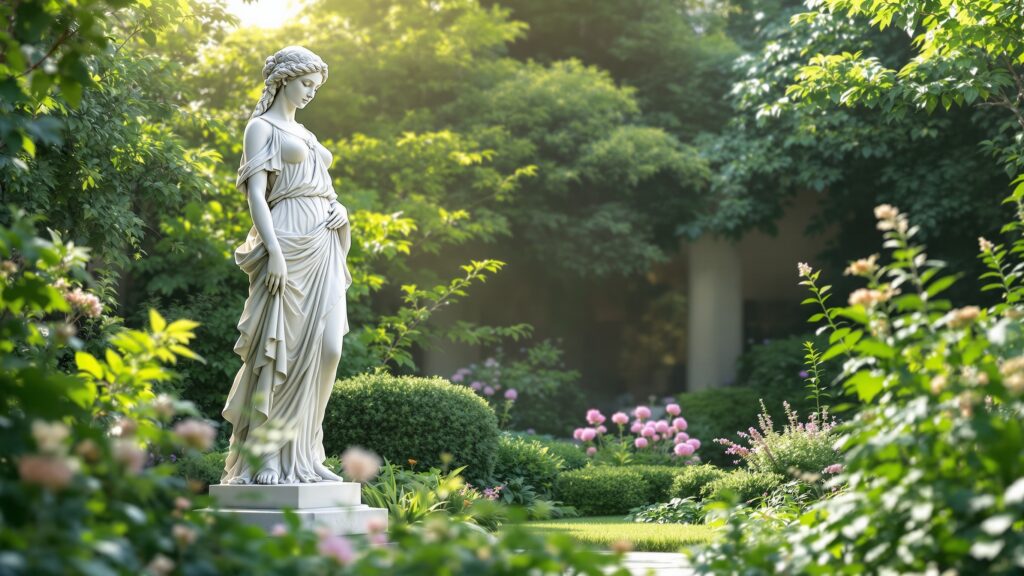
At around 18 to 36 inches, a garden statue begins to command attention without overpowering its surroundings. Think of a meditating Buddha beside a pond, a heron by the reeds, or a Greek nymph nestled in lavender. These statues create balance — visible enough to catch the eye, yet modest enough to blend into the rhythm of your plants and stonework.
Small and medium-sized statues often work best in pairs or clusters. One may guard the entrance to a garden path while another mirrors it near a seating nook. Their true beauty lies in versatility: they can be moved easily, repositioned seasonally, and adapted to different garden styles — from rustic to minimalist.
The Human Scale: Life-Sized Sculptures
Then comes the thrilling leap into life-sized art — where the statue is as large as a person, or nearly so. Ranging from about 4 to 6 feet tall, life-sized statues create an instant sense of presence. Imagine walking into a garden and encountering a bronze horse poised mid-stride or a stone goddess with weathered wings stretched toward the sky. You don’t just see these statues; you meet them. They turn a garden into a stage and every stroll into a story.
For homeowners, a life-sized statue often becomes the centerpiece — a defining visual landmark. It can draw visitors down a pathway, mark a transition between garden zones, or create an outdoor “room” defined by its energy. Historically, life-sized statues have graced courtyards, temples, and estates since ancient Greece and Rome. Today, they lend that same sense of timeless grandeur to private gardens and public parks alike.
The Giants Among Us: Monumental Garden Statues
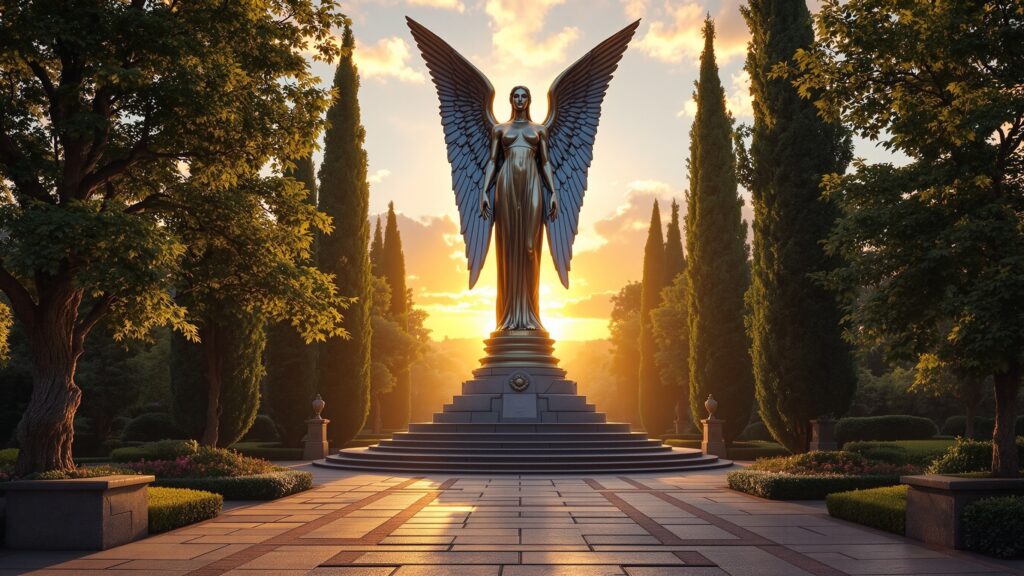
And then there are the giants — the statues that make you stop, look up, and feel small in the most delightful way. Monumental garden statues rise above 7 feet and can tower well past 20 or 30 feet in sculptural parks and estates.
These works transform nature itself into part of the art. A towering angel framed by trees, a massive Buddha emerging from mist, or a modern abstract sculpture that shifts color in changing sunlight — monumental statues invite awe. Scale at this level does something profound. It redefines the space around it. A large statue becomes a landmark, not just an ornament. Even from a distance, it creates a sense of narrative — you see it across the garden and feel drawn toward it like a beacon.
For public installations, these statues often represent themes of history, spirituality, or community identity. In private gardens, they serve as bold statements of taste, creativity, and ambition. They are as much architecture as sculpture — built to last, designed to dominate.
Proportions and Placement: Why Size Matters
The size of a garden statue is never just an aesthetic choice — it’s a decision that affects balance, proportion, and mood. Too small a statue can disappear amid large shrubs or landscaping, while an oversized one can overwhelm a small space. The goal is harmony.
A good rule of thumb: your statue should relate to its surroundings the way a melody relates to a song — distinct, but not out of key. In a small courtyard, a 2-foot statue creates focus without crowding. In a wide lawn or grand estate, anything under 4 feet may vanish visually unless elevated on a pedestal.
Distance plays a role too. The farther away the viewing point, the larger your statue should be. If your garden statue will be seen from a window or across a pond, you may need a 5- or 6-foot sculpture to maintain visual impact.
Proportion also connects to emotion. Small statues invite intimacy — you lean in and smile. Large statues evoke reverence — you look up in awe. Knowing which feeling you want to inspire helps you find the perfect scale.
Material Matters: How Size Shapes Durability
Size also interacts with material in fascinating ways. A 10-inch statue made of resin may last years on a covered patio, but scaling that same material up to 6 feet could invite disaster in a windy garden.
For miniature and small statues, materials like resin, ceramic, or lightweight concrete are ideal — they’re easy to handle and weather-resistant. For medium to large sizes, cast stone and fiberglass offer a good balance between strength and weight.
Monumental statues, by contrast, require serious engineering. Bronze, stainless steel, reinforced concrete, or carved stone can endure decades of wind, rain, and sun. The material you choose often dictates not only the appearance but the feasible size of your statue.
The Psychology of Scale: What Large and Small Statues Communicate
There’s a hidden psychology to garden statue sizes. Small figures create a sense of discovery — they whisper rather than shout. Finding a tiny turtle beneath a fern or a little fairy on a mossy stump feels personal and delightful.
Larger statues, on the other hand, speak in symbols. A full-sized stag suggests majesty. A reclining goddess embodies calm. A towering angel conveys hope and transcendence. These statues don’t just decorate; they declare.
Choosing size is, in many ways, about how you want people to feel in your garden. Do you want them to explore, to smile, to feel wonder, to feel humbled? Each height range tells a different emotional story.
Scale and Setting: Matching Size to Landscape Type
Your landscape is the stage — and your statue, the star. Matching size to setting is crucial for visual cohesion.
In compact urban gardens or courtyards, subtlety wins. A 1–3-foot sculpture harmonizes beautifully with potted plants and limited sightlines. Place it near a corner, against greenery, or atop a low pedestal to give it presence without clutter.
For suburban gardens, where space allows, life-sized pieces thrive. They anchor lawns and draw eyes from multiple angles. A pair of statues flanking a walkway can create symmetry, while a single centerpiece can command the entire vista.
In estate gardens, sculpture parks, or public spaces, scale can soar freely. Here, monumental works can rise above hedges and trees, visible from afar, transforming landscapes into outdoor museums.
Famous Examples: When Size Defines Legacy
Throughout history, the size of statues has shaped how we remember them. The Colossus of Rhodes, one of the Seven Wonders of the Ancient World, stood roughly 108 feet tall — an ancient precursor to the Statue of Liberty. Both remain symbols of strength and enlightenment largely because of their immense scale.
Even in garden contexts, famous examples show how size sets tone. The sculptures at Versailles blend human-scale nymphs and gods with grand fountains that stretch over entire courtyards. In contrast, the Japanese gardens of Kyoto favor modest stone figures, inviting meditation rather than awe.
Every era and culture has used size as language. It’s not just about visual impact — it’s about meaning.
Modern Trends: Scaling Art for Contemporary Gardens
Today’s garden designers play boldly with proportion. Some blend miniatures with macro elements – a tiny statue at the base of a towering bamboo grove – creating surprise and humor. Others commission custom sculptures that play with optical illusion: oversized hands emerging from flowerbeds or elongated figures stretching toward the sky.
Modern materials like corten steel, fiberglass, and 3D-printed concrete make large-scale art more accessible than ever. Even homeowners can now commission life-sized or larger works without requiring cranes or masonry crews.
Meanwhile, minimalist trends favor smaller, cleaner shapes — simple spheres, abstract forms, and subtle figures that rely on negative space. Whether grand or minimal, scale remains at the heart of artistic storytelling in modern gardens.
Practical Considerations: Installation and Weight
Before you bring a statue home, it’s worth remembering that bigger isn’t always better — or easier. A 6-foot marble statue can weigh hundreds of pounds and require a concrete base or reinforced footing.
Medium and large statues often benefit from pedestals, which not only elevate the piece visually but protect it from moisture at ground level. Smaller ones can rest on flagstones, stumps, or planters.
If you’re dreaming of a monumental sculpture, professional installation is essential. Cranes, lifting straps, and foundation anchors may all be part of the process. Yet the reward — a breathtaking focal point that defines your property — is more than worth the effort.
Finding the Perfect Fit: A Garden’s Signature
Ultimately, the “right” size of a garden statue depends on your space, your story, and your sense of wonder. Small statues whisper enchantment. Medium ones balance beauty and subtlety. Life-sized pieces invite emotion and connection. Monumental sculptures turn landscapes into legends. When chosen with care, your garden statue becomes more than décor — it becomes part of the soul of your space. It’s the silent storyteller that greets you every morning and reminds you that art, like nature, has no limits.
Final Thoughts: Size as the Language of Wonder
“How big is a garden statue?” is really another way of asking, “How big is your imagination?” From inch-tall figurines that charm children to sculptures so large they redefine a skyline, garden statues span a breathtaking range. The key is to see size not as a constraint but as creative vocabulary — each dimension a new way to express awe, humor, grace, or power. So whether you dream of a fairy-sized gnome or a towering marble hero, remember: scale is storytelling. And your garden is the perfect place to tell your story in three dimensions.