
Why Choose Foam Letters Over Other Materials?
A material-selection guide for comparing foam dimensional letters with metal, wood, acrylic, and flat graphic alternatives
Foam is valuable when large scale, dimensional depth, and manageable weight matter, but it is not the automatic answer for every sign. The best choice comes from comparing geometry, finish, exposure, mounting, handling, and expected use.
Technical Overview
Use Foam When Scale and Weight Matter
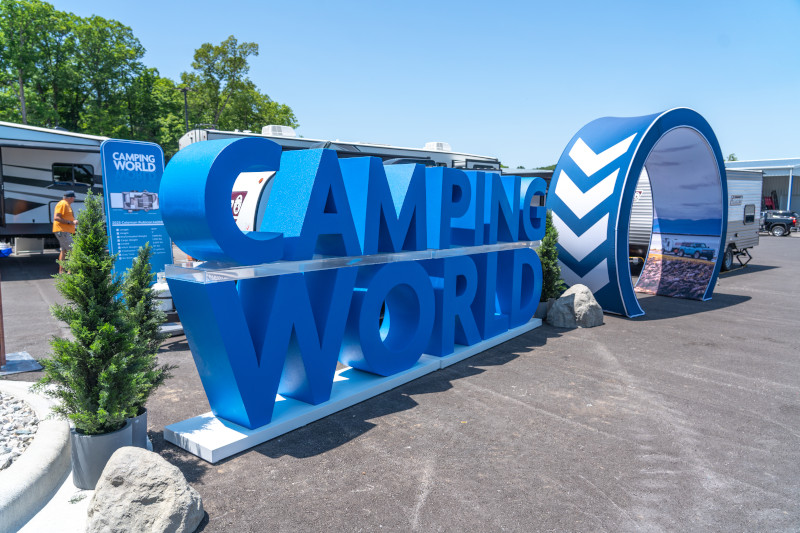
Rigid foam can create tall or deep letter forms without the mass of a comparable solid wood, acrylic, or metal object. That characteristic can simplify some event, stage, exhibit, and interior-display concepts where substantial dimensions are needed within practical handling limits.
Low weight does not eliminate structural planning. Thin strokes, broad freestanding faces, suspended pieces, and audience-accessible displays may still require backing, internal supports, bases, or another attachment system matched to their size and setting.
Compare Dimensional Foam With Flat Graphics
Printed panels, banners, and vinyl graphics are efficient when the message only needs a flat surface. Foam letters add physical depth, side views, shadows, and the option to separate characters across a wall, stage, counter, or freestanding arrangement.
That dimension also creates more surfaces to finish and protect. Faces, returns, backs, joints, and attachment points need to be considered, so the decision should reflect the desired physical presence rather than a simple assumption that more depth is always better.
Compare Foam With Metal, Wood, and Acrylic
Metal can provide thin fabricated profiles and authentic metal surfaces, wood supplies its own grain and structural behavior, and acrylic offers crisp sheet faces with varied optical properties. Each can be preferable when the material itself is central to the design or the environment demands it.
Foam can also be paired with applied faces, coatings, paints, and graphics to reach a particular visual result. Those treatments can suggest another material, but they should not be described as having the same properties as solid metal, wood, stone, or acrylic.
Evaluate Detail, Finish, and Exposure
Broad letter forms and oversized logos often translate well to foam. Fine serifs, narrow bridges, small counters, and crisp surface details may require denser stock, a different cutting method, an applied face, reinforcement, or another material entirely.
Indoor use, controlled temporary outdoor use, repeated travel, and permanent exterior exposure are different specifications. Foam type, coating system, paint, mounting, drainage, ultraviolet exposure, and maintenance must be evaluated together for the actual location.
Consider Handling and Reuse
Foam letters can be easier to move than heavy solid alternatives, which is useful for events and displays that change locations. They still need a handling plan because corners, thin features, painted surfaces, and attached faces can be damaged by poor packing or unsupported lifting.
For repeated use, specify the number of installations, likely handlers, storage conditions, case constraints, and setup method. These facts help determine whether foam remains the right material and what protection or modular construction the display requires.
Choose From the Full Project Specification
A useful comparison includes finished dimensions, artwork complexity, visual target, mounting, exposure, viewing distance, transport, installation responsibility, schedule, and the surfaces that need a presentation finish. Budget can then be evaluated against a defined solution.
WhiteClouds can compare foam and mixed-material approaches using those requirements, helping the final letters meet the display goal without assigning one material benefits it cannot reliably provide.
Compare dimensional letter materials
Review foam letter services, completed displays, and broader material and planning guidance for 3D letters.
Tell us what your model needs to communicate
Share the intended audience, approximate size, level of detail, available source files, and project timeline.