
Commemorative figures
Develop a portrait or full figure around the person being honored, the intended narrative, and the primary public approach.
A monument-style statue can honor a person, represent a school, interpret history, or give a campaign a physical focal point. Start with the setting, subject, viewing distance, finish direction, and relationship between the sculpture and its base.
Plan a Statue Project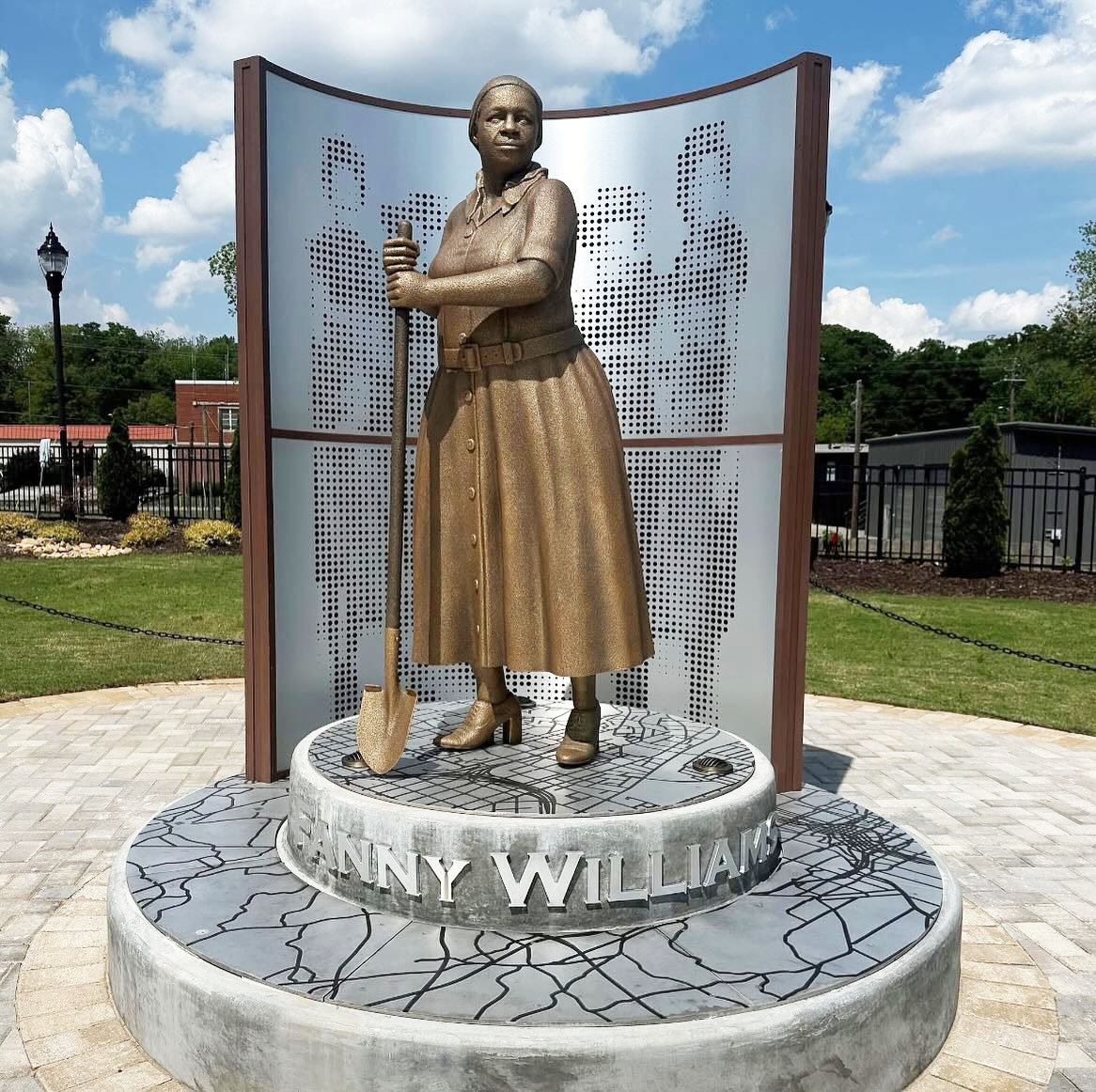
Outdoor and public-facing statues can serve very different roles. Decide what the piece must communicate and how visitors will encounter it before choosing its pose, scale, finish, or degree of dimensional detail.
Develop a portrait or full figure around the person being honored, the intended narrative, and the primary public approach.
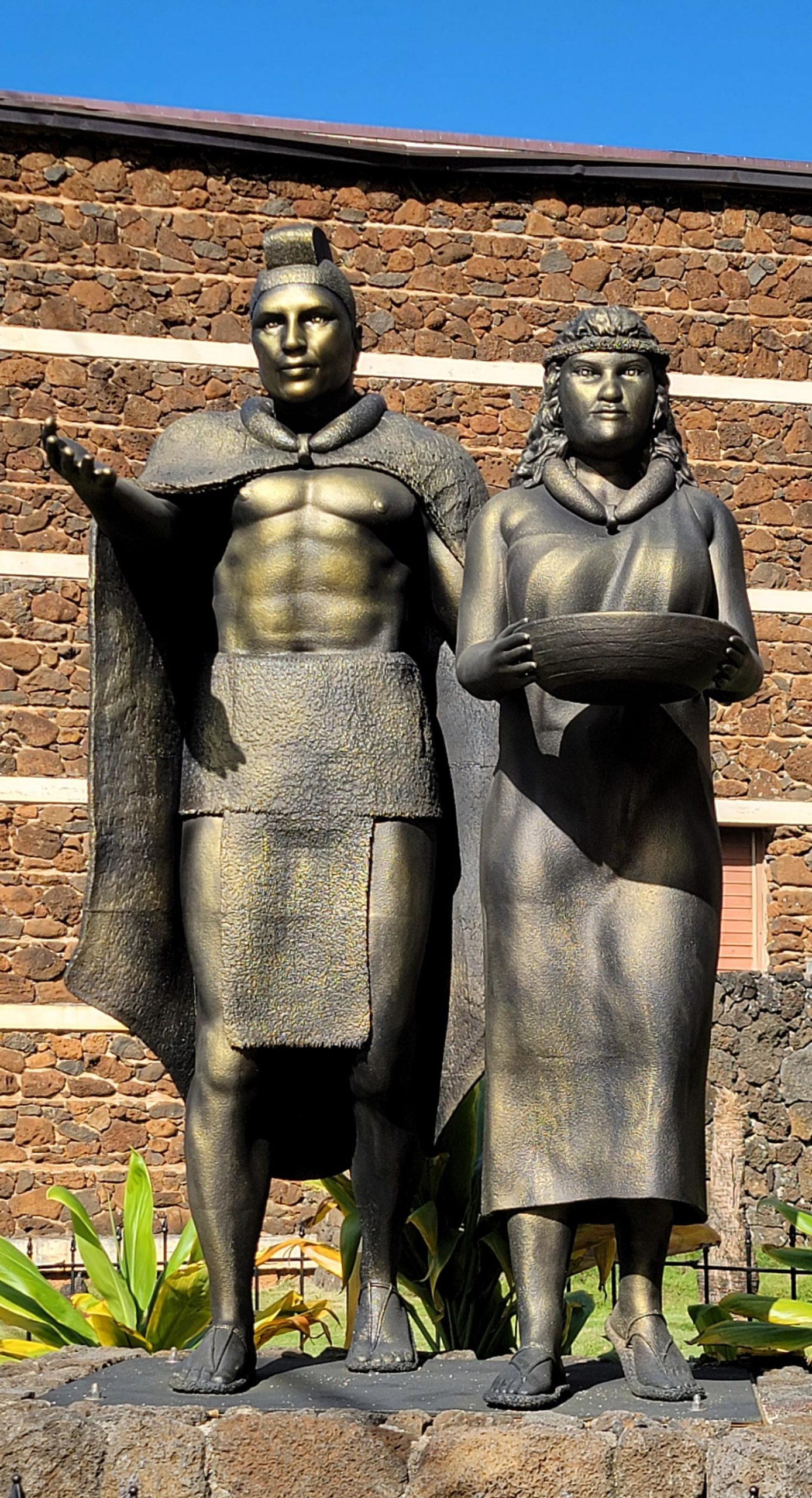
Coordinate multiple people, garments, gestures, and base positions when a museum or cultural setting requires a shared scene.
Translate a mascot into a freestanding campus figure with a defined silhouette, finish direction, and relationship to its site.
Plan a recognizable form around pedestrian approaches, surrounding architecture, landscape, plaques, and gathering space.
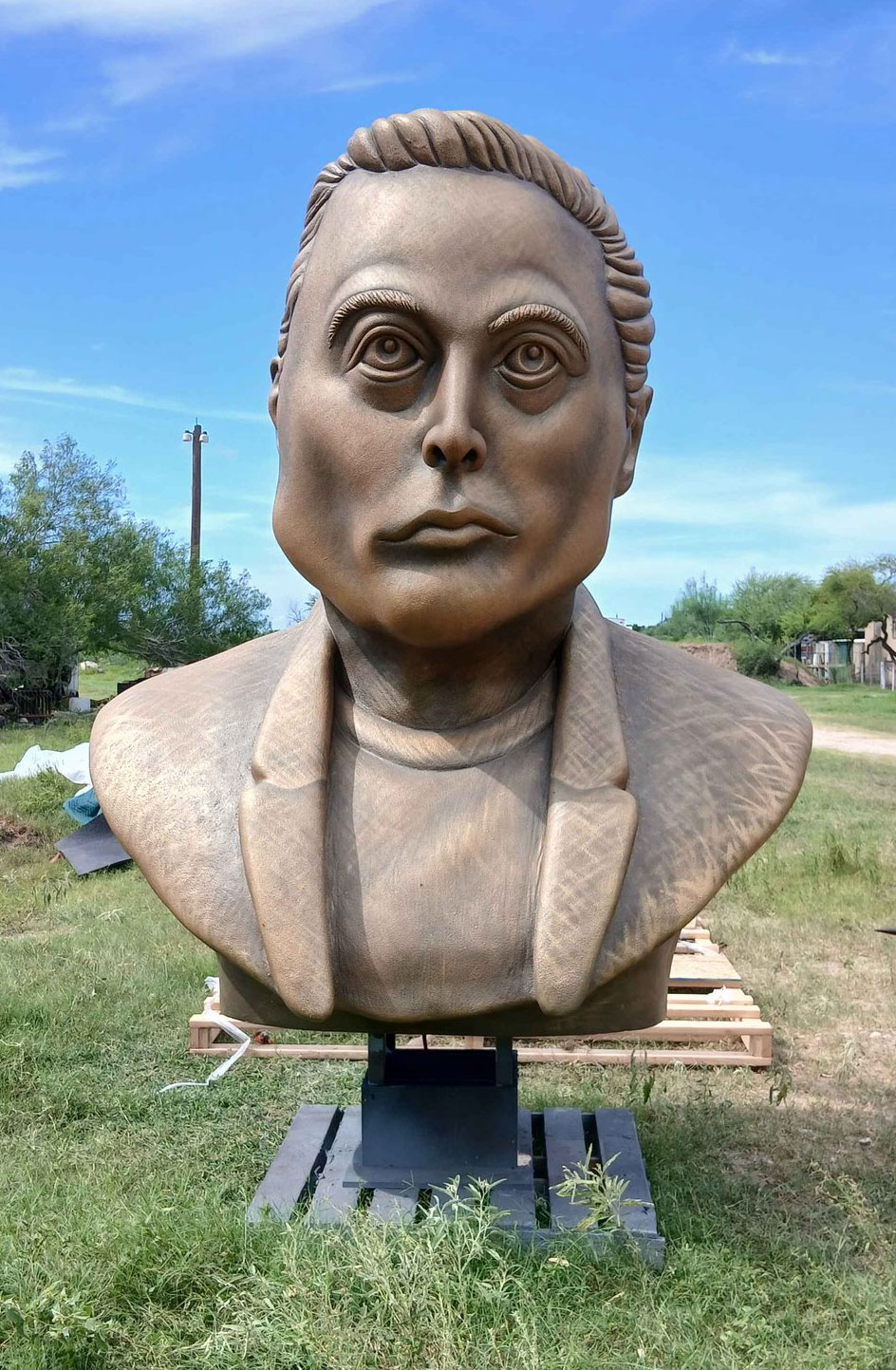
Build a character or portrait as a temporary campaign element when transport, display duration, and viewing conditions are known.
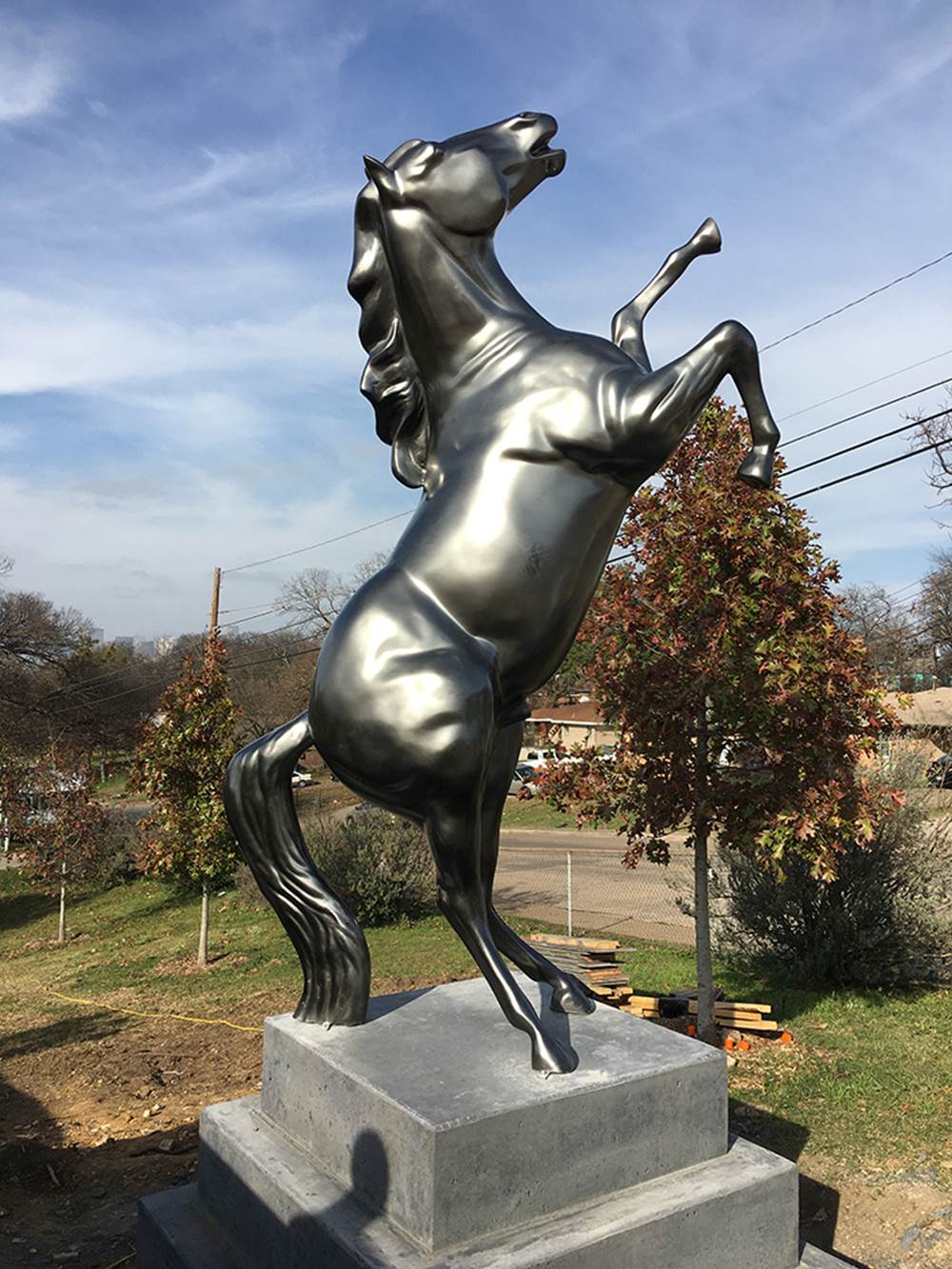
Use faux-bronze, faux-chrome, or another specified appearance when the visual direction calls for metal without assuming cast-metal construction.
These WhiteClouds projects span historical museum figures, a school mascot landmark, a civic tribute, and a temporary promotional statue. Each called for a different relationship between subject, setting, scale, and finish.
A bronze appearance does not automatically mean a statue is cast or solid bronze. Faux-bronze and other faux-metal finishes can provide the color, sheen, patina character, or monument-style presence a design calls for while the physical build is scoped separately.
Reference images should show the desired color range and surface character. Note whether the statue will be examined at close range or read primarily from a distance, because facial detail, texture, edge definition, and contrast do not communicate the same way in every setting.
The Fanny Williams and ElonRWA figures use different faux-bronze visual treatments, while the FDR Mustang uses a faux-chrome finish. Those examples demonstrate why finish direction should be stated precisely rather than treated as a generic metallic effect.
Provide site photographs, measured plans, the primary approach, and the sides visitors can see. The base, surrounding clearance, nearby architecture, landscape, signage, and plaques all affect how the statue reads in place. If people may approach or touch the piece, describe that use directly so it can be considered during scoping.
State whether the display is temporary, semi-permanent, or permanent and whether it will be indoors, outdoors, or moved between settings. Outdoor exposure, attachment, mounting, code, and engineering requirements must be evaluated for the exact installation; a photograph of another project does not define those requirements.
Access matters early. Share doorway, elevator, loading, route, lifting, and onsite assembly constraints before the overall form is finalized. For a statue installed on an existing pedestal, provide its dimensions, construction, and available attachment information.
A concise brief should connect the subject and visual direction to the actual display location.
The service page covers broader character and statue fabrication. The gallery provides additional completed examples for comparing subjects, poses, finishes, scales, and presentation settings.
Send the subject references, intended setting, approximate dimensions, finish direction, site information, delivery destination, and schedule. Include pedestal or mounting details when they are already known.