
Movie Character Replica Display Ideas
A movie-character display may translate a performer, creature, costume, or stylized screen design into a physical prop. The useful questions are which on-screen traits carry recognition, how the figure will be viewed, and what approved references define the version being represented.
Discuss a Character Display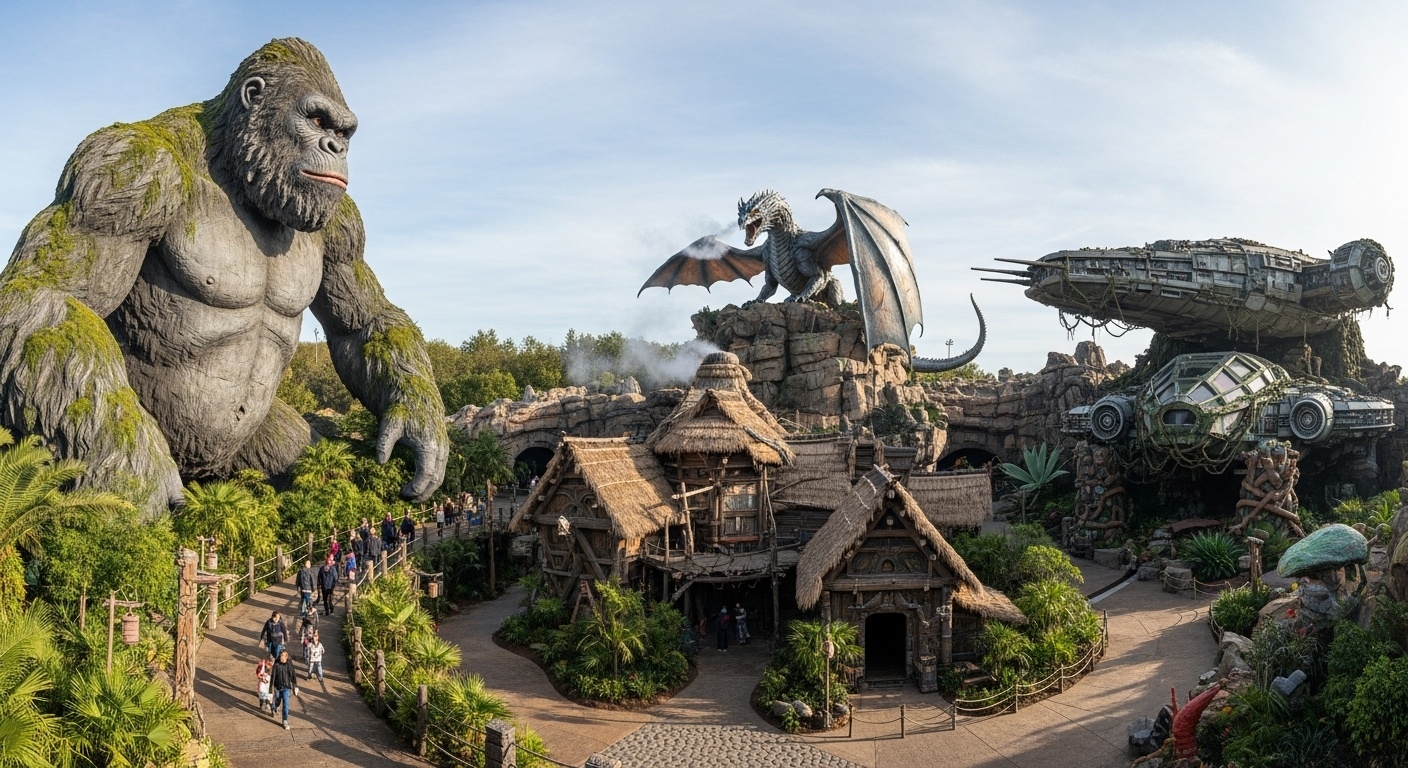
Identify the exact version being translated
A character may change between films, scenes, costumes, ages, or promotional styles. Name the approved version and assemble references that agree on face, body proportion, wardrobe, color, and accessories. If the physical display follows a toy or collectible interpretation rather than the screen anatomy, make that distinction explicit.
Separate recognition-critical details from background texture. A helmet profile, coat length, creature jaw, color block, or signature object may carry the character from across a room. Tiny surface detail can support the close view, but it should not obscure the larger forms that make the display legible.
See one product-styled movie-character treatment
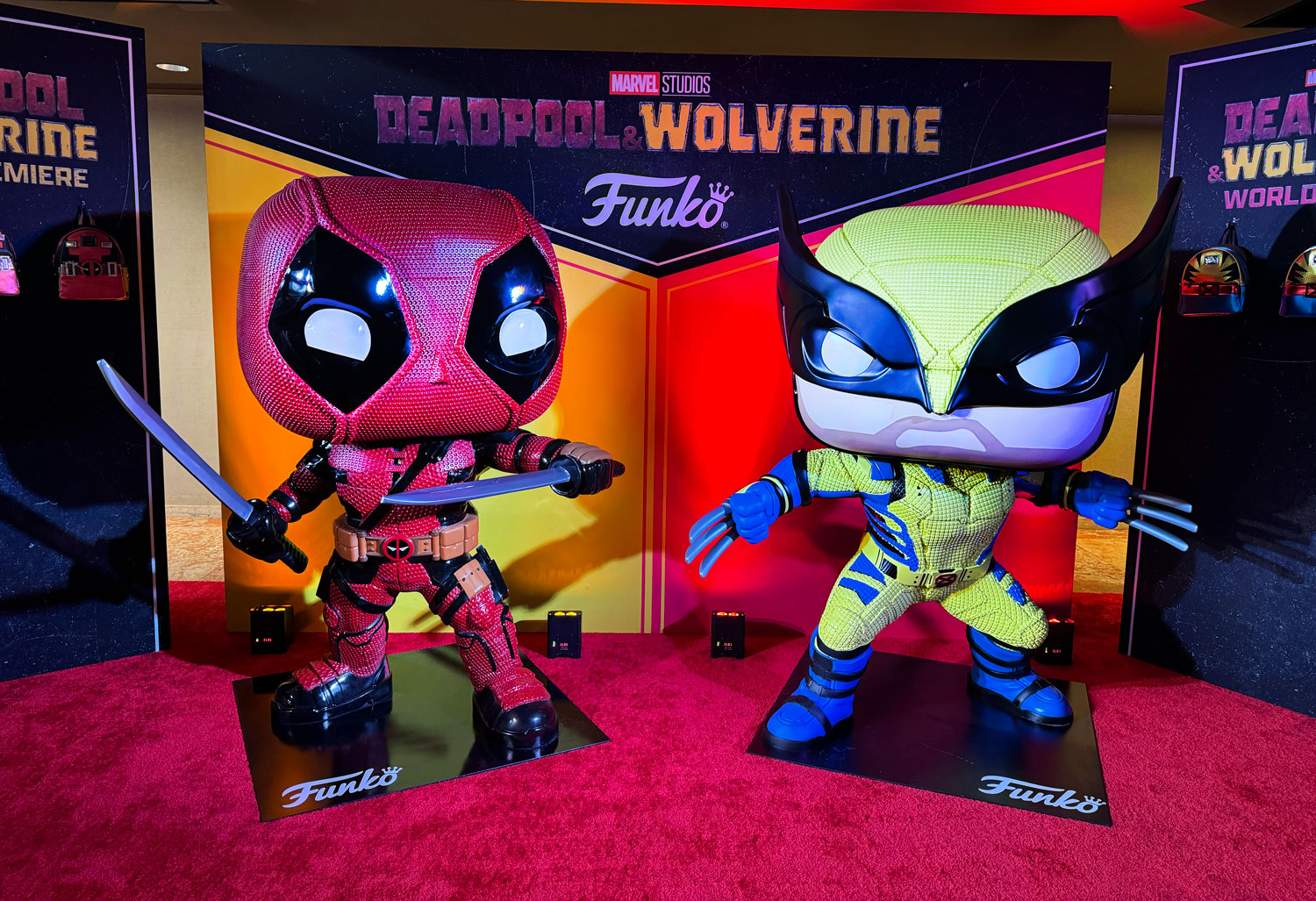
WhiteClouds fabricated the giant Deadpool and Wolverine Funko Pop product replica statues shown here for a movie premiere. Their proportions follow a stylized collectible format rather than realistic human anatomy. The example demonstrates one authorized visual route; it does not mean every movie-character display should be treated as a toy replica.
Choose the relationship between character and setting
The physical subject can stand alone or work as one component of a larger branded scene.
Hero figure
Use a strong front or three-quarter pose when one character must remain recognizable against press walls, screens, and event lighting.
Creature encounter
Define the head, mouth, limbs, and visitor distance around an animal-like or fantasy character before adding environmental scenery.
Costume study
Prioritize garment layers, armor, silhouette, and approved graphics when the wardrobe carries more identity than portrait likeness.
Stylized edition
Follow the approved proportions of a collectible, animated design, or campaign illustration when that version is the actual source.
Frame the figure for press, guests, and surrounding media
A premiere entrance, exhibit bay, lobby, and touring activation each create different sightlines. Provide the backdrop, carpet or platform location, camera line, lighting positions, screens, and any text that must remain visible. Determine whether guests stand beside the display, in front of it, or behind a controlled boundary.
Projection from weapons, capes, tails, wings, or outstretched arms can expand the usable footprint well beyond the torso. Share the delivery route and shortest setup window along with the final display area. Those limits help shape a practical pose without assuming a standard construction or shipping method.
What to provide for a movie-character display
The party commissioning the work should consolidate creative and rights information before fabrication begins.
- Exact film, scene, costume, or approved stylized version
- Front, side, back, and three-quarter approved references
- Pose, expression, gesture, and accessory direction
- Likeness requirements and approval contact
- Maximum overall dimensions and viewing sides
- Backdrop, camera, lighting, and guest positions
- Public access, loading route, venue, and setup window
- Destination and required event date
Request a quote for a movie-character replica display
Send approved character artwork and authorization, the exact screen or stylized version, pose, likeness and costume requirements, target dimensions, venue plan, camera and guest positions, access limits, destination, and event schedule.