How Custom Architectural Signage Elevates College Campus Branding
We Build Custom Metal Letters
A New Era of Campus Identity
College campuses are more than collections of buildings, classrooms, and green spaces. They are living environments where students form lifelong identities, traditions are cultivated, and communities thrive. In this atmosphere, every design choice—from landscaping to architecture—contributes to a campus’s overall sense of place. One of the most powerful and often underestimated tools in shaping this identity is custom architectural signage. Signage has evolved far beyond functional wayfinding. Today, it acts as a cornerstone of campus branding, symbolizing pride, ambition, and the values of an institution. Custom-built signs are not just markers; they are statements. They tell visitors and students alike who the institution is, what it stands for, and how it intends to be remembered. When done right, signage becomes a lasting legacy that carries forward for decades, reinforcing the character of the college and instilling pride in its community.

The Intersection of Design and Branding
At its core, architectural signage is about communication. But unlike a brochure or a social media campaign, it speaks through physical form, scale, and permanence. This makes it a uniquely powerful tool for college branding. When students and faculty encounter monumental letters, illuminated logos, or intricately designed entry signage, they are reminded daily of the institution’s vision.
For colleges competing in a crowded academic marketplace, brand distinction is essential. Every campus has classrooms and libraries, but not every campus has iconic signage that becomes instantly recognizable. A large-scale installation can transform a building or entryway into a landmark. Just as stadiums and downtown districts are remembered by their bold signs, colleges can cement their place in the public imagination by investing in signage that reflects their brand identity. The careful selection of materials, colors, lighting, and placement all contribute to this effect. A well-designed sign aligns with an institution’s logo, font, and visual identity while adapting those elements into something experiential. It is branding you can touch, stand beside, and photograph.
Case Study: Illuminating TSTC’s Power and Mechanical Center
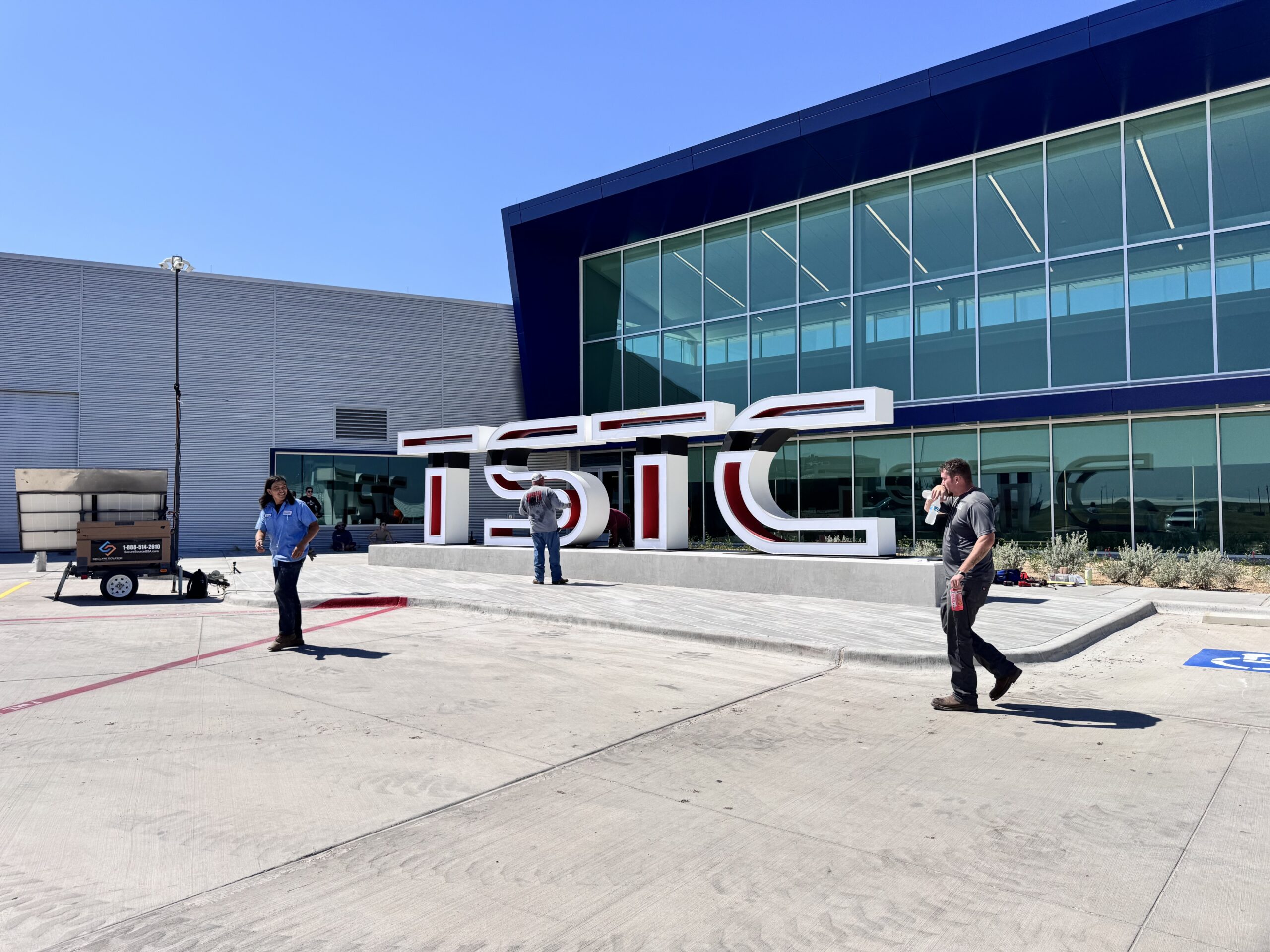
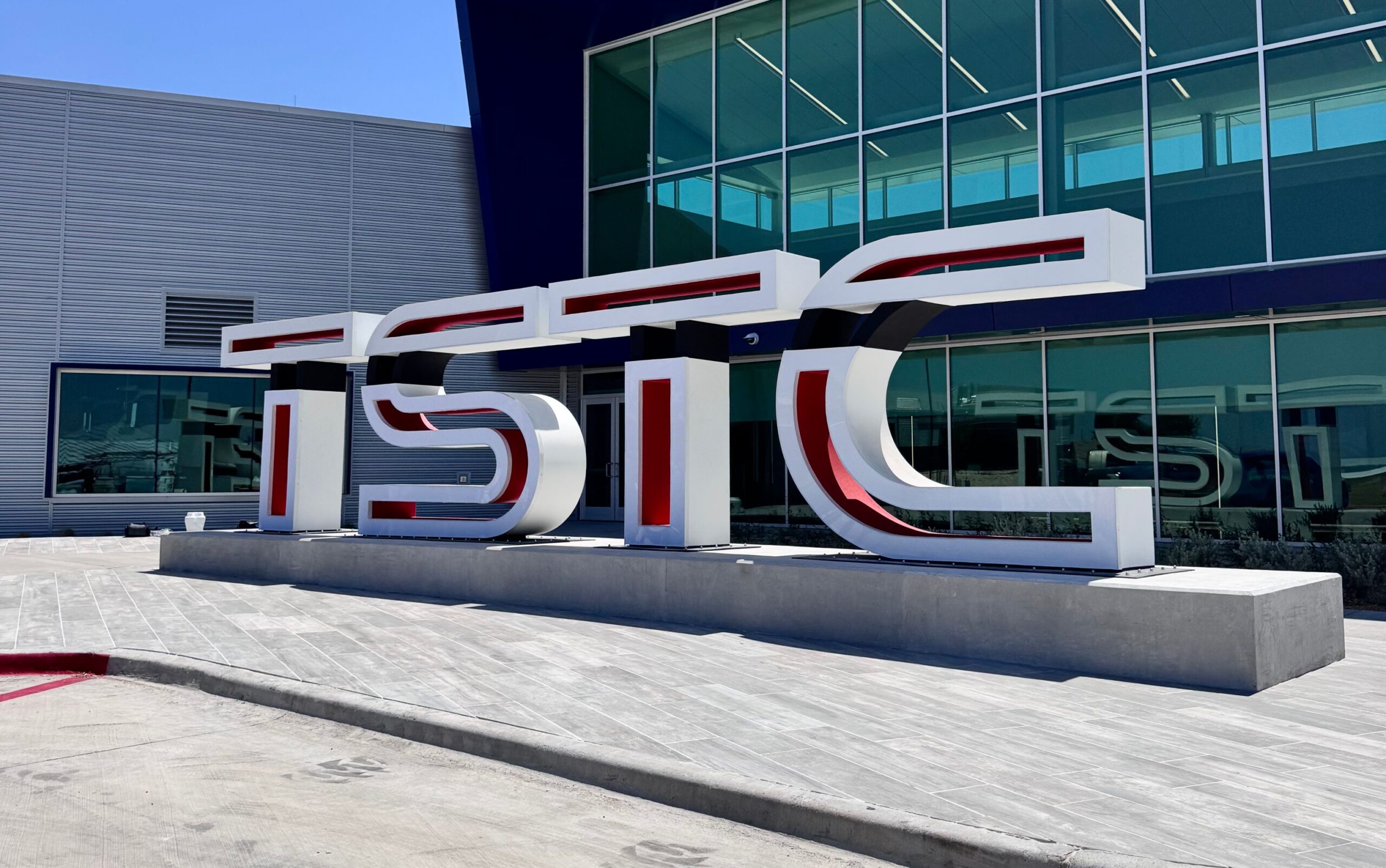
A vivid example of how custom signage elevates branding can be found at Texas State Technical College (TSTC). When TSTC opened its new Power and Mechanical Center, it wanted more than just another building identifier. It wanted an icon. The solution came in the form of massive 8-foot illuminated metal letters, designed and fabricated by WhiteClouds.
These letters weren’t simply functional markers of the building’s name. They were architectural features in their own right. Constructed from aluminum sheets with internal supports and coated in polyurea for strength, they were built to last in Texas weather. Painted with TSTC’s bold red and white color scheme and accented with black elements to mimic the logo’s floating internal shapes, the letters radiate identity.
What makes them unforgettable is their illumination. Integrated LED systems light up the faces of the letters, turning them into glowing beacons at night. For students, this signage is more than a backdrop—it is a daily reminder of the school’s ambition and technical spirit. For visitors, it delivers a strong first impression of a campus that values precision, creativity, and scale. TSTC’s letters demonstrate how architectural signage transcends function and becomes a cornerstone of institutional branding.

Â
The Emotional Impact of Monumental Signs
The most effective signage connects not just visually, but emotionally. When a new student sees massive campus letters on move-in day, those letters become tied to one of their most memorable experiences. When alumni return for homecoming, those same signs remind them of the pride they once felt and continue to feel.
Monumental signage also plays a key role in building traditions. It’s common to see large letters or campus icons become the backdrop for graduation photos, game-day gatherings, and student events. These moments transform signage into a symbol of belonging. A bold sign can become as iconic as a college mascot or stadium, standing at the heart of the college’s collective memory.
Beyond internal pride, signage communicates outwardly to the surrounding community. It signals that the institution is forward-looking, invested in quality, and ready to stand tall in a competitive educational landscape. Just as city landmarks create civic identity, campus signage creates academic identity.
Materials, Craftsmanship, and Longevity
When it comes to architectural signage, the details of construction matter as much as the design. Colleges demand signage that endures—through harsh winters, blazing summers, and decades of daily exposure. That is why the choice of materials and finishes becomes central to the process. Aluminum, steel, stone, glass, and high-density foam composites are common materials, each offering unique benefits. Aluminum is lightweight, corrosion-resistant, and highly adaptable, making it a go-to for large outdoor installations like TSTC’s 8-foot letters. Polyurea coatings add additional strength, protecting surfaces from moisture and impact. Stone conveys permanence and tradition, often used at historic institutions. Glass can deliver a sleek, modern aesthetic, while LED lighting systems transform signs into 24/7 visual statements.
The craftsmanship behind these signs is equally critical. Precision cutting, welding, finishing, and painting are required to bring brand fonts and logos to life. The quality of construction is directly tied to the credibility of the institution. A sign that fades, rusts, or warps reflects poorly on the school it represents. On the other hand, a meticulously built sign conveys attention to detail and long-term vision.
Strategic Placement and Campus Storytelling
A campus is a story told through architecture, and signage is one of its loudest storytellers. Strategic placement of signage amplifies its branding impact. Entry gateways, building facades, central plazas, and athletic facilities all become canvases for identity.
Placement is not just about visibility—it’s about meaning. A sign at a campus entrance sets the tone for the entire visitor experience. A bold installation in a central courtyard becomes a gathering place. Letters installed near a new state-of-the-art building, like TSTC’s Power and Mechanical Center, signal the school’s commitment to modernity and growth.
Wayfinding signage, when integrated into the broader architectural scheme, reinforces this narrative. When directional signs, building identifiers, and monumental installations share design language, they collectively tell a cohesive story of the institution’s values. The result is a seamless brand experience that students, faculty, and visitors encounter at every turn.
The Competitive Edge in Higher Education
Higher education is a fiercely competitive environment. Colleges and universities are not just competing for students, but also for faculty, partnerships, donations, and community reputation. Every visual element of a campus contributes to how it is perceived. Custom signage gives institutions a competitive edge. Prospective students often visit multiple campuses before making a decision. The impressions they form in those brief visits can shape their choices. A glowing set of 8-foot letters, an iconic logo sculpture, or an intricately designed archway can linger in their memory long after other details fade.
In an age where photos are constantly shared on social media, signage also multiplies its impact digitally. Students proudly pose in front of monumental signs and post the images online, effectively turning signage into organic marketing content. This extends the reach of campus branding beyond physical borders into the digital sphere, amplifying awareness and engagement.
Looking Ahead: The Future of Campus Signage
The role of architectural signage in campus branding continues to evolve. As design technologies and fabrication techniques advance, colleges are pushing the boundaries of what signage can achieve. Digital integrations, interactive elements, and sustainable materials are shaping the next generation of campus icons.
LED lighting is being paired with programmable systems that allow signs to change colors for events or causes. Materials are being chosen with sustainability in mind, emphasizing recyclability and eco-friendly finishes. Interactive signage, equipped with QR codes or augmented reality, offers dynamic storytelling opportunities for prospective students on campus tours.
Yet, even as technology advances, the fundamental purpose of signage remains the same: to embody identity, inspire pride, and stand as a lasting marker of tradition. Projects like TSTC’s illuminated letters remind us that the combination of scale, craftsmanship, and design can create timeless branding symbols that resonate for generations.
Building Icons That Last
Custom architectural signage is not an afterthought—it is a central component of college campus branding. It speaks louder than brochures, lasts longer than ad campaigns, and touches people in ways that few other branding tools can. From monumental letters to illuminated logos, signage creates physical manifestations of an institution’s values. When students walk past these installations, when alumni gather around them for photos, or when prospective students see them lit against the night sky, they are encountering the essence of the college’s brand. The 8-foot illuminated letters at TSTC’s Power and Mechanical Center stand as a glowing example of this truth: signage has the power to transform buildings into icons, and campuses into communities with unforgettable identities. In the end, architectural signage is about more than metal, paint, and light. It is about building trust, pride, and inspiration in every person who steps onto campus. And as higher education continues to grow and adapt, custom signage will remain one of its most powerful and enduring storytellers.