
Planning a Giant Throne
Giant Throne: one oversized ceremonial throne display defined by a high back, dominant arms, raised seat, and supplied visual theme. Recognition depends on a portrait-like high back, strong arm forms, elevated seat zone, symmetrical or intentionally asymmetric ornament, and formal base. Scale question: the back and arms must dominate the silhouette without creating an unsafe implication that every concept supports occupants. The images are throne concepts, not completed-project records.
Plan a Throne Display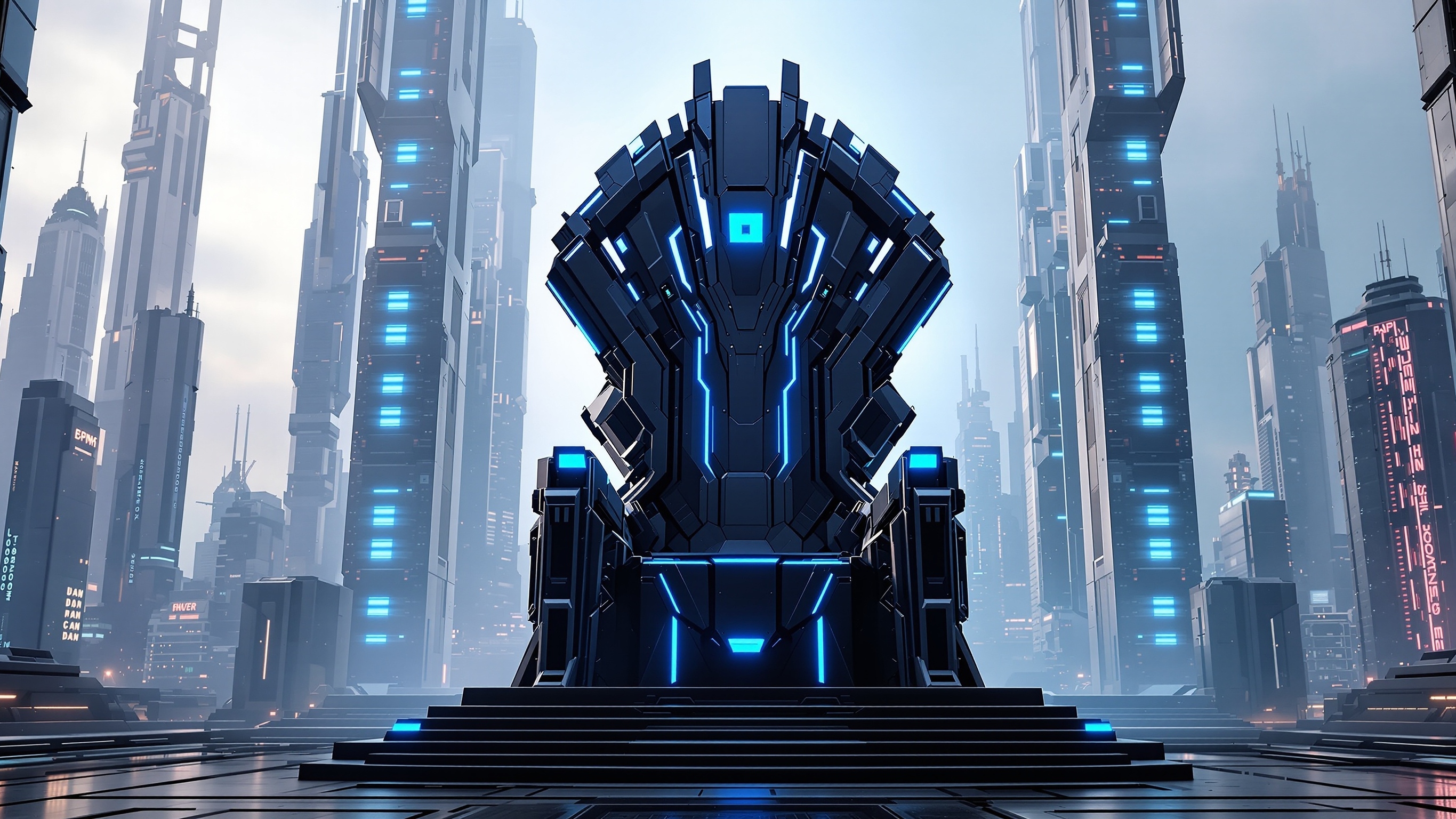
Define the Throne Form
Throne physical scope: one oversized ceremonial throne display defined by a high back, dominant arms, raised seat, and supplied visual theme. Throne geometry: overall height, width, seat level, back outline, arm projection, step or plinth, and photo clearance. Throne identity: a portrait-like high back, strong arm forms, elevated seat zone, symmetrical or intentionally asymmetric ornament, and formal base.
Throne presentation: a themed event, entertainment, brand, holiday, attraction, or photo feature supporting the broader seating service. Throne visual treatment: metal-like, carved, upholstered-looking, illuminated-looking, painted, or branded treatment based on original approved direction. Exclude from this throne request: copied entertainment properties without authorization, historical claims, guaranteed seating capacity, and invented commissions.
A throne gains ceremonial presence from a dominant high back, elevated seat, substantial arms, formal base, and a carefully controlled outline. Choose a crest, arch, fan, blade-like crown, carved-looking frame, upholstered-looking center, or another original motif. Symmetry can create authority; intentional asymmetry can support a futuristic or fantasy direction when fully drawn. Steps, dais, plinth, side wings, finials, gem-like accents, and light-like lines all change the front elevation and photo clearance. The theme should use original or authorized imagery rather than copying a protected entertainment property. State visitor-contact expectations separately. Exclude historical attribution, unsupported royal history, guaranteed occupancy, and claims that a concept represents an existing WhiteClouds commission.
Control the Details That Identify the Throne
Throne planning variables: overall height, width, seat level, back outline, arm projection, step or plinth, and photo clearance; a portrait-like high back, strong arm forms, elevated seat zone, symmetrical or intentionally asymmetric ornament, and formal base; metal-like, carved, upholstered-looking, illuminated-looking, painted, or branded treatment based on original approved direction; and a themed event, entertainment, brand, holiday, attraction, or photo feature supporting the broader seating service.
Throne form
Plan overall height, width, seat level, back outline, arm projection, step or plinth, and photo clearance. Show one oversized ceremonial throne display defined by a high back, dominant arms, raised seat, and supplied visual theme. Keep the throne outline readable from the primary view.
Throne recognition
Preserve a portrait-like high back, strong arm forms, elevated seat zone, symmetrical or intentionally asymmetric ornament, and formal base. Rank the throne details for the expected viewing distance. Mark any permitted simplification.
Throne surface
Use metal-like, carved, upholstered-looking, illuminated-looking, painted, or branded treatment based on original approved direction. Supply authorized throne artwork and mark each graphic location on the reference views.
Throne setting
Plan a themed event, entertainment, brand, holiday, attraction, or photo feature supporting the broader seating service. Include the throne footprint, approach, circulation, support preference, and fixed site limits.
Plan Scale, Viewing, and Placement
Throne scale issue: the back and arms must dominate the silhouette without creating an unsafe implication that every concept supports occupants. Resolve it through overall height, width, seat level, back outline, arm projection, step or plinth, and photo clearance. Relate those measurements to a themed event, entertainment, brand, holiday, attraction, or photo feature supporting the broader seating service.
Throne settings: themed event or photo opportunity; entertainment, attraction, or holiday display; brand activation, broadcast, or fan experience. Throne buyer inputs: original throne reference; overall dimensions; back, arm, and seat profile; ornament and color direction; view-only or contact requirements; venue access and date. State requested throne movement, lighting, contact, or exterior exposure separately.
Compare Two Throne Directions
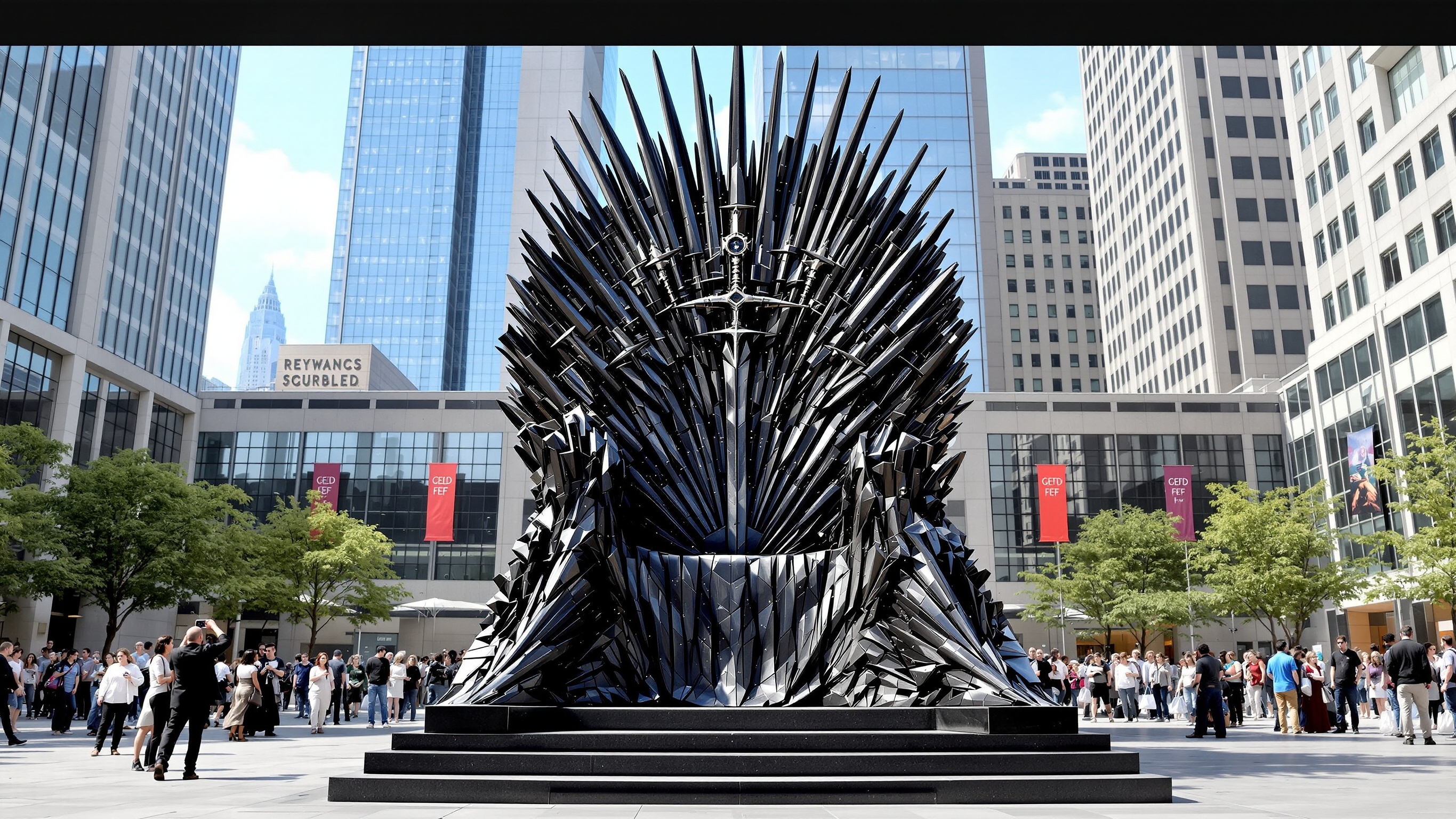
Throne concept one: Shows one original throne silhouette, formal front view, and strong vertical scale. Throne concept two: Compares a more ornate silhouette, base relationship, and audience scale.
Compare overall height, width, seat level, back outline, arm projection, step or plinth, and photo clearance. Compare metal-like, carved, upholstered-looking, illuminated-looking, painted, or branded treatment based on original approved direction. These throne concepts support visual selection only. No throne customer or commission is documented. Final throne dimensions, construction, performance, transport, installation, and outcome remain unconfirmed.
Prepare the Throne Project Brief
Throne quote inputs should connect a portrait-like high back, strong arm forms, elevated seat zone, symmetrical or intentionally asymmetric ornament, and formal base with overall height, width, seat level, back outline, arm projection, step or plinth, and photo clearance. Include each applicable item below.
- original throne reference
- overall dimensions
- back, arm, and seat profile
- ornament and color direction
- view-only or contact requirements
- venue access and date
- Physical subject: one oversized ceremonial throne display defined by a high back, dominant arms, raised seat, and supplied visual theme
- Geometry: overall height, width, seat level, back outline, arm projection, step or plinth, and photo clearance
- Recognition cues: a portrait-like high back, strong arm forms, elevated seat zone, symmetrical or intentionally asymmetric ornament, and formal base
- Surface direction: metal-like, carved, upholstered-looking, illuminated-looking, painted, or branded treatment based on original approved direction
- Display direction: a themed event, entertainment, brand, holiday, attraction, or photo feature supporting the broader seating service
- Scale issue: the back and arms must dominate the silhouette without creating an unsafe implication that every concept supports occupants
- Throne setting: themed event or photo opportunity
- Throne setting: entertainment, attraction, or holiday display
- Throne setting: brand activation, broadcast, or fan experience
- Excluded scope: copied entertainment properties without authorization, historical claims, guaranteed seating capacity, and invented commissions
- Requested contact, movement, lighting, or exterior exposure for the throne
Request a Custom Quote
Send the throne reference, original throne reference, overall dimensions, back, arm, and seat profile, ornament and color direction, view-only or contact requirements, venue access and date, destination, and required date. Also identify a themed event, entertainment, brand, holiday, attraction, or photo feature supporting the broader seating service. WhiteClouds can review that defined throne scope and prepare a custom quote. The concept images support visual planning only and are not evidence of a prior customer project.