
Giant Telescope Props for Science and Discovery Displays
A giant telescope prop can give a science exhibit, observatory event, school program, attraction, stage, or discovery-themed campaign a clear symbol of looking beyond the familiar. WhiteClouds can develop the display from an optical-instrument reference, historic telescope, sketch, or imaginative theme. The long tube and viewing angle keep the idea specific, while support and finish establish its setting.
Explore a Giant Telescope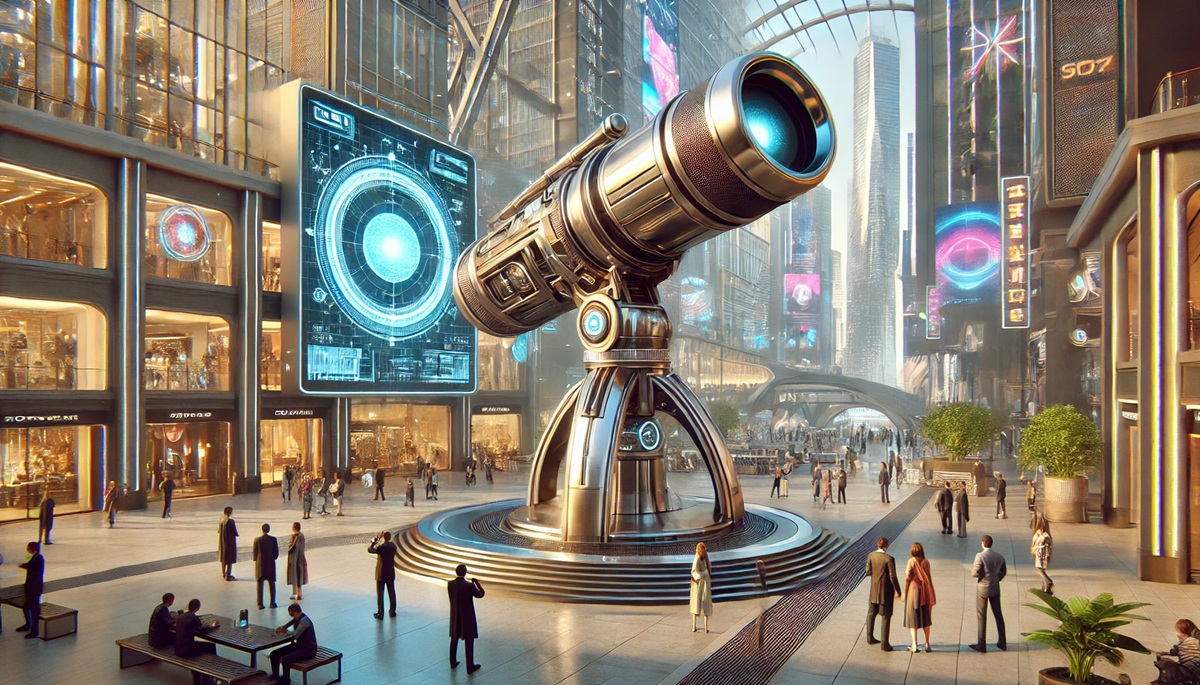
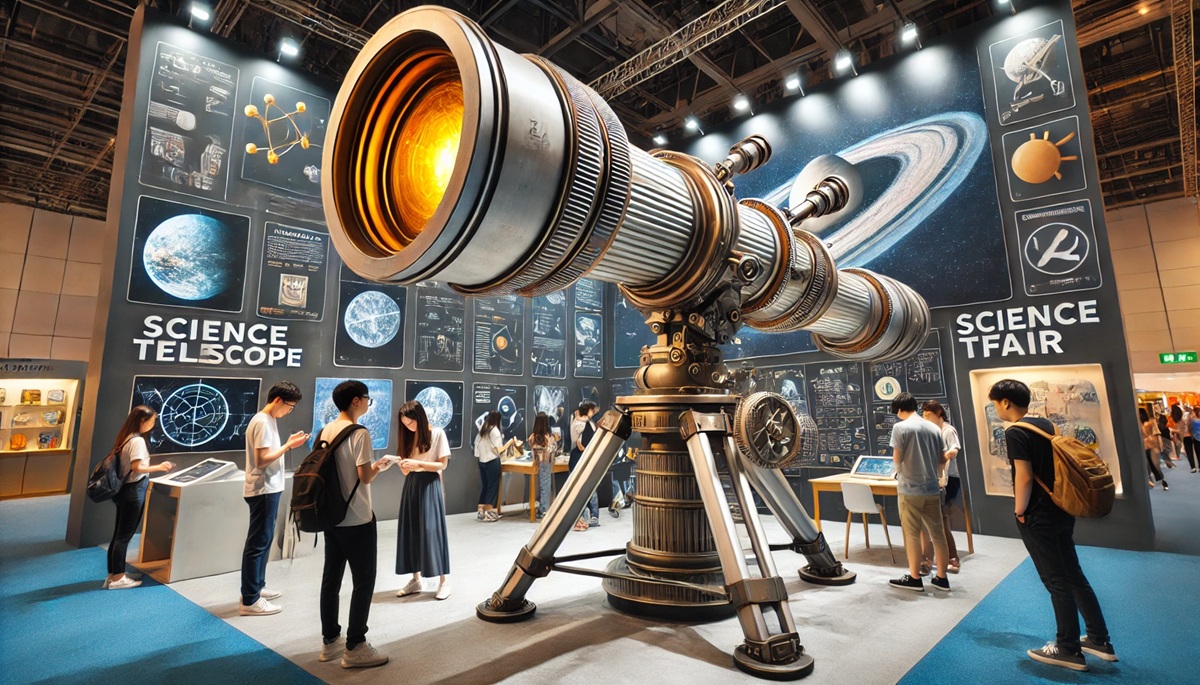
- The long optical tube and upward angle immediately suggest observation and discovery.
- Support style and surface character can connect the telescope with modern science, history, or fantasy.
Use the upward angle to lead the audience into the idea
Telescopes carry associations with astronomy, navigation, research, exploration, and curiosity. Their directional tube naturally points beyond the immediate space, making the prop useful as both an object and a compositional device. At giant scale, the eyepiece, barrel, and support can establish a science theme without relying on a broad collection of generic space props.
A telescope centers the concept on observation and learning rather than science-fiction arrival. A real instrument, historic illustration, exhibit rendering, or storybook sketch can begin the design conversation. The intended viewpoint then helps establish whether the audience sees the side profile, looks toward the eyepiece, or encounters the telescope as scenery.
Choose a scientific, historic, or imaginative direction
The barrel and support provide a common structure while visual detail establishes the world around it.
Modern science landmark
Use a clean optical tube and controlled graphics for museums, observatories, schools, and technology programs.
Historic observatory telescope
Reference brass-like details, a long barrel, period supports, or an archival visual language.
Exploration-themed scenery
Connect the object with navigation, discovery, world travel, or a dramatic stage environment.
Fantasy viewing device
Exaggerate lenses, rings, color, or ornament when the telescope belongs to an imagined setting.
A focused object for education and imaginative environments
The telescope can connect a venue with inquiry without replacing the broader prop service or a science exhibit plan.
Museums and observatories
Mark an astronomy program, exhibit entry, lecture series, or public-viewing event with a recognizable instrument.
Schools and libraries
Support science nights, reading programs, exploration themes, and student photography.
Attractions and stages
Establish a lookout, laboratory, ship, observatory, or fantasy world through one directional scenic object.
Develop the barrel, support, and visual era
The chosen style should remain clear from the side profile and primary audience path.
Optical tube
Select a compact modern body, long historic barrel, segmented science-fiction form, or stylized storybook profile.
Mount appearance
Use a tripod, pedestal, observatory-like support, scenic base, or integrated platform appropriate to the concept.
Surface character
Explore clean technical color, a metal-like finish, aged visual treatment, graphics, or imaginative detailing.
Share the telescope reference and the story around it
A venue image and a preferred instrument style can establish the first visual direction.
Provide a modern, historic, nautical, scientific, or fantasy telescope reference.
Explain the exhibit, event, stage, attraction, or educational theme surrounding the telescope.
Show the intended angle, audience path, available footprint, and whether guests approach the eyepiece area.
What may shape the quote
Length, barrel detail, support design, finish, graphics, orientation, audience proximity, and quantity can affect pricing. Optical or interactive functionality is not implied by a display prop.
Useful context for an early conversation
Can the telescope resemble a historic instrument?
Yes. Reference images can guide the barrel proportions, rings, eyepiece, support style, and period appearance.
Can guests look through it?
The standard concept is visual. Any intended audience interaction or optical behavior requires a separate discussion of scope, access, and responsibilities.
Tell us where the giant telescope should point
Share the instrument reference, setting, desired style, and approximate size. WhiteClouds can help develop the display concept.