
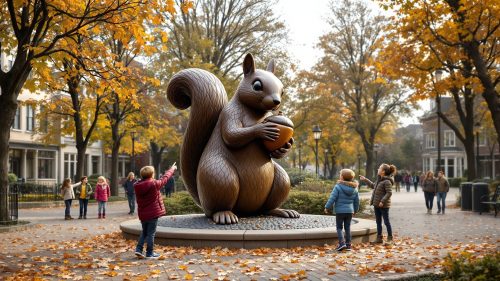
Giant Squirrel Statue: A Colossal Celebration of Whimsy, Wildlife, and Wonder
Squirrels are creatures of curiosity, charm, and constant motion. They’re quick, mischievous, and somehow always one step ahead of us when it comes to raiding bird feeders or darting across park trails. Now imagine taking that nimble little acrobat and turning it into a monumental work of art—larger than life, standing proudly as a centerpiece in a park, plaza, or roadside attraction. That’s the magic of the giant squirrel statue. Across the world, oversized statues of animals have become cultural icons. From towering cats to mighty eagles, these works capture the imagination, celebrate local heritage, and often draw travelers from far and wide. A giant squirrel statue is no different. It’s part art installation, part mascot, and part playful reminder of how nature can inspire awe. In this article, we’ll explore the fascinating allure of giant squirrel statues, their role in communities, the creativity behind their design, and even how such an ambitious sculpture might be fabricated from concept to completion.
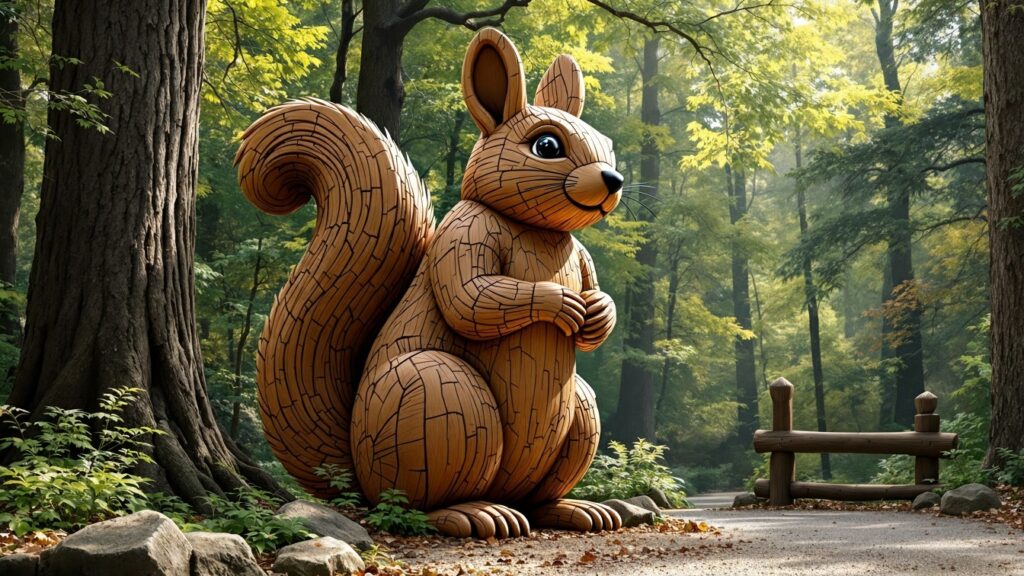
Why a Giant Squirrel? The Symbolism Behind the Sculpture
Squirrels might be small, but they pack an outsized presence in folklore, symbolism, and everyday encounters. Choosing to immortalize them in a giant statue isn’t as whimsical as it first appears—it’s rooted in deeper meaning. Throughout history, squirrels have symbolized resourcefulness, preparedness, and playfulness. Their constant gathering of acorns represents foresight and planning, while their quick movements suggest energy and liveliness. Many cultures view squirrels as messengers between nature and humans, a reminder to balance hard work with joy.
A giant squirrel statue, then, isn’t just a fun spectacle. It’s a celebration of community energy, environmental awareness, and a playful spirit. Towns that host such statues often find them becoming unofficial mascots, woven into local branding and tourism campaigns.
The Tourist Appeal of a Giant Squirrel Statue
Roadside attractions have a magnetic charm, and few things draw travelers quite like an oversized, photo-worthy landmark. Picture families stopping during a long drive, snapping selfies in front of a 30-foot-tall squirrel holding an acorn. Suddenly, a sleepy town becomes a must-visit stop on the map. These statues become cultural anchors—hosting festivals, markets, and seasonal events. They appear on postcards, social media feeds, and even local merchandise. Restaurants nearby may serve “Acorn Burgers” or “Nutty Sundaes,” capitalizing on the theme. The ripple effect on local business is enormous, proving that whimsy can have real-world economic impact. Travelers often search for phrases such as “giant squirrel statue near me”, “quirky roadside attractions”, or “best giant animal statues in the U.S.” Towns that host such sculptures often benefit from this organic online curiosity, attracting visitors who might otherwise pass by unnoticed.
Legendary Examples of Oversized Animal Sculptures
To appreciate the concept of a giant squirrel statue, it helps to see it within the broader tradition of monumental animal art. Across the globe, communities have embraced the idea of going big when celebrating local wildlife.
In Minnesota, the world’s largest loon statue honors the state bird.
In Canada, the giant beaver monument nods to an animal central to national history.
In Australia, roadside attractions feature everything from giant koalas to oversized kangaroos.
The squirrel, with its universal recognition and lively character, is a natural addition to this roster. Its adaptability—found in forests, city parks, and suburban neighborhoods—makes it relatable to nearly everyone. A giant squirrel statue bridges rural and urban sensibilities, making it universally appealing.
Artistic Vision: Designing a Giant Squirrel Statue
Designing a sculpture of this magnitude begins with creative storytelling. Artists and architects ask themselves:
Should the squirrel be realistic, fur sculpted in detail with lifelike textures?
Or should it be whimsical and cartoonish, exaggerating features like the fluffy tail or big, expressive eyes?
Should it hold a massive acorn, sit perched on its haunches, or appear mid-leap?
These creative decisions shape not just the aesthetics but also the emotions the statue evokes. A lifelike design might inspire admiration for wildlife, while a playful design invites laughter and joy. Public input often guides the final choice. Communities may vote on proposed sketches, ensuring the statue reflects local character. In some towns, the design incorporates cultural motifs—acorns decorated with folk patterns, or squirrels posed with regional landmarks.
How a Giant Squirrel Statue Might Be Fabricated
Bringing a giant squirrel statue to life is a feat of engineering as much as artistry. The process usually unfolds in several key stages:
Concept and Scale Model
Artists begin by sketching the design, followed by creating a scale model or maquette. This miniature version helps refine proportions, test poses, and visualize textures.
Structural Framework
The actual statue starts with a sturdy internal framework, often steel or reinforced aluminum. This skeleton supports the weight of the outer layers and ensures stability against wind, rain, and even climbing children eager for a closer look.
Sculpting the Form
Depending on the chosen material, the squirrel’s bulk may be shaped from:
- Fiberglass and resin, lightweight and weather-resistant.
- Concrete or stone, heavier and more permanent.
- Recycled metal, lending an industrial, eco-conscious aesthetic.
Foam blocks are sometimes carved and coated for statues that need fine detail without immense weight.
Surface Detailing
Artists sculpt fur textures, facial expressions, and the iconic bushy tail. Paint or weather-resistant finishes add lifelike shading or vibrant stylization. UV-resistant coatings protect colors from fading under sunlight.
Installation
Once fabricated, the statue is transported—sometimes in sections—and assembled on site. Foundations are carefully prepared, ensuring the structure is secure and can withstand natural elements.
The result is an awe-inspiring monument that blends art, engineering, and storytelling into a single towering form.
Giant Squirrel Statues as Community Icons
Once installed, a giant squirrel statue quickly becomes a symbol of pride. Local schools might adopt the squirrel as a mascot. Annual “Squirrel Days” festivals may emerge, complete with nut-themed parades, live music, and vendors selling crafts. In addition, these statues often inspire environmental programs. Parks may use them as backdrops for conservation talks, teaching children about the role of squirrels in spreading seeds and maintaining forest ecosystems. Artists, photographers, and writers also flock to such statues, drawing inspiration from their whimsical presence. In this way, a giant squirrel statue becomes far more than an object—it becomes a cultural hub.
The Internet Effect: Viral Landmarks in the Age of Social Media
In today’s world, a giant squirrel statue has the potential to go viral overnight. Travelers posting TikToks or Instagram reels of the statue can turn a small-town landmark into a global curiosity. Hashtags like #GiantSquirrel or #RoadsideOddities trend quickly, drawing digital tourism that translates into real-world visits. Smart communities capitalize on this by creating official photo spots, interactive plaques with QR codes, and hashtags encouraging visitor engagement. The statue becomes not just a monument, but an interactive experience designed for the modern traveler.
The Future of Giant Squirrel Statues
As public art trends evolve, giant squirrel statues are likely to incorporate new technologies. Imagine a statue illuminated with solar-powered LED lights at night, or one embedded with sensors that play squirrel sounds when visitors approach. Eco-conscious fabrication is also on the rise. Future statues may be constructed entirely from recycled materials, blending sustainability with artistry. Interactive augmented reality (AR) layers could allow visitors to view animations of squirrels through their smartphones, turning a static statue into a living story.
Conclusion: The Joy of Going Big on Small Creatures
The giant squirrel statue is more than a quirky roadside attraction—it’s a monument to joy, imagination, and the unassuming charm of a creature we often take for granted. From fabrication to festival, from roadside stop to viral hashtag, it embodies the playful spirit of community and creativity. Whether you stumble upon one in a park, spot one from the highway, or dream of building one for your own town, the giant squirrel statue reminds us of an important truth: sometimes the best way to celebrate the little things in life is to make them truly larger than life.
Check out WhiteClouds’ 3D Statues for more information.
Contact us today to learn more about our 3D services and how we can help you achieve your goals.