
Planning a Giant Spiral Notebook Prop
Giant Spiral Notebook Prop: one oversized spiral-bound notebook prop defined by a cover, page block, punched edge, and continuous coil. Recognition depends on the repeated spiral loops, aligned punched holes, cover-to-page offset, rectangular page field, and supplied open or closed pose. The central scale question is that the coil and holes must enlarge without overpowering the page field or collapsing into generic book binding. The images are spiral notebook design concepts rather than photographs of completed WhiteClouds work.
Plan a Spiral Notebook Display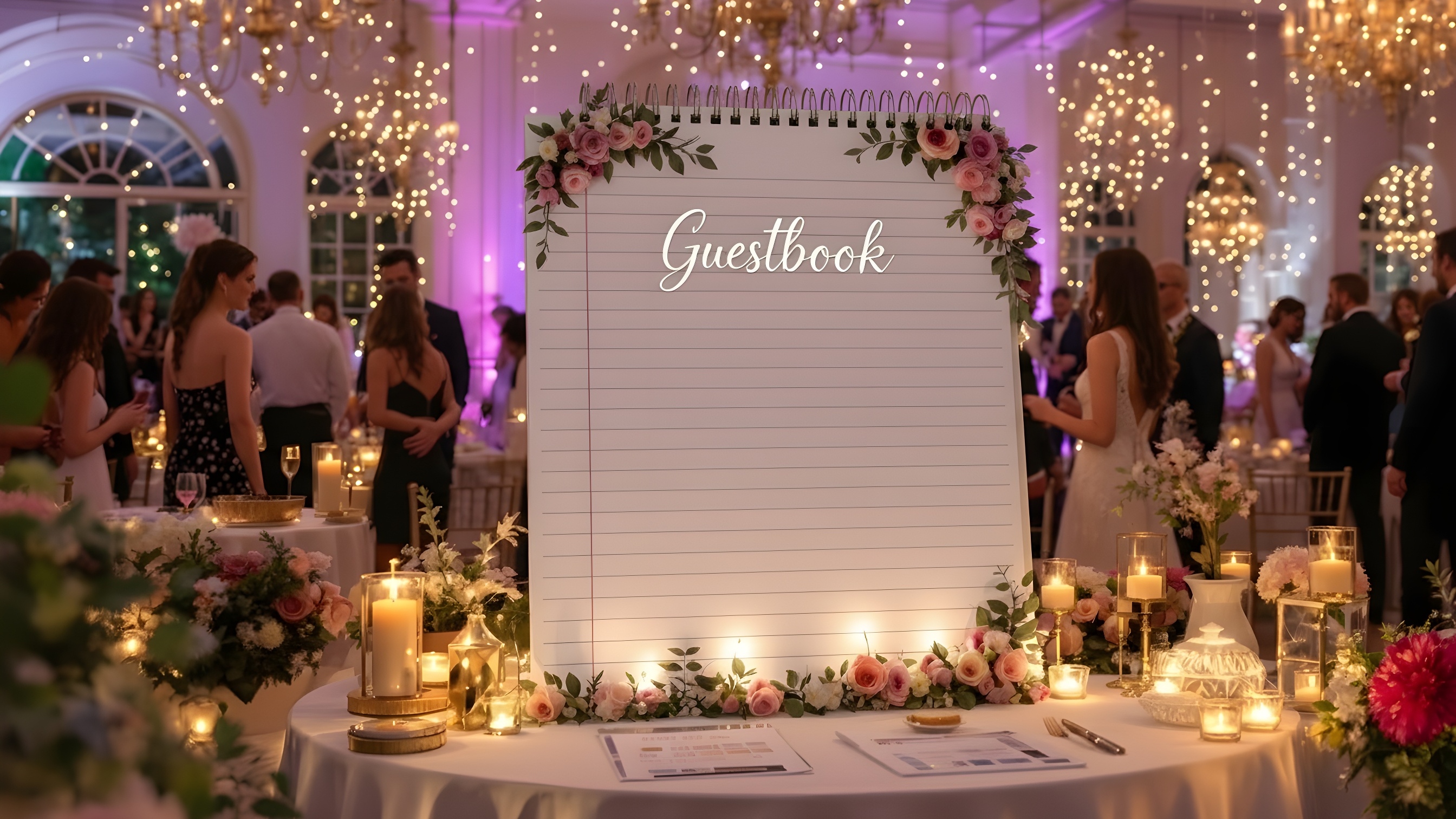
Define the Spiral Notebook Form
Spiral Notebook physical scope: one oversized spiral-bound notebook prop defined by a cover, page block, punched edge, and continuous coil. Its geometry includes cover width and height, thickness, coil diameter and pitch, hole spacing, page exposure, and standing or angled support. Its defining visual cues are the repeated spiral loops, aligned punched holes, cover-to-page offset, rectangular page field, and supplied open or closed pose.
Spiral Notebook presentation: a notebook-specific display planned around coil visibility, readable cover art, and either an open writing surface or closed cover. The visual treatment can use approved cover color, page-line pattern, tabs or graphics, and a restrained metal-like coil treatment. Keep the spiral notebook scope separate from three-ring binder mechanics, generic hardbound books, functional writing surfaces, working page turns, unauthorized artwork, and invented clients.
A spiral notebook is distinguished by the repeated coil and punched edge. Cover width and height, page-block thickness, coil diameter, loop pitch, hole spacing, and the offset between cover and paper need to work as one system. An open notebook offers a broad page field for supplied graphics or lines, while a closed or partly open pose gives the cover and binding more prominence. The coil should be large enough to read without overwhelming the rectangular page area. Tabs, bookmarks, page curls, ruled lines, pockets, and cover artwork should be selected rather than assumed. A tilted display can reveal page thickness and binding depth; a front elevation can prioritize campaign artwork. Keep three-ring mechanisms, hardbound-book spines, working writing surfaces, and unsupported moving-page features outside the notebook-specific brief.
The coil path should be documented loop by loop along one punched margin. Set its pitch, wire-like thickness, end treatment, and distance from the page edge, then keep that rhythm consistent through the full height. An open spread can show two ruled fields divided by the coil; a closed notebook can emphasize one cover, a thin page block, and the binding edge. Planner tabs, subject dividers, a bookmark, margin lines, or a guestbook prompt can appear when supplied, but the page should not inherit binder pockets or three separate rings. Cover overhang and page curl can add depth without suggesting functional page turning. The notebook remains one bound writing-format replica with a continuous spiral as its primary identifier. A campus version might feature graph-paper squares, handwriting-like artwork, doodles, equations, a class subject, or a graduation message. A conference version could use an agenda, schedule, speaker notes, sponsor mark, or check-list composition. These are page-design choices, not mechanical features. Portrait and landscape orientations change the balance of the writing field and coil length, while a folded-back appearance changes rear depth. Each option should retain the uninterrupted helical binding and familiar thin-sheet rhythm that separate a notebook from a filing product.
Control the Details That Identify the Spiral Notebook
Spiral Notebook planning variables include cover width and height, thickness, coil diameter and pitch, hole spacing, page exposure, and standing or angled support; the repeated spiral loops, aligned punched holes, cover-to-page offset, rectangular page field, and supplied open or closed pose; approved cover color, page-line pattern, tabs or graphics, and a restrained metal-like coil treatment; and a notebook-specific display planned around coil visibility, readable cover art, and either an open writing surface or closed cover.
Spiral Notebook form
For the spiral notebook, set cover width and height, thickness, coil diameter and pitch, hole spacing, page exposure, and standing or angled support. Show one oversized spiral-bound notebook prop defined by a cover, page block, punched edge, and continuous coil, and keep the complete outline readable from the primary approach.
Spiral Notebook recognition
Preserve the repeated spiral loops, aligned punched holes, cover-to-page offset, rectangular page field, and supplied open or closed pose. Rank the spiral notebook cues for the expected viewing distance, and make every permitted simplification explicit.
Spiral Notebook surface
Develop approved cover color, page-line pattern, tabs or graphics, and a restrained metal-like coil treatment. Place each requested spiral notebook graphic on the reference views with usable artwork, orientation, and scale.
Spiral Notebook setting
Plan a notebook-specific display planned around coil visibility, readable cover art, and either an open writing surface or closed cover. Record the footprint and visible sides for the spiral notebook, then add circulation around the spiral notebook, access limits, support preference, and fixed site constraints.
Plan Scale, Viewing, and Placement
Spiral Notebook scale issue: the coil and holes must enlarge without overpowering the page field or collapsing into generic book binding. Resolve that relationship through cover width and height, thickness, coil diameter and pitch, hole spacing, page exposure, and standing or angled support, then test the spiral notebook against its principal view and available floor or site area.
Spiral Notebook settings may include education or stationery campaign; conference, publishing, or planning event; retail, exhibit, or photo display. Useful buyer inputs include notebook reference and orientation; open or closed pose; cover and page dimensions; coil size and location; approved cover or page artwork; site and deadline. State any requested spiral notebook contact, movement, lighting, or exterior exposure as a separate requirement.
Compare Spiral Notebook Directions
Spiral Notebook reference 1: Shows the open page field, spiral rhythm, cover edge, and visitor relationship. Spiral Notebook reference 2: Provides a second pose and a clearer comparison of cover graphics and binding scale.
Compare the spiral notebook concepts as visual directions. They do not identify a prior spiral notebook customer or commission. Use the spiral notebook views to compare cover width and height, thickness, coil diameter and pitch, hole spacing, page exposure, and standing or angled support and approved cover color, page-line pattern, tabs or graphics, and a restrained metal-like coil treatment. The images do not establish final spiral notebook dimensions, construction, performance, transport, installation, or outcome.

Prepare the Spiral Notebook Project Brief
Spiral Notebook quote inputs should connect the defining spiral notebook cues with its intended dimensions and display setting. Include each applicable spiral notebook item below.
- notebook reference and orientation
- open or closed pose
- cover and page dimensions
- coil size and location
- approved cover or page artwork
- site and deadline
- Physical subject: one oversized spiral-bound notebook prop defined by a cover, page block, punched edge, and continuous coil
- Geometry: cover width and height, thickness, coil diameter and pitch, hole spacing, page exposure, and standing or angled support
- Recognition cues: the repeated spiral loops, aligned punched holes, cover-to-page offset, rectangular page field, and supplied open or closed pose
- Surface direction: approved cover color, page-line pattern, tabs or graphics, and a restrained metal-like coil treatment
- Display direction: a notebook-specific display planned around coil visibility, readable cover art, and either an open writing surface or closed cover
- Scale issue: the coil and holes must enlarge without overpowering the page field or collapsing into generic book binding
- Spiral Notebook setting: education or stationery campaign
- Spiral Notebook setting: conference, publishing, or planning event
- Spiral Notebook setting: retail, exhibit, or photo display
- Excluded scope: three-ring binder mechanics, generic hardbound books, functional writing surfaces, working page turns, unauthorized artwork, and invented clients
- Requested visitor contact, movement, lighting, or exterior exposure
Request a Custom Quote
Send the spiral notebook reference, notebook reference and orientation, open or closed pose, cover and page dimensions, coil size and location, approved cover or page artwork, site and deadline, destination, and required date. Also describe a notebook-specific display planned around coil visibility, readable cover art, and either an open writing surface or closed cover. WhiteClouds can review the defined scope and prepare a custom quote. The concept images support visual planning and do not depict a completed WhiteClouds project.