
Giant Skull Props for Halloween and Dramatic Displays
A giant skull prop can become the defining landmark in a Halloween attraction, theatrical set, retail display, themed event, stage, or dramatic photo environment. WhiteClouds can begin with an anatomical reference, stylized illustration, scenic theme, color direction, or loose sketch. Eye sockets, jaw, surface age, scale, pose, lighting relationship, and surrounding scenery can be developed around the desired mood without broadening into a general Halloween-decorating article.
Plan a Giant Skull
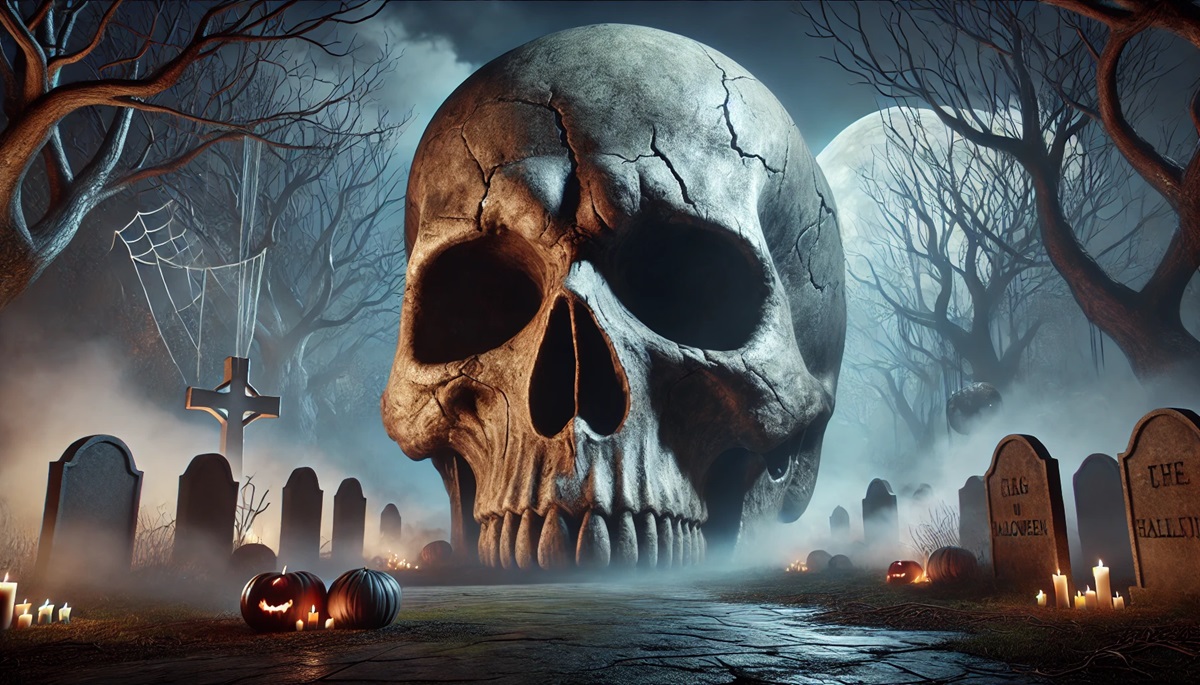
- Large eye and nasal openings cast bold shadows that keep the skull easy to spot at a distance.
- A low scenic position and atmospheric surroundings can make the skull feel embedded in a larger story.
Build recognition through the cranium, sockets, cheekbones, and jaw
A skull does not need tiny anatomical detail to feel convincing at event distance. Its rounded upper mass, dark eye openings, nasal cavity, cheek structure, and teeth create the essential face. WhiteClouds can strengthen those forms for the selected scale and viewing angle, then choose a realistic, stylized, weathered, graphic, or fantasy interpretation.
The skull may sit upright, emerge from original terrain, frame an opening, become stage scenery, or anchor a guest-photo composition. Surface cracks, aged-looking color, moss-like scenic treatment, symbols, or theatrical lighting can shift the mood from eerie elegance to playful spectacle. A reference image and a sentence about the audience provide a useful first direction.
Move from anatomical landmark to stylized fantasy object
The strongest version uses one coherent skull language rather than unrelated seasonal decoration.
Weathered bone form
Use recognizable skull proportions, aged-looking color, cracks, and restrained scenic texture for a grounded effect.
Graphic Halloween icon
Simplify the planes, deepen the openings, and use bold contrast for retail, events, stages, and photography.
Original fantasy skull
Develop horns, unusual proportions, carved motifs, color, or story-specific features for attractions and entertainment.
Designed for attractions, performance, retail, events, and photographs
The skull can carry an entire dramatic setting while remaining one clearly defined object.
Halloween attractions
Create an entrance marker, scenic landmark, queue feature, photo location, or story element for a seasonal experience.
Stages and themed entertainment
Use the skull as theatrical scenery, a fantasy environment feature, or a dramatic visual behind performers.
Retail and branded events
Build a controlled seasonal centerpiece, window object, launch scene, or guest-photo composition.
Develop anatomy, age, color, pose, and scenic integration
The choices should support the venue's tone and the way visitors approach the object.
Shape and expression
Select realistic or stylized proportions, jaw position, teeth, socket depth, profile, and any original fantasy features.
Surface and finish
Explore smooth bone, aged-looking color, cracks, carved patterns, metallic-looking treatment, graphic paint, or scenic growth.
Placement and scenery
Position the skull upright, half-buried, elevated, wall-mounted, integrated with terrain, or composed around a photo opening.
Share the skull reference and the setting around it
A mood image, drawing, or attraction theme can establish enough direction to discuss the physical display.
Send the skull type, styling, jaw position, surface mood, palette, and any original motifs.
Describe the Halloween attraction, stage, retail program, event, themed venue, or photo use.
Provide approximate size, key sightline, guest distance, location, schedule, and surrounding scenic elements.
What may shape the quote
Scale, anatomical or stylized detail, openings, teeth, texture, finish, base, support, viewing sides, scenic integration, and venue conditions can affect pricing. A clean graphic skull and an immersive terrain composition involve different work.
Useful context for an early conversation
Can the skull be stylized instead of anatomically realistic?
Yes. Proportions, openings, teeth, color, and surface treatment can be simplified or exaggerated for the intended audience.
Can it be designed as part of a larger scene?
Yes. The skull may integrate with original terrain, a stage composition, an entrance, a photo setting, or other approved scenic elements.
Describe the atmosphere for your giant skull
Send the skull or mood reference, approximate dimensions, setting, surface direction, deadline, and scenic context. WhiteClouds can help shape the display.