
Planning a Giant Scarecrow Prop
A giant scarecrow prop is defined by its pose and clothing silhouette: the head and hat, shoulders, outstretched arms, sleeves, torso, lower garment volume, and upright support. Planning those forms together helps the figure read as a scarecrow from the intended distance. This page stays on one static scarecrow display rather than a broad collection of Halloween or harvest decorations.
Plan a Giant Scarecrow Prop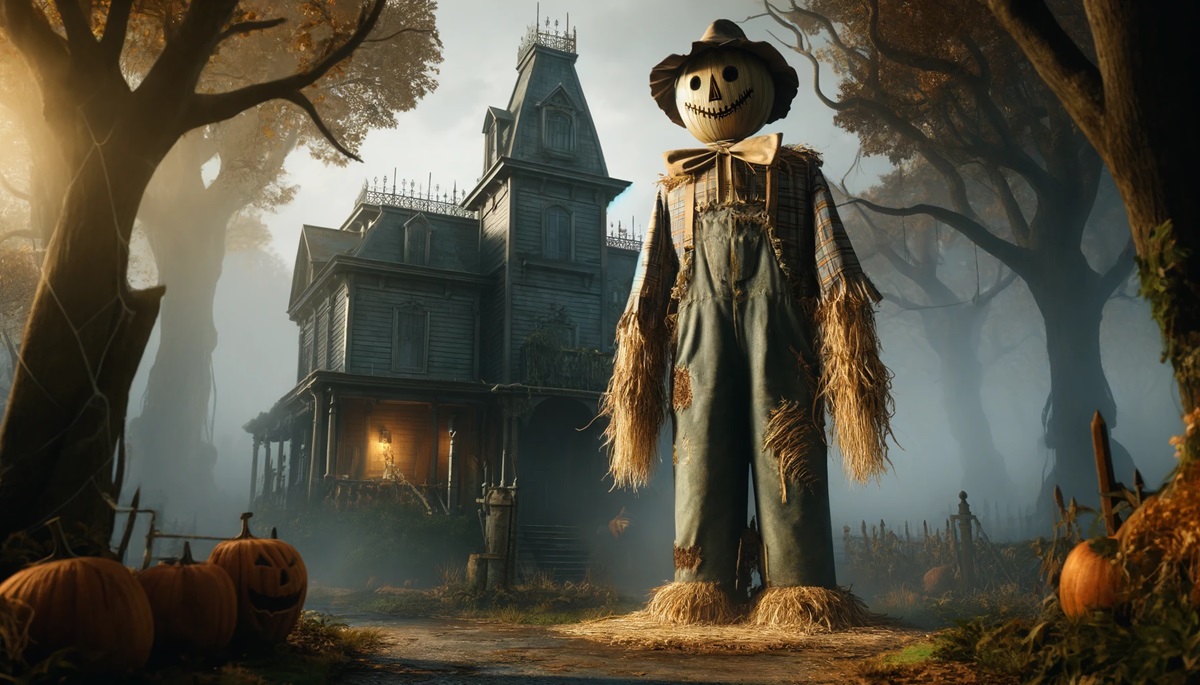
Set the Scarecrow Pose and Silhouette
Begin with a full front view and a side view of the intended figure. Mark the head angle, shoulder line, arm position, hand direction, torso lean, leg stance, and the outer edge of every garment. A classic horizontal arm pose creates a much wider display than a relaxed or bent-arm pose, even when the figures share the same height.
Choose the principal audience or camera view and check the silhouette at that distance. The hat brim should remain distinct from the shoulders, the hands should not disappear into the sleeves, and the lower clothing should not merge visually with the base or surrounding scenery.
Coordinate the Head, Hat, and Garment Volume
The scarecrow identity comes from the relationship among its face, hat, sleeves, body, and clothing layers.
Head and expression
Provide the approved head shape, facial features, hair or straw-like visual treatment, neck angle, and expression. Mark which details must be readable from a distance.
Hat silhouette
Set the crown height, brim width, tilt, bends, and relationship to the face. A broad brim changes the complete width and may hide facial details from higher or lower views.
Sleeves and hands
Draw the arm path inside the clothing outline and show where the sleeves end. Define the hand direction and any supplied accessory without assuming that the arms move.
Layered garments
Show the shirt, coat, overalls, patches, belt, lower hem, and leg openings as separate visual layers. State which colors and graphics belong on each visible side.
Plan the Upright Support and Footprint
Provide the overall height, arm span, front-to-back depth, hat envelope, and lower footprint. Show whether the figure stands on a visible base, meets a supplied field or scenic platform, or appears to rise from another display element. Include the floor condition and nearby circulation on the site plan.
Plan the figure as a static visual display unless a separate requirement says otherwise. The concept images do not establish movement, lighting, material, weather performance, or an installation method. Those requirements should be described independently for the actual location and intended use.
Compare Two Scarecrow Silhouettes
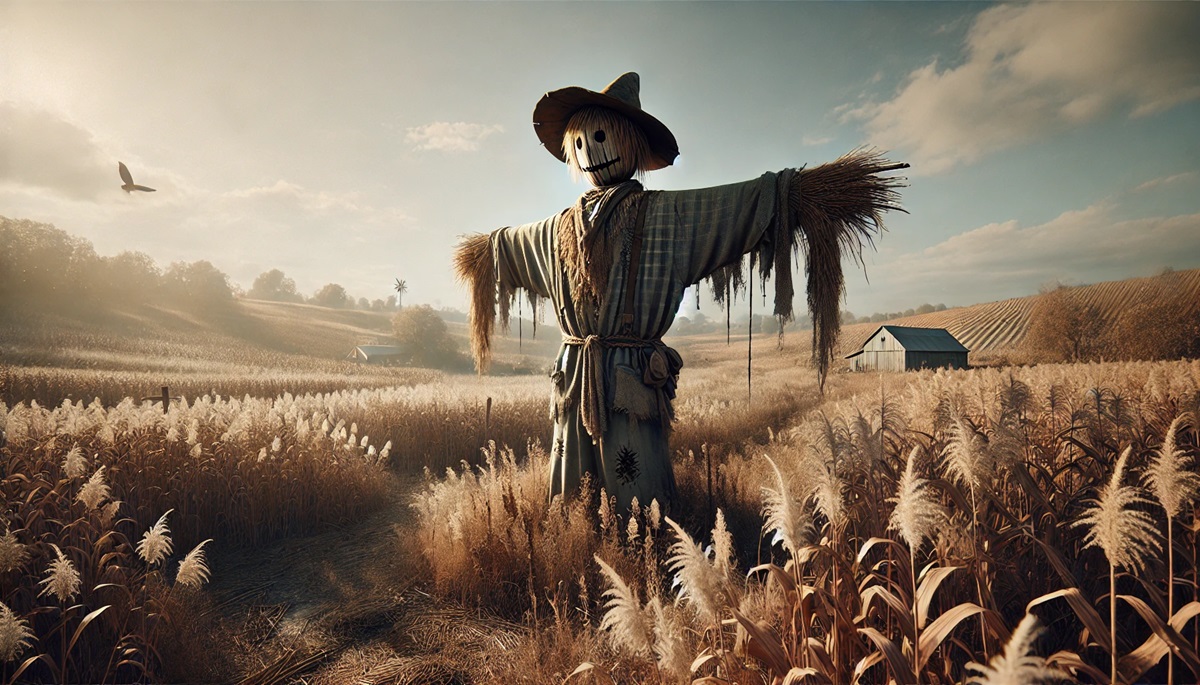
One concept uses a broad horizontal arm span, large hat, and layered clothing to create a wide field silhouette. The second changes the head, hat, sleeve, and garment relationships, showing how the same subject can occupy a different height, width, and visual character.
The two scenes are concepts for planning discussion. Neither documents work completed by WhiteClouds or verifies a customer, material, internal structure, animation, lighting, finished size, weather rating, installation method, or outcome.
Send the Scarecrow Reference Set
A complete request should define one scarecrow figure from hat to base.
- Approved full-body front and side references
- Overall height, arm span, depth, and footprint
- Head shape, expression, hair or straw-like visual treatment, and neck angle
- Hat crown, brim, tilt, and visible underside
- Arm, sleeve, hand, torso, and leg positions
- Garment layers, patches, colors, graphics, and visible sides
- Base, platform, field, wall, or other scenic relationship
- Access route, destination, display conditions, and required date
Request a Custom Prop Quote
Send the scarecrow artwork, pose, dimensions, hat and garment details, visible sides, base preference, placement conditions, access information, destination, and schedule. WhiteClouds can review the scope and prepare a custom quote.