
Planning a Large Bowl Prop
A large bowl prop is defined as much by its interior as by its outside profile. Rim height, wall angle, depth, and the planned viewing position determine whether people see a recognizable vessel, its contents, or both. Those relationships should be fixed before decorative details are added.
Scope a Large Bowl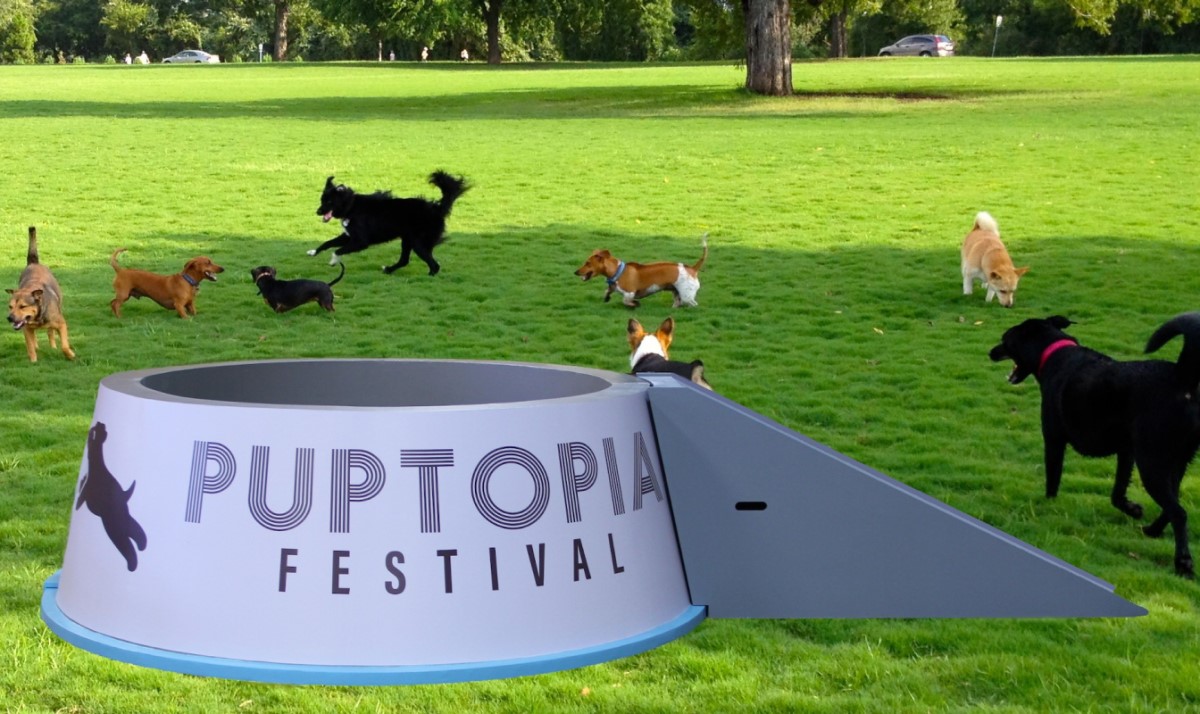
Set the rim, wall angle, and bottom profile
Start with a side view. A shallow serving bowl, straight-sided pet bowl, rounded mixing bowl, and footed display bowl each occupy space differently. The top opening and bottom footprint should be dimensioned separately, because a wide rim can overhang a much smaller support area.
The rim may be thin and crisp, broad and rounded, or shaped to match a particular product. If the bowl must resemble an existing object, provide front, side, and overhead references with at least one known measurement. For an original idea, a marked sketch can define the curve more clearly than a long list of adjectives.
Compare open interiors and filled arrangements
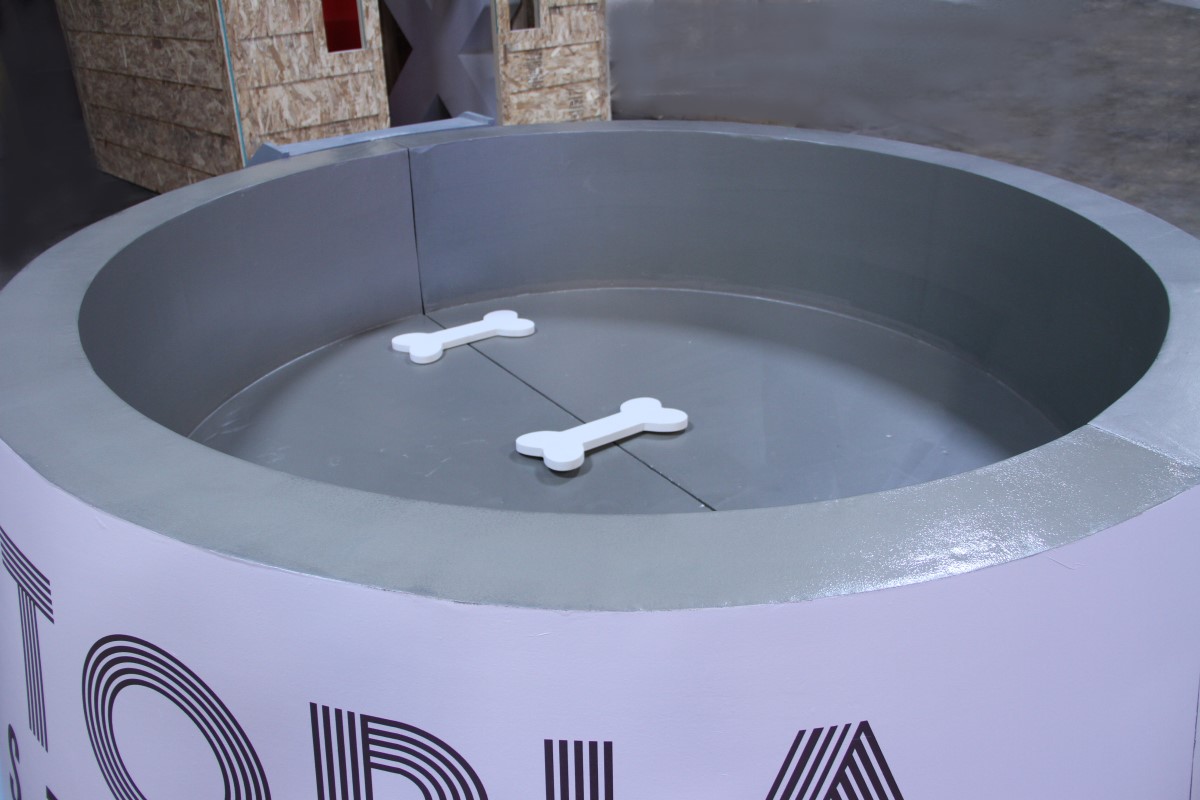
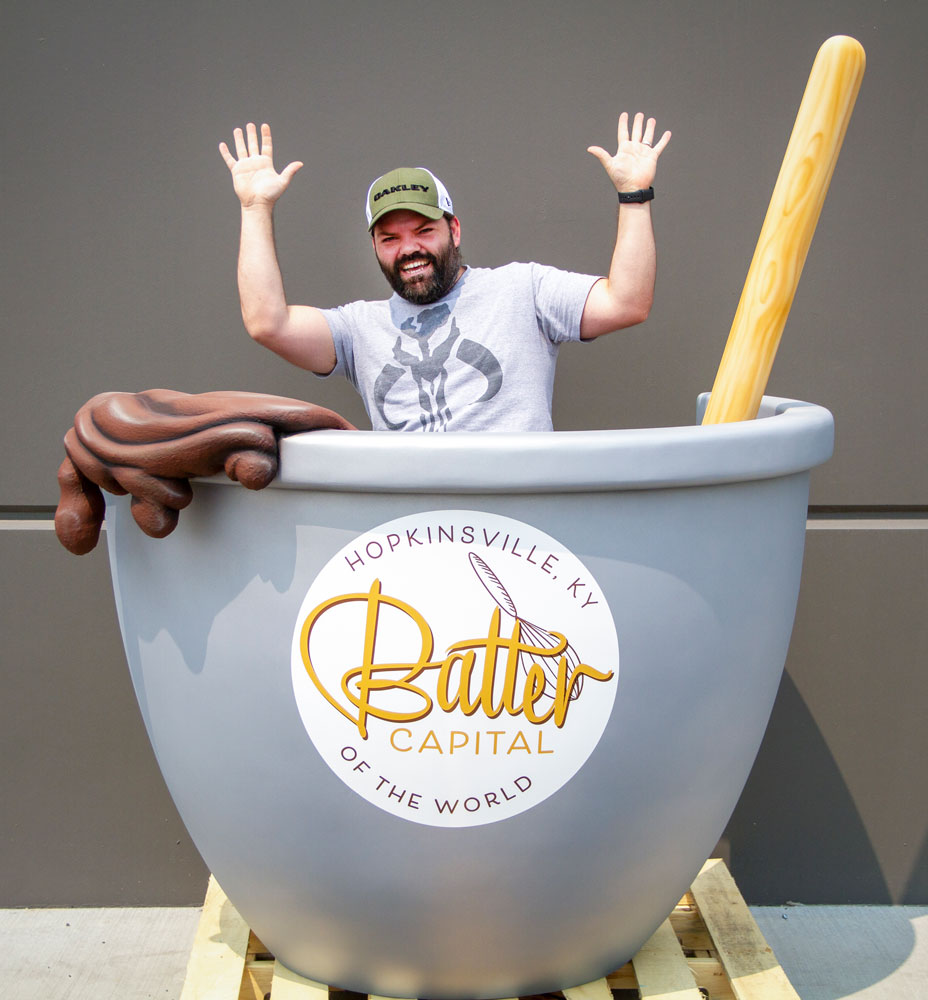
The completed dog-bowl views show a low, open vessel from two useful angles. The batter displays demonstrate how contents can extend above a deeper rim. These projects help distinguish the bowl itself from any separate food, utensil, or graphic element requested for a new piece.

Decide what belongs inside the bowl
Interior visibility changes with eye level, floor position, and vessel depth.
Empty interior
An open bowl needs a deliberately finished inside surface and enough visibility to read as hollow.
Fixed contents
Modeled food, products, or graphic inserts should have their own height, spacing, and removal requirements.
Display cavity
A recessed area for loose items requires exact usable dimensions and a clearly stated load or handling expectation.
Covered opening
A lid, false top, or shallow insert can alter the silhouette while limiting the amount of deep interior work.
Match the bowl to its viewing height
A bowl on the floor may reveal little of its interior unless the rim is low or the vessel is tilted. A platform can improve the viewing angle but adds to overall height. For a tabletop position, the underside and base relationship may become more visible. Share a site photo and the expected eye level so the bowl is not designed only for a straight-on rendering.
State whether visitors may reach into, lean on, sit in, or place products inside the prop. None of those functions should be assumed from a bowl shape. The route from loading area to final position, including door and elevator dimensions, is equally important for a wide circular form.
Measurements and references to send first
A bowl can be scoped efficiently when the outer vessel and any contents are described separately.
- Bowl style or product reference
- Top opening diameter
- Overall height and bottom footprint
- Rim shape and thickness
- Empty, filled, or usable interior
- Graphics and color references
- Display height and viewing angle
- Access route, destination, and deadline
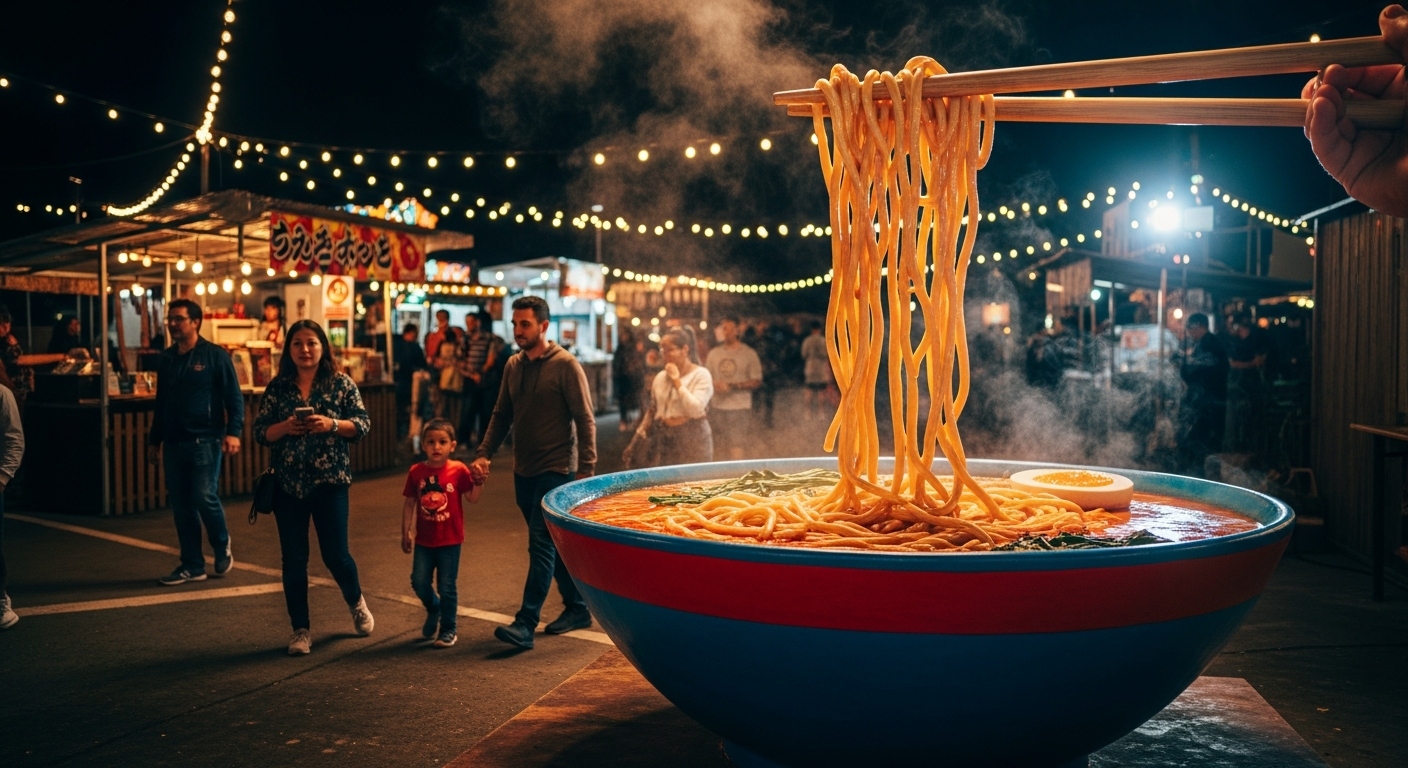
Plan a ramen bowl as a bowl-and-contents composition
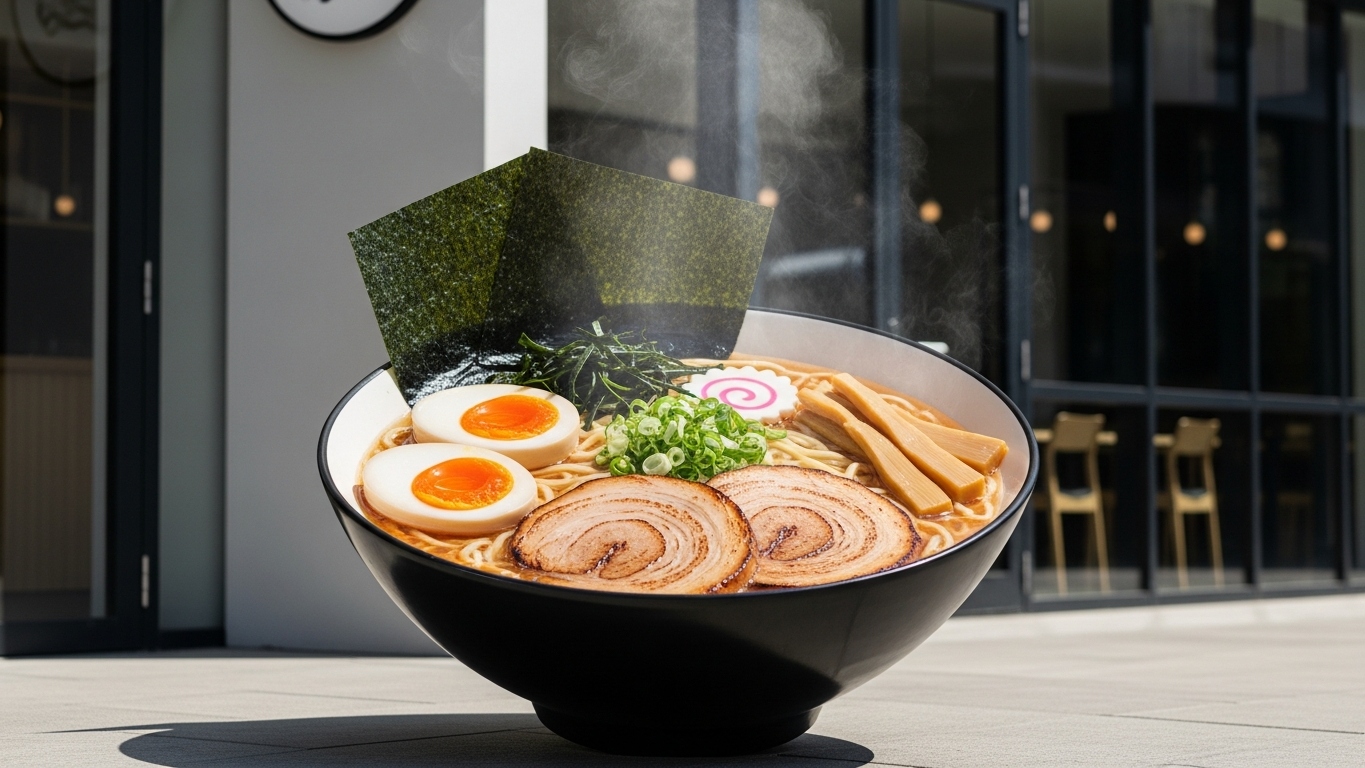
A ramen display adds a visible broth-like field, noodles, toppings, and utensils to the vessel. Define the bowl profile first, then map the height, overlap, color, and position of every fixed content element above the rim. Chopsticks, spoon, packaging, signage, and steam-like forms are separate visual components.
The interior arrangement should be designed for the primary eye level and camera side. A low view may hide most contents behind the rim, while a raised view reveals the complete composition and increases the importance of spacing across the bowl opening.
Request pricing for a large bowl prop
Share the bowl profile, opening size, overall dimensions, interior plan, contents, graphics, intended height, interaction requirements, delivery address, and target date. Include an overhead reference whenever the opening or arrangement inside the bowl is important.