
Planning a Giant Plant Pot Prop
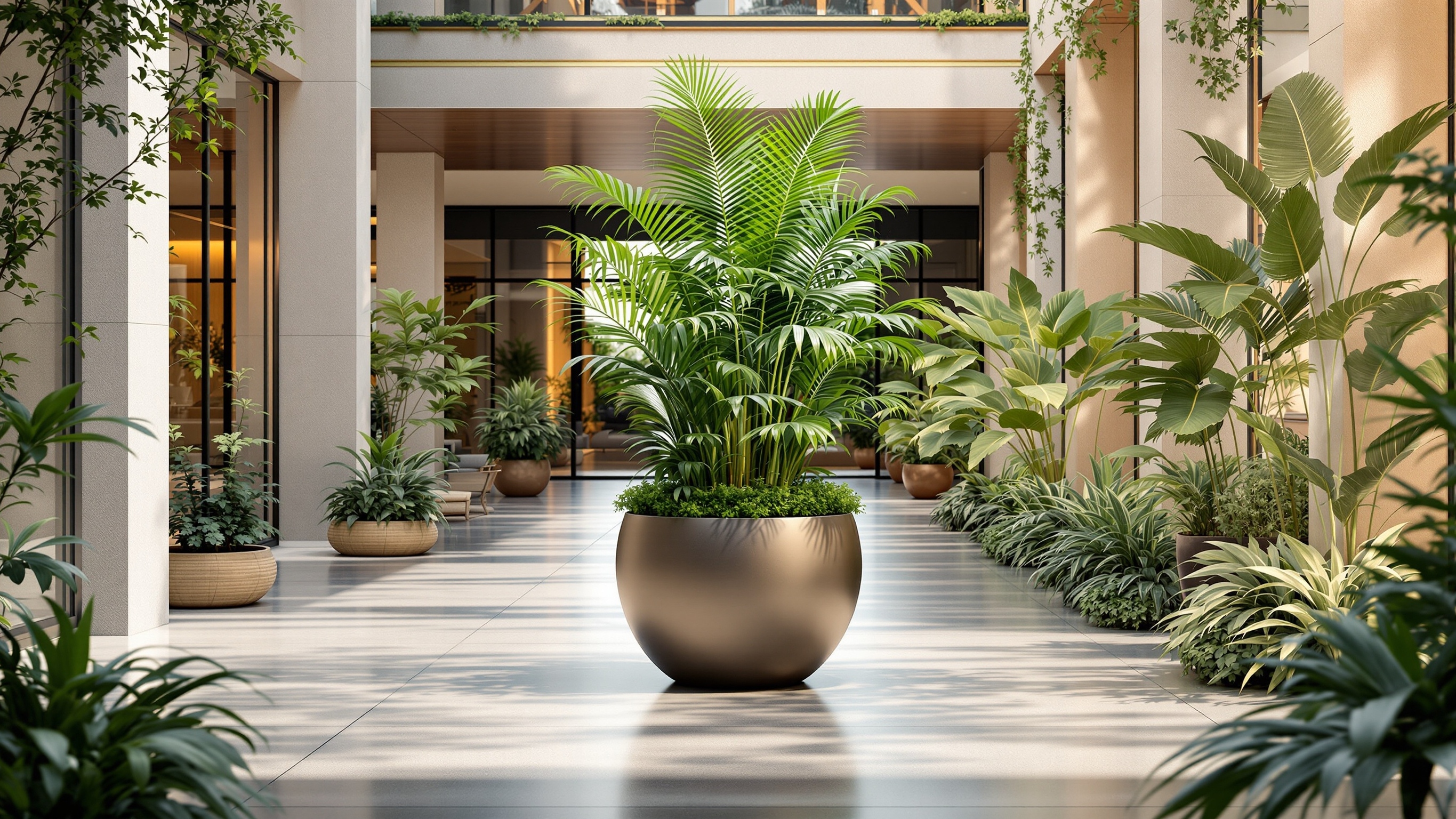
Giant Plant Pot Prop: one oversized plant-pot or planter prop defined by a rim, container wall, interior opening, base, and optional staged greenery. Recognition depends on the circular or supplied opening, thick rim, tapered or rounded vessel wall, interior depth, floor contact, and relationship to any greenery. The central scale question is that the opening and rim must stay legible while optional foliage does not hide the vessel that defines the page. The images are plant pot design concepts rather than photographs of completed WhiteClouds work.
Plan a Plant Pot Display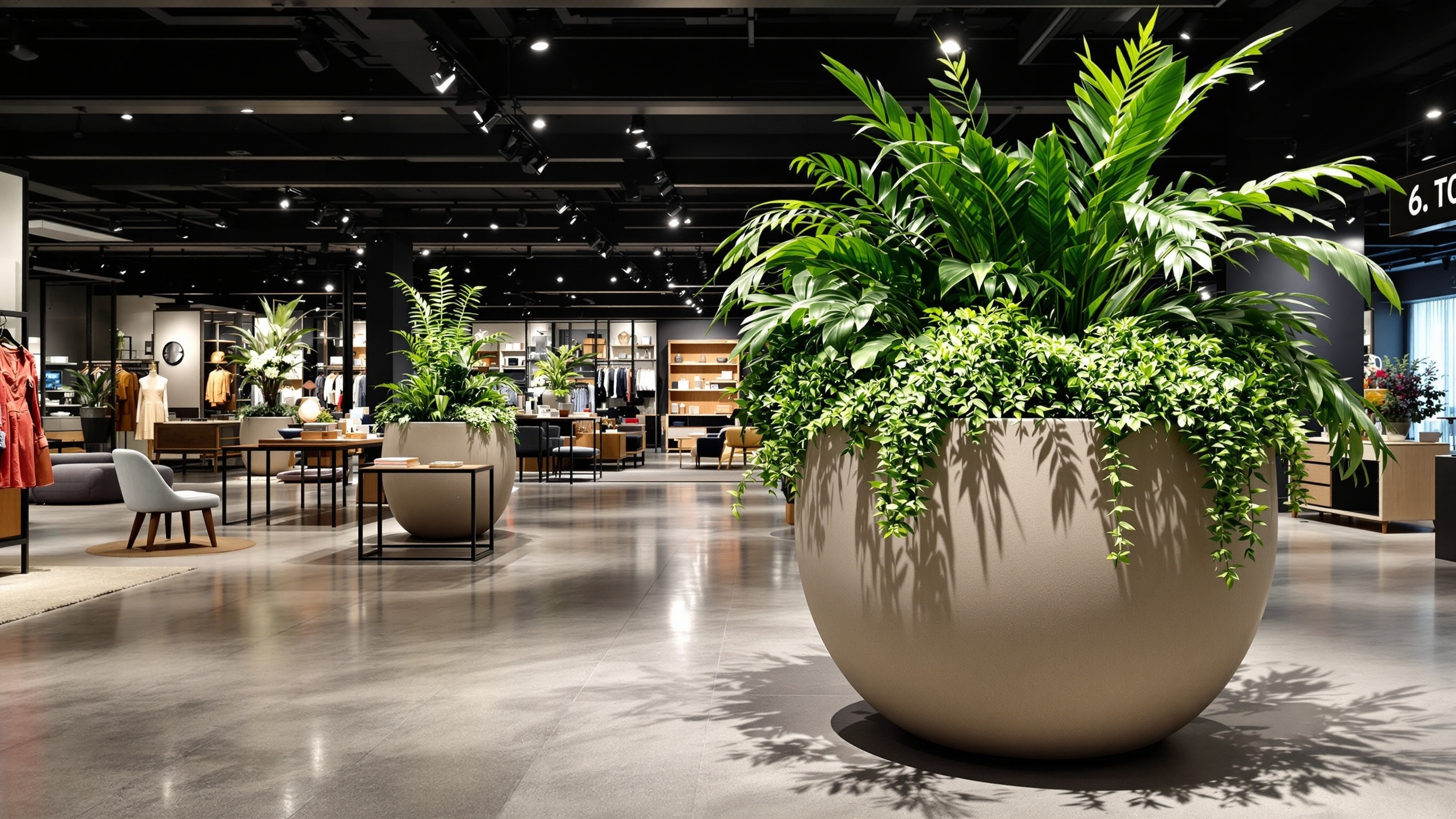
Define the Plant Pot Form
Plant Pot physical scope: one oversized plant-pot or planter prop defined by a rim, container wall, interior opening, base, and optional staged greenery. Its geometry includes overall height and diameter, opening size, rim thickness, wall taper, base diameter, visible interior, and planted-display footprint. Its defining visual cues are the circular or supplied opening, thick rim, tapered or rounded vessel wall, interior depth, floor contact, and relationship to any greenery.
Plant Pot presentation: a static planter-form display planned around the pot silhouette, optional greenery, approach path, and principal camera view. The visual treatment can use approved ceramic-like, metal-like, stone-like, painted, or graphic visual treatment without a material or horticultural claim. Keep the plant pot scope separate from giant flowers as the primary subject, live-plant care, drainage, soil or water containment, usable horticultural containers, and invented materials.
The vessel should remain the primary object even when greenery is part of the composition. Set the opening diameter, rim thickness, wall taper, base contact, and visible interior before deciding the plant mass above it. A low rounded pot creates a different silhouette from a tall tapered planter, and both require a camera angle that keeps the rim visible. Greenery can provide scale and theme, but its spread and height should be scoped separately so leaves do not obscure the container. The visual surface may suggest a familiar finish without claiming that the prop is a functional ceramic, metal, or stone planter.
The planter vessel must remain the visual subject even when greenery is shown. Define the opening diameter or outline, rim width, rim height, interior reveal, wall taper, shoulder or belly, base diameter, foot, and overall vertical proportion. A cylinder, tapered terracotta-like pot, rounded bowl, faceted planter, or tall architectural vessel creates a different elevation. A slightly raised camera angle helps the opening read; a low eye level emphasizes the exterior wall but may hide the interior. If the pot is intentionally tilted or grouped, record each axis and the clear space between vessels.
Greenery, flowers, topiary, branches, or product forms placed in the opening are optional supporting elements. Their height and spread should be scoped separately so they do not obscure the rim or turn the article into a flower-prop brief. Surface ideas can include a single color field, banding, supplied pattern, medallion, or campaign graphic mapped around the curved wall. None of those appearances identifies the underlying substance. The display is not presented as holding soil, draining water, supporting live horticulture, surviving weather, or functioning as an everyday planter unless those requirements are separately established and reviewed.
Control the Details That Identify the Plant Pot
Plant Pot planning variables include overall height and diameter, opening size, rim thickness, wall taper, base diameter, visible interior, and planted-display footprint; the circular or supplied opening, thick rim, tapered or rounded vessel wall, interior depth, floor contact, and relationship to any greenery; approved ceramic-like, metal-like, stone-like, painted, or graphic visual treatment without a material or horticultural claim; and a static planter-form display planned around the pot silhouette, optional greenery, approach path, and principal camera view.
Plant Pot form
For the plant pot, set overall height and diameter, opening size, rim thickness, wall taper, base diameter, visible interior, and planted-display footprint. Show one oversized plant-pot or planter prop defined by a rim, container wall, interior opening, base, and optional staged greenery, and keep the complete outline readable from the primary approach.
Plant Pot recognition
Preserve the circular or supplied opening, thick rim, tapered or rounded vessel wall, interior depth, floor contact, and relationship to any greenery. Rank the plant pot cues for the expected viewing distance, and make every permitted simplification explicit.
Plant Pot surface
Develop approved ceramic-like, metal-like, stone-like, painted, or graphic visual treatment without a material or horticultural claim. Place each requested plant pot graphic on the reference views with usable artwork, orientation, and scale.
Plant Pot setting
Plan a static planter-form display planned around the pot silhouette, optional greenery, approach path, and principal camera view. Record the footprint and visible sides for the plant pot, then add circulation around the plant pot, access limits, support preference, and fixed site constraints.
Plan Scale, Viewing, and Placement
Plant Pot scale issue: the opening and rim must stay legible while optional foliage does not hide the vessel that defines the page. Resolve that relationship through overall height and diameter, opening size, rim thickness, wall taper, base diameter, visible interior, and planted-display footprint, then test the plant pot against its principal view and available floor or site area.
Plant Pot settings may include home, garden, or retail campaign; lobby, hospitality, or plaza display; event, exhibit, or photo setting. Useful buyer inputs include pot or planter reference; overall height and diameter; rim, opening, and base proportions; greenery included or excluded; approved surface direction; site and deadline. State any requested plant pot contact, movement, lighting, or exterior exposure as a separate requirement.
Compare Plant Pot Directions
Plant Pot reference 1: Shows the complete pot silhouette in a public interior. Plant Pot reference 2: Provides a wide view of pot, foliage, footprint, and surrounding clearance.
Compare the plant pot concepts as visual directions. They do not identify a prior plant pot customer or commission. Use the plant pot views to compare overall height and diameter, opening size, rim thickness, wall taper, base diameter, visible interior, and planted-display footprint and approved ceramic-like, metal-like, stone-like, painted, or graphic visual treatment without a material or horticultural claim. The images do not establish final plant pot dimensions, construction, performance, transport, installation, or outcome.
Prepare the Plant Pot Project Brief
Plant Pot quote inputs should connect the defining plant pot cues with its intended dimensions and display setting. Include each applicable plant pot item below.
- pot or planter reference
- overall height and diameter
- rim, opening, and base proportions
- greenery included or excluded
- approved surface direction
- site and deadline
- Physical subject: one oversized plant-pot or planter prop defined by a rim, container wall, interior opening, base, and optional staged greenery
- Geometry: overall height and diameter, opening size, rim thickness, wall taper, base diameter, visible interior, and planted-display footprint
- Recognition cues: the circular or supplied opening, thick rim, tapered or rounded vessel wall, interior depth, floor contact, and relationship to any greenery
- Surface direction: approved ceramic-like, metal-like, stone-like, painted, or graphic visual treatment without a material or horticultural claim
- Display direction: a static planter-form display planned around the pot silhouette, optional greenery, approach path, and principal camera view
- Scale issue: the opening and rim must stay legible while optional foliage does not hide the vessel that defines the page
- Plant Pot setting: home, garden, or retail campaign
- Plant Pot setting: lobby, hospitality, or plaza display
- Plant Pot setting: event, exhibit, or photo setting
- Excluded scope: giant flowers as the primary subject, live-plant care, drainage, soil or water containment, usable horticultural containers, and invented materials
- Requested plant pot contact, movement, lighting, or exterior exposure
Request a Custom Quote
Send the plant pot reference, pot or planter reference, overall height and diameter, rim, opening, and base proportions, greenery included or excluded, approved surface direction, site and deadline, destination, and required date. Also describe a static planter-form display planned around the pot silhouette, optional greenery, approach path, and principal camera view. WhiteClouds can review the defined scope and prepare a custom quote. The concept images support visual planning and do not depict a completed WhiteClouds project.