
Planning a Giant Lamp Prop
Giant Lamp Prop: one monumental decorative floor, pedestal, or pendant-style lamp prop defined by a base or ceiling relationship, stem or suspension, and shade. Recognition depends on the shade profile, light-opening direction, stem or suspension line, base relationship, trim rings, and supplied decorative details. The central scale question is that the broad shade and slender support must stay balanced while the underside or opening remains readable from the intended viewing height. The images are lamp design concepts rather than photographs of completed WhiteClouds work.
Plan a Lamp Display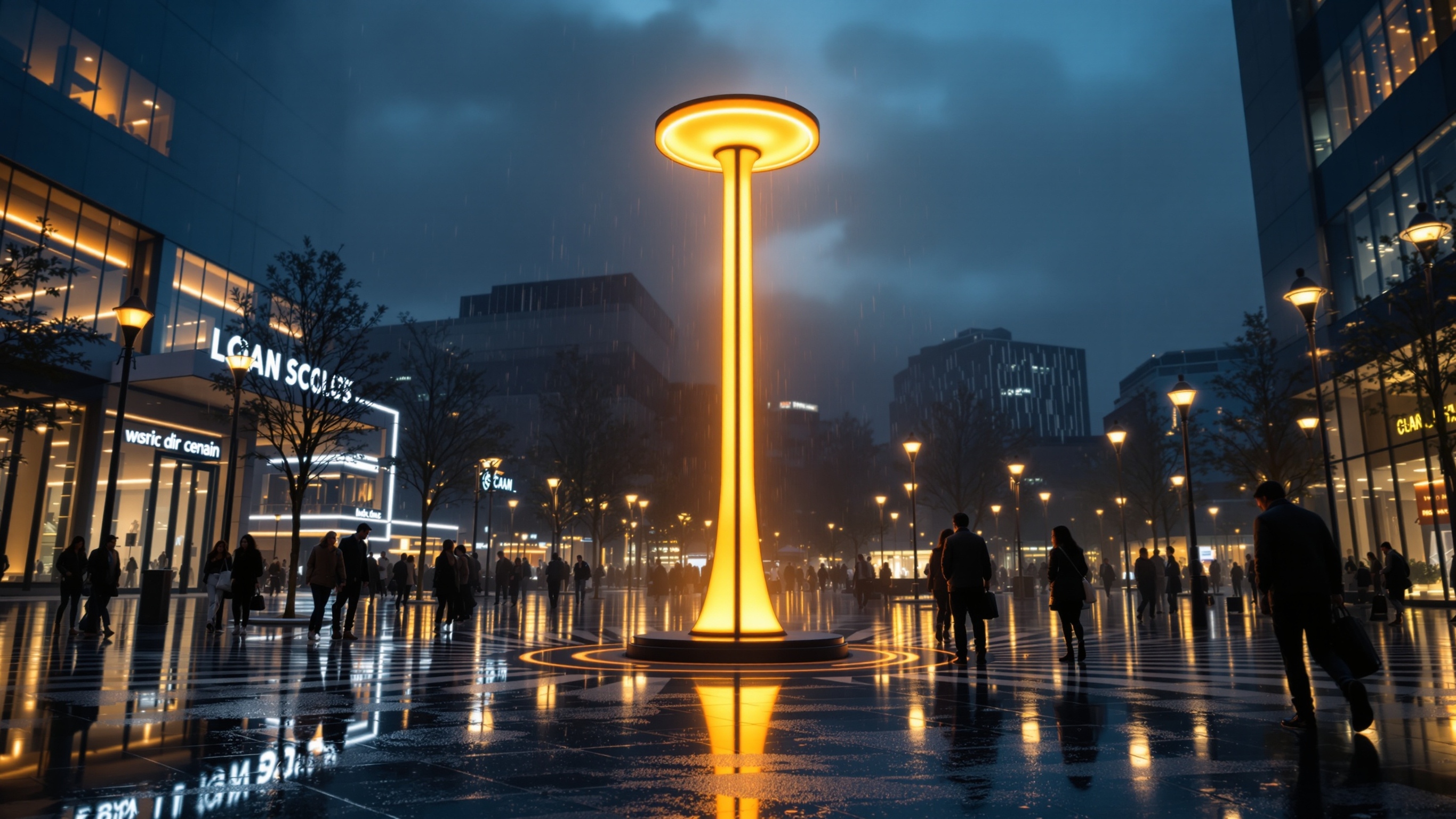
Define the Lamp Form
Lamp physical scope: one monumental decorative floor, pedestal, or pendant-style lamp prop defined by a base or ceiling relationship, stem or suspension, and shade. Its geometry includes overall height or drop, shade diameter and depth, stem length and thickness, base dimensions, suspension spacing, and viewing clearance. Its defining visual cues are the shade profile, light-opening direction, stem or suspension line, base relationship, trim rings, and supplied decorative details.
Lamp presentation: a static decorative lamp form planned as a floor, plaza, exhibition, or overhead landmark rather than a task-lighting product. The visual treatment can use approved shade color, trim, patterned panels, and light-like visual accents without promising a working fixture. Keep the lamp scope separate from genie-lamp vessels, enclosed lantern frames, articulated desk-task lamps, giant light bulbs, certified illumination, wiring claims, and ordinary fixture procurement.
The page should begin with the lamp archetype because a floor lamp, pedestal lamp, and pendant have different load paths and viewing conditions even when they share a shade. Define the shade profile, opening direction, stem or suspension, base, and underside details as one composition. A floor version needs a clear foot relationship; an overhead version needs a declared drop and viewing height. Bulb-like glow, translucent-looking panels, or rings can be part of the visual direction, but they do not establish a working electrical system. Keep portable lantern bodies and articulated desk lamps outside this decorative monumental-lamp task.
Choose the lamp family before dimensions are assigned. A floor lamp has a base-to-stem-to-shade sequence; a pedestal lamp can use a thicker architectural support; a pendant begins at a ceiling or truss relationship and ends at an overhead shade. Dome, cone, drum, bell, and saucer shades produce different openings and rim profiles. Record shade diameter, shade depth, lower opening, top transition, stem or suspension length, base spread, and any trim rings. A low viewer sees more of the underside, while an elevated installation may present mostly the outside shade surface.
The lamp should remain visually separate from three nearby forms. It is not a genie-lamp vessel with a spout and handle, not a lantern with a framed enclosed chamber, and not an articulated desk task light with jointed arms. A pair or cluster of pendant forms can share one installation only when spacing, hanging height, and repeated scale are part of the brief. Color on the shade exterior, a contrasting underside, perforation-like motifs, or a warm glow appearance may shape the composition without establishing wiring or illumination. Declare any actual electrical objective separately so the visual quote does not silently promise a certified fixture.
Control the Details That Identify the Lamp
Lamp planning variables include overall height or drop, shade diameter and depth, stem length and thickness, base dimensions, suspension spacing, and viewing clearance; the shade profile, light-opening direction, stem or suspension line, base relationship, trim rings, and supplied decorative details; approved shade color, trim, patterned panels, and light-like visual accents without promising a working fixture; and a static decorative lamp form planned as a floor, plaza, exhibition, or overhead landmark rather than a task-lighting product.
Lamp form
For the lamp, set overall height or drop, shade diameter and depth, stem length and thickness, base dimensions, suspension spacing, and viewing clearance. Show one monumental decorative floor, pedestal, or pendant-style lamp prop defined by a base or ceiling relationship, stem or suspension, and shade, and keep the complete outline readable from the primary approach.
Lamp recognition
Preserve the shade profile, light-opening direction, stem or suspension line, base relationship, trim rings, and supplied decorative details. Rank the lamp cues for the expected viewing distance, and make every permitted simplification explicit.
Lamp surface
Develop approved shade color, trim, patterned panels, and light-like visual accents without promising a working fixture. Place each requested lamp graphic on the reference views with usable artwork, orientation, and scale.
Lamp setting
Plan a static decorative lamp form planned as a floor, plaza, exhibition, or overhead landmark rather than a task-lighting product. Record the footprint and visible sides for the lamp, then add circulation around the lamp, access limits, support preference, and fixed site constraints.
Plan Scale, Viewing, and Placement
Lamp scale issue: the broad shade and slender support must stay balanced while the underside or opening remains readable from the intended viewing height. Resolve that relationship through overall height or drop, shade diameter and depth, stem length and thickness, base dimensions, suspension spacing, and viewing clearance, then test the lamp against its principal view and available floor or site area.
Lamp settings may include decor or home-product campaign; plaza, festival, or public-art setting; trade-show, stage, or retail display. Useful buyer inputs include lamp type and reference; overall height or suspension drop; shade profile and opening; base, stem, or hanging relationship; approved colors and details; site and deadline. State any requested lamp contact, movement, lighting, or exterior exposure as a separate requirement.
Compare Lamp Directions
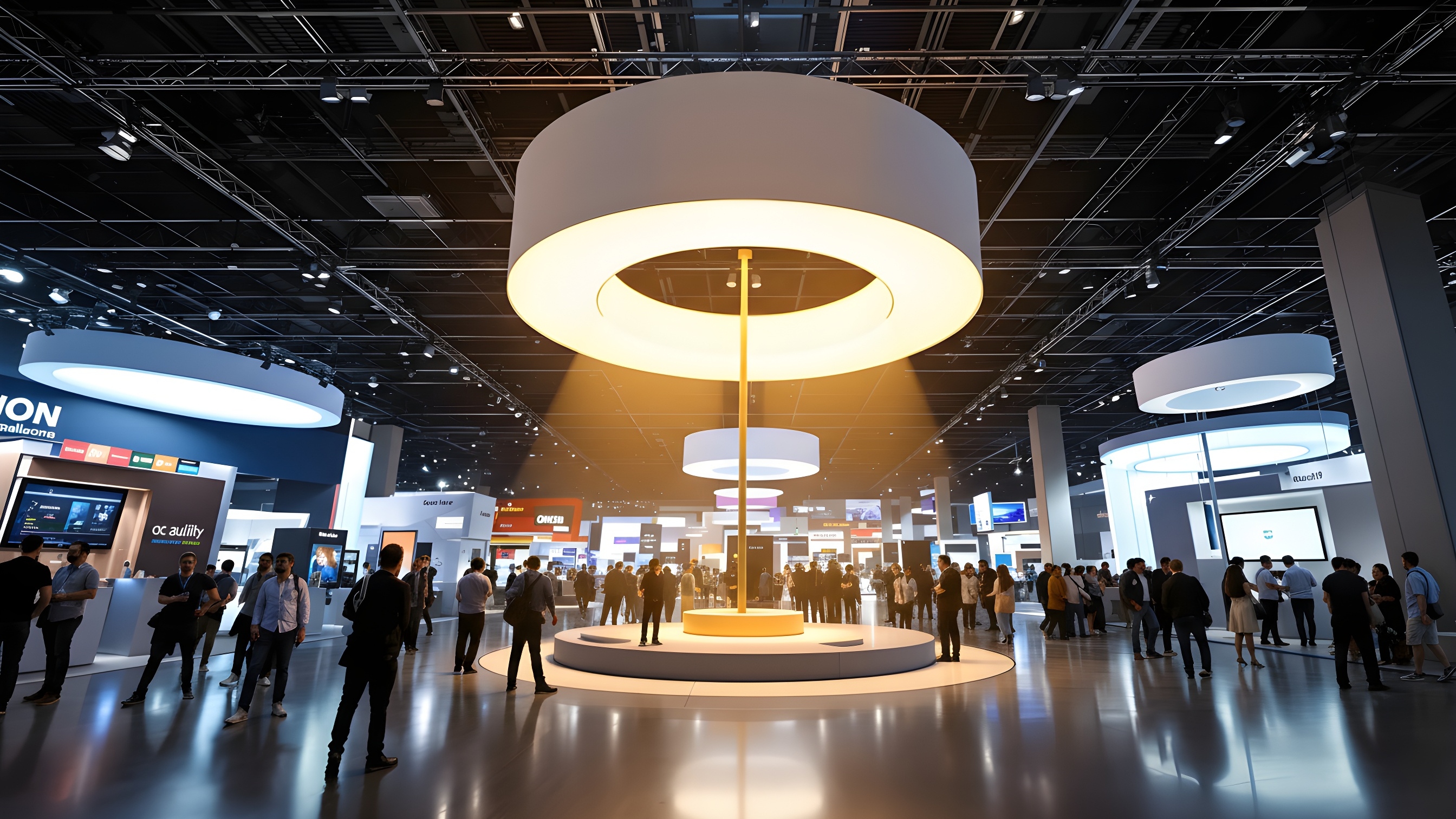
Lamp reference 1: Shows a freestanding decorative lamp silhouette and plaza scale. Lamp reference 2: Provides an overhead lamp configuration distinct from lanterns and desk lamps.
Compare the lamp concepts as visual directions. They do not identify a prior lamp customer or commission. Use the lamp views to compare overall height or drop, shade diameter and depth, stem length and thickness, base dimensions, suspension spacing, and viewing clearance and approved shade color, trim, patterned panels, and light-like visual accents without promising a working fixture. The images do not establish final lamp dimensions, construction, performance, transport, installation, or outcome.
Prepare the Lamp Project Brief
Lamp quote inputs should connect the defining lamp cues with its intended dimensions and display setting. Include each applicable lamp item below.
- lamp type and reference
- overall height or suspension drop
- shade profile and opening
- base, stem, or hanging relationship
- approved colors and details
- site and deadline
- Physical subject: one monumental decorative floor, pedestal, or pendant-style lamp prop defined by a base or ceiling relationship, stem or suspension, and shade
- Geometry: overall height or drop, shade diameter and depth, stem length and thickness, base dimensions, suspension spacing, and viewing clearance
- Recognition cues: the shade profile, light-opening direction, stem or suspension line, base relationship, trim rings, and supplied decorative details
- Surface direction: approved shade color, trim, patterned panels, and light-like visual accents without promising a working fixture
- Display direction: a static decorative lamp form planned as a floor, plaza, exhibition, or overhead landmark rather than a task-lighting product
- Scale issue: the broad shade and slender support must stay balanced while the underside or opening remains readable from the intended viewing height
- Lamp setting: decor or home-product campaign
- Lamp setting: plaza, festival, or public-art setting
- Lamp setting: trade-show, stage, or retail display
- Excluded scope: genie-lamp vessels, enclosed lantern frames, articulated desk-task lamps, giant light bulbs, certified illumination, wiring claims, and ordinary fixture procurement
- Requested lamp contact, movement, lighting, or exterior exposure
Request a Custom Quote
Send the lamp reference, lamp type and reference, overall height or suspension drop, shade profile and opening, base, stem, or hanging relationship, approved colors and details, site and deadline, destination, and required date. Also describe a static decorative lamp form planned as a floor, plaza, exhibition, or overhead landmark rather than a task-lighting product. WhiteClouds can review the defined scope and prepare a custom quote. The concept images support visual planning and do not depict a completed WhiteClouds project.