

Giant Dresser: Storage, Spectacle, and Symbolism on a Grand Scale
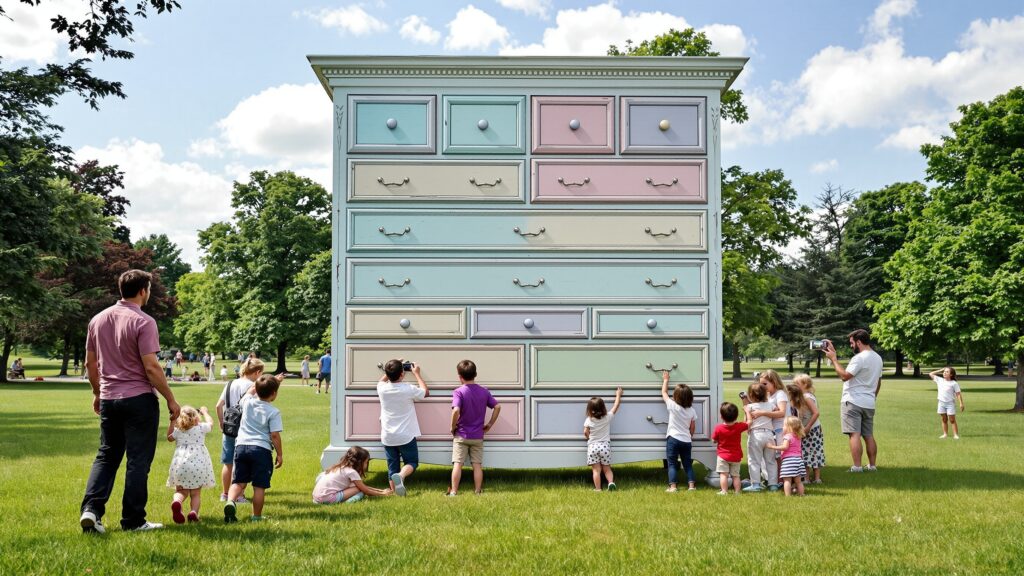
A dresser is one of the most common household items—practical, dependable, and often taken for granted. It stores our clothes, linens, and belongings, usually blending quietly into bedrooms or hallways. But what happens when this everyday object is transformed into something colossal? A giant dresser is more than furniture—it’s a landmark, a work of art, a marketing tool, and sometimes even a cultural icon. From quirky roadside attractions to oversized installations that celebrate craftsmanship and history, giant dressers are fascinating examples of how ordinary furniture can become extraordinary when scaled up. These monumental creations capture attention, spark curiosity, and reflect deeper stories about community, tradition, and creativity. In this article, we’ll explore the history of the dresser, why people build giant versions, famous examples around the world, their symbolism, engineering challenges, and how they continue to capture our imaginations today.
A Short History of the Dresser
To appreciate the giant dresser, it’s helpful to understand the origins of the furniture piece itself. The word “dresser” originally referred to a piece of kitchen furniture in Europe, dating back to the 16th century, used to “dress” food before serving. Over time, the term evolved to describe chests of drawers designed for bedrooms and living spaces. These storage units were crafted from sturdy wood and often elaborately decorated, particularly in wealthy households. By the 18th and 19th centuries, dressers became more standardized, featuring multiple drawers and sometimes mirrors attached to the top. They were prized for their practicality but also seen as status symbols. In the United States, they became staples of home design during the industrial era, when mass production made them more widely accessible. Today, dressers are everywhere—functional, stylish, and often integral to bedroom décor. When scaled up to giant proportions, however, they transcend their practical origins and become something else entirely: monuments to both storage and spectacle.
Why Build a Giant Dresser?
At first glance, the idea of a giant dresser might seem whimsical or unnecessary. But oversized furniture has a unique cultural pull, and giant dressers serve several purposes.
Tourist Attractions: Like giant chairs or sofas, giant dressers are perfect for drawing travelers. They provide photo opportunities that spread far beyond the town itself.
Community Identity: Some towns with roots in furniture manufacturing have built giant dressers to celebrate their heritage, paying tribute to local industry and craftsmanship.
Artistic Expression: Artists and designers sometimes use giant dressers as installations, exploring themes of domesticity, childhood, and nostalgia.
Marketing Tools: Businesses, particularly furniture companies, have built giant dressers as attention-grabbing advertisements.
At their core, giant dressers highlight the human fascination with scale. By enlarging something familiar, they transform it into something extraordinary, making us pause and see the everyday in a new light.
Famous Giant Dressers Around the World
1. High Point, North Carolina – The World’s Largest Chest of Drawers
Perhaps the most famous giant dresser stands in High Point, North Carolina, often called the “Furniture Capital of the World.” First built in 1926 as a tribute to the city’s furniture industry, this dresser has been renovated several times. Today, the dresser towers 36 feet high and is adorned with two massive socks draped from one drawer—a playful nod to the hosiery industry in the region. The High Point dresser is not just an attraction; it’s a symbol of the city’s heritage, proudly celebrating its role in global furniture manufacturing. Visitors from around the world flock to take photos in front of it, making it one of the most iconic pieces of oversized furniture in America.
2. Kenton, Ohio – Another Giant Chest of Drawers
Kenton, Ohio, is home to another giant dresser, created as a tribute to the local furniture industry. While not as tall as the High Point version, it still stands impressively large, reflecting pride in the community’s history of woodworking and craftsmanship.
3. Art Installations
In galleries and public spaces, giant dressers have appeared as thought-provoking art pieces. Some installations use them as metaphors for memory, childhood, or the way we store personal belongings. The sight of an oversized dresser evokes feelings of nostalgia—reminding us of the furniture we grew up with, only magnified to surreal proportions.
4. Commercial Attractions
Furniture retailers have also embraced the idea of giant dressers as promotional tools. A store with a massive dresser on its lawn is guaranteed to stand out, serving as both a landmark and a marketing strategy.
Engineering the Giant Dresser
Designing a giant dresser is more complex than simply scaling up the proportions of a regular one. Builders must address issues of stability, materials, and realism.
Structural Integrity
Unlike normal dressers, giant versions must withstand weather, wind, and sometimes the weight of curious climbers. Steel frames are often used for strength, with wood or composite panels creating the outward appearance of drawers and finishes.
Materials and Finishes
Depending on the purpose, giant dressers may be made of wood, fiberglass, or metal. Some are painted to mimic real furniture stains, while others use bold colors to stand out. Details like oversized drawer pulls, knobs, and even socks are often added to enhance the sense of playfulness.
Proportions
Maintaining accurate proportions is critical. A giant dresser with distorted dimensions can look cartoonish instead of impressive. Designers often use digital models to ensure the final product looks authentic, just magnified.
Symbolism of the Giant Dresser
The dresser itself carries symbolic meaning. It’s a place of storage, order, and organization—a reflection of domestic life. Enlarged into giant form, these themes take on new significance.
Heritage: In furniture-making towns, giant dressers symbolize industry, craftsmanship, and pride in local history.
Nostalgia: They remind people of childhood bedrooms and family life, evoking warm memories.
Whimsy: Giant dressers transform the ordinary into the extraordinary, reminding us not to take life too seriously.
Power of Scale: By making something as personal as a dresser monumental, communities invite people to reflect on the importance of the everyday in shaping identity.
Why People Love Giant Dressers
The popularity of giant dressers comes down to a mix of psychology, culture, and fun.
They’re playful. Oversized furniture makes adults feel like children again, shrinking us in comparison and sparking laughter. They’re nostalgic. Dressers are tied to memories of family, growing up, and home life. Seeing one enlarged taps into those emotions in powerful ways. They’re interactive. People love to take photos in front of giant dressers, often pretending to open the drawers or marveling at the details. In the age of social media, this makes them especially shareable attractions. They’re symbolic. Beyond their humor, giant dressers speak to heritage, tradition, and pride. They show that even ordinary objects can hold extraordinary meaning.
Giant Dressers in Tourism and Marketing
Just like giant chairs, sofas, and benches, giant dressers are tourism magnets. They attract visitors who often spend money locally—eating at restaurants, shopping in stores, or booking hotels. High Point, North Carolina, is the best example. The giant dresser is a centerpiece of the city’s identity, drawing visitors during events like the High Point Market, the world’s largest home furnishings trade show. For marketers, giant dressers are equally powerful. A massive dresser outside a furniture store instantly communicates the business’s specialty. It also provides free advertising every time a tourist snaps a photo and shares it online.
Dressers as Artistic and Cultural Statements
In art, dressers often represent memory, identity, and the passage of time. They hold our most personal belongings—clothes, heirlooms, keepsakes—and in that sense, they hold pieces of our lives. Enlarging them into giant form highlights these themes, encouraging us to reflect on what we keep, store, and cherish. Artists who build giant dressers often use them to challenge perceptions of domestic life. They blur the line between public and private, taking something usually hidden in bedrooms and making it monumental and visible to all.
Could You Build Your Own Giant Dresser?
For enthusiasts or woodworkers, the idea of building a giant dresser can be enticing. While creating one as large as High Point’s landmark requires professional engineering, smaller “giant” versions are possible for backyards, events, or businesses. DIY builders might use plywood, MDF, or reclaimed wood to construct the frame, adding oversized knobs and paint to complete the illusion. Safety is important, as giant structures can be heavy and unstable without proper reinforcements. Even scaled-down versions still carry the playful charm of larger installations, making them perfect for themed spaces, event props, or marketing displays.
The Psychology of Oversized Furniture
Why do giant dressers—and oversized furniture in general—delight us so much? Psychologists suggest it’s because they alter our sense of proportion and scale. As children, furniture often felt giant. Seeing oversized versions as adults recreates that perspective, making us feel small in a nostalgic, humorous way. This sense of playfulness helps break down barriers, making giant furniture approachable and fun. Additionally, enlarged objects command attention. They stand out in the landscape, disrupt routine, and invite us to pause and reflect. In a world full of noise, giant furniture provides a moment of wonder.
The Future of Giant Dressers
As design trends evolve, giant dressers are likely to remain popular as landmarks, attractions, and art pieces. With social media driving tourism, even smaller towns can gain global recognition by installing oversized furniture. Future versions may incorporate interactive features—lighting, sound effects, or even functional drawers that open. Eco-conscious builders may create giant dressers from sustainable or recycled materials, aligning with modern values. Giant dressers may also continue to inspire artists, serving as metaphors for memory, family, and domestic life in exhibitions and public spaces.
Conclusion: Storage Turned Spectacle
The giant dresser is proof that even the most ordinary household objects can become extraordinary when reimagined at monumental scale. What was once just a piece of bedroom furniture becomes a landmark, a marketing tool, an art installation, and a symbol of heritage and identity. From High Point’s 36-foot dresser to quirky art installations and backyard builds, giant dressers inspire awe, laughter, and pride. They remind us that the everyday objects in our lives hold deep meaning, and that even something as humble as a dresser can stand tall as a cultural icon. So the next time you encounter a giant dresser, stop and take a moment. Snap a photo, admire the craftsmanship, and reflect on the playful genius of turning storage into spectacle. After all, storage doesn’t have to hide away—it can stand tall for all to see.
Contact us today to learn more about our 3D services and how we can help you achieve your goals.