Giant DC Characters Statue
We Build Custom Giant DC Characters Statues
From Page to Plaza: The Rise of Giant DC Superhero Statues
From the skyscrapers of Metropolis to the gritty streets of Gotham, DC Comics has gifted the world with some of the most iconic characters ever imagined. Batman, Superman, Wonder Woman, The Flash, Aquaman, and countless others are more than superheroes—they are cultural pillars, inspiring hope, bravery, and resilience across generations. But what happens when these legendary figures step off the comic book page and rise into physical form, towering over us in colossal scale? That’s the magic of the giant DC characters statue—a breathtaking fusion of art, fandom, and monumental design. These statues are more than static displays. They are tributes to mythology in modern form, tourist attractions that anchor cities, and marketing spectacles that draw crowds by the thousands. Whether looming in front of comic conventions, installed in theme parks, or positioned as permanent landmarks, they embody the timeless appeal of DC superheroes on an epic scale.

Why DC Characters Work So Well as Giant Statues
DC superheroes are designed to be larger-than-life. They are mythological archetypes clothed in spandex and symbols. Superman is essentially a modern Hercules, Batman a dark knight vigilante rooted in medieval lore, Wonder Woman a warrior goddess from ancient myth. Scaling them up to monumental proportions feels natural, even expected, because their personas already carry the weight of gods.
Unlike ordinary cartoon characters, DC heroes are imbued with gravitas. Their capes, emblems, and costumes are bold, iconic, and instantly recognizable. When Batman’s cowl or Superman’s “S” shield is magnified onto a 20-foot-tall statue, it carries with it not just artistic flair but the entire legacy of the character. Fans aren’t just looking at a statue—they are staring up at hope, justice, vengeance, and power incarnate.
Legendary Examples Around the World
Over the years, giant DC statues have appeared at festivals, conventions, and permanent installations. Each one transforms into a pilgrimage site for fans.
In Los Angeles, Warner Bros. has unveiled large-scale Superman and Batman statues outside studio tours, serving as welcoming guardians of the DC Universe.
In Japan, comic conventions often feature oversized Wonder Woman and Aquaman statues, crafted with cinematic accuracy to promote blockbuster films. These are not just displays but immersive experiences, often paired with movie props and photo ops.
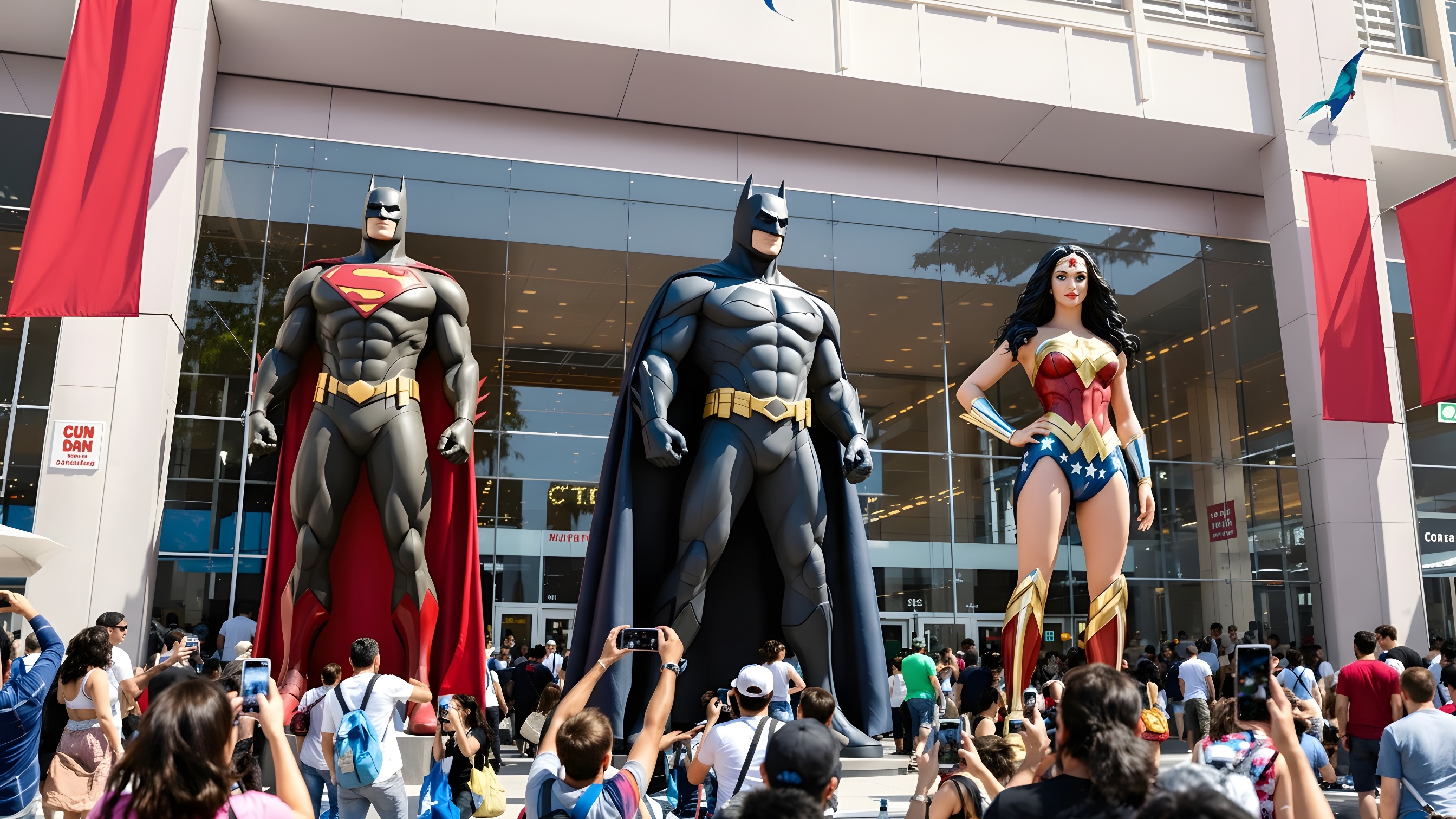
The Justice League statues erected temporarily for film premieres have gained legendary status, with massive renditions of Superman, Batman, and Wonder Woman towering over urban plazas, making fans feel like they are standing inside a real-life comic panel.
And in smaller towns and amusement parks, permanent statues of Superman or Batman have become iconic landmarks, anchoring local tourism while showcasing the universal reach of DC’s mythos.
Community Icons and Cultural Beacons
These statues often take on roles beyond fandom. They become part of civic identity. A city that installs a giant Superman statue is declaring its alignment with truth and justice. Communities embrace these figures as mascots of values like bravery, perseverance, and optimism. For families, these statues are destinations. Parents introduce children to the same heroes that inspired their own youth. Tourists detour miles just to take photos with a towering Man of Steel or a brooding Dark Knight. Each snapshot immortalizes a personal connection to a hero, ensuring that the statue’s significance extends beyond its physical presence.
From Page to Stone: The Fabrication Process
Translating DC’s most beloved characters into giant statues is no simple task. It requires a meticulous blend of artistry, engineering, and fidelity to source material. Fans are discerning, and accuracy matters—every curve of Superman’s emblem, every seam in Batman’s armor, every star on Wonder Woman’s tiara must be faithfully recreated.
- Concept and Digital Modeling
Sculptors begin by studying official DC artwork, film stills, and character models. A digital 3D design is created, balancing comic stylization with physical realism. For statues tied to cinematic releases, studios often provide high-resolution assets to ensure flawless replication. - Structural Framework
Large statues need an internal skeleton of steel beams or tubular supports to withstand immense weight and stress. Engineers design frameworks that anchor into concrete foundations, ensuring stability against wind, earthquakes, or crowd interaction. - Foam Carving and Fiberglass Shells
The external form is often shaped from high-density foam, CNC-machined into precise contours. Artists then refine details by hand before applying fiberglass and resin layers, which harden into a weather-resistant shell. For even larger builds, pieces are fabricated separately—torsos, limbs, capes—and later assembled on-site. - Surface Detailing and Painting
DC characters demand striking visual accuracy. Sculptors apply textures for fabric folds, muscle definition, and armor plating. Painters use automotive-grade paints for vibrant colors and apply UV-resistant coatings to protect against fading. Metallic sheens may be added to Wonder Woman’s armor or Aquaman’s trident for cinematic brilliance. - Assembly and Installation
The statue is transported in sections, sometimes requiring cranes and special trailers. Once at its destination, technicians anchor it to reinforced platforms. For high-profile installations, unveiling ceremonies often accompany the final placement, transforming the moment into a fan event.
This careful process ensures that the statue isn’t just an oversized replica but a monument that feels alive with character.
Superman: The Archetypal Giant
Perhaps no DC character fits the role of giant statue better than Superman. As the first superhero, his symbol is recognized globally. A towering Superman statue conveys both physical strength and moral clarity. His iconic pose—hands on hips, cape flowing—becomes more powerful when magnified to monumental size. The Superman statue in Metropolis, Illinois, is a prime example. Standing 15 feet tall, it has become a beloved tourist attraction, drawing fans from across the world to the self-declared “Hometown of Superman.” Visitors pose beneath the watchful gaze of the Man of Steel, creating lifelong memories and solidifying Superman as a beacon of community pride.
Batman: The Dark Knight in Stone
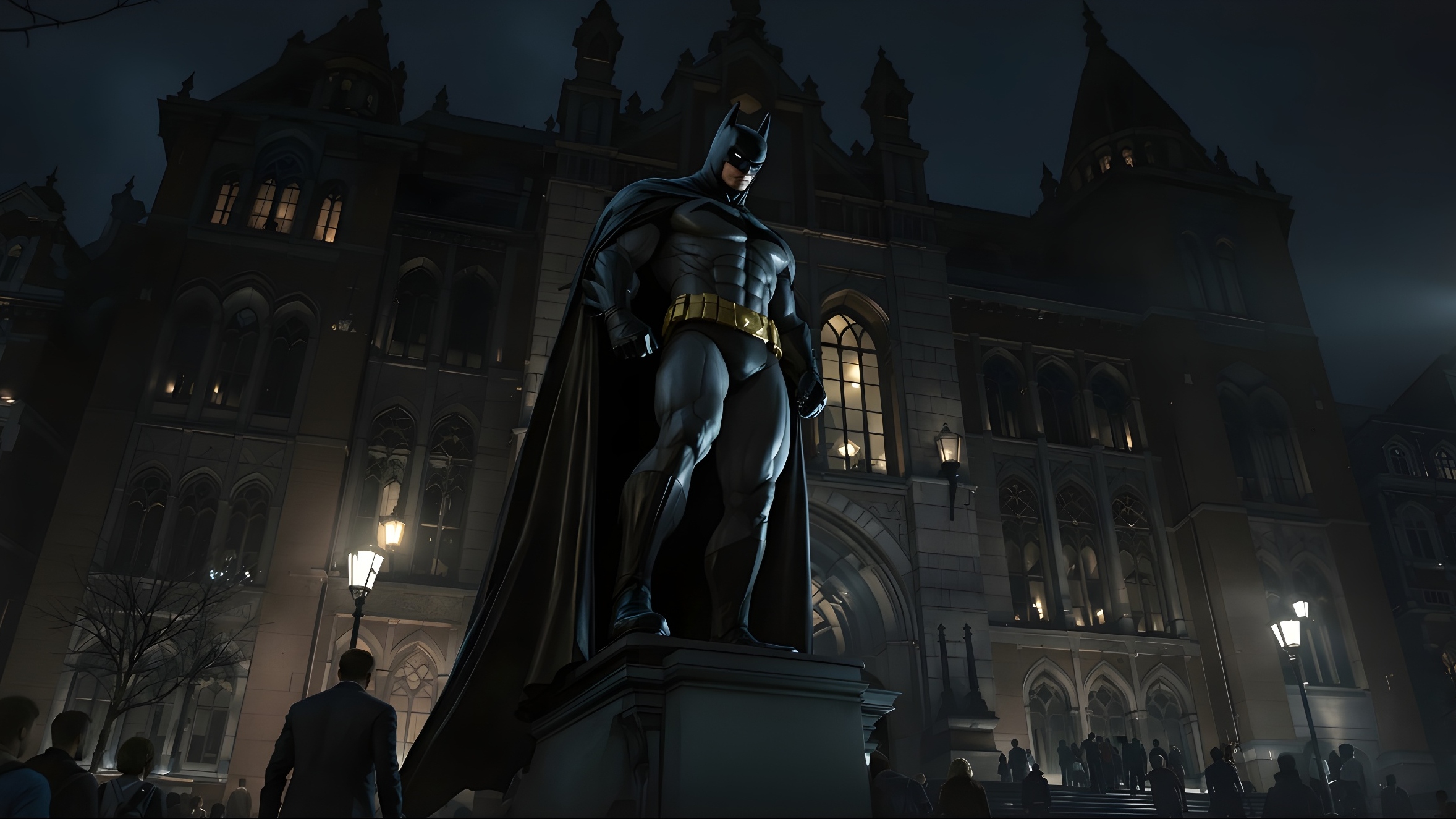
Batman statues offer a striking contrast. Where Superman embodies light and hope, Batman thrives in shadow and mystery. Giant Batman statues often emphasize his brooding cowl, flowing cape, and muscular armor. These statues can be both intimidating and awe-inspiring, reminding viewers of Gotham’s eternal guardian. Modern statues based on film interpretations, such as the armored Batman from Batman v Superman: Dawn of Justice, highlight intricate details like metallic plating and battle scars. These renditions turn a simple display into a sculptural masterpiece, showcasing not just a hero but an entire narrative etched into stone and resin.
Wonder Woman: Amazonian Grandeur
Wonder Woman statues radiate strength, beauty, and empowerment. When crafted on monumental scales, her presence becomes almost divine. Her lasso of truth gleams in golden detail, her tiara sparkles, and her warrior stance inspires awe. Oversized Wonder Woman statues at comic conventions have been celebrated as feminist icons, drawing attention not just for artistry but for the values they represent: equality, courage, and justice. Her statues often serve as rallying points at festivals, where fans celebrate her legacy as one of the most empowering superheroes ever created.
The Justice League: United in Monument
The ultimate expression of DC’s giant statues comes when the entire Justice League is displayed together. Superman, Batman, Wonder Woman, The Flash, Aquaman, and Cyborg—each rendered larger-than-life—create a tableau that transcends individual heroism. These group installations often appear at blockbuster premieres or theme parks, allowing fans to step into the League’s presence. Standing beneath them feels like joining their ranks, reminding visitors that the ideals of justice, courage, and teamwork are greater than any one hero.
Marketing Power and Fandom Appeal
Beyond artistry, giant DC statues serve powerful commercial functions. Studios unveil them at film launches to generate buzz, conventions use them to anchor fan experiences, and theme parks employ them as iconic landmarks. They are natural social media magnets. Visitors can’t resist sharing photos, spreading free publicity across Instagram, TikTok, and Twitter. For companies, the investment pays off endlessly. For fans, the experience of seeing their favorite heroes embodied at colossal scale is priceless.
The Artistic Spectrum: Realism vs. Stylization
Just like the comics themselves, DC statues exist across a spectrum of styles. Some opt for cinematic hyper-realism, capturing every crease in Superman’s cape and every shadow on Batman’s armor. Others lean toward comic-book stylization, exaggerating lines and colors for a more graphic, illustrative effect. This flexibility means DC statues can thrive in multiple contexts. A hyper-realistic Batman statue works beautifully in a film studio plaza, while a stylized, comic-inspired Flash statue can brighten a children’s park. Each interpretation expands the mythos, proving that superheroes are adaptable to every artistic vision.
The Future of Giant DC Statues
As fabrication technology advances, so do possibilities. 3D printing allows for more precise modeling, while lightweight composites make it easier to build taller statues without sacrificing strength. Augmented reality may soon let visitors view digital overlays on physical statues, animating Superman’s cape or making The Flash appear in motion.
Interactive elements are also on the horizon. Imagine a Wonder Woman statue with a glowing, motion-sensitive lasso, or a Batman whose eyes light up when approached at night. Sustainability is increasingly emphasized too, with eco-friendly materials and solar-powered displays ensuring that these monuments inspire without environmental cost.
Why These Statues Matter
At their core, giant DC statues remind us why we love superheroes. They’re not just stories in comic panels or faces on movie screens. They represent timeless values—courage, justice, compassion, and resilience. Standing in the shadow of a massive Superman or Wonder Woman is a physical reminder that those ideals are larger than life, yet always within reach. They matter because they connect generations. Parents who once idolized Superman as children now share that awe with their own kids at the base of a giant statue. They matter because they turn fiction into tangible reality, making mythology something you can stand beside, touch, and photograph.
Conclusion
The giant DC characters statue is more than an art form. It is a cultural beacon, a marketing triumph, and a personal memory etched in stone and fiberglass. Whether it’s Superman’s towering stance in Illinois, Batman’s brooding silhouette at a movie premiere, or Wonder Woman’s Amazonian presence at a convention, these statues unite fans in awe and admiration. They prove that superheroes are not confined to ink, paper, or screens. They can be carved, cast, and painted into monumental forms that inspire just as much in real life as they do in fantasy. As DC continues to expand its universe, these statues will endure as reminders of what heroes mean to us: hope, strength, courage, and justice—made larger than life for all to share.