
Planning a Giant Cube Seat
Giant Cube Seat: one oversized cube-shaped seating display or seat-like prop defined by six broad faces and a selected top treatment. Recognition depends on a near-equal height, width, and depth; crisp or softened corners; one clear top face; and an intentional seat-like presentation. The central scale question is that the simple volume needs scale cues, corner treatment, and a declared top so it reads as a designed seat rather than an unlabeled box. The images are cube seat design concepts rather than photographs of completed WhiteClouds work.
Plan a Cube Seat Display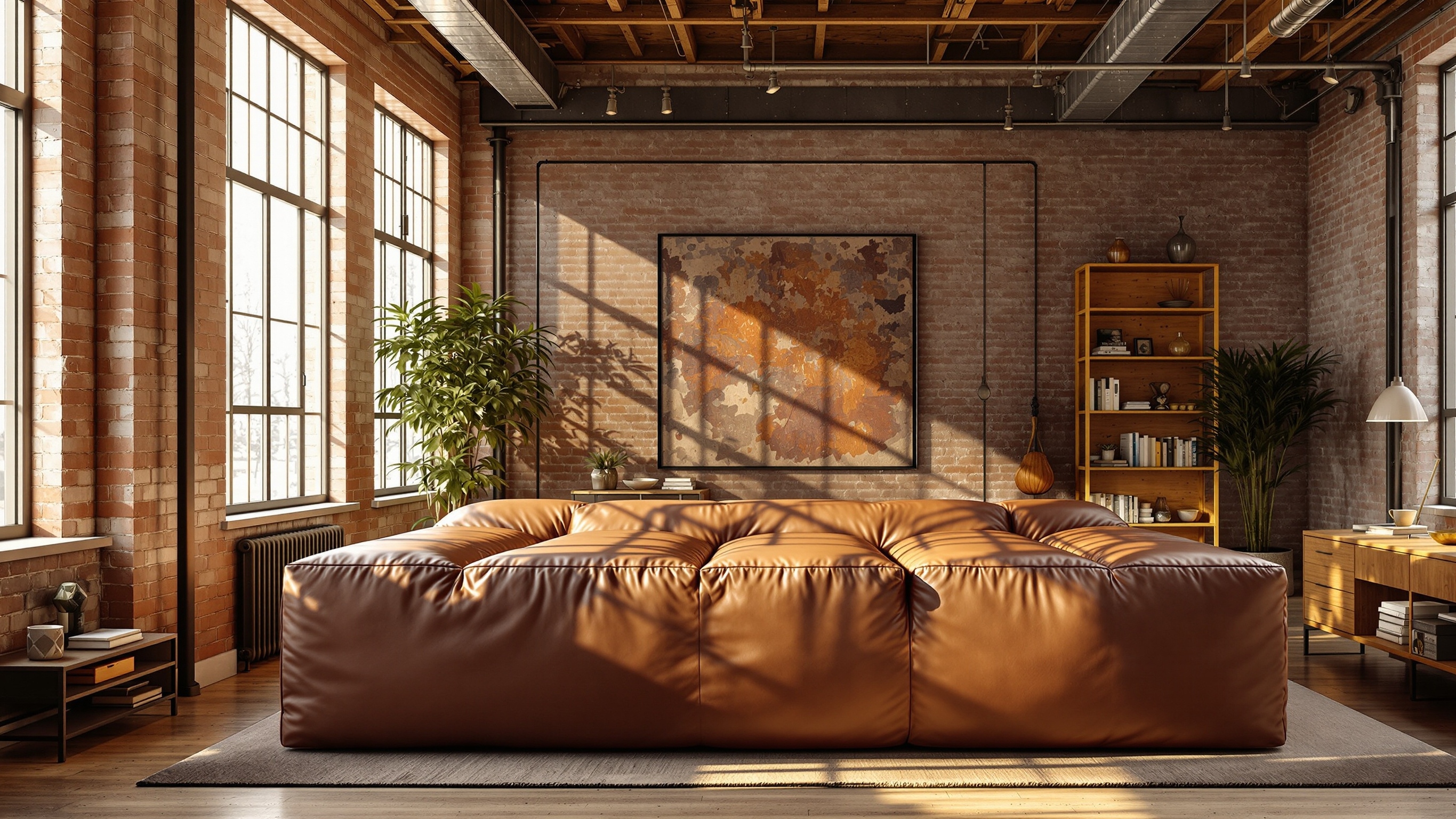
Define the Cube Seat Form
Cube Seat physical scope: one oversized cube-shaped seating display or seat-like prop defined by six broad faces and a selected top treatment. Its geometry includes cube dimensions, corner radius, top profile, seams or panel divisions, base contact, and surrounding photo clearance. Its defining visual cues are a near-equal height, width, and depth; crisp or softened corners; one clear top face; and an intentional seat-like presentation.
Cube Seat presentation: a geometric seating or photo element planned as one cube rather than a puzzle, ice form, or generic block. The visual treatment can use approved upholstery-like, painted, graphic, or sculptural treatment with no unsupported occupancy claim. Keep the cube seat scope separate from Rubik's Cube graphics, ice-cube texture, generic box props, guaranteed seating capacity, and ordinary furniture procurement.
A cube seat has very little ornament to explain its purpose, so proportion and top treatment do most of the work. Height, width, and depth should remain close enough to preserve the cubic volume. Corner radius, seam placement, panel divisions, base contact, and the contrast between the top and side faces can make the object feel soft, crisp, graphic, or sculptural. A padded-looking direction uses softened edges and a clearly presented top, while a painted or patterned direction can use broad faces for authorized graphics. Camera height matters because a low view can hide the top and make the form look like a box. The brief should also state whether people will only stand beside the display or whether visitor contact needs separate review. Puzzle graphics, ice texture, and generic shipping-box details belong to other physical tasks.
Control the Details That Identify the Cube Seat
Cube Seat planning variables include cube dimensions, corner radius, top profile, seams or panel divisions, base contact, and surrounding photo clearance; a near-equal height, width, and depth; crisp or softened corners; one clear top face; and an intentional seat-like presentation; approved upholstery-like, painted, graphic, or sculptural treatment with no unsupported occupancy claim; and a geometric seating or photo element planned as one cube rather than a puzzle, ice form, or generic block.
Cube Seat form
For the cube seat, set cube dimensions, corner radius, top profile, seams or panel divisions, base contact, and surrounding photo clearance. Show one oversized cube-shaped seating display or seat-like prop defined by six broad faces and a selected top treatment, and keep the complete outline readable from the primary approach.
Cube Seat recognition
Preserve a near-equal height, width, and depth; crisp or softened corners; one clear top face; and an intentional seat-like presentation. Rank the cube seat cues for the expected viewing distance, and make every permitted simplification explicit.
Cube Seat surface
Develop approved upholstery-like, painted, graphic, or sculptural treatment with no unsupported occupancy claim. Place each requested cube seat graphic on the reference views with usable artwork, orientation, and scale.
Cube Seat setting
Plan a geometric seating or photo element planned as one cube rather than a puzzle, ice form, or generic block. Record the footprint and visible sides for the cube seat, then add circulation around the cube seat, access limits, support preference, and fixed site constraints.
Plan Scale, Viewing, and Placement
Cube Seat scale issue: the simple volume needs scale cues, corner treatment, and a declared top so it reads as a designed seat rather than an unlabeled box. Resolve that relationship through cube dimensions, corner radius, top profile, seams or panel divisions, base contact, and surrounding photo clearance, then test the cube seat against its principal view and available floor or site area.
Cube Seat settings may include brand or color-blocked event display; museum, lobby, or campus photo feature; stage, retail, or themed seating concept. Useful buyer inputs include cube dimensions; sharp or rounded corners; top and side treatment; seam or graphic layout; view-only or contact expectation; venue and schedule. State any requested cube seat contact, movement, lighting, or exterior exposure as a separate requirement.
Compare Cube Seat Directions
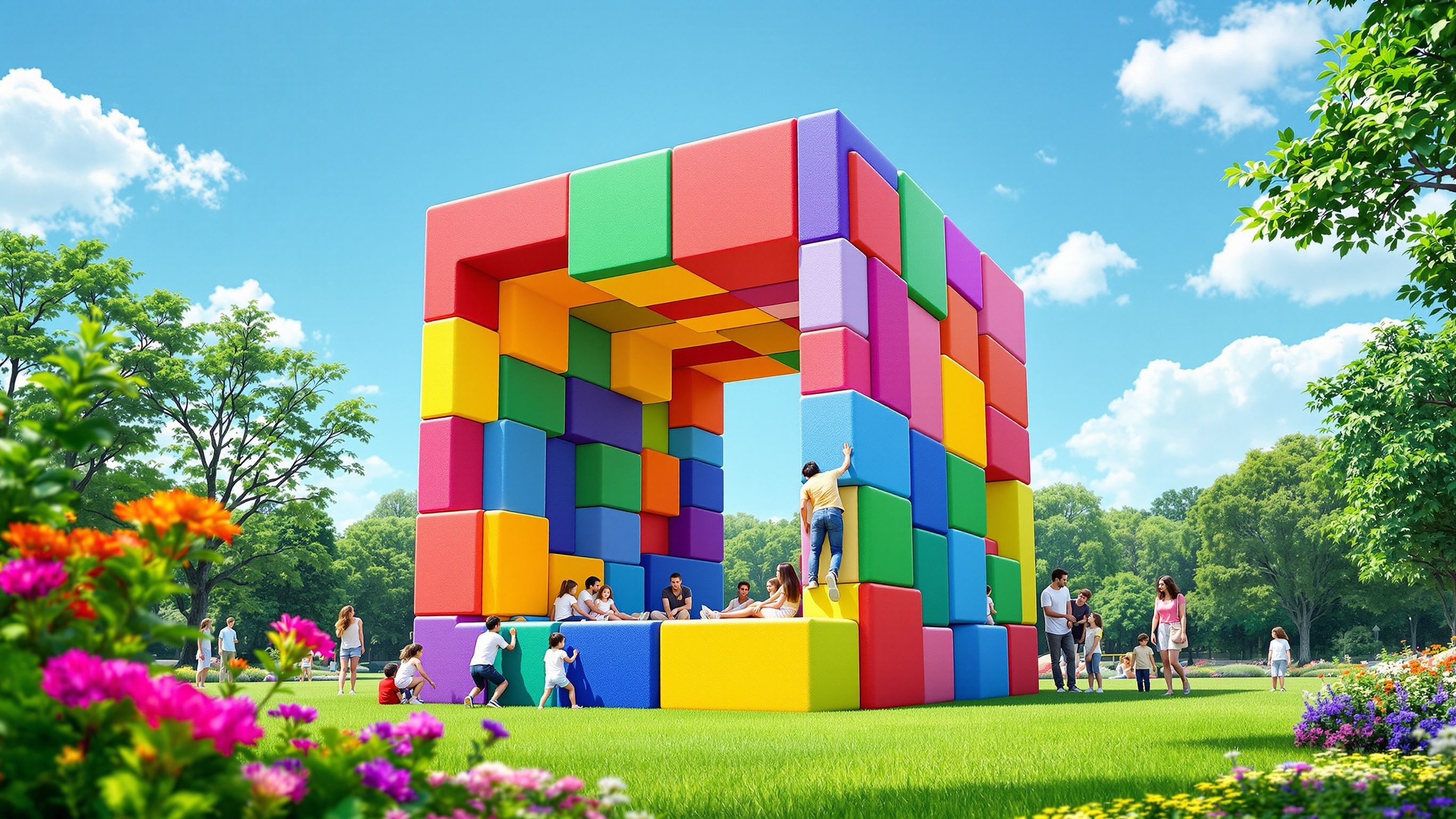
Cube Seat reference 1: Shows the cubic proportion, top face, corner treatment, and simple seat-like character. Cube Seat reference 2: Provides a contrasting surface direction and an exterior scale comparison.
Compare the cube seat concepts as visual directions. They do not identify a prior cube seat customer or commission. Use the cube seat views to compare cube dimensions, corner radius, top profile, seams or panel divisions, base contact, and surrounding photo clearance and approved upholstery-like, painted, graphic, or sculptural treatment with no unsupported occupancy claim. The images do not establish final cube seat dimensions, construction, performance, transport, installation, or outcome.
Prepare the Cube Seat Project Brief
Cube Seat quote inputs should connect the defining cube seat cues with its intended dimensions and display setting. Include each applicable cube seat item below.
- cube dimensions
- sharp or rounded corners
- top and side treatment
- seam or graphic layout
- view-only or contact expectation
- venue and schedule
- Physical subject: one oversized cube-shaped seating display or seat-like prop defined by six broad faces and a selected top treatment
- Geometry: cube dimensions, corner radius, top profile, seams or panel divisions, base contact, and surrounding photo clearance
- Recognition cues: a near-equal height, width, and depth; crisp or softened corners; one clear top face; and an intentional seat-like presentation
- Surface direction: approved upholstery-like, painted, graphic, or sculptural treatment with no unsupported occupancy claim
- Display direction: a geometric seating or photo element planned as one cube rather than a puzzle, ice form, or generic block
- Scale issue: the simple volume needs scale cues, corner treatment, and a declared top so it reads as a designed seat rather than an unlabeled box
- Cube Seat setting: brand or color-blocked event display
- Cube Seat setting: museum, lobby, or campus photo feature
- Cube Seat setting: stage, retail, or themed seating concept
- Excluded scope: Rubik's Cube graphics, ice-cube texture, generic box props, guaranteed seating capacity, and ordinary furniture procurement
- Requested visitor contact, movement, lighting, or exterior exposure
Request a Custom Quote
Send the cube seat reference, cube dimensions, sharp or rounded corners, top and side treatment, seam or graphic layout, view-only or contact expectation, venue and schedule, destination, and required date. Also describe a geometric seating or photo element planned as one cube rather than a puzzle, ice form, or generic block. WhiteClouds can review the defined scope and prepare a custom quote. The concept images support visual planning and do not depict a completed WhiteClouds project.