Giant Big Foot Statue
We Build Custom Giant Big Foot Statues
The Giant Bigfoot Statue: A Monument to Myth and Mystery
Legends often find their way into art, and few legends loom as large in North American folklore as Bigfoot. Known also as Sasquatch, this elusive, towering creature has fascinated explorers, skeptics, and storytellers for centuries. Now imagine that legend, solidified in steel, stone, or fiberglass, standing tall as a giant Bigfoot statue—a work of art that transforms myth into monumental presence. Across small towns, roadside attractions, and even major theme parks, the idea of a giant Bigfoot statue sparks curiosity. These statues are more than oversized sculptures; they are symbols of mystery, wonder, and the human love for storytelling. But what does it mean to build such a monument, and why does Bigfoot continue to inspire colossal works of art? Let’s take a journey into the world of giant Bigfoot statues.

Bigfoot: From Myth to Cultural Icon
The lore of Bigfoot stretches back through Indigenous oral traditions, frontier tales, and modern sightings. Descriptions often depict a massive, hairy, ape-like creature lurking in the forests of the Pacific Northwest. While evidence remains elusive, the cultural grip of Bigfoot is undeniable. From TV shows to documentaries, coffee mugs to bumper stickers, Bigfoot has transcended folklore and become a pop culture icon. Creating a giant statue of Bigfoot is a natural extension of this cultural fascination—a way of solidifying the myth into something people can physically stand before, take selfies with, and marvel at.
The Appeal of a Giant Bigfoot Statue
So why build Bigfoot on a massive scale? The answer lies in human psychology and the thrill of spectacle. Giant statues are magnets for attention. A towering Bigfoot statue along a highway, at a festival ground, or in a museum courtyard draws in tourists, sparks conversations, and immortalizes the legend in a way that no documentary ever could.
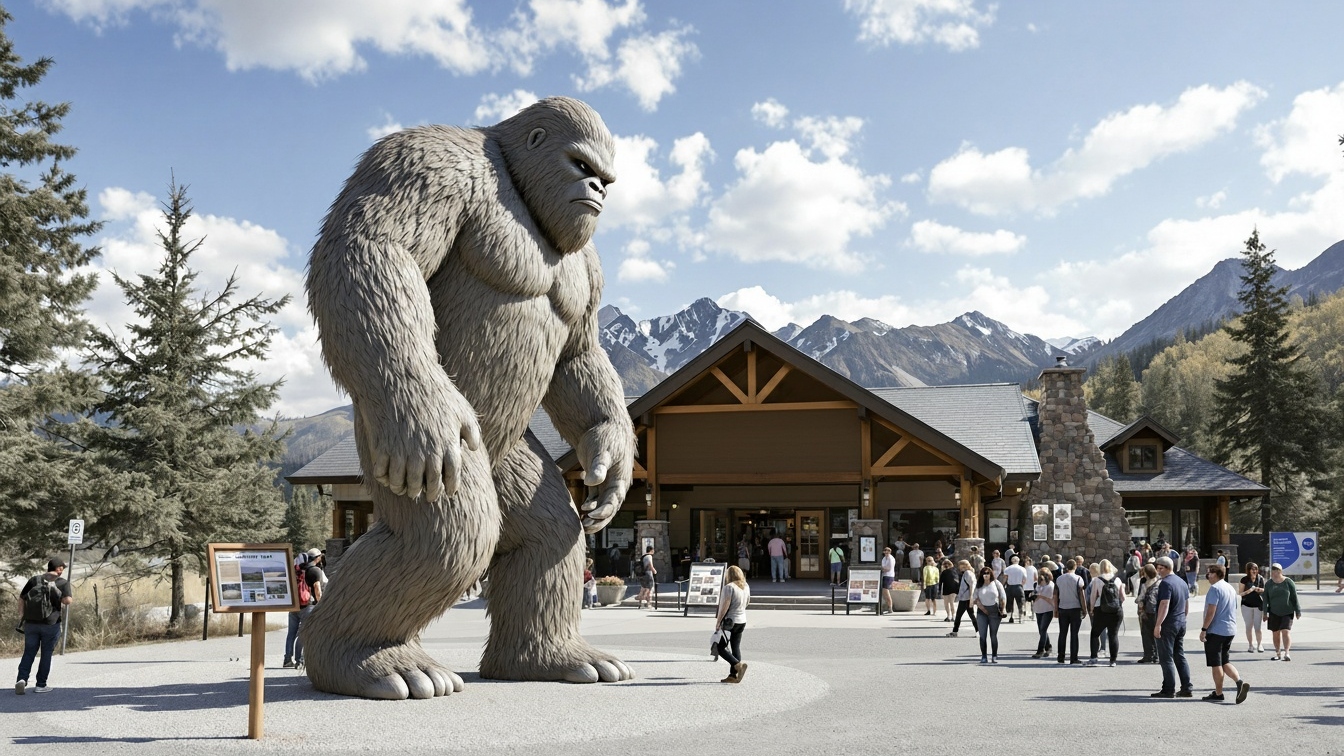
For small towns, especially in regions tied to Sasquatch lore, a giant Bigfoot statue can even serve as an economic boost. Travelers love roadside oddities, and nothing screams roadside Americana like a statue of a mythological creature standing 20 feet tall. It’s playful, mysterious, and a little eerie all at once—a perfect blend for an unforgettable landmark.
Styles and Interpretations
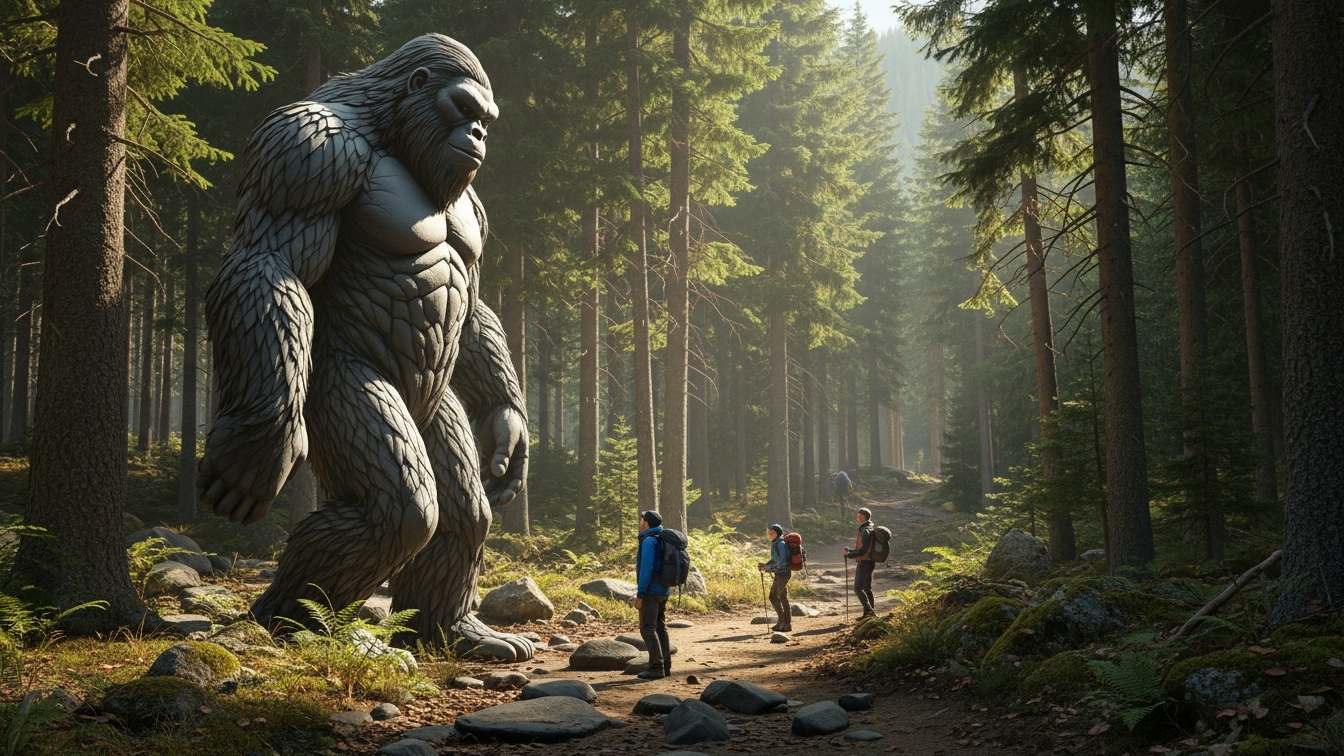
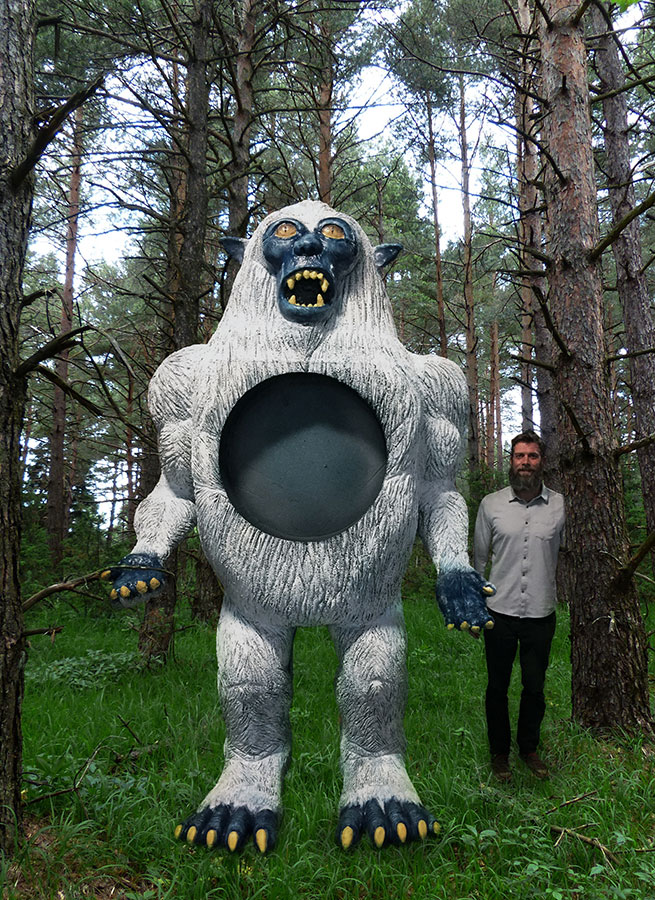
Not all giant Bigfoot statues are created in the same way, as artists and fabricators often interpret the creature through very different lenses. Some statues aim for realism, capturing lifelike details such as textured fur, expressive eyes, and powerful muscles that give the figure an eerie, almost intimidating presence. Others take a more lighthearted approach, leaning into humor by portraying Sasquatch with a friendly grin or exaggerated features that make it ideal for family-friendly attractions. Still, some artists prefer an abstract interpretation, using angular shapes or stylized designs to symbolize the myth rather than depict the creature directly. Each version reflects both the cultural moment and the artist’s unique vision, proving that whether terrifying or whimsical, the giant Bigfoot statue never fails to capture the imagination.
Famous Giant Bigfoot Statues Across America
Scattered across North America, several towns proudly host their own Sasquatch sentinels. From chainsaw-carved wooden behemoths in the Pacific Northwest to fiberglass colossi in tourist hotspots, these statues have become beloved community icons.
- Willow Creek, California—often dubbed the “Bigfoot Capital of the World,” boasts a large wooden Sasquatch carved from a single tree trunk.
- Remer, Minnesota—home to a community that embraces its Bigfoot lore, featuring festivals and a massive roadside Bigfoot statue.
- North Carolina, Oregon, and Washington—various roadside attractions offer towering Bigfoot figures, each unique in design and execution.
These statues don’t just decorate towns; they anchor festivals, inspire merchandise, and keep alive a tradition of storytelling.
How a Giant Bigfoot Statue Might Be Fabricated
Building a giant Bigfoot statue is no small task. It combines the artistry of sculpture with the engineering of large-scale fabrication. Here’s how such a project might come to life:
Concept and Design
The process begins with sketches and 3D models. Artists and designers decide on the statue’s scale, pose, and style—should Bigfoot be caught mid-stride, roaring to the sky, or standing in watchful silence?
Materials
Choice of materials depends on durability, cost, and intended location:
- Fiberglass: Lightweight yet strong, ideal for roadside statues that need to withstand weather.
- Wood: Perfect for rustic appeal, often crafted by chainsaw artists.
- Metal (Steel or Bronze): Long-lasting and visually striking, though heavy and expensive.
- Concrete: Durable and able to hold detail, often used for permanent public displays.
Fabrication Process
- Framework: A steel skeleton or armature is built first, ensuring the statue can bear its own weight.
- Forming the Shape: Foam, clay, or wood layers are added to flesh out Bigfoot’s bulk.
- Detailing: Sculptors carve fur textures, facial features, and muscular details.
- Casting or Coating: For fiberglass or metal statues, molds are created and cast. For wood, sealants protect against the elements.
- Finishing Touches: Paint, patinas, or weatherproof coatings are applied to give Bigfoot lifelike (or stylized) appearance.
Installation
Finally, the statue is transported and anchored to its permanent location, often requiring cranes and concrete foundations. What started as a myth becomes a colossal reality, looming over curious visitors.
Why We Love Monuments to Myth
Giant statues serve more than decorative purposes—they connect us to our shared imagination. A giant Bigfoot statue tells us: this story matters to us. Even if we never confirm the creature’s existence, the statue keeps alive the thrill of mystery. Just as dragons, unicorns, and mermaids have inspired art, Bigfoot represents our primal fascination with the wild unknown. A giant statue solidifies that fascination into something tangible, inviting us to reflect on mystery and wonder every time we pass by.
The Tourist Effect: Bigfoot as Economic Magnet
Communities that embrace Bigfoot lore often benefit from the “tourist effect.” A giant statue becomes a photo-op hotspot, and in the age of social media, that translates into free publicity. Visitors share their pictures online, sparking curiosity in others to visit. Restaurants, gift shops, and local events all benefit from the attention. It’s not uncommon for a giant Bigfoot statue to become the centerpiece of an annual Sasquatch festival, drawing thousands of visitors who want to celebrate the legend.
Bigfoot in the Digital Age
Interestingly, giant Bigfoot statues have also found a second life online. Platforms like Instagram, TikTok, and YouTube amplify their appeal. Videos of tourists stumbling upon massive Bigfoot statues rack up views, further spreading both the myth and the tourism draw. In this sense, the statues serve as modern-day folklore markers—landmarks that remind us legends are alive and thriving in the 21st century.
The Future of Giant Bigfoot Statues
As 3D printing and new fabrication technologies evolve, the future of giant statues looks even more exciting. Imagine a hyper-detailed Bigfoot statue printed in resin at monumental scale, or interactive Bigfoot statues embedded with motion sensors and sound effects. Communities might even compete for the title of “World’s Largest Bigfoot Statue”, pushing fabrication into ever more ambitious directions. One thing is certain: Bigfoot, whether real or not, is here to stay.
Conclusion: Larger Than Life, Just Like the Legend
The giant Bigfoot statue is more than a sculpture. It is a celebration of mystery, a nod to folklore, and a magnet for curiosity. Whether carved from wood, forged from steel, or molded in fiberglass, these towering creations capture the spirit of one of the world’s most enduring legends. Standing before one, you can’t help but feel small—and that’s the point. The myth of Bigfoot has always been about something larger than life, something that pushes us to believe in the unexplored corners of the world. In a giant statue, we find a way to keep that belief alive.