Giant Bar Stool
Giant Bar Stool
We Build Custom 3D Props
The Fascination of the Giant Bar Stool: Where Function Meets Whimsy
Bar stools are staples of restaurants, bars, and even modern kitchens. They are practical, stylish, and versatile. But when the everyday is scaled up into something extraordinary, a simple bar stool transforms into a spectacle: the giant bar stool. Standing many feet tall, these oversized creations blur the line between furniture and artwork. They invite us to rethink scale, space, and our relationship with objects we typically take for granted. From roadside attractions to creative marketing campaigns, giant bar stools command attention and stir curiosity. They are more than enlarged furniture—they are cultural symbols, engineering challenges, and conversation starters. This article explores the history, design, uses, and cultural significance of giant bar stools, while celebrating their playful spirit.

A Brief History of Oversized Furniture
The fascination with oversized furniture isn’t new. Medieval feasts occasionally featured chairs and tables deliberately built larger than life, often to emphasize power or grandeur. During the Renaissance, elaborate chairs and thrones became status symbols, and their imposing scale was no accident. The 20th century saw oversized furniture shift from status to spectacle. Advertising and roadside attractions embraced exaggerated proportions to grab attention. Imagine a massive rocking chair along a highway, or a giant coffee cup perched outside a café. These objects were designed to make people stop, stare, and take photos. The giant bar stool entered this tradition as a whimsical nod to nightlife culture. It combined the familiar icon of social gathering—the bar stool—with the theatricality of scale. Whether used for branding, art installations, or public amusement, these stools quickly captured imaginations.
Anatomy of a Giant Bar Stool
At its core, a bar stool is a simple object: a seat, legs, a footrest, and sometimes a back. But scaling this up to “giant” proportions introduces both design opportunities and engineering challenges.
Scale and Dimensions:
A typical bar stool might be 28 to 32 inches tall. A giant version can soar to 10, 15, or even 30 feet in height. At this size, proportions must be carefully managed so the stool remains stable and visually balanced.
Materials:
Whereas standard stools are often made of wood, metal, or plastic, giant versions demand more robust materials. Steel frameworks provide structural integrity, while treated wood, fiberglass, or composite materials add both strength and aesthetic appeal.
Safety Considerations:
If the stool is purely decorative, it can be hollow or lightweight. But if it’s meant to support people—say, for climbing or photo opportunities—engineers must account for weight loads, balance, and safe access. Handrails, steps, or platforms are often integrated subtly to ensure visitors can interact safely.
Design Aesthetics:
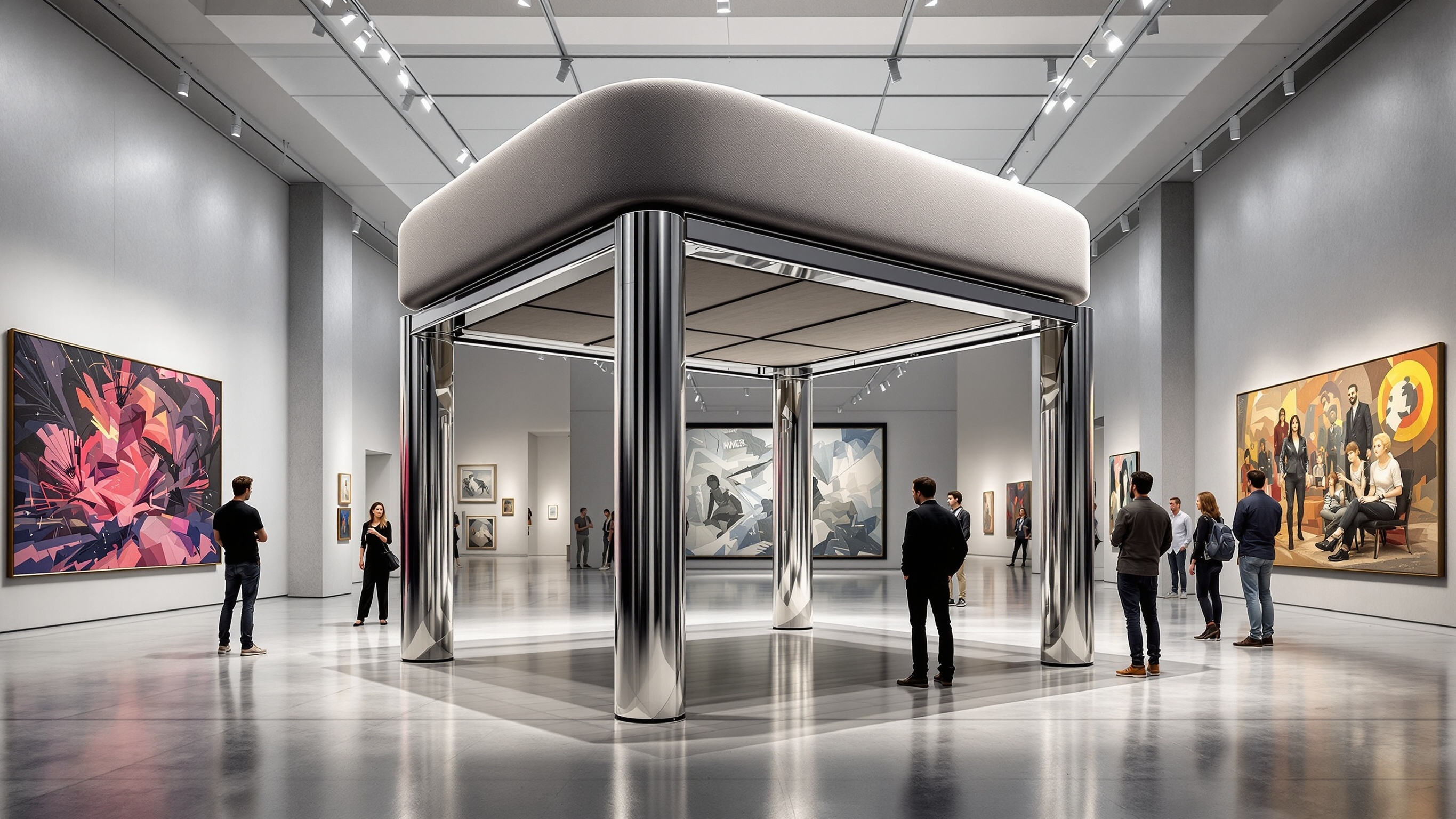
Despite their size, giant bar stools often retain familiar stylistic elements—sleek chrome legs, rustic wooden seats, or padded upholstery. The magic lies in their faithfulness to the original design, exaggerated to surreal proportions.
The Giant Bar Stool as a Marketing Marvel
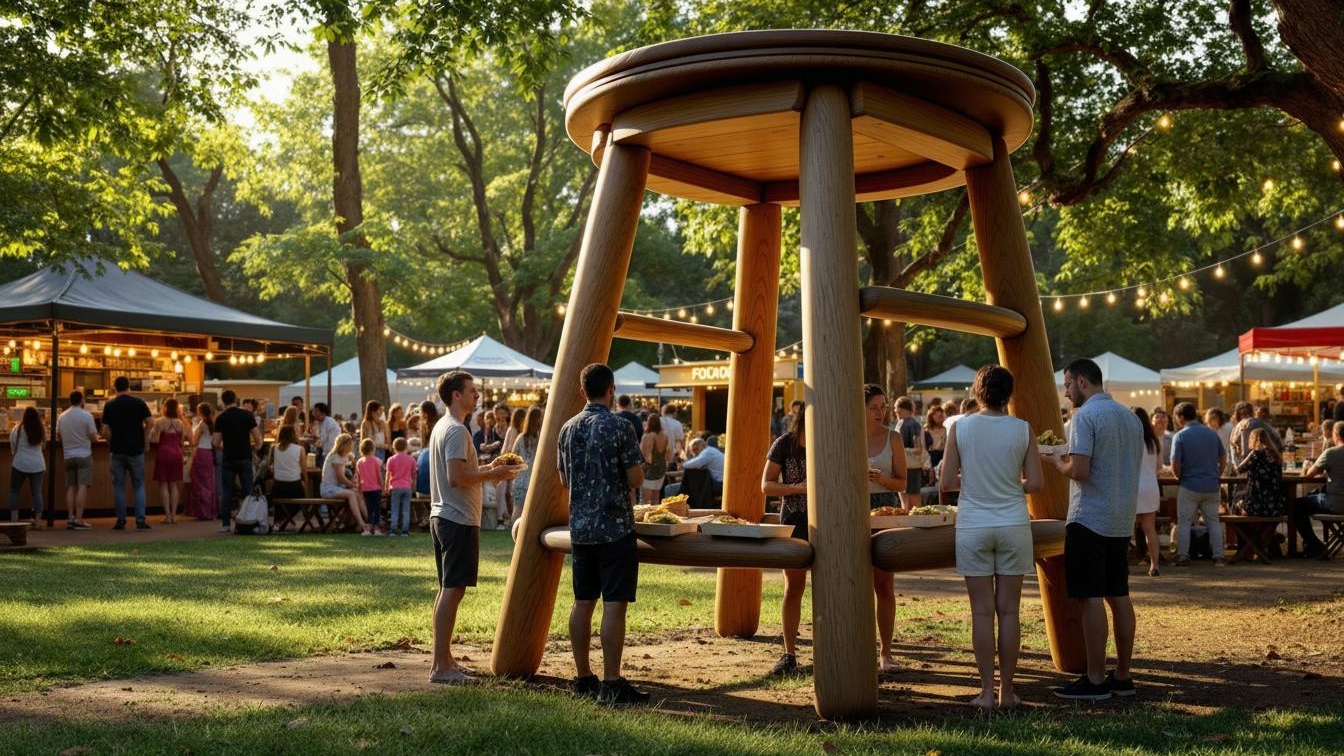
Businesses have long used oversized objects to draw customers, and the giant bar stool is no exception. Bars, breweries, and distilleries often erect these stools outside their establishments to signal hospitality, fun, and a unique experience. In today’s social-media-driven culture, giant bar stools are tailor-made for Instagram. Visitors flock to take selfies perched on or beside them. A single photo shared online extends a bar’s marketing reach exponentially. The stool itself becomes a landmark, encouraging repeat visits and word-of-mouth buzz. For traveling exhibitions or trade shows, portable giant bar stools create instant attention. They embody novelty, spark conversations, and invite people to engage physically with a brand. Unlike a billboard that’s passively observed, a giant stool is participatory. You can sit on it, climb it, or simply marvel at its scale.
Symbolism and Cultural Significance
The giant bar stool is more than an oversized chair; it is a cultural icon. Its symbolism is layered and dynamic. The bar stool itself symbolizes conversation and connection. Enlarged, it emphasizes the centrality of gathering places in human culture. By making the familiar unfamiliar, giant stools remind us of childhood wonder. Adults suddenly feel small again, like children in a world too big for them. At its heart, a giant stool celebrates whimsy. It invites us to pause, laugh, and remember not to take life too seriously. In art installations, giant bar stools often carry deeper meanings—challenging ideas of consumer culture, scale in architecture, or the relationship between humans and their environments.
Famous Examples of Giant Bar Stools
Around the world, giant bar stools have appeared in unexpected places, often becoming local landmarks.
- Midwestern Roadside Attractions: Several small towns in the U.S. Midwest have erected giant stools as nods to their bar culture. These often sit outside diners or breweries, towering above visitors.
- Breweries and Distilleries: Craft breweries have embraced the giant stool as part of their branding, pairing it with oversized mugs or kegs to create immersive experiences.
- Art Exhibitions: In modern art galleries, giant furniture pieces—including stools—serve as commentary on scale and consumerism. They invite audiences to physically experience disproportion.
Each of these examples underscores the stool’s ability to move fluidly between commercial and artistic spaces.
Building a Giant Bar Stool: Engineering Meets Creativity
Constructing a giant bar stool is no small task. It requires collaboration between designers, engineers, and fabricators.
Planning: Scale drawings and digital models help envision the stool’s proportions. Stability is a top priority, particularly if the stool will be interactive.
Fabrication: Steel often forms the skeleton, welded to ensure strength. Wooden planks or fiberglass panels are then added to replicate the surface textures of a normal stool. Attention to detail—such as faux leather cushions or polished finishes—enhances realism.
Installation: Given their size, giant stools are often built in segments, transported to the site, and assembled on location. Cranes or lifts may be required for positioning.
Longevity: Outdoor stools must withstand weather. Protective coatings prevent rust or rot, while UV-resistant paints keep colors vibrant. Periodic maintenance ensures safety and visual appeal.
The process is an intersection of artistry and practicality, where imagination meets structural engineering.
Giant Bar Stools in Pop Culture
Oversized furniture has long held a place in popular culture, from fairy tales like Alice in Wonderland to modern theme parks. Giant bar stools extend this fascination into the realm of nightlife and leisure. Movies and commercials often use them to create surreal or comedic effects. Imagine a character dwarfed by an enormous stool, suddenly childlike in their environment. The visual gag is instant and effective. Music festivals and outdoor events have also embraced giant stools as part of interactive décor. They create playful, photogenic spaces where attendees can gather, reinforcing the sense of fun.
The Human Fascination with Scale
Why do giant bar stools and oversized objects fascinate us so much? The answer lies in psychology. Humans are drawn to novelty. When the familiar is reimagined in an unexpected way—such as being enlarged tenfold—it surprises the brain and creates a moment of delight. Giant stools tap into childhood memories, when furniture often felt oversized. They also disrupt our sense of proportion, making us reconsider the scale of our world. In urban environments dominated by skyscrapers and billboards, giant stools provide a more approachable kind of spectacle. They are monumental yet humorous, inviting us to interact rather than simply observe.
Everyday Applications: Beyond the Spectacle
While most giant bar stools are decorative, there are instances where they serve practical or semi-practical purposes.
-
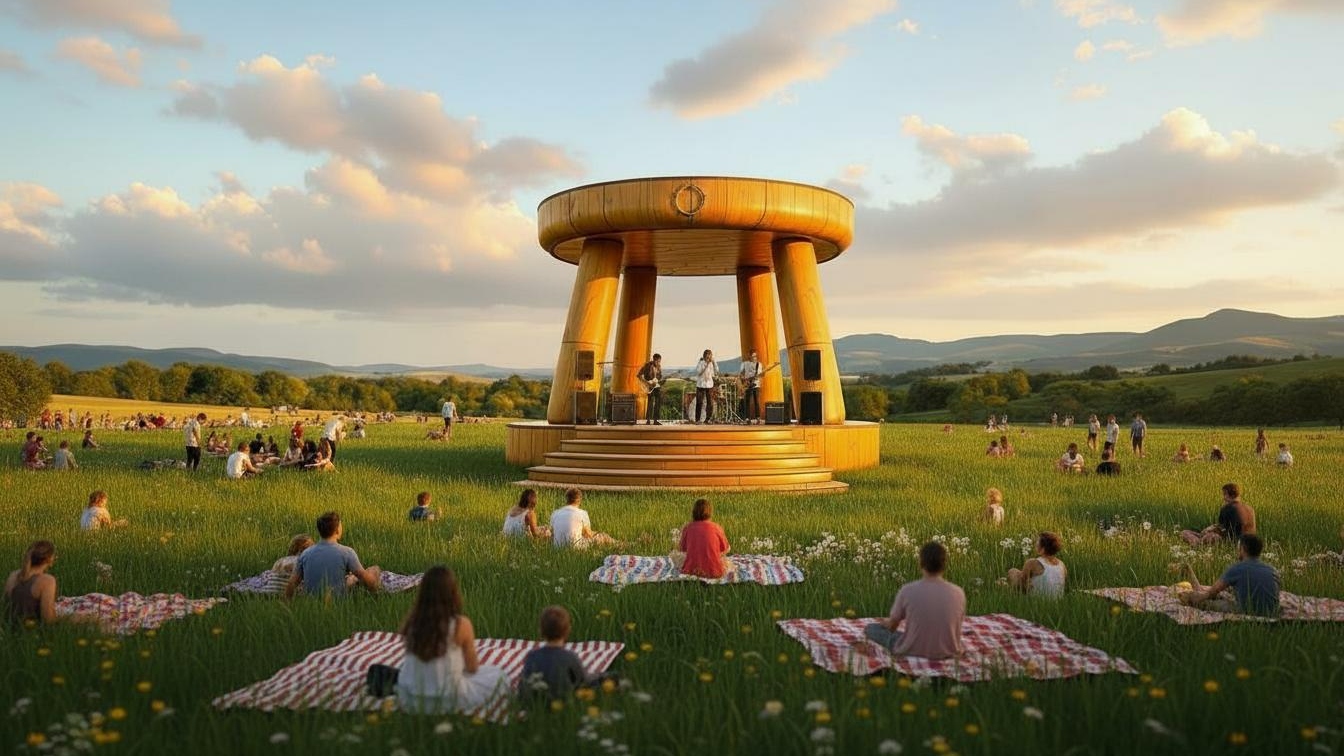
Event Seating: In some creative festivals, scaled-up stools with built-in staircases have been used as elevated seating platforms for performances.
-
Public Art Installations: Municipalities commission them to enliven parks or public squares. These stools function as both sculpture and social gathering points.
-
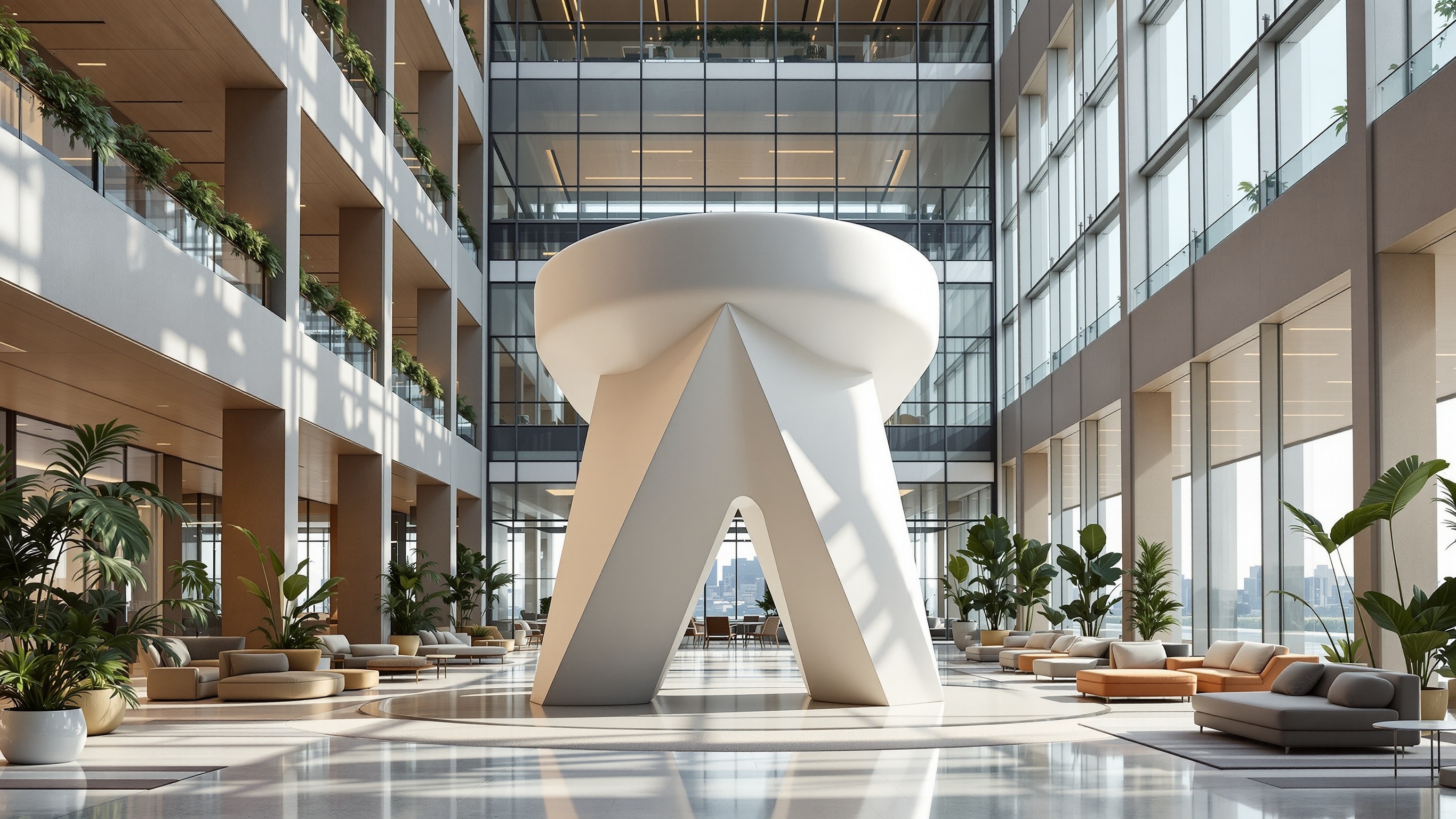
Retail Spaces: Furniture showrooms sometimes feature giant stools to emphasize craftsmanship and to make the shopping experience memorable.
These practical uses prove that giant stools are more than gimmicks—they can contribute meaningfully to shared spaces.
The Future of Giant Bar Stools
As technology advances, giant bar stools will likely become even more interactive. Imagine stools with integrated LED lighting that changes color with music, or augmented reality experiences that bring them to life through smartphones. Sustainability will also play a role. Eco-friendly materials and modular construction techniques will ensure these stools can be enjoyed responsibly. We may see more stools designed as multipurpose structures—doubling as play equipment, seating, or even performance stages. In an era where experiences are valued as highly as products, giant bar stools fit perfectly into the future of entertainment, branding, and urban design.
Conclusion: Big Ideas in Everyday Objects
The giant bar stool is proof that even the most ordinary object can inspire awe when reimagined at scale. What was once just a seat becomes a landmark, a marketing tool, an art installation, and a cultural symbol. Its success lies in its ability to surprise and delight, reminding us that creativity has no bounds. Whether towering over a roadside diner, anchoring a festival space, or standing proudly as a brewery’s icon, the giant bar stool celebrates both function and whimsy. In a world often dominated by the serious and practical, these playful giants remind us of the importance of perspective—and the joy of simply looking up in wonder.