
Planning a Custom Character Statue
A custom character statue turns a two-dimensional identity into a figure that must work from real viewing angles. The strongest starting point is an approved character sheet that resolves the face, costume, colors, proportions, and signature features before pose and scale introduce new spatial questions.
Plan a Character Statue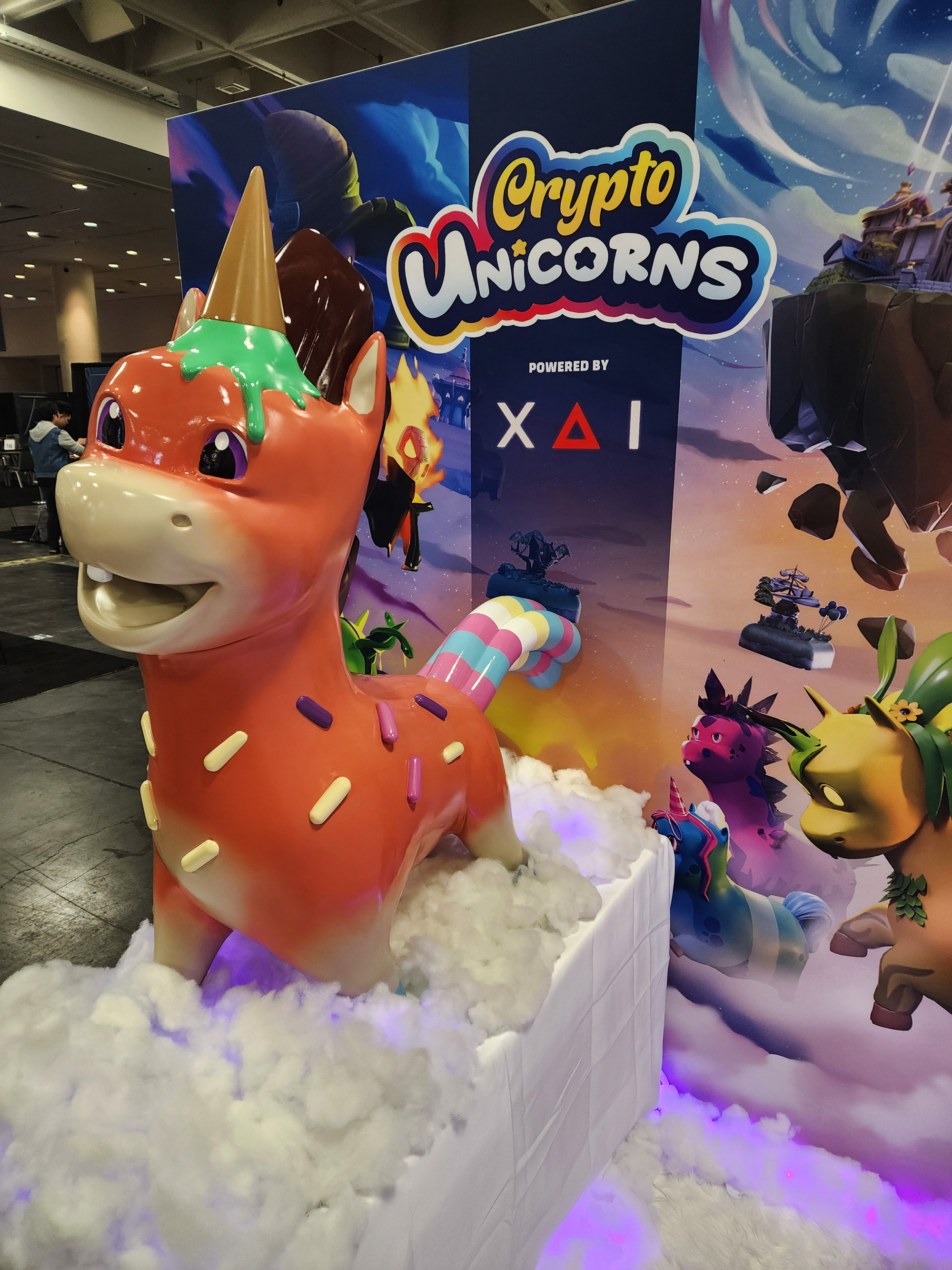
Resolve the design before choosing a final pose
Consistent approved art reduces guesswork when a flat character becomes a physical figure.
Turnaround views
Front, side, and back art should agree on proportions, costume shapes, and features that overlap.
Expression
Eyes, mouth, brows, and head angle need a single approved emotional direction for the statue.
Color references
Provide current values or samples for skin, clothing, markings, logos, and accessories.
Rights and approvals
The requester is responsible for supplying artwork it is authorized to use and identifying required review stages.
Choose a stance that reads from the intended approach
A front-facing pose can preserve a familiar character image, but a turned torso, raised arm, or seated stance may work better in a three-dimensional setting. Identify the gesture and signature feature that should read first. Then test whether the pose remains clear from the actual entrance or circulation path.
Long limbs, capes, tails, tools, and other projections affect both footprint and transport. An accessory that appears effortless in an illustration may need a connection, support, or revised angle in physical space. Mark which elements are essential to the identity and which may be adjusted for a practical arrangement.
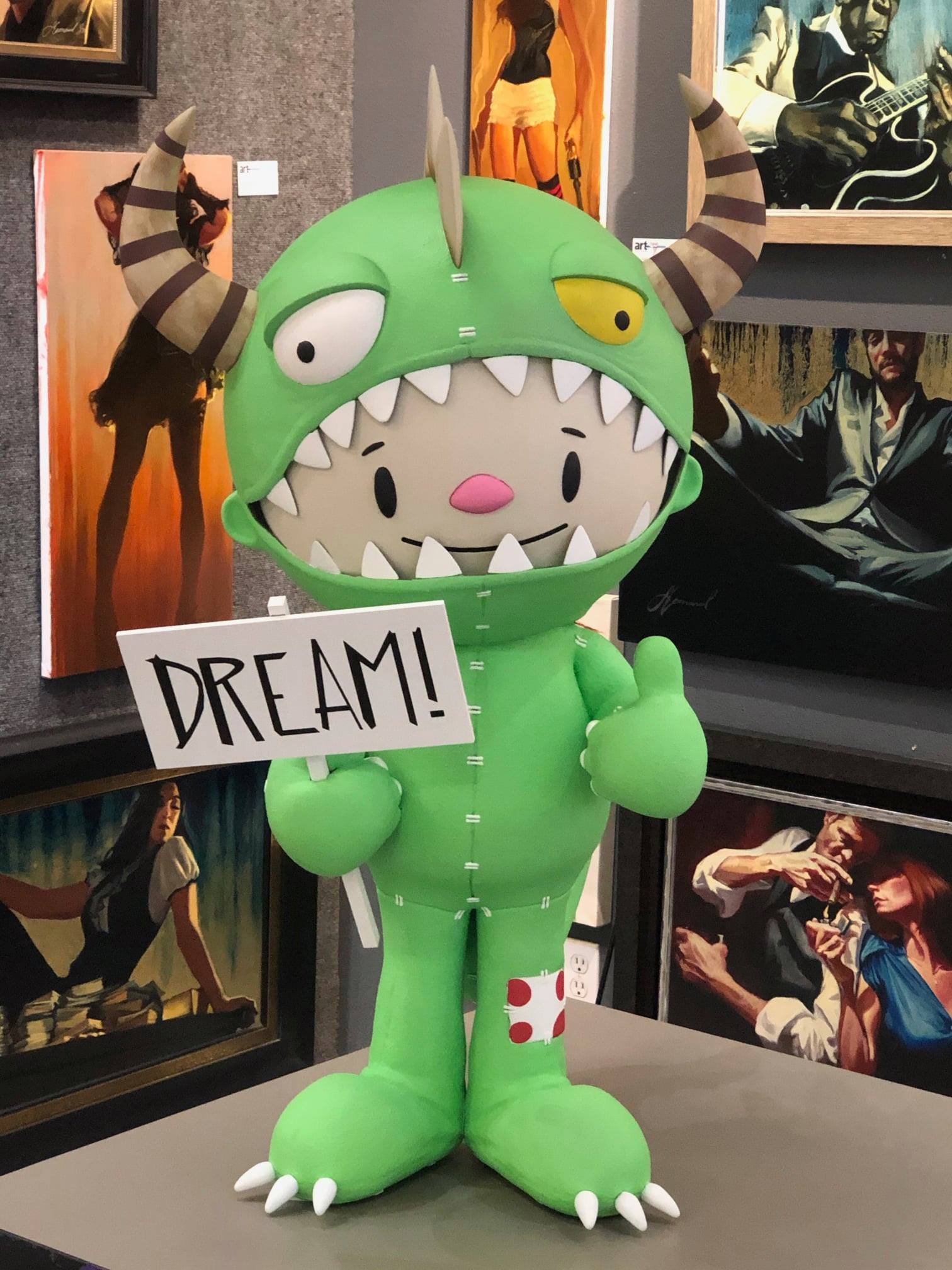
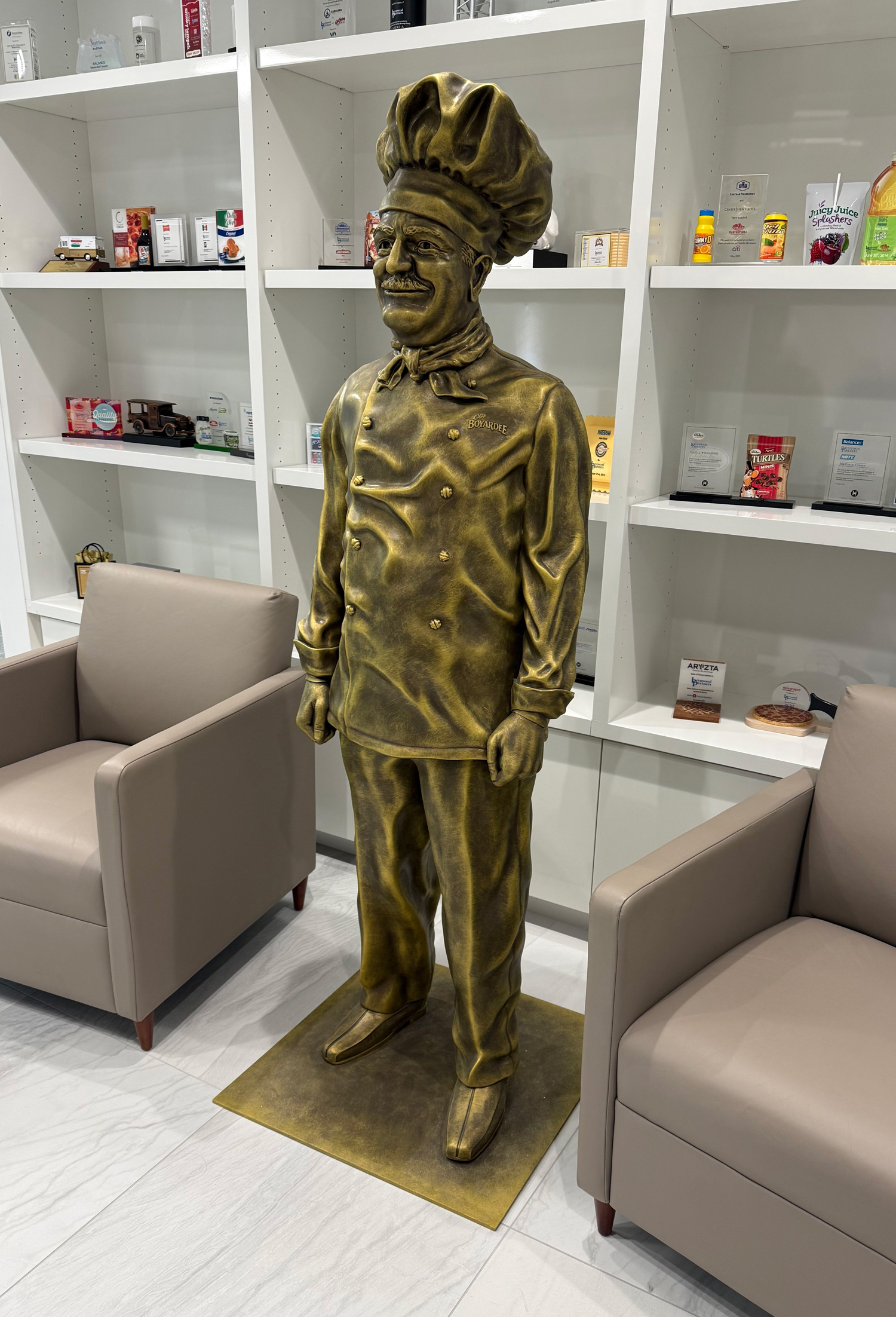
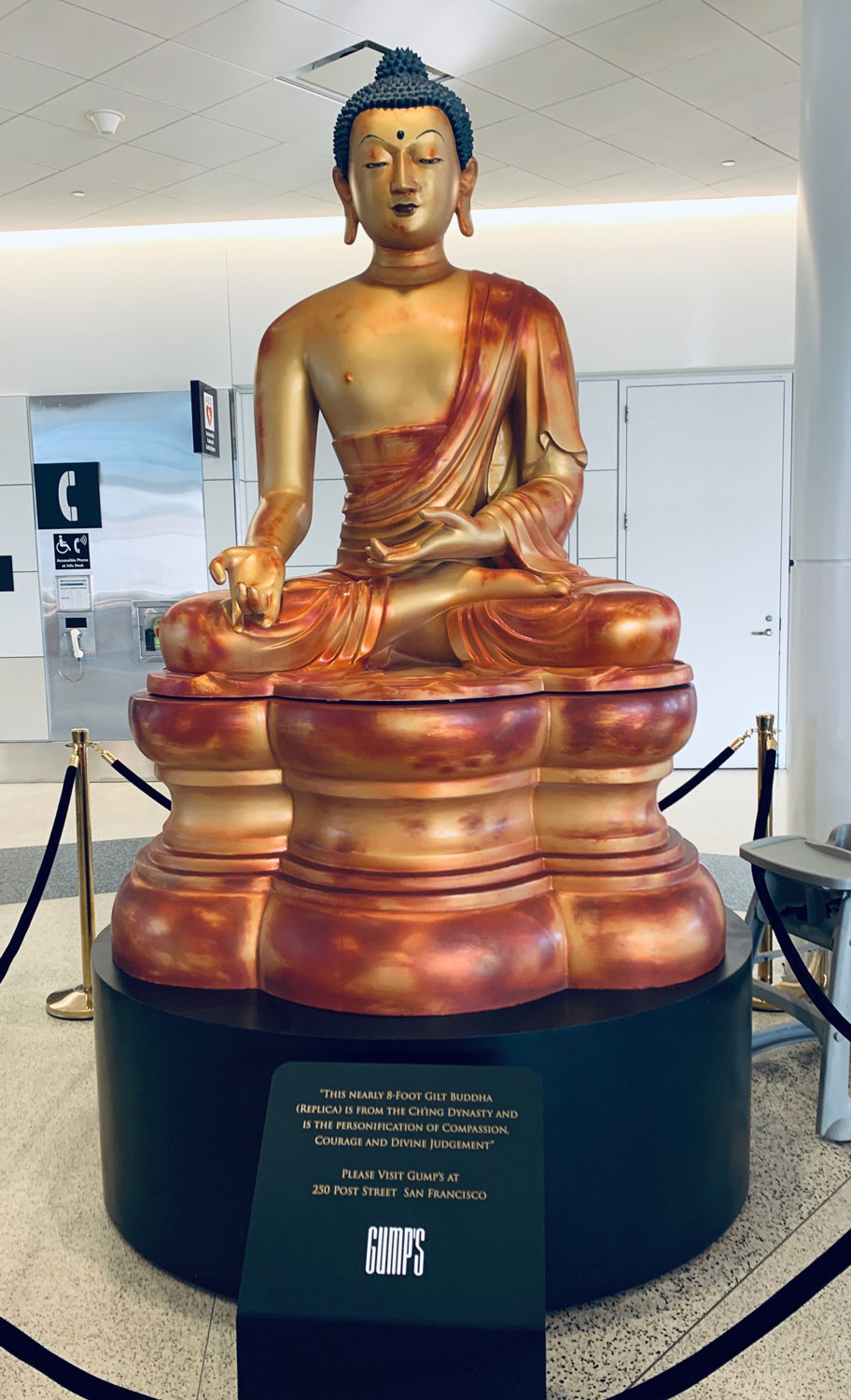
Study different character styles and postures
The Unicorn, Dragonboy, Chef Boyardee, and Medicine Buddha projects show stylized, human, standing, and seated directions. Each is a completed WhiteClouds figure. They demonstrate the breadth of possible forms without transferring customer, size, finish, or construction details to a future statue.
Define height, base, and finished viewing sides
Give the overall height and maximum floor area, not only a nominal character height. A hat, horn, raised hand, or base may set the real limit. State whether the statue will stand against a wall, occupy an open room, or be viewed from an elevated or lowered position so detail can be distributed appropriately.
The base may be visually quiet, carry identification, or become part of the character setting. If the statue must move, travel, separate into sections, include lighting, or permit visitor contact, describe that requirement directly. Indoor or outdoor placement should also be identified without assuming a finish or durability specification.
Useful inputs for a character-statue estimate
A concise package should cover both the character identity and the physical site.
- Authorized character turnaround art
- Expression and pose direction
- Overall dimensions and footprint
- Costume, colors, and graphics
- Accessories or extended features
- Base and viewing-side requirements
- Access, movement, or travel needs
- Destination, approval schedule, and deadline
Request a custom character statue quote
Send the authorized design files, pose, expression, target scale, base limits, required viewing sides, site conditions, delivery location, and needed date. Flag any accessory, lighting, movement, interaction, or approval requirement that changes how the statue must function.