
Character Models vs. Stage Props
A planning guide for deciding whether a physical build represents a character, supports an action, establishes a setting, or combines those roles
Character models and stage props can use similar materials and fabrication methods, but their design priorities differ. Identity, performance, handling, viewing distance, interaction, and scenic context determine what the object must communicate and do.
Technical Overview
Distinguish Identity From Scenic Function
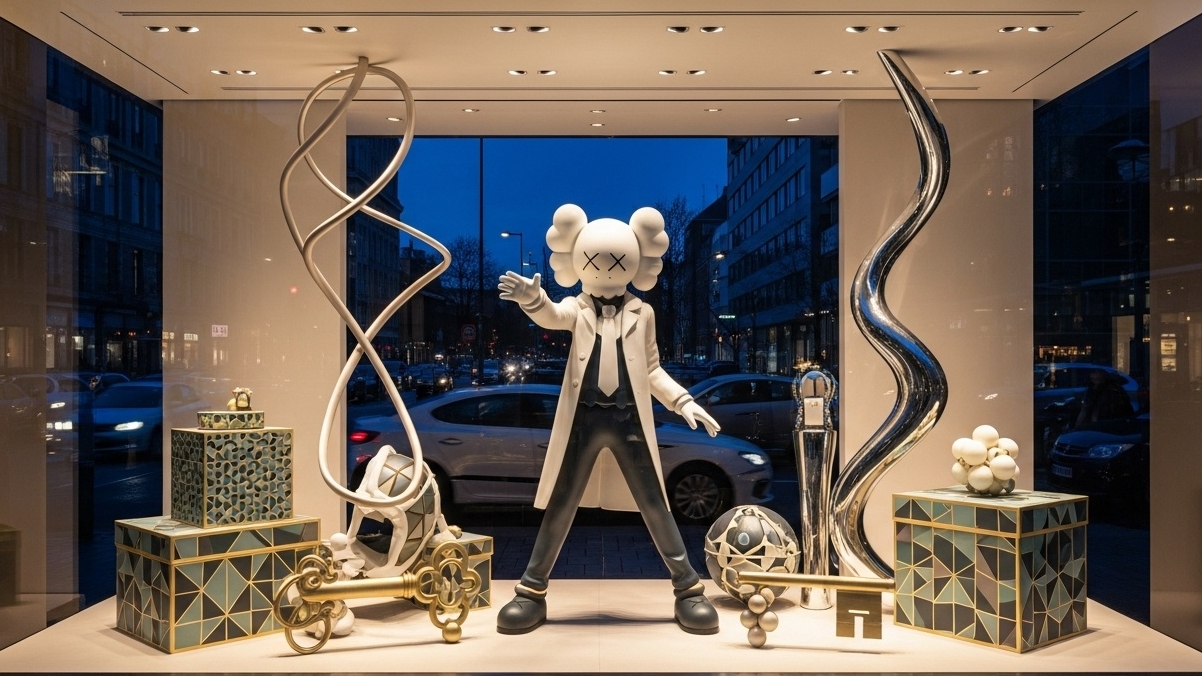
A character model represents a being, mascot, creature, person, or stylized figure whose identity is central to the presentation. Pose, expression, silhouette, proportion, costume, color, and recognizable features usually carry more weight than a mechanical task.
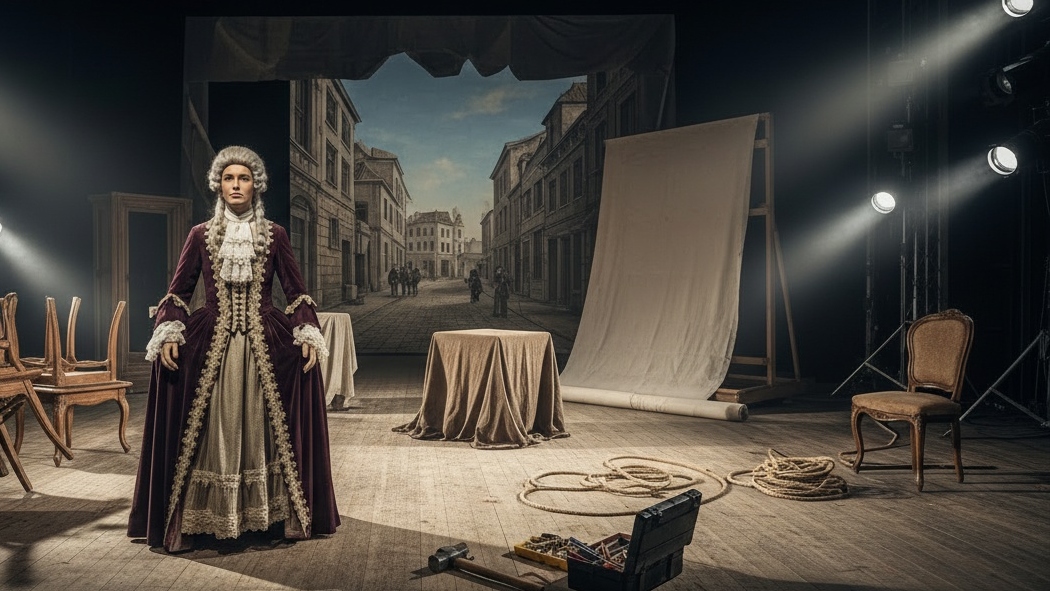
A stage prop is an object used by performers or placed in the environment to support action, place, scale, or story. A prop may still be a visual focal point, but its object identity and practical relationship to the scene guide its design.
Write the Use Requirements Before Sculpting
State who sees or handles the piece, the primary viewing distance, duration, scene changes, transport, storage, performer interaction, moving parts, lighting, sound, duplicates, and required setup time. These conditions can change the build more than the subject category.
A static character in a lobby can prioritize finish and all-around viewing. A prop carried on stage must consider grip, balance, clearances, choreography, visibility under show light, and what happens if it is dropped or set down repeatedly.
Choose Scale and Detail for the Audience
Character faces and hands may need enough scale and contrast to convey expression from the audience position. Stage props may enlarge recognizable features so their object type or story function reads under distance, movement, and changing light.
Close-up exhibit work can support finer surface detail than a touring stage piece viewed from many rows away. The project should spend detail where it contributes to identity or action rather than distributing it evenly across every surface.
Develop the Fabrication Plan
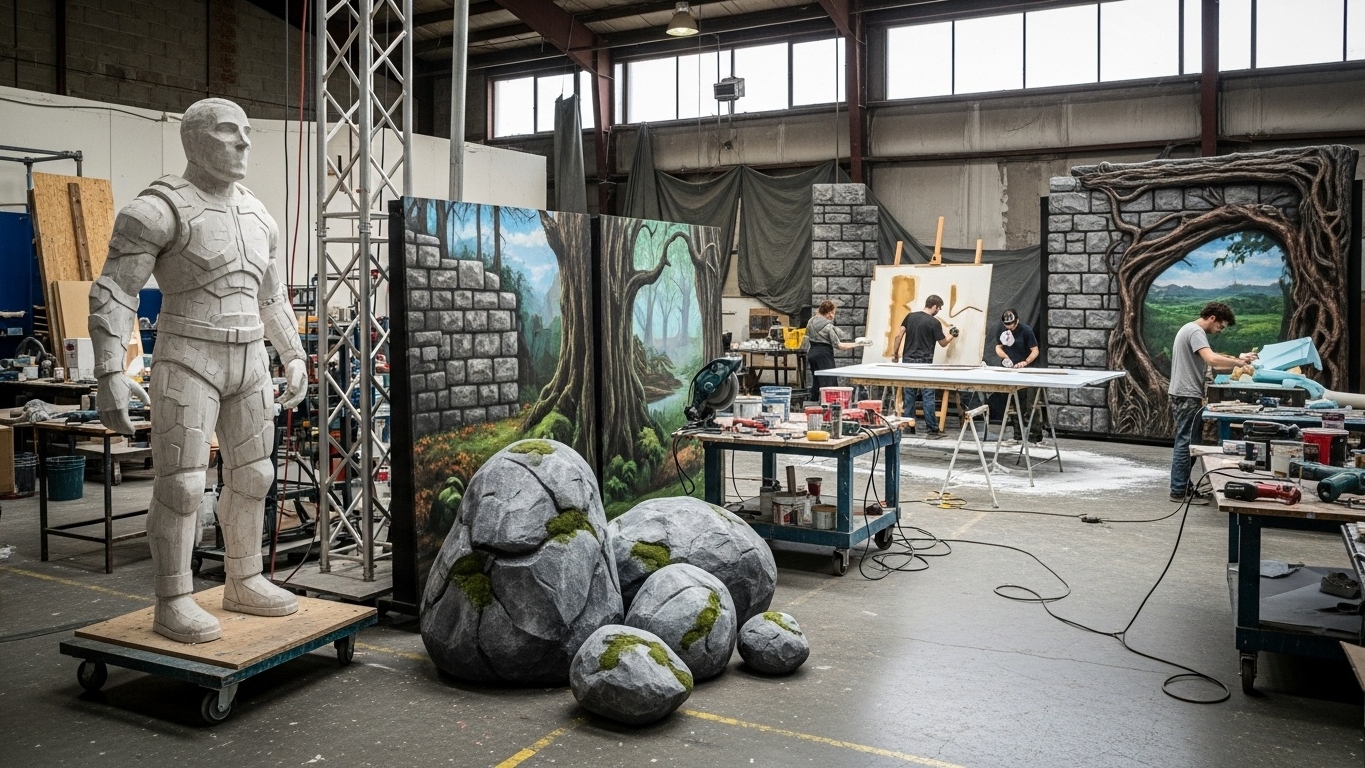
Concept art, digital models, scans, patterns, drawings, and physical maquettes can define the approved form. Foam carving, printing, molding, resin, fiberglass, fabrics, coatings, metal supports, and mixed methods are selected according to geometry and use.
Character work may concentrate review on anatomy, expression, pose, and finish, while a handled prop may emphasize structure, weight distribution, edges, replaceable parts, and repeatable action. Many builds require both sets of concerns.
Plan Finish, Handling, and Scene Integration
Paint and texture should be tested under the intended stage or exhibit lighting. Dark values, gloss, small patterns, and subtle facial contrast can read differently at distance or through a camera than they do under fabrication-shop light.
Bases, mounts, handles, casters, connectors, cables, storage stands, and packing should be concealed where the design requires it but accessible to the crew. The piece also needs to fit surrounding scenery and the approved blocking or installation plan.
Choose the Quote Path From the Primary Role
Provide the concept, dimensions, primary role, performance or display conditions, interaction, viewing distance, finish, movement, power, transport, setup, storage, venue limits, rights to reproduce the subject, and schedule.
WhiteClouds can evaluate a character, stage prop, or hybrid build from that primary role and plan the form, materials, support, finish, and handling around what the object must communicate and do.
Plan a custom character or stage prop
Review custom prop-making services and examples of physical 3D props for stages, exhibits, and themed environments.
Tell us what your model needs to communicate
Share the intended audience, approximate size, level of detail, available source files, and project timeline.