
Planning Character Models for Zoo and Aquarium Exhibits
A zoo or aquarium character model works best when the exhibit team defines its role before deciding how dramatic it should look. A sculpture for species identification, a child-height photo point, a directional character, and a donor feature each need different poses, sightlines, durability, and interpretive space.
Plan an Exhibit Character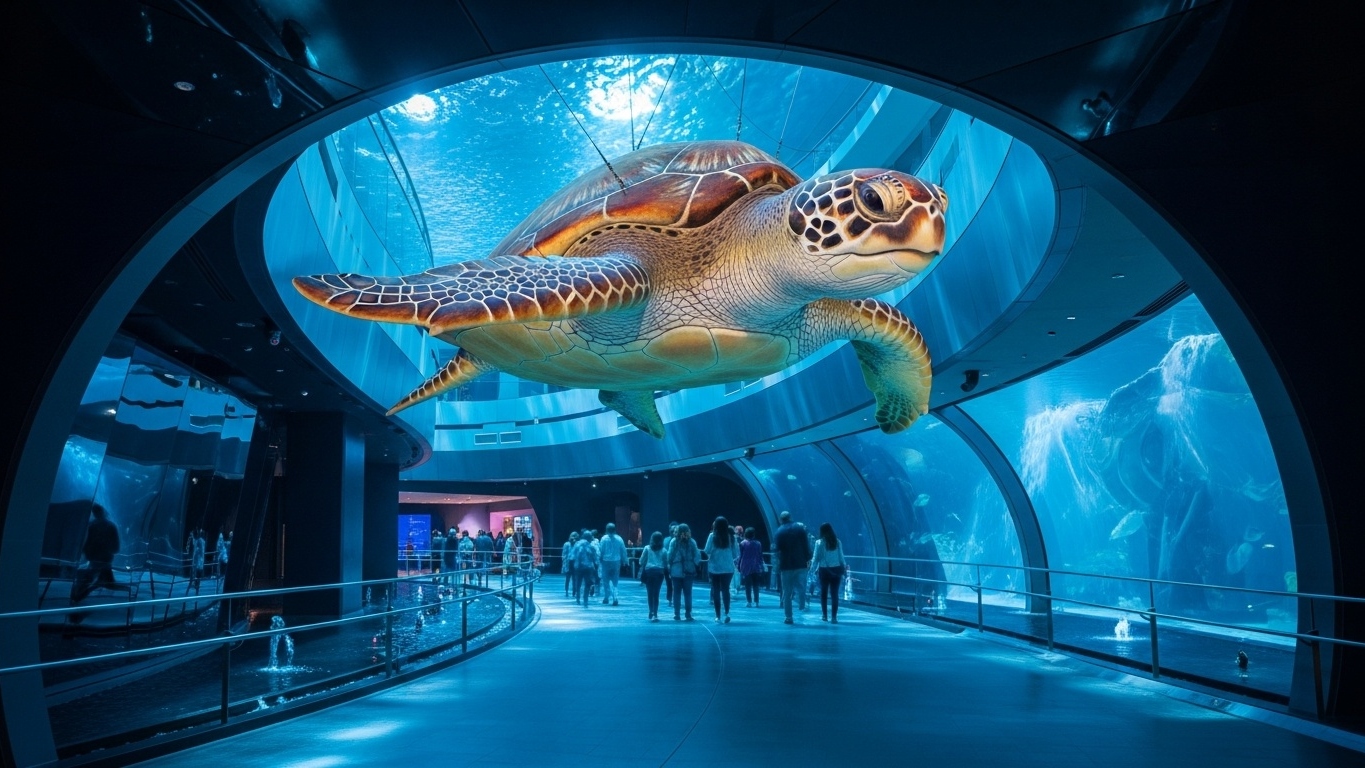
Start with what visitors should do around the character
An overhead animal can establish a strong arrival moment, but it will not serve the same function as a floor-level model that children can approach. A directional character may need a readable gesture. An interpretive model may need room for labels or a nearby panel. State the visitor action in one sentence before pose and scale are developed.
The approved species or character reference should come from the institution. For a realistic animal, identify the anatomy, markings, and life stage that matter. For a stylized mascot, identify the controlling artwork and the amount of dimensional interpretation allowed.
Exhibit drawings should identify nearby cases, rails, signs, doorways, and visitor paths before the final silhouette is chosen. Those fixed relationships determine which views matter, where a base or attachment can fit, and whether the character needs clear space for photographs, interpretation, or routine maintenance.
Coordinate pose with exhibit circulation
The same character can feel entirely different when its position and viewing angles change.
Floor display
Set footprint, base, reach distance, and attachment points around the expected visitor path.
Wall feature
Check projection, support locations, nearby graphics, and side views before the pose is finalized.
Overhead model
Coordinate suspension, clearance, maintenance access, and the views from below.
Photo moment
Protect camera distance and group space so the model does not block adjacent exhibit circulation.
Compare two verified WhiteClouds character forms
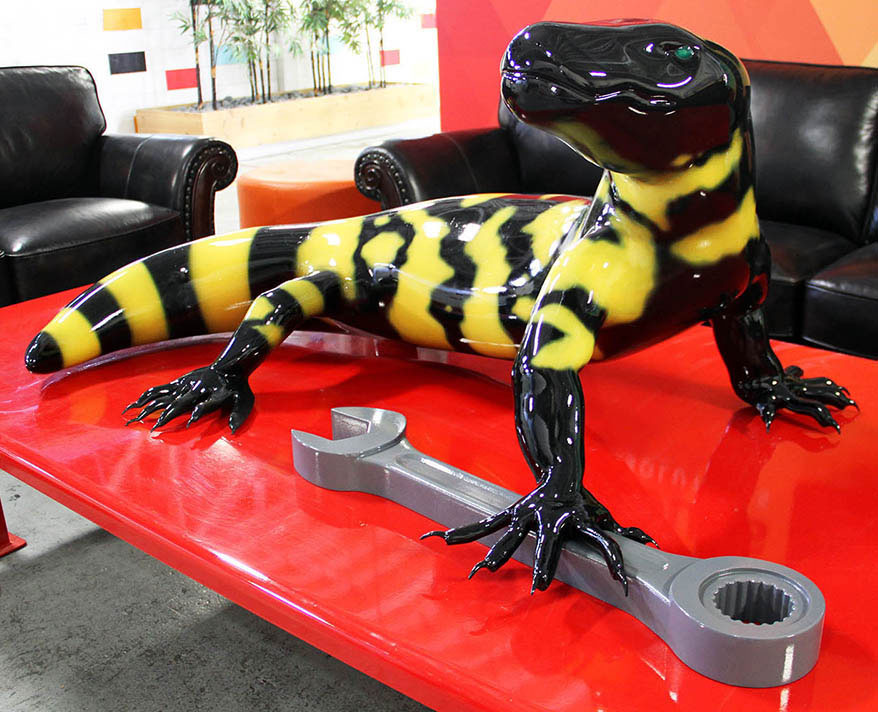
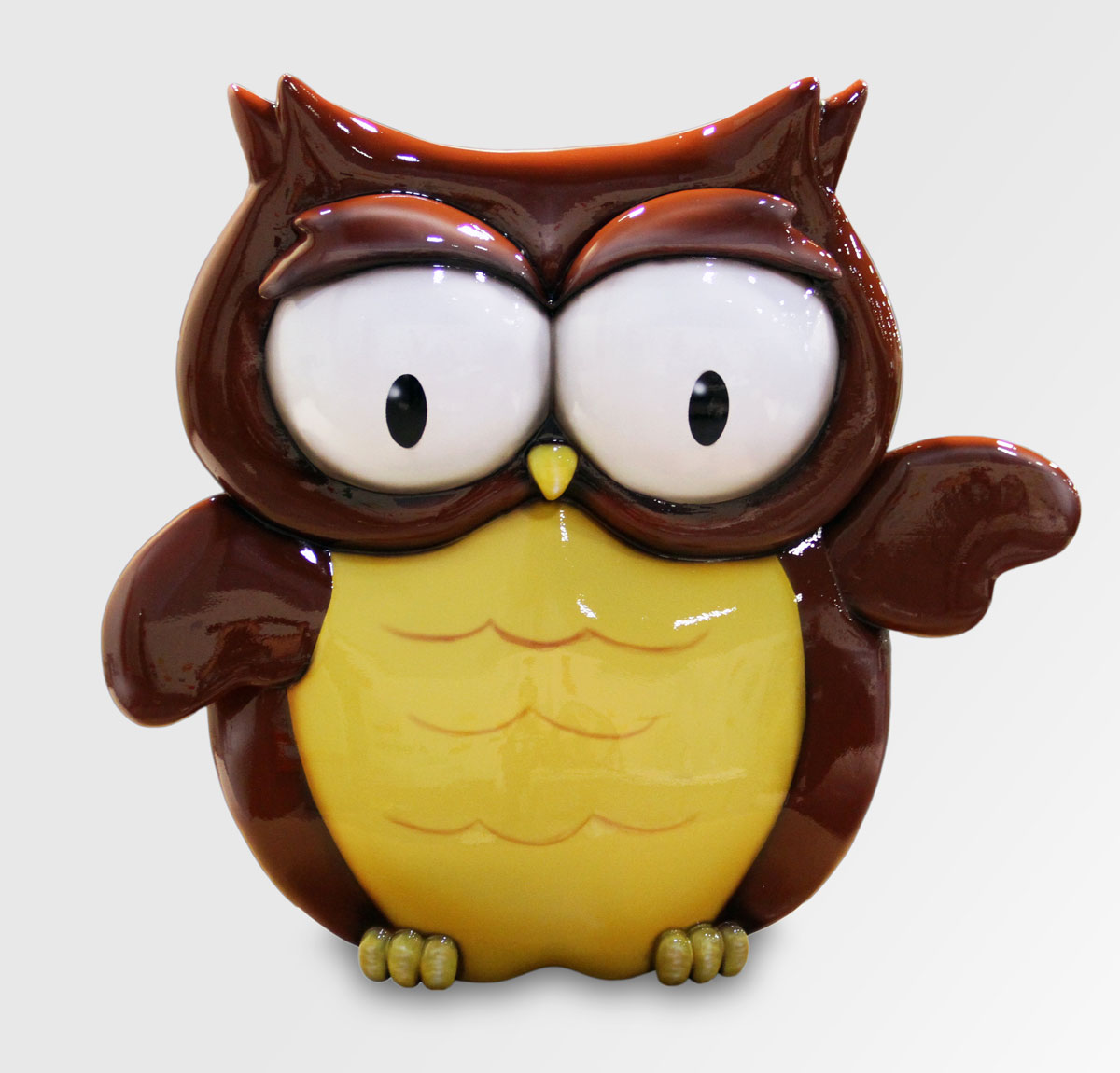
The Gila monster and owl photographs show completed WhiteClouds character models with very different silhouettes: one low and horizontal, the other compact and upright. They are useful fabrication references. Their customers, locations, and original display purposes are not identified here, so the examples are not described as zoo or aquarium commissions.
Give the sculptural team the decisions that shape the model
A complete request connects visual intent to the real exhibit environment.
- Approved species, character, or mascot artwork
- Desired realism or stylization and required pose
- Visitor interaction, viewing height, and photo use
- Indoor or outdoor placement and expected access
- Floor, wall, overhead, or exhibit-integrated attachment
- Interpretive copy, branding, or sign adjacency
- Available footprint, delivery path, destination, and opening date
Request pricing for a zoo or aquarium character model
Send the approved visual references, exhibit purpose, intended pose and size, placement drawings, attachment needs, interaction limits, delivery access, destination, and required completion date.