
The King and Queen of Kauaʻi for the Kauaʻi Museum
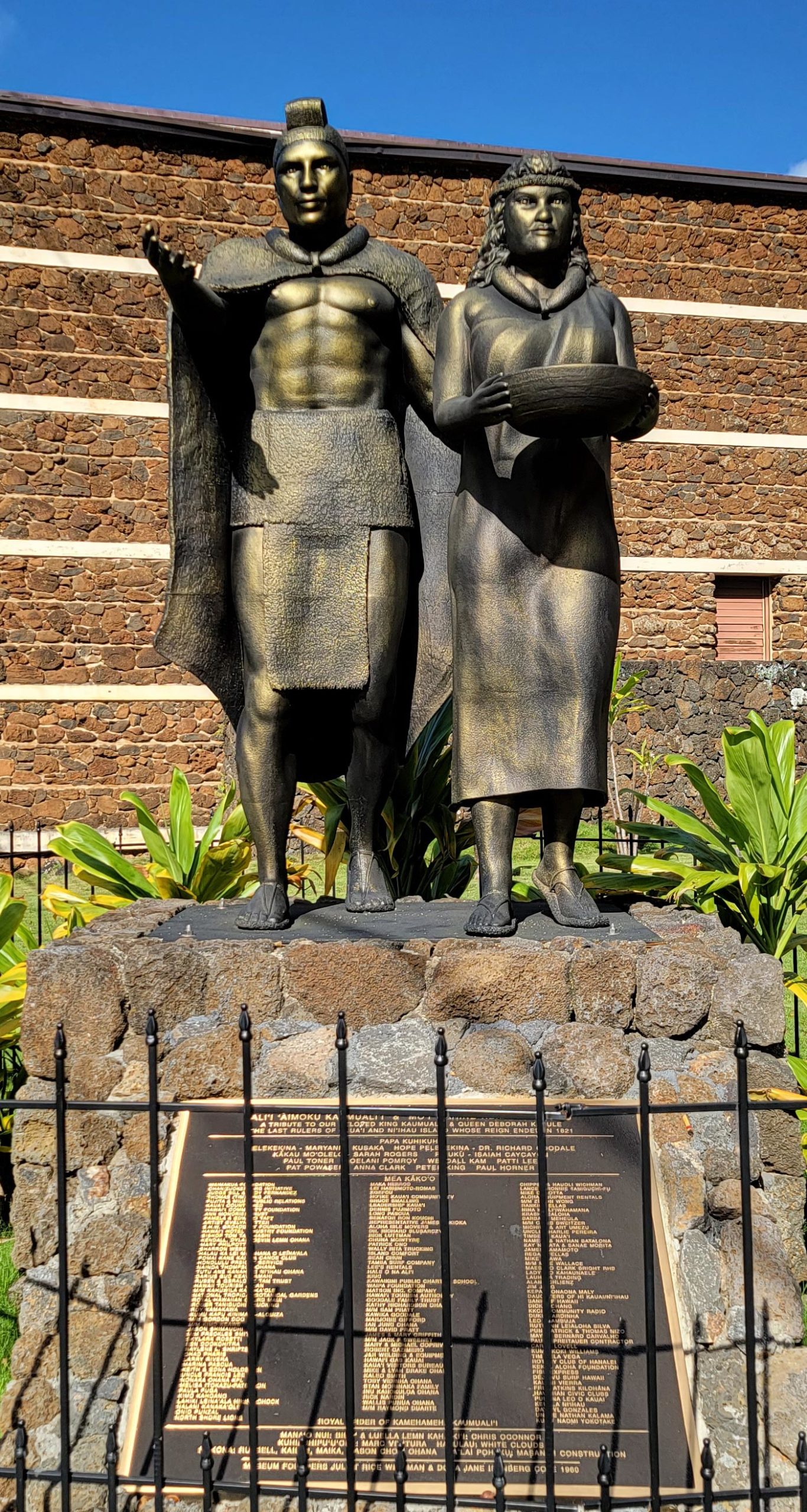
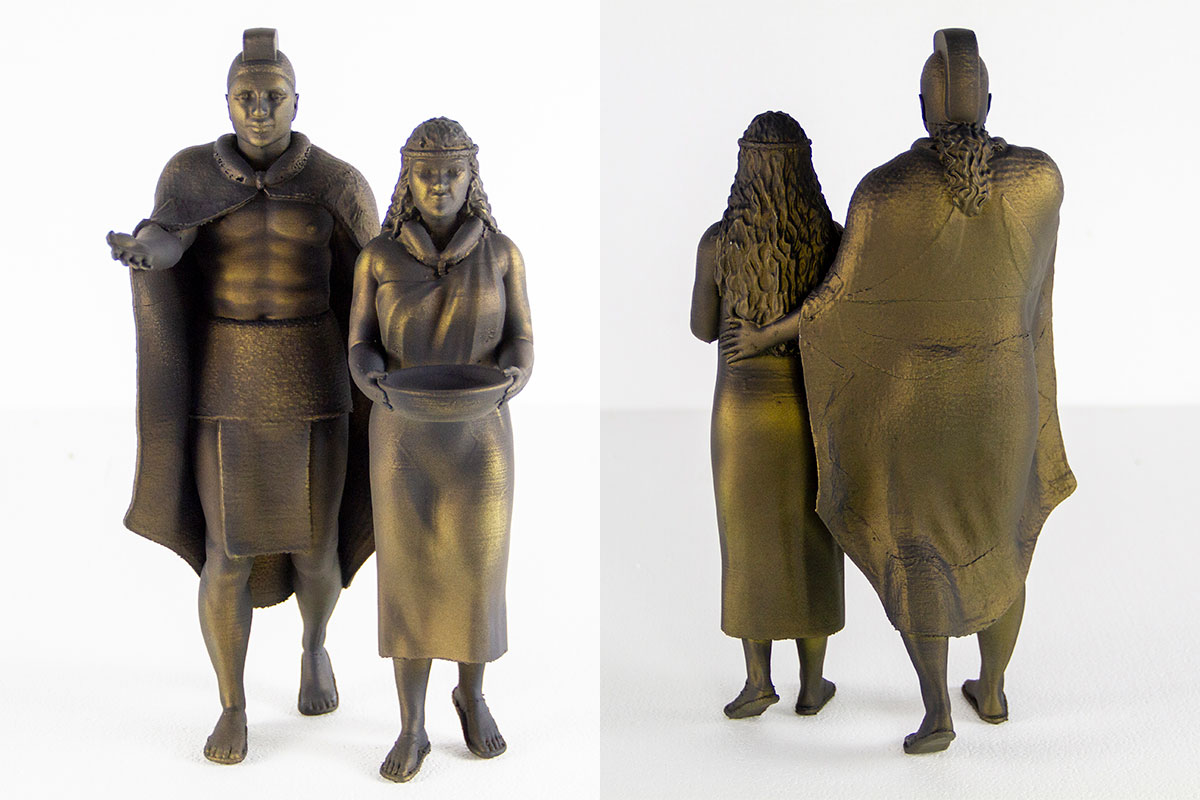
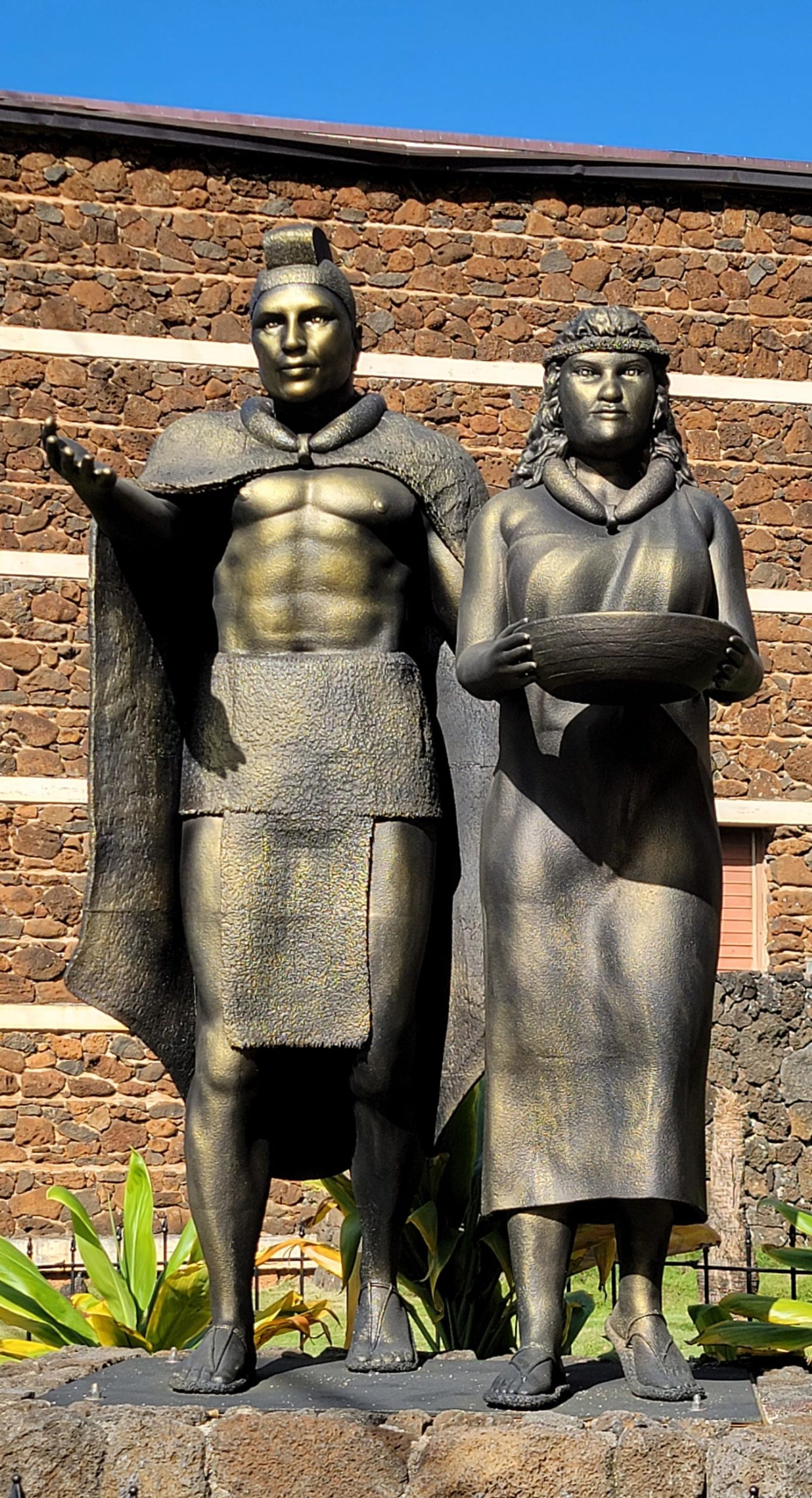
WhiteClouds created life-size faux-bronze figures of King Kaumualiʻi and Queen Deborah Kapule for the Kauaʻi Museum in Hawaii.
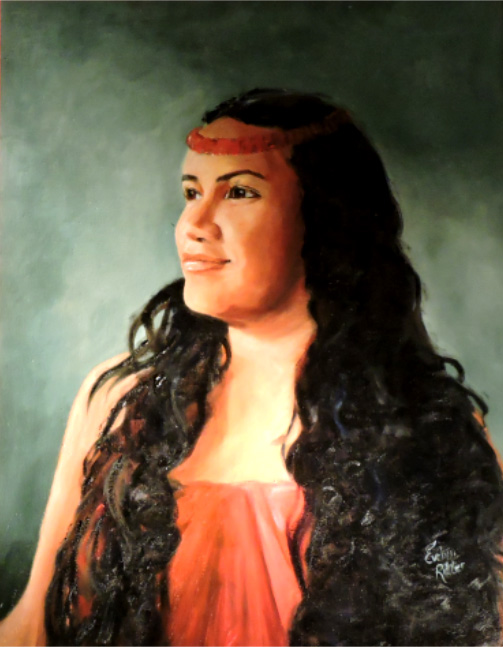
Historical portraits, a clay model and other references guided the digital sculpture. The museum approved a 12-inch maquette before WhiteClouds printed and assembled the full-size figures.
A museum commission honoring Kauaʻi’s royal history
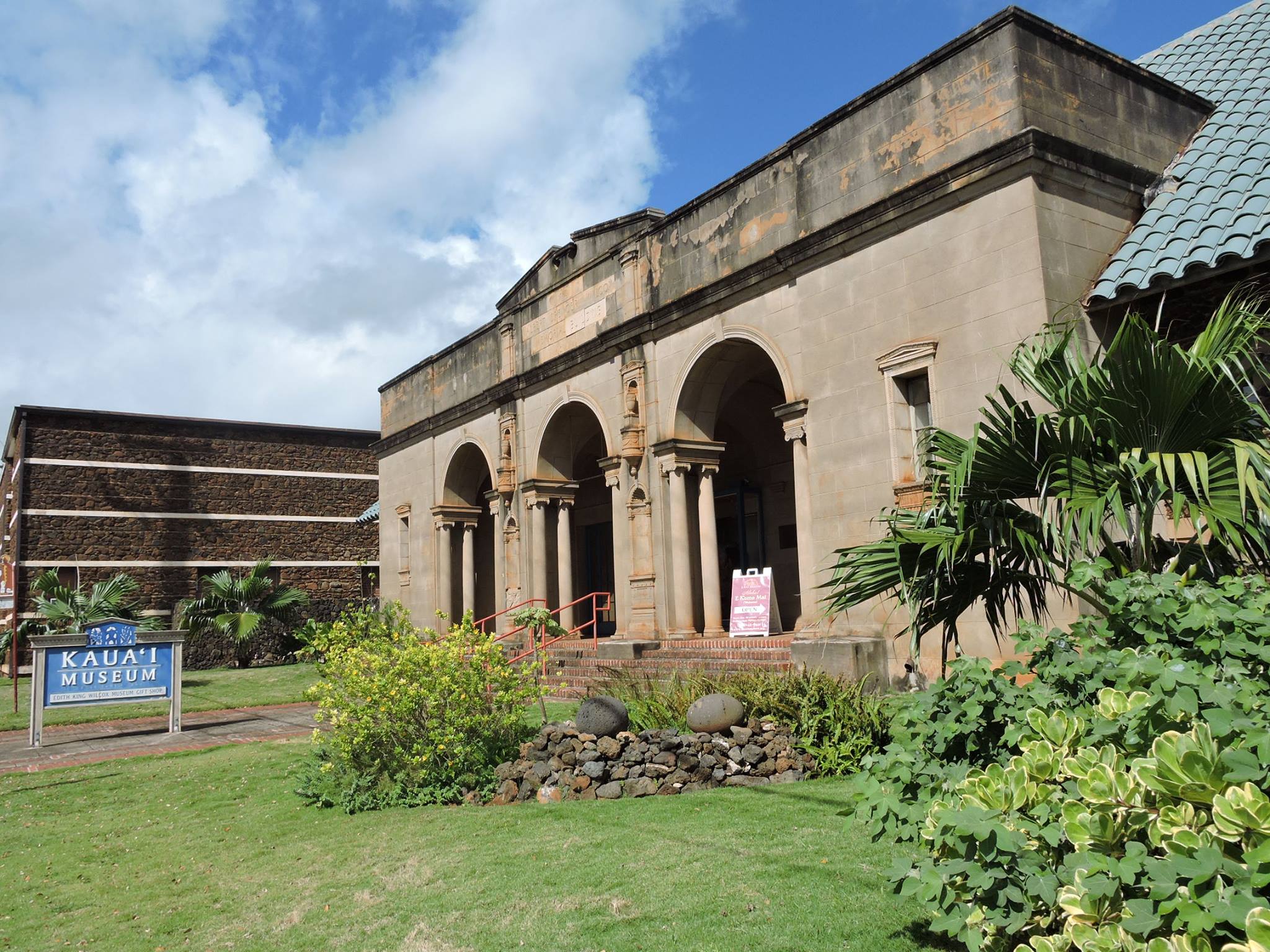
The Kauaʻi Museum commissioned the figures to honor King Aliʻi ʻAimoku Kaumualiʻi and Queen Deborah Kapule Kekaihaʻakūlou, associated with Kauaʻi and Niʻihau. The life-size pair stands outside the museum, connecting its entrance to the history preserved inside.
The museum opened to the public in 1960 and has been listed as a state historic site since 1979. Its work preserving Hawaiian tradition and culture provided the setting for the sculpture.

Paintings and a clay model became a digital sculpture
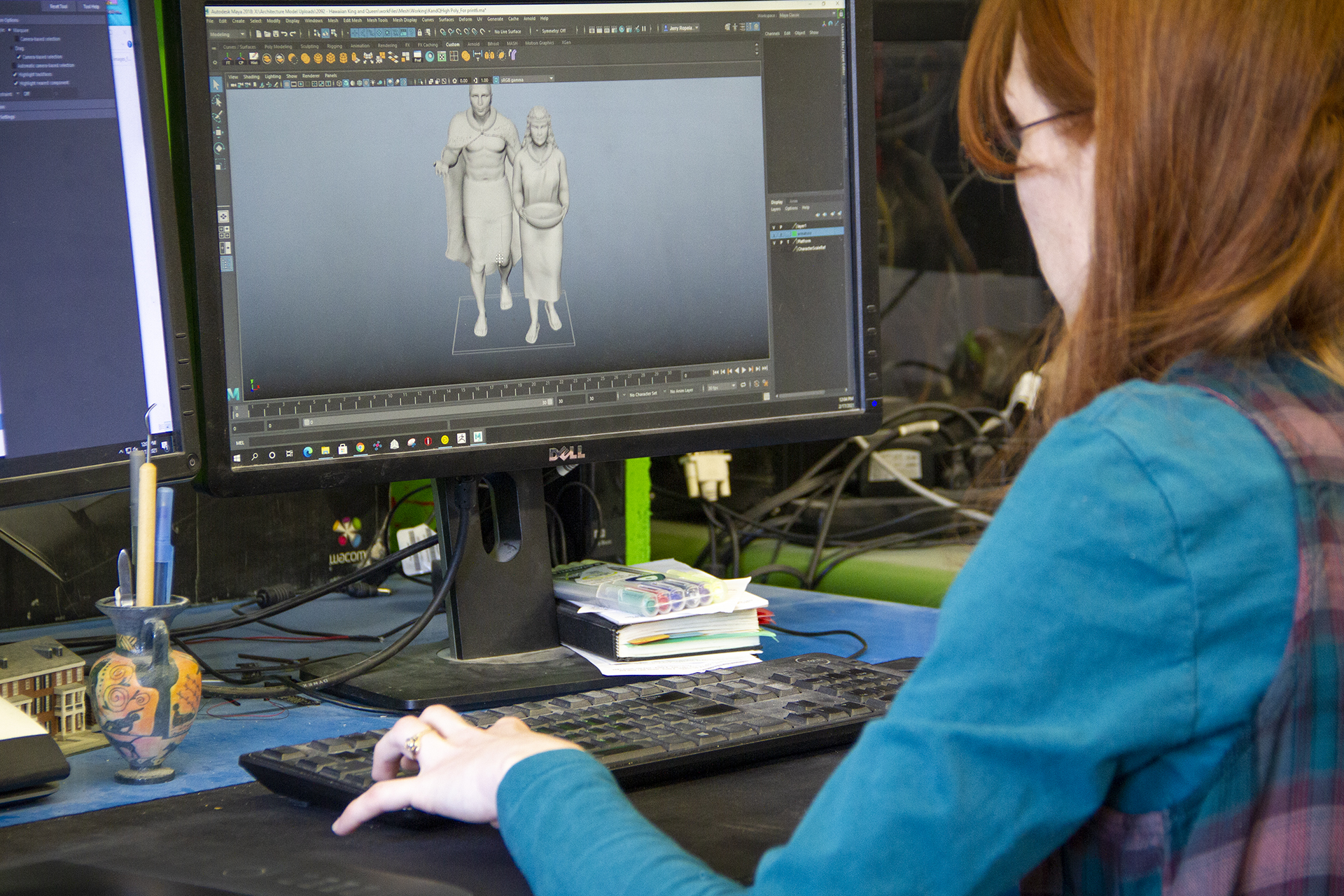
WhiteClouds developed the 3D model from 2D paintings, an older clay model and historical references. Once the museum approved the digital design, a 12-inch-tall maquette was printed and shipped for final approval.
The full-size king measures 6 feet 4 inches tall and the queen 5 feet 9 inches. Together they occupy a base measuring 35 by 47 inches.
Eighty-three printed parts around an internal steel structure
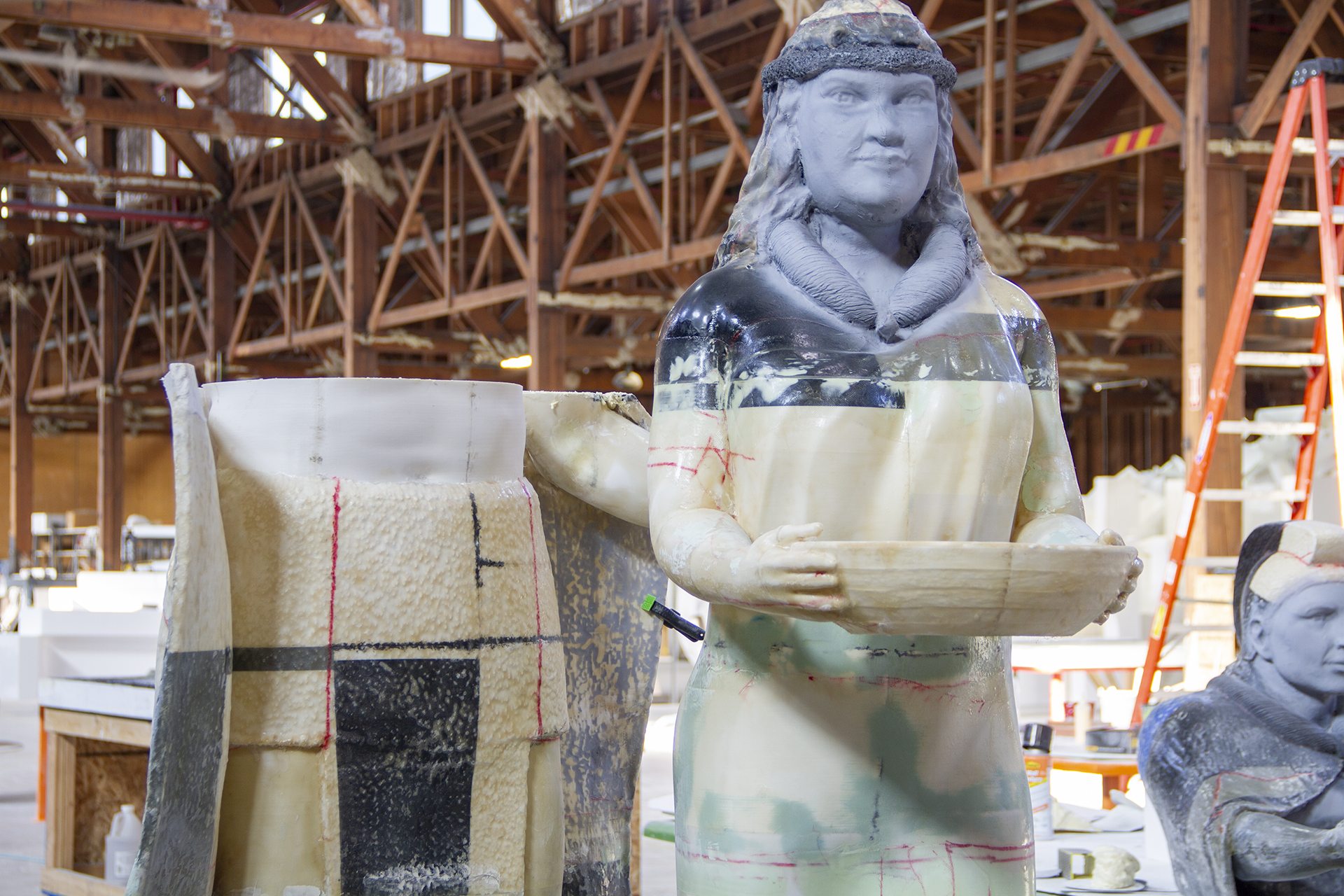
The sculpture was divided into 83 printed parts, requiring approximately 2,500 accumulated printing hours and 65 spools of filament. The parts were bonded together around an internal steel armature.
For the first build, the team applied fiberglass over the assembled figure before finishing. The permanent outdoor setting required the fabrication approach to account for Hawaii’s sun, wind and rain.

A bronze appearance on a fabricated composite figure
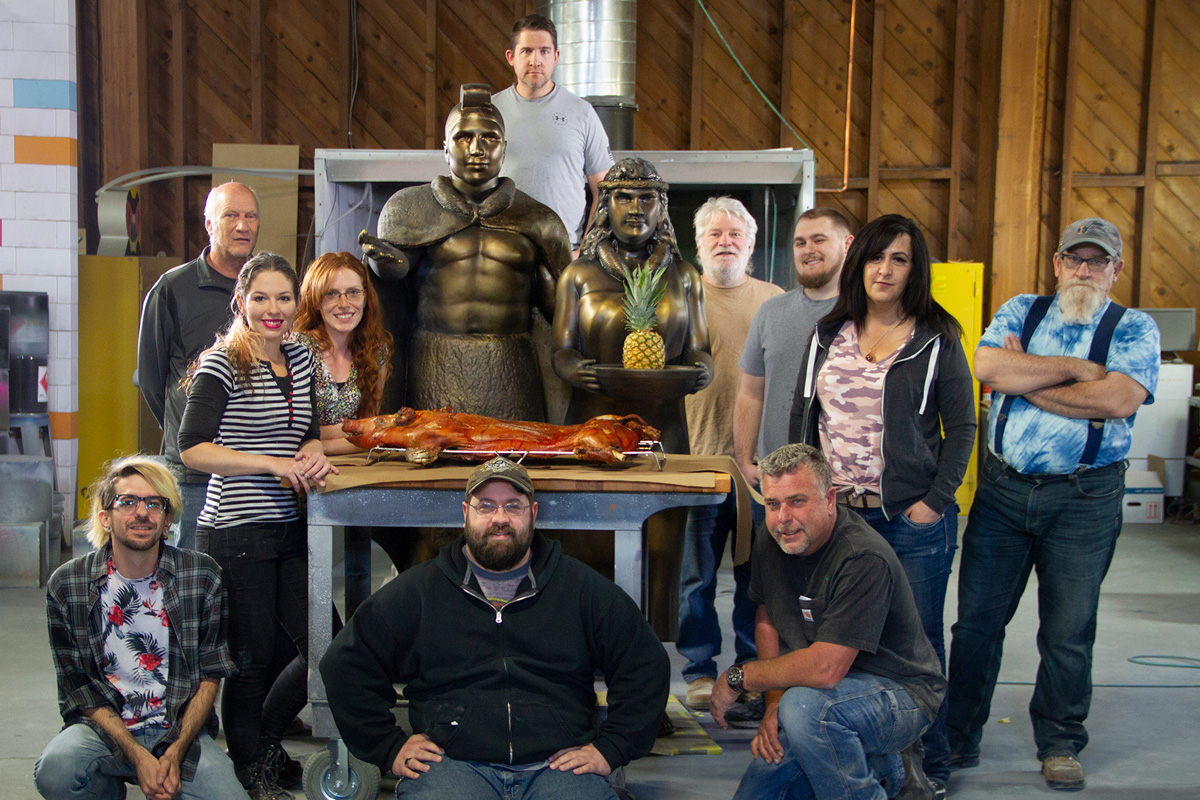
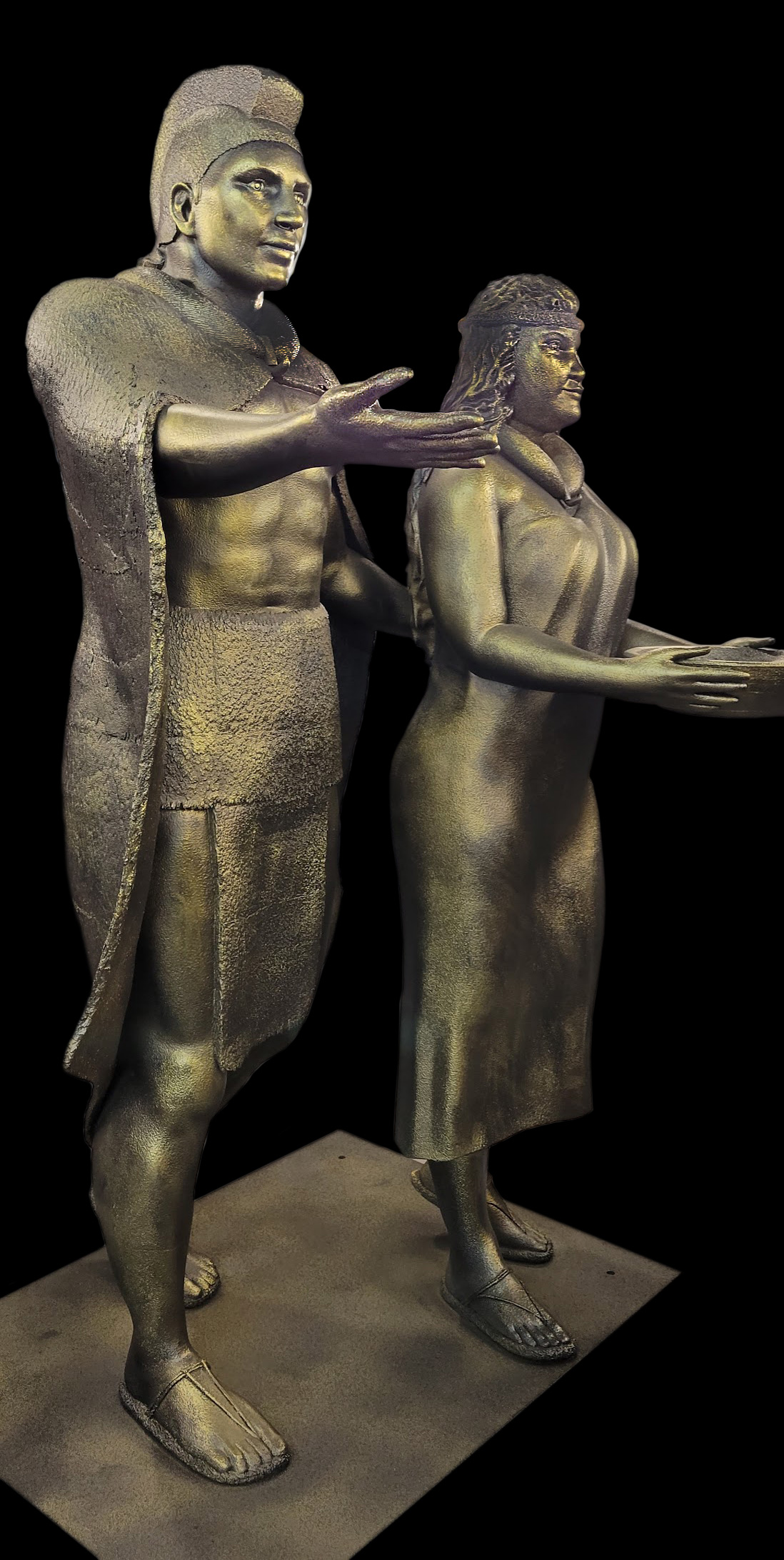
The team airbrushed the figures with bronze paint and added a satin clear coat. The result was a faux-bronze sculpture, with the color and surface treatment providing the appearance of bronze.
A steel base plate and bolted connection prepared the sculpture for attachment to the concrete monument at the museum.

A sea journey and installation by the museum
The completed sculpture was packed in a wooden crate measuring 64 by 61 by 96 inches. The crated shipment weighed approximately 480 pounds.
It traveled by sea across the Pacific. The Kauaʻi Museum received, unpacked and installed the sculpture on its monument.


A second fabrication with a textured polyurea hardcoat
After the first model, WhiteClouds made a second figure pair with the same design. This version used a polyurea hardcoat for the wet, humid and hot climate.
The coating left a slightly textured surface that complemented the faux-bronze finish. The installed figures continue the composition approved by the museum, with the king and queen standing side by side.
Planning a museum or commemorative sculpture?
Share the subject, historical references, target dimensions, intended setting and installation responsibilities to begin discussing the build.