How Big Is Mexico? A Deep Dive into Its Size, Scale, and Surprising Vastness
When people ask, “How big is Mexico?” they often expect a simple number. A figure. A ranking. A quick comparison. But the true answer stretches far beyond square miles and map outlines. Mexico’s size is a story of deserts and rainforests, megacities and mountain ranges, ancient civilizations and modern industry. It is a country so geographically diverse and spatially dramatic that its scale feels almost cinematic. To understand how big Mexico really is, we have to explore its land area, population spread, regional variety, coastline reach, and its position in the Americas. What emerges is a portrait of a nation that is not just large on paper, but expansive in influence, culture, and physical grandeur.
The Official Numbers: Mexico’s Land Area
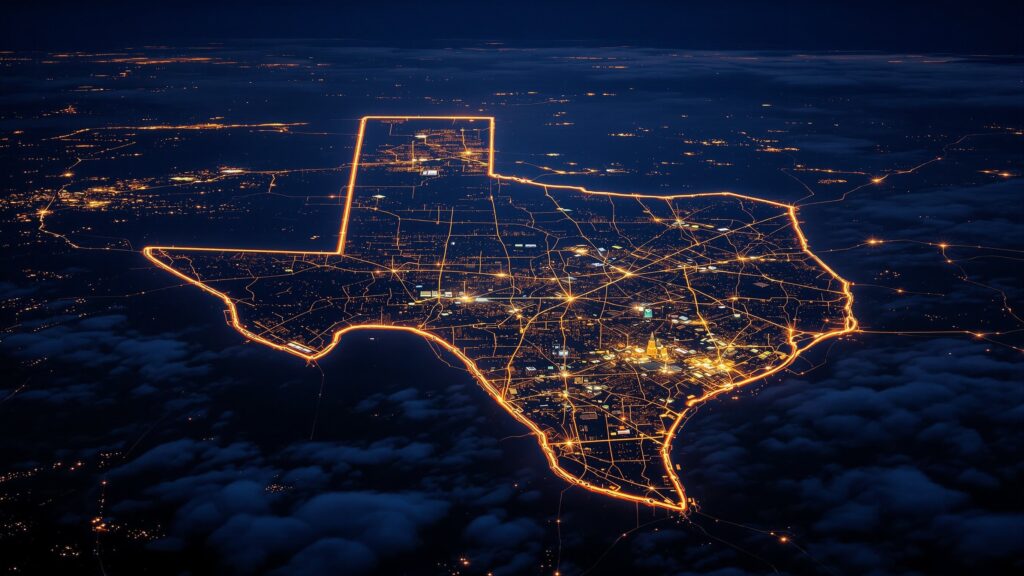
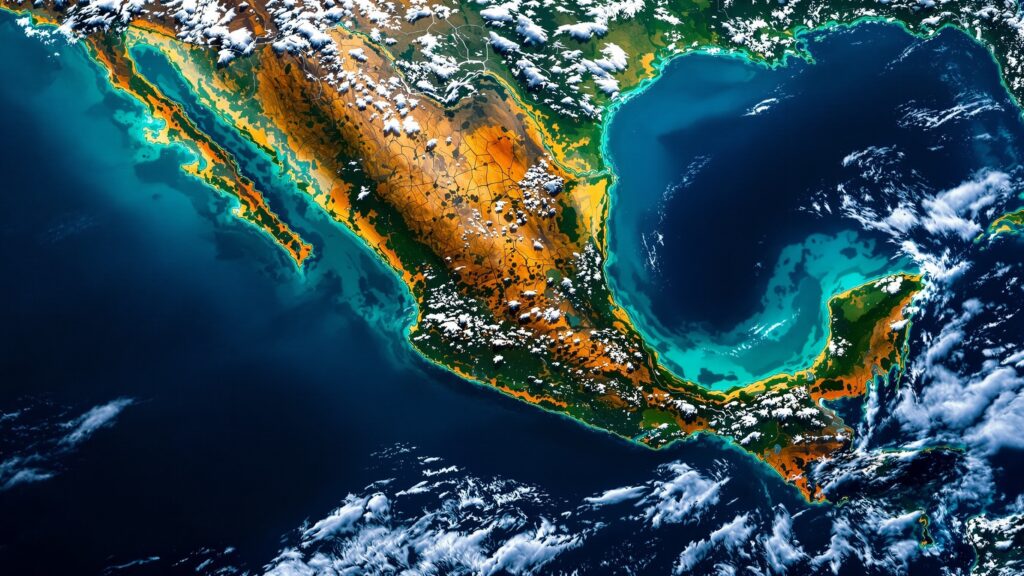
Mexico covers approximately 1,964,375 square kilometers, or about 758,449 square miles. That makes it the 13th largest country in the world by total land area. To put that into perspective, Mexico is larger than Alaska alone? No. Alaska is larger than Mexico. But Mexico is larger than Texas, California, Montana, and Arizona combined? Not quite. However, it is significantly larger than Texas and California combined.
Within North America, Mexico ranks as the third-largest country, behind Canada and the United States. Its territory spans a dramatic portion of the southern half of the continent, acting as both a bridge and a transition zone between North America and Central America.
Mexico’s sheer landmass allows for a stunning range of climates and ecosystems. From the arid deserts of the north to the tropical rainforests of the south, the country’s size directly shapes its environmental diversity.
How Mexico Compares to Other Countries
Understanding Mexico’s size becomes even clearer when compared globally. Mexico is larger than France, Spain, and Germany combined? No, but it is larger than France and Spain individually and significantly larger than Germany.
In fact, Mexico is:
- Nearly three times the size of Texas
- Roughly the same size as Western Europe’s combined landmass of several mid-sized countries
- Larger than Peru, Colombia, and Venezuela
On the world stage, Mexico sits comfortably among the planet’s largest nations, ahead of countries like Saudi Arabia? No, Saudi Arabia is slightly larger. But Mexico is larger than Indonesia? No, Indonesia is larger. However, Mexico is larger than many European nations combined in practical terms. The key takeaway is this: Mexico is not just big. It is continentally significant.
A Country That Stretches 2,000 Miles
Mexico stretches approximately 2,000 miles from north to south. That’s roughly the same distance as driving from Seattle to Houston. Its shape is long and varied, widening in the north and narrowing as it approaches Central America.
The northern border touches the United States, spanning four U.S. states: California, Arizona, New Mexico, and Texas. From there, the country flows downward through plateaus, mountain chains, and tropical lowlands until it reaches Guatemala and Belize.
This north-to-south distance creates dramatic climate shifts. In the north, you’ll find deserts similar to Nevada and Arizona. In central Mexico, temperate highlands provide mild year-round climates. In the south, lush jungles and humid coastal plains dominate. Size, in Mexico’s case, means contrast.
Coastline That Wraps Two Oceans
On the west, the Pacific coastline stretches from Baja California down to Chiapas. On the east, the Gulf coast curves from Texas down to the Yucatán Peninsula, eventually meeting the Caribbean’s turquoise waters.
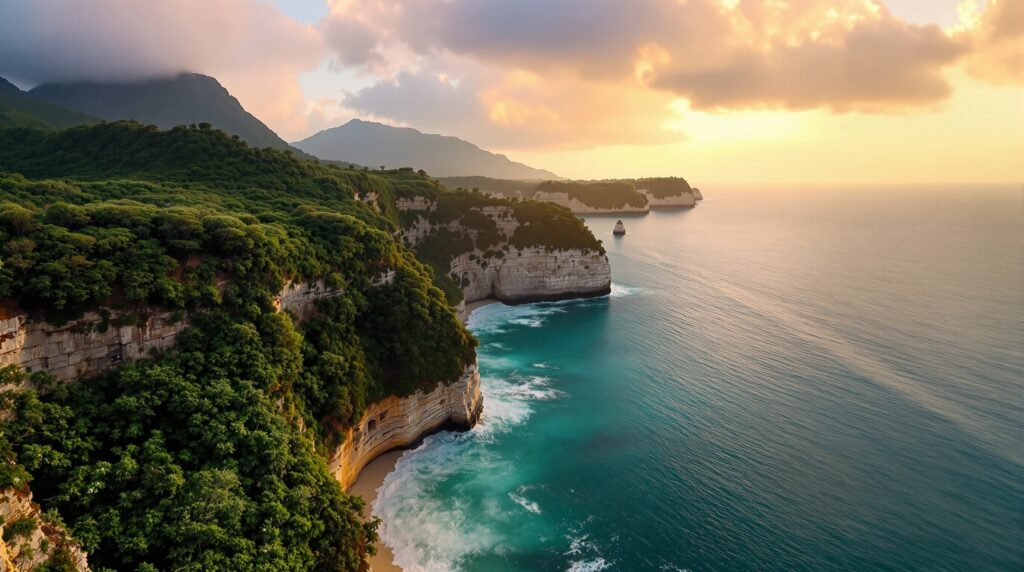
This expansive coastline contributes not just to Mexico’s tourism industry but also to its ecological diversity. Coral reefs, mangroves, sandy beaches, rocky cliffs, and fishing villages all reflect how vast and varied Mexico’s borders truly are.
The Yucatán Peninsula alone feels like a separate world. Baja California, long and narrow, extends hundreds of miles into the Pacific. These geographic features emphasize just how far Mexico reaches in multiple directions.
Mountains, Plateaus, and Volcanoes
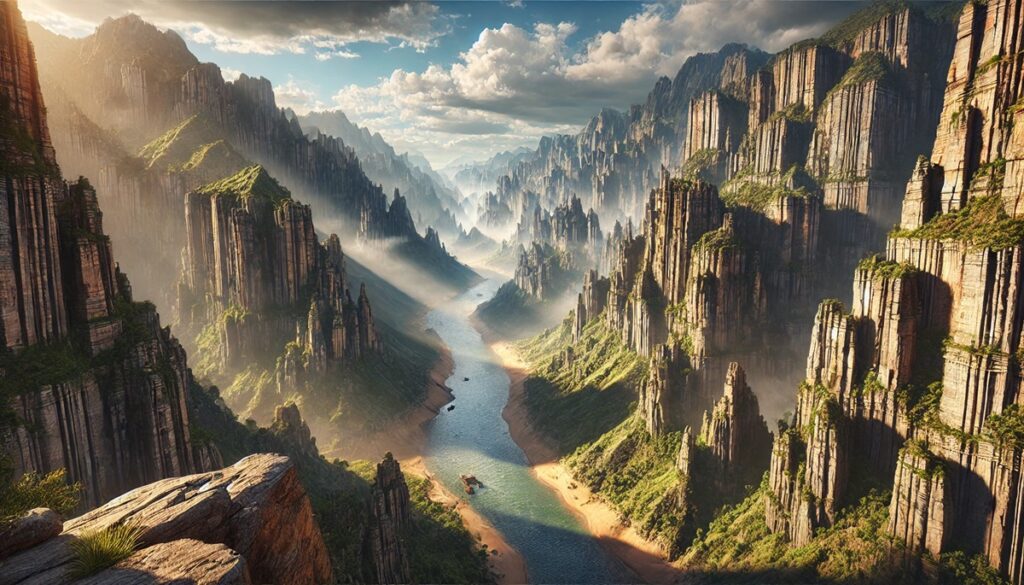
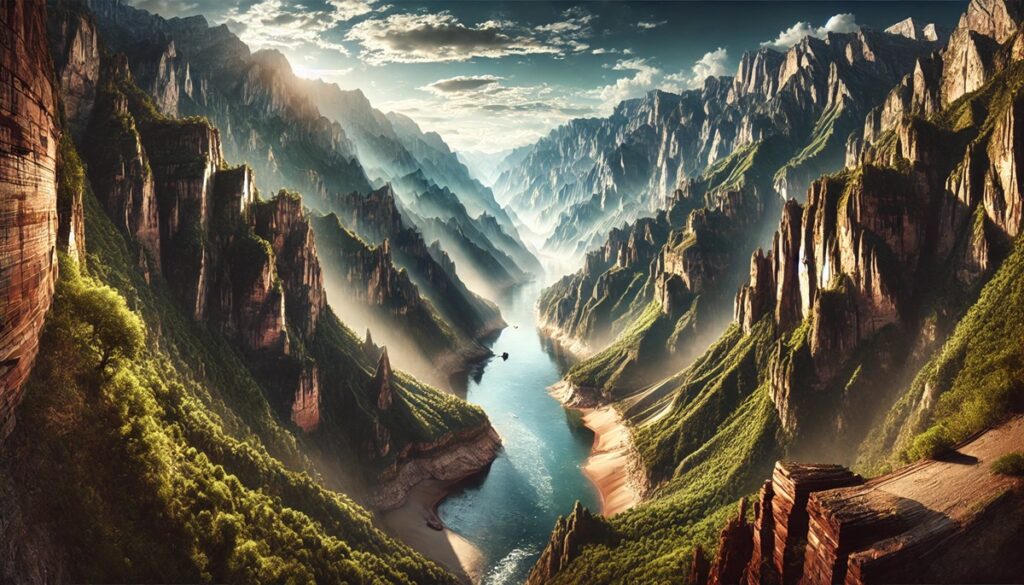
Mexico’s interior is far from flat. The country is defined by two major mountain ranges: the Sierra Madre Occidental to the west and the Sierra Madre Oriental to the east. Between them lies the Mexican Plateau, where much of the population resides. These mountain systems stretch for over 1,000 miles and include dramatic canyons such as the Copper Canyon system, which is actually larger and deeper in parts than the Grand Canyon.
Mexico is also home to towering volcanoes, including Popocatépetl and Pico de Orizaba. Pico de Orizaba stands as the highest peak in Mexico at 18,491 feet, making it the third-highest mountain in North America. The presence of such massive geological features underscores the vertical scale of Mexico. It is not just wide and long; it rises high into the sky.
Population Spread Across a Vast Landscape
Mexico’s size becomes even more impressive when paired with its population of over 126 million people. That makes it one of the most populous countries in the world.
But unlike some densely packed nations, Mexico’s population is unevenly distributed. Large portions of the north remain sparsely populated desert and rugged terrain. Meanwhile, central Mexico is densely populated, particularly around Mexico City.
Mexico City alone has over 20 million people in its metropolitan area, making it one of the largest urban regions in the world. Yet just a few hours away, you can find remote villages, mountain farms, or uninhabited coastline. Mexico’s size allows for megacities and wilderness to coexist within the same national boundaries.
Mexico in North American Context
On a North American map, Mexico occupies a strategic and substantial position. It connects the economic powerhouse of the United States with the developing economies of Central America.
Its land area represents about one-fifth of the entire North American continent. This geographic weight influences trade, climate patterns, migration routes, and biodiversity corridors.
Mexico’s position also makes it a bridge between temperate and tropical zones. Species, ecosystems, and cultural influences flow across its expansive territory.
When you look at North America as a whole, Mexico is not a small southern neighbor. It is a major continental force.
States Within a Giant
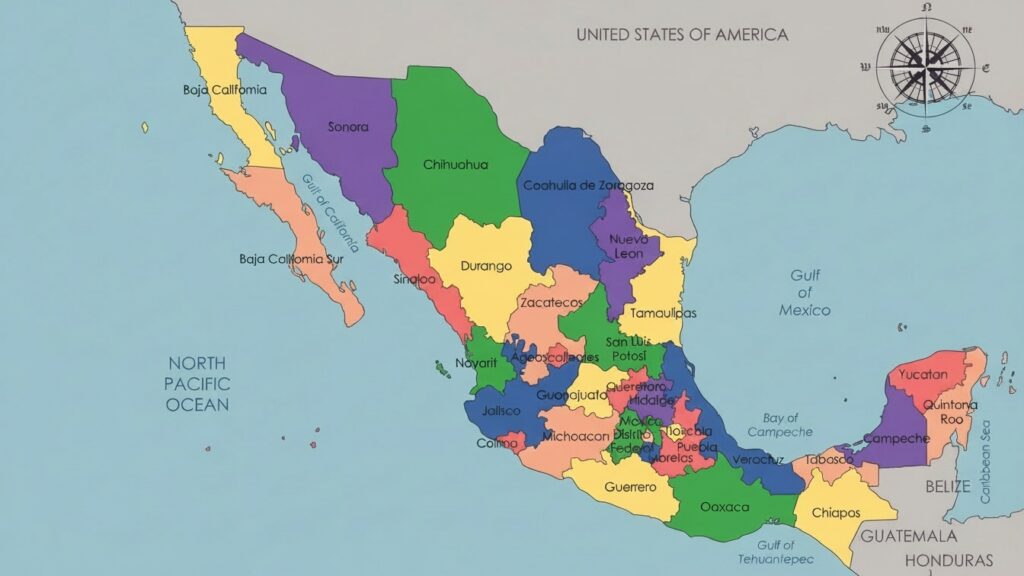
Mexico is divided into 31 states plus Mexico City. Some of these states are enormous in their own right. Chihuahua, the largest Mexican state, is bigger than the United Kingdom. Sonora and Coahuila are each larger than many European countries. Meanwhile, southern states like Oaxaca and Chiapas pack enormous biodiversity into mountainous and jungle-covered landscapes.
Each state carries its own geographic identity, from deserts to tropical coastlines. This internal variation further highlights the national scale. Traveling from one Mexican state to another can feel like crossing into a different country entirely, even though you are still within the same national borders.
Time Zones and Climatic Bands
Mexico spans four time zones. That alone tells you something about its horizontal reach.
It also contains multiple climatic zones, including arid desert, Mediterranean-like coastal climates, temperate highlands, tropical rainforest, and semi-arid plateau. Few countries outside of the largest nations can claim this kind of environmental diversity within a single political boundary.
This climatic range supports an extraordinary variety of agriculture. Mexico produces everything from avocados and citrus to corn and coffee. Its size allows for year-round cultivation in different regions.
Biodiversity at Scale
Because of its geographic range and climatic diversity, Mexico is considered one of the world’s megadiverse countries. It ranks among the top nations for species richness. From jaguars in the southern jungles to gray whales off Baja California, Mexico’s land and marine territories support extraordinary wildlife.
This biodiversity is directly tied to how large and varied the country is. Deserts, mountains, coral reefs, wetlands, and cloud forests all exist within its borders. A smaller country simply could not contain this range of ecosystems.
Infrastructure Across a Massive Landscape
Maintaining infrastructure across nearly 760,000 square miles is no small feat. Mexico operates thousands of miles of highways, railways, and pipelines connecting remote regions to major cities.
Airports dot the country from Tijuana in the northwest to Cancun in the southeast. Ports line both coastlines.
This vast infrastructure network reflects the logistical challenge of governing and connecting such a large territory. The country’s scale demands complex planning, transportation corridors, and economic hubs.
Historical Empires on a Grand Scale
Long before modern borders were drawn, Mexico’s landmass supported massive civilizations. The Aztec Empire centered around present-day Mexico City, while the Maya civilization spanned southeastern Mexico and into Central America.
These societies thrived across enormous regions, building cities, trade routes, and agricultural systems adapted to varied landscapes. Mexico’s size has always supported complexity.
So, How Big Is Mexico Really?
On paper, Mexico is nearly 2 million square kilometers. It is the 13th largest country in the world. It spans 2,000 miles from north to south, boasts nearly 5,800 miles of coastline, and includes deserts, mountains, jungles, and megacities. But beyond the numbers, Mexico feels big because it contains multitudes. It is geographically vast, culturally rich, ecologically diverse, and economically significant. You can drive for days and still be within Mexico’s borders. You can experience snow-capped peaks and tropical beaches without ever leaving the country. Mexico is not just big. It is expansive in every sense of the word.