
How Big Should a Custom Religious Statue Be?
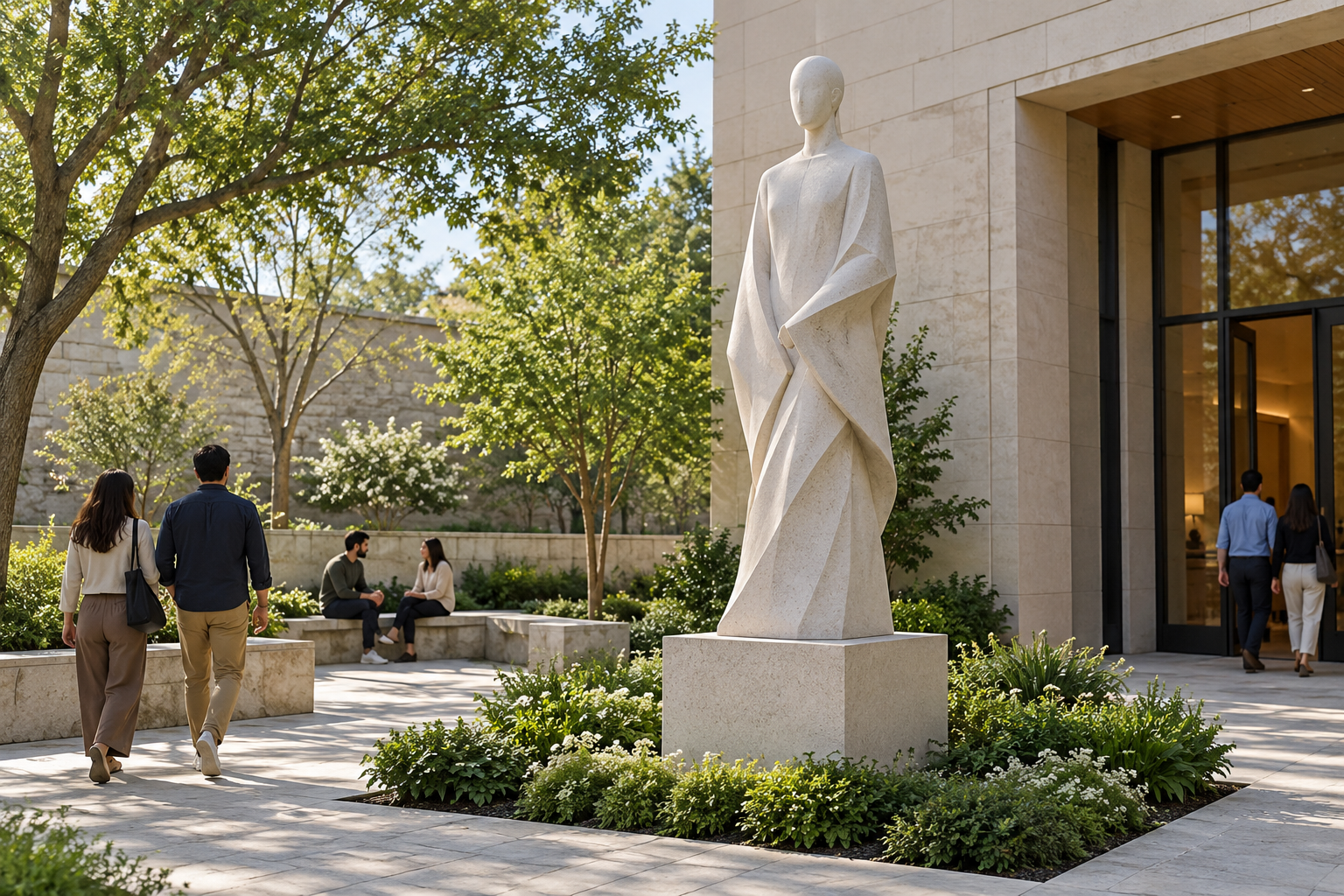
The right size for a religious statue depends on the setting, the intended audience, the approved subject references, and the way people will approach the finished display. A piece for a sanctuary, lobby, cultural event, memorial setting, or outdoor grounds may need a different relationship to architecture and movement. Begin with the setting, then define the figure and base together.
Begin with the setting and purpose
Describe where the statue will be encountered and what the display needs to do. Note the primary approach, expected viewing distance, available clear space, photo or procession routes, and whether the piece will be used for a short event, recurring program, or longer display. The setting should guide the scale conversation without assuming requirements that belong to a particular tradition or institution.
Choose scale from the main viewing distance
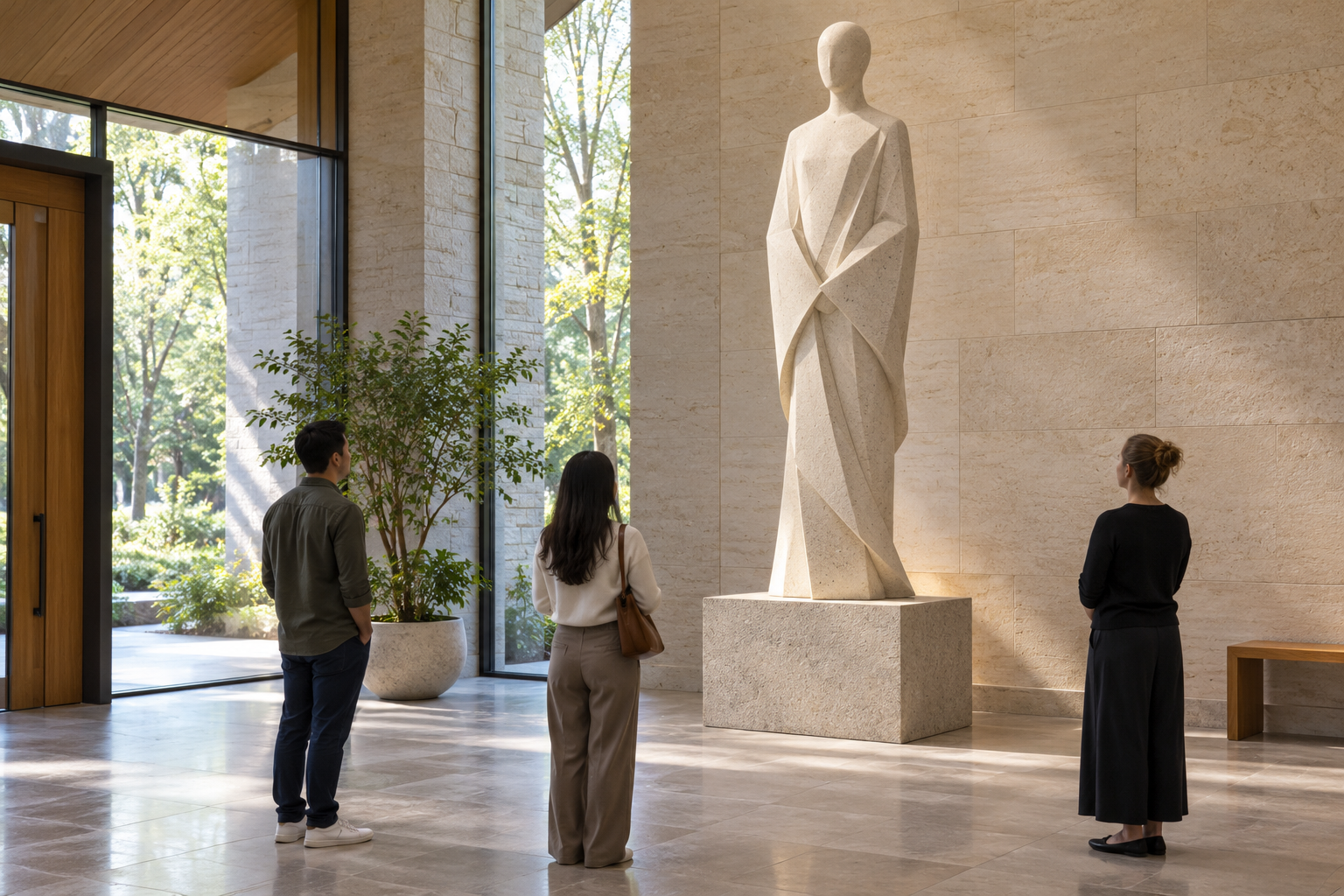
A figure meant to be approached closely can prioritize facial expression, gesture, and small details. A statue viewed across a lobby, courtyard, or event area needs its silhouette and major forms to read at a greater distance. Mark the closest and farthest important viewer, then review the figure and base from both positions.
Coordinate the figure, base, and architecture
Record the figure height separately from the base and complete installed height. Compare those dimensions with doorways, ceilings, steps, columns, windows, landscaping, and nearby furniture. The base can change sightlines and the visual relationship between the figure and the building, even when the figure itself remains the same size.
Set the detail level from the audience experience
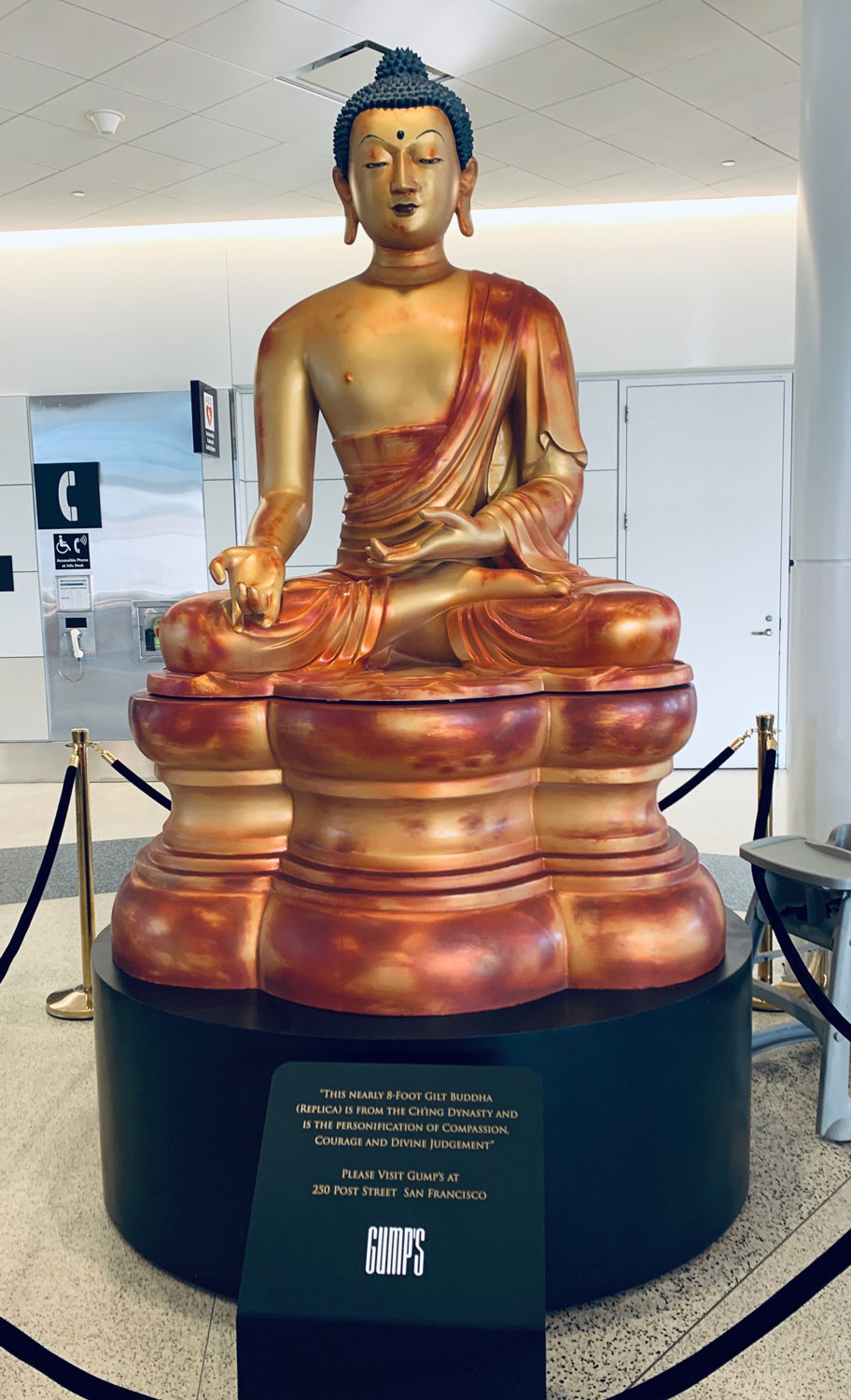
Share the reference artwork and identify the details that must remain readable: posture, expression, clothing, symbols, inscriptions, surface character, or other approved elements. Close viewers may notice smaller forms, while a larger audience will first read the silhouette, gesture, color, and overall proportion.
Use a respectful review process for the references
A strong brief identifies the approved source artwork, the intended interpretation, the display setting, and the people who will review the design. If several stakeholders are involved, collect their decisions before dimensions and surface details are finalized. WhiteClouds can work from drawings, photographs, digital files, or written direction when a finished 3D file is not available.
Plan access and display conditions
Measure loading areas, doors, elevators, stairs, corridors, gates, turning space, storage, and the route to the final location. Note whether the piece will remain indoors, be covered, or be exposed to changing site conditions. Share the schedule and setup window early so the build and delivery plan fit the actual location.
What to include in a quote request
- Subject, approved reference artwork, pose, and the sides that need to be finished
- Target figure height, base height, total installed height, width, depth, and footprint
- Setting, viewing distance, architecture, visitor route, and photo or procession needs
- Indoor, covered, or exposed placement and conditions the site team wants reviewed
- Access route, storage, setup window, reuse plans, and schedule
- Surface appearance, graphics, inscriptions, lighting, or other display details
- The people responsible for design review and final approval
Common planning questions
How should a statue relate to a worship or memorial setting?
Start with the distance from the main approach, the scale of nearby architecture, and the amount of room people need to move or gather. The goal is a figure that reads clearly without crowding the setting or competing with the experience the space is meant to support.
What site details affect the design?
Ceiling or sky clearance, the base, doors, loading access, stairs, storage, surrounding structures, and the intended viewing sides all affect the practical scope. A simple plan, photographs, and measurements make an early conversation more useful.
How are access and setup planned?
The route is reviewed from delivery through the final display position. If the complete form cannot travel that route, modular sections, assembly steps, or a different footprint can be discussed before fabrication begins.
Discuss a custom religious statue
Share the subject, approved references, target dimensions, setting, access route, and schedule through the custom character prop and statue service. The custom character props and 3D statues gallery provides additional examples of figure scale, bases, finishes, and public display contexts.
Related religious statue resources
Explore custom statue services and display examples while you plan scale, setting, reference artwork, access, and timing.
Custom Character Prop & Statue Quote
Share the size, placement, finish, timing, and reference files available for your project.