Exploring the Scale, Diversity, and Wonder of America’s Golden Giant
California isn’t just a state—it’s a world unto itself. A land where deserts meet snow-capped mountains, where redwoods touch the clouds, and where beaches stretch as far as the eye can see. From the bustling sprawl of Los Angeles to the quiet solitude of the Sierra Nevada, California’s size is more than geography—it’s a feeling, an energy, and a way of life. But when someone asks, “How big is California?” the answer depends on what kind of “big” you mean. Are we talking about landmass? Population? Economy? Or the sheer scale of its influence on the world? The truth is, California is vast in every sense—physically, culturally, and symbolically. Let’s journey through its immensity to see just how big the Golden State really is.
The Land of Giants: California’s Physical Size
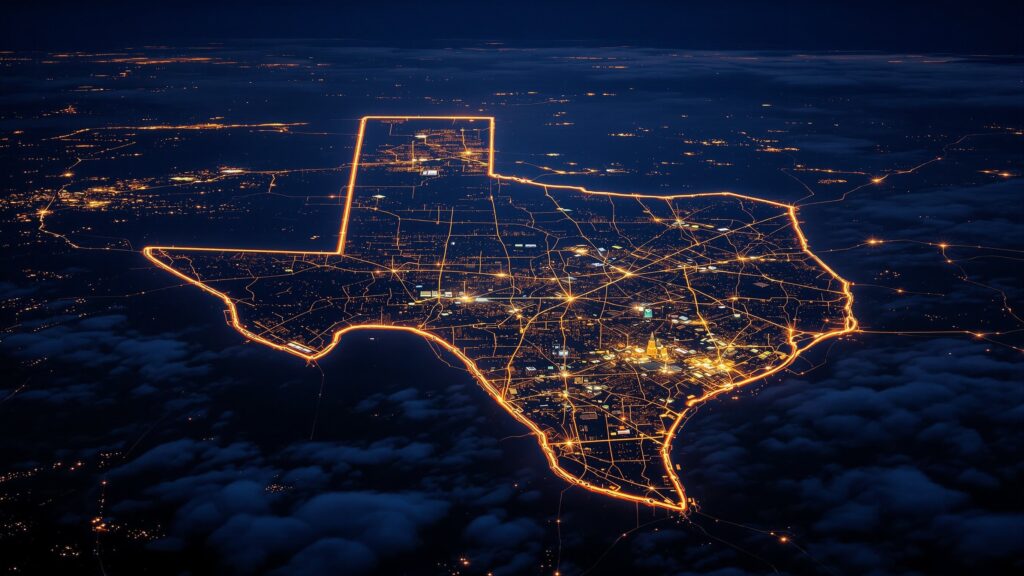
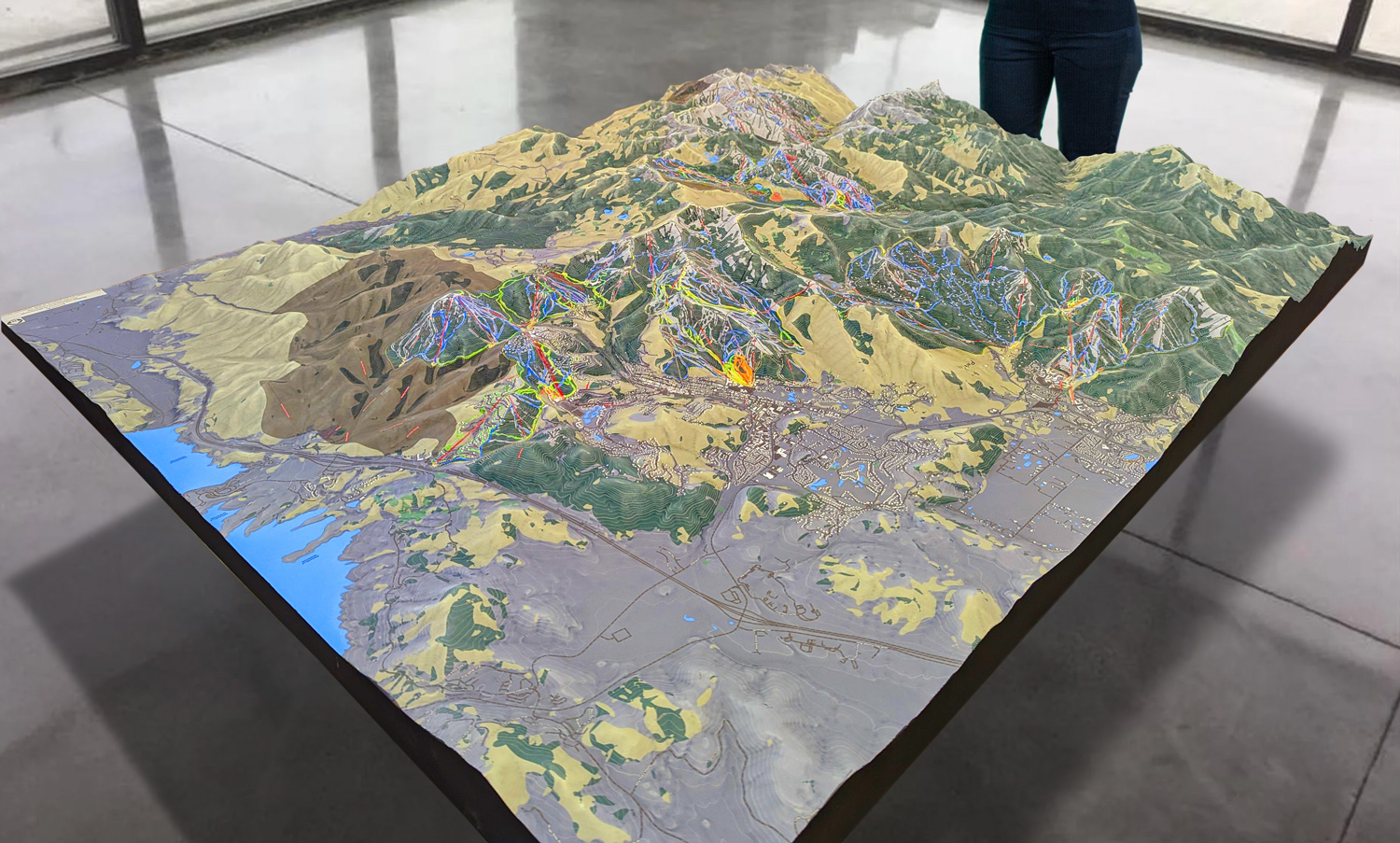
California covers an astounding 163,696 square miles, making it the third largest state in the United States, just behind Alaska and Texas. To put that in perspective, it’s larger than Germany, Japan, or the United Kingdom. In fact, if California were its own country, it would rank among the top 60 largest nations in the world. Stretching roughly 800 miles from north to south and about 250 miles across at its widest point, California spans more than 10 degrees of latitude. That means it’s longer than the distance between Boston and Washington, D.C.—and if you drove the entire length from Oregon to Mexico without stopping, you’d be on the road for over 12 hours. California’s size gives it one of the most diverse landscapes on Earth. You could start your morning surfing in Malibu, have lunch in the vineyards of Napa, and end your day snowboarding in Lake Tahoe. There are few places on the planet where such a wide range of environments exist within a single day’s drive.
A Geography of Extremes: From the Highest Peaks to the Lowest Valleys
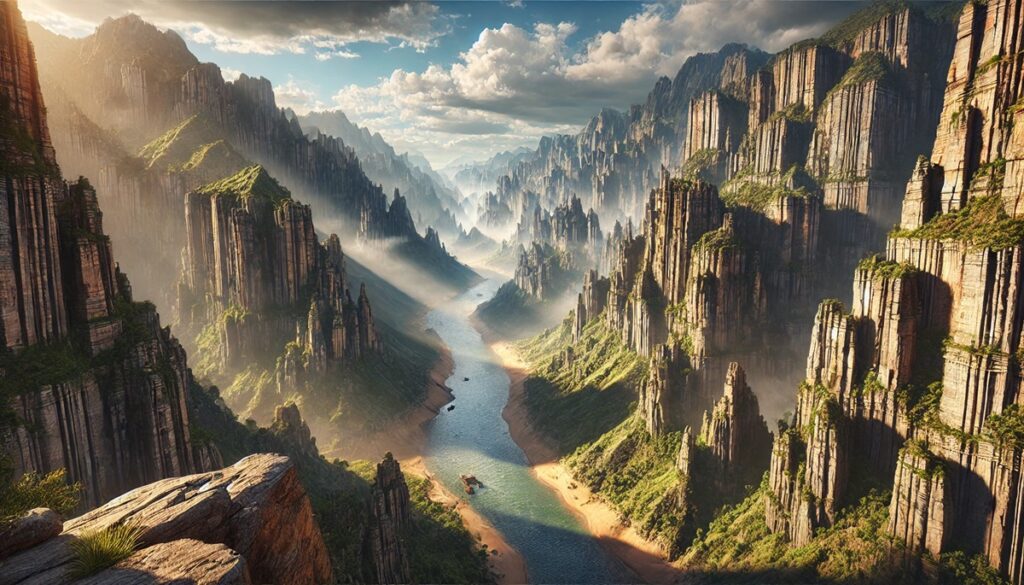
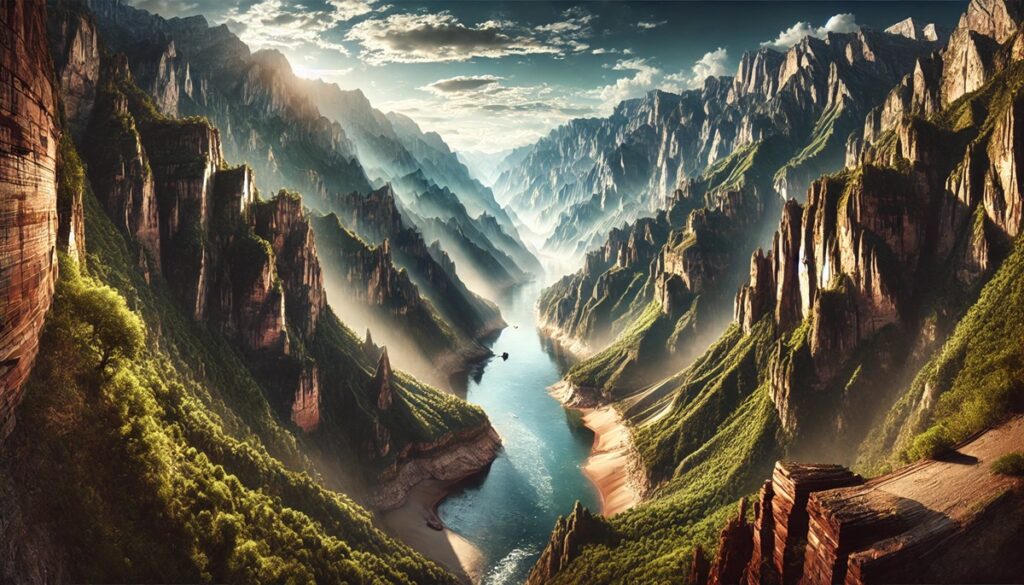
California isn’t just big—it’s extreme. It holds both the highest and lowest points in the contiguous United States. At its summit stands Mount Whitney, soaring 14,505 feet above sea level in the Sierra Nevada. Just 85 miles away, in stark contrast, lies Death Valley, which sinks 282 feet below sea level—the lowest point in North America. The fact that these two extremes exist within a two-hour drive of each other captures California’s geological magic perfectly.
This dramatic range creates a breathtaking variety of climates. The coastal regions bask in Mediterranean mildness, while the inland deserts simmer under triple-digit heat. Meanwhile, the northern forests stay cool and misty year-round. California’s massive topography allows it to host alpine glaciers, ancient redwoods, wildflower-covered deserts, and sprawling farmland—all at once.
How California Compares to the Rest of the U.S.
When it comes to size, California is big enough to feel like multiple states in one. Texas and Alaska might beat it in sheer square mileage, but California’s population density and geographic diversity make it stand out even more.
It’s over 1.6 times larger than New York State, nearly four times the size of Ohio, and just slightly smaller than the entire country of Spain. If you combined New England’s six states—Maine, Vermont, New Hampshire, Massachusetts, Rhode Island, and Connecticut—they’d still be smaller than California by tens of thousands of square miles.
From a climate perspective, California’s footprint encompasses five of the world’s major biomes: desert, forest, grassland, coastal, and mountain. That means within its borders, you can find just about every natural ecosystem that exists on Earth—except perhaps a tropical rainforest.
The Population Powerhouse
California’s physical size is impressive, but its population adds an entirely new level of magnitude. With over 39 million residents, California is by far the most populous state in the United States, home to more people than Canada’s three western provinces combined.
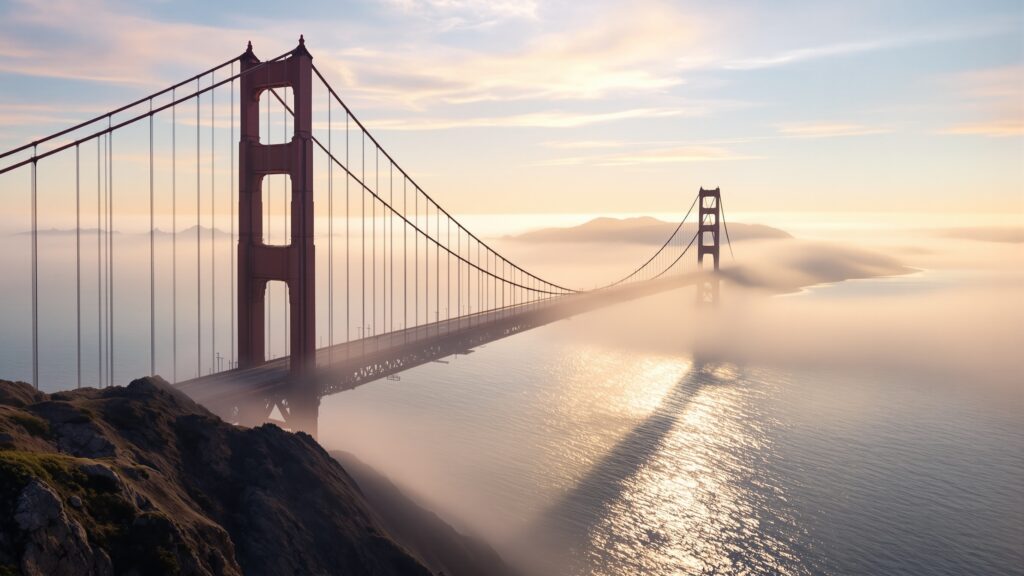
Los Angeles alone has nearly 4 million people, while the Greater Los Angeles metropolitan area surpasses 18 million—making it one of the largest urban regions on Earth. Then there’s the San Francisco Bay Area, with another 7 million residents nestled among tech campuses, redwood groves, and coastal fog.
What’s extraordinary is how that population spreads across such diverse terrain. California’s big cities are just the beginning. Between them lie vast agricultural valleys, mountain towns, desert communities, and quiet coastal villages. Each region feels like a different world—and yet they’re all part of the same state.
The Economic Giant: A Global Scale of Wealth
If California were a country, it wouldn’t just be big—it would be an economic superpower. With a gross domestic product exceeding $4.5 trillion, California ranks as the fifth-largest economy in the world, ahead of nations like India, the United Kingdom, and France.
That kind of economic scale is staggering. The state’s economy is driven by a mix of technology, entertainment, agriculture, tourism, and innovation. Silicon Valley leads the world in tech and startups. Hollywood remains the epicenter of global film and television. Central Valley farms feed much of the planet.
From an economic perspective, California’s “bigness” isn’t just about land—it’s about influence. What happens in California—whether it’s a new app in Cupertino or a new law in Sacramento—can ripple across the globe within hours.
A Land of Endless Landscapes
California’s size isn’t merely measured in miles—it’s measured in moods. The state’s immense area holds more ecological and scenic variety than some continents. Drive north and you’ll find emerald forests and volcanic plateaus in the Shasta region. Head south and you’ll reach the golden deserts of Joshua Tree and the arid expanse of the Mojave. Between them lies the lush Central Valley, stretching 450 miles long and producing more than half of America’s fruits, vegetables, and nuts.
The Sierra Nevada Mountains slice through the eastern edge of the state, a massive spine of granite peaks, glacial lakes, and alpine forests. To the west, the Pacific Coast unfurls in an endless ribbon of beaches, cliffs, and tide pools that extend over 800 miles from Crescent City to San Diego. Few regions in the world can match California’s sheer environmental variety—and that’s part of what makes it feel so enormous.
The Central Valley: California’s Heartland
In the middle of the state lies the Central Valley, a region so vast it could easily be its own state. It stretches nearly 450 miles north to south and averages about 50 miles wide, covering an area larger than nine U.S. states individually.
This fertile plain is one of the world’s most productive agricultural regions, responsible for roughly a quarter of America’s food supply. Almonds, grapes, lettuce, citrus, rice, and dairy all thrive here thanks to the valley’s rich soil and extensive irrigation systems.
Driving through the Central Valley gives you a real sense of California’s immensity—not in skyscrapers or highways, but in open sky and endless rows of crops. It’s the quiet, sprawling heart of a state known for both natural wonder and human ingenuity.
Mountains That Shape the Sky
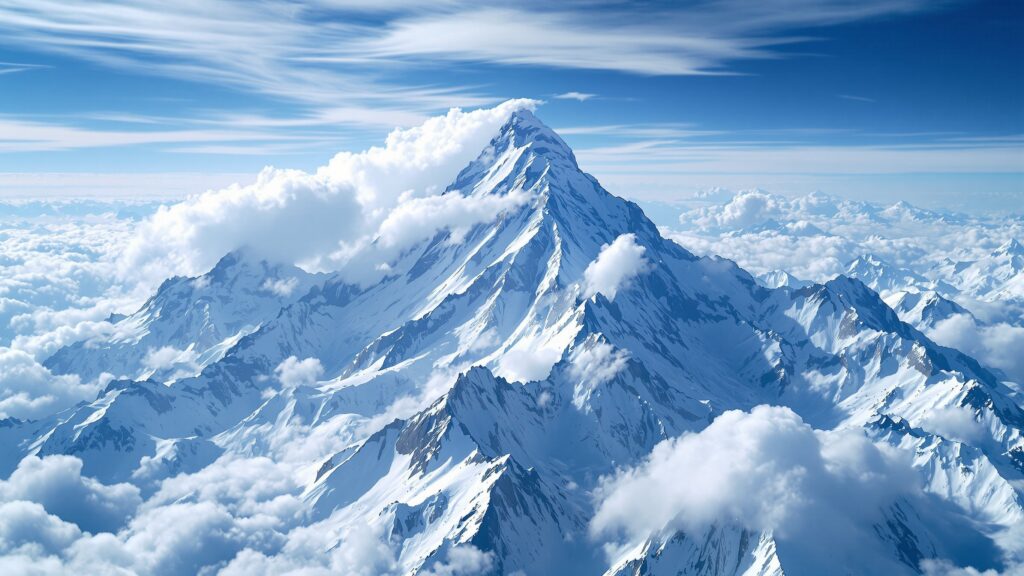
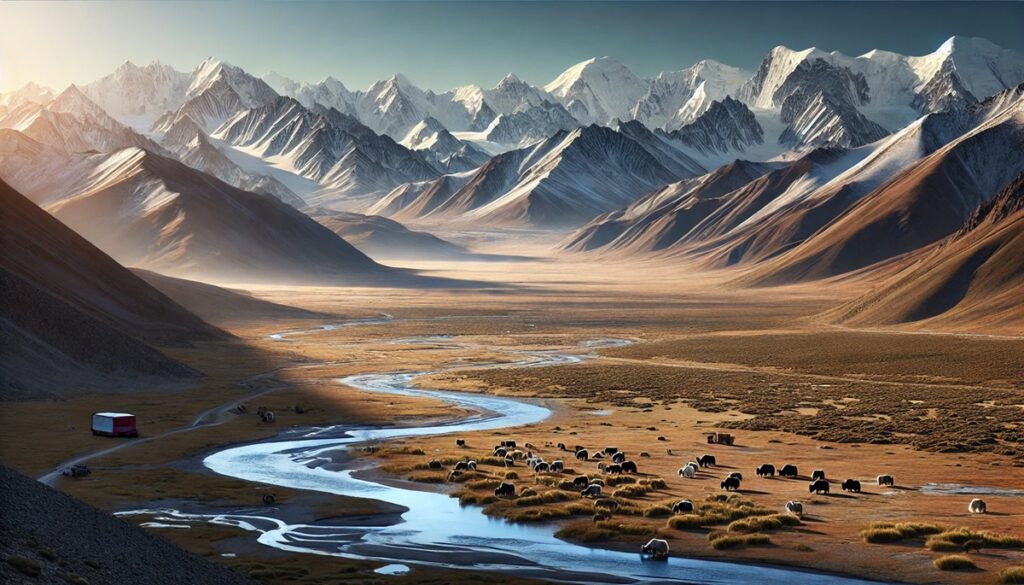
To the east, the Sierra Nevada range rises like a fortress wall, stretching 400 miles long and 80 miles wide. These mountains are home to some of California’s most iconic landmarks: Yosemite Valley, Lake Tahoe, and Kings Canyon. This mountainous spine separates California’s interior deserts from its lush western slope. The Sierra is so massive that it shapes the state’s climate—blocking moisture from the Pacific and creating the dry rain shadows of Death Valley and the Mojave Desert.
In the north, the Cascade Range continues the story with volcanic peaks like Mount Shasta, towering over the horizon at 14,179 feet. To the south, the Transverse Ranges cradle Los Angeles and its surrounding valleys, while the Peninsular Ranges march into Baja California. The mountains of California don’t just define its borders—they define its personality. They are wild, immense, and endlessly photogenic, framing sunsets that seem to stretch forever.
The Desert Kingdoms
California’s deserts are vast enough to feel like other planets. The Mojave Desert alone covers more than 25,000 square miles, spreading from the high plateaus of Barstow to the alien beauty of Joshua Tree National Park. To the southeast lies the Colorado Desert, home to the Coachella Valley and Salton Sea—where palm trees meet sand dunes and mirages shimmer in the distance. And far to the northeast, Death Valley stretches for 140 miles, its salt flats glowing white under the desert sun. These arid regions might seem desolate, but they’re full of life and texture—wildflowers that bloom after rain, coyotes that howl under violet skies, and stars so bright they outshine cities hundreds of miles away. California’s deserts alone are bigger than some entire U.S. states.
The Coastline That Never Ends
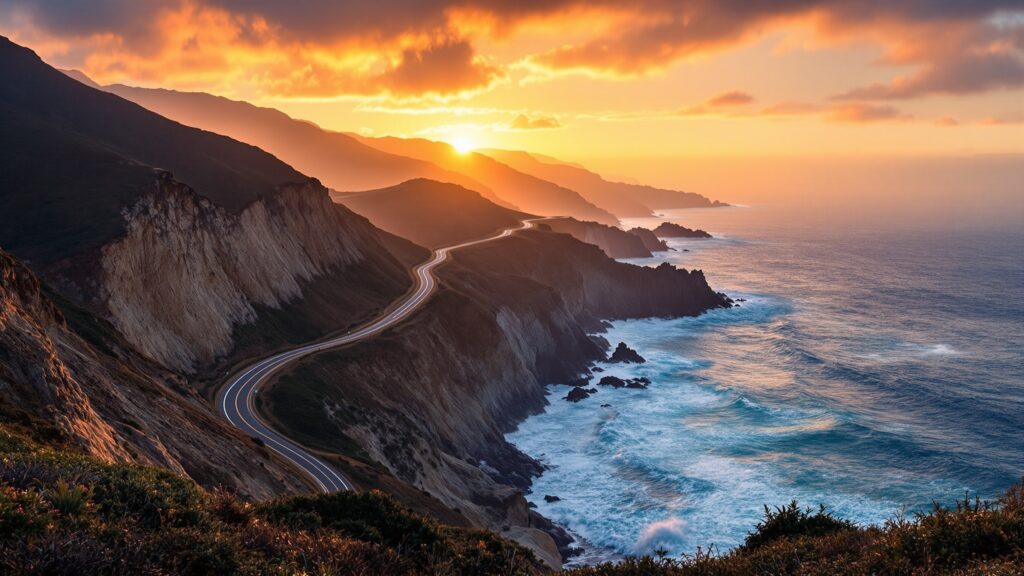
California’s coastline is legendary. Stretching for 840 miles—or more than 3,400 miles if you trace every cove and curve—it’s one of the longest and most diverse coastlines in the continental U.S.
In the north, mist and redwoods cloak rugged cliffs that plunge into the Pacific. In the central coast, Big Sur’s serpentine highway winds above crashing waves. Down south, golden beaches line Santa Monica, Malibu, and San Diego, where surfers glide over turquoise water until sunset.
The coast also anchors much of the state’s culture and economy. From the ports of Long Beach to the fishing harbors of Monterey, California’s maritime footprint is as expansive as its inland valleys. And its coastal ecosystems—kelp forests, tide pools, and marine sanctuaries—represent one of the richest stretches of ocean life on Earth.
Cities That Feel Like Countries
California’s cities are enormous in their own right—each one practically a world unto itself.
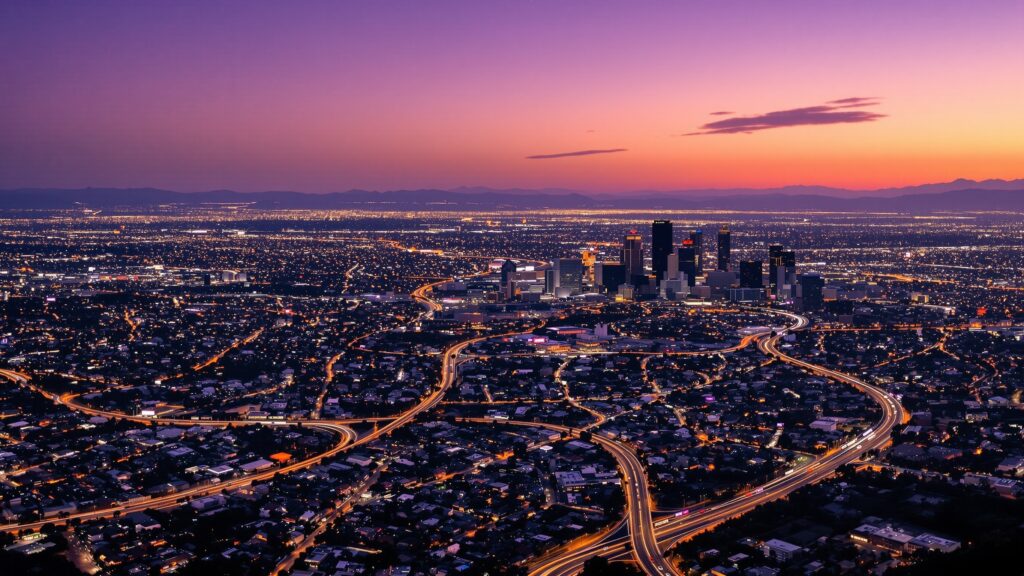
Los Angeles sprawls over 500 square miles, a mosaic of neighborhoods, freeways, and dreams. It’s a city that feels endless, stretching from the Pacific Ocean to the San Gabriel Mountains. San Francisco, compact but iconic, perches on 49 hills that shape its skyline and its spirit.
San Diego, with its miles of beaches and naval history, adds another metropolitan anchor to the south. And inland, Sacramento, the state capital, connects California’s political and agricultural engines.
Together, these cities—along with Fresno, Oakland, San Jose, and countless others—make up an urban system so vast that it holds nearly one in eight Americans.
A Cultural Landscape as Vast as Its Geography
California’s size isn’t just physical—it’s cultural. The state is home to over 200 languages, reflecting a population drawn from every corner of the globe. From Mexican-American communities in Los Angeles to Hmong farmers in Fresno, from tech innovators in Silicon Valley to surfers in Santa Cruz, California’s human landscape mirrors its natural one: diverse, dynamic, and constantly evolving.
Its cultural footprint extends worldwide. California exports more than goods—it exports ideas. It’s where the internet was born, where Hollywood scripts became global myths, and where renewable energy and climate innovation are rewriting the future. In short, California’s cultural “size” might be its most impressive of all—it influences how the entire world eats, works, thinks, and dreams.
The Sky Above and the Sea Below
Even above and below the land, California continues to astonish. The state’s airspace teems with jet trails and migratory birds. Its skies are home to NASA’s Ames Research Center, private spaceports like Mojave, and SpaceX’s rocket launches from the Pacific coast. Beneath the surface, California’s ocean floor extends for hundreds of miles offshore, containing deep underwater canyons, continental shelves, and marine sanctuaries. The Monterey Canyon, for example, plunges deeper than the Grand Canyon—an invisible reminder that California’s boundaries stretch well beyond what the eye can see.
The Scale of Spirit: What “Big” Really Means
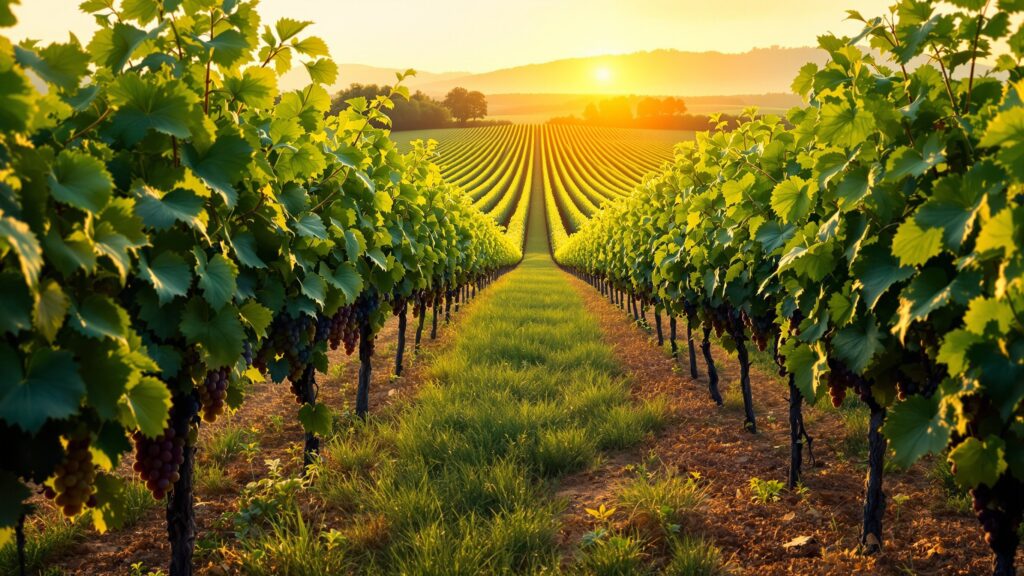
So, how big is California? It’s easy to recite numbers—163,696 square miles, 39 million people, $4.5 trillion in GDP—but none of them capture its essence. California’s true size lives in its contrasts: snow and sand, silence and traffic, wilderness and innovation. It’s in the immensity of Yosemite’s granite walls, the hum of Silicon Valley’s data centers, the hush of the Pacific at dusk. It’s in the miles of vineyard rows, the winding freeways, and the endless sky over the desert. California’s bigness is emotional. It’s the kind of place that expands your sense of what’s possible—where you can chase sunlight, ambition, or serenity and still not reach the edge.
The World Within One State
California is more than a place—it’s an experience measured in scale, not boundaries. From its 163,000 square miles of land to its global influence, it remains a symbol of possibility and grandeur. It’s a state that contains multitudes: mountains and markets, beaches and technology, forests and dreams.
So when someone asks, “How big is California?” the simplest answer might be this: it’s as big as imagination allows. Because no matter how far you travel across it, you’ll never reach the end of what it can inspire.