How Foam Letters Are Made: From EPS Foam to Finished Product

How Foam Letters Are Made: From EPS Foam to Finished Product

We Build Custom Giant 3D Large Letters

Did you know we make

custom

3D large letters?

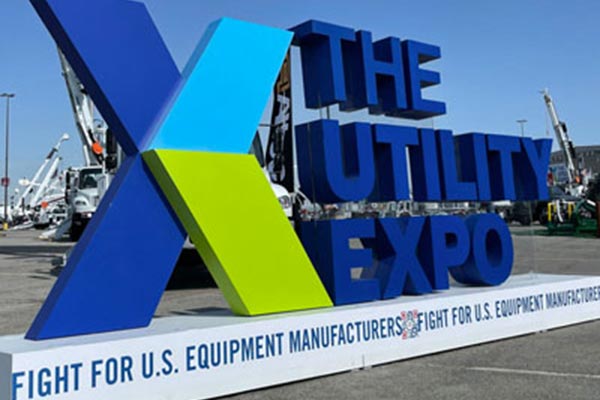
Trade Show Large Letters

Inside the Journey: How Raw Foam Becomes Bold, Dimensional Letters

Foam letters are everywhere once you start noticing them. They appear at weddings in glowing initials, at trade shows in towering company logos, in retail windows highlighting seasonal sales, and even in permanent installations across offices and schools. They’re bold, dimensional, and surprisingly versatile. But how do these eye-catching creations go from raw blocks of foam to polished, professional finished products? The journey of foam letters is both technical and creative. It combines modern machinery with artistic finishing touches, resulting in displays that are lightweight yet durable, affordable yet impressive. In this article, we’ll take a deep dive into exactly how foam letters are made, starting with the raw materials and ending with the glossy, glittering, or metallic letters you see in everyday life.

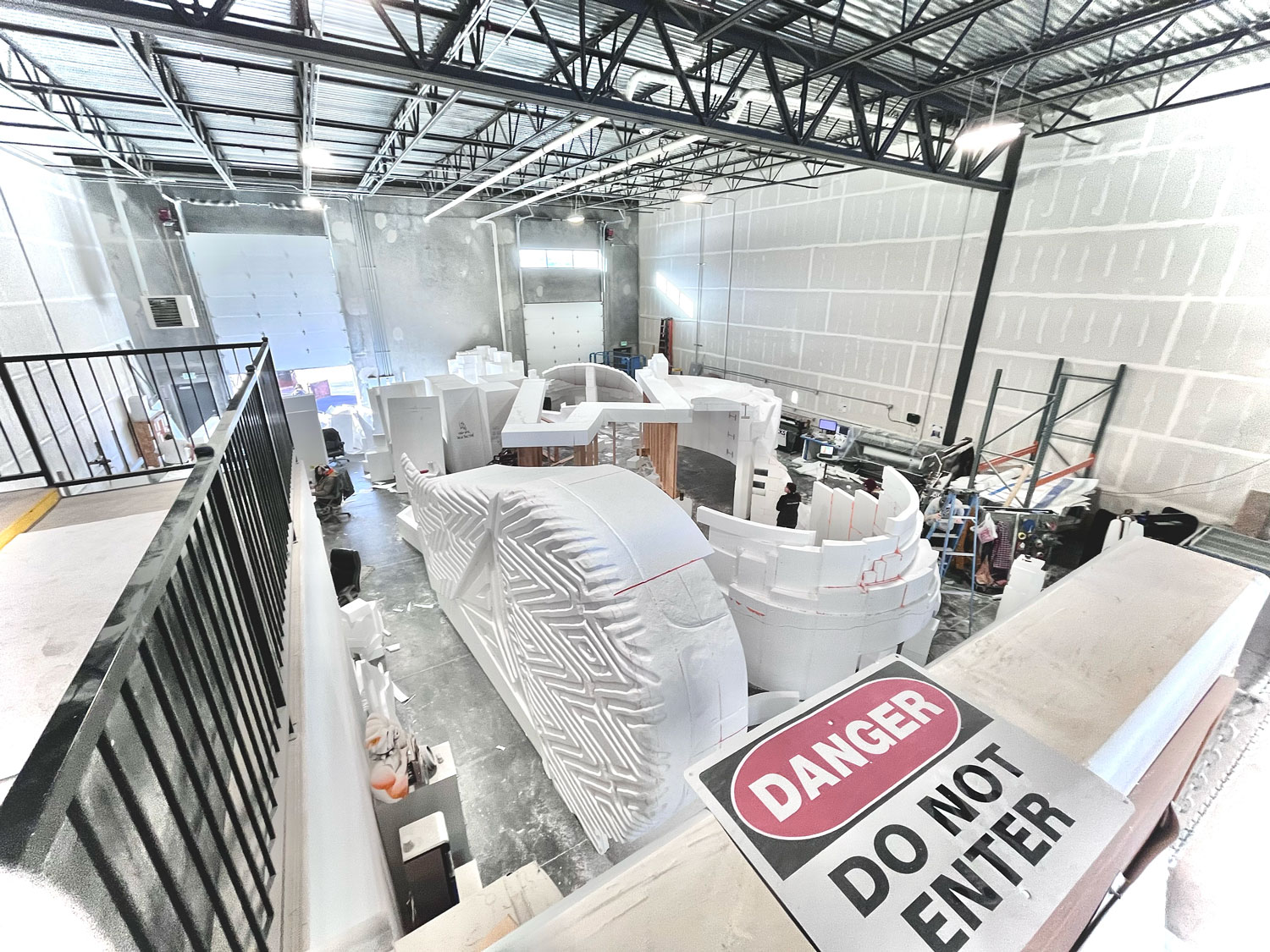
Building the Nike Mt. 12SKII Shoe Foam Sculpture

Understanding the Starting Point: What Is EPS Foam?

Most foam letters begin with expanded polystyrene (EPS), though other foams such as high-density urethane (HDU) and polyurethane are also used depending on the project. EPS is a lightweight, rigid, closed-cell foam composed of small beads fused together during manufacturing. It’s the same material you often see in packaging, but when sculpted and finished properly, it transforms into signage that looks anything but cheap. 

The popularity of EPS comes down to three main factors: affordability, adaptability, and availability. It’s inexpensive compared to wood or metal, yet strong enough to create letters several feet tall. EPS is also highly workable, meaning it can be cut, carved, sanded, and coated into countless shapes and styles. For projects that demand more strength, HDU foam is often used. This denser foam allows for crisper details, sharper edges, and longer durability—especially outdoors. The choice of foam sets the stage for how the letters will perform in their final environment.

Step One: Designing the Letters

Before any cutting happens, the design stage lays the foundation. Designers typically begin with digital files, often provided by a client in vector formats like .AI or .EPS. Fonts, logos, or custom artwork are translated into scalable outlines. The design process doesn’t just involve making sure the letters look correct. It also considers scale, thickness, and placement. For example, letters for a wedding backdrop may be designed to be lightweight and easy to move, while permanent lobby signage may need to be thicker and more robust. Software then translates these designs into paths that cutting machines can follow. This ensures precision and consistency, even across large batches of letters.

Step Two: Cutting the Foam

Once designs are ready, it’s time to cut the foam. This step is where the raw block begins to take shape. One common method is hot-wire cutting, where a heated wire slices smoothly through polystyrene foam. Because the wire is controlled either manually or by a computer, it can create straight edges or curves with surprising precision. Hot-wire cutting works especially well for large, bold fonts.

For more detailed or intricate designs, CNC routing is often the tool of choice. CNC (computer numerical control) routers use high-speed blades to carve out letters with extreme accuracy. This process can replicate logos, complex typefaces, or shapes with multiple layers of depth. Sometimes, especially for artistic or textured projects, letters may also be hand carved. Skilled fabricators refine edges, add curves, or even sculpt custom effects that machines can’t easily replicate.

Step Three: Shaping and Smoothing

Freshly cut foam letters often have small ridges, bead textures, or imperfections. That’s where shaping and smoothing come in. Fabricators sand down rough spots and refine edges, ensuring the letters are crisp and professional. This step may seem simple, but it’s crucial. A poorly smoothed surface will show through paint or vinyl finishes later. A well-prepared surface, on the other hand, elevates foam letters from “DIY project” to “high-end signage.”

Step Four: Coating for Strength and Durability

Raw foam is fragile. A bump, scratch, or even a careless fingernail can dent it. That’s why coatings are a vital step in the fabrication process. For indoor or temporary use, a few layers of acrylic or latex paint may be enough to seal and protect foam letters. For outdoor or permanent use, more advanced coatings are applied. Polyurethane, epoxy, or polyurea coatings create a hard shell around the foam, dramatically increasing durability. Some coatings are sprayed on, creating an even, protective layer. Others are brushed or rolled depending on the desired texture. With the right coating, foam letters can survive rain, sunlight, and even years of wear and tear.

Step Five: Painting and Finishing Touches

Once protected, foam letters are ready for finishing. This is the stage where they truly come alive.

Paint is the most common finish. Letters can be painted in any color, from corporate brand palettes to vibrant party shades. Glossy paints create shine, while matte paints give a sophisticated look. Metallic paints mimic the appearance of steel, bronze, or gold at a fraction of the cost.

Other popular finishes include glitter coatings, stone or woodgrain textures, and vinyl wraps that offer high-definition graphics or logos. For events, fabricators often add lighting elements like LEDs to make letters glow or sparkle.

The finishing stage transforms plain foam into something extraordinary, tailored to fit the purpose of the project.

Step Six: Assembly and Installation

Not all foam letters are stand-alone pieces. For large projects, multiple letters may need to be assembled onto a base or frame. Adhesives or mounting hardware are used to secure them, ensuring they remain upright and stable during use. At events, letters may be freestanding, attached to walls, or displayed on platforms. For permanent business signage, installers may secure foam letters with brackets or pins. Because foam is lightweight, installation is generally easier and faster compared to wood or metal alternatives.

Durability: How Long Do Foam Letters Last?

The longevity of foam letters depends on the materials and finishes chosen. Uncoated EPS foam letters may only last through a single event before showing wear. Coated foam letters, however, can last for years indoors and multiple seasons outdoors. High-density foams like HDU, paired with industrial coatings, can withstand sun, rain, and handling while maintaining their crisp edges. With proper care, some foam letters in permanent business settings look as good after five years as they did on day one.

Foam Letters in Action: Real-World Applications

Foam letters don’t just live in fabrication shops—they make real-world spaces more memorable. At weddings, giant glowing initials become romantic backdrops for photos. At universities, foam numbers proudly display graduation years for celebratory pictures. Businesses rely on foam letters in storefronts, lobbies, and trade show booths to communicate their brand with impact. Even small uses pack a punch. Children’s rooms often feature foam letters spelling out names, while coffee shops use playful foam signage to add personality to their walls. The adaptability of foam letters ensures they fit anywhere, from temporary celebrations to professional branding.

Foam vs. Other Materials

Foam letters occupy a sweet spot in the signage world. Compared to wood, they’re lighter and less expensive. Compared to metal, they’re easier to transport and customize. Acrylic offers a modern alternative, but it’s limited in scale and heavier than foam at larger sizes.

For anyone looking for a balance between cost, durability, and visual appeal, foam letters are hard to beat.

Sustainability Concerns and Emerging Solutions

EPS foam is not biodegradable, which raises environmental concerns. However, manufacturers are working toward more sustainable practices. Some now use recycled foam materials, while others explore bio-based foams that may reduce environmental impact. Additionally, the reusability of foam letters lessens their footprint. A set of well-coated foam letters can be reused across multiple events, marketing campaigns, or seasonal promotions. Instead of single-use waste, they become long-term assets.

The Future of Foam Letter Fabrication

As technology advances, so do foam letters. CNC routing continues to become more precise, while 3D printing is beginning to open new possibilities for texture and detail. Expect to see more integration of lighting, interactive features, and even augmented reality elements in foam displays. The future of foam lettering lies at the intersection of creativity and technology—pushing the boundaries of what simple foam blocks can become.

Conclusion

Foam letters may start as humble blocks of EPS, but through design, cutting, shaping, coating, and finishing, they’re transformed into bold, professional, and memorable signage. They bridge the gap between affordability and impact, making them indispensable for both businesses and events.

From trade shows to weddings, from storefronts to permanent office displays, foam letters are the versatile heroes of visual communication. Understanding their journey from raw foam to finished product reveals just how much artistry and engineering goes into creating something that looks simple but makes a huge impression. Next time you see a glittering “SALE” in a shop window or glowing initials at a wedding, you’ll know the story behind those letters. They’re not just decorations—they’re the result of careful fabrication and creative vision.

Check out WhiteClouds’ Large Letters for more information.

Contact us today to learn more about our 3D services and how we can help you achieve your goals. 

Get a Free Quote on a Custom 3D Billboard

Get a Free Quote