
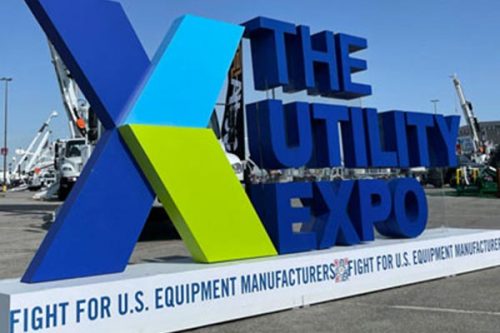
From Design to Display: The Creative World of Foam Letters
Foam letters may seem simple at first glance, but behind their bold presence lies a world of creativity, versatility, and engineering. They appear everywhere—from trade shows to storefronts, theater sets to wedding receptions, children’s bedrooms to television studios. These lightweight yet durable letters transform plain spaces into vibrant visual statements, offering designers and marketers an affordable, customizable, and eye-catching solution. In this article, we’ll dive into what foam letters are, where they shine, how they’re fabricated, and why they’ve become a staple in modern design. By the end, you’ll see why foam letters aren’t just props—they’re powerful tools for expression.
The Basics: Defining Foam Letters
At their core, foam letters are three-dimensional shapes crafted from foam materials such as expanded polystyrene (EPS), polyurethane foam, or high-density urethane (HDU). Unlike flat vinyl cutouts or wooden carvings, foam letters have depth, giving them a dimensional quality that feels professional and impactful. They’re lightweight compared to materials like wood or metal, yet they maintain enough structural integrity to be used for both temporary events and long-term indoor displays. Depending on the density of the foam and the finish applied, these letters can range from playful to sophisticated, rustic to sleek.
A History of Foam in Signage and Décor
The use of foam in design and signage gained traction in the mid-20th century when expanded polystyrene became widely available. Its low cost and ease of shaping made it appealing to advertisers who needed large, bold displays without the expense and heft of traditional materials. By the 1980s, foam letters were everywhere—lining shopping malls, trade booths, and television studios. Over time, advancements in CNC routing, hot-wire cutting, and 3D modeling software elevated foam letters from crude cutouts to precision pieces capable of intricate detail. Today, with digital fabrication, foam letters can be produced in virtually any font, size, or style imaginable.
Why Foam Letters Stand Out
Foam letters are more than placeholders for words. They create visual impact in ways flat signage can’t. Here’s why:
- Dimensional Depth: Light and shadow play off their surfaces, making them pop in photos and real life.
- Customization: Any typeface, size, or thickness can be produced. Add paint, glitter, faux metallic finishes, or vinyl overlays, and the possibilities multiply.
- Affordability: Foam materials are far less expensive than carved wood or cast metal, making large-scale designs accessible on modest budgets.
- Portability: Even oversized letters remain easy to transport, assemble, and store.
- Versatility: They work indoors and outdoors (with proper coatings), in permanent installations or one-day events.
Common Uses of Foam Letters
Foam letters appear in countless environments, each one using their strengths in unique ways.
Events and Celebrations
Think weddings, birthdays, graduations, or corporate parties. Giant foam initials on a stage or in a photo booth create instant focal points. Their lightweight nature makes them easy to move for different backdrops throughout an event.
Retail and Storefront Displays
Retailers love foam letters because they can be bold, colorful, and temporary without breaking the bank. Seasonal promotions, grand openings, or clearance sales often call for large foam signage that draws foot traffic.
Trade Shows and Exhibitions
Trade shows are competitive arenas where every booth vies for attention. Foam letters offer large-scale branding—like a company name or product line—without the logistical nightmares of transporting heavy signage.
Theater, Film, and TV
In entertainment, foam letters often double as set pieces. Because they’re lightweight, stagehands can move them easily, and designers can paint or decorate them to fit a specific theme.
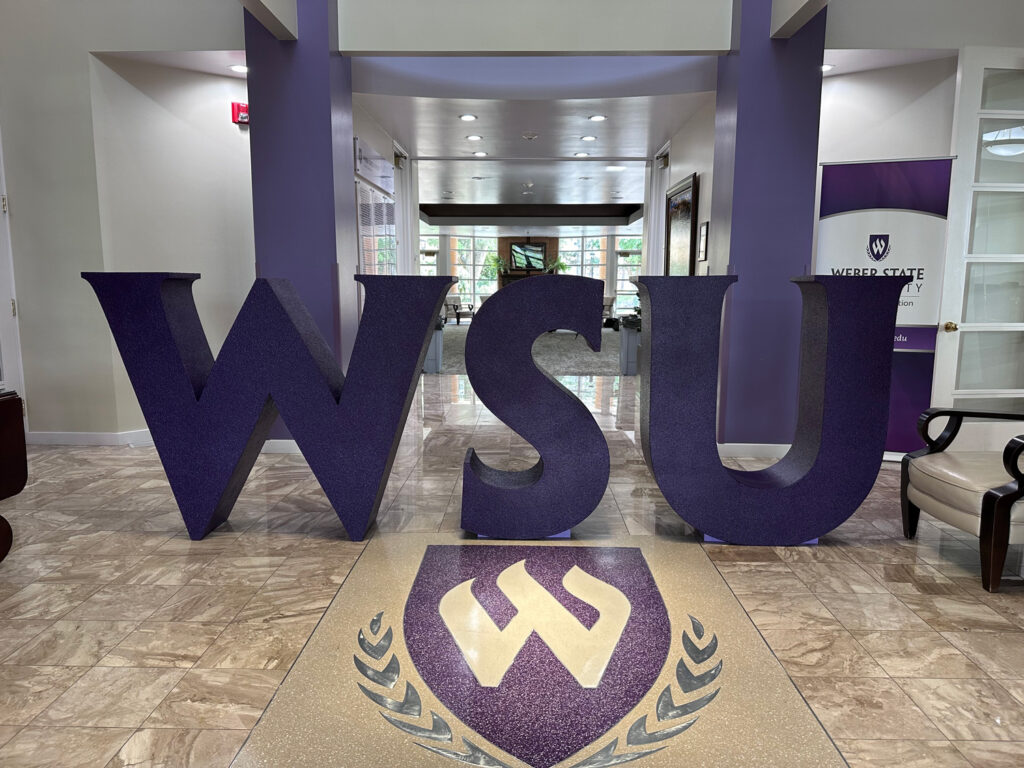
Schools and Universities
From pep rallies to commencement ceremonies, educational institutions rely on foam letters for spirited displays. Large mascots, motivational words, or graduating class years become rallying symbols.
Sizes, Styles, and Finishes
The beauty of foam letters lies in their adaptability. They can be crafted in sizes as small as desktop décor or as large as roadside installations. Thickness can vary from half an inch to multiple feet.
Finishes determine the final aesthetic:
- Raw Foam: Lightweight and unfinished, typically for one-time or indoor use.
- Painted Foam: Coated with acrylic or latex paint for a vibrant look.
- Vinyl Wraps: Provide sharp edges, glossy finishes, or metallic appearances.
- Hard Coatings: Polyurethane or epoxy coatings increase durability and weather resistance for outdoor displays.
Behind the Scenes: How Foam Letters Are Fabricated
The creation of foam letters is a blend of artistry and technology. Here’s how they typically come to life:
Step 1: Design and Modeling
Everything begins with a digital design. Using vector files or 3D modeling software, designers outline the letter shapes. Fonts, sizes, and thicknesses are carefully chosen depending on the client’s goals.
Step 2: Material Selection
Different foams serve different purposes. Expanded polystyrene (EPS) is affordable and great for large letters. High-density urethane (HDU) offers superior strength and detail for permanent or outdoor displays.
Step 3: Cutting
Foam can be cut in several ways:
- Hot-Wire Cutting: A heated wire glides through polystyrene, perfect for clean, simple cuts.
- CNC Routing: A computer-controlled router carves foam with precision, ideal for complex fonts or logos.
- Hand Carving: For artistic flourishes, artisans may refine edges by hand.
Step 4: Sanding and Smoothing
After cutting, rough edges are sanded. This ensures clean lines and a professional appearance, especially if the letters will be painted.
Step 5: Coating
Uncoated foam dents easily, so coatings are applied. For indoor use, acrylic paints may be enough. For outdoor or high-traffic environments, hard-coat layers of polyurethane, epoxy, or polyurea provide durability.
Step 6: Finishing Touches
Foam letters can be painted in brand colors, wrapped in vinyl, covered with glitter, or even given faux wood or stone finishes. Some are fitted with internal LED lighting to glow from within.
The Durability Question: Can Foam Letters Last?
While foam may sound fragile, treated foam letters are surprisingly tough. When coated properly, they can withstand weather, bumps, and daily wear. Many outdoor signs made of high-density foam last for years, standing up to rain and sun while maintaining their bold look. That said, untreated foam letters are best kept indoors and away from heavy handling. For one-day events or indoor décor, they remain a cost-effective choice. For outdoor, long-term displays, investing in hard-coated finishes is essential.
Creative Examples That Inspire
Consider a music festival entrance framed by ten-foot foam letters spelling out the event’s name. Or a couple’s wedding initials illuminated against the night sky. Picture a trade booth with a three-dimensional foam logo towering above the competition. Even small-scale uses add magic: children’s names on bedroom walls, motivational words in an office lobby, or foam alphabet blocks at a preschool. The sheer adaptability of foam letters ensures they can suit any setting.
Foam vs. Other Materials
It’s worth comparing foam letters to alternatives:
- Wood Letters: Strong and natural, but heavy and more expensive.
- Metal Letters: Sleek and durable but costly and difficult to transport.
- Acrylic Letters: Modern and polished but limited in thickness for large displays.
Foam letters fill the sweet spot between affordability, customizability, and ease of use. They may not carry the permanence of steel or wood, but they deliver unmatched impact for temporary and semi-permanent needs.
Sustainability and Environmental Considerations
One critique of foam is its environmental impact. Polystyrene, in particular, isn’t biodegradable. However, many fabricators have begun using recycled foam or exploring bio-based alternatives. Additionally, the longevity of coated foam letters means they can be reused across multiple events, reducing waste. For eco-conscious projects, choosing high-density urethane or recycled foam can lessen the footprint.
Tips for Using Foam Letters Effectively
Maximizing the impact of foam letters requires thoughtful planning. Consider scale—letters should match the environment without overwhelming it. Lighting can dramatically enhance dimensional depth, especially at events. Placement matters too: elevating letters on a stage or platform ensures visibility from afar. Finally, invest in professional finishing if longevity is important.
The Future of Foam Letters
As 3D printing and digital fabrication continue to evolve, foam letters will only become more versatile. Expect to see hybrid designs that incorporate lighting, interactive elements, or augmented reality tie-ins. In a visual culture driven by Instagram and TikTok, oversized, photogenic foam letters will remain highly relevant.
Conclusion
Foam letters may seem like simple décor, but they embody the perfect blend of creativity, accessibility, and visual punch. From weddings to world-class trade shows, from theater sets to permanent storefront displays, foam letters have cemented their place as a go-to medium for bold expression.
Lightweight, customizable, and surprisingly durable, they offer designers and brands a way to make statements that are larger than life without breaking the budget. And behind their playful appearance lies a careful fabrication process that combines design, technology, and craft. So, the next time you see massive initials at a wedding or glowing letters at a festival, you’ll know—foam letters aren’t just props. They’re storytellers.
Check out WhiteClouds’ Large Letters for more information.
Contact us today to learn more about our 3D services and how we can help you achieve your goals.