How Big Is Texas? A Journey Into the Enormity of the Lone Star State
Everything’s bigger in Texas. It’s a phrase that Texans love to say with pride and outsiders often repeat with awe. From wide-open prairies and towering skyscrapers to sprawling ranches and massive cities, the scale of Texas seems to defy imagination. But just how big is Texas? The answer isn’t just a number—it’s a story of land, culture, and scale that stretches across history, geography, and identity.
The Official Numbers: Land Size on a Grand Scale
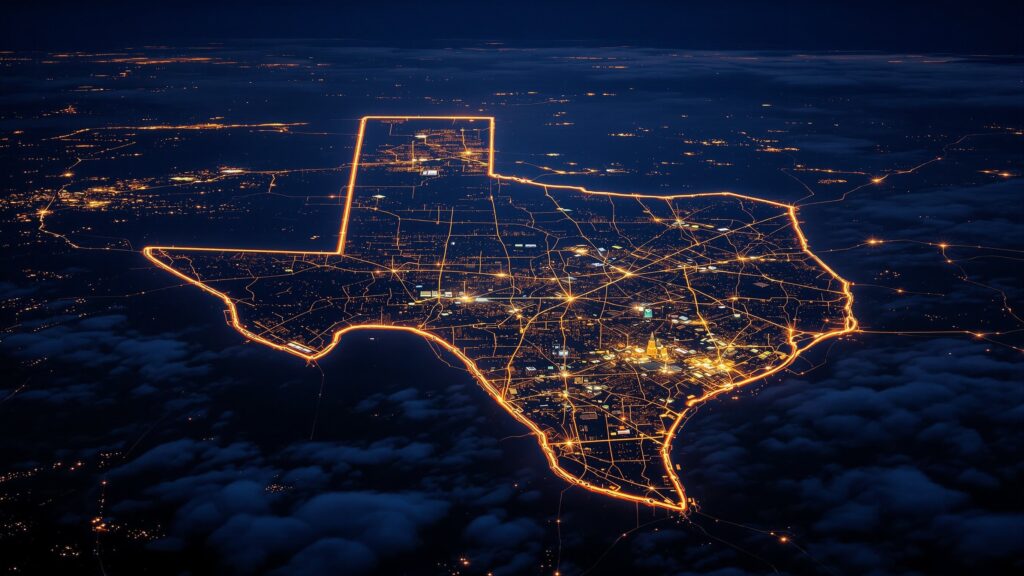
Texas is 268,596 square miles in size, making it the largest state in the contiguous United States and second only to Alaska overall. To put that into perspective, Texas alone accounts for about 7.4% of the entire land area of the country. That means if Texas were its own nation, it would be among the top 40 largest countries in the world—bigger than France, Spain, or Germany. Measured north to south, Texas spans about 801 miles, while east to west it stretches 773 miles. It takes more than 12 hours to drive across the state without stopping, and even then, you’d still have miles of diverse landscapes left unseen. These distances alone tell part of the story, but Texas’s size truly comes alive when we compare it with other familiar places.
Texas Compared to Other States
Size is all about context, and Texas dwarfs many of its American neighbors. It’s more than twice the size of California, which is already considered massive in its own right. Texas is also nearly three times the size of New York State and could swallow up Florida with room to spare. In fact, you could fit all of New England—Connecticut, Maine, Massachusetts, New Hampshire, Rhode Island, and Vermont—inside Texas and still have space left over.
If you wanted to visualize it another way, Texas could contain 15 West Virginias or nearly 5 Oklahomas. Its vastness is not just a matter of geography; it shapes culture, economics, and daily life in ways that smaller states can’t match.
Texas on the World Stage
Looking beyond the U.S., Texas is larger than many countries people think of as substantial. For example, Texas is bigger than the entire country of France, which measures about 248,000 square miles. It’s also larger than Germany, larger than Italy, and almost twice the size of the United Kingdom. Even when compared with Japan, a nation of 126 million people, Texas still wins in sheer landmass. Perhaps one of the most striking comparisons is with Australia. While Texas is only about a tenth of Australia’s size, its scale is enough to make it feel like its own mini-continent inside the United States. This global context reminds us that Texas’s bigness isn’t just relative to other states—it’s part of what gives the Lone Star State a truly international scale.
Driving Across Texas: A Road Trip of Epic Proportions
To understand Texas’s size, try driving it. A road trip across the state feels like crossing several different worlds. From the lush pine forests of East Texas near Louisiana, you can drive westward through the bustling urban sprawl of Houston, pass the rolling hills of the Hill Country, hit the dry plains of West Texas, and eventually reach the rugged desert landscapes of El Paso.
This journey can easily take more than a full day of continuous driving. Interstate 10, which runs from the eastern border near Beaumont to El Paso in the west, is the longest continuous highway in the state, covering 878 miles. For comparison, that’s farther than the drive from New York City to Chicago. In Texas, a road trip doesn’t just connect cities—it showcases the sheer diversity of geography packed into one state.
Diverse Landscapes in a Massive State
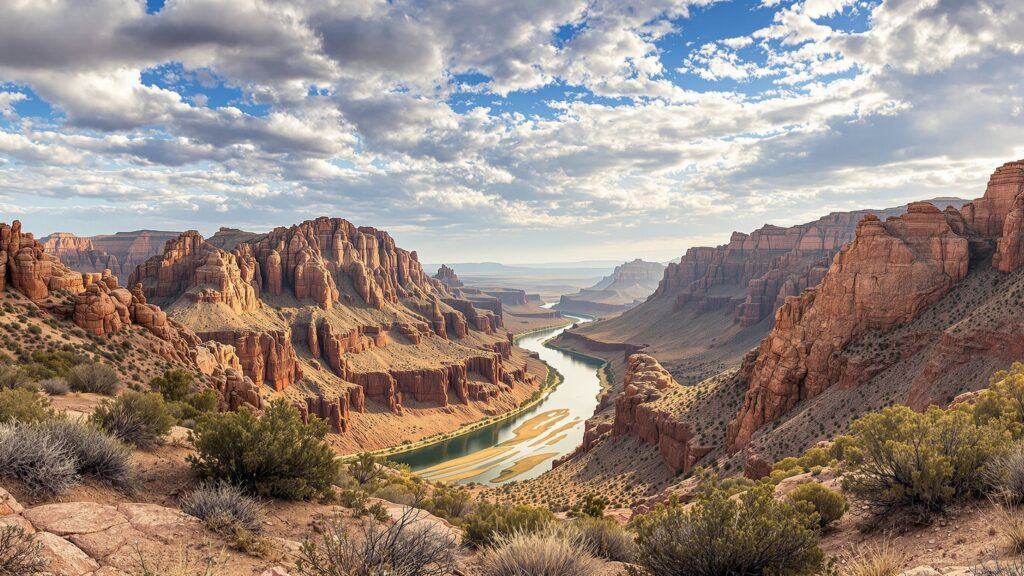
One of the reasons Texas feels so immense is the incredible variety of landscapes it contains. The Gulf Coast brings sandy beaches and marshlands. Central Texas offers limestone hills and wildflower fields that seem to stretch forever. West Texas shifts into desert terrain with stunning mountain ranges like the Guadalupe Mountains and Big Bend National Park. The Great Plains dominate the northern Panhandle, where farmland and cattle ranches stretch to the horizon. Meanwhile, East Texas is lush and humid, with dense pine forests and lakes. This level of diversity isn’t common in smaller states. Texas is so big that it straddles multiple climate zones, giving it a personality that feels larger than life.
Population and Economy: Big Numbers for a Big State
Texas doesn’t just sprawl in landmass—it also looms large in people and power. With a population of nearly 30 million, Texas is the second most populous state in the U.S., trailing only California. Its cities are massive in their own right. Houston is the fourth largest city in America, San Antonio ranks seventh, and Dallas and Austin continue to grow at astonishing rates.
Economically, Texas is a giant. If it were a country, Texas would have one of the largest economies in the world, driven by industries like oil and gas, agriculture, aerospace, technology, and manufacturing. The size of its economy matches the size of its land, reinforcing the state’s reputation as a heavyweight not only in the U.S. but on the global stage.
Texas Ranches and Agriculture: Vast Beyond Imagination
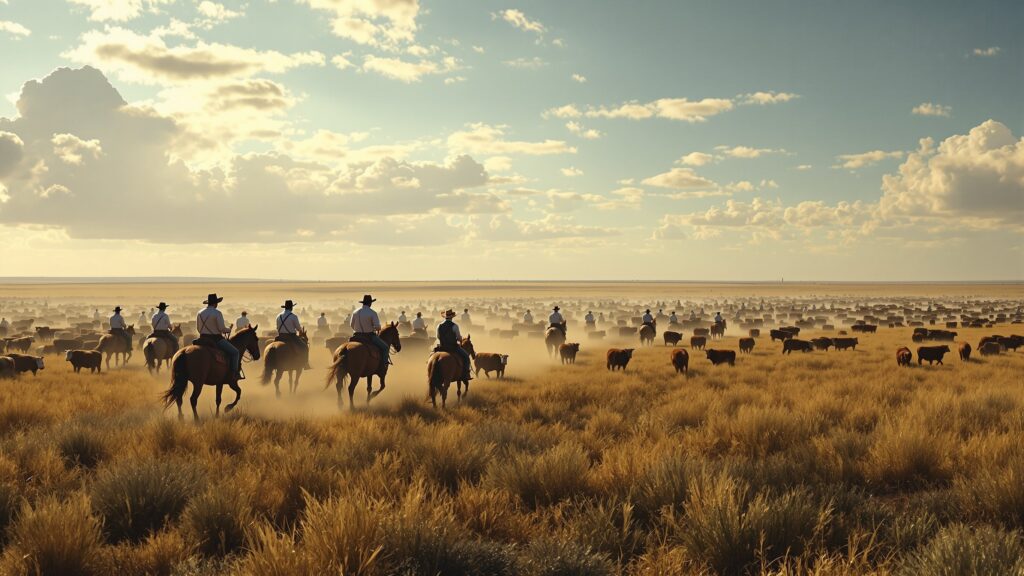
Ranches and farms are woven into the fabric of Texas identity, and their sheer size reflects the state’s enormity. The King Ranch in South Texas, for instance, covers 825,000 acres—bigger than the entire state of Rhode Island. In Texas, the word “ranch” doesn’t always mean a small homestead; it often refers to landscapes so large they take hours to cross. Texas leads the nation in cattle, cotton, hay, and sheep production, among other agricultural staples. With more than 127 million acres dedicated to farms and ranches, Texas agriculture alone could rival entire countries. When you hear stories of ranchers on horseback riding for days to check fences or cattle herds, it’s not an exaggeration—it’s just another day in Texas.
National Parks and Natural Wonders on a Texas Scale
Texas is also home to some of the country’s most spectacular national and state parks, each reflecting the state’s immense size. Big Bend National Park alone covers more than 800,000 acres, offering deserts, mountains, and the winding Rio Grande. Guadalupe Mountains National Park adds another 86,000 acres of rugged peaks, canyons, and trails.
Even the state parks are massive compared to those in other regions. Palo Duro Canyon, sometimes called the “Grand Canyon of Texas,” stretches for about 120 miles, a testament to the grand natural scale that defines the Lone Star State. For outdoor enthusiasts, the sheer space available in Texas means endless adventures, from hiking and camping to stargazing in some of the darkest skies in the country.
Cities That Feel Like Countries
Texas cities are often compared to entire regions elsewhere. The Houston metro area, for example, covers more than 10,000 square miles, making it larger than New Jersey. The Dallas-Fort Worth metroplex, home to over 7 million people, sprawls across counties and feels like a small nation of interconnected towns. Austin, the state capital, may be smaller, but its influence on culture, music, and technology feels oversized. San Antonio, rich in history and tradition, also covers vast ground, blending modern urban life with centuries-old heritage. Texas cities mirror the state itself: large, diverse, and impossible to define in just one way.
The Myth and Identity of Bigness
Beyond numbers and geography, Texas’s size is deeply tied to its cultural identity. “Bigger is better” is more than a slogan—it’s a worldview. The immense land area fosters a sense of independence, resilience, and pride that has shaped Texas history, from its days as an independent republic to its modern role as a powerhouse state.
Texans often measure themselves against their land, and the sheer size of the state feeds a confidence that borders on myth. Whether it’s the massive barbecues, the sprawling rodeos, or the iconic cowboy hats, everything reflects a scale that matches the land itself.
Why Texas Feels Endless
Ask anyone who’s driven across Texas, and they’ll tell you: it feels like it never ends. That’s because in many ways, it doesn’t. Its land is not only physically large but mentally expansive. The variety of cultures, landscapes, and cities ensures that Texas always has more to discover. It can feel like several states stitched together—deserts, coasts, plains, forests, and mountains coexisting under a single star on the flag. This sense of endlessness is why Texas captures the imagination of so many. It’s not just the land that’s large, but the possibilities that come with it.
Conclusion: Measuring the Immeasurable
So, how big is Texas? It’s 268,596 square miles of land that stretches across multiple ecosystems and time zones of culture. It’s bigger than many countries, larger than most states, and vast enough to create its own mythology. It’s ranches the size of Rhode Island, cities the size of states, and landscapes so diverse you can walk from desert to forest in a single trip. Texas isn’t just big—it’s monumental. Its scale defines its people, its economy, its culture, and its legend. Whether you’re standing in the piney woods of East Texas, driving through the West Texas desert, or looking up at the glittering skyscrapers of Houston, the size of Texas surrounds you. And it’s this immensity that makes the Lone Star State not only a place on the map but a world unto itself.