Giant Spider Statue
Giant Spider Statue
We Build Custom Giant Spider Statues
The Giant Spider Statue: A Monument of Art, Mystery, and Engineering
Few things capture the imagination quite like a giant spider statue. Equal parts eerie and fascinating, these towering works of art transform one of nature’s most misunderstood creatures into monumental icons. To some, they spark shivers of fear. To others, they embody resilience, creativity, and the delicate artistry of the natural world. Whatever the reaction, a giant spider statue is unforgettable—an encounter that lingers long after the first glance. Whether you stumble across one in a sculpture park, a public plaza, or outside a museum, the looming legs and intricate details create a sense of awe. These statues are not only artistic marvels but also cultural landmarks, drawing in visitors, sparking conversations, and challenging perceptions of beauty.

The Symbolism of the Spider
Spiders are among the oldest symbols in mythology and culture. To the ancient Greeks, Arachne represented hubris and creativity in weaving. In Native American traditions, the spider is often a symbol of creation, wisdom, and storytelling. In African folklore, the spider Anansi is a trickster figure who embodies intelligence and cunning. By enlarging the spider to monumental proportions, sculptors invite us to reconsider our relationship with this creature. A giant spider statue does not merely scare; it forces us to confront deep-seated feelings of fear, fascination, and respect. Its web becomes a metaphor for connection, intricacy, and the fragile but enduring bonds of life.
Famous Giant Spider Statues Around the World
Perhaps the most well-known example is “Maman” by Louise Bourgeois, a breathtaking sculpture that has traveled the globe. Standing over 30 feet tall, with spindly bronze legs stretching across public squares and museum courtyards, Maman is both terrifying and maternal. Inspired by the artist’s own mother, a weaver, the sculpture captures strength and protection while simultaneously unsettling viewers with its sheer scale.
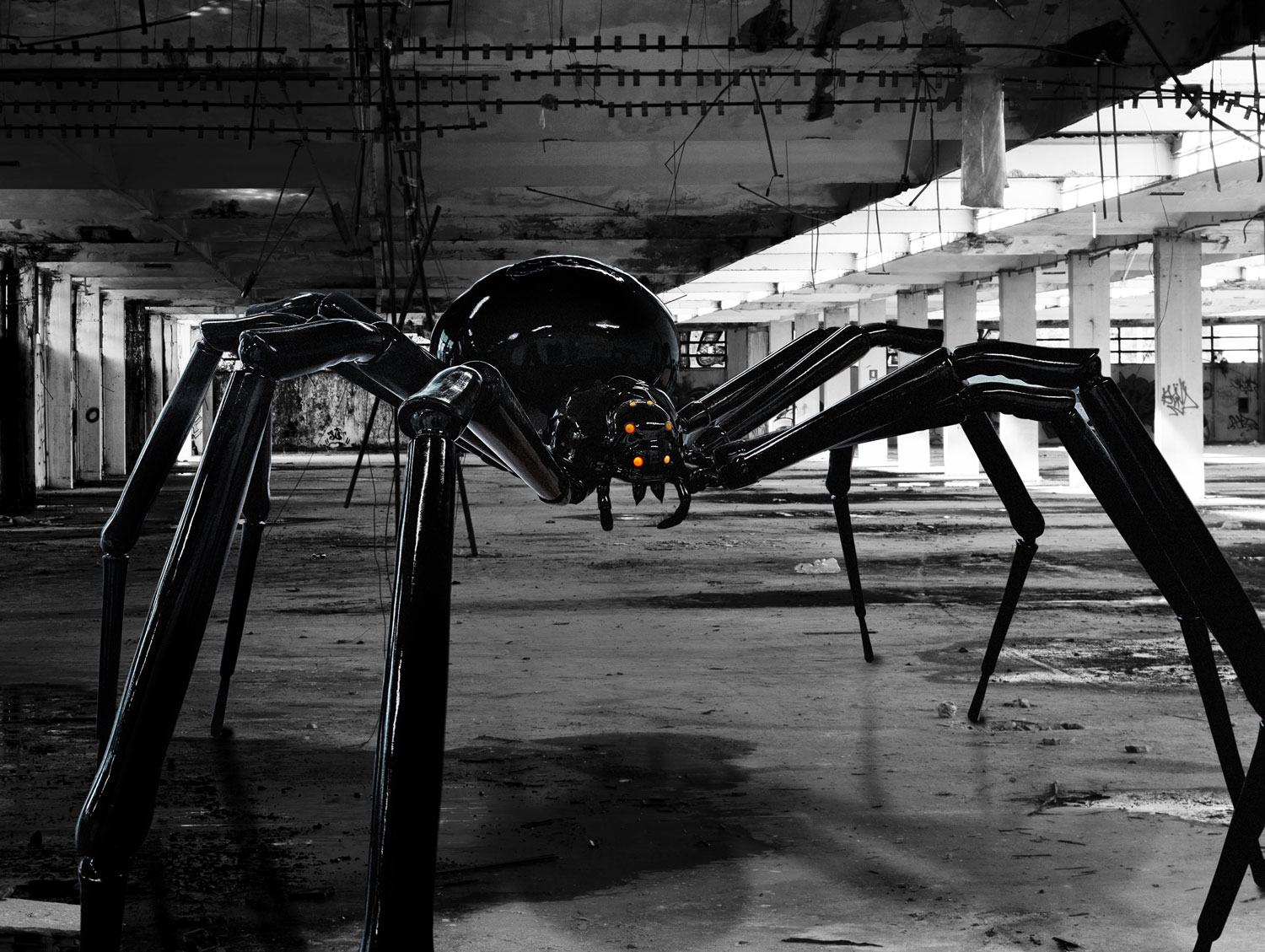
Other giant spider statues exist in sculpture parks, private collections, and themed attractions. Each has its own interpretation—some realistic, emphasizing anatomical precision, others stylized or abstract, using the spider form as a launching point for artistic exploration. What unites them is their ability to provoke strong emotions. Few people walk past a giant spider statue without pausing, pointing, or snapping a photo. These sculptures demand attention.
Why Spiders Make Fascinating Subjects for Statues
Spiders may be small in real life, but their natural design is extraordinary. Their eight legs, segmented bodies, and intricate webs showcase a kind of natural engineering that parallels human artistry. Scaling this design up to monumental proportions amplifies those qualities, allowing us to marvel at the spider’s structure in ways we might overlook in everyday life. Additionally, spiders inhabit a unique place in human psychology. They are simultaneously feared and admired. This duality makes them ideal for public art. A giant spider statue isn’t just decoration; it’s a conversation starter, sparking debates about beauty, fear, and the role of nature in art.
The Emotional Impact of a Giant Spider Statue
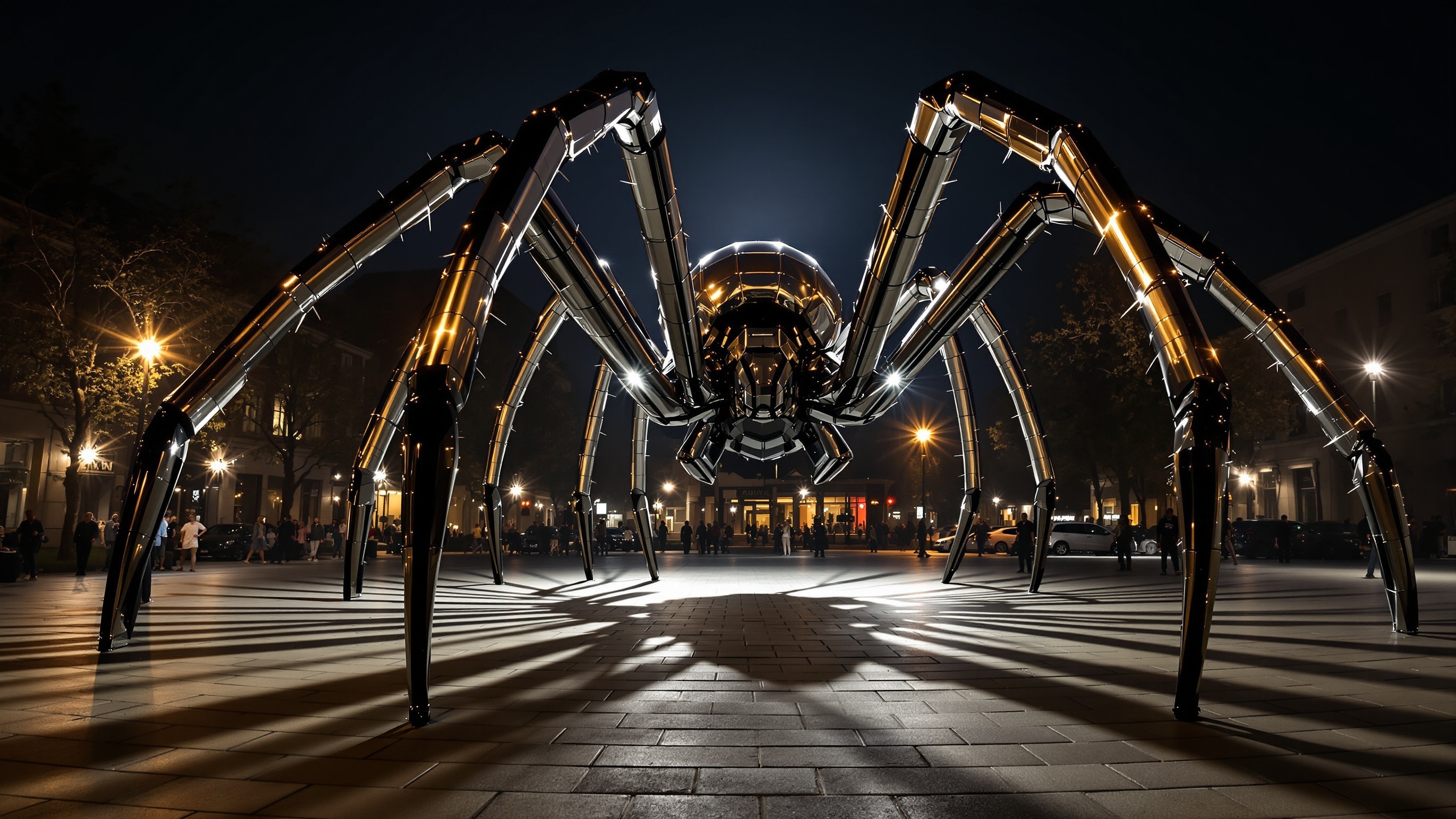
Standing beneath a spider statue several stories tall can be overwhelming. The legs arch above like the beams of a cathedral, creating a space that is both protective and threatening. The body hovers above, suspended like a watchful guardian. For some, the experience triggers arachnophobia, magnifying the natural fear of spiders. For others, it sparks admiration, as they recognize the intricate design and craftsmanship behind the sculpture. Either way, the emotional impact is undeniable. This intensity is part of why giant spider statues remain so popular among artists and audiences alike.
The Role of Giant Spider Statues in Tourism
Like other monumental sculptures, giant spider statues serve as tourist magnets. They attract art lovers, travelers, and the simply curious. Cities and towns that host such sculptures often benefit from increased foot traffic, as visitors flock to take photos and share them on social media. The internet has amplified their reach. Images of massive spider statues frequently go viral, whether because of their surreal appearance or the mixed reactions they provoke. This digital presence transforms them from local landmarks into global icons, ensuring their continued relevance in the modern era of travel and culture.
How a Giant Spider Statue Might Be Fabricated
Turning an arachnid into a monument requires a delicate balance of artistry and engineering. Here’s how a giant spider statue could be fabricated:
Concept and Design
The process begins with extensive sketches and maquettes (small-scale models). Because spiders are anatomically complex, artists must carefully study their structure, ensuring accuracy while adapting proportions for monumental scale. Digital modeling software often aids in refining the design, allowing engineers to calculate structural loads.
Framework and Support
The skeleton of the statue is typically built from steel tubing or beams, welded into the shape of the legs and body. This framework must support not only the statue’s weight but also environmental forces like wind and rain. Because the legs are long and spindly, engineers design them with hidden reinforcements, ensuring stability without sacrificing elegance.
Outer Shell
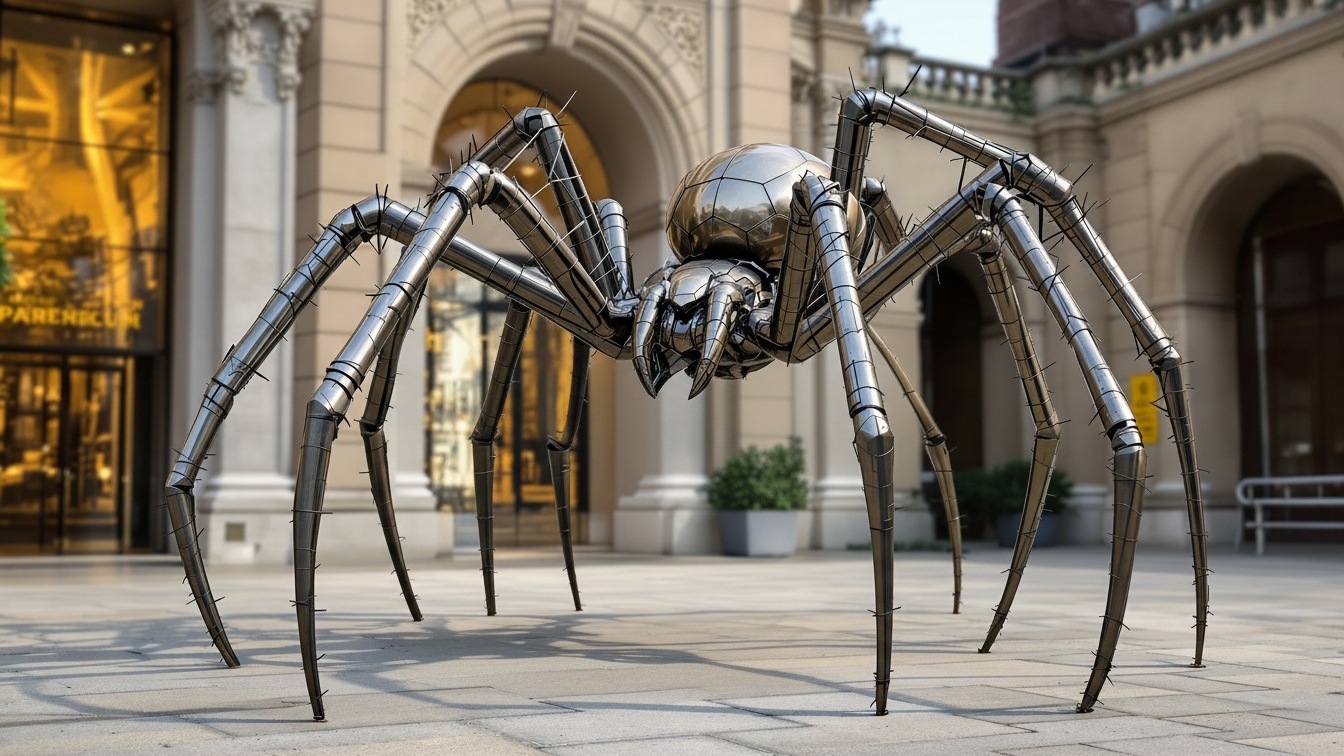
The exterior may be crafted from bronze, fiberglass, or stainless steel. Bronze is a popular choice for its durability and timeless aesthetic, though it is heavy and expensive. Fiberglass offers a lighter, more cost-effective option, ideal for roadside attractions or themed parks. Stainless steel adds a contemporary sheen, reflecting light in dramatic ways.
Surface Detailing
Artisans carefully sculpt textures onto the outer shell. Depending on the artistic vision, the surface might mimic the fine hairs of a spider’s legs, the segmented abdomen, or even abstract patterns that reinterpret the spider’s form. Layers of weatherproof paint or patina are applied to enhance durability and achieve the desired finish.
Assembly and Installation
Each leg is often fabricated separately, then bolted or welded onto the central body during installation. Cranes are required to position the massive components. Once assembled, the statue is anchored to a reinforced foundation, ensuring it remains secure against natural elements.
The end result is a breathtaking fusion of nature, art, and engineering—a creature of myth and biology scaled up to monumental proportions.
Artistic Interpretations: Realism vs. Abstraction
Not all giant spider statues aim for realism. Some embrace abstraction, using the spider form as a metaphor rather than a literal model. In these works, the legs may twist into surreal shapes, or the body may resemble geometric forms. These interpretations push viewers to think beyond biology, encouraging philosophical or symbolic reflections. Conversely, hyper-realistic spider statues emphasize accuracy, capturing every segment, hair, and joint. These statues celebrate the spider’s natural beauty, magnifying its intricate details so they can be appreciated on a grand scale. Both approaches have their place, appealing to different audiences and artistic philosophies.
Community and Cultural Responses
Communities that host giant spider statues often develop unique relationships with them. Some embrace them wholeheartedly, weaving them into local identity and tourism. Others react with skepticism or even protest, arguing that the statues are unsettling or inappropriate. This tension is part of the magic. Public art is meant to spark discussion, and few subjects are more polarizing than spiders. Over time, however, many communities grow to cherish their arachnid landmarks, recognizing the attention and cultural value they bring.
The Future of Giant Spider Statues
As technology advances, future spider statues may incorporate new materials and interactive features. Augmented reality could allow visitors to see webs stretching between the legs, or nighttime lighting could transform the statue into a glowing spectacle. Sustainable materials, such as recycled metals or eco-friendly composites, may also shape future fabrications, aligning with growing interest in environmentally conscious art. Whatever the innovations, the giant spider statue will continue to evolve, maintaining its grip on human imagination.
Why the Giant Spider Statue Endures
The fascination with giant spider statues lies in their ability to straddle multiple worlds. They are natural yet artificial, frightening yet captivating, monstrous yet maternal. They challenge us to see beauty where we expect horror, and to find meaning in the most unexpected forms. In a cultural landscape filled with monuments to heroes, gods, and ideals, the spider offers something different: a tribute to resilience, patience, and the delicate artistry of life’s webs.
Conclusion: A Web of Wonder
The Giant Spider Statue is more than a colossal arachnid in bronze or fiberglass—it is a symbol, a conversation piece, and a testament to human creativity. Whether encountered in a bustling plaza, a sculpture park, or as a roadside curiosity, it leaves an impression that cannot be ignored.
To stand beneath one is to experience awe, discomfort, and fascination all at once. It is to marvel at the way art can transform even the most feared creatures into monuments of meaning. So next time you see long metal legs stretching across a square, don’t just shiver—step closer. Admire the craftsmanship, reflect on the symbolism, and let yourself be caught in the web of wonder spun by the Giant Spider Statue.