
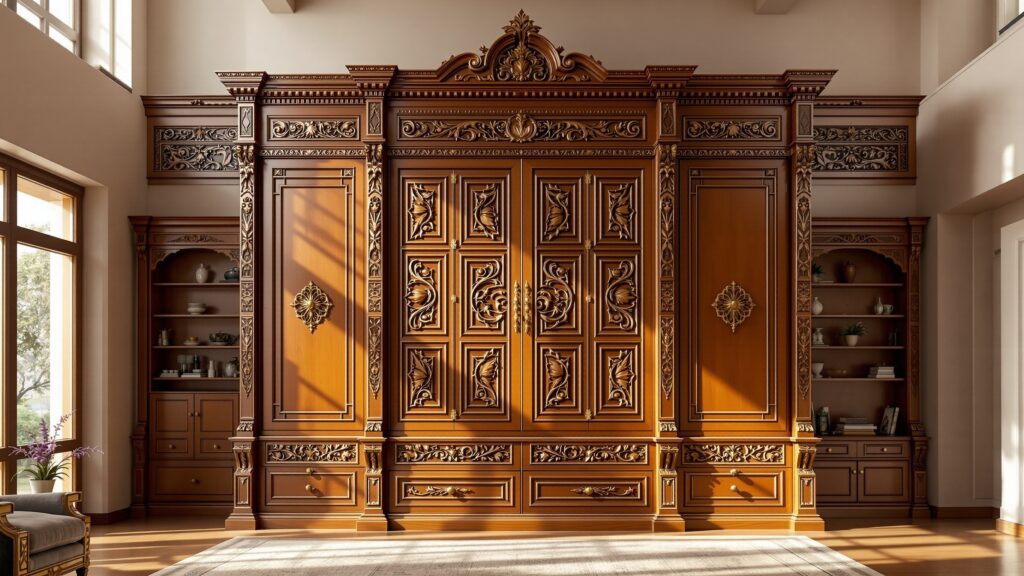
Giant Cabinet: When Storage Meets Spectacle
Cabinets are functional, storing our belongings in neat, organized spaces. They’re often tucked away in corners, blending seamlessly into the background of our homes and offices. But what happens when storage goes big? Enter the giant cabinet—an oversized, eye-catching piece of furniture that takes storage to an entirely new level. A giant cabinet is not just about function. It’s about making a statement, whether as a decorative centerpiece, a bold architectural feature, or a quirky conversation starter. These pieces push the boundaries of what we expect from traditional furniture, turning something as simple as storage into a spectacle. In this article, we’ll explore the fascinating world of giant cabinets, from their history and cultural significance to their design, uses, and the sheer joy they bring to our living spaces.

The Evolution of the Cabinet
To understand the appeal of giant cabinets, we first need to take a brief look at the evolution of the cabinet itself. Cabinets, in various forms, have been around for centuries. Originally, they were used to store valuable objects, art, or documents and were often displayed as symbols of wealth and status. In the 17th and 18th centuries, ornate cabinets made from fine woods, ivory, and precious metals were central to European aristocratic homes. These were pieces of craftsmanship, not just furniture.
By the 19th century, as mass production methods developed, cabinets became more utilitarian, primarily designed for storage. The introduction of standard home appliances, bookshelves, and kitchen cabinets led to more functional designs, though the need for unique and beautiful storage pieces never disappeared.
In the 20th century, as design became more about expression, cabinets began to transform. No longer just storage units, they became works of art, with furniture designers exploring bold, creative shapes and larger-than-life designs. And that’s where the giant cabinet comes in—blending utility with imaginative flair.
What is a Giant Cabinet?
A giant cabinet is more than a mere oversized version of a traditional cabinet. It’s a statement piece—large enough to command attention in any room. These cabinets come in various sizes and shapes, but what sets them apart is their sheer scale. Some giant cabinets are scaled-up versions of classic designs, while others are entirely unique creations that push the limits of what a cabinet can be. Giant cabinets can serve many purposes. Some are designed to hold large collections, from books and DVDs to wine and art pieces. Others are purely decorative, serving as architectural features in a room. The point is that a giant cabinet is not just about function; it’s about making a statement about storage, design, and creativity. These oversized pieces of furniture often become the focal point of a room, making them perfect for living rooms, galleries, museums, or any space where both function and style are paramount.
Why People Love Giant Cabinets
The allure of giant cabinets can be attributed to several factors, from their practicality to their artistic appeal.
First, there’s the functionality. As our lives become increasingly cluttered, finding clever ways to store and display our belongings is essential. A giant cabinet offers ample space to store everything from books and collectibles to electronics and fine china. It provides storage in a way that’s not just functional but also visually impactful.
Second, a giant cabinet is often an artistic statement. These pieces are designed not only to store things but to be noticed. With bold shapes, unique finishes, and extraordinary sizes, giant cabinets become conversation pieces, often reflecting the personality and taste of the owner. Whether you prefer minimalist, modern designs or intricate, vintage-inspired looks, the giant cabinet allows for creativity and self-expression.
Finally, there’s the nostalgia factor. Many giant cabinets are designed to resemble traditional cabinets from different eras—Victorian, Art Deco, Mid-Century Modern—and for those with a love of history or vintage style, these cabinets bring a sense of old-world charm.
Famous Examples of Giant Cabinets
Giant cabinets are not just found in homes; they also make their mark in public spaces. Here are a few notable examples of giant cabinets in various settings:
1. The Giant Cabinet at the Museum of Modern Art (MoMA)
In New York City, MoMA displays a giant cabinet created by the renowned Italian designer Ettore Sottsass. This colorful and geometrically striking piece is both a functional cabinet and an art installation. Its bold, oversized form stands out in stark contrast to the more traditional furniture in the museum’s design exhibitions, proving that storage can be as expressive as it is practical.
2. Giant Cabinets in Movie Set Design
In cinema, giant cabinets are often used in set design to create dramatic effects or evoke a sense of mystery. Think of films where the protagonist discovers hidden compartments, secret rooms, or magical items within oversized, ornate cabinets. These sets reinforce the idea that the cabinet is more than just a place to store things—it’s an integral part of storytelling and world-building.
3. Private Collector’s Cabinets
Private collectors sometimes commission giant cabinets to house large collections of art, antiques, or wine. These custom-built pieces of furniture often reflect the collector’s personal taste, with intricate designs and elaborate features. Giant cabinets in this context are not just functional storage—they are part of the collection itself, turning the cabinet into an important work of art.
Designing a Giant Cabinet
Designing a giant cabinet involves much more than simply scaling up a traditional piece. A successful design requires careful consideration of materials, space, and functionality.
Materials
The material used to construct a giant cabinet plays a crucial role in its final look. High-quality woods like walnut, oak, and mahogany are often chosen for their durability and rich color. Some cabinets incorporate mixed materials like glass, metal, and even stone to create a modern or industrial feel. Others may be made from sustainable materials, such as bamboo or reclaimed wood, to give the piece a more eco-friendly appeal.
Shape and Size
The shape and size of the giant cabinet depend largely on its intended purpose. Some are rectangular and boxy, designed to hold rows of books or dishes. Others may have curved lines, inspired by vintage furniture or artistic movements like Art Nouveau or Baroque. The scale must also be taken into account—designers often use digital tools to model the cabinet before building it, ensuring that its size fits the space without overwhelming it.
Functionality
A giant cabinet can be designed with many different functionalities in mind. Some include built-in shelving or drawers for storage, while others incorporate lighting to highlight displayed items. For a collector, a giant cabinet may include specialized compartments to protect fragile items like artwork or wine. Whether it’s for storing clothes, books, or collectibles, the cabinet must be as practical as it is visually striking.
Cultural and Social Significance of Giant Cabinets
Giant cabinets often serve as more than just furniture—they are cultural symbols. In many ways, they reflect societal values related to luxury, status, and personal expression. In the 21st century, the giant cabinet has become an icon of modern living. It symbolizes the desire for comfort and practicality in the home, while also reflecting an appreciation for aesthetics and individuality. As homes become more than just places to live and work, furniture like the giant cabinet allows homeowners to express their personal style and taste.
For collectors, a giant cabinet becomes a reflection of their passion, housing not only their possessions but their identity. Whether it’s a wine collection, a library of books, or a collection of rare artifacts, the cabinet is a way of showcasing what matters most to the collector.
The public use of giant cabinets—whether in museums, public spaces, or commercial settings—reinforces this idea of furniture as an expression of culture. In public spaces, these large-scale storage pieces can act as monuments to human creativity and craftsmanship.
How to Incorporate a Giant Cabinet into Your Home
Incorporating a giant cabinet into your living space requires careful planning. While these pieces make bold statements, they can also be overwhelming if not positioned correctly. Here are some tips for making the most of a giant cabinet in your home:
1. Choose the Right Space
A giant cabinet needs space to breathe. It works best in large rooms—living rooms, dining rooms, or even in open-plan areas—where it can stand as a central piece. Avoid placing it in tight corners or small spaces, where it may feel oppressive or cluttered.
2. Blend Styles
Giant cabinets can work with various interior styles, from traditional to contemporary. The key is blending the cabinet’s design with the surrounding furniture. A giant cabinet with sleek, modern lines might look out of place in a vintage-inspired room. Similarly, a more ornate cabinet may clash in a minimalist space. Choose a cabinet that complements your existing décor.
3. Use It as a Focal Point
Giant cabinets often become the focal point of a room, so position it where it can be admired. Whether it’s in the center of the room or against a wall, make sure it’s the piece that draws the eye.
4. Showcase Special Collections
A giant cabinet provides ample space for displaying artwork, collectibles, books, or even a beautiful dinnerware collection. Use the extra storage space to organize your belongings, but also make the most of it by displaying items that reflect your personal style.
The Future of Giant Cabinets
As design trends evolve, so too will the role of the giant cabinet in our homes and public spaces. We can expect to see more innovative designs that incorporate smart technology—think integrated charging stations, lighting systems, or interactive features. Eco-conscious designs may become more popular as sustainability takes center stage in the design world. Giant cabinets will continue to be not only functional but artistic as well, embracing the fusion of form and function. In an age of mass production, these pieces represent a return to craftsmanship and uniqueness, offering people a way to connect with the art of furniture making.
Conclusion: More Than Just Storage
The giant cabinet is a marvel of design and function. It’s no longer just a practical piece of furniture—it’s a cultural symbol, an artistic creation, and a testament to the evolving role of furniture in our lives. Whether it’s in your home or in a public space, the giant cabinet commands attention, showcasing creativity, craftsmanship, and style. For those who love blending practicality with beauty, a giant cabinet is the perfect statement piece, turning ordinary storage into something extraordinary. It challenges our ideas of space, organization, and design, giving us a place to display what matters most while also making a lasting impression. So, whether you’re a collector, a lover of fine design, or simply someone looking to add character to your home, the giant cabinet is a piece of furniture worth considering. After all, who said storage couldn’t be spectacular?
Contact us today to learn more about our 3D services and how we can help you achieve your goals.