
Planning a Giant Butter Prop
A giant butter prop is a deceptively simple object. Its length, width, height, edge profile, cut face, color, and resting angle have to work together so the enlarged form reads as butter rather than a generic yellow block. Defining those choices at the start creates a useful brief for one unwrapped butter stick, pat, or sculpted butter shape.
Plan a Giant Butter Prop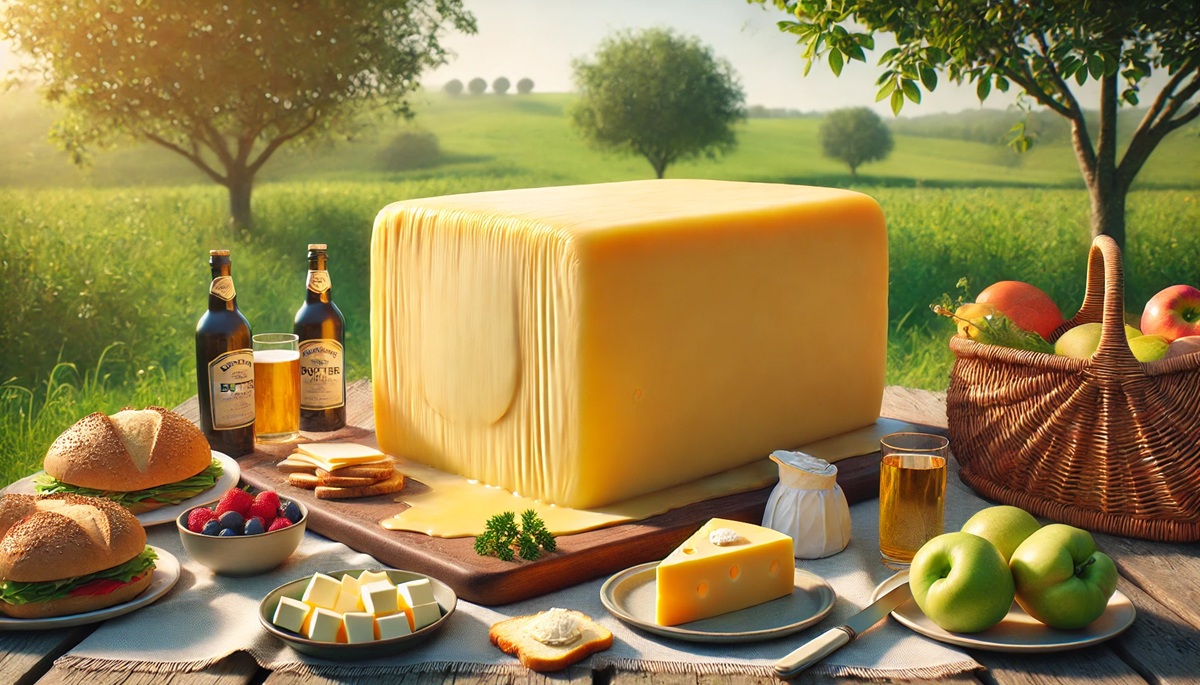
Choose the Butter Form and Proportions
Begin with a reference that shows the complete object rather than a close crop. Decide whether the requested piece is a long commercial-style stick, a shorter block, a thick pat, a cut portion, or a deliberately shaped butter form. Record the target length, width, and height together so the enlarged proportions do not drift toward a brick, cheese block, or packaged product.
Mark the principal view and the number of sides the audience can see. A horizontal stick can emphasize length and a clean end face, while a slightly angled block reveals more depth. If a separate pat or cut slice belongs in the composition, give it its own dimensions and exact relationship to the main form.
Define the Edges, Faces, and Surface Marks
The butter identity comes from a small set of controlled geometric cues. Each one should be shown on the approved elevations.
Edge profile
Specify crisp corners, gently eased edges, or a more rounded molded profile. Keep the radius consistent unless the reference intentionally shows handling or compression.
Cut face
Identify any sliced end, knife line, shallow scoop, or removed portion. State which marks need to remain visible from the normal viewing distance.
Top and long faces
Show whether the broad surfaces are perfectly flat, subtly crowned, lightly textured, or marked with supplied lettering. Avoid relying on generic yellow color as the only identifying feature.
Base contact
Draw where the block meets its support and how much of the lower edge should remain visible. A recessed or concealed support should not alter the intended rectangular outline.
Set the Resting Angle and Display Footprint
A butter form may sit flat, rest on one long edge, or turn slightly toward the audience. Choose the pose before finalizing the end treatment because orientation determines which faces, corners, and cut details can be seen. Note whether a visible platform is acceptable and provide the usable floor or counter area.
Include nearby walls, signs, scenery, and audience circulation on the placement plan. Also list any requested handling, movement, lighting, or audience contact as a separate requirement for review. Those functions cannot be inferred from an illustration of a static display.
Compare a Block and Stick Direction
The first concept presents a compact block with softened corners and a broad top plane. The second stretches the object into a longer stick and introduces a visible cut portion. Comparing the two makes the decisions about proportion, edge profile, cut face, and support more concrete.
Both images are visual concepts. They do not document a WhiteClouds commission or verify a particular size, material, construction system, finish, temperature performance, or placement condition.

Send the Butter Prop Details
A focused request identifies one butter form and the few cues that make it recognizable.
- Approved butter reference and block, stick, pat, or shaped format
- Overall length, width, height, and available footprint
- Corner radius, edge softness, cut face, and surface marks
- Exact yellow range, highlights, shadows, lettering, or supplied graphics
- Resting angle, principal view, and every exposed side
- Main block and any separate pat or cut-piece relationship
- Floor, counter, platform, wall, or scenic placement information
- Access route, destination, display conditions, and required date
Request a Custom Prop Quote
Send the butter reference, dimensions, edge profile, cut details, colors, orientation, visible sides, placement conditions, access information, destination, and schedule. WhiteClouds can review the scope and prepare a custom quote.