
Planning a Giant Pea Prop
A giant pea prop can be a single rounded pea, a closed pod, or an open pod that reveals several peas. That choice controls almost every later decision: the curve, seam, interior spacing, end taper, orientation, and support. Defining one pea-pod composition keeps the page separate from generic bean shapes and grouped vegetable scenery.
Plan a Giant Pea Prop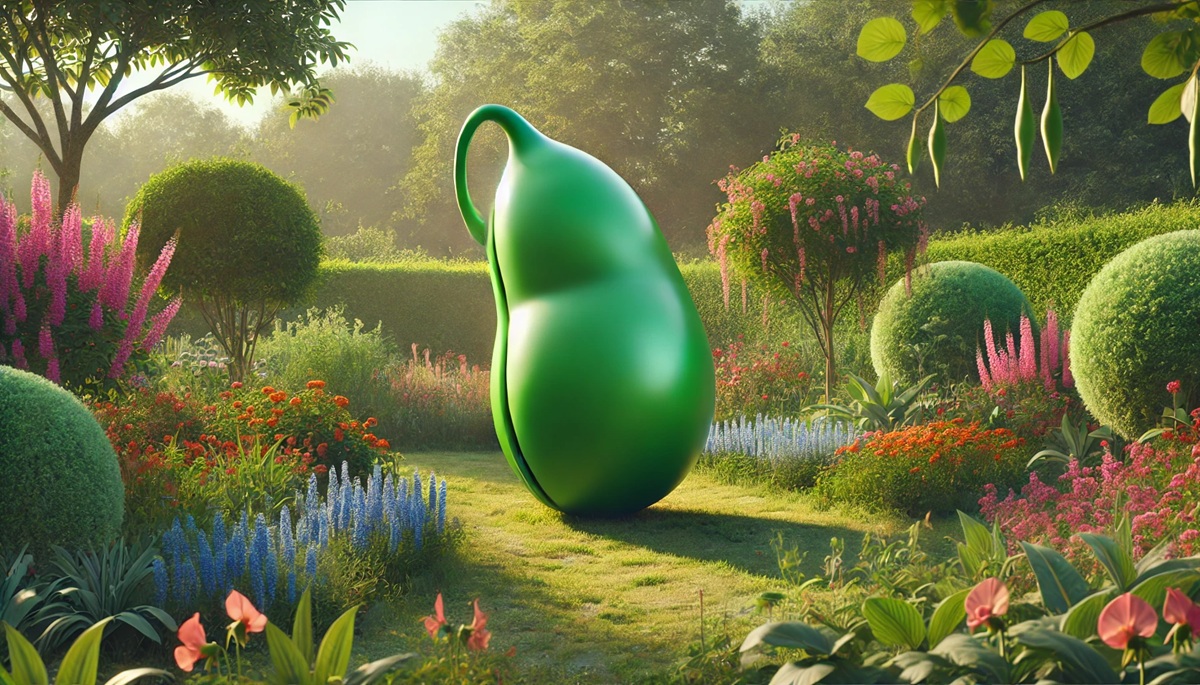
Choose a Single Pea, Closed Pod, or Open Pod
Resolve the subject before setting dimensions. A single pea is a compact rounded form; a closed pod is long and tapered with a subtle sequence of bulges; an open pod adds a visible interior and distinct individual peas. Combining these directions without a clear hierarchy can make the object difficult to read.
Provide front, side, and end views for the selected format. For an open pod, add an upper view showing the shell opening and the exact arrangement of the peas. Mark the principal audience or camera position so the opening is aimed correctly.
Define the Pea Count, Pod Curve, and Seam
Treat the rounded peas and the surrounding shell as related measured parts.
Pea count and spacing
Set the number of visible peas, their relative diameters, gaps, and overlap. Decide whether they sit evenly or follow an approved irregular rhythm.
Pod curve
Draw the centerline and the changing width from the fuller middle toward both ends. The curve should remain clear in plan and elevation.
Opening and seam
For an open pod, specify the width, depth, and edge profile of the opening. For a closed pod, show the seam and the amount of pea relief visible through the shell.
End taper
Define each tip, including any short stem-like end shown in the reference. Keep those ends proportionate to the enlarged pod rather than adding generic foliage.
Plan the Pose and Supporting Surface
A horizontal open pod gives a clear view of its interior but occupies a long footprint. An angled pod can present more depth, while a single pea may sit upright or turn to feature a supplied graphic. Show all contact points and state whether the support can be visible.
Map nearby scenery, audience paths, walls, and camera positions. If the idea includes removable peas, movement, lighting, handling, or participant contact, list that request independently. The concept art does not establish any of those functions.
Compare a Single-Pea and Open-Pod Direction
The garden concept isolates one rounded asymmetrical pea form with a very small base. The kitchen concept uses an open shell, multiple peas, and a much longer horizontal envelope. The two images therefore represent different composition, footprint, interior-detail, and viewing problems.
Use these illustrations only to discuss visual direction. They do not document WhiteClouds fabrication or support claims about size, material, structure, removability, finish, weather rating, food use, or installation.

Specify the Pea or Pea-Pod Display
A complete brief identifies one composition and the relationships inside it.
- Approved reference and single-pea, closed-pod, or open-pod format
- Overall length, width, height, and available display area
- Pea count, diameters, spacing, overlap, and interior position
- Pod centerline, curve, maximum width, seam, and opening
- End tapers, stem-like detail, shell edge, and surface treatment
- Green palette, interior contrast, markings, and supplied graphics
- Orientation, principal view, visible sides, and support preference
- Access route, destination, placement conditions, and required date
Request a Custom Prop Quote
Provide the pea or pod reference, selected format, dimensions, pea arrangement, shell geometry, colors, orientation, support, site information, access details, destination, and timeline for a custom quote review.