
Planning a Giant Corn Prop
A giant corn prop depends on the relationship between one tapered cob and its repeating kernel rows. The tip, base, row direction, kernel scale, husk position, silk detail, orientation, and support need to be resolved together. This page is limited to one ear of corn rather than a harvest assortment or a general food-display category.
Plan a Giant Corn Prop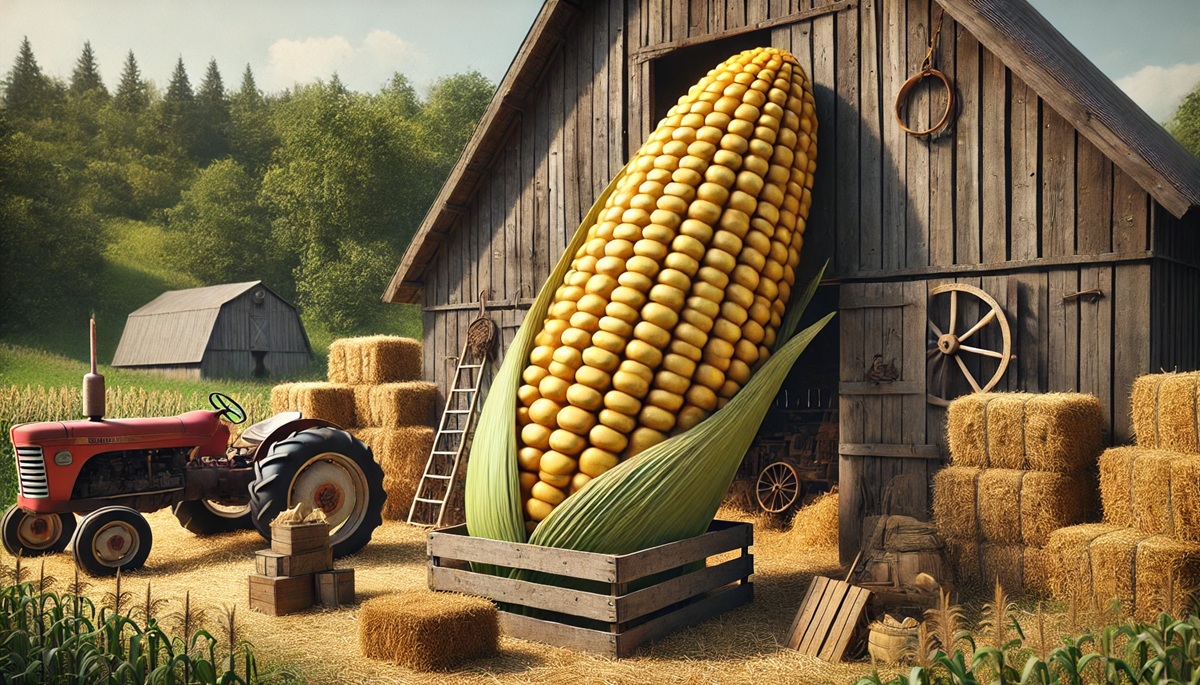
Choose the Cob Profile and Husk State
Select a reference that shows the complete ear, including its tip and base. Record the desired length, maximum diameter, and amount of taper. Then decide whether the kernels are fully exposed, partly framed by peeled-back leaves, or enclosed by a more complete husk based on the supplied design.
Mark the strongest viewing side. Corn rows wrap continuously around the cob, but a display often has one face where the grid, color, and any graphics need to look most controlled. Side and end views clarify the roundness and the way the rows converge.
Map the Kernels From Base to Tip
Build the large cob first, then use a measured kernel system that follows its changing diameter.
Row direction
Establish the longitudinal paths before drawing individual kernels. The rows may run straight or follow a slight approved spiral, but their relationship should remain consistent around the ear.
Kernel scale
Set the kernel width, height, relief, and spacing for the intended viewing distance. Decide how much irregularity belongs in the pattern without losing the overall grid.
Tip and base
Show how the rows reduce at the tapered tip and how they end near the lower attachment area. These transitions prevent the pattern from appearing abruptly cut off.
Husk and silk
Define the number and reach of the husk leaves and any visible silk-like lines. Keep those parts tied to the approved reference instead of assuming a general harvest theme.
Choose a Standing, Leaning, or Horizontal Pose
An upright ear uses height efficiently but concentrates attention on the lower base. A leaning arrangement reveals more of the long profile, while a horizontal presentation needs enough floor or platform length to keep the tip clear. Draw the complete envelope in the intended pose, including the furthest husk edge.
State whether the support can be visible and identify the audience path around the object. Requested movement, lighting, handling, or public contact should be documented on its own so the new design can be evaluated rather than inferred from a static concept.
Compare Leaning and Horizontal Corn Concepts
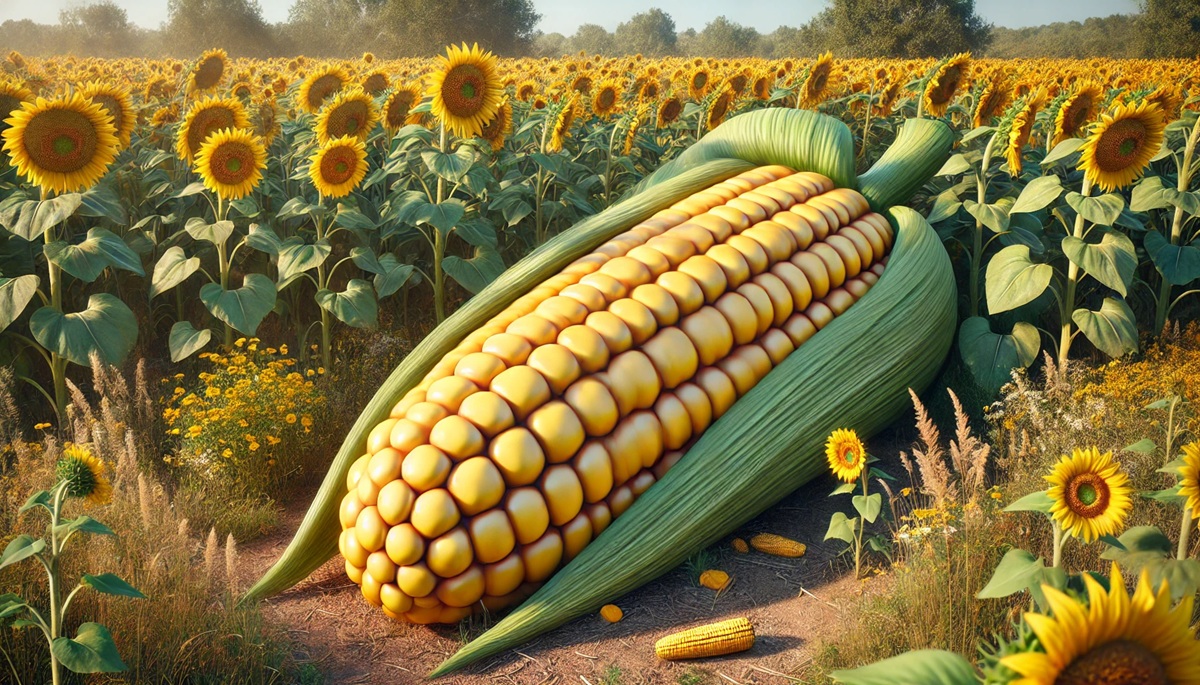
The barn concept places the ear on a steep angle and exposes nearly the full kernel face above a compact base. The field concept rests the cob horizontally and spreads the husk beneath it. Those approaches create different heights, footprints, primary views, and support opportunities.
Both images are conceptual. They do not record a WhiteClouds project or verify a customer, actual dimensions, materials, kernel construction, finish, agricultural setting, weather performance, or installation method.
Prepare the Giant Corn Brief
The design input should define one ear from tip to base.
- Approved whole-ear front, side, and end references
- Overall length, maximum diameter, taper, and display envelope
- Kernel row direction, count range, scale, spacing, and relief
- Tip convergence and lower row termination
- Fully exposed, partly peeled, or other approved husk state
- Husk-leaf reach, silk treatment, colors, and supplied graphics
- Standing, leaning, or horizontal pose and principal viewing side
- Base preference, access route, destination, and required date
Request a Custom Prop Quote
Submit the corn references, overall dimensions, kernel and husk direction, colors, pose, viewing sides, support preference, site conditions, access details, destination, and required date so WhiteClouds can review the scope.